JOHN LOCKE, ARCHITECT

  • Featured Work
  • Design Blog           
  • Photography
  • Graphic Design
  • Dept of Urban Betterment

About

Hello. I live in New York and work at The Living. I hold a graduate degree from Columbia University's GSAPP and an undergraduate architecture degree from the University of Texas at Austin. I have more than seven years of professional experience at noted architecture firms, including New York-based Rogers Marvel Architects and SOM. I also tackle freelance graphic and photography work with my partner in crime, the multi-talented Jackie Caradonio at Lion in Oil. In addition, I teach a course, Hacking the Urban Experience, at Columbia. View my CV here: CV(html). Thanks and have a nice day.

Contact

john.h.locke{at}gmail.com
310.735.3333

Architecture Portfolios

Portfolio 2002-2007 (issuu)
Portfolio 2008-2009 (issuu)

HOME / BLOG

architecture

20100430 Tags: gsapp, kinne, photography, research, writing | No Comments »

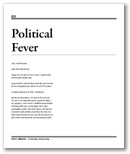
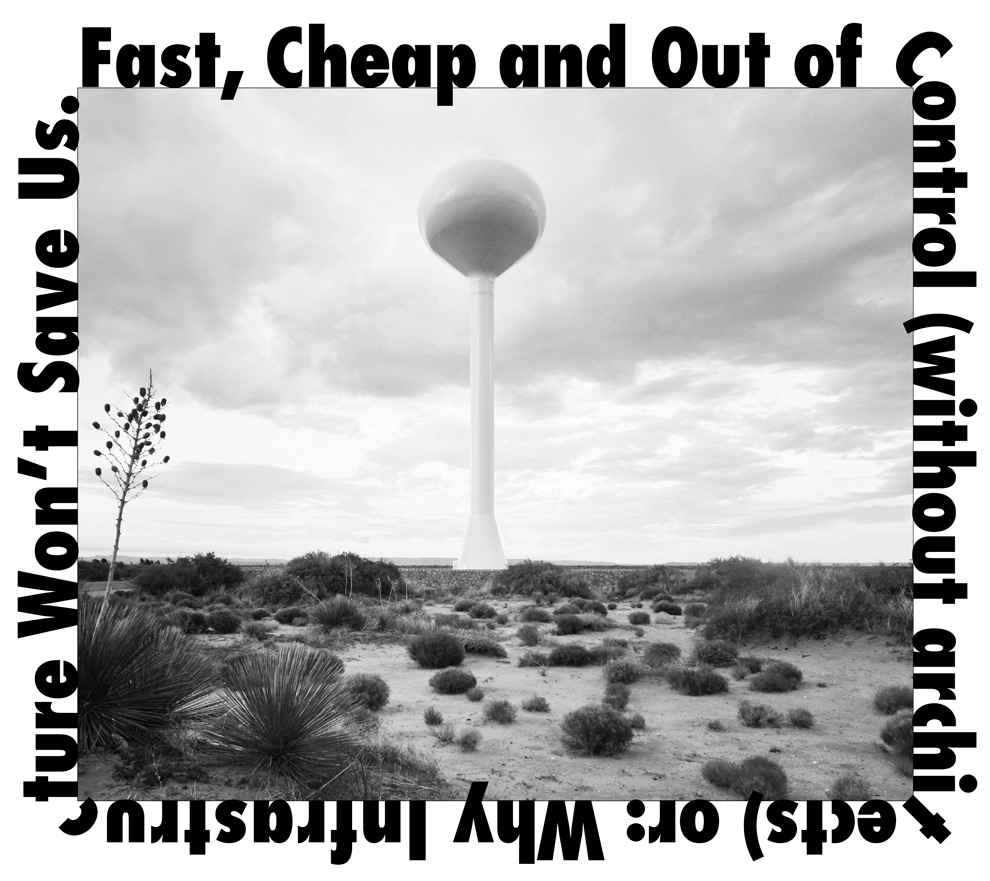
fast, cheap and out of control (without architects), or: why infrastructure won’t save us

titlepage1


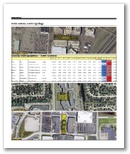
view google map


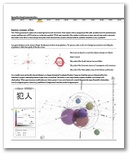
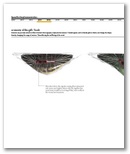
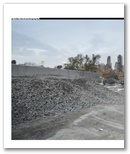
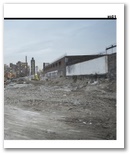
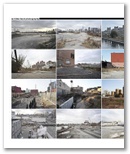
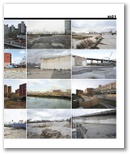
My final submission for the Kinne Research Fellowship at Columbia. Keep in mind this is the first part through the American Southwest and Northern Mexico from late last summer (!), the second session in Mexico City is still looming on the horizon.


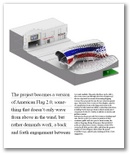
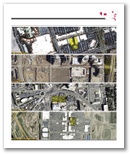
Fast, Cheap and Out of Control is research through observation: structures, installations, natural landforms, urban growth and manipulated landscapes constructed in the blank slate of the Southwest Desert. A place where time stretches from Planck’s constant – used to record the chain reactions that produce an atomic detonation – to Robert Smithson brushing up against the infinite on the Great Salt Flats, all of which is tested and implemented under the powerful spell of the Western landscape – a strange entity mixed in with notions of nation and empire, bravery and myth, history and fiction.


The result of a six-week exploration in the form of a road trip lies before you in an ambling, somewhat desultory first-hand narration of a nomadic journey across the desert’s offensively vast spaces. Situated between the region’s fragmented vignettes of activity, I attempt to resolve the disparate nature of the desert’s strange, isolated events into a coherent narrative.


See the edited book above, or browse some of the original posts/chapters below:

Donald Judd and the myth of Marfa
Peace through deterrence in the underground titan missile silo
Improvisation at Arcosanti
The hyper fictional landscape of Tijuana
Ballard and the Spiral Jetty
The border wall that no one wanted
De Maria’s Lightning Field and Tourism
Water rights and development in the El Paso Colonias

20091115 Tags: architecture, museum, work | No Comments »

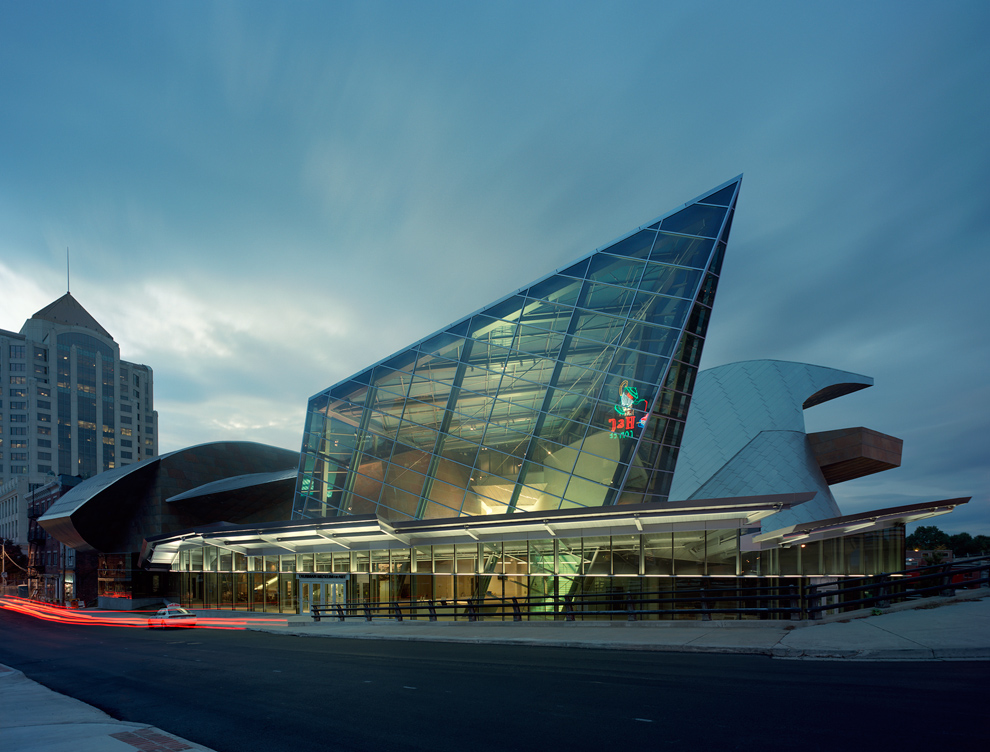
aga construction

aga00

aga01

Images copyright Robert Lemermeyer Photography


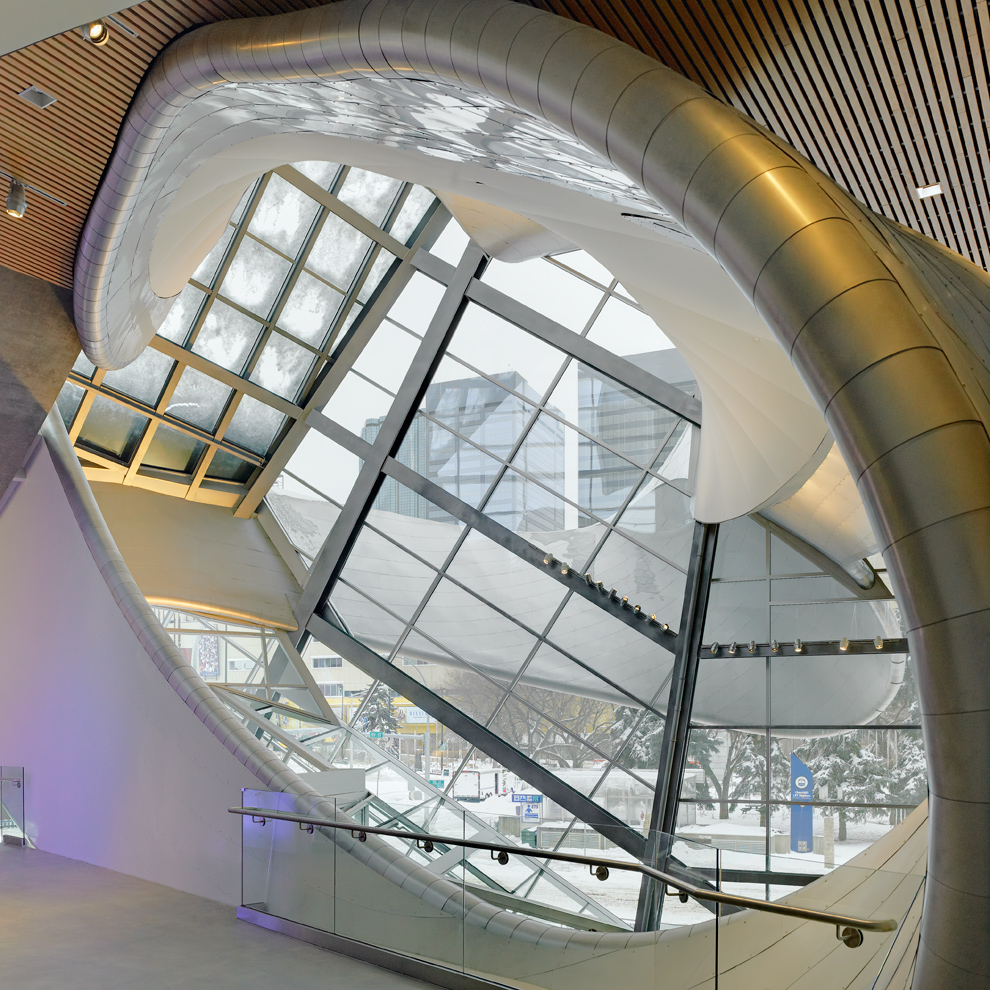
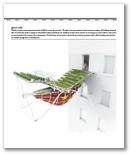
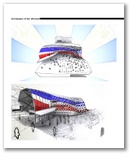
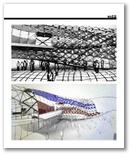
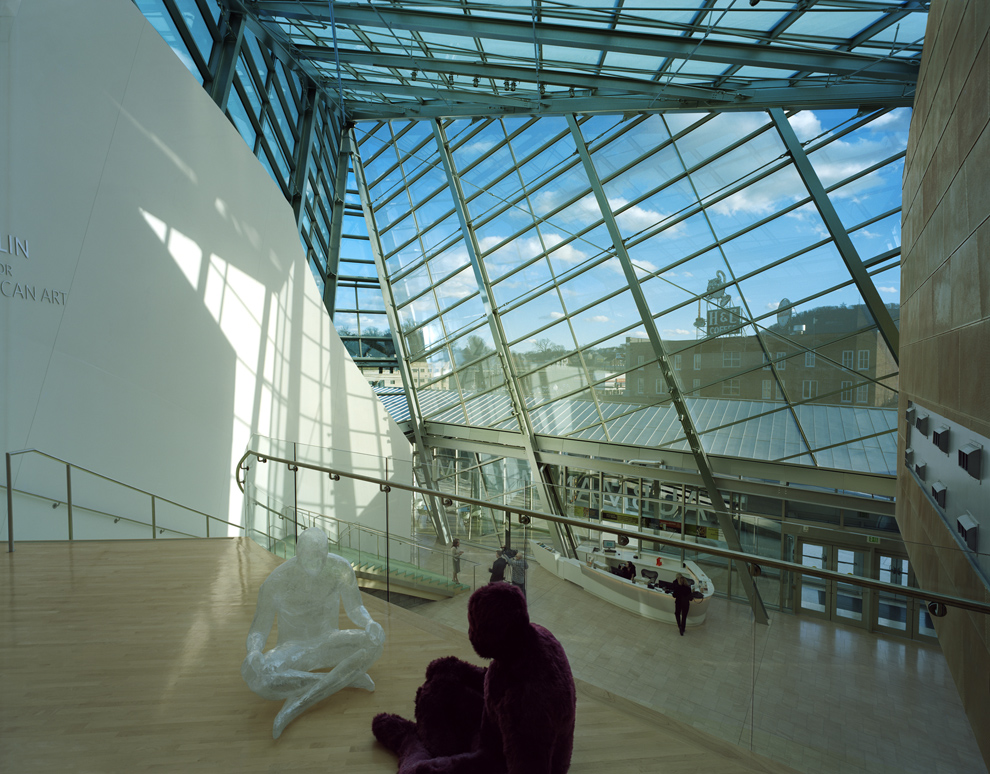
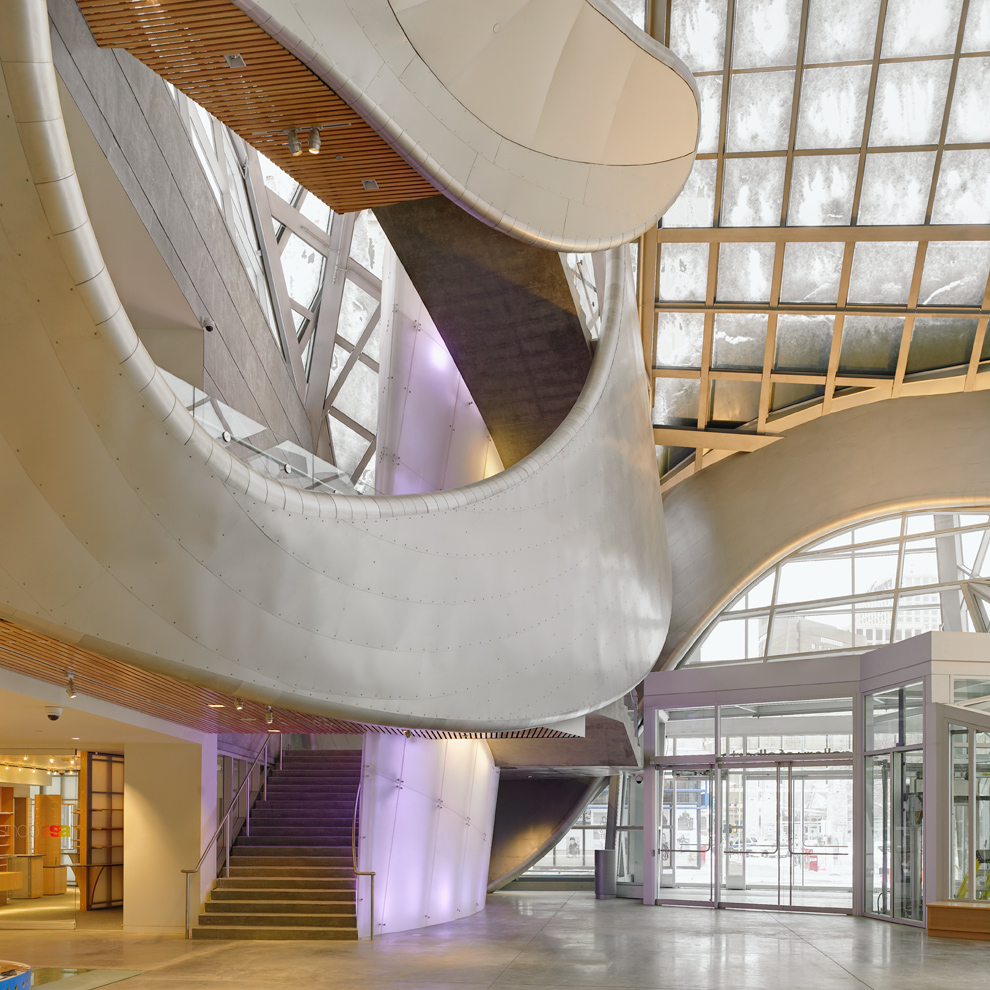
I’ve been diligently following the exterior construction progress of the AGA museum in Edmonton via the museum’s dedicated online webcam, and it looks absolutely wonderful, but unfortunately the spectacular interior spaces had been hidden from view until now. In my imagination and the computer and physical models I spent the better part of three years designing in while at RSA, I saw the public entry lobby as an expansive and light filled space that was confirmed by these first images taken from the museum’s facebook page. They were a joy to see and a welcome reminder that the days consumed by getting that projecting finger in the top left to look just right as it slid past the grand stair were all worthwhile.


more »

20090919 Tags: architecture, competition, graphic design, writing | 5 Comments »

the (un)certain future of competitions

nextstop1


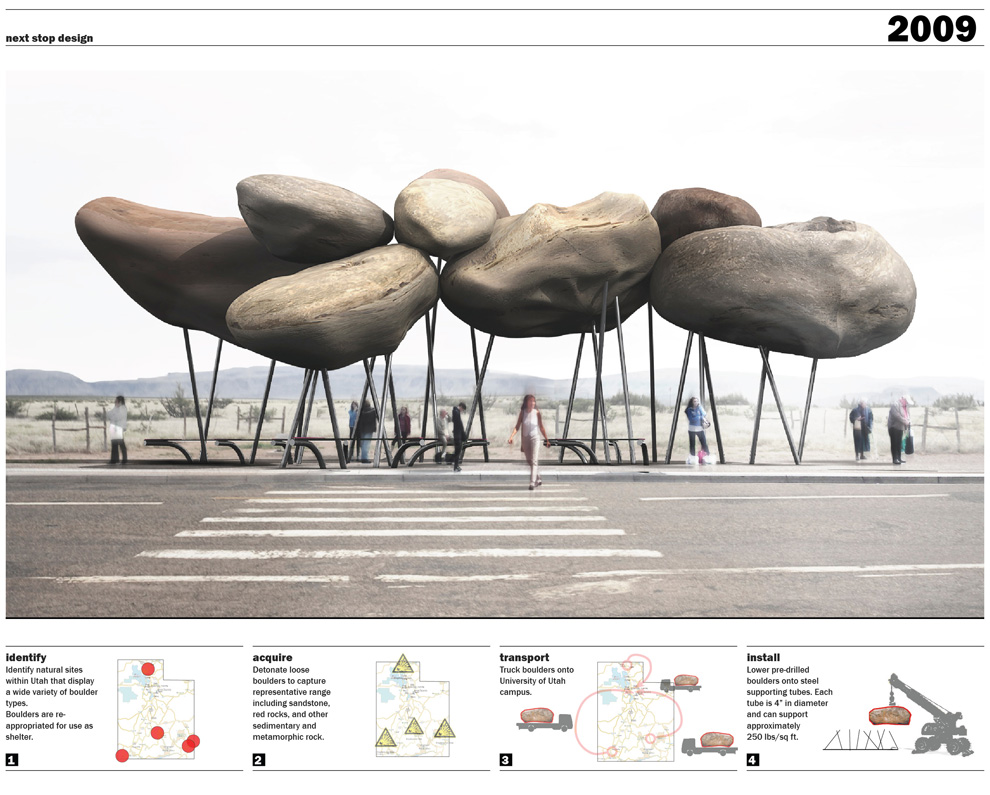
Ok, so this is my entry to the Next Stop Design “competition” for a bus stop on the University of Utah campus. I’d just spent a fair amount of time in Utah so the setting piqued my interest. The boulders are recycled from national parks around Utah and brought into Salt Lake to form the shelter of the bus stop. Whatever, right, pretty straightforward and not bad for a lazy afternoon’s work. What’s actually much more pertinent for discussion is how NextStopDesign understands the application of the buzzword “crowdsourcing” in relation to the future of architectural competitions.


Wikipedia defines crowdsourcing as “the act of taking tasks traditionally performed by an employee or contractor, and outsourcing it to an undefined, generally large group of people or community in the form of an open call.” Wikipedia is an example of crowdsourcing. Here’s another: Netflix uses an algorithm to recommend other movies you’d like based on your past viewing habits. This algorithm could certainly be improved upon so it becomes more accurate and stops trying to get me to watch The Benjamin Button movie. So to design a better recommendation algorithm, Netflix didn’t hire some movie-algorithm-predicter company, but rather put out an open competition – with a prize of 1 million dollars – with the idea that anyone out there can come up with a better algorithm that will more truthfully predict what kind of movies I’ll like. And anyone and everyone has tried: academics, laypersons, programmers, etc.


Now here’s how NextStopDesign competition organizer and researcher Daren Brabham defines crowdsourcing: “a company posts a problem online, a vast number of individuals offer solutions to the problem, the winning ideas are awarded some form of a bounty, and the company mass produces the idea for its own gain.” Sweet, so I can be compensated a nominal amount for my work, and then some other company reaps massive profits. Score! Where do I sign up?!?! But maybe the problem is that this dude’s narrow and cynical reading of crowdsourcing isn’t actually inaccurate, but actually pretty well describes the exploitive nature of crowdsourcing.


This is how NextStopDesign attempts to apply the principle of crowdsourcing into the design of a bus stop in Utah: Anonymous users post one to three images of their proposed design on the site, and other registered anonymous users rank said designs on a scale of one to five stars. When the voting ends, the highest rated design “wins.” What you win is completely undefined, but hidden deep in the bowels of the site is the statement that NextStopDesign will present the portions of the highest rated designs as possible qualities the Utah Planning Division could consider implementing in the future. In this scenario NextStopDesign acts an unnecessary parasitic gatekeeper. Now, since being highly rated is predicated on how others rank you, it is in each users own best interest to vote everyone else as low as possible as they jockey for a higher position. This leads to a cutthroat environment where everyone leaves absurdly irrelevant and overly harsh criticisms on other designs, and depresses the entire vote score. Out of around 200 designs the median score is a paltry 1.6 out of 5. Therefore, the highest ranked design is the one has garnered the most goodwill amongst a loose network of vindictive users that are each looking out for their own vested self-interest. Since all comments and ratings are anonymous you can’t trust anybody. This ultimately leads to the major misunderstanding NextStopDesign must confront regarding crowdsourcing and urban planning which is this: When Netflix crowns a winner they will be able to quantifiably judge that someone in the crowd has designed a more efficient algorithm. It can be tested, verified, and agreed upon by all. The design of a bus stop is different, and must address a whole slew of realities such as siting, fabrication, cost, etc. that are unable to be processed from even the most beautifully rendered image. On the other hand, what could make this competition interesting is if NSD were attempting an experiment to quantify the intangible qualities of architecture via a participatory network, or using the performative values of a proposed design (using program, energy, structural)as a means to rank and determine what’s “better.” But based on their repeated and simplisitic definition of crowdsourcing (step1_competition, step2…., step3_profit!) as simply a buzzworthy potential means to realize a new profit model it falls flat, and it is narrow and cynical. I’m torn here, because I think a lot of the submitted designs are really clever and inventive (I’m looking at you Bus-Shroom!). It’s the means to which they’re being used that bothers me.


There’s absolutely nothing groundbreaking about letting the general population participate in the results of an architectural competition. I’ve worked on at least two competitions where the voting results of the public became a factor in the jury’s deliberations. Also, archinect just ran a completely awesome competition for a Michael Jackson memorial where online contributors could rate and comment on the submissions. But here, the participatory aspect is but one component used in addition to a jury of experts in fields of design, architecture and engineering. And in lieu of this weeks amazing presentation by Usman Haque, in which he presented a survey of his projects that utilize a true participatory network in inspiring ways, NextStopDesign can’t help but come off as cloying and depressing.


In the end, though, it might be worth re-reading the Wired article that NextStopDesign quotes from liberally, and there, one can find the murky origins of NextStopDesign in the form of the earliest use of crowdsourcing, here in the interest of cheap, mass-marketed television programming: America’s Funniest Home Videos. Yes Bob Saget and ABC did make a fortune, but just because America voted for the hysterically zany toothless kid, doesn’t make him as great as the Simpsons. Maybe you really do want to look at reality show programming as the new paradigm for urban planning and architecture, but I’m pretty sure nobody wants more Wiffle Bats to the proverbial crotch.
2009062 Tags: architecture, china, gsapp, parametric, school, studio | 7 Comments »

global panopticon

beijing01


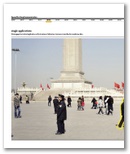
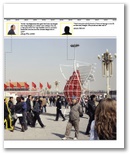
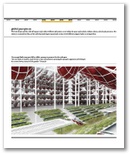
I didn’t really cut anything from the presentation included below. So, yeah, there’s a lot of slides. It’s (almost) the entire final presentation. I left it pretty much intact because not only 1) I can never edit my own work, but 2) the project is conceived more as a sci-fi narrative of Beijing and it will hopefully make more sense if read in complete order. And you can always just scroll way down to the end for some sweet images. This was for Ed Keller’s SpeedTerritoryCommunication studio, Spring 2009.
 

quick project description:
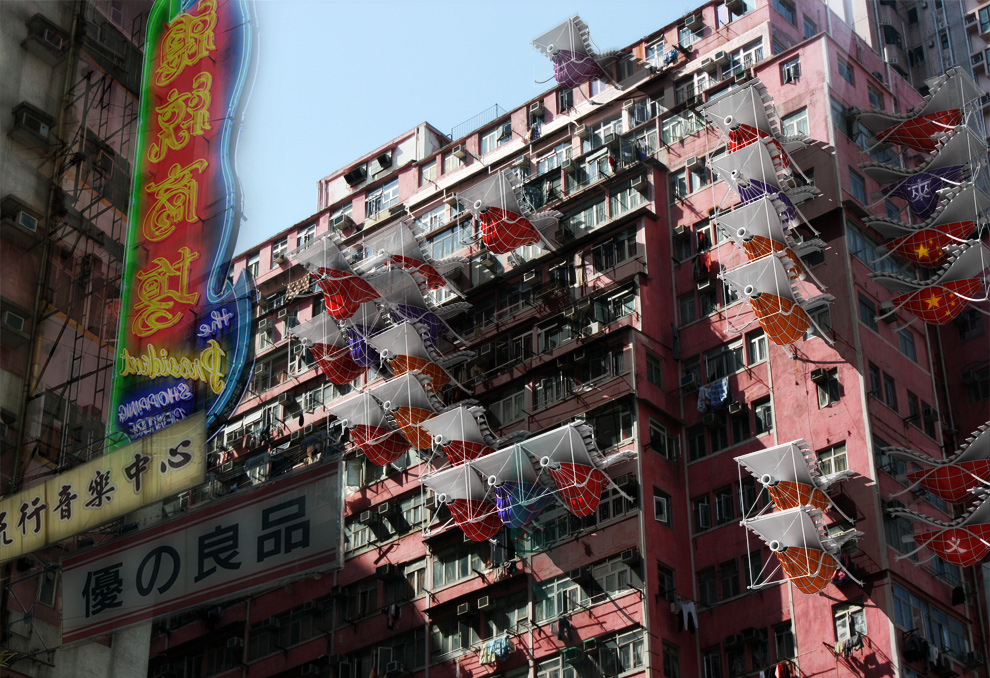
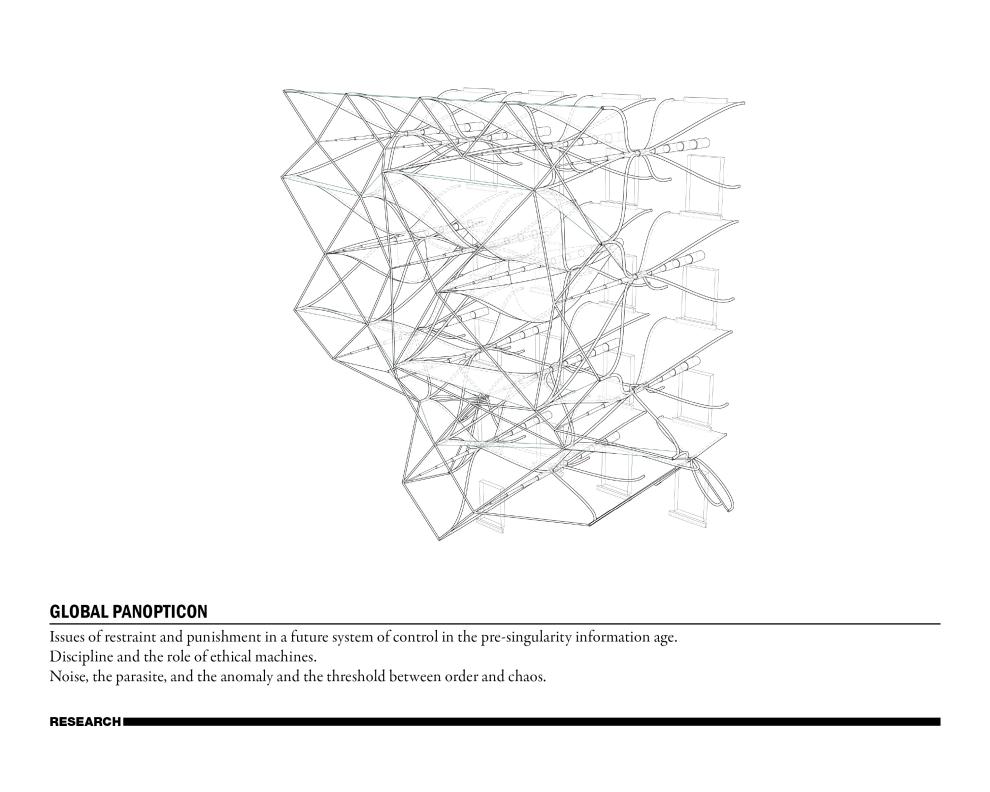
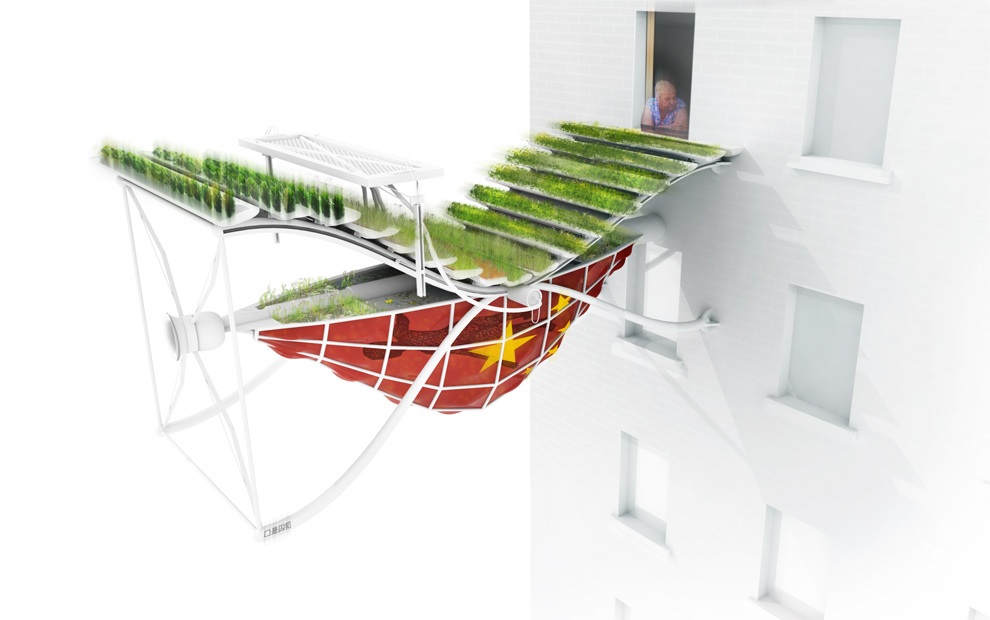
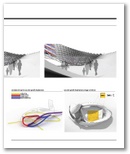
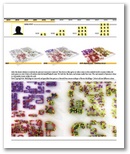
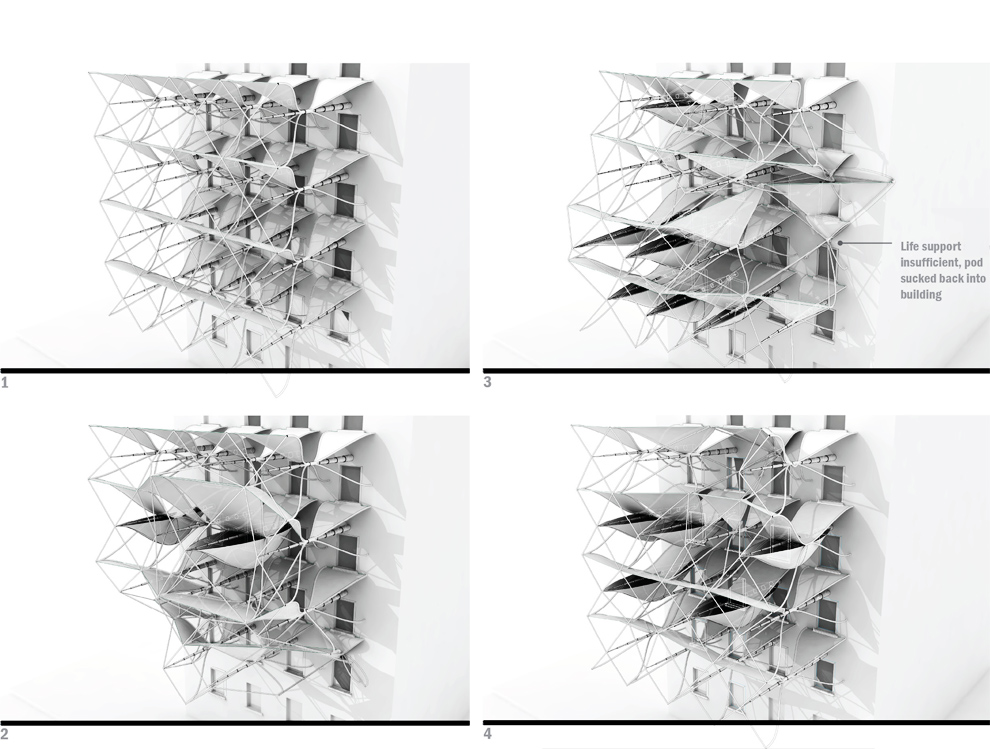
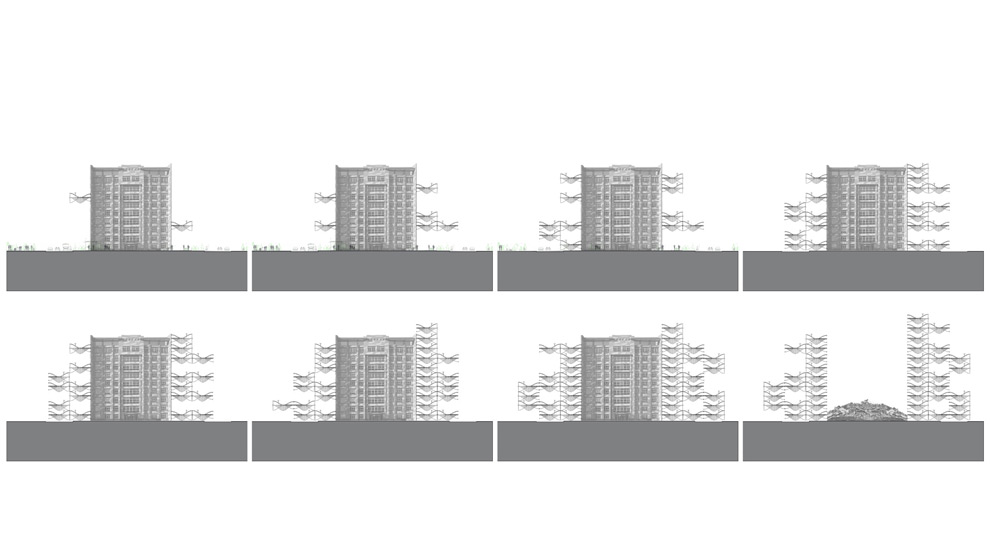
Architecture is a system of control predicated on limitations. This project is a study of the existing control systems in Beijing and a projection of how architecture and technology will merge to change not only prisons, but also the urban environment, the social stratification of society. Also addressed are what confinement and freedom will mean in relation to our relationship with how we build our world.


locke_final
more »

20090529 Tags: architecture, grasshopper, gsapp, parametric, school | No Comments »

beijing 2014

01
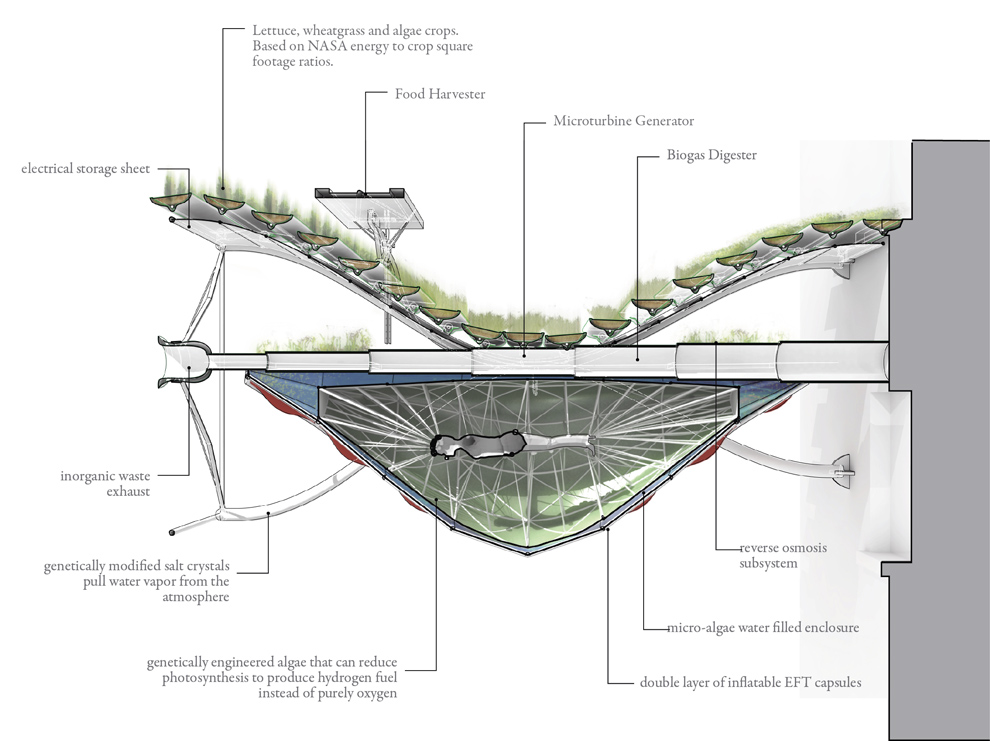
single-cell-section


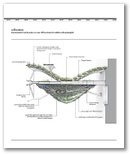
Detail from my final studio presentation of one symbiotic cell. See also a sankey diagram of the flows of energy through this system here.

20090524 Tags: architecture, fabrication, gsapp, interaction, processing, school, scripting | No Comments »

interactive elevator installation

living01
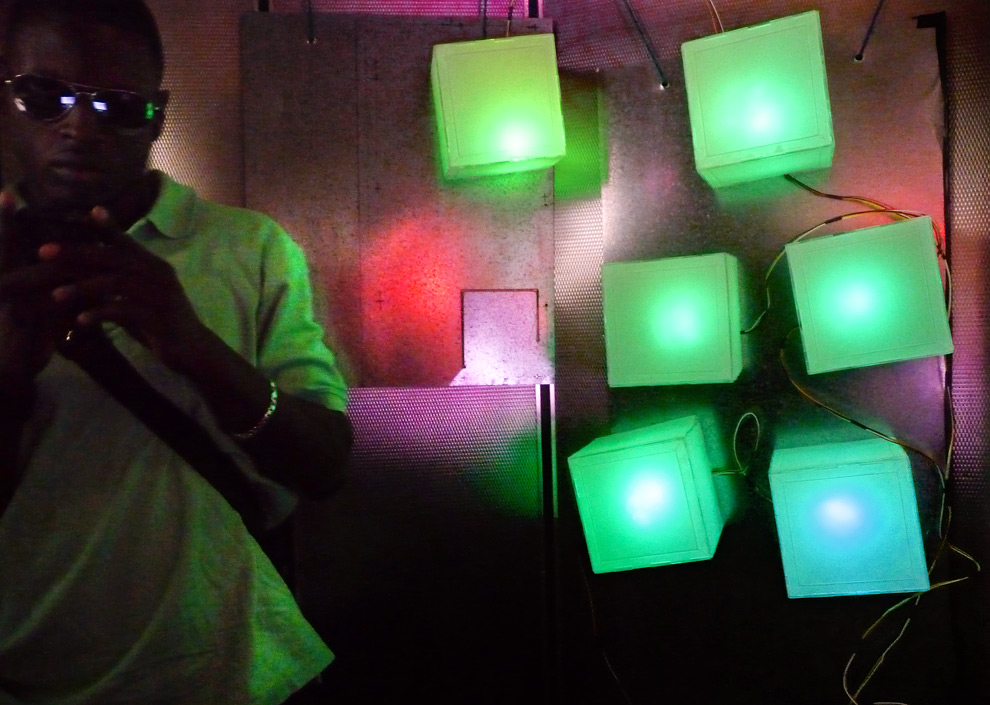
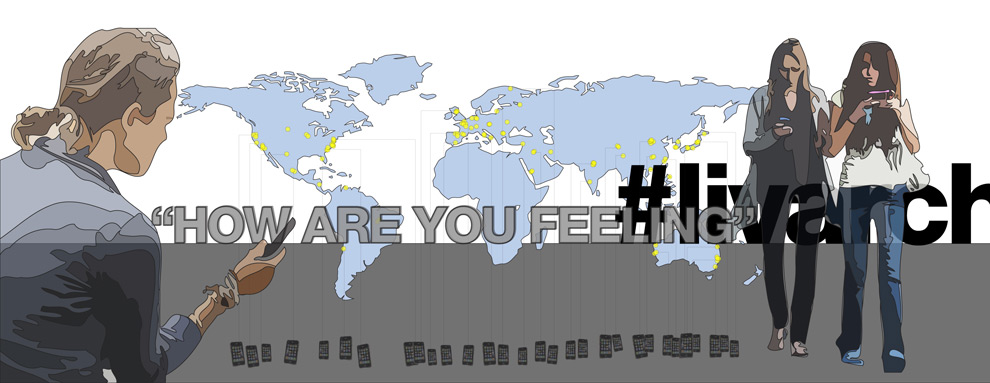
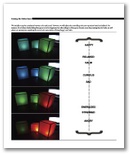
For our living architecture course, we created an interactive light installation in the elevator of Avery Hall, controllable by anyone with a cell phone and a twitter account. The simplified process includes texting an emotion to twitter from any cellular phone using the #livarch hashtag. That tweet is then picked up by a realtime search, fed through our twitterfeed rss, then added to our own twitter account. For a more detailed explanation, see this previous post on getting multiple twitter users onto one twitter feed. That emotion is then directed to our pachube feed and sent through processing to an arduino microcontroller that controls the color and pulsing of the individual leds. The installation non-invasively attaches to the surface of the elevator via magnets. Allowing it to be placed on any metal surface, such as a building exterior, furniture, or a vehicle.


The lights within the elevator respond to the mood of the user. For instance, if a student texted “happy #livarch” the space within the elevator would begin to slowly pulse with a greenish/blue hue. However, if another student sent “angry #livarch” the first light will quickly flash a bright red. There are twelve lights total and show the collective mood of the twelve most recent users.


In this way, the elevator becomes a living representation of the collective mood of the building, but it is also hoped that a feedback loop can be created, a loop that actually influences the mood of those that ride the elevator. The emotion felt in the lobby will be altered by the time you reach the sixth floor. And that new emotion becomes what gets texted back to the elevator.


Lastly, future installations will be physically located away from the target user. For instance, Avery’s mood will be projected to the elevator in Uris Hall and vice versa. In this manner, we can both create a new form of pen-pal with distant locations, but also hope that our mood, whether angry, sad, happy or nervous, will both manifest itself in a new form of architecture, but also have an effect on the greater world around us.


The project team also included Talya Jacobs and Guanghong Ou.
See more for video and code:


living02c
more »

20090518 Tags: architecture, graphic design, gsapp, portfolio, school | No Comments »

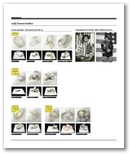
graduate portfolio

Final portfolio from my time at Columbia University’s GSAPP. “Arguments” seemed like an apropos title after the discussion provoked during my final final review. And, yeah, I always default to that yellow.


20090518 Tags: architecture, grasshopper, gsapp, parametric, school | No Comments »

grasshopper final

grasshopper rhino 3d meshing
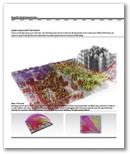
This was my final project for David Fano’s (of DesignReform.net fame) Meshing Course. It was an intense introduction to using Grasshopper with Rhino. My goal was too make a parametric array of cells, where each cell could be controlled individually, but changing one would affect all other neighboring cells in the system. Creating this type of recursive system led to a giant 18mb Grasshopper file, but the logic of the node-based layout made it surprisingly simple if you break it down into steps. See more for Vimeo Vids:
more »

2009056 Tags: architecture, museum, work | No Comments »

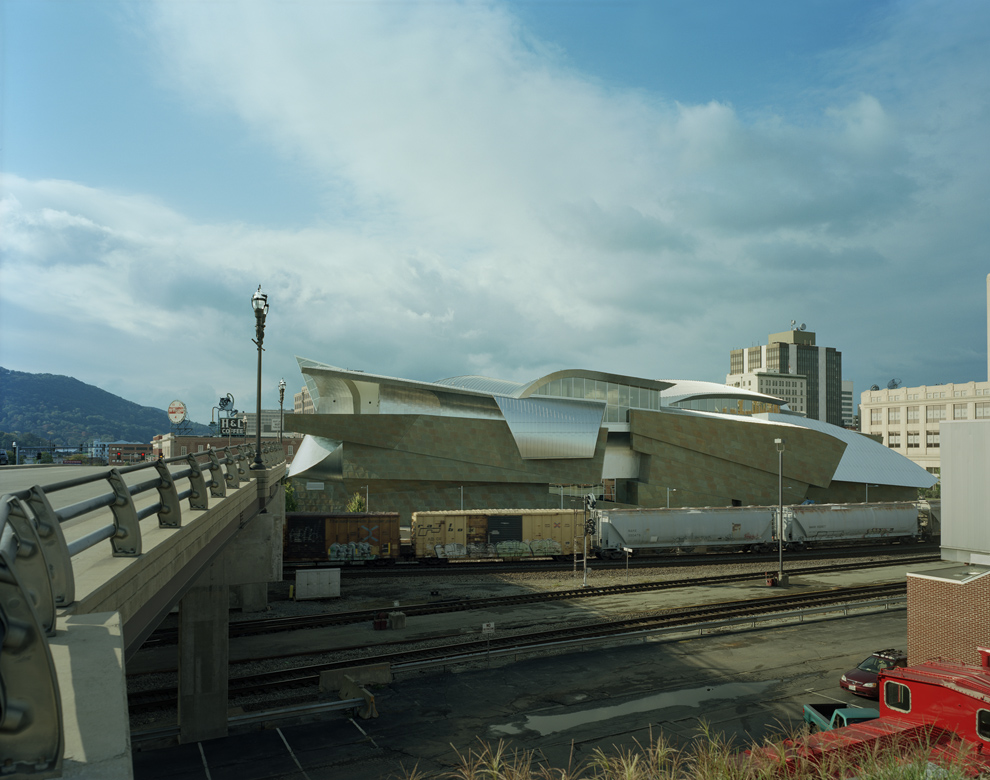
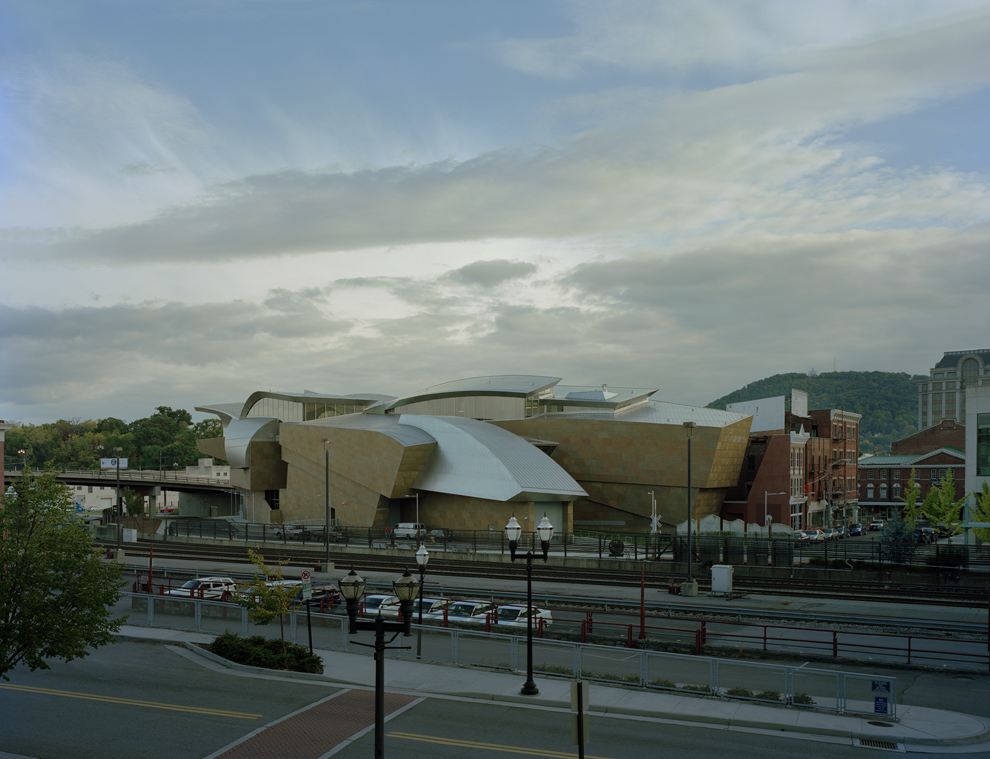
amwv opens

amwv00
All Images Copyright: Timothy Hursley.


I spent my first year out of school working on this project back when it was a six foot long paper and wood model sitting in the middle of the office, and we were diligently translating it into a rhino model. I’m happy to see it turned out beautifully, Randall and the team did a great job. See more about the project at arcspace, here.


amwv01
amwv02
amwv03
amwv04

20090425 Tags: architecture, gsapp, parametric, school | No Comments »

one more week

symbiosis
…until the final final review. That circadian rhythm won’t know what hit it.

20090421 Tags: architecture, graphic design, gsapp, school | 4 Comments »

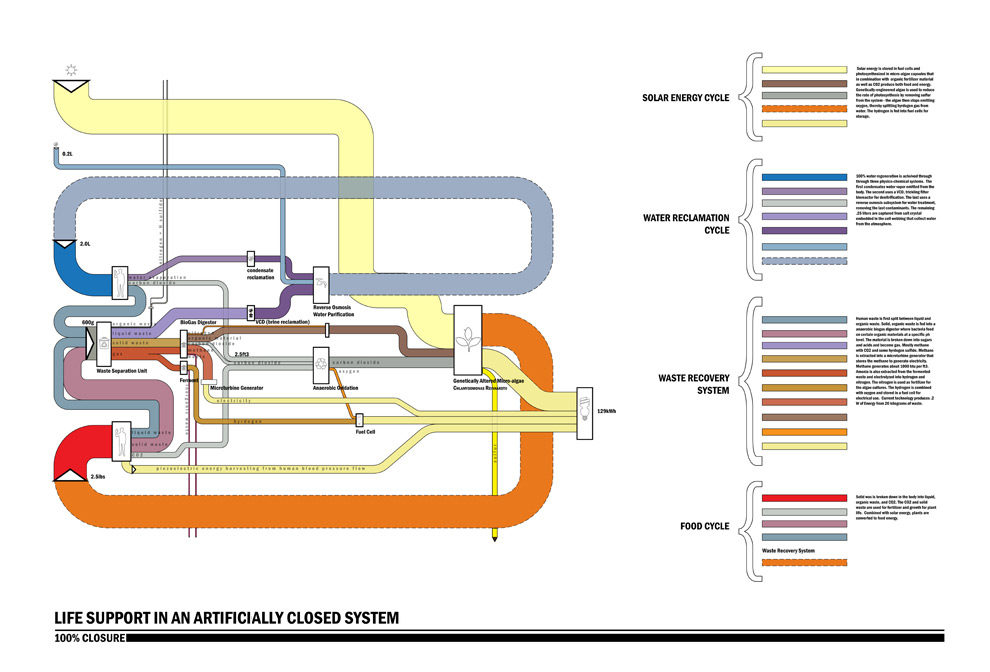
sankey diagram // life support system

sankey_final_web1
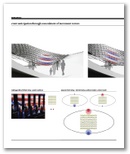
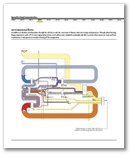
Working on a sustainable prison cell unit for future Beijing. Because of their high population density, prisons are actually prime contenders for tests of renewable energy methods, such as waste to energy, and water recycling features. Much like the panopticons of yore, each prisoner generates energy for their own confinement, but also send excess energy back to a central grid, acting like capacitors. Here, the sankey diagram is parametric, the size of the flows are tied to the things like the volume of the cell, the square footage of the plant growth surface, and the amount of solar heat gain. more »

20090327 Tags: architecture, graphic design, gsapp, school | 1 Comment »

multiple users into one twitter feed for pachube

01
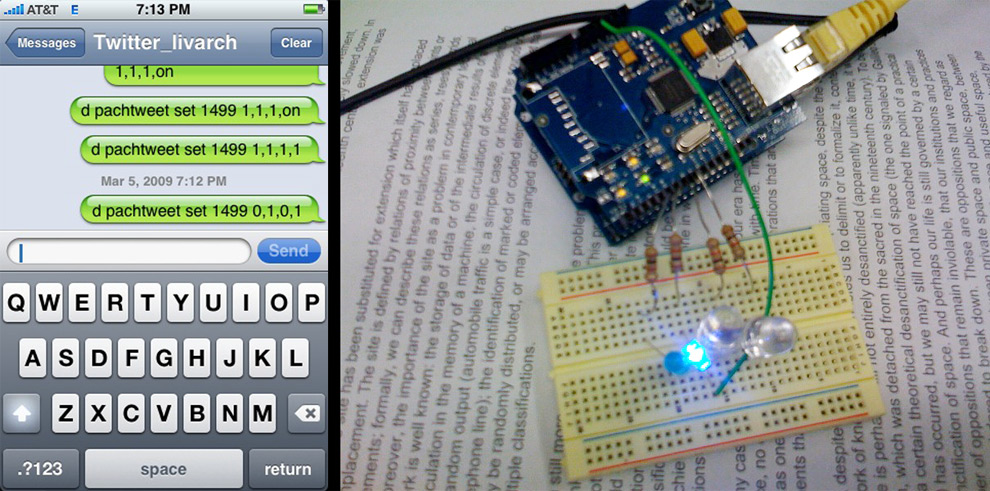
Somewhat of a circuitous hack through five sites, but it works, unfortunately there is about a 50 minute lag time, and a max of 5 users per half hour. But by pulling an rss feed from a search of all tweets with a certain hashtag (#livarch), then feeding that into a public google reader feed, publishing that back out to twitterfeed, then all the way back again to my twitter account with the pachube feed id prefix automatically appended (“d pachtweet set 1499”), anyone in the world can sms text data to your pachube feed and control an arduino. When a local interactive piece can be manipulated by a global audience, it brings up issues of siting and why a physical, localized kinetic piece of architecture is even necessary. Shouldn’t it be an ephemeral piece living online, able to respond to everyone at once?
more »

20090323 Tags: architecture, china, photography | No Comments »

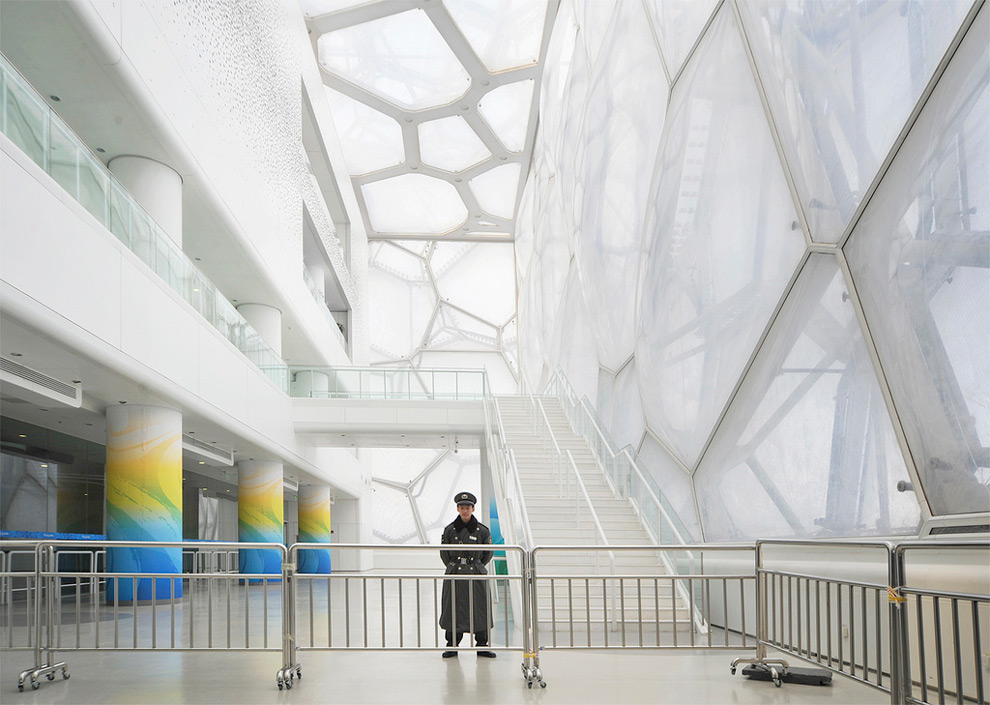
the watercube

watercube


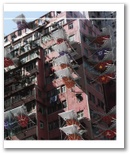
Post-Olympics, these signature, totally specific buildings sit vacant. Both the Bird’s Nest and the Watercube have already been reappropriated as museum spaces. Tourists can pay admission then be carefully herded through spaces we saw on television – the field of the National Stadium and the pool where Michael Phelps won gold.
See more images from Tokyo and Beijing at my flickr page.


edit: thanks to John Hill at Daily Dose of Architecture for making this image Daily Dose #299.

2009036 Tags: architecture, catia, evolution, gsapp, parametric, school, scripting, studio | 5 Comments »

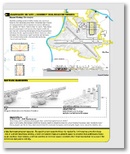
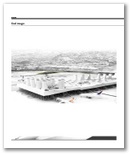
airport studio

airport


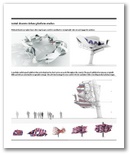
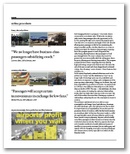
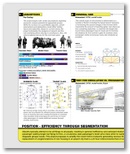
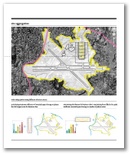
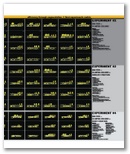
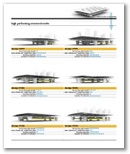
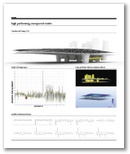
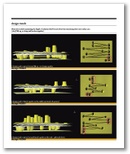
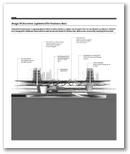
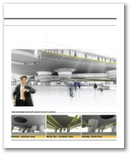
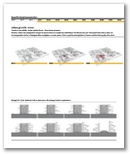
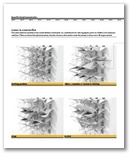
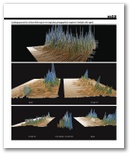
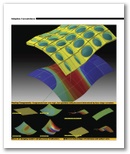
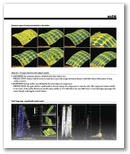
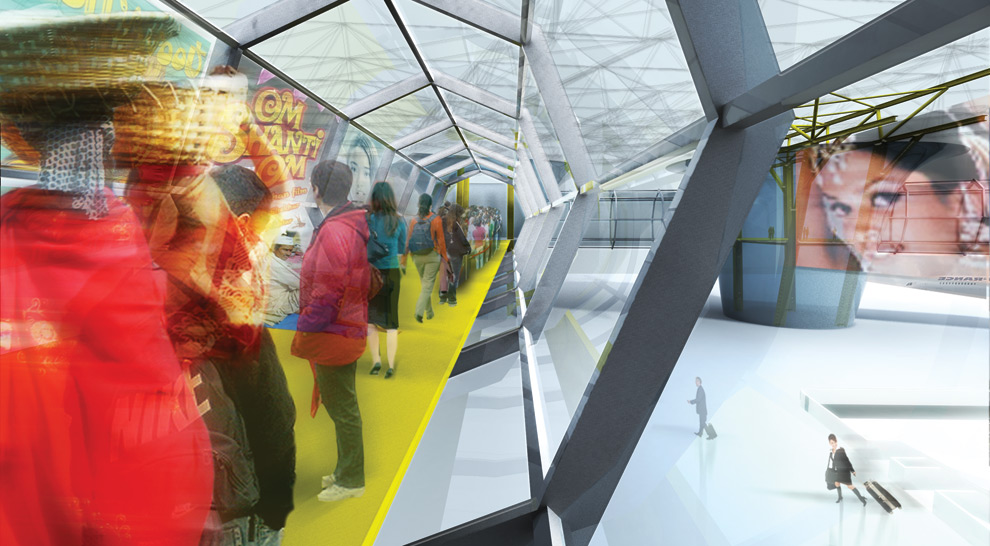
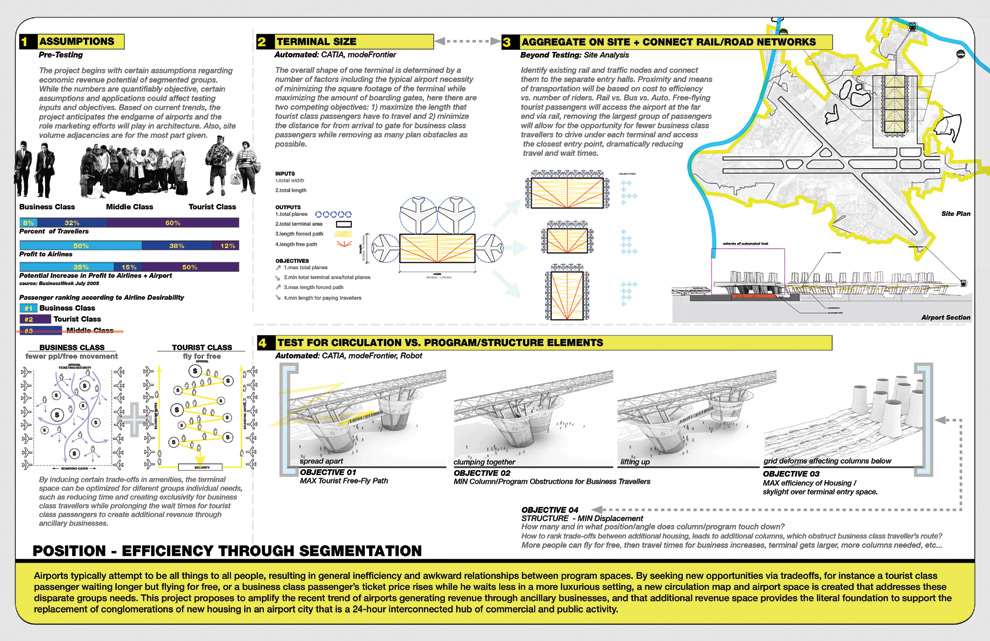
Quick Project Desciption: Airports typically attempt to be all things to all people, resulting in general inefficiency and awkward relationships between program spaces. By seeking new opportunities via trade-offs, for instance a tourist class passenger waiting longer but flying for free, or a business class passenger’s ticket price rises while he waits less in a more luxurious setting, a new circulation map and airport space is created that addresses these disparate groups needs. Optimal relationships between airlines, airport, and users are handled through parametric models and genetic algorithms.


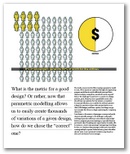
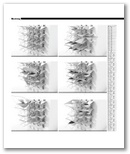
What is the metric for a good design? Or rather, now that parametric modelling allows us to easily create thousands of variations of a given design, how do we chose the “correct” one?


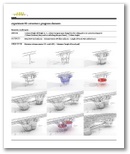
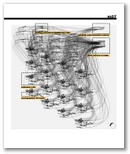
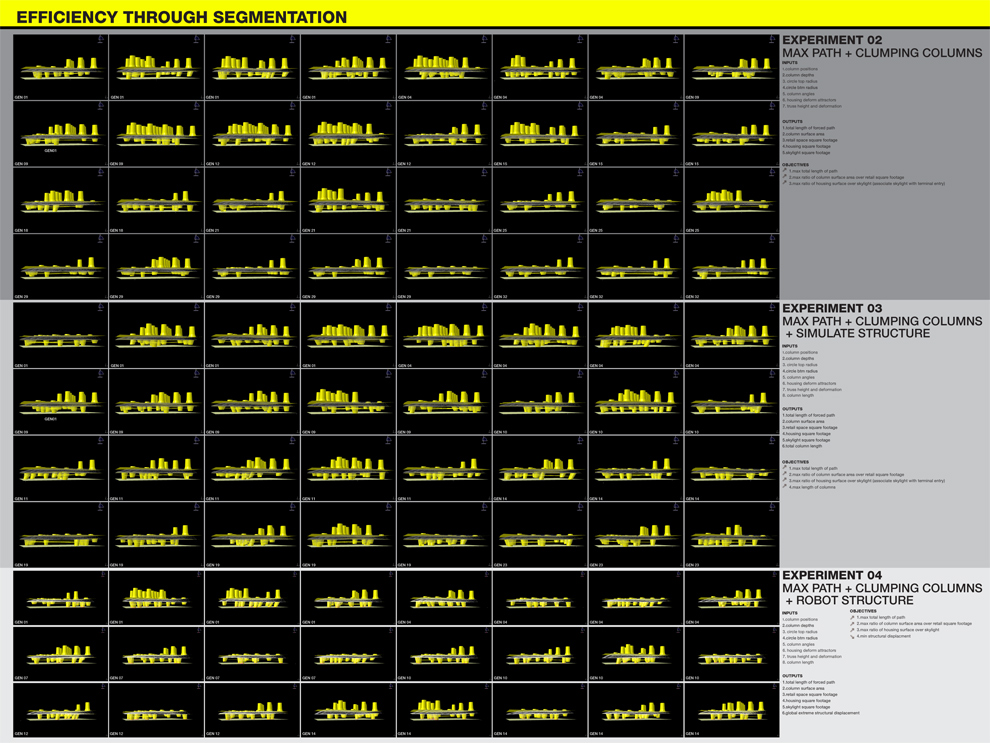
First, Creating a parametric model in catia, whose inputs are optimized through the engineering program modeFrontier with additional structural finite element analysis coming from autodesk’s newly aquired robot. The challenge became how to convert your design position, parti, whatever, into a quantifiable metric that the software can optimize for. For instance, to optimize for material efficiency, you could let the software optimize a shape for maximize volume with minimal surface area. After 3000 designs you’d have a sphere, but things can get very complex fast when you begin optimizing for competing objectives. See our complete studio blog here. Project description…
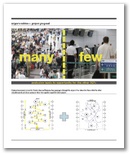
I was drawn to the metrics of passenger economy and profit. Airports typically attempt to be all things to all people, resulting in general inefficiency and awkward relationships between program spaces and passengers, especially business and tourist class. By seeking new opportunities via tradeoffs, for instance a tourist class passenger waiting longer but flying for free, or a business class passenger’s ticket price rises while creating multiple, separate dedicated entry points that allow shorter waits, a new optimized circulation map presents itself.


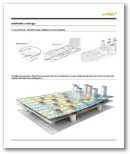
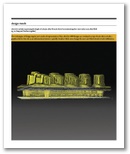
Each hanging element is a program + structural column connected by a circulation tube. Within the circulation tube tourist class passengers have the opportunity to fly for free, passing through each commercial program space. One objective is to maximize the length of the tube – thereby allowing more passengers to fly for free maximizing the airports ancillary profits. Another objective is to create an unobstructed space for business class passengers requiring few of the program spaces to touch the ground but rather hang, allowing business class passengers to freely pass through below. The more columns that touch the ground, the more structurally stabe the ceiling space frame becomes, allowing more housing towers above. The program mediates between these competing objectives finding high-performing, unexpected solutions and it becomes the role of the user to rank and chose designs based on desired criteria. Most housing = most columns = fewer business class travellers, etc…


airport2
locke_matrix_final


more »

2009035 Tags: architecture, interaction, school | 2 Comments »

living architecture

livarch


The beginning of our project for living architecture. It’s in its early stages, but we’re starting to get the interaction working. First, a user can send a message from their phone to twitter, then twitter forwards the message to pachube, then pachube feeds the data through the net to the little led’s hooked up to the arduino on my desk. At this point we’re thinking of an interactive light display down in the cafe, that will display the collective mood of the studio above.

« Older Entries
Newer Entries »

COPYRIGHT © 2011 \ JOHN LOCKE \ ALL RIGHTS RESERVED (RSS)

TOP OF PAGE

last update: 201102:1627