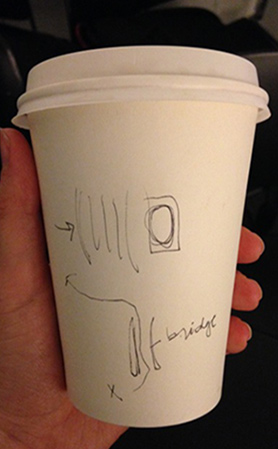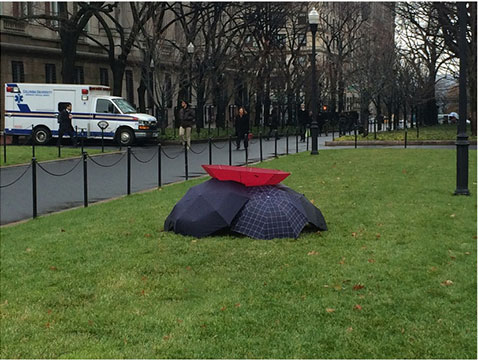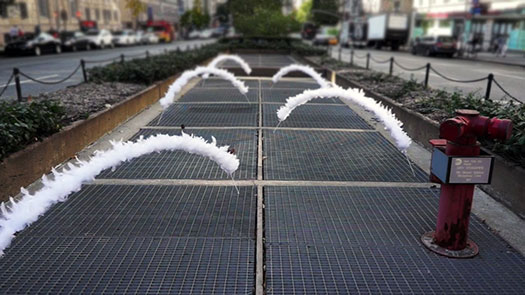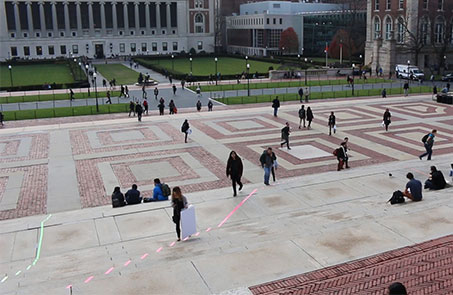
"Wish I had seen spiral jetty when the water was indistinguishable from blood. 2 min film excerpt (sans dinos) via @ubuweb http://is.gd/exj0K 1 week ago"

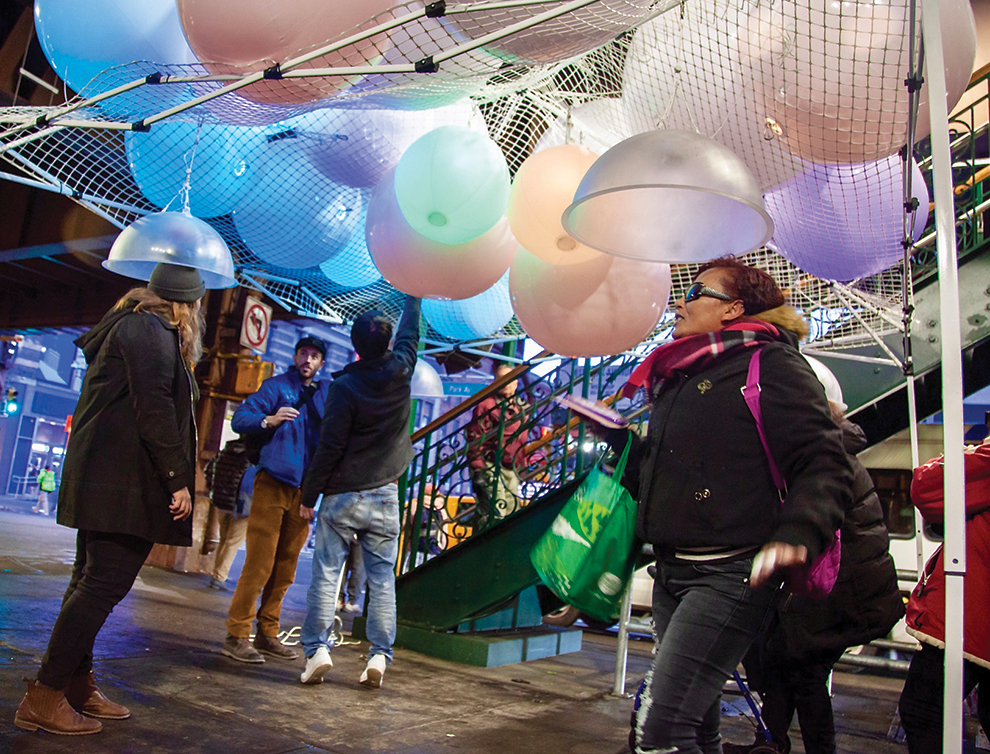
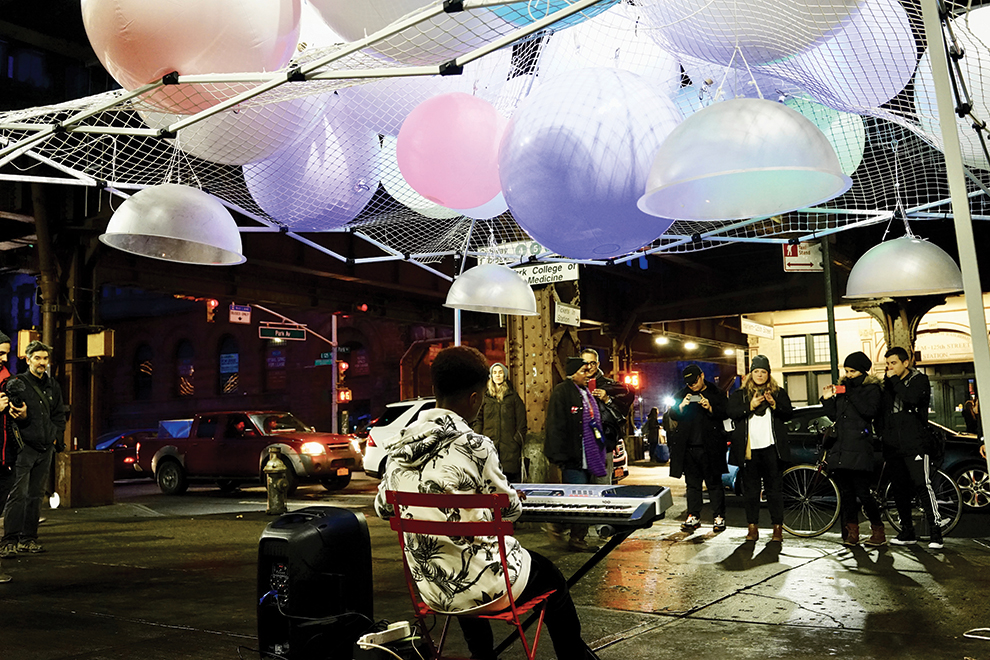
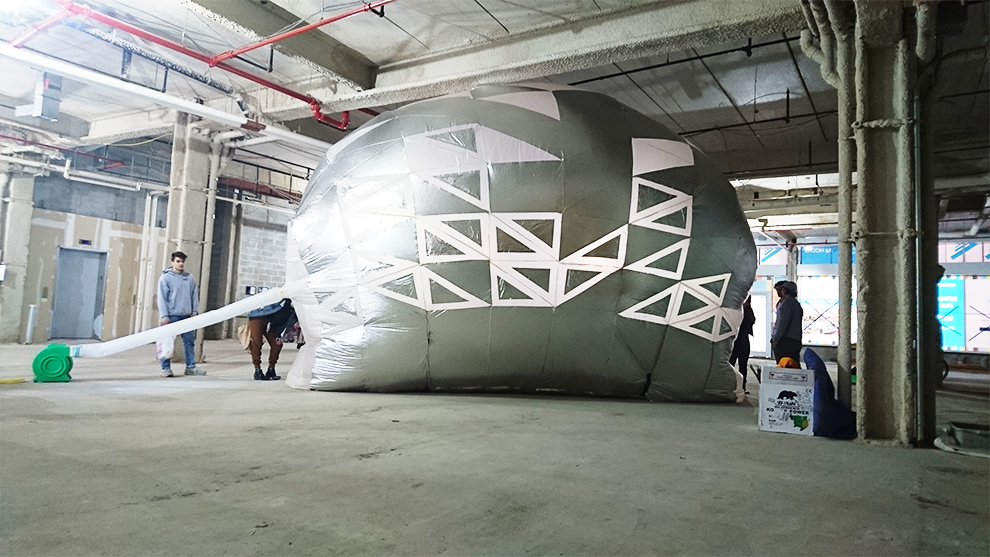
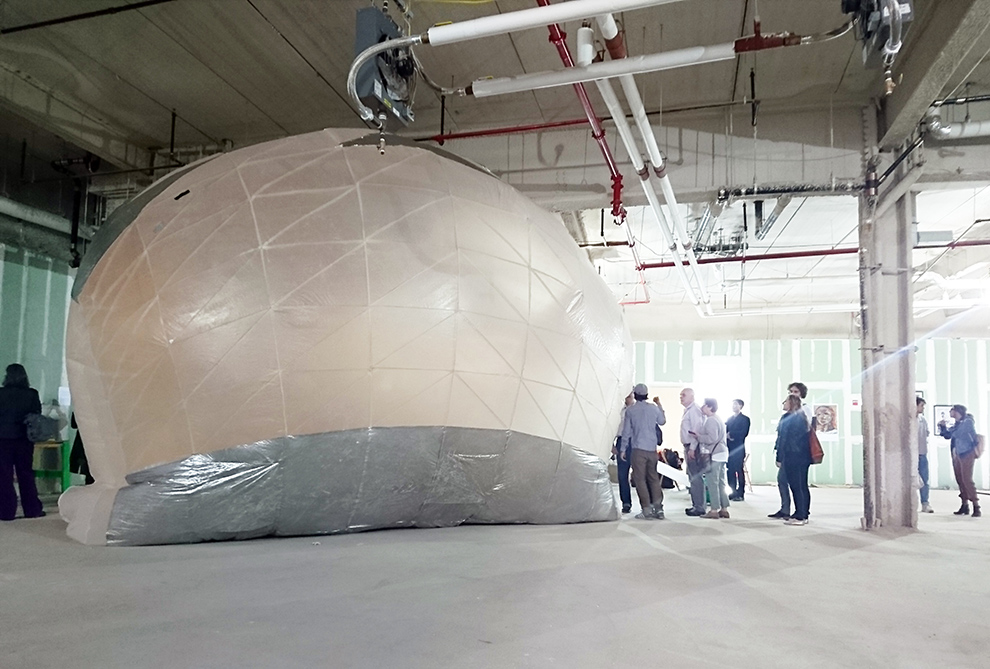
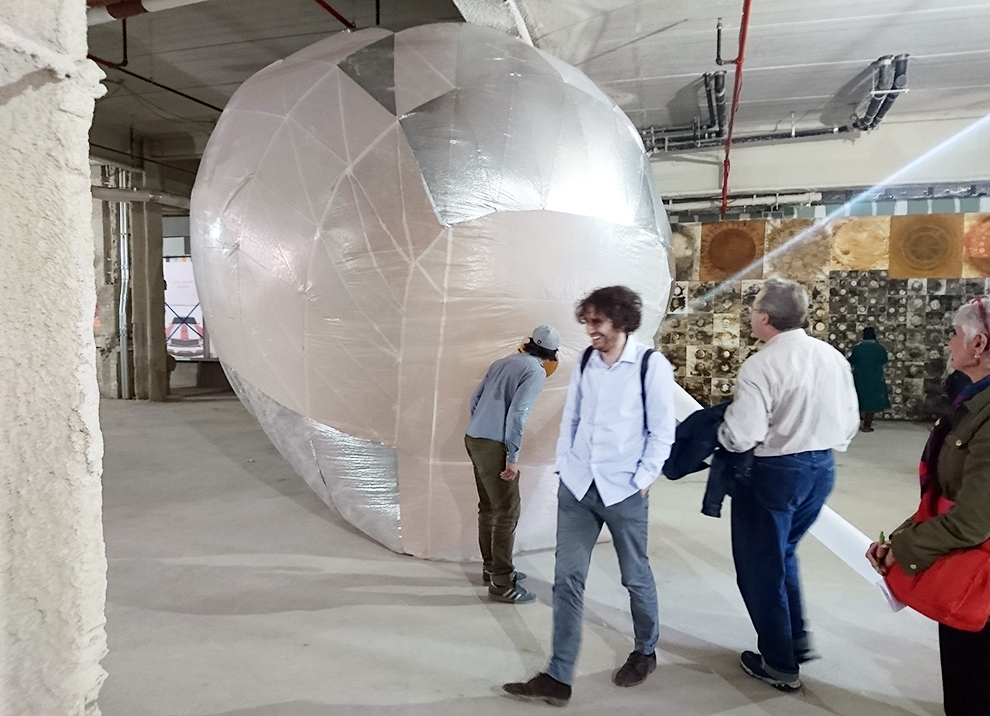
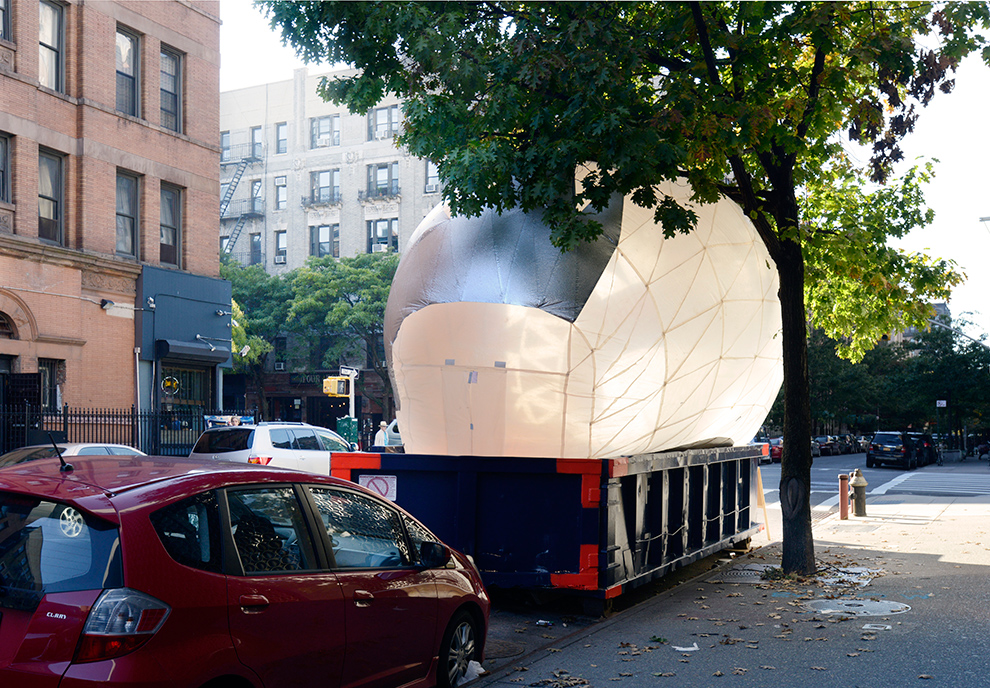
inflatable mobile voter center

street_view
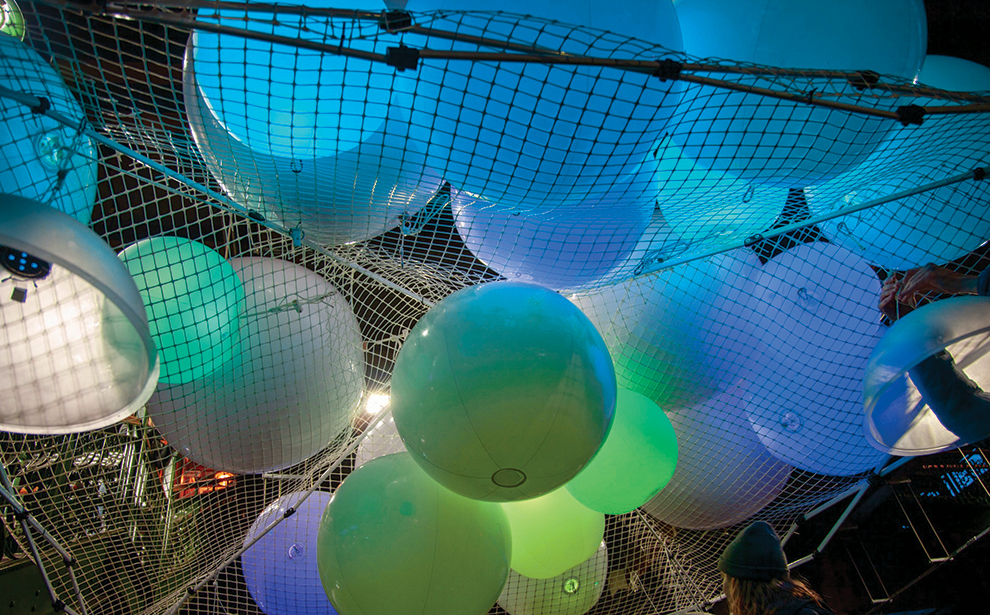
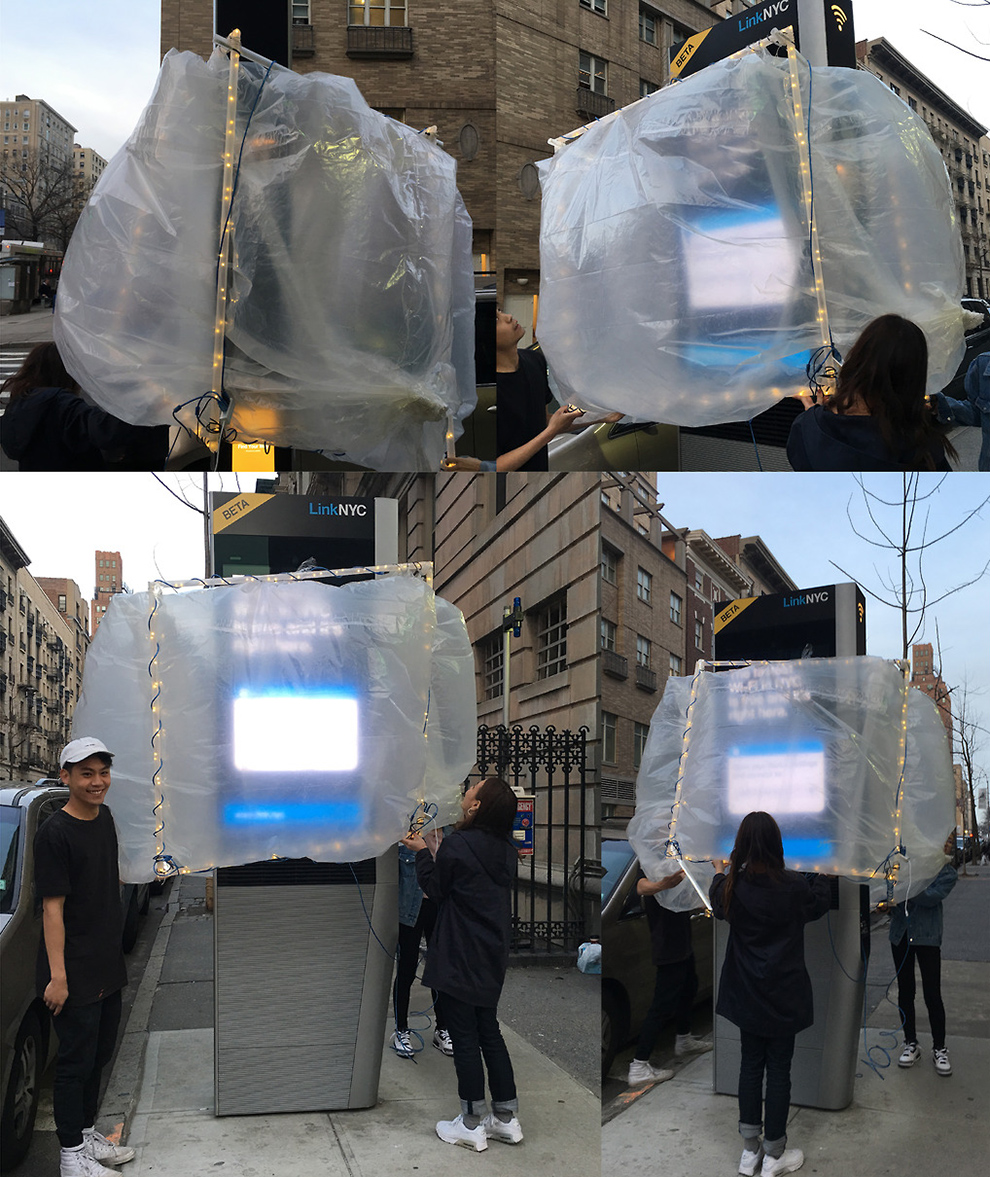
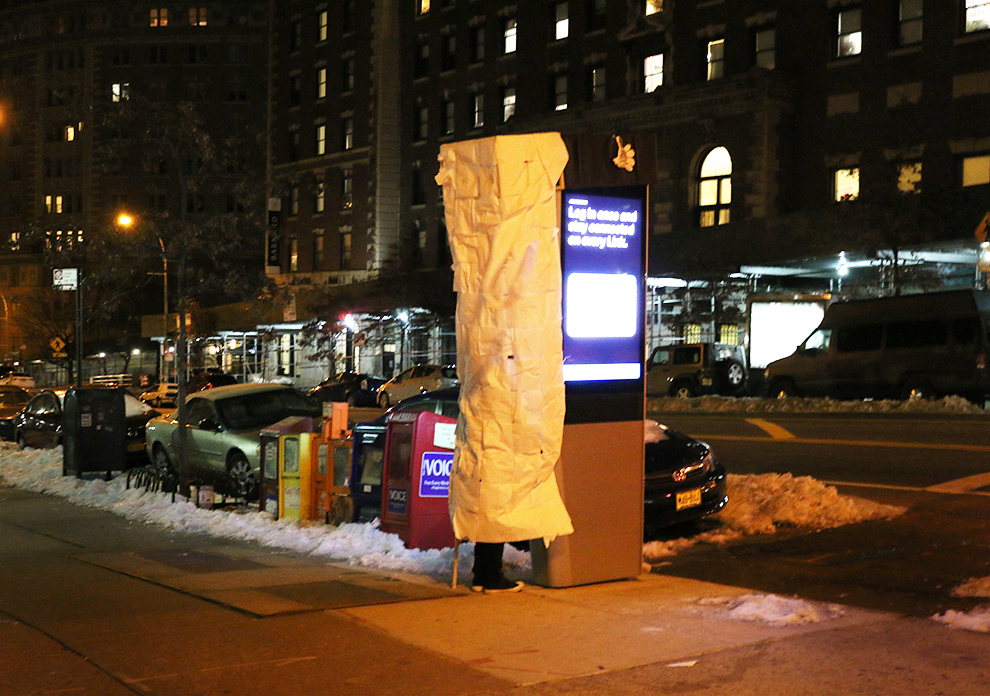
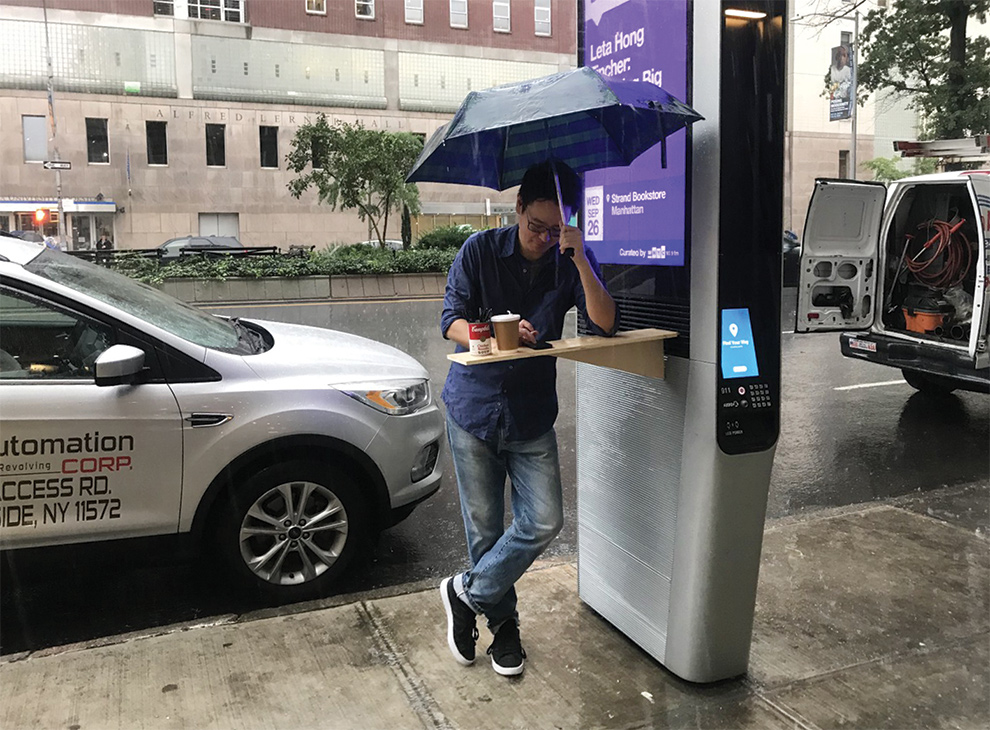
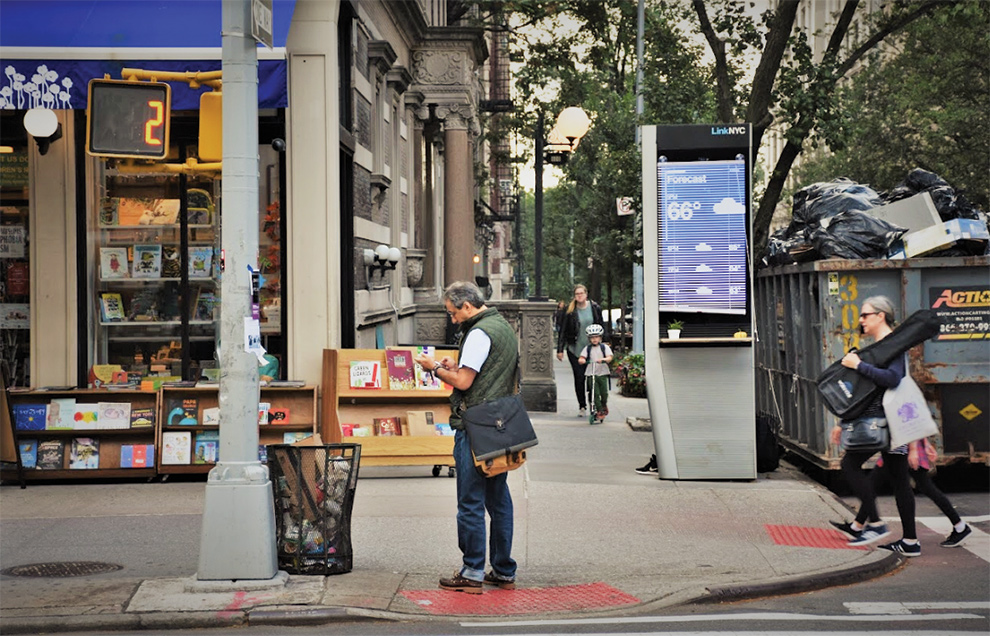
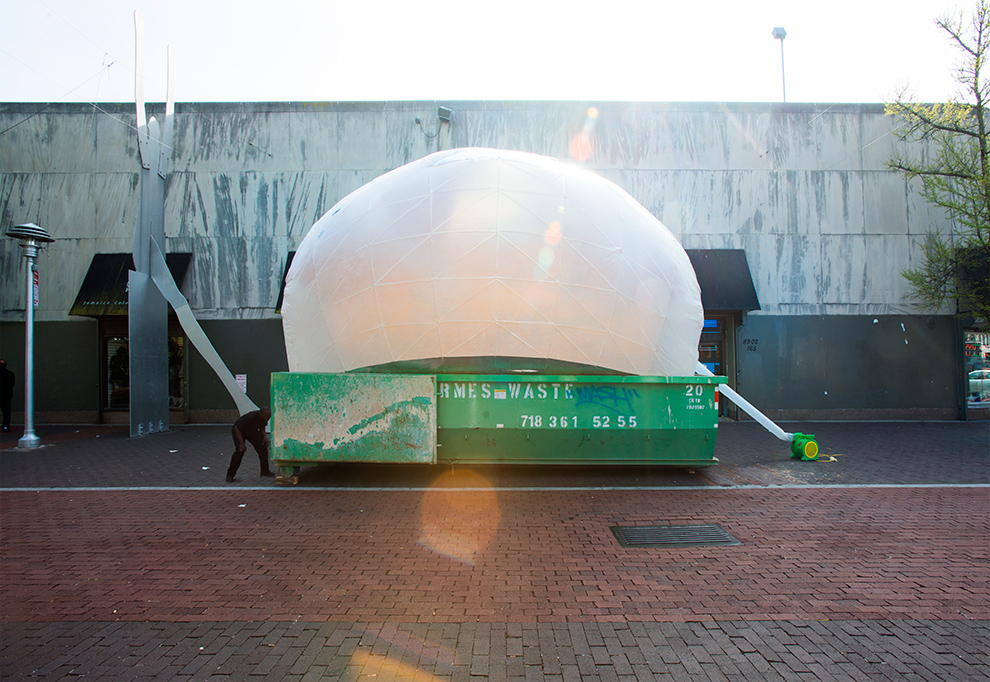
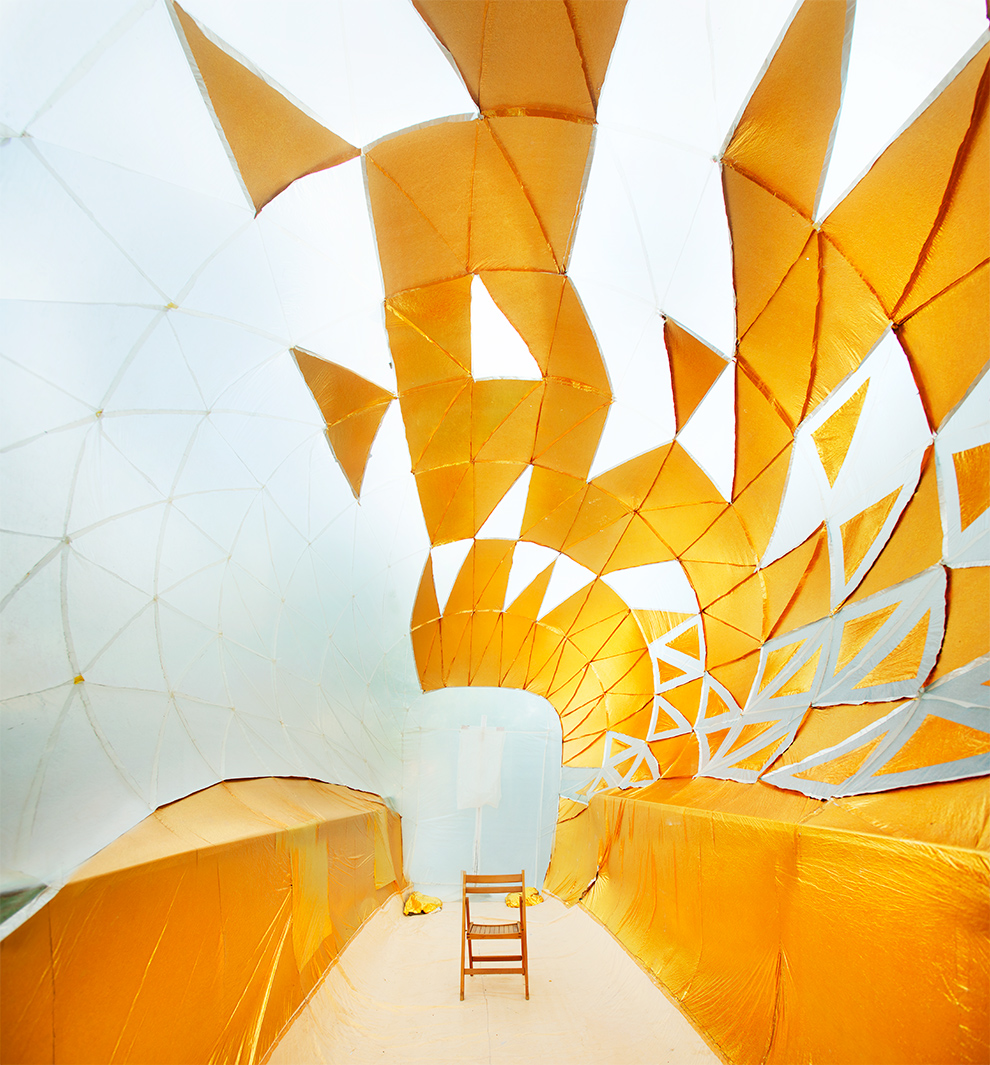
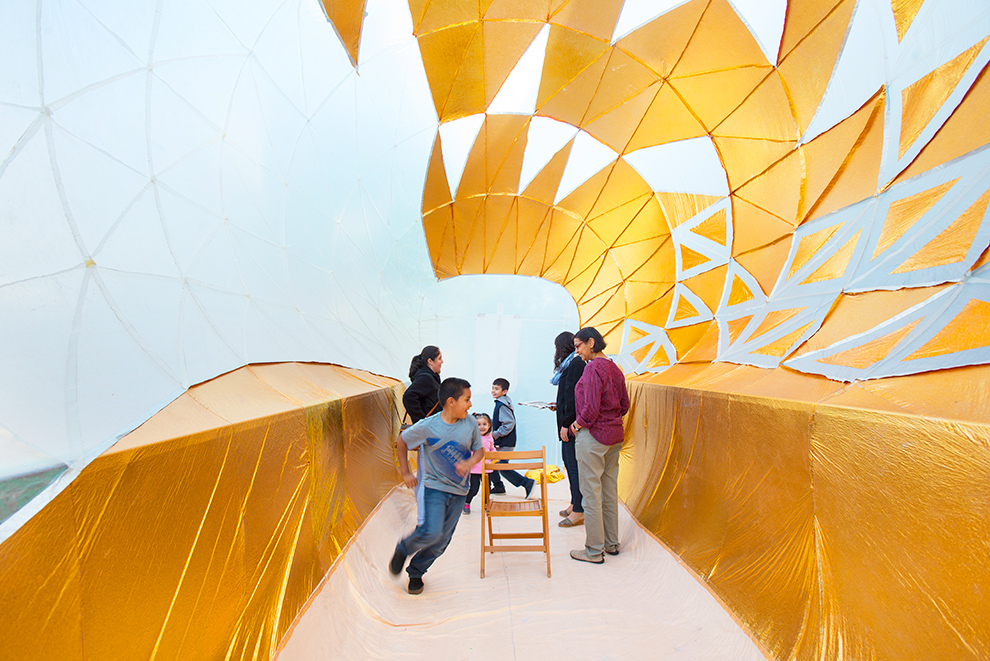
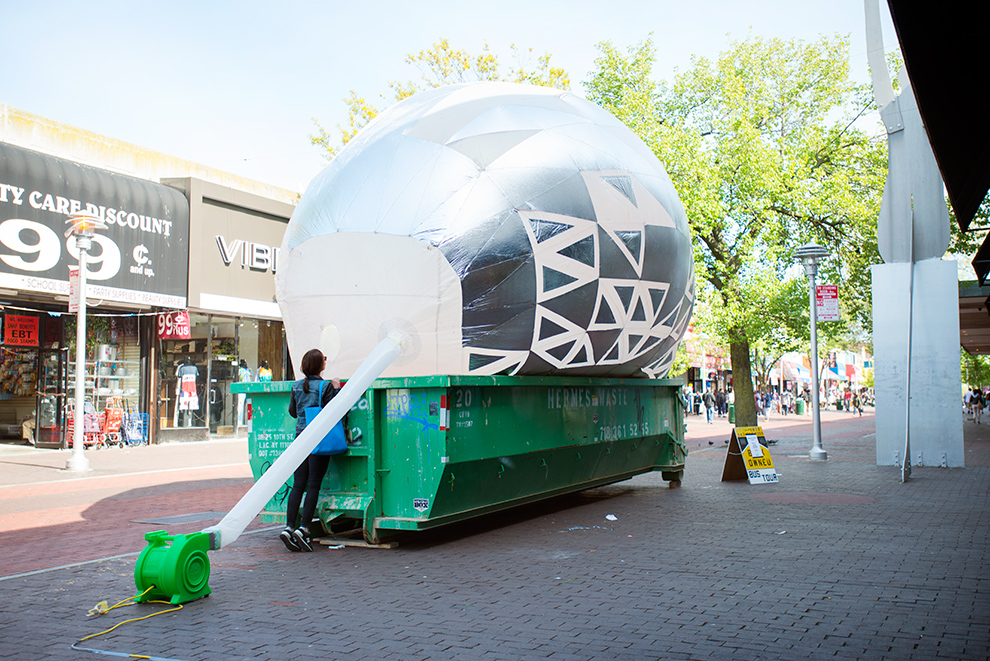
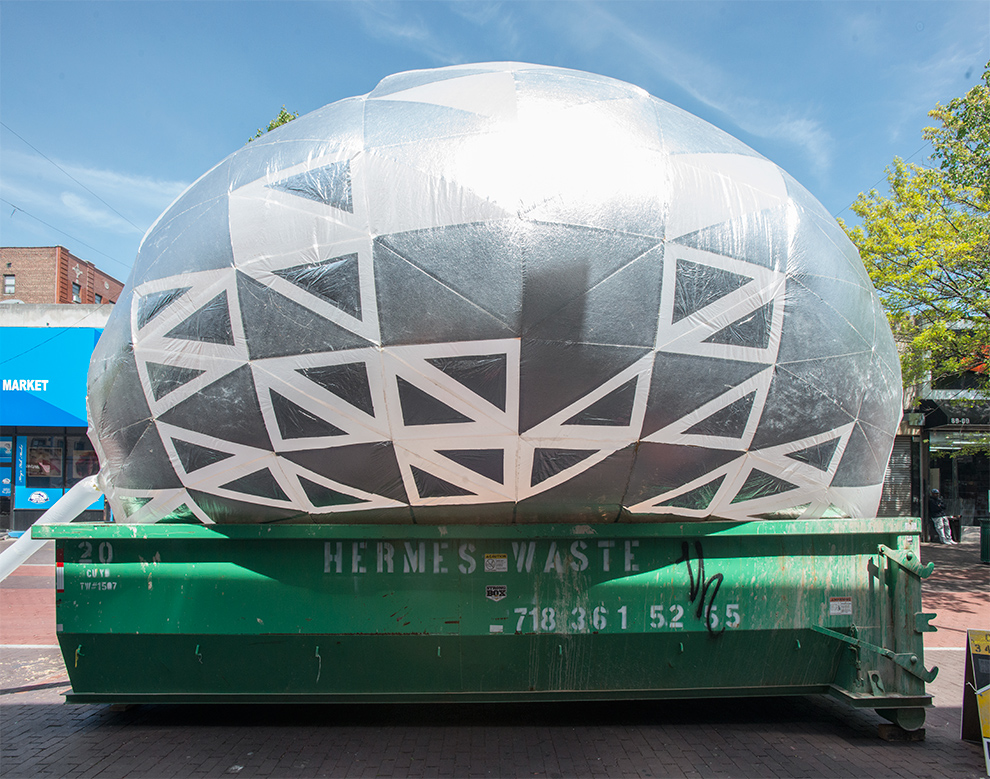
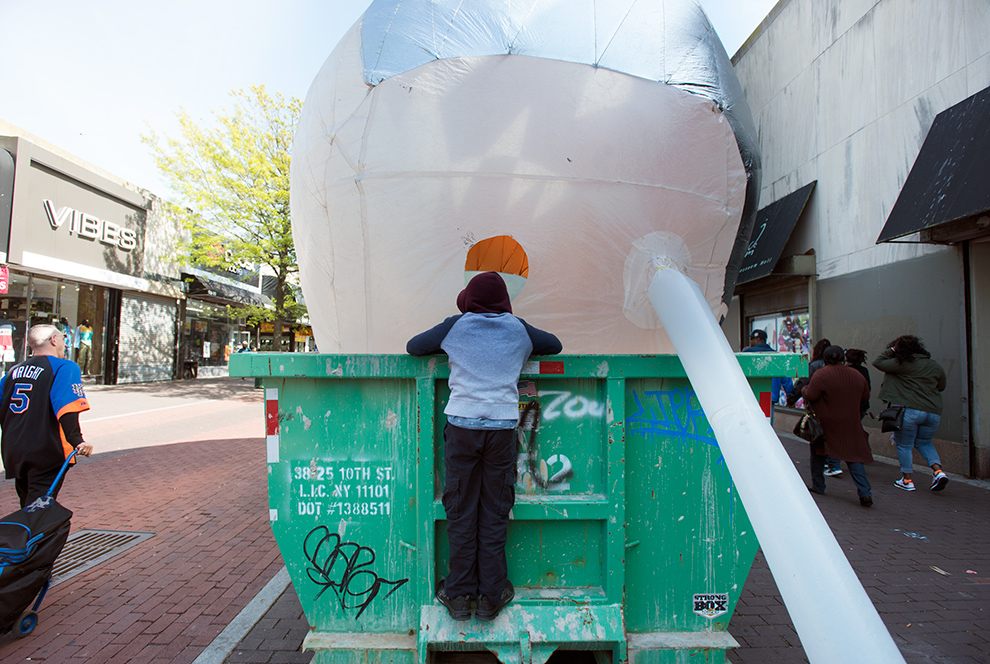
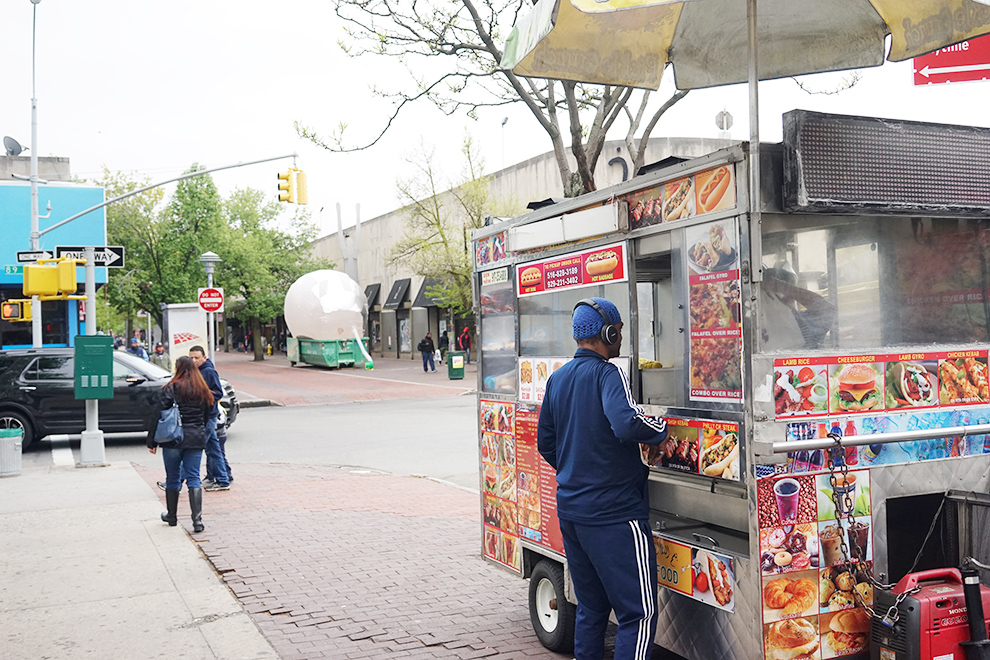
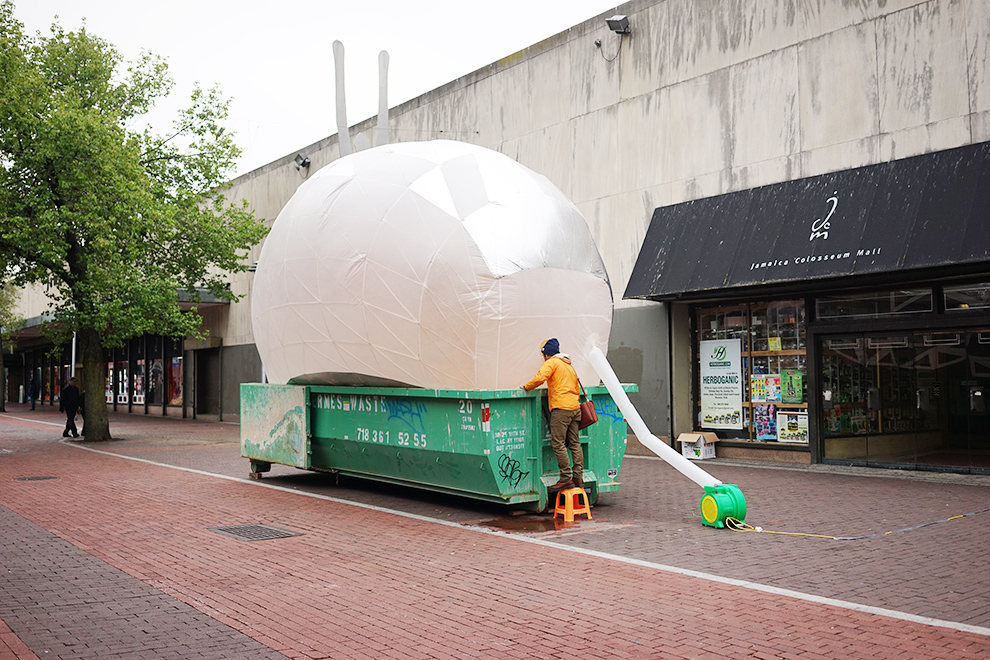
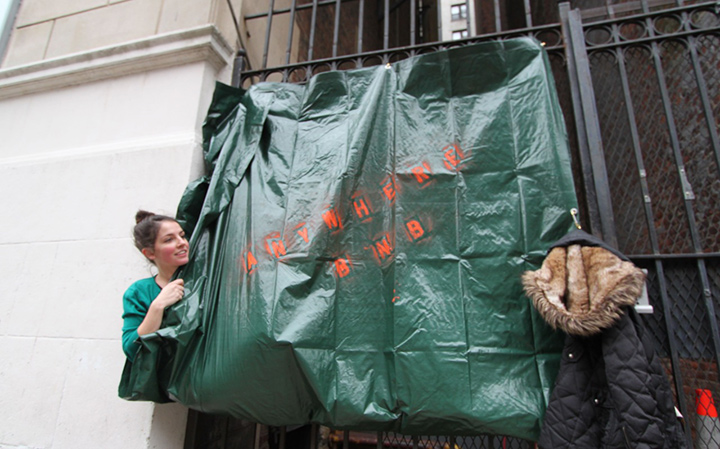
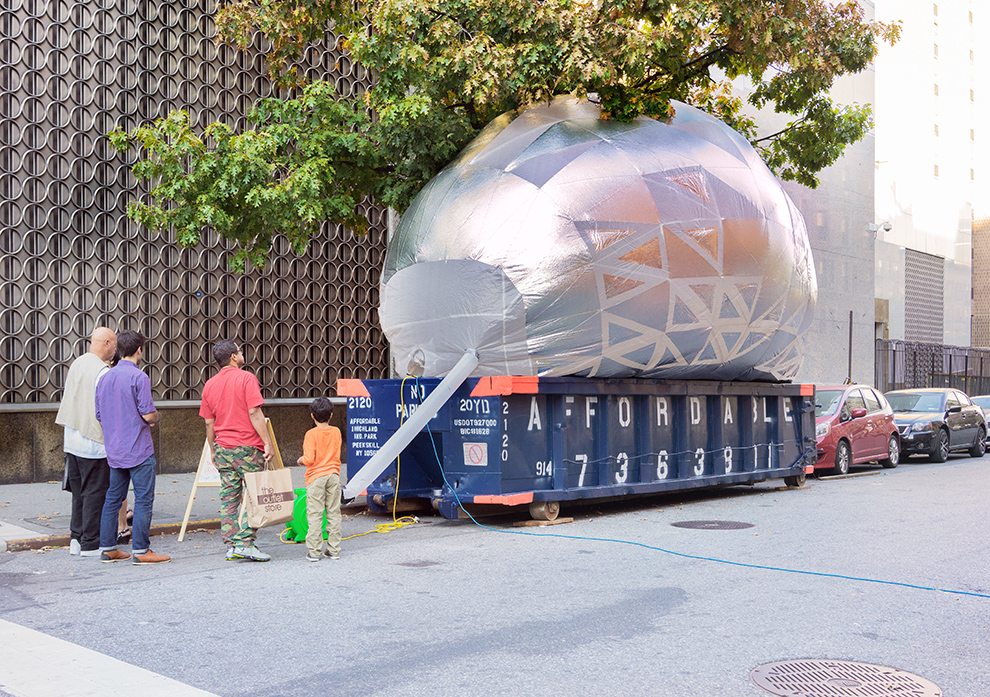
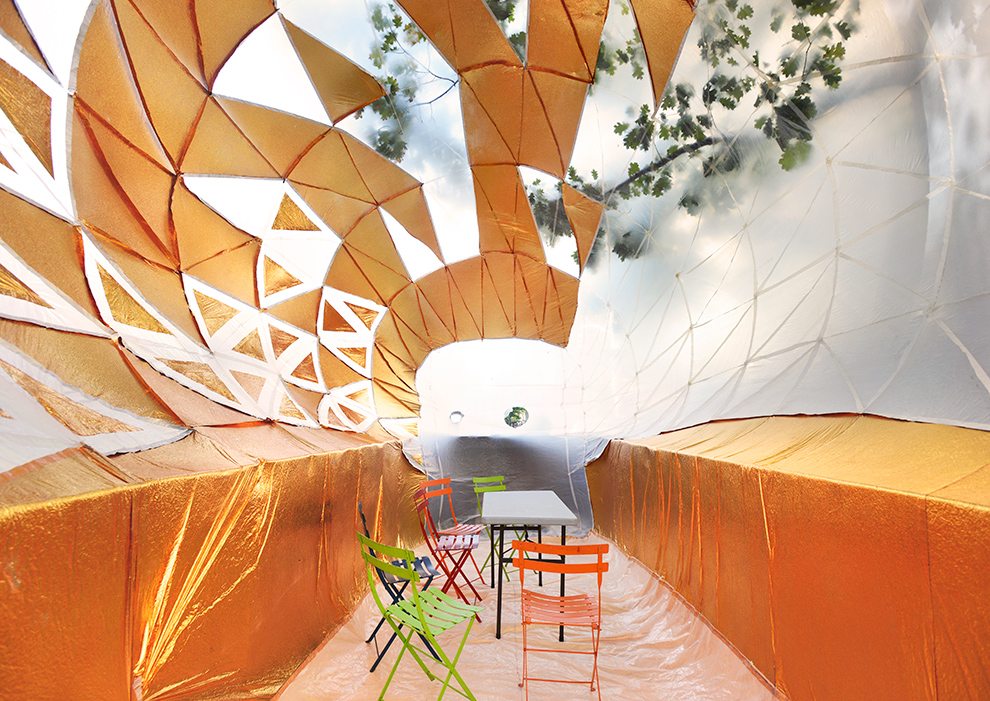
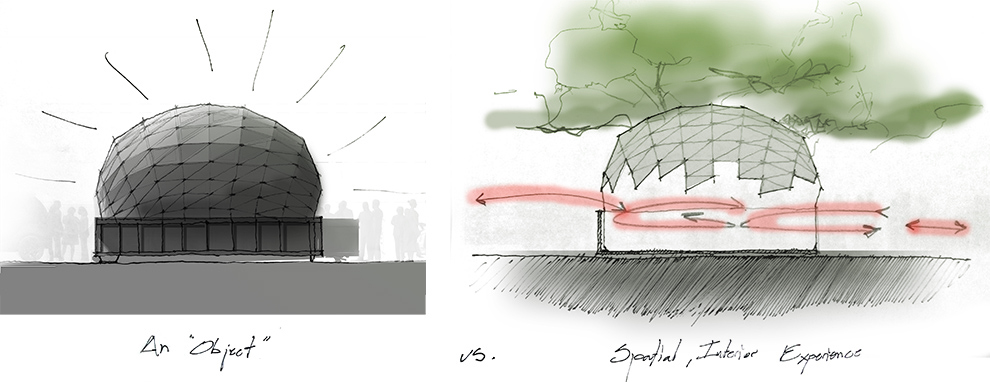
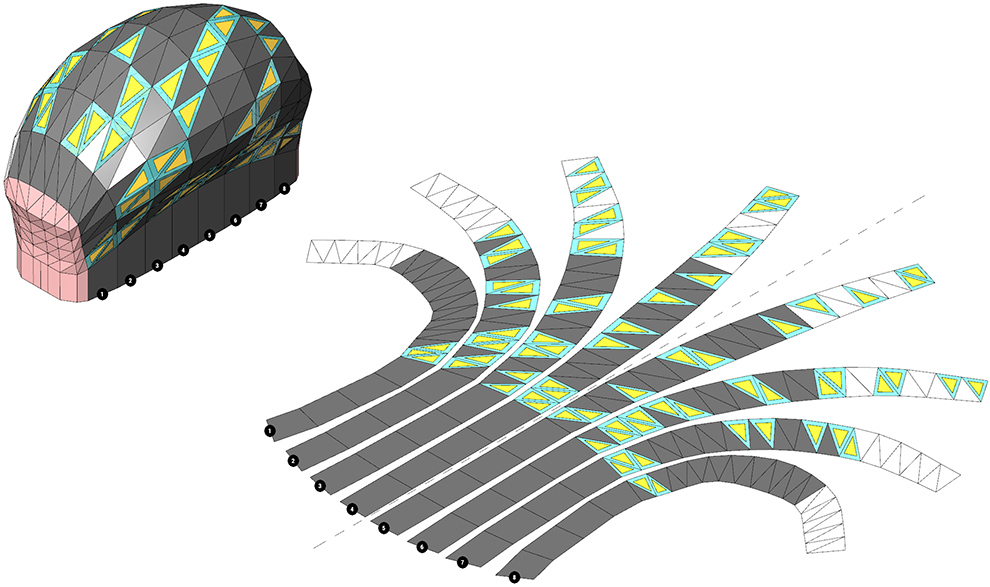
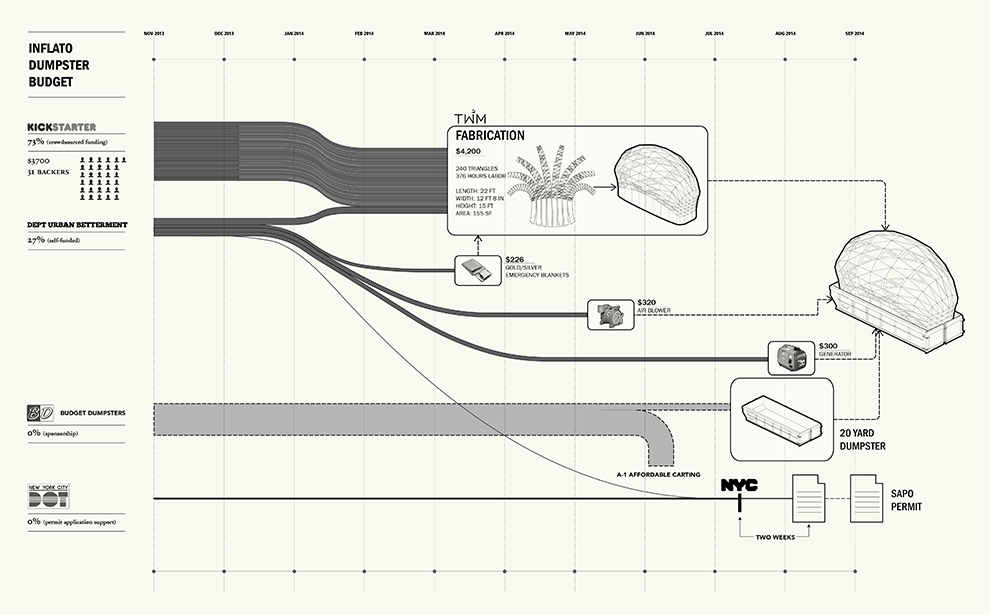
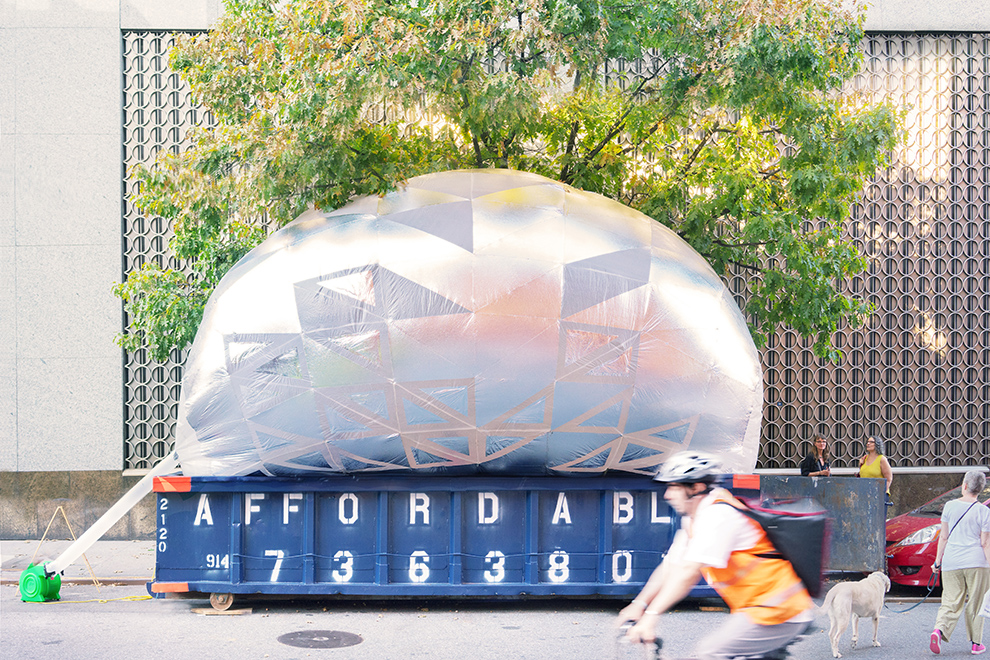
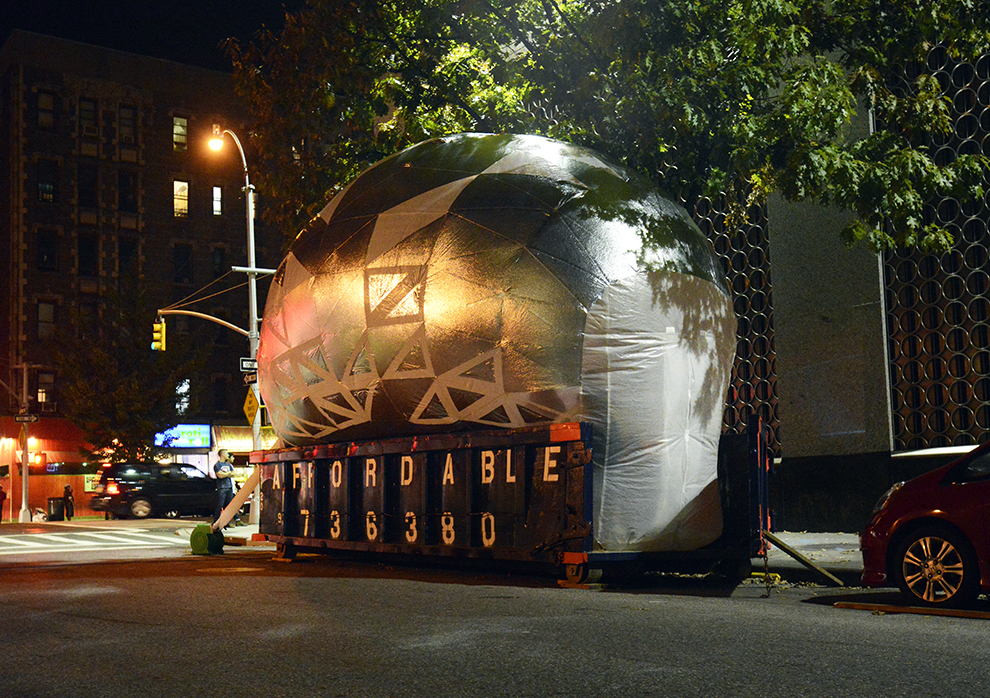
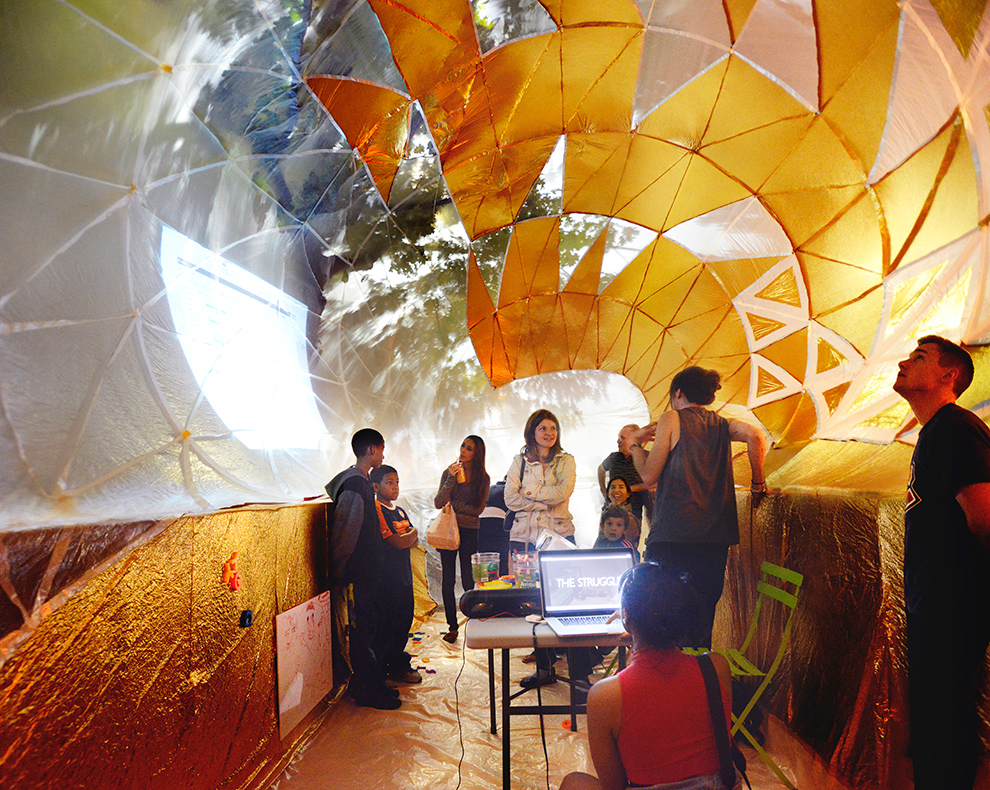
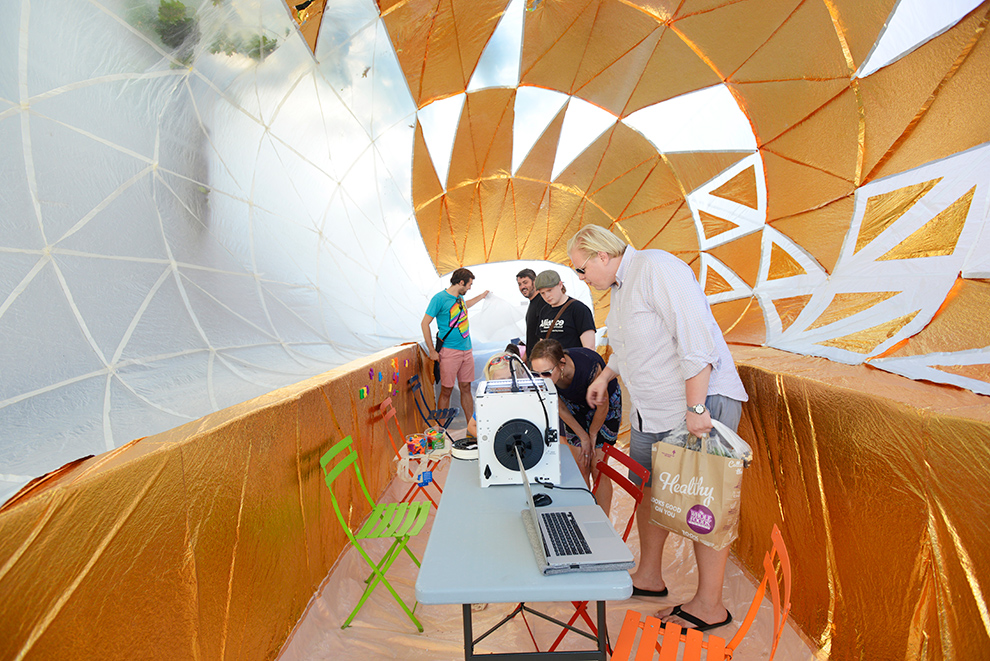
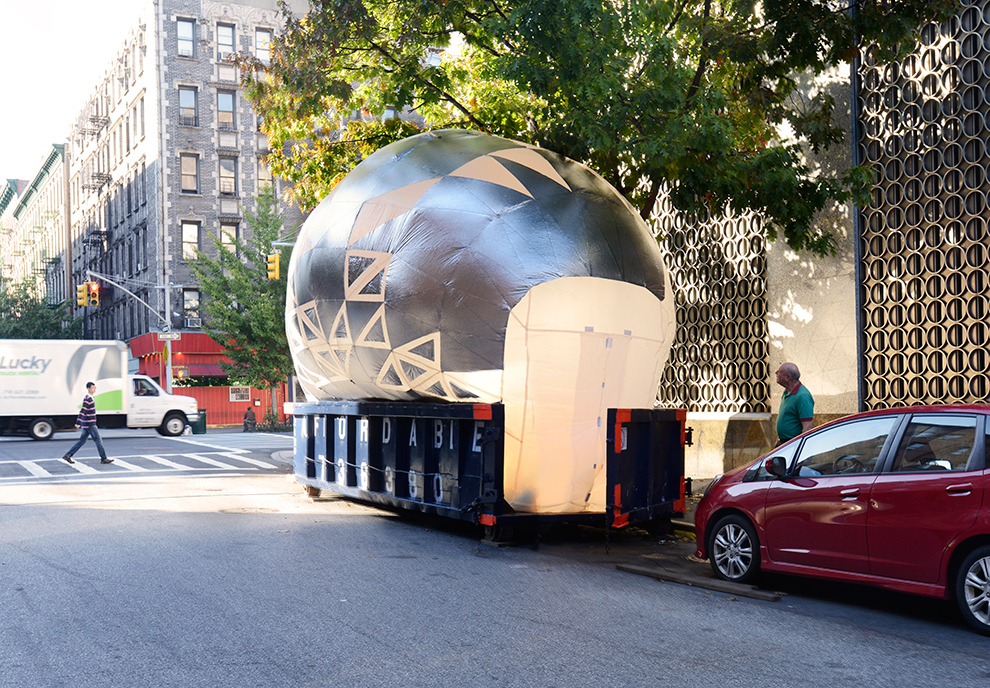
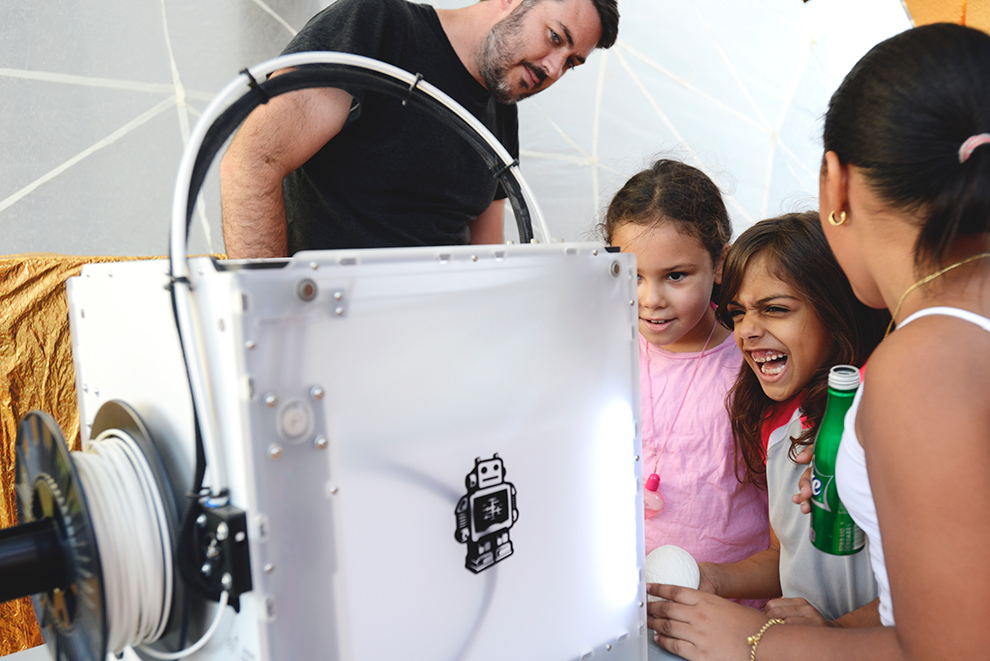
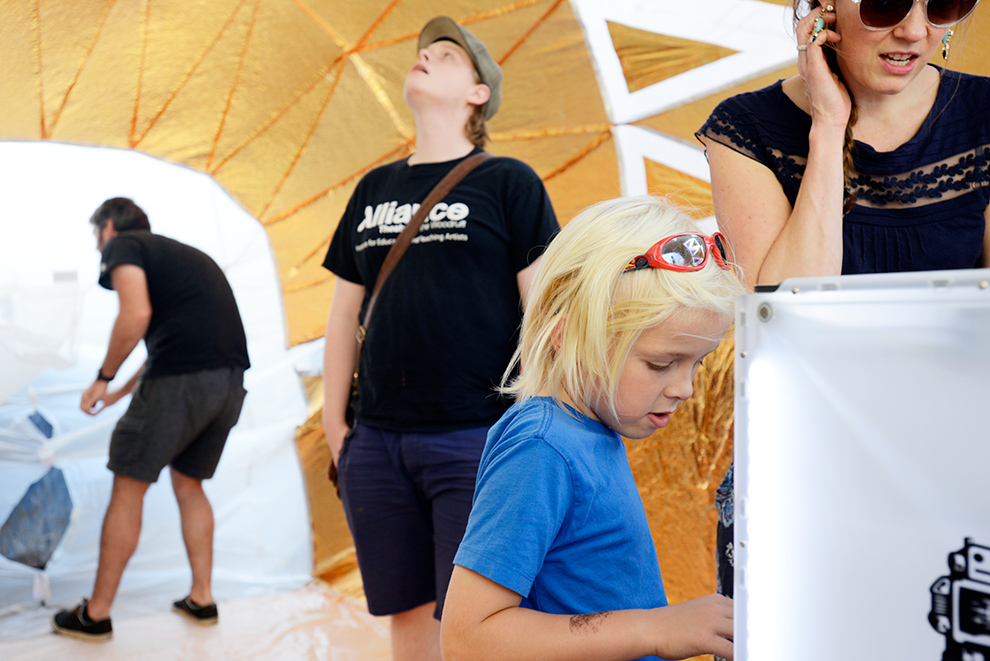
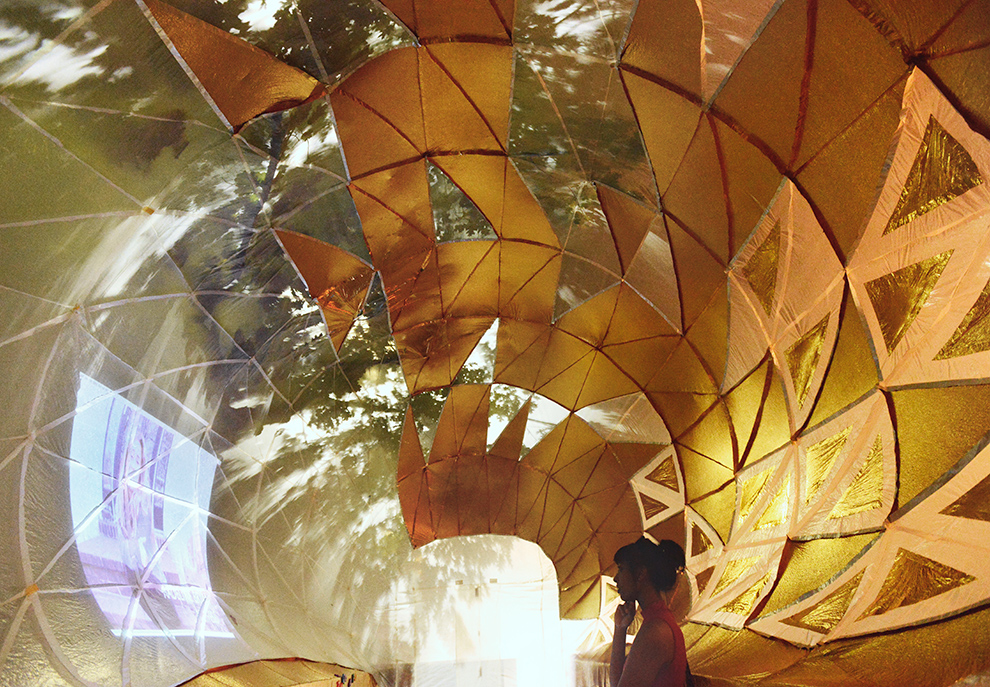
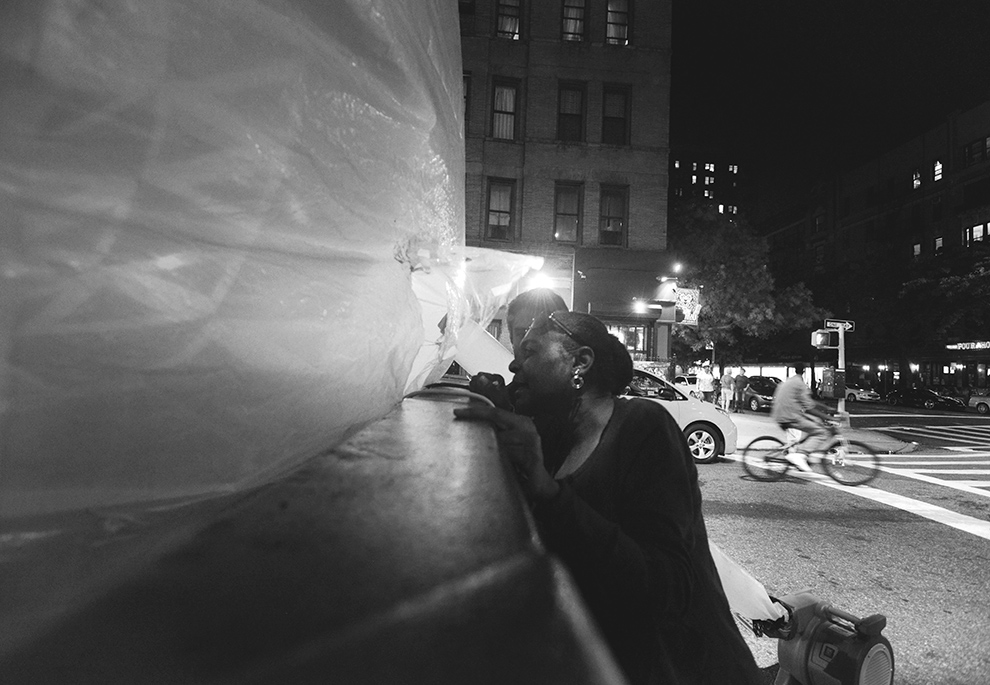
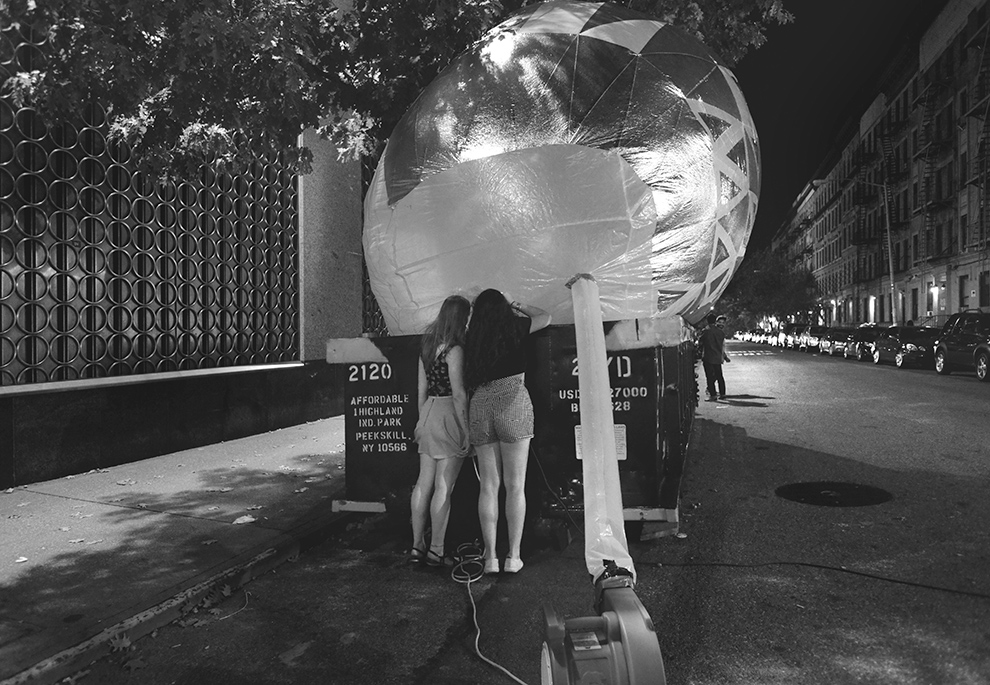
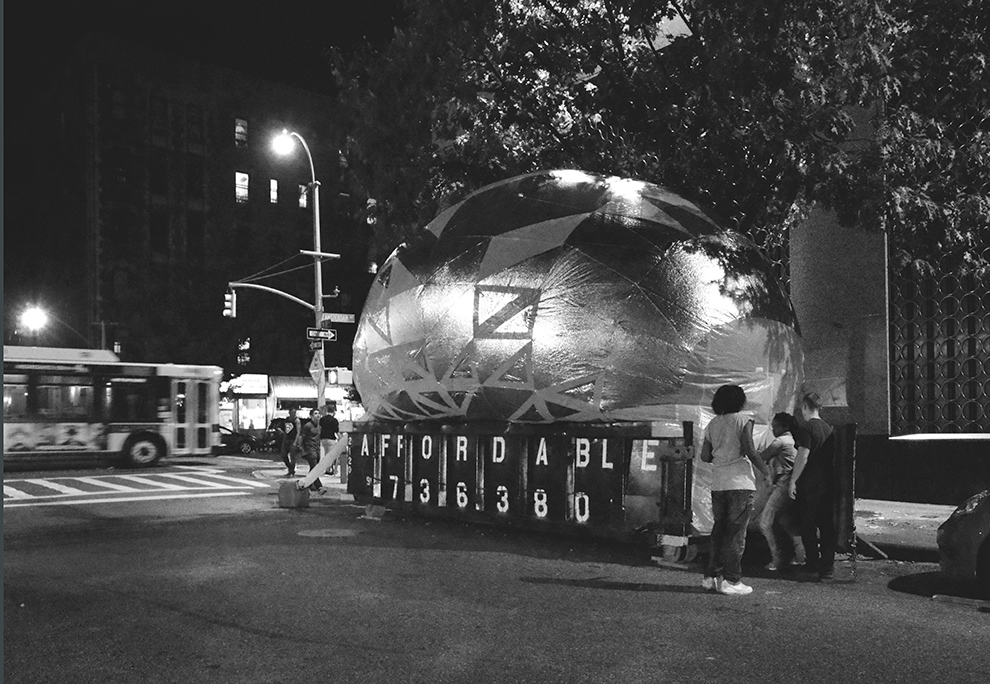
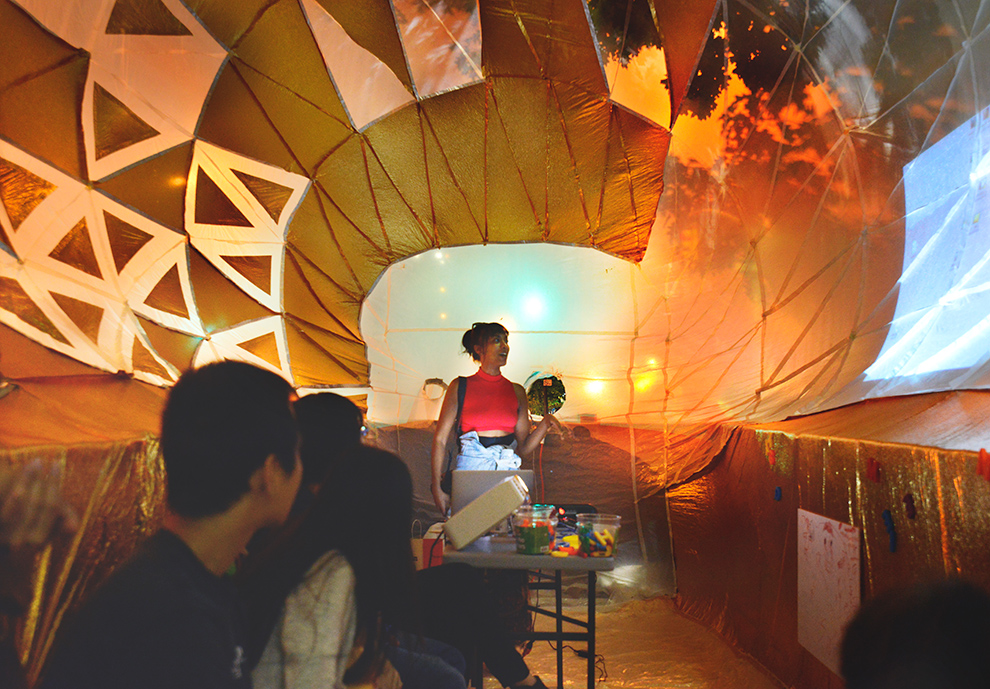
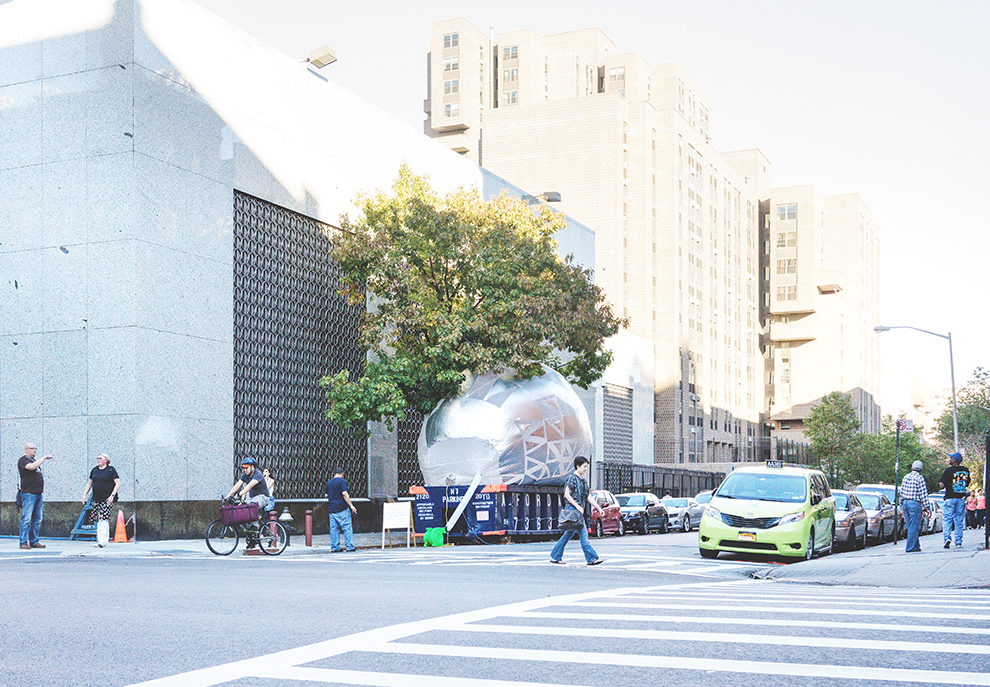
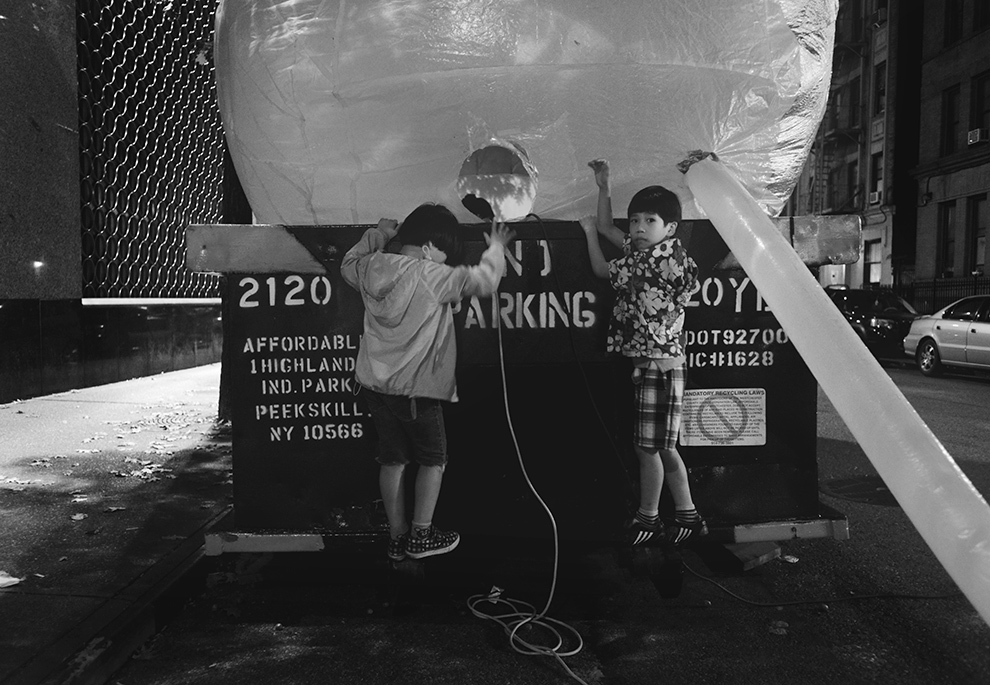
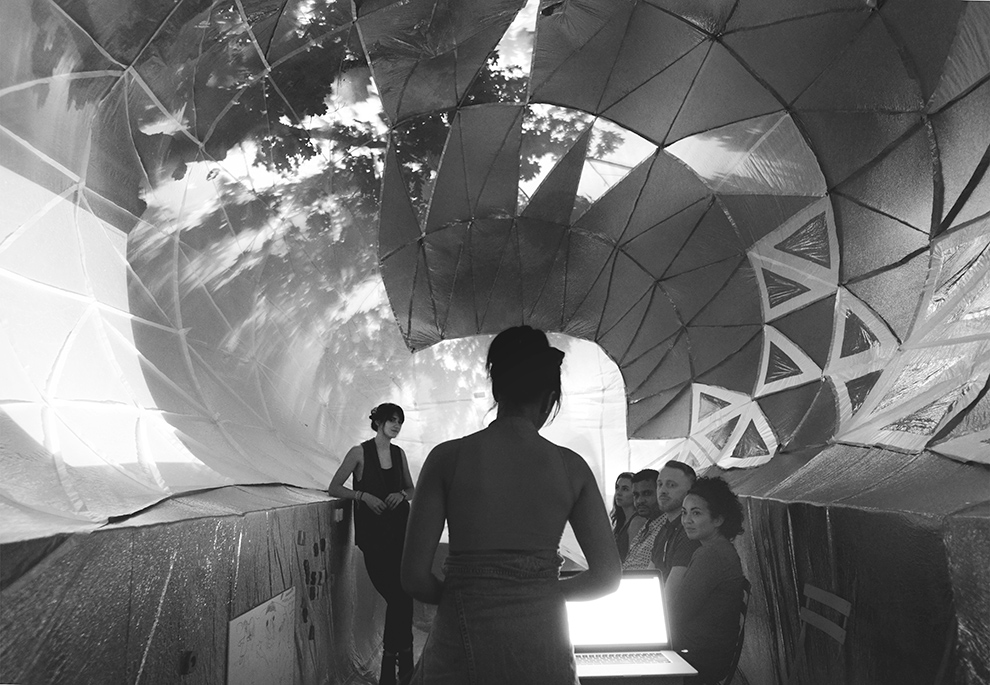
A quick entry I put together for a mobile voter registration and information center competition which had a pretty cool set of limitations - it had to be under 1000 dollars, fit inside a 3′x3′x3′ box, and be assembled and ready to hit the streets by September. The immediacy and modest budget were compelling and a nice change of pace. An inflatable structure was used to get around the rigid packaging requirements to produce the maximum volume to surface area, that, and I really dig the giant inflatable union rat that has been popping up around lower Manhattan streets. Unfortunately and inexplicably, the deadline was pushed back to 2011 (which is not an election year) so I guess I’ll be waiting to see how I did.
 

concept1
concept
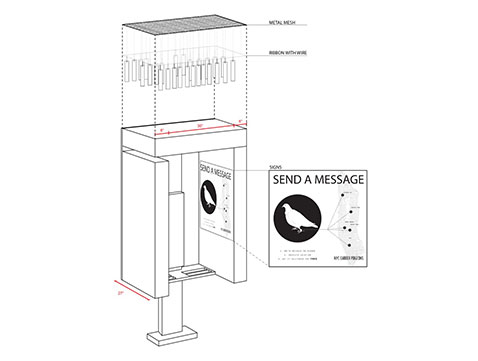
The gesture of the “i want you” poster was extruded and placed in a cylindrical shape for maximum exposure. Each arm becomes a customizable exhortation to vote and the end cap can be written and erased with a dry erase marker. The gesture is returned by the prospective voter who has to reach into the arms and place the completed form inside the unit.


dwgs


inflate
assembly

more »

Popularity: 4% [?]

aga construction

aga1

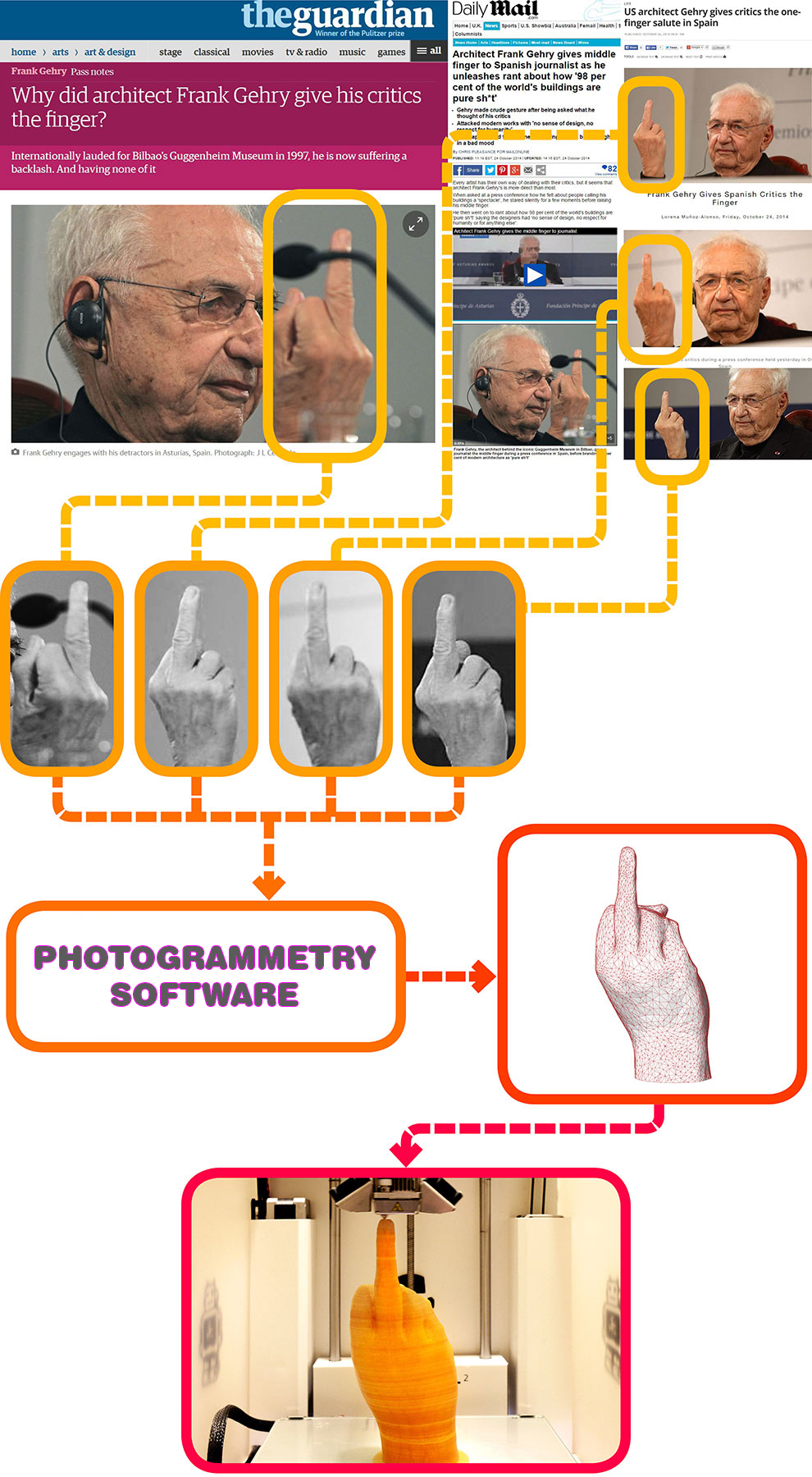
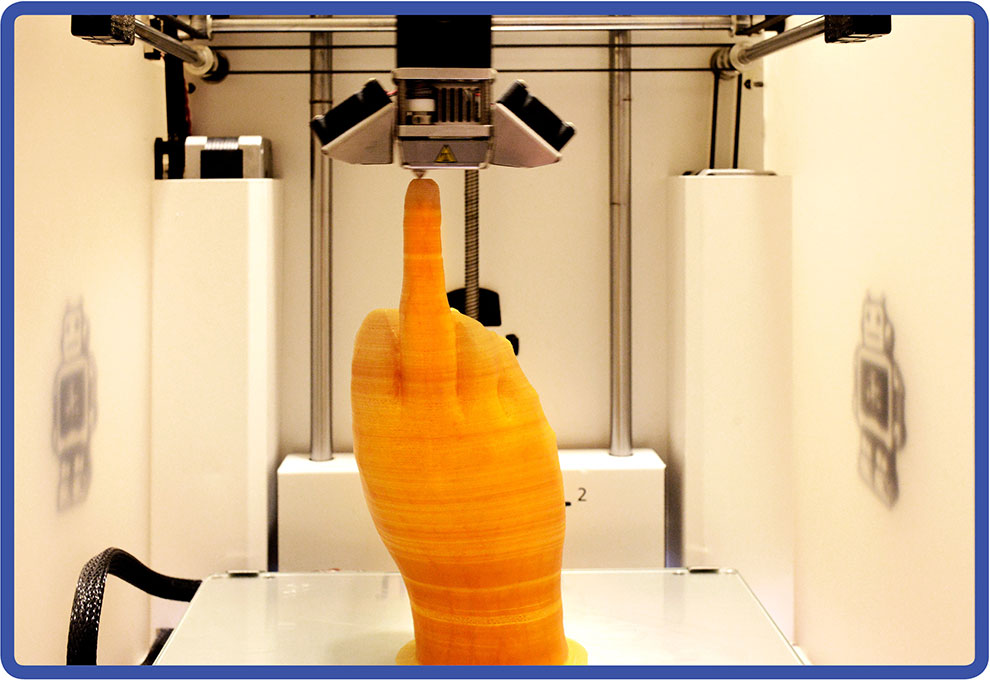
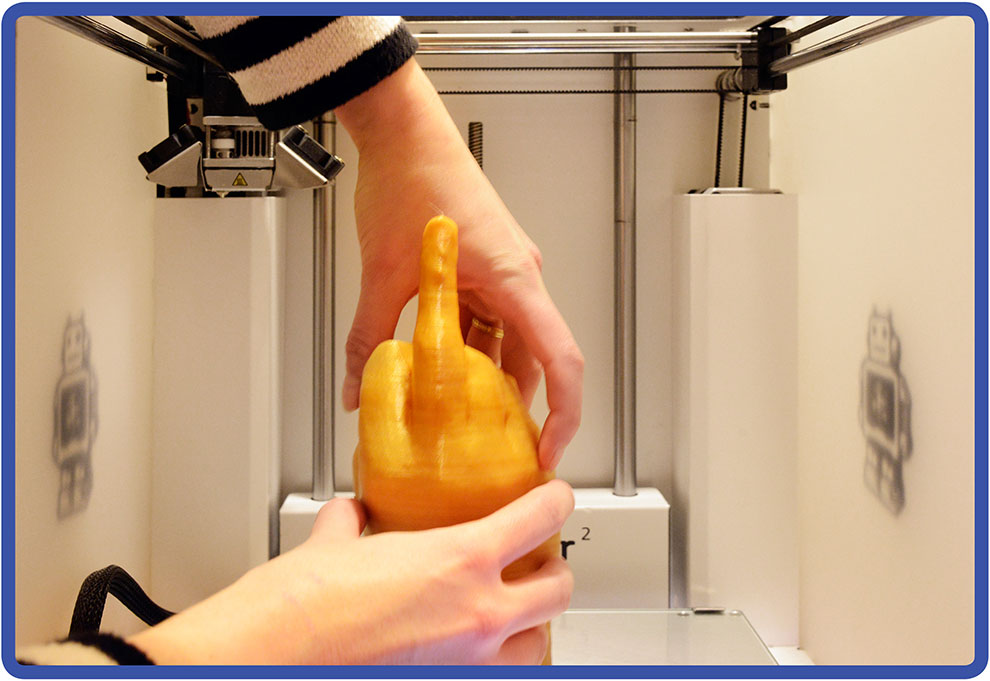
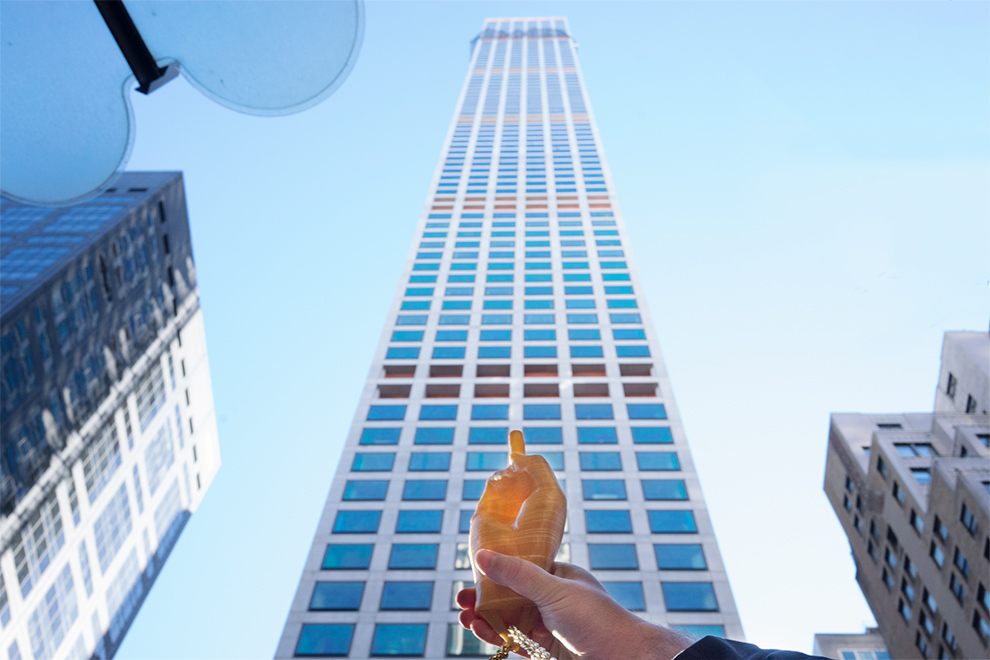
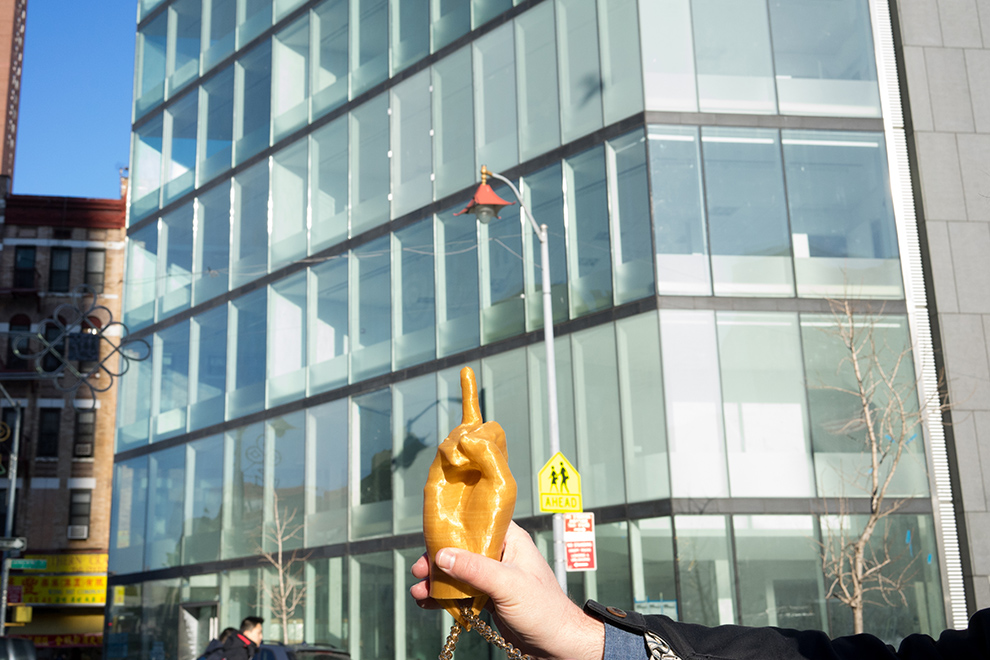
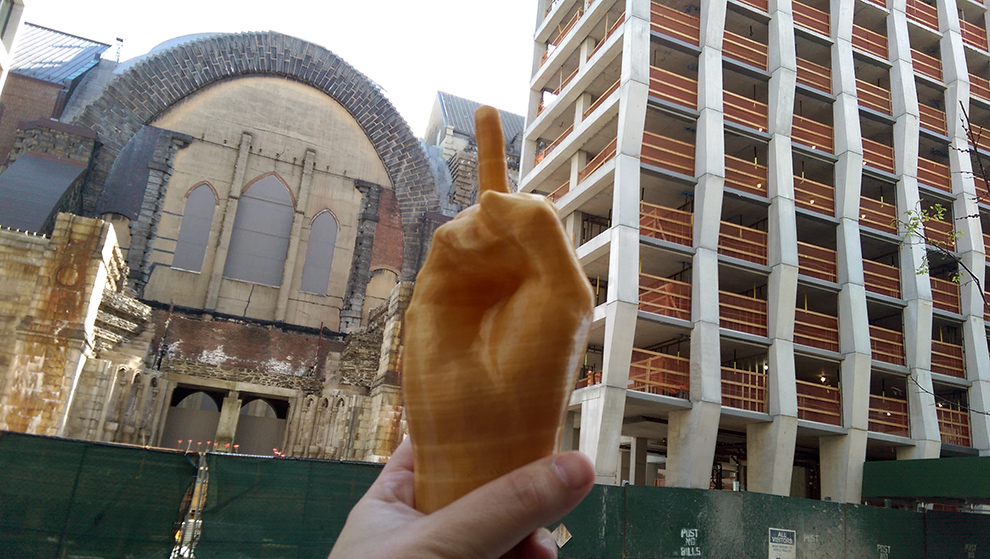
I’ve been diligently following the exterior construction progress of the AGA museum in Edmonton via the museum’s dedicated online webcam, and it looks absolutely wonderful, but unfortunately the spectacular interior spaces had been hidden from view until now. In my imagination and the computer and physical models I spent the better part of three years designing in while at RSA, I saw the public entry lobby as an expansive and light filled space that was confirmed by these first images taken from the museum’s facebook page. They were a joy to see and a welcome reminder that the days consumed by getting that projecting finger in the top left to look just right as it slid past the grand stair were all worthwhile.


more »

Popularity: 7% [?]

the (un)certain future of competitions

nextstop1


Ok, so this is my entry to the Next Stop Design “competition” for a bus stop on the University of Utah campus. I’d just spent a fair amount of time in Utah so the setting piqued my interest. The boulders are recycled from national parks around Utah and brought into Salt Lake to form the shelter of the bus stop. Whatever, right, pretty straightforward and not bad for a lazy afternoon’s work. What’s actually much more pertinent for discussion is how NextStopDesign understands the application of the buzzword “crowdsourcing” in relation to the future of architectural competitions.


Wikipedia defines crowdsourcing as “the act of taking tasks traditionally performed by an employee or contractor, and outsourcing it to an undefined, generally large group of people or community in the form of an open call.” Wikipedia is an example of crowdsourcing. Here’s another: Netflix uses an algorithm to recommend other movies you’d like based on your past viewing habits. This algorithm could certainly be improved upon so it becomes more accurate and stops trying to get me to watch The Benjamin Button movie. So to design a better recommendation algorithm, Netflix didn’t hire some movie-algorithm-predicter company, but rather put out an open competition – with a prize of 1 million dollars – with the idea that anyone out there can come up with a better algorithm that will more truthfully predict what kind of movies I’ll like. And anyone and everyone has tried: academics, laypersons, programmers, etc.
 

Now here’s how NextStopDesign competition organizer and researcher Daren Brabham defines crowdsourcing: “a company posts a problem online, a vast number of individuals offer solutions to the problem, the winning ideas are awarded some form of a bounty, and the company mass produces the idea for its own gain.” Sweet, so I can be compensated a nominal amount for my work, and then some other company reaps massive profits. Score! Where do I sign up?!?! But maybe the problem is that this dude’s narrow and cynical reading of crowdsourcing isn’t actually inaccurate, but actually pretty well describes the exploitive nature of crowdsourcing.
 

This is how NextStopDesign attempts to apply the principle of crowdsourcing into the design of a bus stop in Utah: Anonymous users post one to three images of their proposed design on the site, and other registered anonymous users rank said designs on a scale of one to five stars. When the voting ends, the highest rated design “wins.” What you win is completely undefined, but hidden deep in the bowels of the site is the statement that NextStopDesign will present the portions of the highest rated designs as possible qualities the Utah Planning Division could consider implementing in the future. In this scenario NextStopDesign acts an unnecessary parasitic gatekeeper. Now, since being highly rated is predicated on how others rank you, it is in each users own best interest to vote everyone else as low as possible as they jockey for a higher position. This leads to a cutthroat environment where everyone leaves absurdly irrelevant and overly harsh criticisms on other designs, and depresses the entire vote score. Out of around 200 designs the median score is a paltry 1.6 out of 5. Therefore, the highest ranked design is the one has garnered the most goodwill amongst a loose network of vindictive users that are each looking out for their own vested self-interest. Since all comments and ratings are anonymous you can’t trust anybody. This ultimately leads to the major misunderstanding NextStopDesign must confront regarding crowdsourcing and urban planning which is this: When Netflix crowns a winner they will be able to quantifiably judge that someone in the crowd has designed a more efficient algorithm. It can be tested, verified, and agreed upon by all. The design of a bus stop is different, and must address a whole slew of realities such as siting, fabrication, cost, etc. that are unable to be processed from even the most beautifully rendered image. On the other hand, what could make this competition interesting is if NSD were attempting an experiment to quantify the intangible qualities of architecture via a participatory network, or using the performative values of a proposed design (using program, energy, structural)as a means to rank and determine what’s “better.” But based on their repeated and simplisitic definition of crowdsourcing (step1_competition, step2…., step3_profit!) as simply a buzzworthy potential means to realize a new profit model it falls flat, and it is narrow and cynical. I’m torn here, because I think a lot of the submitted designs are really clever and inventive (I’m looking at you Bus-Shroom!). It’s the means to which they’re being used that bothers me.


There’s absolutely nothing groundbreaking about letting the general population participate in the results of an architectural competition. I’ve worked on at least two competitions where the voting results of the public became a factor in the jury’s deliberations. Also, archinect just ran a completely awesome competition for a Michael Jackson memorial where online contributors could rate and comment on the submissions. But here, the participatory aspect is but one component used in addition to a jury of experts in fields of design, architecture and engineering. And in lieu of this weeks amazing presentation by Usman Haque, in which he presented a survey of his projects that utilize a true participatory network in inspiring ways, NextStopDesign can’t help but come off as cloying and depressing.


In the end, though, it might be worth re-reading the Wired article that NextStopDesign quotes from liberally, and there, one can find the murky origins of NextStopDesign in the form of the earliest use of crowdsourcing, here in the interest of cheap, mass-marketed television programming: America’s Funniest Home Videos. Yes Bob Saget and ABC did make a fortune, but just because America voted for the hysterically zany toothless kid, doesn’t make him as great as the Simpsons. Maybe you really do want to look at reality show programming as the new paradigm for urban planning and architecture, but I’m pretty sure nobody wants more Wiffle Bats to the proverbial crotch.

Popularity: 16% [?]

global panopticon

beijing01
I didn’t really cut anything from the presentation included below. So, yeah, there’s a lot of slides. It’s (almost) the entire final presentation. I left it pretty much intact because not only 1) I can never edit my own work, but 2) the project is conceived more as a sci-fi narrative of Beijing and it will hopefully make more sense if read in complete order. And you can always just scroll way down to the end for some sweet images. This was for Ed Keller’s SpeedTerritoryCommunication studio, Spring 2009.
quick project description:
Architecture is a system of control predicated on limitations. This project is a study of the existing control systems in Beijing and a projection of how architecture and technology will merge to change not only prisons, but also the urban environment, the social stratification of society. Also addressed are what confinement and freedom will mean in relation to our relationship with how we build our world.
more »

Popularity: 21% [?]

component systems

comp-sys
It was a certainly good times working with Professor Joe Vidich as teaching assistant for the courses Intro to Digital Fabrication and Advanced Fabrication: Component Systems. In component systems we only had five students, and they were pushed really hard, but there was some great work. I appreciated the sensibility that yes, we would make some cool stuff with the machines, but we also would test it for performance using structural engineering analysis, and explore material properties using Solidworks parametric models. It was an ambitious agenda for a short course, and the waterjet was un-operational pretty much the whole time, but the students came through with some sweet projects using the laser cut plexi and the heat bender, the metal mill as well as the 3d printer. Visit the class blog here.
Student work above from left: HoKyung Lee, JiYoon Oh, Kiseok Oh, Dave Kwon and Christo Logan

Popularity: 14% [?]

beijing 2014

01
Detail from my final studio presentation of one symbiotic cell.

Popularity: 24% [?]

interactive elevator installation

living01
For our living architecture course, we created an interactive light installation in the elevator of Avery Hall, controllable by anyone with a cell phone and a twitter account. The simplified process includes texting an emotion to twitter from any cellular phone using the #livarch hashtag. That tweet is then picked up by a realtime search, fed through our twitterfeed rss, then added to our own twitter account. For a more detailed explanation, see this previous post on getting multiple twitter users onto one twitter feed. That emotion is then directed to our pachube feed and sent through processing to an arduino microcontroller that controls the color and pulsing of the individual leds. The installation non-invasively attaches to the surface of the elevator via magnets. Allowing it to be placed on any metal surface, such as a building exterior, furniture, or a vehicle.
 

The lights within the elevator respond to the mood of the user. For instance, if a student texted “happy #livarch” the space within the elevator would begin to slowly pulse with a greenish/blue hue. However, if another student sent “angry #livarch” the first light will quickly flash a bright red. There are twelve lights total and show the collective mood of the twelve most recent users.


In this way, the elevator becomes a living representation of the collective mood of the building, but it is also hoped that a feedback loop can be created, a loop that actually influences the mood of those that ride the elevator. The emotion felt in the lobby will be altered by the time you reach the sixth floor. And that new emotion becomes what gets texted back to the elevator.


Lastly, future installations will be physically located away from the target user. For instance, Avery’s mood will be projected to the elevator in Uris Hall and vice versa. In this manner, we can both create a new form of pen-pal with distant locations, but also hope that our mood, whether angry, sad, happy or nervous, will both manifest itself in a new form of architecture, but also have an effect on the greater world around us.


The project team also included Talya Jacobs and Guanghong Ou.
See more for video and code:
more »

Popularity: 21% [?]

graduate portfolio

Final portfolio from my time at Columbia University’s GSAPP. “Arguments” seemed like an apropos title after the discussion provoked during my final final review. And, yeah, I always default to that yellow.

Popularity: 24% [?]

grasshopper final

meshing01
This was my final project for David Fano’s (of DesignReform.net fame) Meshing Course. It was an intense introduction to using Grasshopper with Rhino. My goal was too make a parametric array of cells, where each cell could be controlled individually, but changing one would affect all other neighboring cells in the system. Creating this type of recursive system led to a giant 18mb Grasshopper file, but the logic of the node-based layout made it surprisingly simple if you break it down into steps. See more for Vimeo Vids:
more »

Popularity: 26% [?]

amwv opens

amwv
Image Credit: Timothy Hursley.
I spent my first year out of school working on this project back when it was a six foot long paper and wood model sitting in the middle of the office, and we were diligently translating it into a rhino model. I’m happy to see it turned out beautifully, Randall and the team did a great job. See more about the project at arcspace, here.

Popularity: 5% [?]

one more week

symbiosis
…until the final final review. That circadian rhythm won’t know what hit it.

Popularity: 15% [?]

sankey diagram // life support system

sankey_final_web1
Working on a sustainable prison cell unit for future Beijing. Because of their high population density, prisons are actually prime contenders for tests of renewable energy methods, such as waste to energy, and water recycling features. Much like the panopticons of yore, each prisoner generates energy for their own confinement, but also send excess energy back to a central grid, acting like capacitors. Here, the sankey diagram is parametric, the size of the flows are tied to the things like the volume of the cell, the square footage of the plant growth surface, and the amount of solar heat gain.

multiple users into one twitter feed for pachube

01
Somewhat of a circuitous hack through five sites, but it works, unfortunately there is about a 50 minute lag time, and a max of 5 users per half hour. But by pulling an rss feed from a search of all tweets with a certain hashtag (#livarch), then feeding that into a public google reader feed, publishing that back out to twitterfeed, then all the way back again to my twitter account with the pachube feed id prefix automatically appended (”d pachtweet set 1499″), anyone in the world can sms text data to your pachube feed and control an arduino. When a local interactive piece can be manipulated by a global audience, it brings up issues of siting and why a physical, localized kinetic piece of architecture is even necessary. Shouldn’t it be an ephemeral piece living online, able to respond to everyone at once?
more »

Popularity: 17% [?]

the watercube

watercube
Post-Olympics, these signature, totally specific buildings sit vacant. Both the Bird’s Nest and the Watercube have already been reappropriated as museum spaces. Tourists can pay admission then be carefully herded through spaces we saw on television - the field of the National Stadium and the pool where Michael Phelps won gold.
See more images from Tokyo and Beijing at my flickr page.
edit: thanks to John Hill at Daily Dose of Architecture for making this image Daily Dose #299.

Popularity: 3% [?]

airport studio

airport
Quick Project Desciption: Airports typically attempt to be all things to all people, resulting in general inefficiency and awkward relationships between program spaces. By seeking new opportunities via trade-offs, for instance a tourist class passenger waiting longer but flying for free, or a business class passenger’s ticket price rises while he waits less in a more luxurious setting, a new circulation map and airport space is created that addresses these disparate groups needs. Optimal relationships between airlines, airport, and users are handled through parametric models and genetic algorithms.
more »

Popularity: 19% [?]

living architecture

livarch
The beginning of our project for living architecture. It’s in its early stages, but we’re starting to get the interaction working. First, a user can send a message from their phone to twitter, then twitter forwards the message to pachube, then pachube feeds the data through the net to the little led’s hooked up to the arduino on my desk. At this point we’re thinking of an interactive light display down in the cafe, that will display the collective mood of the studio above.

Popularity: 9% [?]

we can rebuild you

model01
After my final model from last summer was misplaced in the trash, then the compacter, the lazy days of the winter break seemed like a good time to rebuild. One of the benefits of digital fabrication is you just have to re-lasercut all the files, though there is a certain level of zen like calm in folding and gluing 300 panels. The modular panels and truss were created in grasshopper, then scripted in rhino to unroll onto sheets.
more »

Popularity: 24% [?]

summer studio

summer
Quick Project Description: In America, the most active civic space is no longer public plazas or parks, but rather a new typology­—“town centers”­—Mall/Promenade hybrids of housing, public space, and shopping. This is where people gather, and into each of these places a civic function is inserted­—political debate arenas where the viewer is no longer passive but takes an active role in the decision process, and is loudly confronted with a newfound political reality.
more »

Popularity: 25% [?]

pavilion fabrication

fab01
We had free range of the lab last summer, and tried to use as many of the machines as possible: waterjet aluminum, foam milling with plaster casting, and metal cnc milling of a 1″ thick slab of aluminum (inaugural use!) for the joint capsules. It all came together in five minutes, ten minutes before the presentation.
more »

Popularity: 15% [?]

michigan state university competition

msu01
image credit: piratedesign and Randall Stout Architects.

I was the part of the design team for this invited competition project and represented Randall Stout Architects among competitors Zaha Hadid Architects, Morphosis and Coop Himmelb[l]au. The museum, on the Michigan State University campus, will become the new location for the Broad art collection and will mark the northern entry point of the campus as the college’s most iconic building. I worked closely with the principal-in-charge Randall Stout to manifest the design ideas into physical form, and led a group of four designers.
more »

Popularity: 5% [?]

max renderings

ultrareal01
Whenever you have a computer course at a university, there’s always a struggle to make it more than just about being a software jockey. The ultrareal course did a good job straddling the line of teaching us to use the program, 3ds max, but also thinking about different techniques of representation. I used my studio project from the summer as a testing base, both because I wanted some new images and it was convenient.
more »

Popularity: 21% [?]

powercopies through excel

excel1

This was an attempt to use an excel file to control the openings of a number of powercopies in catia. There is a lot of potential in creating a hive of components that can be individually optimized through excel and modeFrontier. If I get some time, I want to come back to this.

Popularity: 11% [?]

circle packing

test01

This was an initial experiment setting up a parametric model in catia that could be tested and optimized in modeFrontier. The goal of the test was to (1) determine the shape of a base surface and (2) calculate the optimal circle radius, that would create an optimal component suface with a minimal amount of circles that maximized the total area. The results produced both a flat surface with a few large circles and a more highly deformed surface that included more tightly packed circles.

Popularity: 18% [?]

art gallery of alberta

aga

image copyright randall stout architects

This was one of the first projects I worked on after getting out of the University of Texas, and I was lucky it was an exciting one. I followed this project from its inception as a winning competition entry up through the completion of the construction documents phase.

images copyright Randall Stout Architects.You can follow the construction process through the museum’s real-time webcam.

more »

Popularity: 4% [?]

car/truck shape study

car

car/truck shape study model 14.5”x7”x5.5”
layers of bondo molded over a rectangular metal base

The perception of color is relative. The interaction of multiple colors creates a new relationship that alters the nature of the individual shades. The light quality in the project is important to the reading of the building shape, therefore, stable colors were chosen that are also dull, cool and light. The value of the red/blue colors were the same, creating an underlying unity while also influencing the perception of the forms reflecting in sunlight - and hidden in shadow. The colors reinforce the overall formal gesture while maintaining the indivual integrity of the facets. This was the third component of the Shape Studio, the first component can be viewed here.

more »

Popularity: 9% [?]

austin capital area metro rebranding // 2004

station

Far too often the ones advocating increased public transportation are absent when it came to riding public buses. The capital metro brand has become too associated with a misrepresentation of resources and nondescript buses. We proposed to do away with the old name and replace it with ‘Capital Area Transit.’ Much of the imagery for the logo and design of the bus stop came from ‘CAT,’ the idea of nimbleness and sharp vision.  This also created something inclusive, bringing more people together by a shared name that allowed the riders to give the transit system their own slang term, not an official nickname.
I wanted to simplify the contradictory organization method, and replace it with a more universal color-coding system: each route will be color-coded and each bus stop will correspond with the color of the bus. With television screens commonplace in automobiles and advertising becoming increasingly obtrusive, we sought to take this one step further: starting with the idea of the eye, I proposed fitting the buses with image protectors. Passing cars, buildings and people all become part of the image. Changing projection and led screens on the bus help target specific audiences. They can be programmed to display different images to specifically target economic and ethnic parts of the city. Also, the coveted rush hour times could bring in increased revenue.

more »

Popularity: 9% [?]

castle clinton performance space // 2005

clinton

Since its creation as a defensive fortification during the war of 1812, Castle Clinton has undergone a series of reinventions. While the inner activities have changed, the solid masonry walls have withstood, providing a blank slate - or bowl - for new programmatic activities, from an immigration processing station to an aquarium to its latest iteration as a performance space for lower Manhattan and the centerpiece of a renovated Battery Park.
The challenge became how to maintain the ring shaped exterior walls, while creating a welcoming and inviting space for artistic expression. To both emphasize the existing historic walls and the new intervention, the differences between the two were played for maximum effect - avoiding any attempts at a formal or historic similarly. In stark contrast, each could maintain their individual sense of integrity: new vs. old, light vs. heavy, closed vs. open, solid  construction vs. modern building techniques all became overriding principles. In addition, because the intervention is without enclosed volume, the relationship between sharp-inside and curved-outside corners were emphasized. Thomas Phifer was the studio critic for this project.

This was also my last project at UT. It was also the harshest review I’d ever experienced. I don’t know what UT is like now, but back then they highly frowned upon any project that didn’t conform to the high modernist ideals they were desperately clinging to.

more »

Popularity: 9% [?]

movable performance pavillion // 2005

clinton1

The Challenge: 1) Analyze and choose a site along the 10.1 mile stretch of park along the Colorado River, which winds through Austin, creating Town Lake. 2) Design a space for artistic performances that is movable, able to transform into an “on” and “off” position.
The Solution: 1) A site was chosen in East Austin, near a rundown park in a neighborhood struggling with a lack of facilities for local children. This is in sharp contrast to other parts of Town Lake that are primarily used as walking and jogging trails for more affluent visitors. The site is also geographically unique, having an insular quality - surrounded by water on three sides - making possible a significant, central entry point. 2) A design was chosen that would still provide a functional purpose when the container was in its “off” position. With the rapidly declining public opportunities for skateboarding, the Performance Container was designed to transform into a skate park, providing a recreation center for the neighborhood. This was accomplished by creating three ribbons that lightly touch the ground and actively engage with the natural landscape of the site to create space. Like a roll of paper, each ribbon could be retracted or unfurled based on necessity.
more »

Popularity: 9% [?]

optimizing smart component geometry

component

Part of the Adaptive Formulations visual studies course taught in conjunction with structural engineers from Buro Happold. We were designing parametric skin components in catia then using optimization software modeFrontier to generate a large design space of high performing designs. The size of the apertures of this system are dependent on the surface deformation of the underlying base surface, and I’m testing for a base surface with a maximum deflection that results in the largest aperture size.

more »

Popularity: 18% [?]

suds entertainment center // 2003

suds

The program called for a combination of leisure activities that any college student is well acquainted with: bowling, drinking and washing laundry. The design reflects some of these playful qualities while also creating a ground, a city within a city. The building is meant to provide a strong presence in an area where the inhabitants are recycled every four years - perpetually created anew.
The design is separated along program and wraps itself protectively around a central sunken courtyard that provides shade and solace. The line between inside and outside is blurred through the use of roof gardens, cantilevered overhang spaces and the absence of a traditional central front door to the business. As opposed to one central building, the programmatic elements are separated into a collection of buildings, meant to evoke the layout of a college campus. Inhabitable outside void spaces were key and provide open areas for outside cafes and meeting spaces. Also, each program is expressed separately to accommodate differing hours of operation. The space is unified by a consistent structural grid of 20 x 45 feet.
more »

Popularity: 10% [?]