JOHN LOCKE, ARCHITECT

  • Featured Work
  • Design Blog           
  • Photography
  • Graphic Design
  • Dept of Urban Betterment

About

Hello. I live in New York and work at The Living. I hold a graduate degree from Columbia University's GSAPP and an undergraduate architecture degree from the University of Texas at Austin. I have more than seven years of professional experience at noted architecture firms, including New York-based Rogers Marvel Architects and SOM. I also tackle freelance graphic and photography work with my partner in crime, the multi-talented Jackie Caradonio at Lion in Oil. In addition, I teach a course, Hacking the Urban Experience, at Columbia. View my CV here: CV(html). Thanks and have a nice day.

Contact

john.h.locke{at}gmail.com
310.735.3333

Architecture Portfolios

Portfolio 2002-2007 (issuu)
Portfolio 2008-2009 (issuu)

HOME / BLOG

competition

2015119 Tags: architecture, competition, fabrication, urban | No Comments »

Urban Shed Competition
03_diagram

02_elevation

01_MODEL


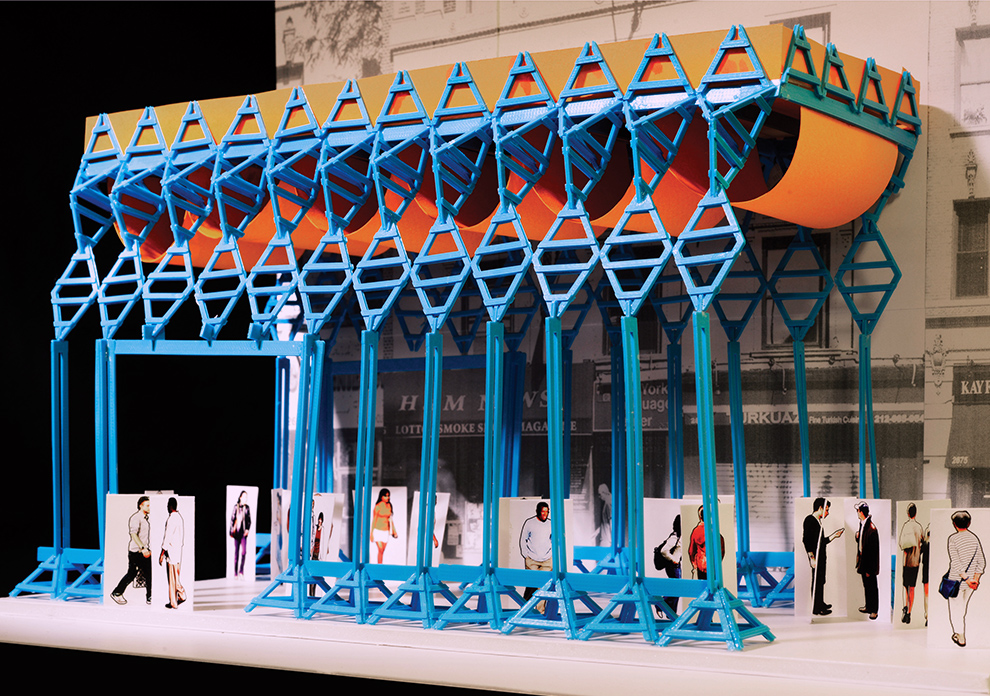
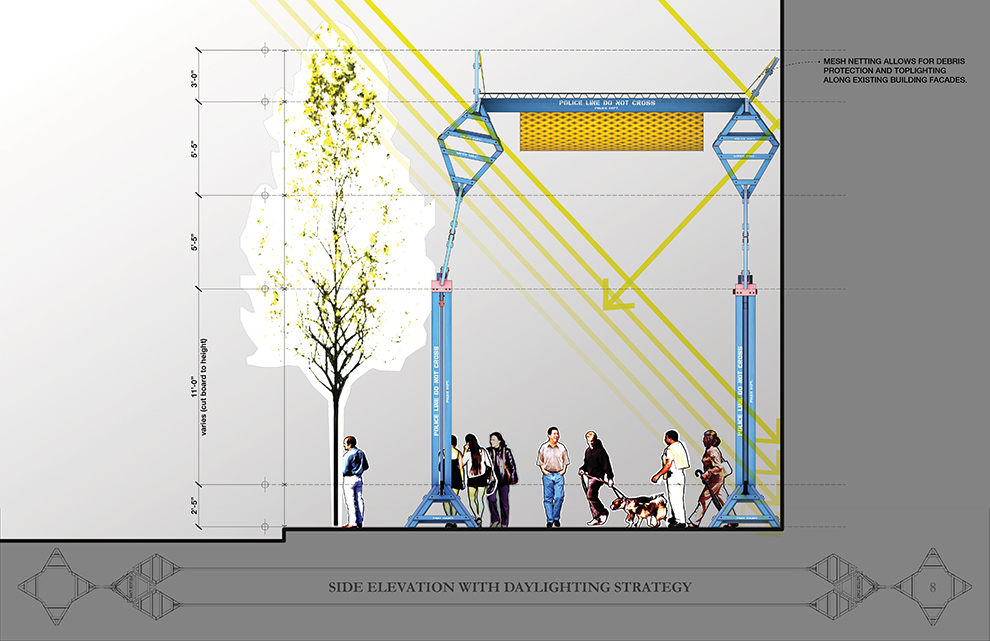
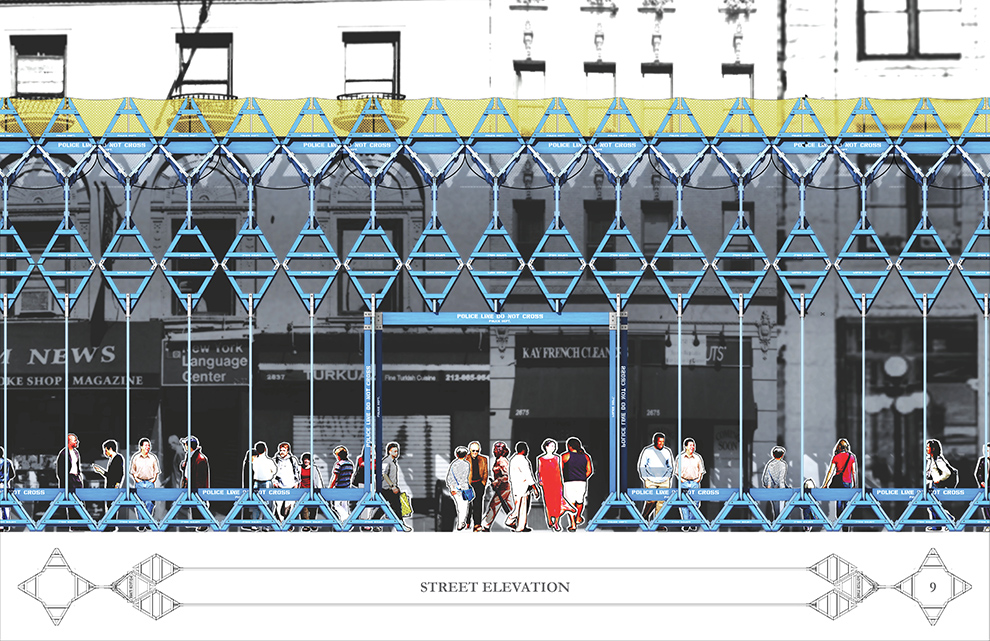
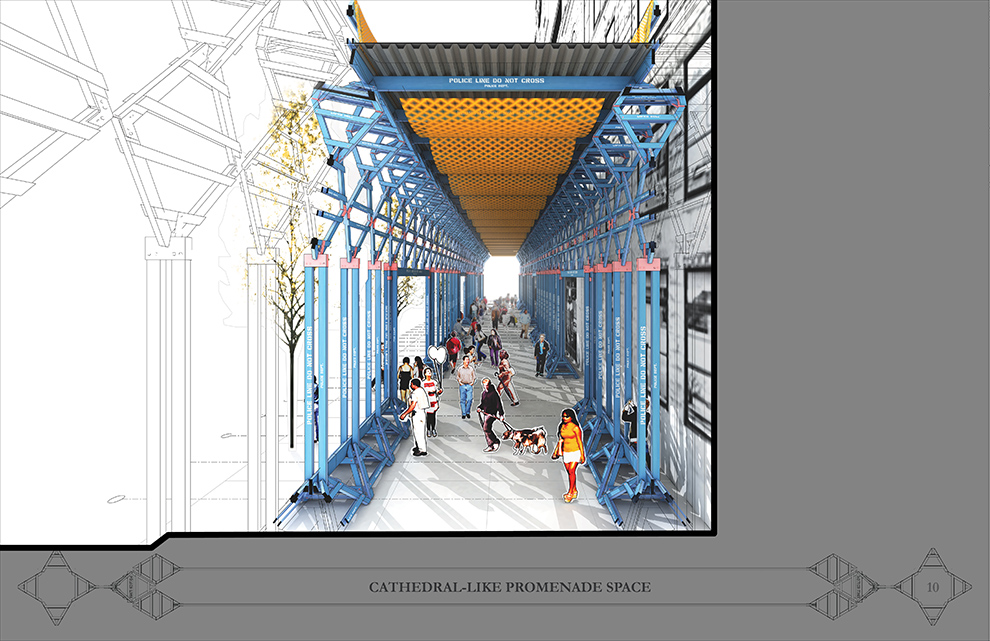
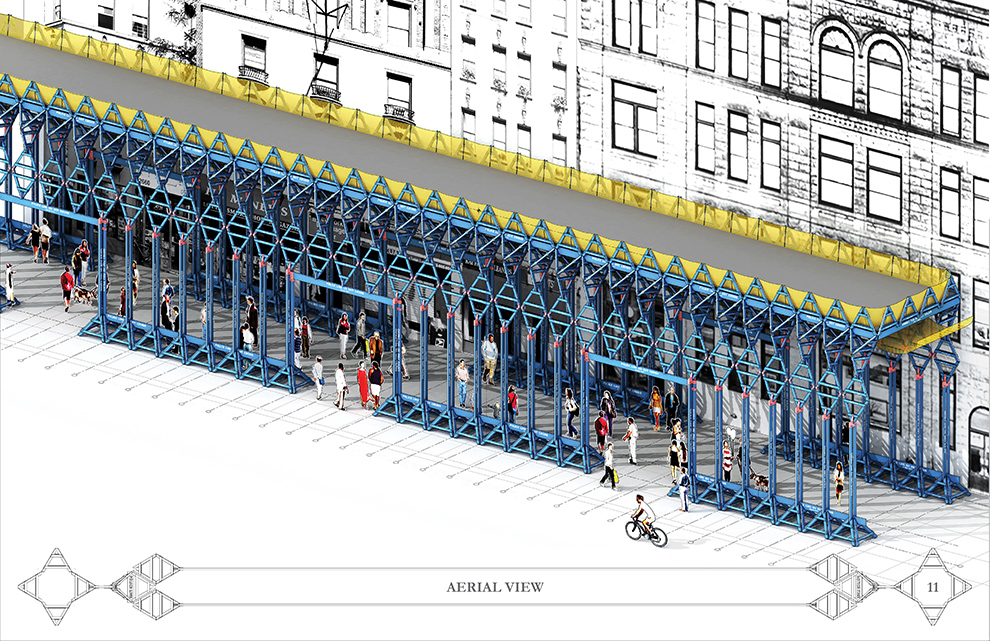
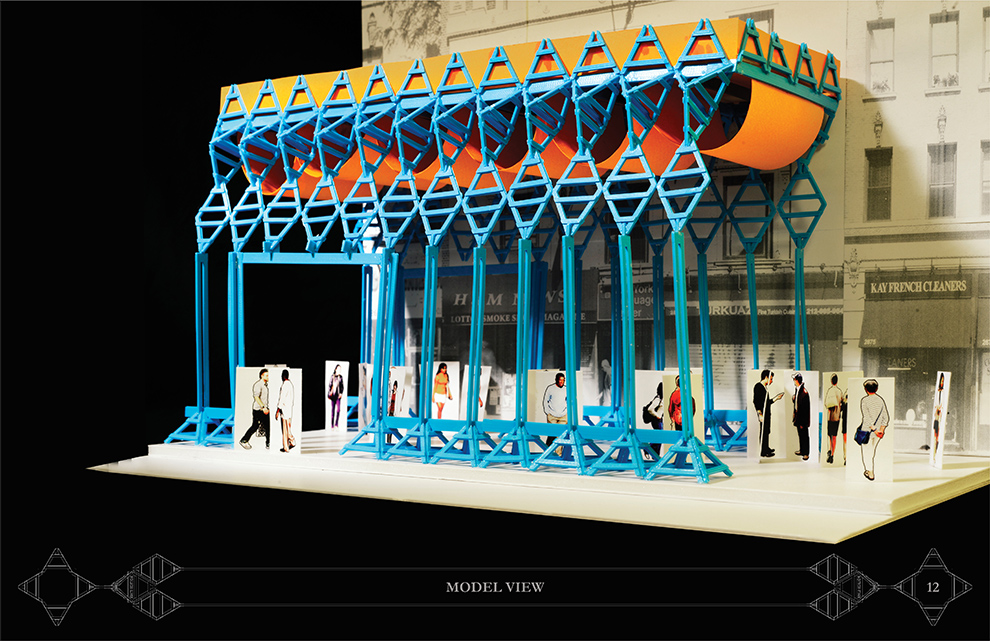
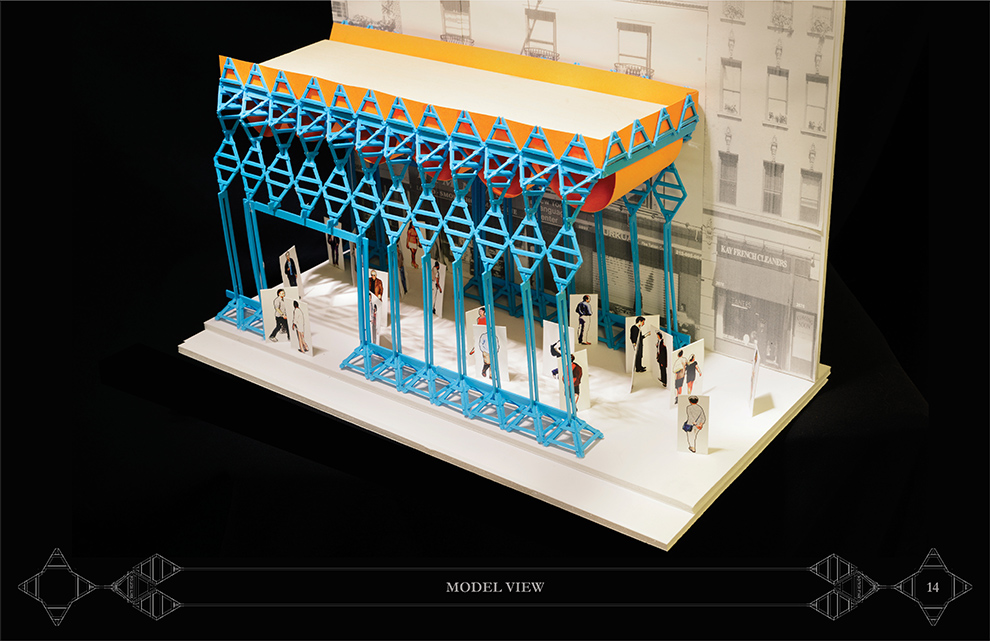
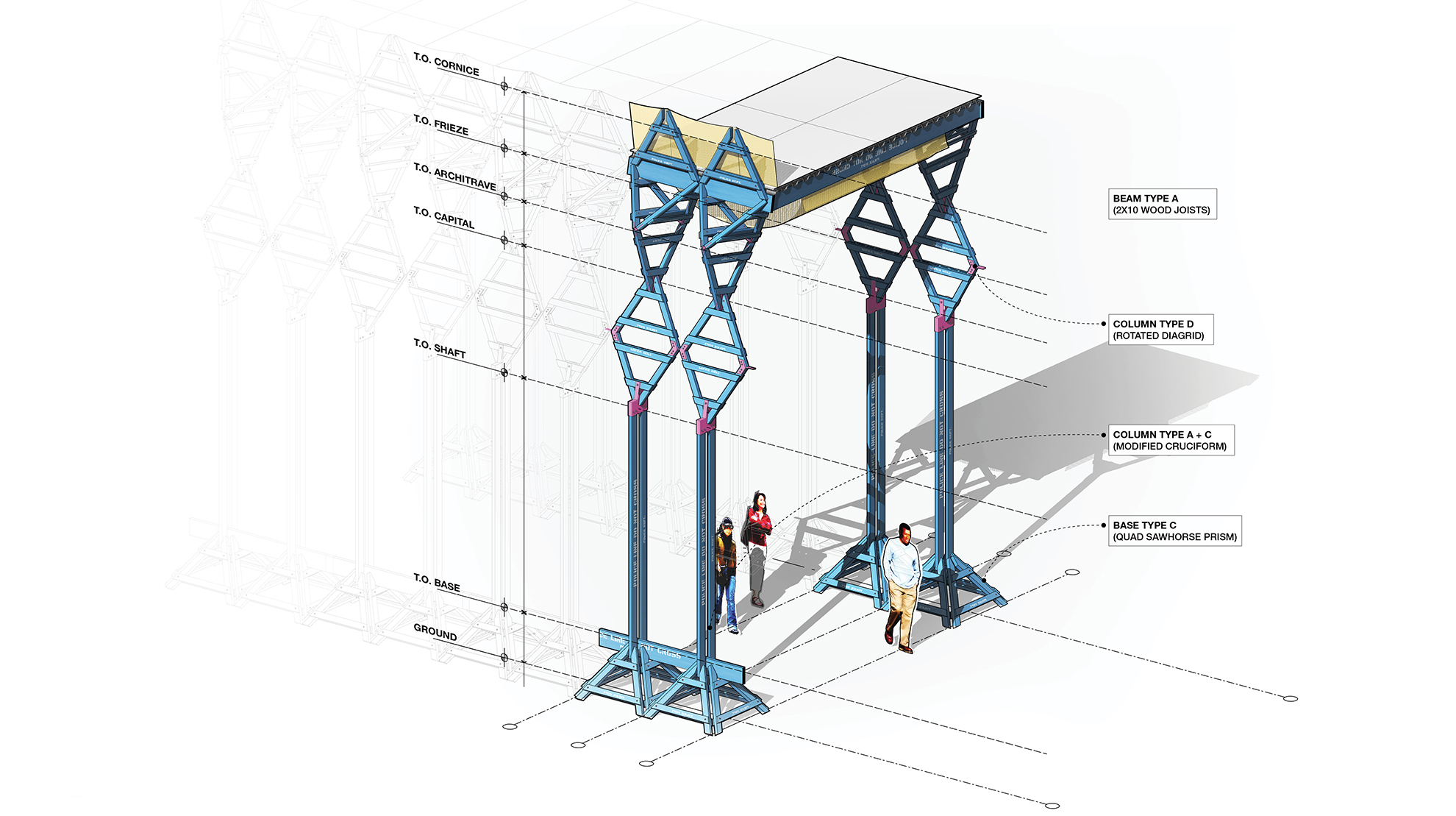
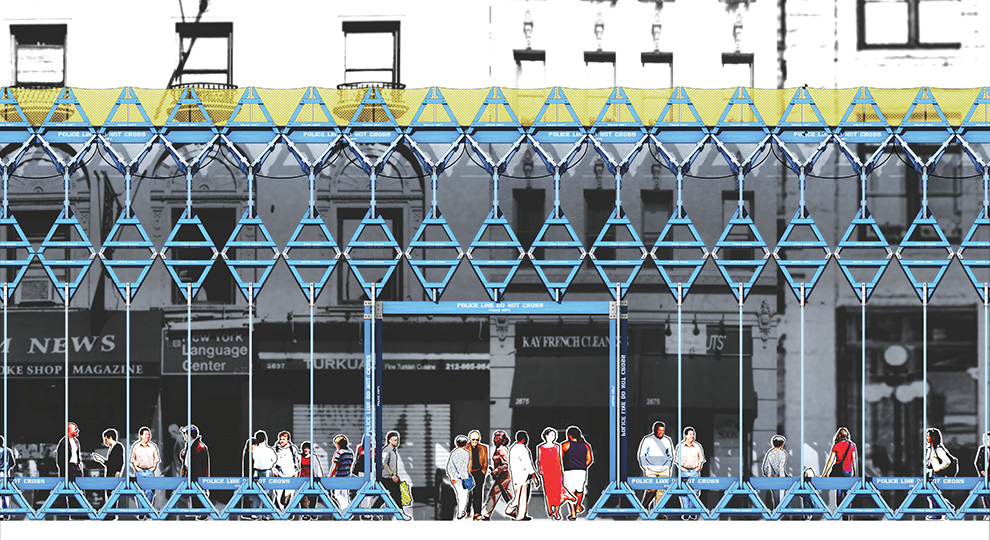
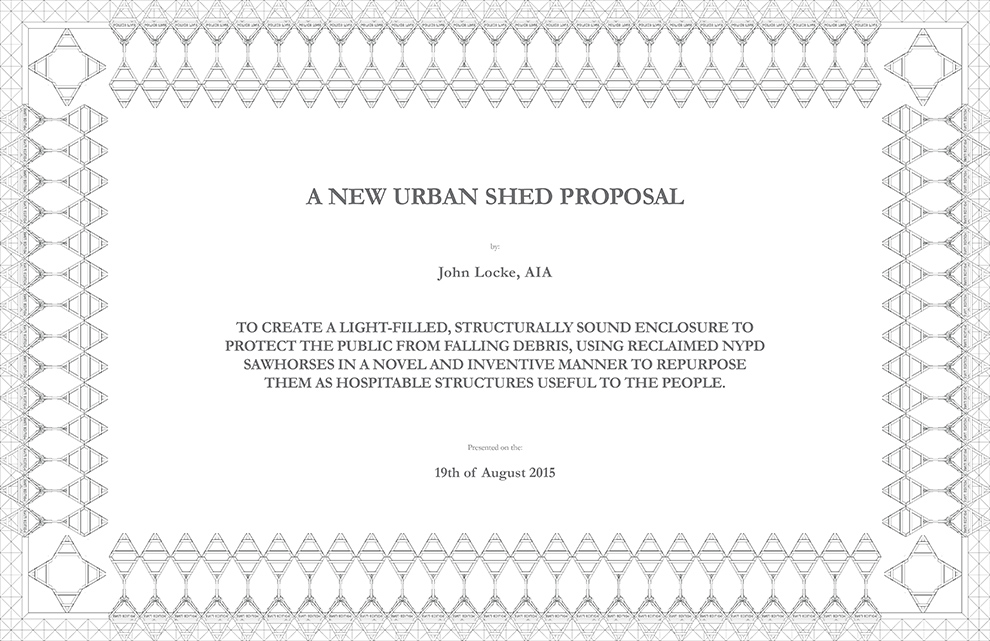
Presented here is a (losing) competition entry for a re-design of the ubiquitous “urban shed” – the pole and plywood constructions temporarily thrown up to protect pedestrians from falling building debris during facade renovations. They are an interesting typology, both because they are everywhere and are also built using pre-fabricated components in a completely market driven approach, every element has been pared down to cost per protective surface. Every couple of years someone tries and re-thinks these things, but due to the cost and existing, entrenched interests, these re-designs never go anywhere. The argument I was trying to push was twofold: 1) taking advantage of an existing material that already relates to street protection could offset costs, and 2) that the design would be exciting enough that building owners could reap some economical benefit through a boost in traffic flow by putting up something like this. Project text below:


A city manifests itself through its architecture, its built form represents its values and priorities. This ideas competition hosted by the New York Building Foundation is an amazing opportunity to explore how the city and building owners will proceed to treat what is in many ways the most modest and ubiquitous of architectural elements, but one that we all encounter each and every day – the construction shed.


The questions before us are simple, will the form of the shed continue to be dictated by that which presents the perceived lowest cost per sf? This is a notion dictated more by complacency and inertia as opposed to New York ingenuity and data-driven metrics. Or, will the shed evolve into a form as slick and scaleless as the latest glass and steel construction, furthering the ever expanding gulf between New Yorkers and relegating architecture and engineering to the realm of a luxury item. Or, will it pursue a sustainable, iconic, human-scaled solution, which can adapt to changing needs in neighborhoods as diverse as ours?


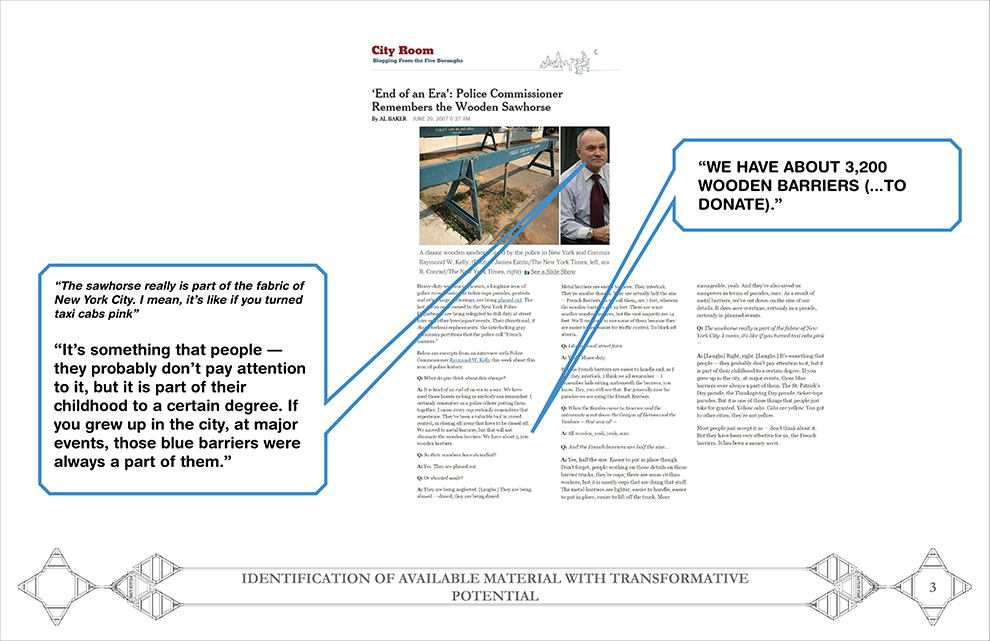
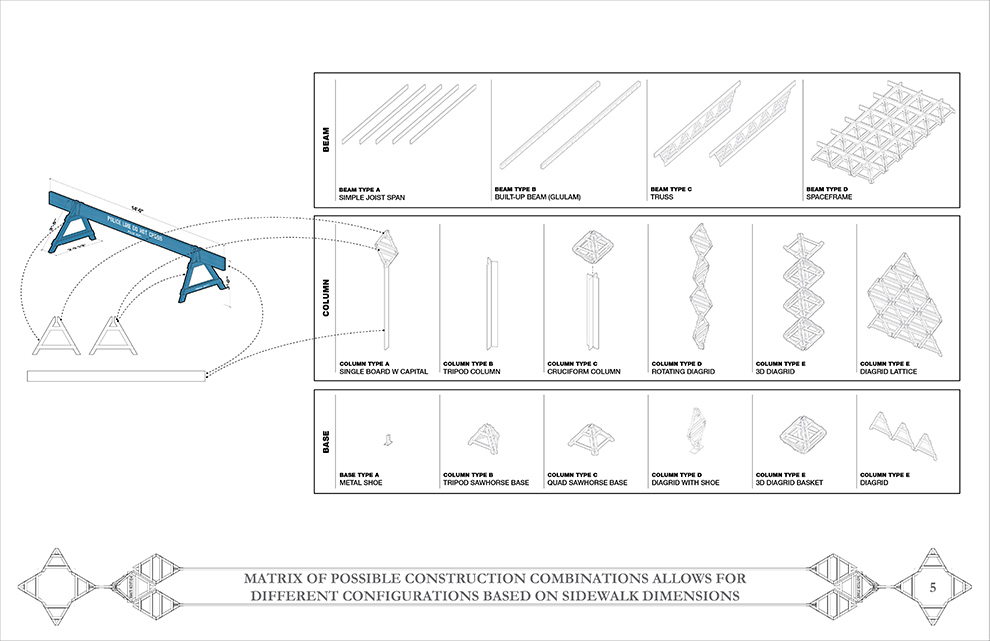
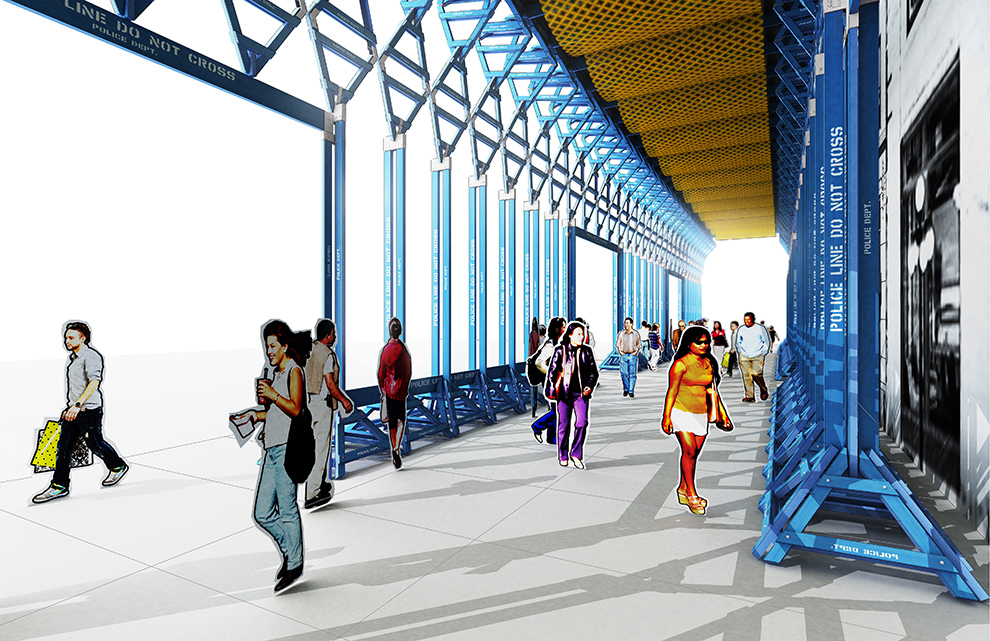
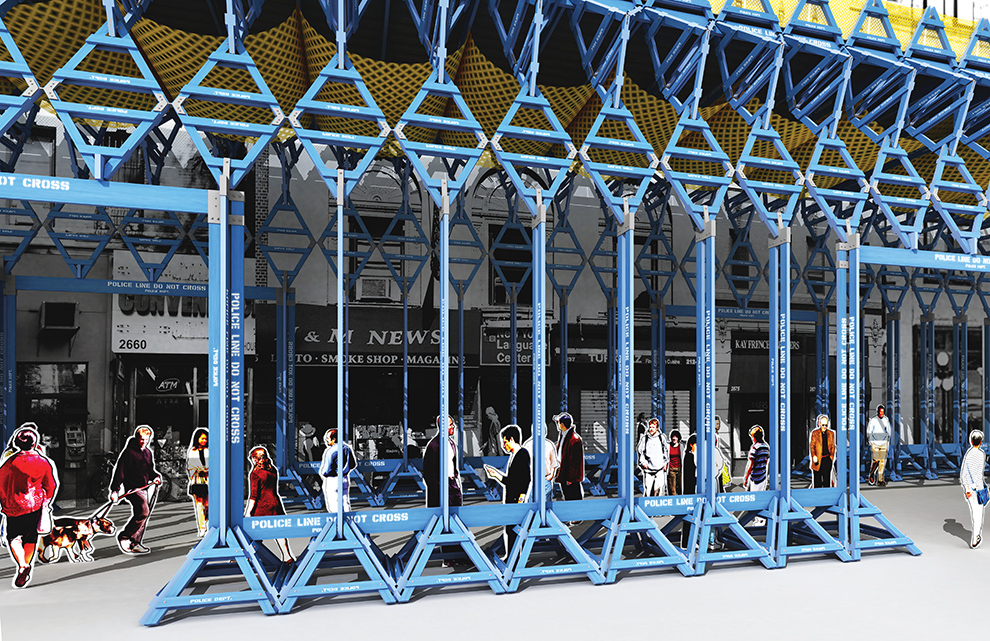
The proposal included here envisions a future construction shed built from reclaimed NYPD wooden sawhorses. These sawhorses were retired in 2007, but they are still available for donation and hold a prominent place in the collective consciousness of the city. Their familiarity with New Yorkers imbues them with an ingrained acceptance to their position as part of the urban streetscape – like seeing an old friend again, but their novel use here, elevates the basic construction assembly into an uplifting form that makes the shed into something more than pure tectonics.


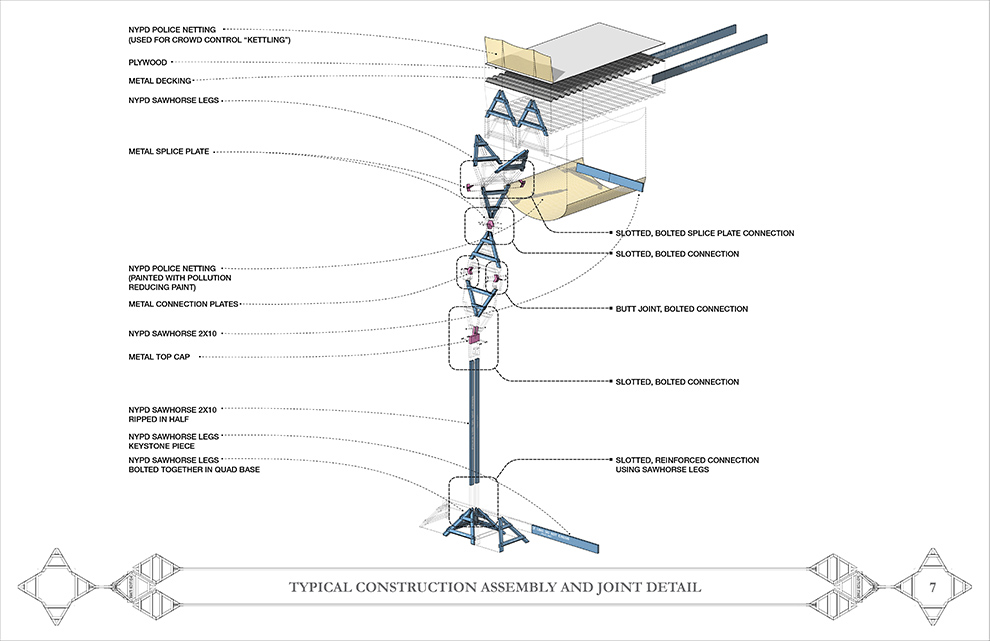
They also present us with an opportunity to acquire a readily available, highly-durable material for a low-cost. In a practical sense, the sawhorses in their previous life as crowd control devices had to withstand a number of structural requirements. Here, the existing sawhorse connection techniques – slotting, nailing and screwing – are used again, this time to withstand a vertical load through multiple connecting load paths and redundant connections that will meet and exceed Section 3307 of the New York City Building Code. Wood also allows for ease of assembly through cutting of pieces and through the use of inexpensive attachments and fasteners as required.


Lastly, this design represents the transformations inherent in the evolving city over the last 50 years. The NYPD wooden sawhorse material here is no longer one that restricts movement and creates artificial barriers in urban space, but rather it is put to a new purpose, one that enables free and open movement while providing shelter and protection for all.


Locke-Urban-Shed1Locke-Urban-Shed2

Locke-Urban-Shed3Locke-Urban-Shed4

Locke-Urban-Shed5Locke-Urban-Shed6

Locke-Urban-Shed7Locke-Urban-Shed8

Locke-Urban-Shed9Locke-Urban-Shed10

Locke-Urban-Shed11Locke-Urban-Shed12

Locke-Urban-Shed13Locke-Urban-Shed14

Locke-Urban-Shed15Locke-Urban-Shed16

 
20140428 Tags: competition, fabrication, graphic design, interaction, new york, urban | No Comments »

Muybridge + Kelly

overall
Final painted barrier
final01
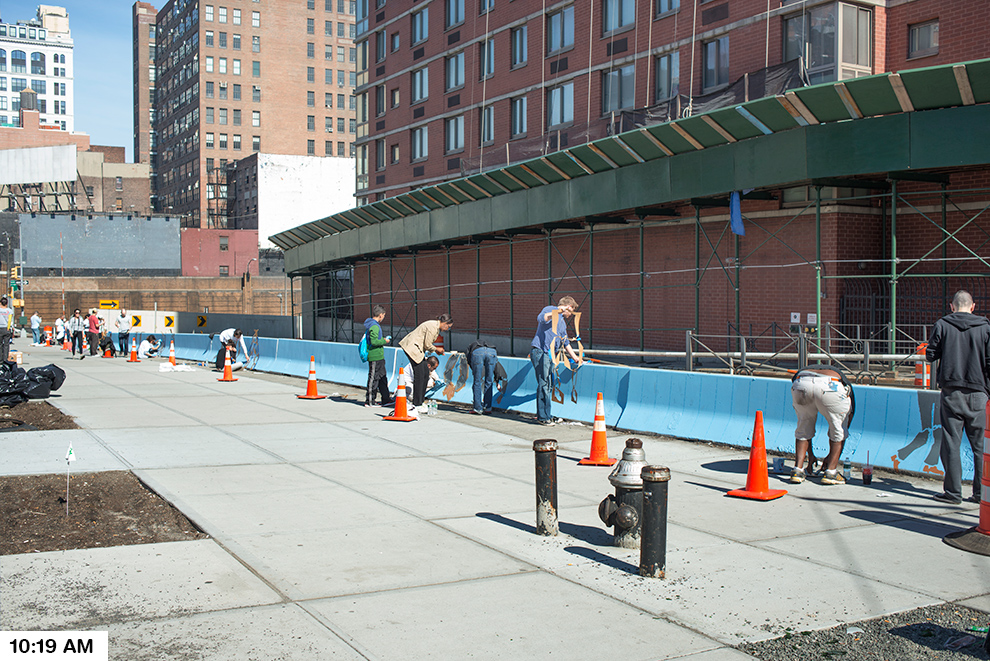
NYCares Volunteers paint the barrier
install

stencil-design
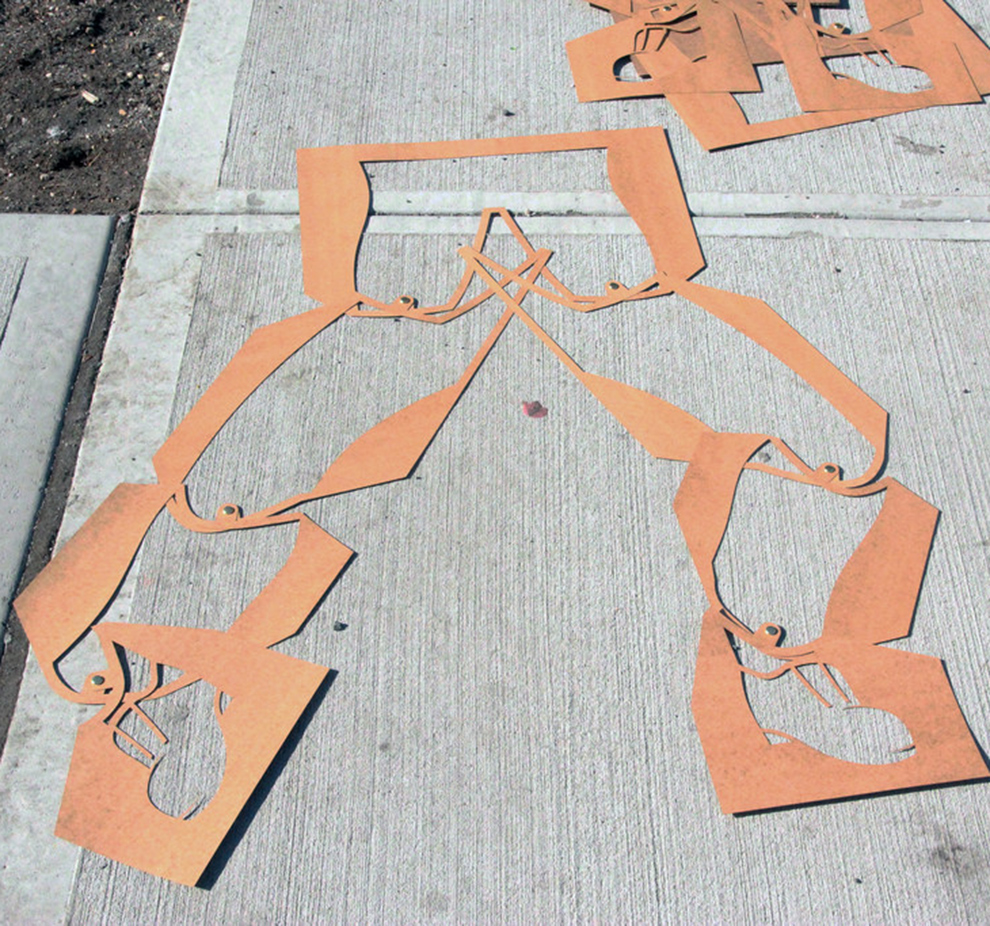
Stencils with movable joints
stencil-design-03

Barrier made of (10) 20′ long modules
SECTION-01-rev

SECTION-02-rev

SECTION-03-rev

SECTION-04-rev

Stencils laser cut out of oil board with rotating brass pin joints
stencil01stencil02
200′ of barrier painted in 4 hours
corner-01corner-01corner-01corner-01

corner-01corner-01corner-01corner-01

corner-01corner-01corner-01corner-01

NYCares volunteers painted barrier number 10
install02
Final painted barrier images
final_01final_02

final_03final_04


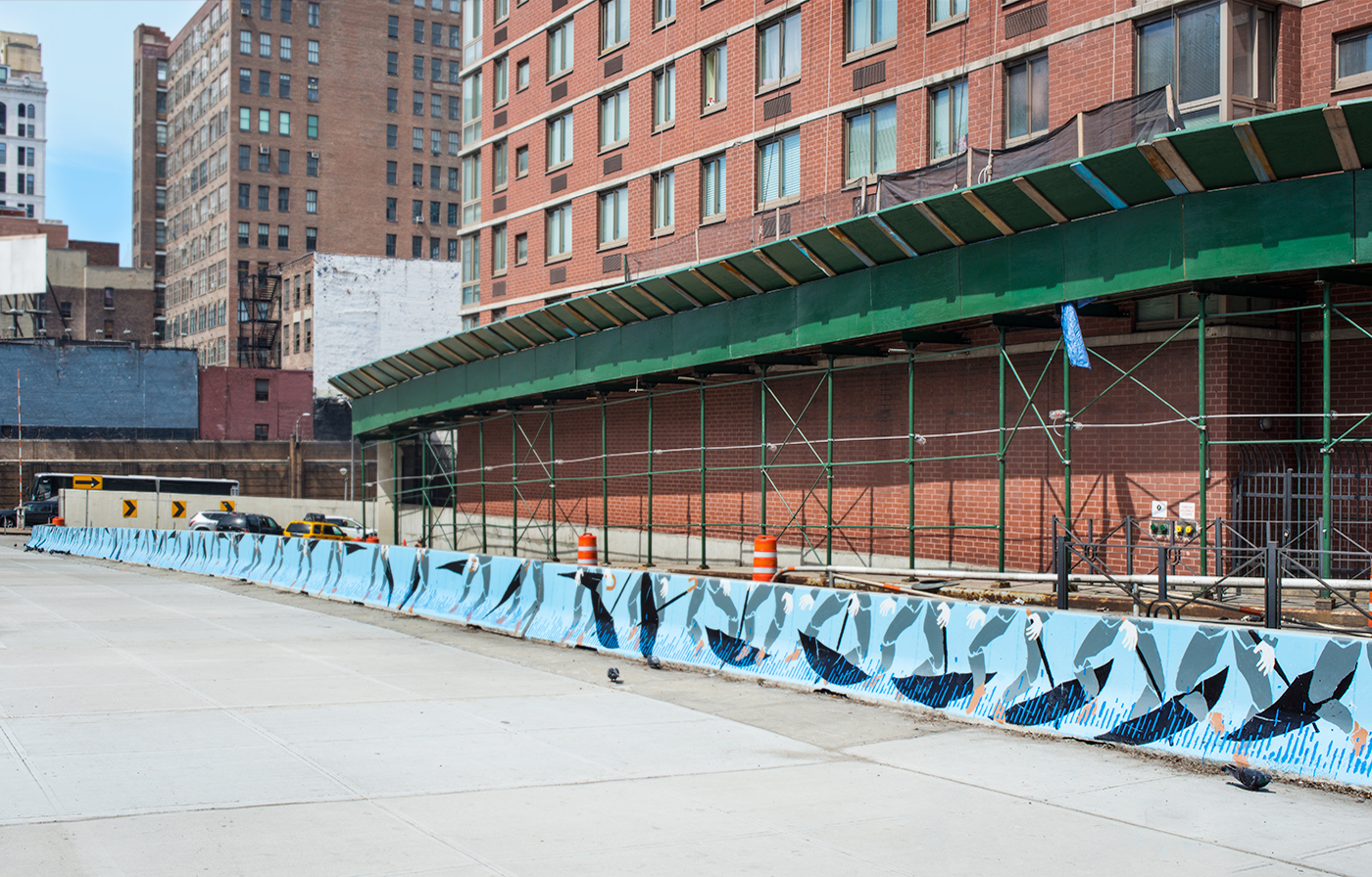
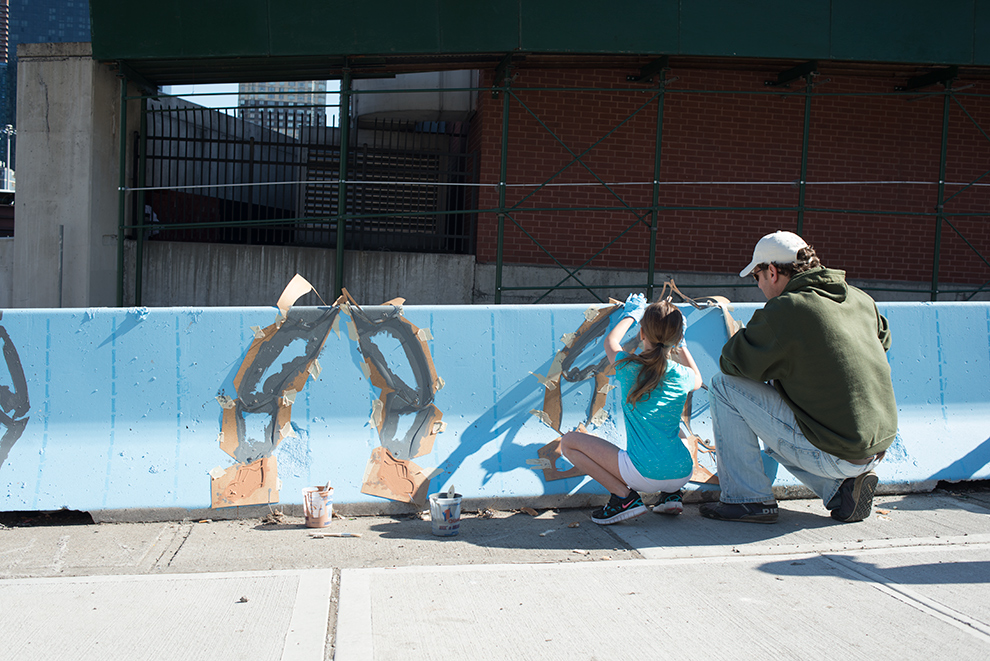
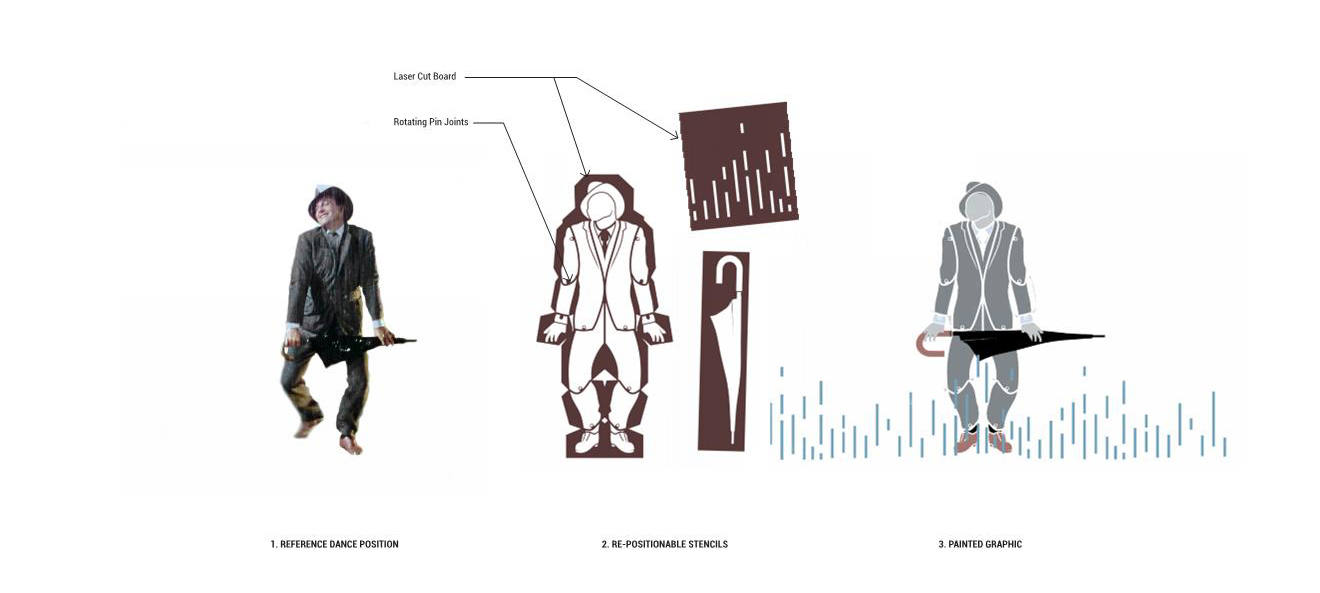
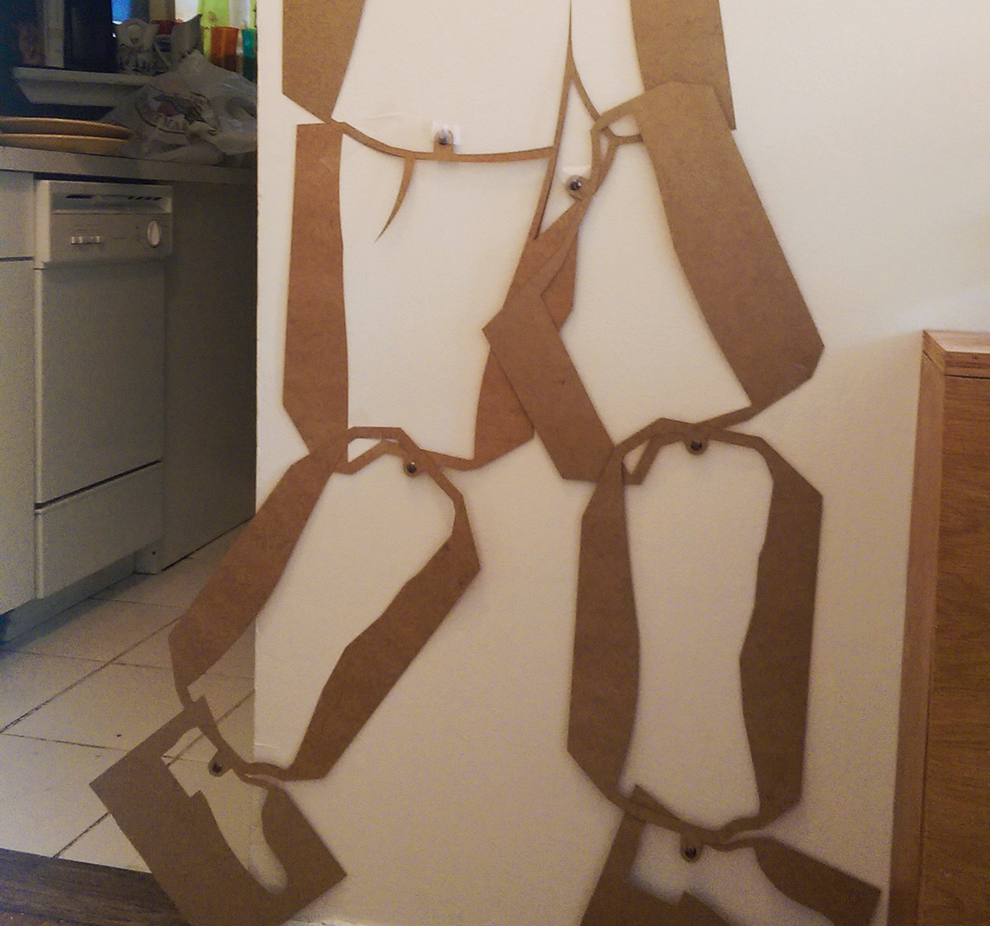
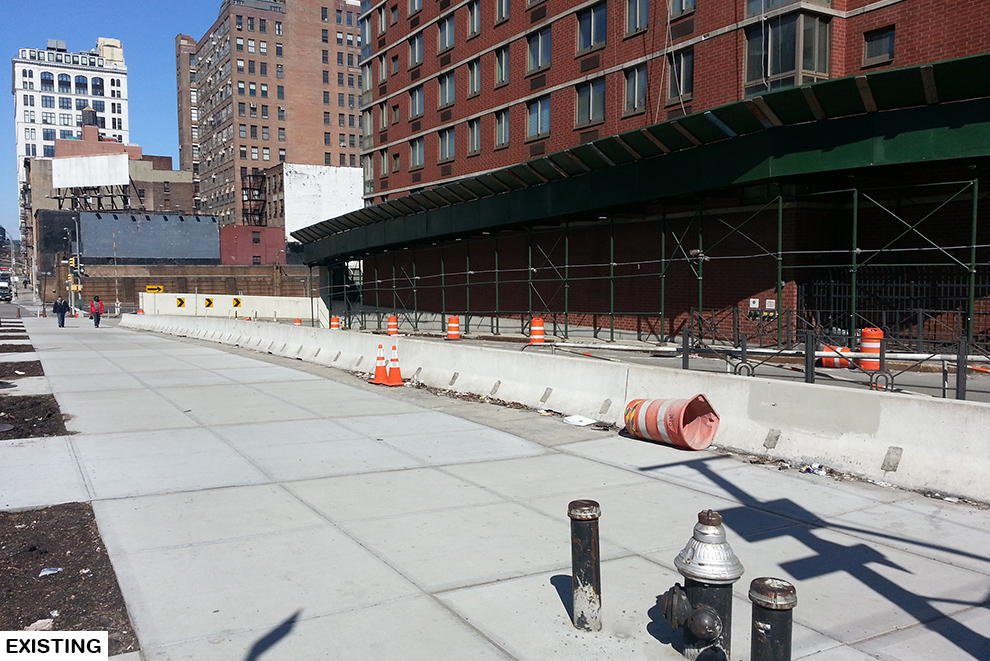
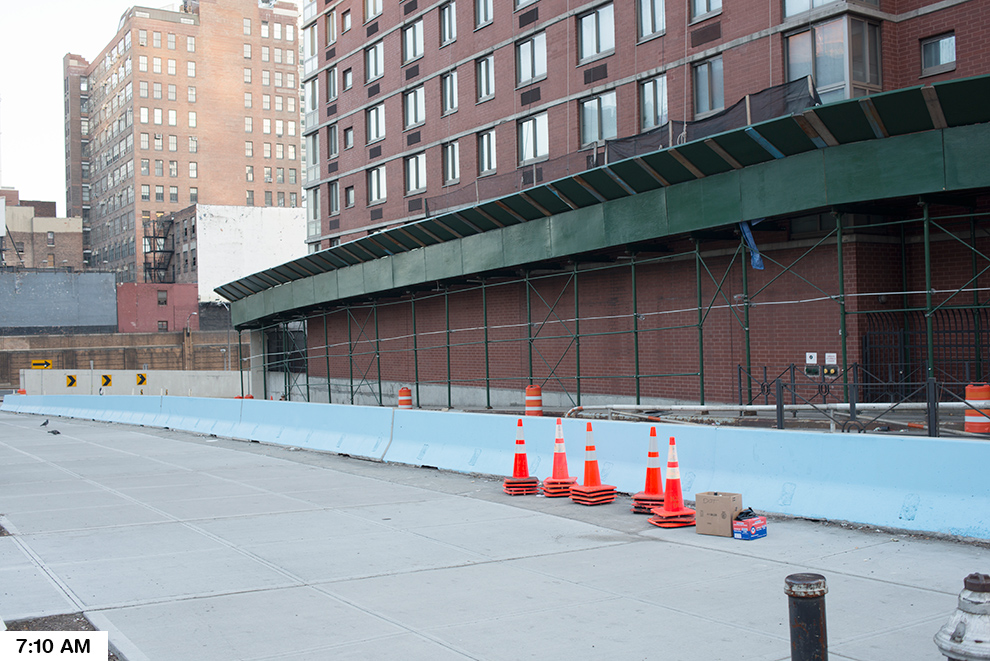
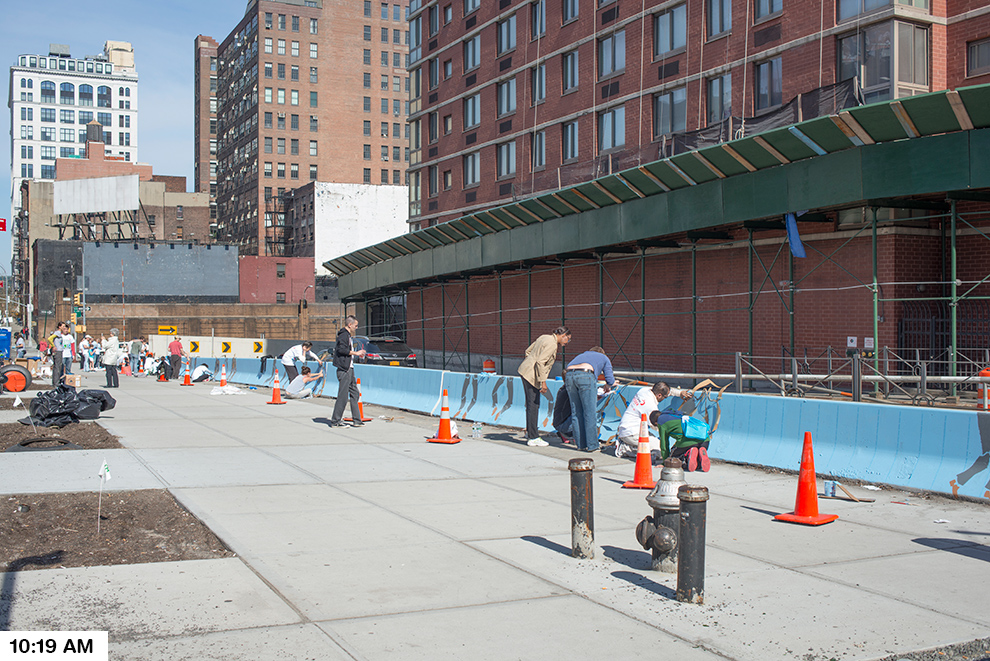
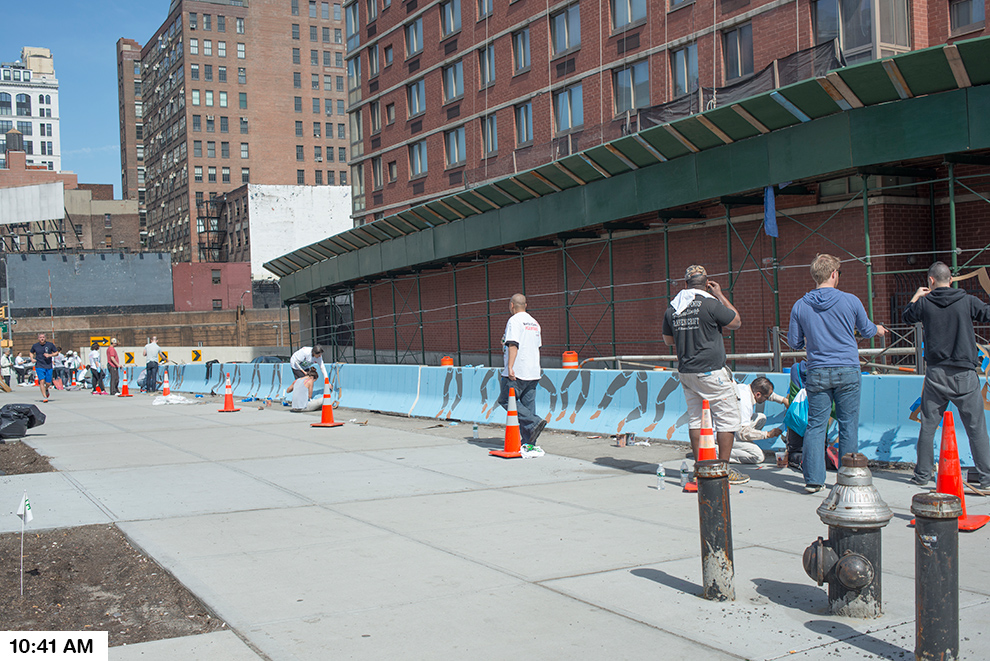
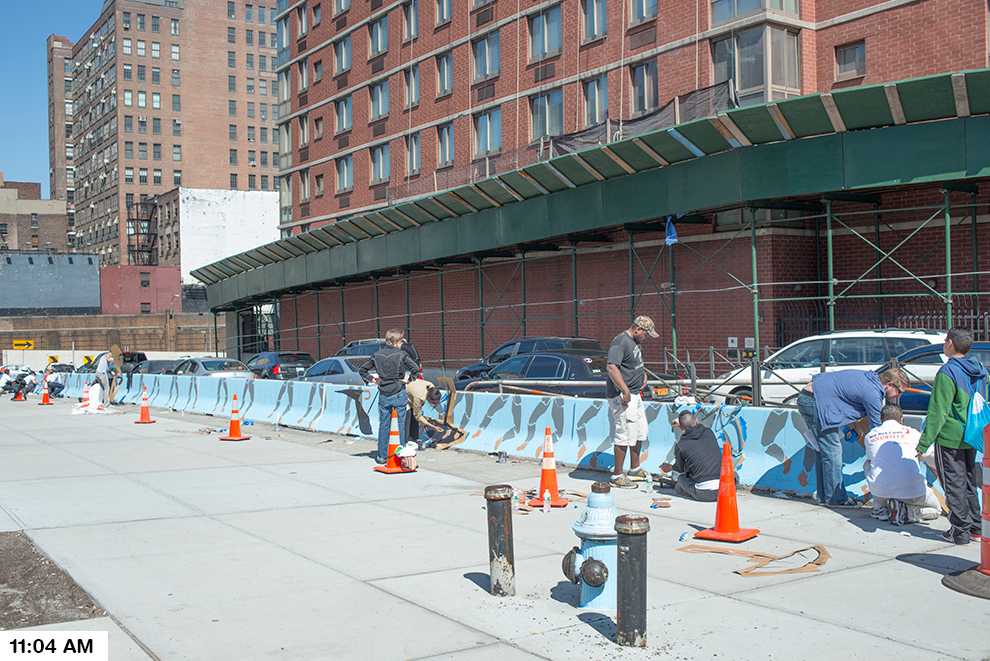
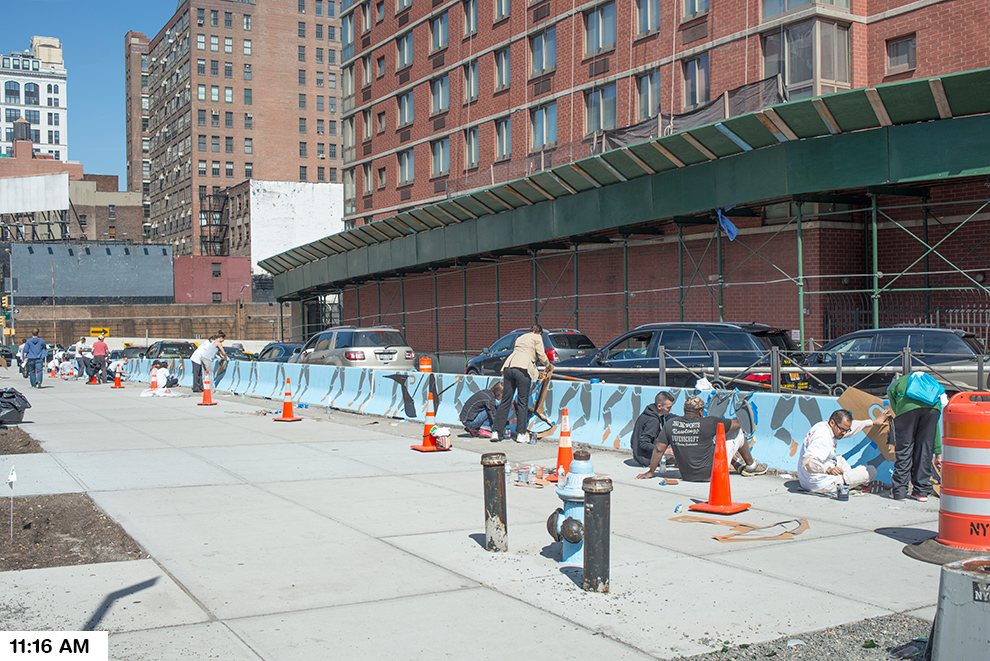
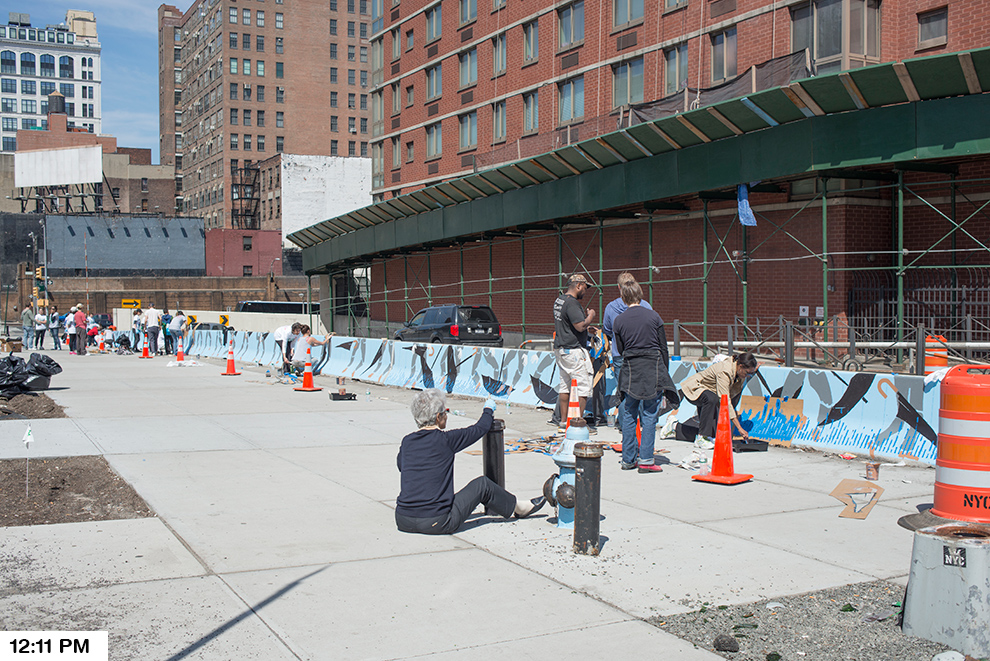
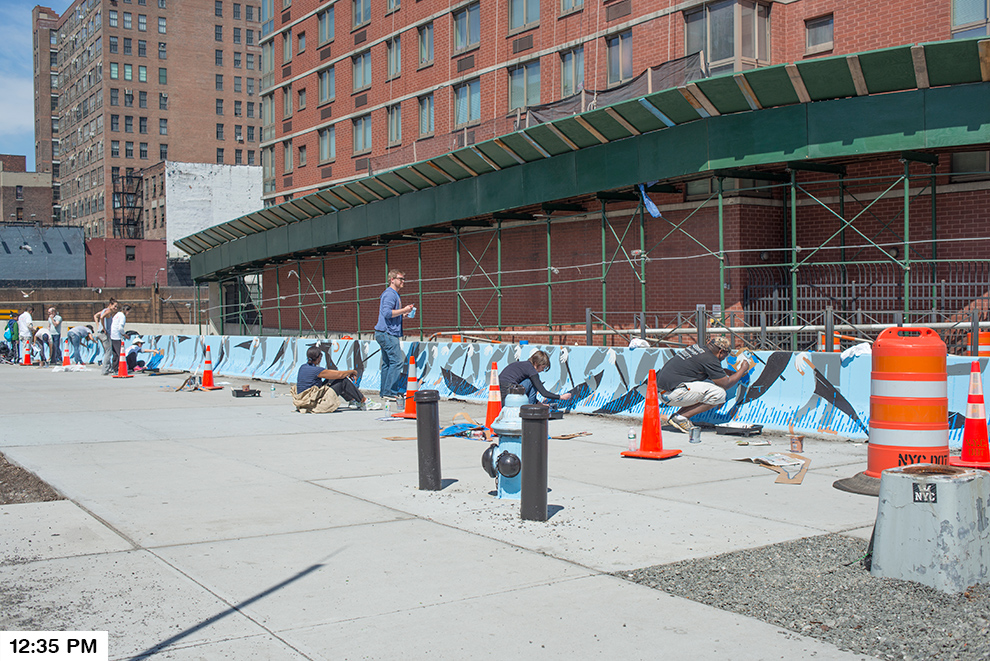
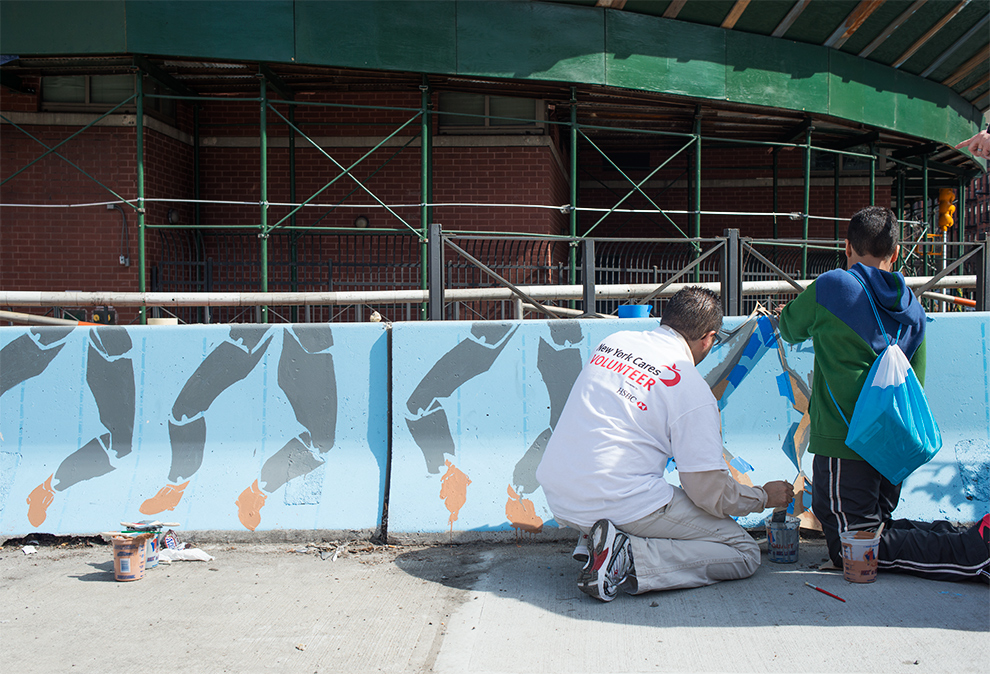
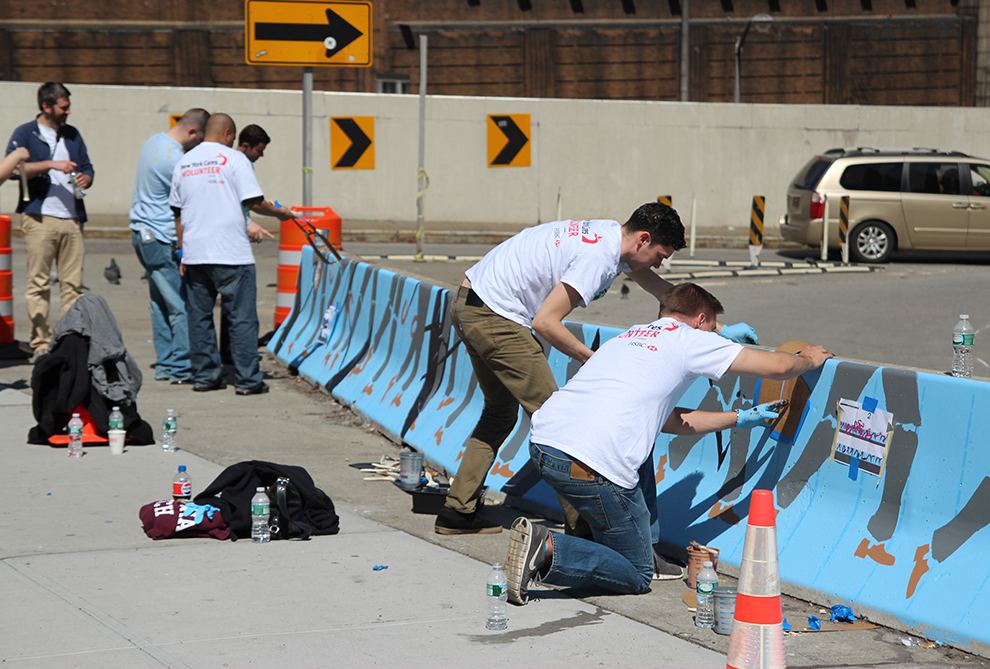
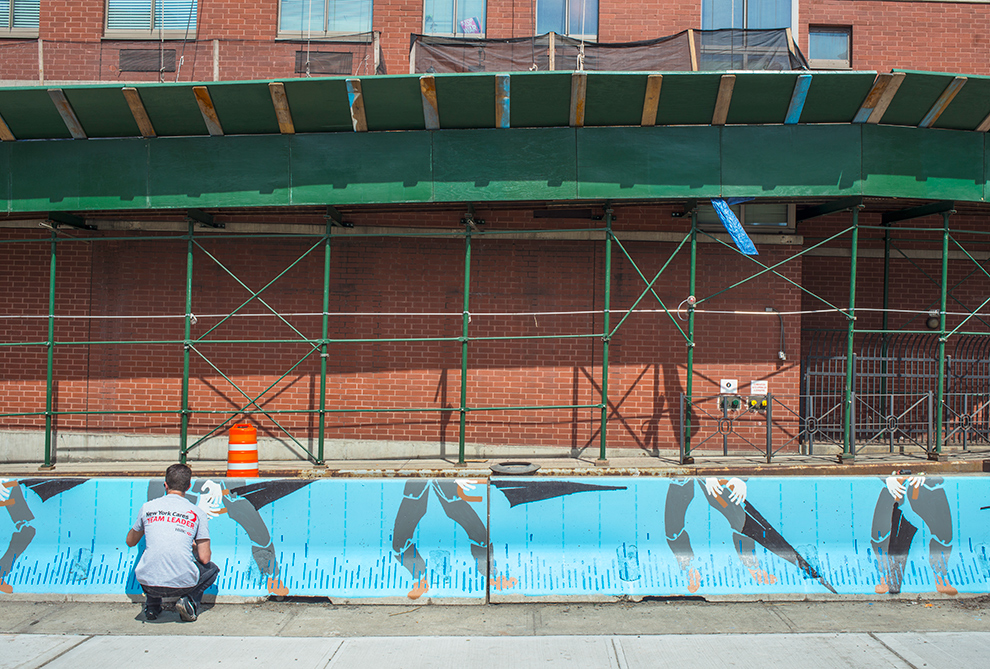
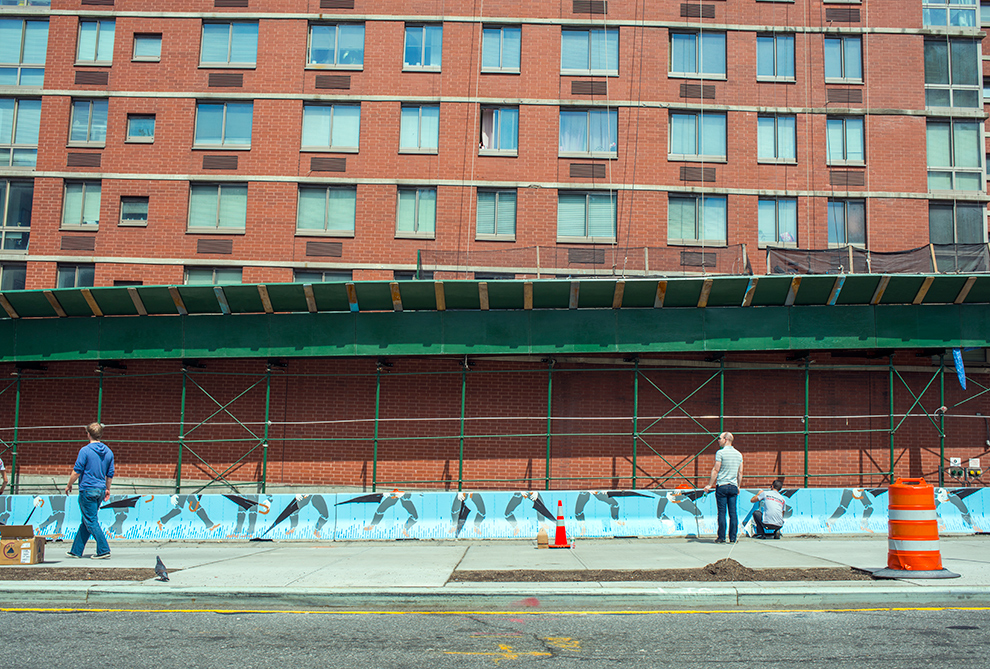
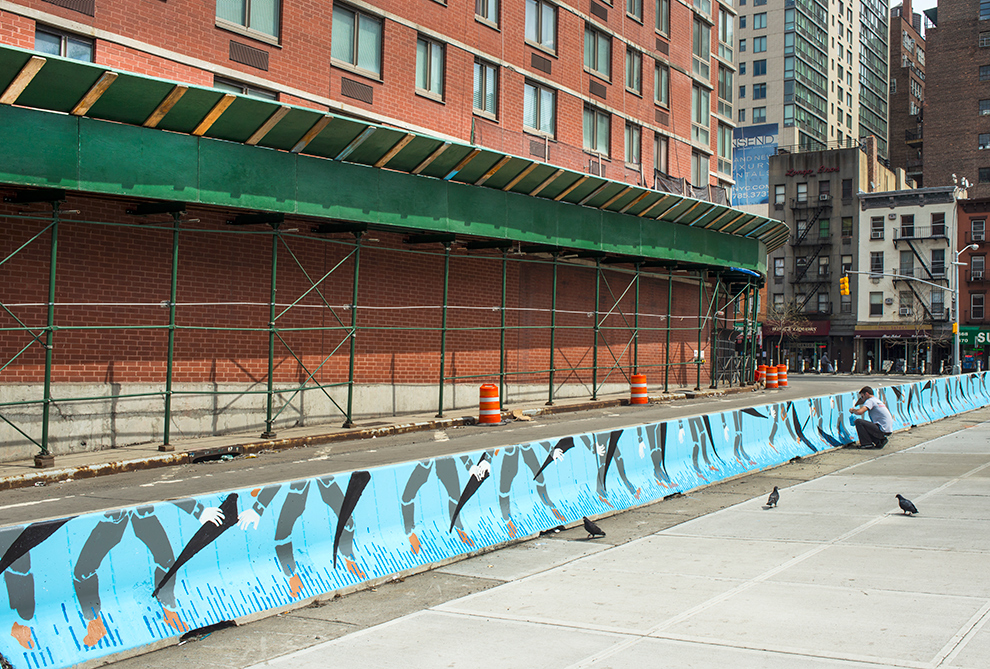
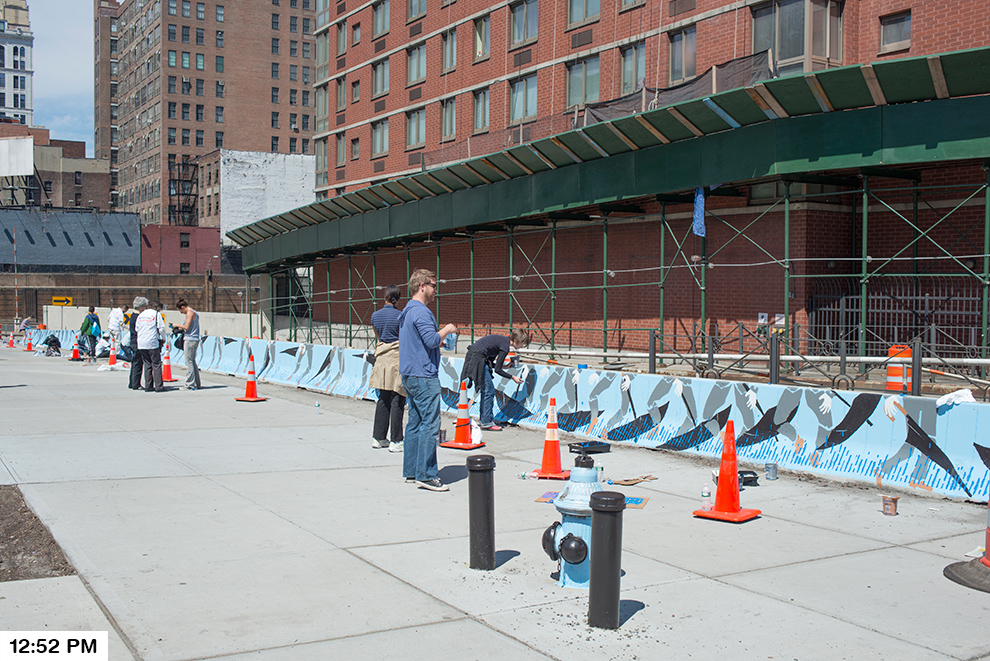
My design for “Singing in the Rain” was commissioned by the NYC DOT as part of the Urban Art program to Beautify Barriers throughout the city. The site is located just South of the theater district and Times Square at 36th St and 9th Ave in Manhattan, and references musicals – especially one in particular – as well as motion, animation and street rhythm. The piece will be up for 1 year and made use of a series of movable stencils of figures with articulated joints to allow for variation in the 200′ barrier length. 20 awesome volunteers of all ages participating in the NYC Cares program (many who had never picked up a paintbrush before) were able to arrange the stencils and finish painting the design in 4 hours based off of a series of detailed instruction sheets.

2012072 Tags: camouflage, competition, graphic design | 1 Comment »

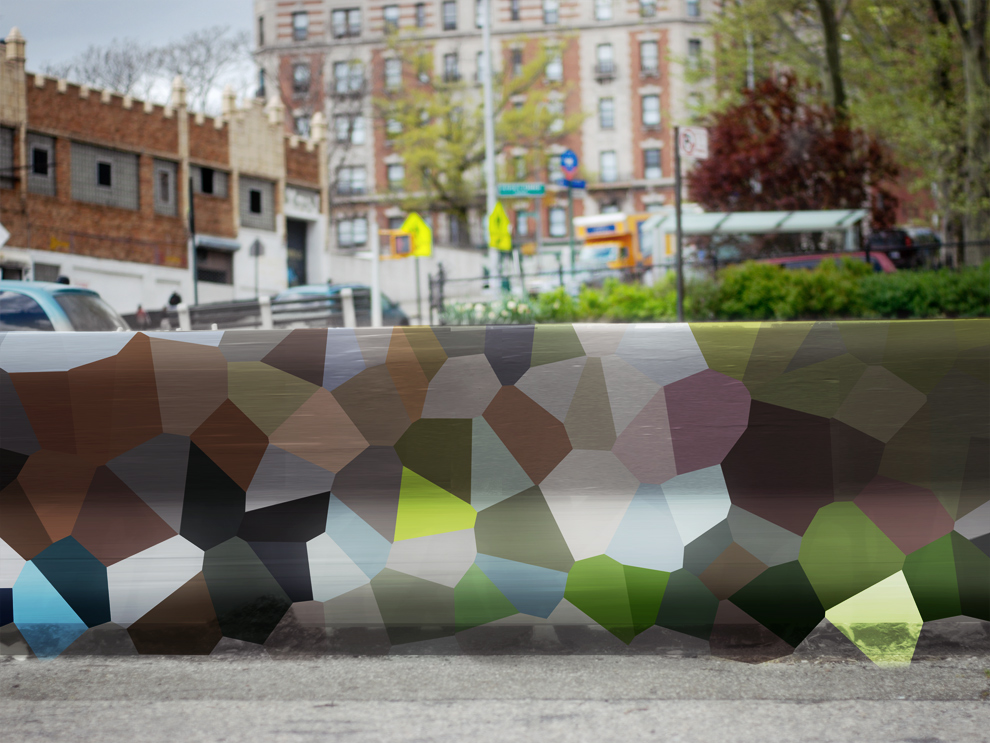
crystal camouflage


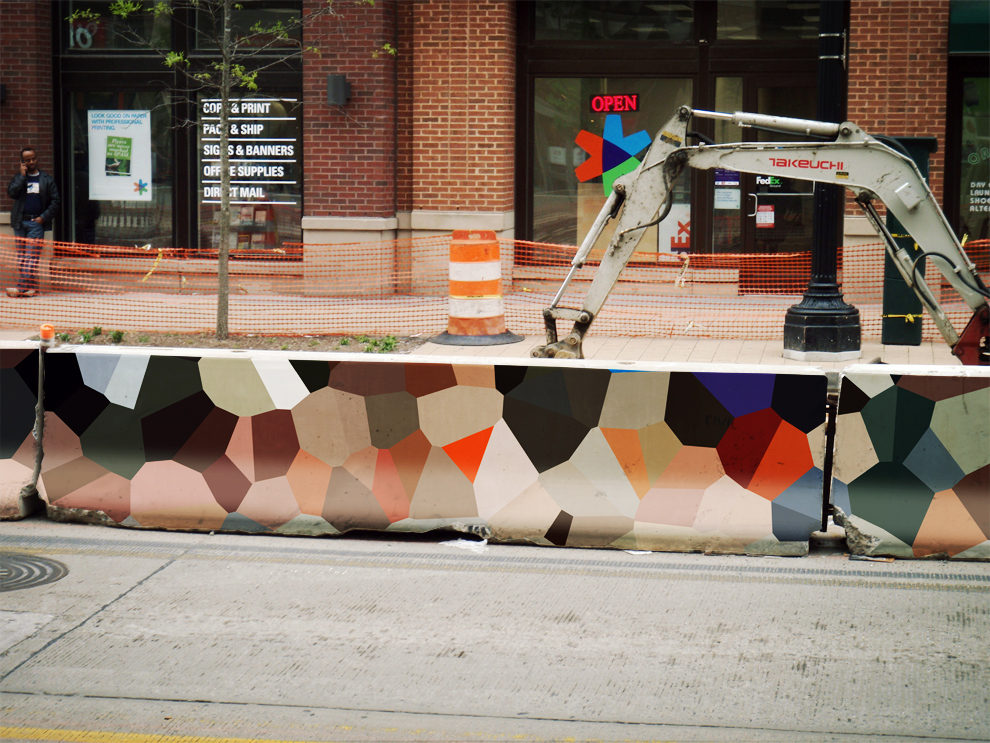
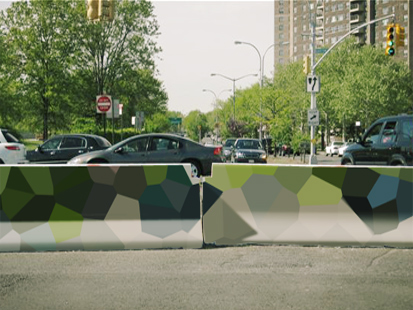
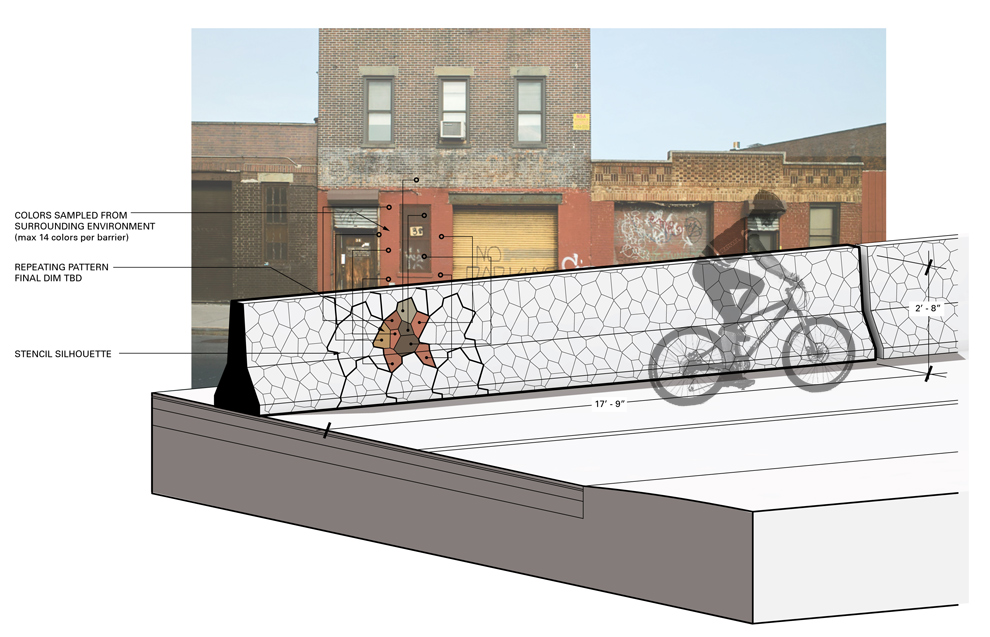
Continuing my love of camouflage and painting jersey barriers in a way that is probably too heavy on the new aesthetic vibe, but sill enjoyable nonetheless.


Related: Satellite map images with missing or unclear data

2011091 Tags: camouflage, competition, graphic design | No Comments »

razzle dazzle

razzle02


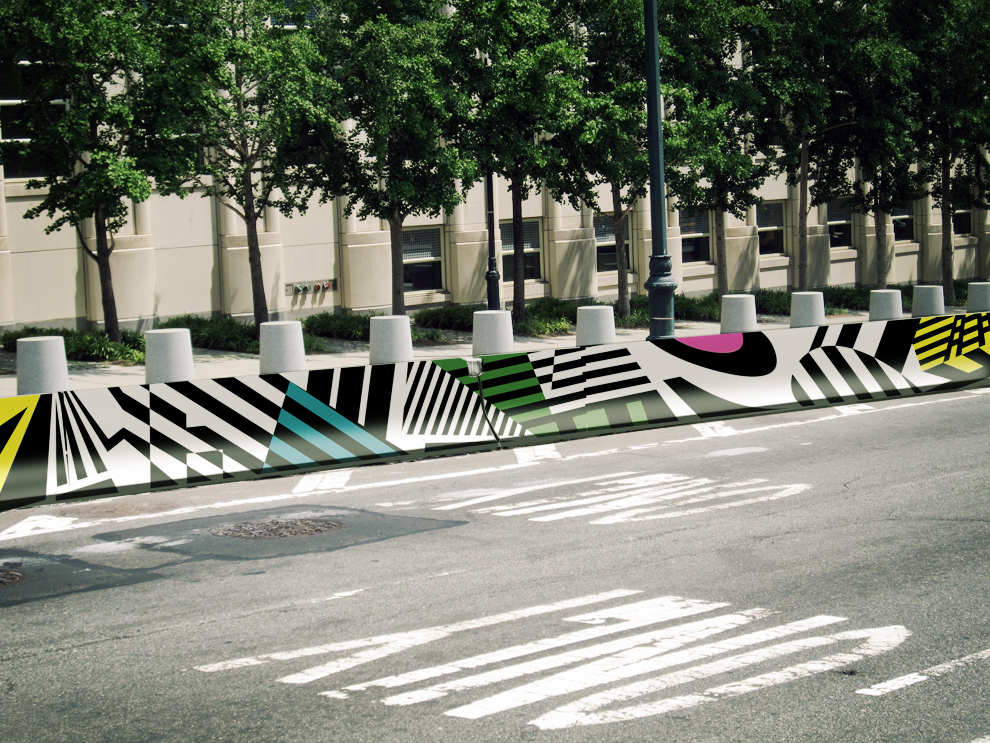
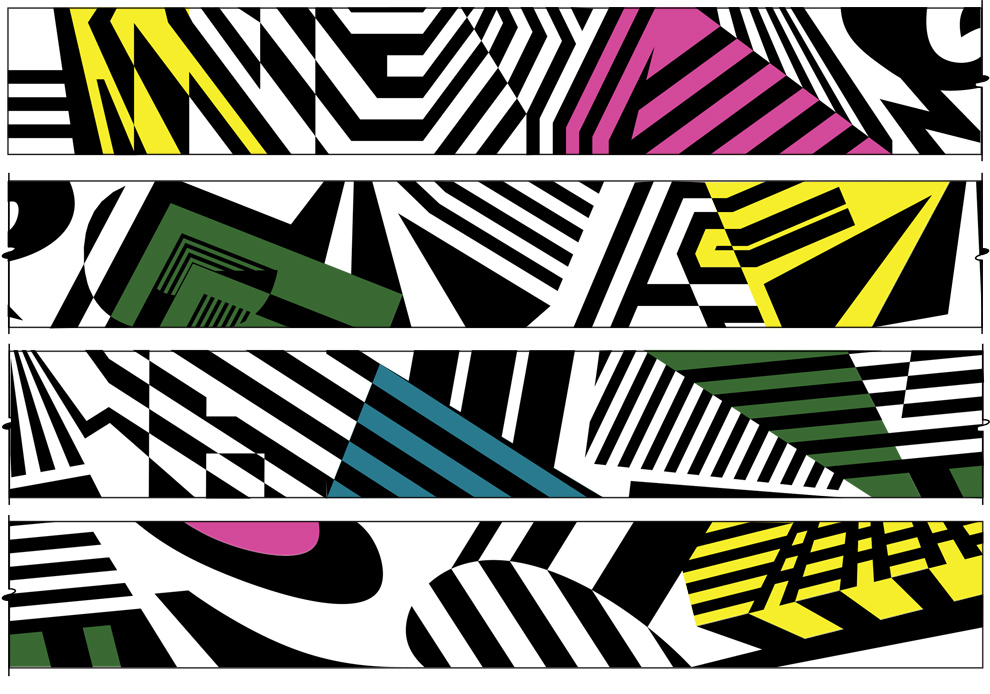
Inspired by both razzle dazzle camouflage and my middle school trapper keeper, this barrier entry presents a strong graphic face to the street. While the concept of camouflage may certainly seem like a contradictory tact for a protective barrier whose sole purpose is to remain unhidden, by using bold, angular geometric forms to blur the barrier’s edges, this in fact increases its perceived range. The illusory effect of the forms induce nearby traffic to slow down, producing a safer, more bike and pedestrian friendly thruway.


razzle01

20110728 Tags: competition, fabrication | No Comments »

light it up

light_02
light_013


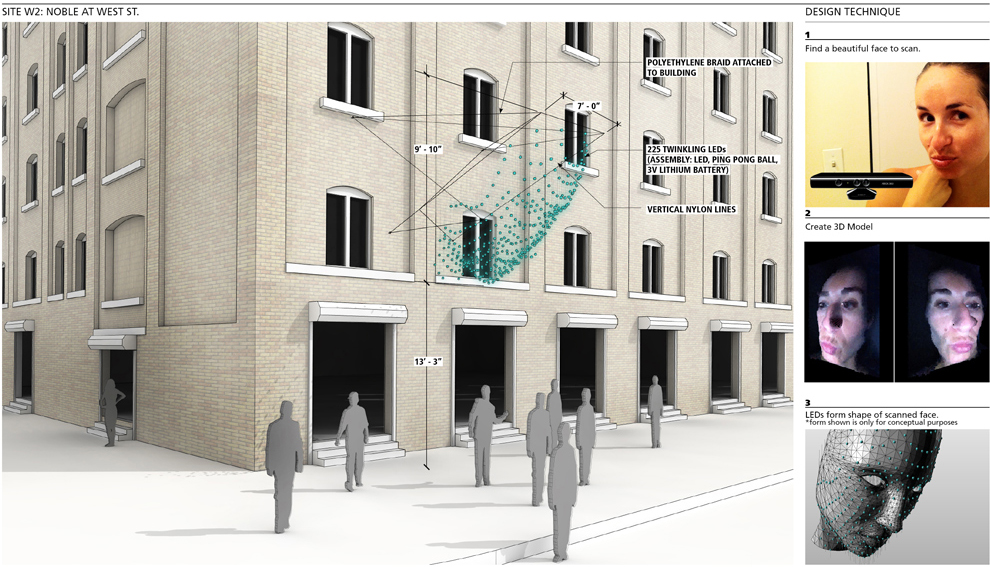
With a budget under $300, the installation is realized as a spatial prototype for how a fleeting work can provoke an increased engagement between users and public space. Built with over 200 led lights and conceived to take maximum advantage of a temporarily repurposed historic building, the work becomes as ephemeral as a passing comet, creating a new constellation in the night sky, visible from the streets of Brooklyn for one night only.

2011057 Tags: competition, graphic design | No Comments »

high five, or: no brushes needed

conccanvas
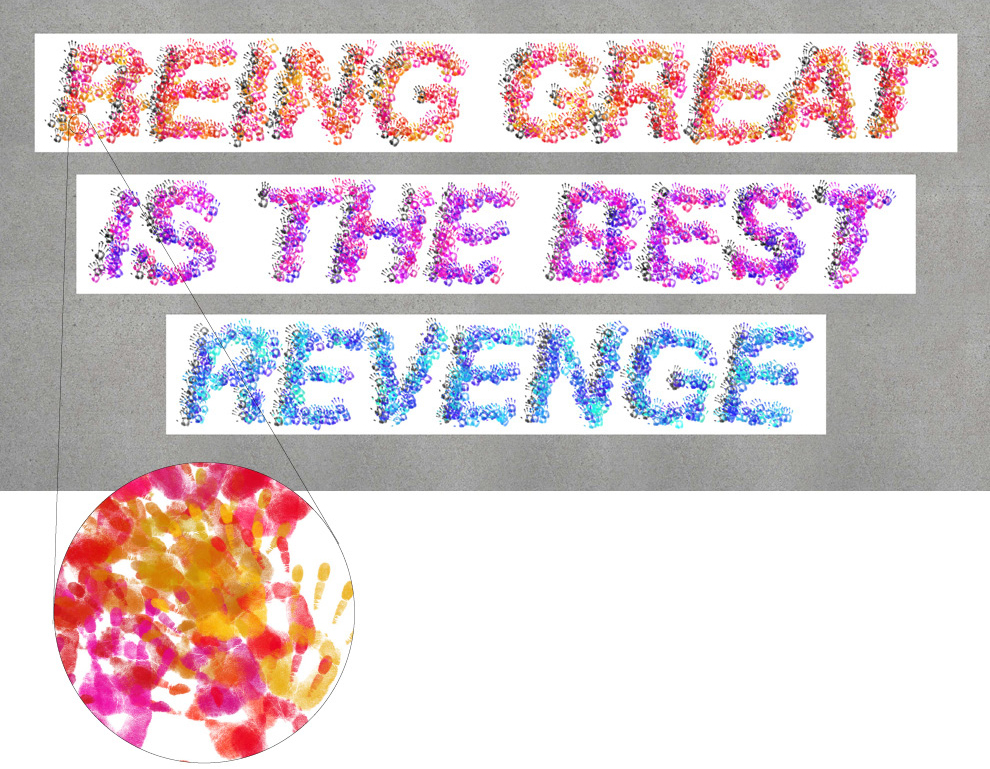
A mural designed for a competition as part of a public art/farm space in the Bronx. The design started simply enough, with a walk through the Bronx and seeing the message “being great is the best revenge” scrawled across an abandoned mattress. The sentiment seemed to aptly sum up the spirit of possibility and potential inherent in every one us that has ever been underestimated or ignored. This led to the method of application of the message – not with paint on brush, but rather by paint applied directly via the volunteer’s hand, slapped down with conviction on the concrete canvas. Each unique creator becomes part of the final composition, through an emphatic gesture that is sometimes messy, with colorful fingerprints and palmprints merging together and breaking out of the geometrical lines of the fonts. The mural and painting technique will unite all those that volunteer and create a lasting memory of community togetherness.


I finished as a finalist, congrats to Oscar Lopez for a great winning entry.

20110225 Tags: competition, graphic design | No Comments »

a city of private eyes

barrier011

barrier02c


For a jersey barrier competition submission, we started with an iconic New York quote from Agatha Christie as indicative of the city: “It is ridiculous to set a detective story in New York City. New York City is itself a detective story,” and played off the recurring themes of mystery and dual meanings inherent to the make-up of our city. New Yorkers strive to challenge themselves, whether by running through the park during the marathon or following their career dreams, and we wanted to elevate something that is typically a solitary challenging act pursued underground in the subway – solving sudoku puzzles – to the street level, making it a communal, shared act. The design then works simply on two levels, as both a reflection of the city, and at the smaller scale, of the acts that makes New Yorkers such apt problem solvers.


The design will be quick to apply. Using only a limited color palette and a repeating stencil system, we will be able to economically create a bold, colorful graphic statement that will encourage all those that walk, bike, and run by the barrier to think about and interact with their great city.

2010117 Tags: competition, graphic design | 2 Comments »

jersey barrier mural

web05a

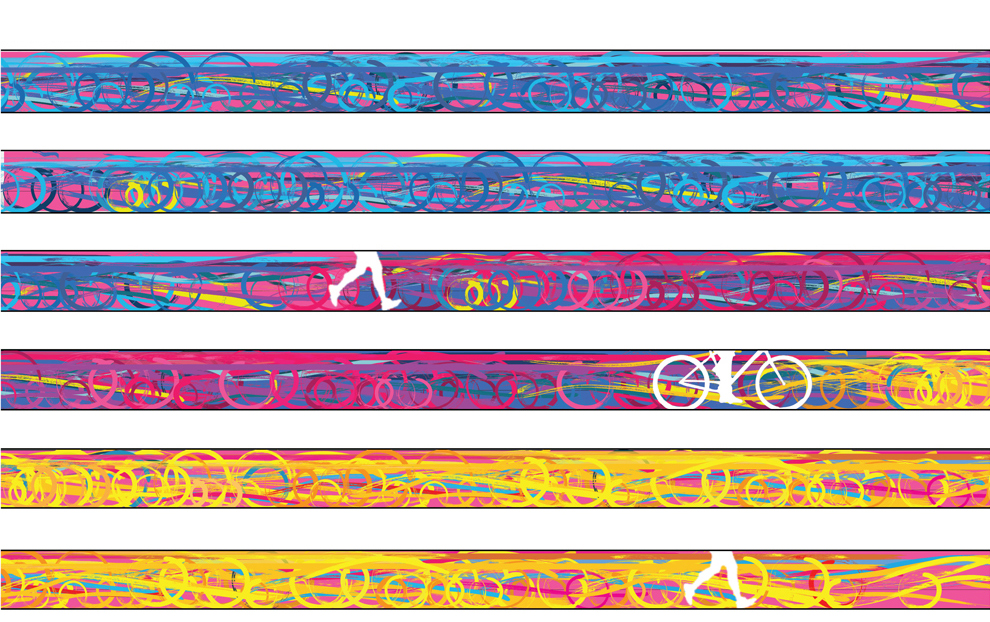
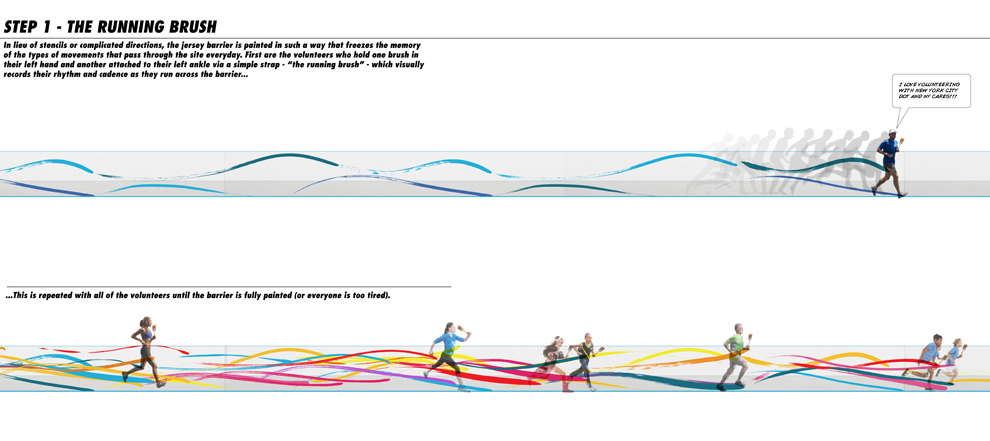
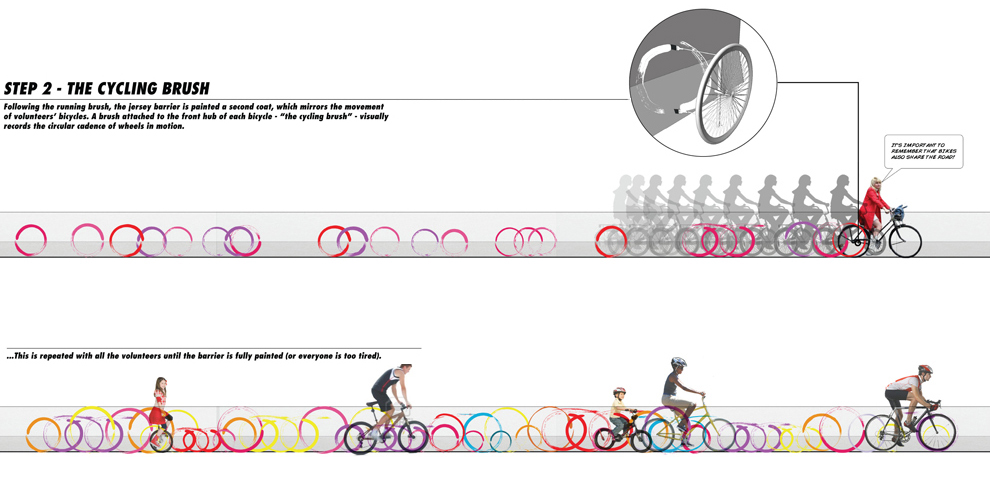
A quick competition entry Jackie and I put together for a mural to be painted on a jersey barrier somewhere in the city. The murals are painted by a dedicated group of volunteers over one beautiful NYC fall day, so instead of specifying a fixed design, we proposed a set of instructions that the volunteers could perform relating to the types of gestures that are associated with travel and roads, turning the act of painting the mural into a type of game. We designed new types of brushes that are attached to runner’s legs, bicycle wheels and extended from automobiles to create an abstract layering of movement vectors.


Running


Running


more »

20100620 Tags: architecture, competition, grasshopper | 6 Comments »

inflatable mobile voter center

street_view
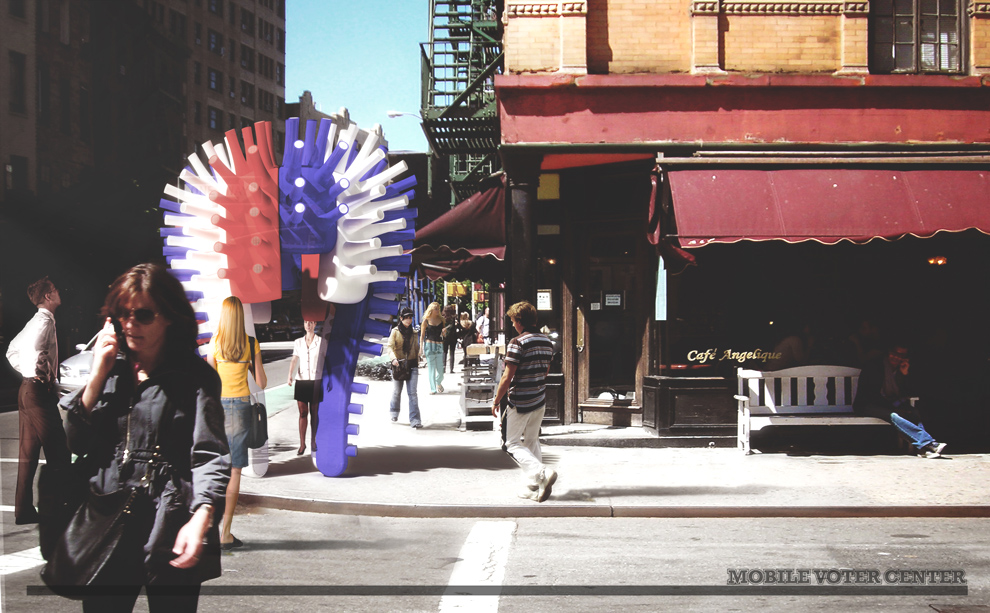
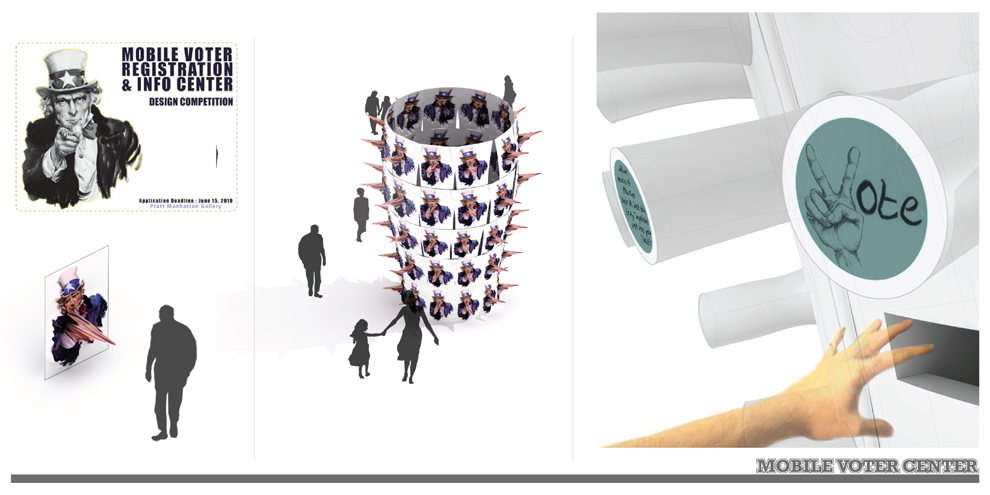
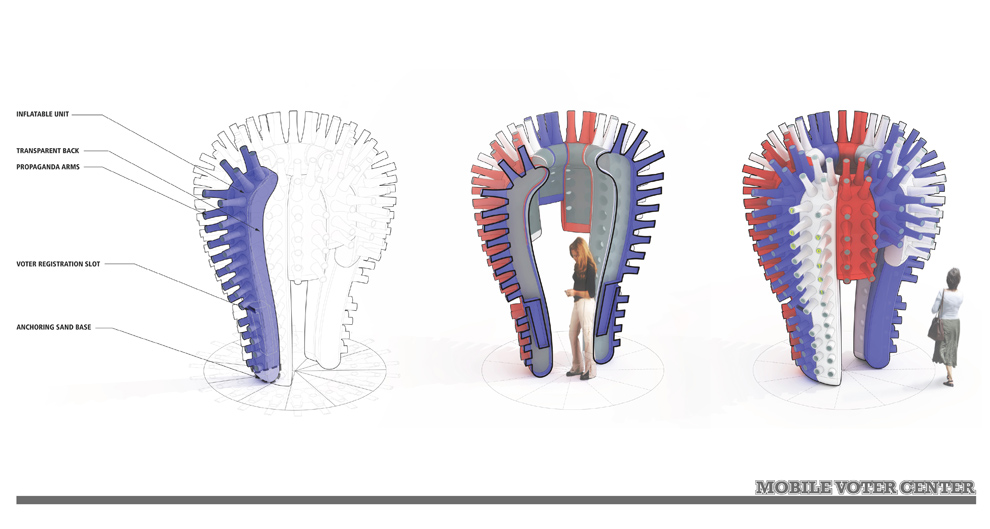
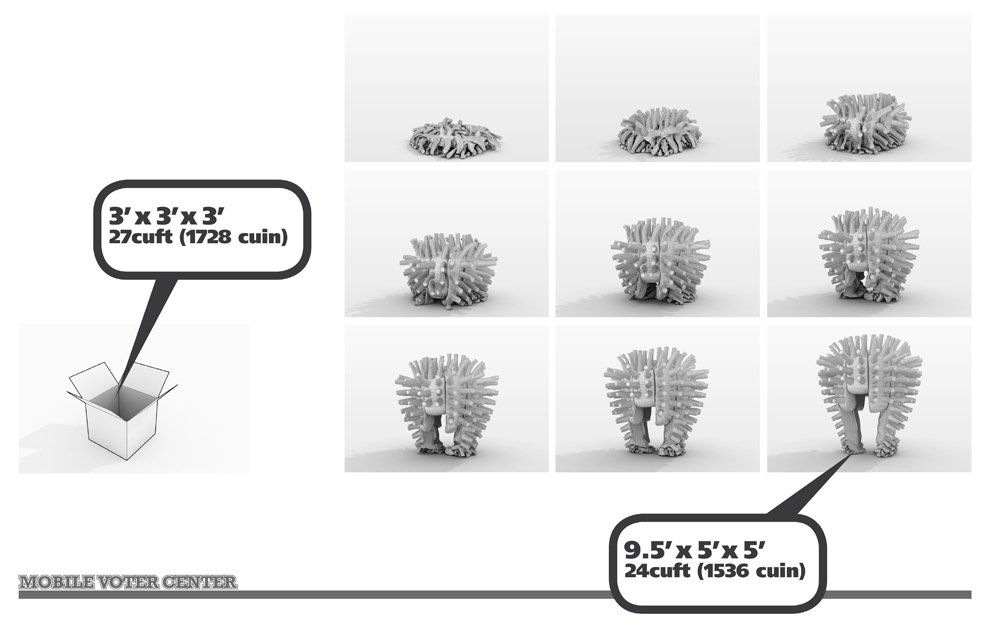
A quick entry I put together for a mobile voter registration and information center competition which had a pretty cool set of limitations – it had to be under 1000 dollars, fit inside a 3’x3’x3′ box, and be assembled and ready to hit the streets by September. The immediacy and modest budget were compelling and a nice change of pace. An inflatable structure was used to get around the rigid packaging requirements to produce the maximum volume to surface area, that, and I really dig the giant inflatable union rat that has been popping up around lower Manhattan streets. Unfortunately and inexplicably, the deadline was pushed back to 2011 (which is not an election year) so I guess I’ll be waiting to see how I did.


concept1
concept
The gesture of the “i want you” poster was extruded and placed in a cylindrical shape for maximum exposure. Each arm becomes a customizable exhortation to vote and the end cap can be written and erased with a dry erase marker. The gesture is returned by the prospective voter who has to reach into the arms and place the completed form inside the unit.


dwgs


inflate
assembly

more »

20100117 Tags: competition, graphic design | 1 Comment »

wtc construction fence proposal

wtc01


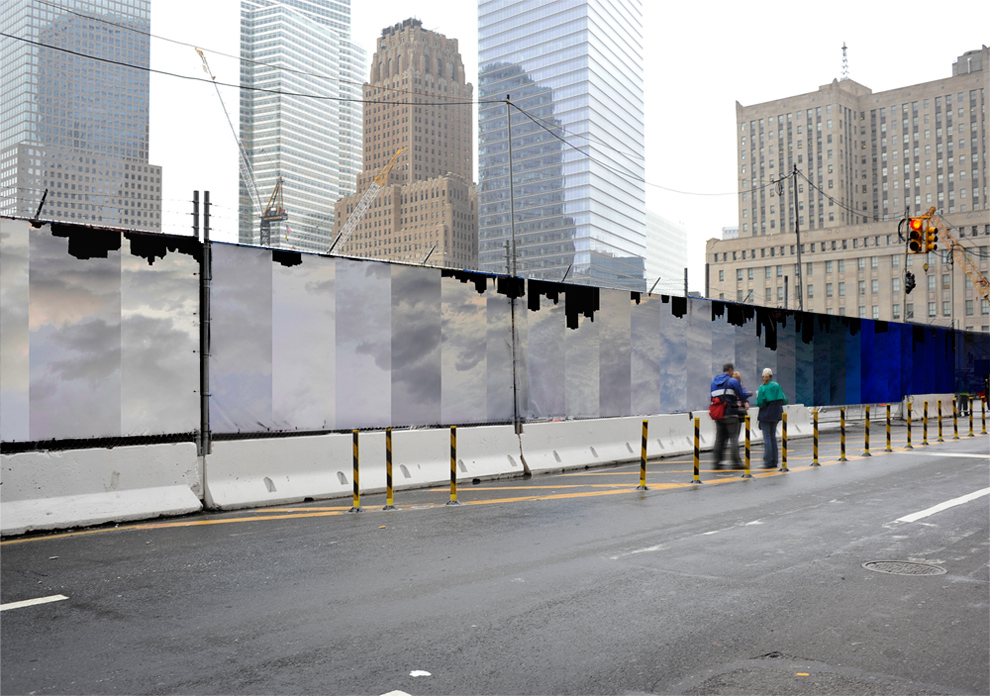
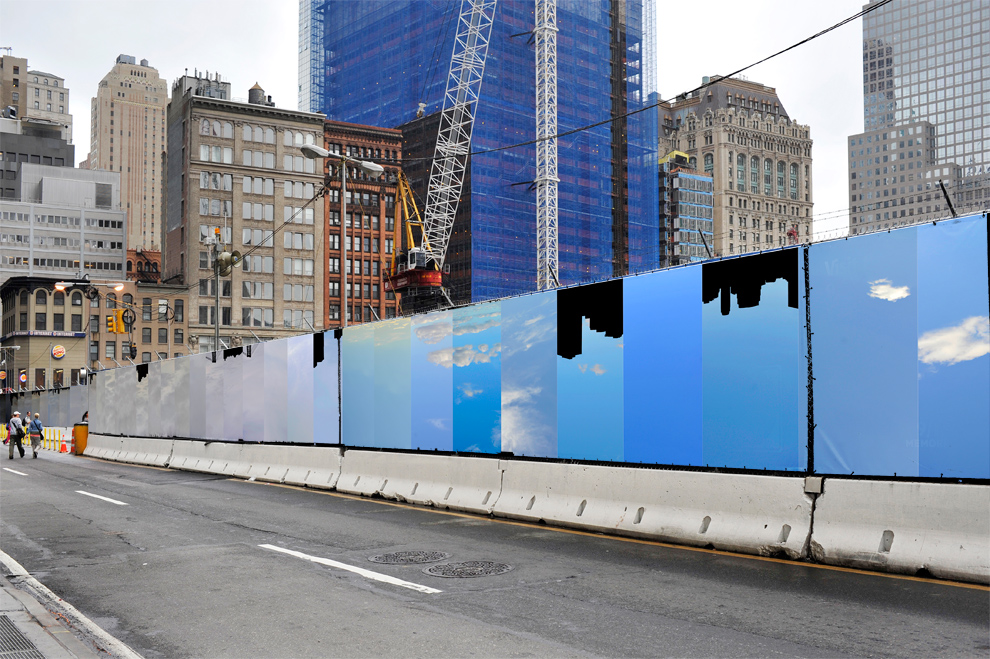
Jackie wrote a great project description for our competition entry for a fence around the world trade center construction site: What makes New York’s skyline so powerful is not the skyscrapers themselves, but the void between and around them, the vibrant hues of sky that hug their every angle. Skyscape focuses on that negative space in a site-specific work that combines photographs of the space above the construction site taken from surrounding boroughs over the course of a single day. The idea is that, not only will our skyline change dramatically with the addition of the Freedom Tower, but the shape of the sky itself, the space it encompasses, and therefore, the relationship between the buildings, the sky, and us will change. We still recognize the buildings’ forms, but they become the void—the sky is now the subject.


wtc02


more »

20090919 Tags: architecture, competition, graphic design, writing | 5 Comments »

the (un)certain future of competitions

nextstop1


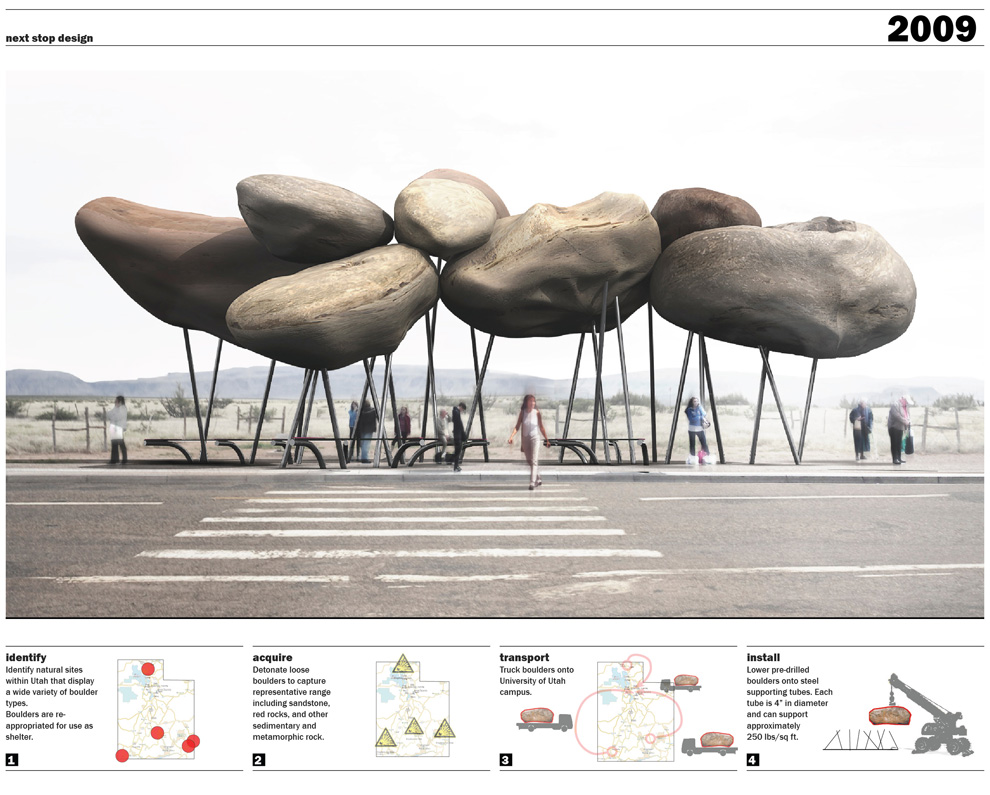
Ok, so this is my entry to the Next Stop Design “competition” for a bus stop on the University of Utah campus. I’d just spent a fair amount of time in Utah so the setting piqued my interest. The boulders are recycled from national parks around Utah and brought into Salt Lake to form the shelter of the bus stop. Whatever, right, pretty straightforward and not bad for a lazy afternoon’s work. What’s actually much more pertinent for discussion is how NextStopDesign understands the application of the buzzword “crowdsourcing” in relation to the future of architectural competitions.


Wikipedia defines crowdsourcing as “the act of taking tasks traditionally performed by an employee or contractor, and outsourcing it to an undefined, generally large group of people or community in the form of an open call.” Wikipedia is an example of crowdsourcing. Here’s another: Netflix uses an algorithm to recommend other movies you’d like based on your past viewing habits. This algorithm could certainly be improved upon so it becomes more accurate and stops trying to get me to watch The Benjamin Button movie. So to design a better recommendation algorithm, Netflix didn’t hire some movie-algorithm-predicter company, but rather put out an open competition – with a prize of 1 million dollars – with the idea that anyone out there can come up with a better algorithm that will more truthfully predict what kind of movies I’ll like. And anyone and everyone has tried: academics, laypersons, programmers, etc.


Now here’s how NextStopDesign competition organizer and researcher Daren Brabham defines crowdsourcing: “a company posts a problem online, a vast number of individuals offer solutions to the problem, the winning ideas are awarded some form of a bounty, and the company mass produces the idea for its own gain.” Sweet, so I can be compensated a nominal amount for my work, and then some other company reaps massive profits. Score! Where do I sign up?!?! But maybe the problem is that this dude’s narrow and cynical reading of crowdsourcing isn’t actually inaccurate, but actually pretty well describes the exploitive nature of crowdsourcing.


This is how NextStopDesign attempts to apply the principle of crowdsourcing into the design of a bus stop in Utah: Anonymous users post one to three images of their proposed design on the site, and other registered anonymous users rank said designs on a scale of one to five stars. When the voting ends, the highest rated design “wins.” What you win is completely undefined, but hidden deep in the bowels of the site is the statement that NextStopDesign will present the portions of the highest rated designs as possible qualities the Utah Planning Division could consider implementing in the future. In this scenario NextStopDesign acts an unnecessary parasitic gatekeeper. Now, since being highly rated is predicated on how others rank you, it is in each users own best interest to vote everyone else as low as possible as they jockey for a higher position. This leads to a cutthroat environment where everyone leaves absurdly irrelevant and overly harsh criticisms on other designs, and depresses the entire vote score. Out of around 200 designs the median score is a paltry 1.6 out of 5. Therefore, the highest ranked design is the one has garnered the most goodwill amongst a loose network of vindictive users that are each looking out for their own vested self-interest. Since all comments and ratings are anonymous you can’t trust anybody. This ultimately leads to the major misunderstanding NextStopDesign must confront regarding crowdsourcing and urban planning which is this: When Netflix crowns a winner they will be able to quantifiably judge that someone in the crowd has designed a more efficient algorithm. It can be tested, verified, and agreed upon by all. The design of a bus stop is different, and must address a whole slew of realities such as siting, fabrication, cost, etc. that are unable to be processed from even the most beautifully rendered image. On the other hand, what could make this competition interesting is if NSD were attempting an experiment to quantify the intangible qualities of architecture via a participatory network, or using the performative values of a proposed design (using program, energy, structural)as a means to rank and determine what’s “better.” But based on their repeated and simplisitic definition of crowdsourcing (step1_competition, step2…., step3_profit!) as simply a buzzworthy potential means to realize a new profit model it falls flat, and it is narrow and cynical. I’m torn here, because I think a lot of the submitted designs are really clever and inventive (I’m looking at you Bus-Shroom!). It’s the means to which they’re being used that bothers me.
 

There’s absolutely nothing groundbreaking about letting the general population participate in the results of an architectural competition. I’ve worked on at least two competitions where the voting results of the public became a factor in the jury’s deliberations. Also, archinect just ran a completely awesome competition for a Michael Jackson memorial where online contributors could rate and comment on the submissions. But here, the participatory aspect is but one component used in addition to a jury of experts in fields of design, architecture and engineering. And in lieu of this weeks amazing presentation by Usman Haque, in which he presented a survey of his projects that utilize a true participatory network in inspiring ways, NextStopDesign can’t help but come off as cloying and depressing.


In the end, though, it might be worth re-reading the Wired article that NextStopDesign quotes from liberally, and there, one can find the murky origins of NextStopDesign in the form of the earliest use of crowdsourcing, here in the interest of cheap, mass-marketed television programming: America’s Funniest Home Videos. Yes Bob Saget and ABC did make a fortune, but just because America voted for the hysterically zany toothless kid, doesn’t make him as great as the Simpsons. Maybe you really do want to look at reality show programming as the new paradigm for urban planning and architecture, but I’m pretty sure nobody wants more Wiffle Bats to the proverbial crotch.

COPYRIGHT © 2011 \ JOHN LOCKE \ ALL RIGHTS RESERVED (RSS)

TOP OF PAGE

last update: 201102:1627