JOHN LOCKE, ARCHITECT

  • Featured Work
  • Design Blog           
  • Photography
  • Graphic Design
  • Dept of Urban Betterment

About

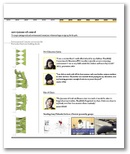
Hello. I live in New York and work at The Living. I hold a graduate degree from Columbia University's GSAPP and an undergraduate architecture degree from the University of Texas at Austin. I have more than seven years of professional experience at noted architecture firms, including New York-based Rogers Marvel Architects and SOM. I also tackle freelance graphic and photography work with my partner in crime, the multi-talented Jackie Caradonio at Lion in Oil. In addition, I teach a course, Hacking the Urban Experience, at Columbia. View my CV here: CV(html). Thanks and have a nice day.

Contact

john.h.locke{at}gmail.com
310.735.3333

Architecture Portfolios

Portfolio 2002-2007 (issuu)
Portfolio 2008-2009 (issuu)

HOME / BLOG

architecture

20090524 Tags: architecture, fabrication, gsapp, interaction, processing, school, scripting | No Comments »

interactive elevator installation
living01
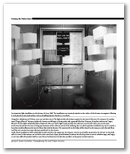
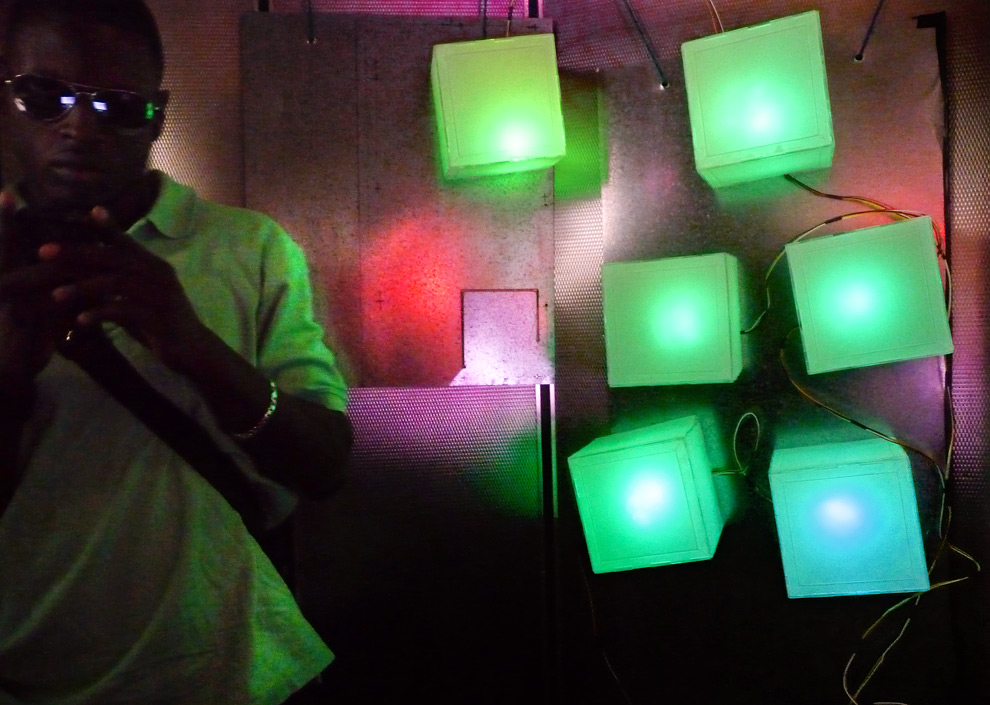
For our living architecture course, we created an interactive light installation in the elevator of Avery Hall, controllable by anyone with a cell phone and a twitter account. The simplified process includes texting an emotion to twitter from any cellular phone using the #livarch hashtag. That tweet is then picked up by a realtime search, fed through our twitterfeed rss, then added to our own twitter account. For a more detailed explanation, see this previous post on getting multiple twitter users onto one twitter feed. That emotion is then directed to our pachube feed and sent through processing to an arduino microcontroller that controls the color and pulsing of the individual leds. The installation non-invasively attaches to the surface of the elevator via magnets. Allowing it to be placed on any metal surface, such as a building exterior, furniture, or a vehicle.


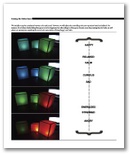
The lights within the elevator respond to the mood of the user. For instance, if a student texted “happy #livarch” the space within the elevator would begin to slowly pulse with a greenish/blue hue. However, if another student sent “angry #livarch” the first light will quickly flash a bright red. There are twelve lights total and show the collective mood of the twelve most recent users.


In this way, the elevator becomes a living representation of the collective mood of the building, but it is also hoped that a feedback loop can be created, a loop that actually influences the mood of those that ride the elevator. The emotion felt in the lobby will be altered by the time you reach the sixth floor. And that new emotion becomes what gets texted back to the elevator.


Lastly, future installations will be physically located away from the target user. For instance, Avery’s mood will be projected to the elevator in Uris Hall and vice versa. In this manner, we can both create a new form of pen-pal with distant locations, but also hope that our mood, whether angry, sad, happy or nervous, will both manifest itself in a new form of architecture, but also have an effect on the greater world around us.


The project team also included Talya Jacobs and Guanghong Ou.
See more for video and code:


living02c
more »

20090518 Tags: architecture, graphic design, gsapp, portfolio, school | No Comments »

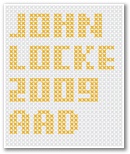
graduate portfolio

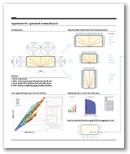
Final portfolio from my time at Columbia University’s GSAPP. “Arguments” seemed like an apropos title after the discussion provoked during my final final review. And, yeah, I always default to that yellow.


20090518 Tags: architecture, grasshopper, gsapp, parametric, school | No Comments »

grasshopper final

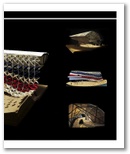
grasshopper rhino 3d meshing
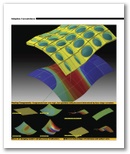
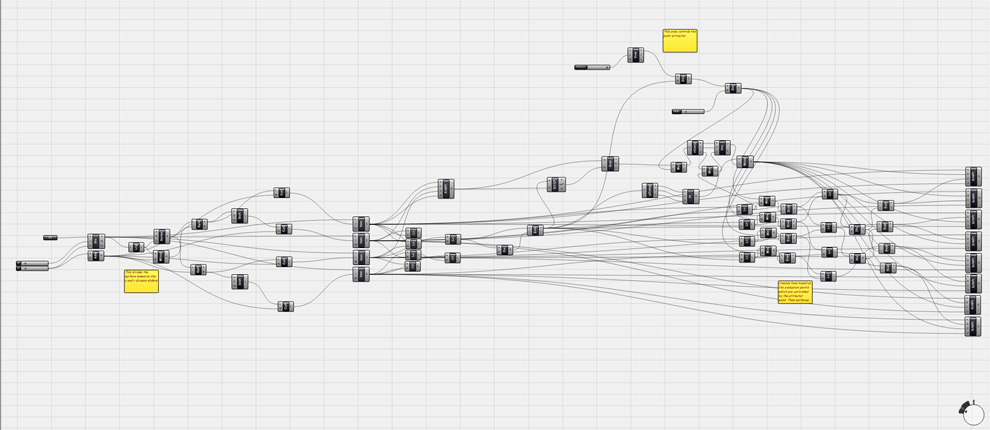
This was my final project for David Fano’s (of DesignReform.net fame) Meshing Course. It was an intense introduction to using Grasshopper with Rhino. My goal was too make a parametric array of cells, where each cell could be controlled individually, but changing one would affect all other neighboring cells in the system. Creating this type of recursive system led to a giant 18mb Grasshopper file, but the logic of the node-based layout made it surprisingly simple if you break it down into steps. See more for Vimeo Vids:
more »

2009056 Tags: architecture, museum, work | No Comments »

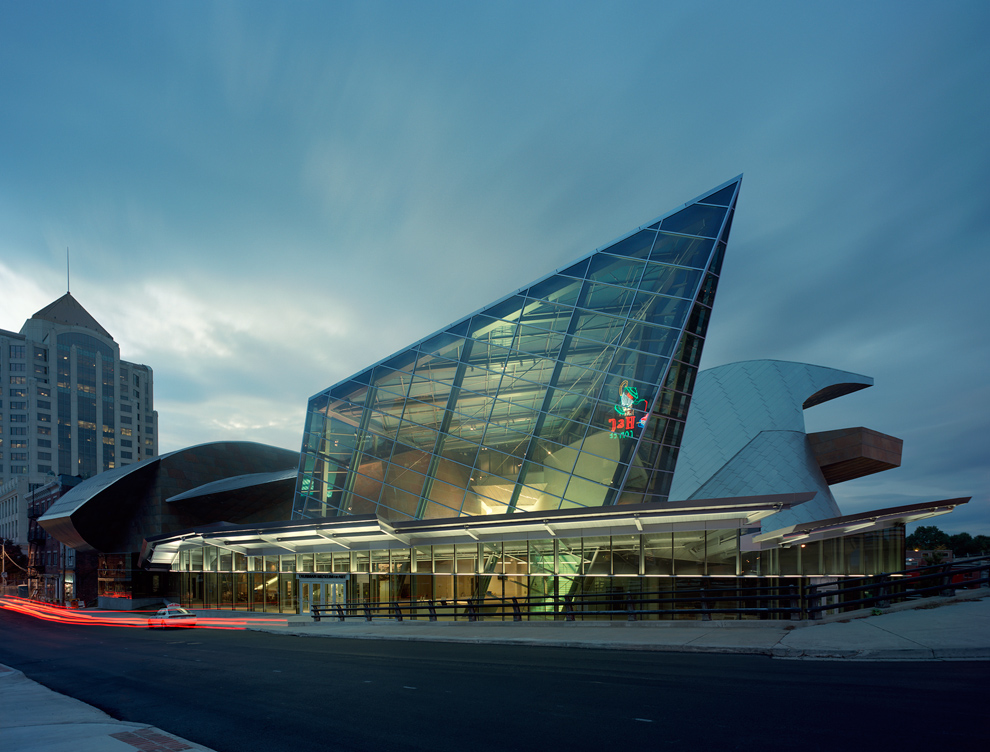
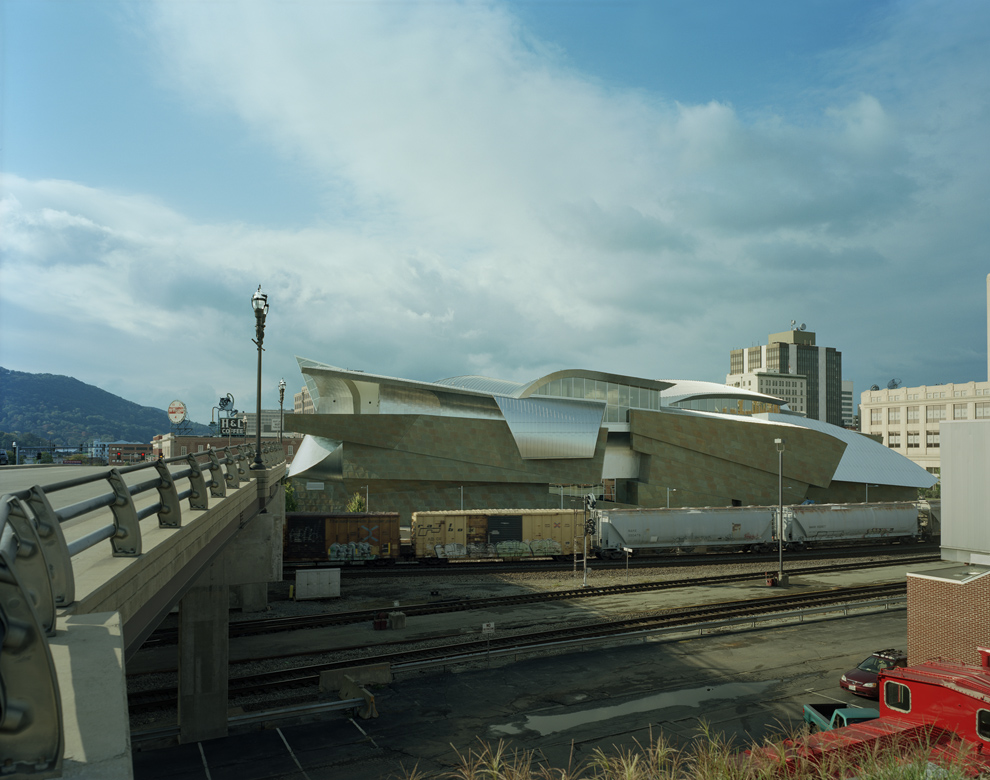
amwv opens

amwv00
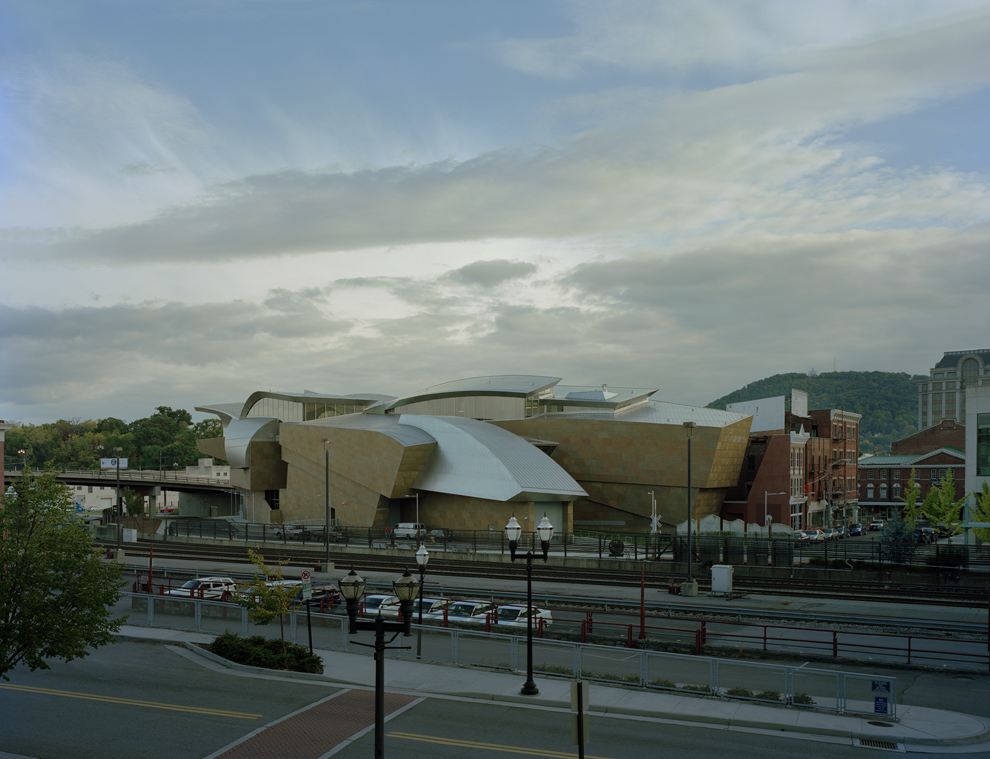
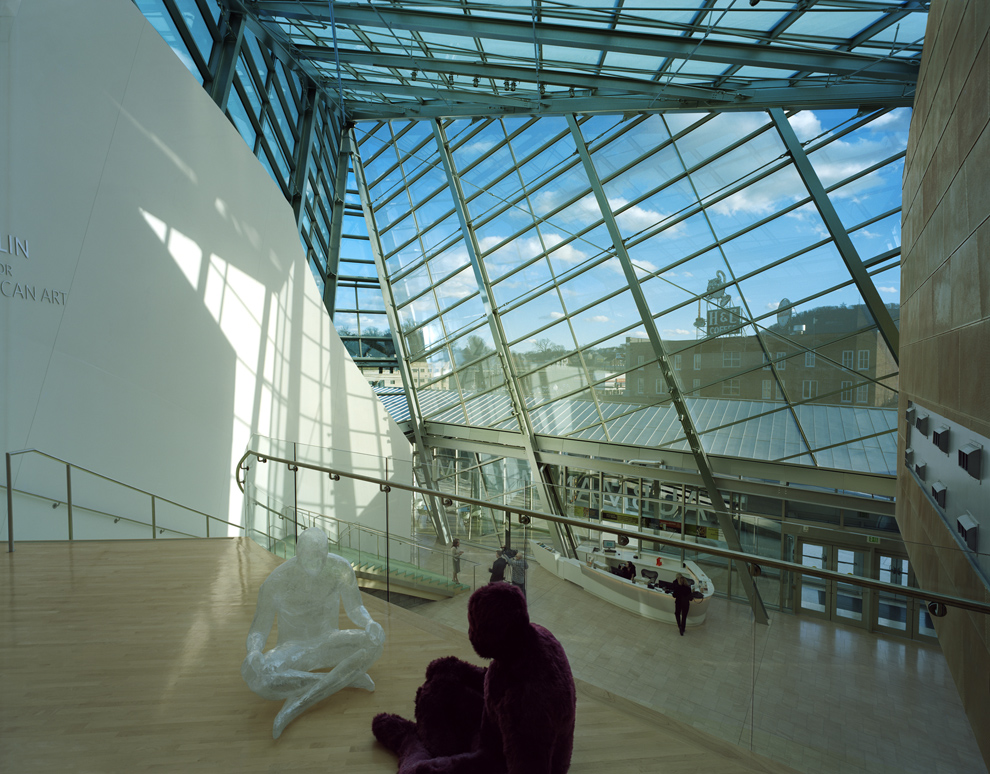
All Images Copyright: Timothy Hursley.


I spent my first year out of school working on this project back when it was a six foot long paper and wood model sitting in the middle of the office, and we were diligently translating it into a rhino model. I’m happy to see it turned out beautifully, Randall and the team did a great job. See more about the project at arcspace, here.


amwv01
amwv02
amwv03
amwv04

20090425 Tags: architecture, gsapp, parametric, school | No Comments »

one more week

symbiosis
…until the final final review. That circadian rhythm won’t know what hit it.

20090421 Tags: architecture, graphic design, gsapp, school | 4 Comments »

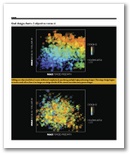
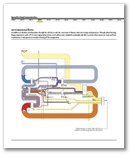
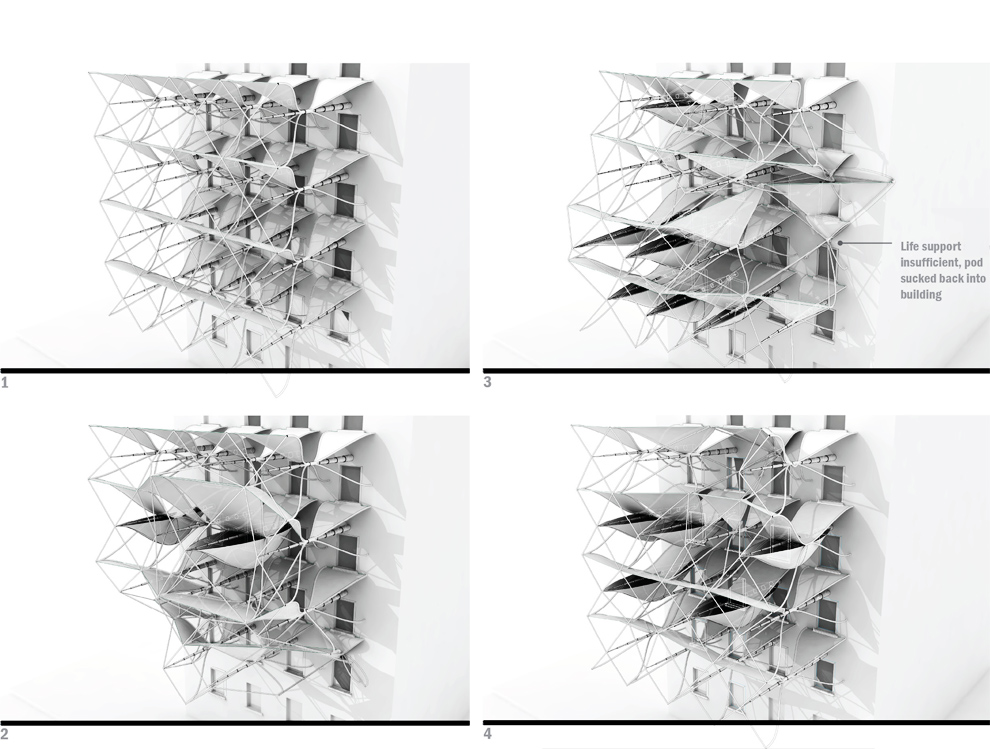
sankey diagram // life support system

sankey_final_web1
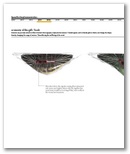
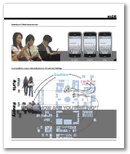
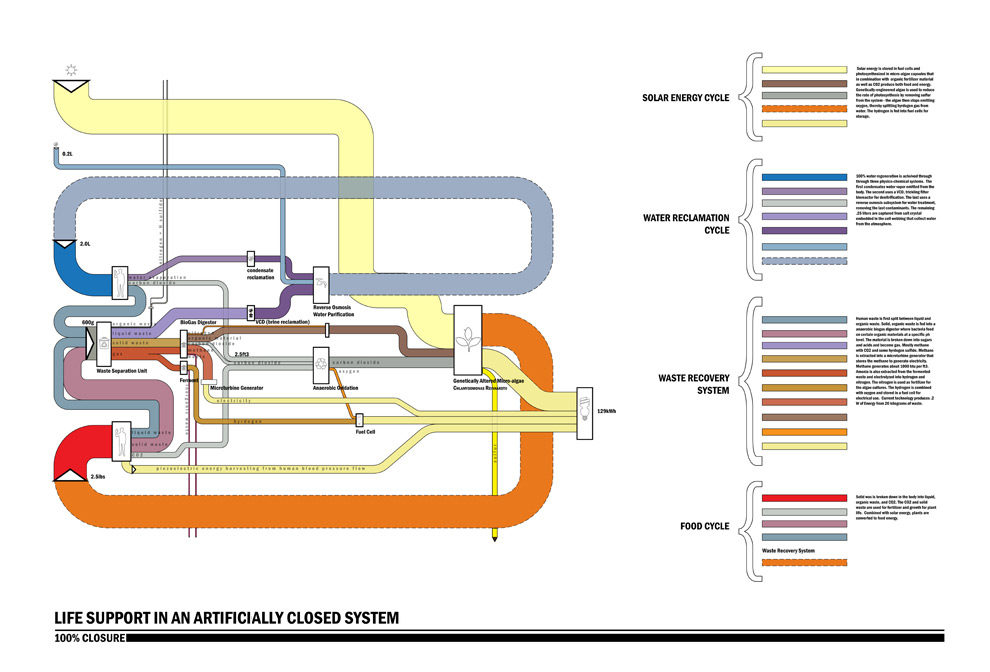
Working on a sustainable prison cell unit for future Beijing. Because of their high population density, prisons are actually prime contenders for tests of renewable energy methods, such as waste to energy, and water recycling features. Much like the panopticons of yore, each prisoner generates energy for their own confinement, but also send excess energy back to a central grid, acting like capacitors. Here, the sankey diagram is parametric, the size of the flows are tied to the things like the volume of the cell, the square footage of the plant growth surface, and the amount of solar heat gain. more »

20090327 Tags: architecture, graphic design, gsapp, school | 1 Comment »

multiple users into one twitter feed for pachube

01
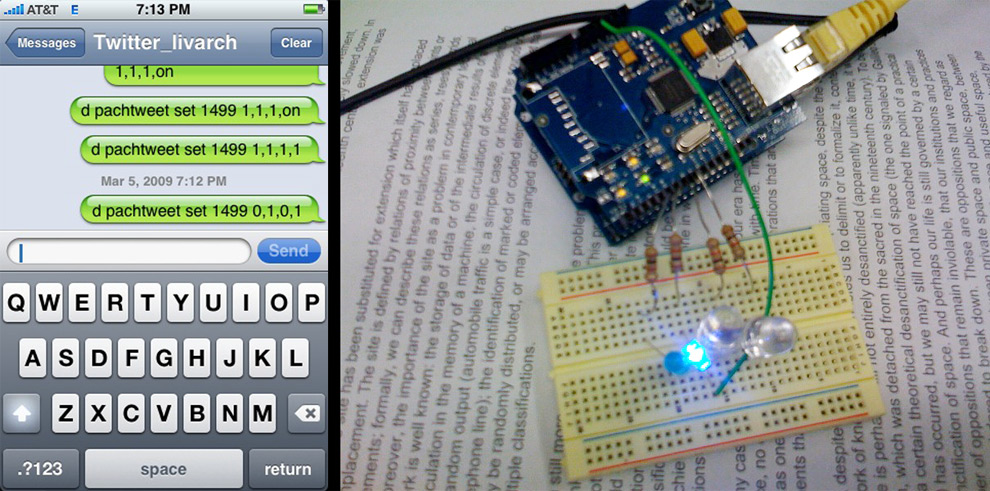
Somewhat of a circuitous hack through five sites, but it works, unfortunately there is about a 50 minute lag time, and a max of 5 users per half hour. But by pulling an rss feed from a search of all tweets with a certain hashtag (#livarch), then feeding that into a public google reader feed, publishing that back out to twitterfeed, then all the way back again to my twitter account with the pachube feed id prefix automatically appended (“d pachtweet set 1499”), anyone in the world can sms text data to your pachube feed and control an arduino. When a local interactive piece can be manipulated by a global audience, it brings up issues of siting and why a physical, localized kinetic piece of architecture is even necessary. Shouldn’t it be an ephemeral piece living online, able to respond to everyone at once?
more »

20090323 Tags: architecture, china, photography | No Comments »

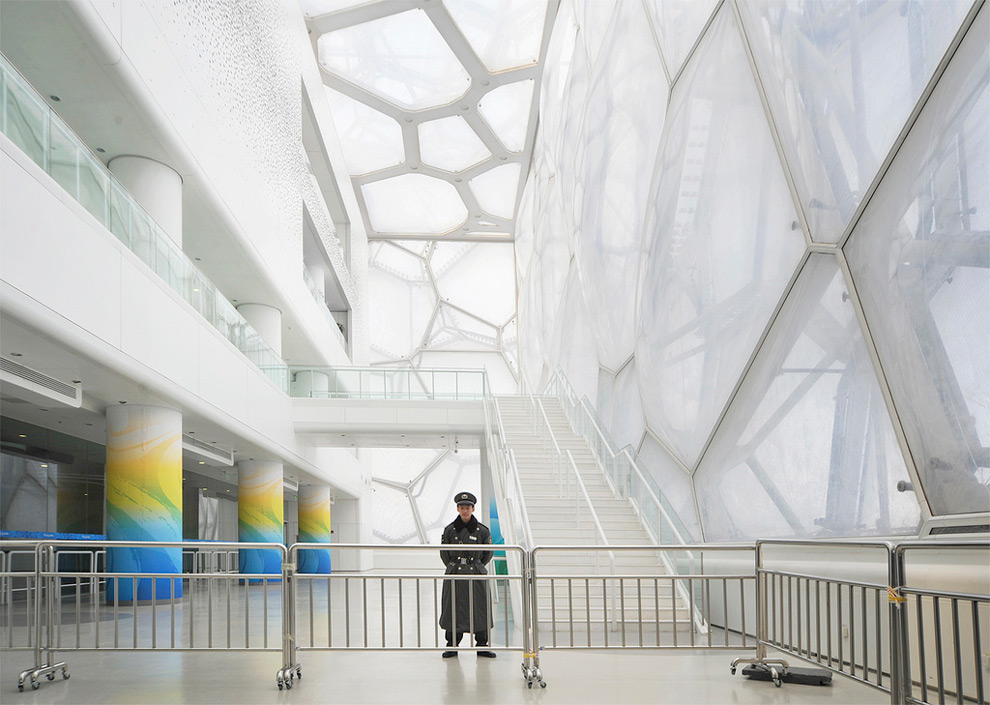
the watercube

watercube


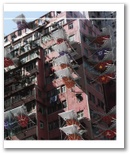
Post-Olympics, these signature, totally specific buildings sit vacant. Both the Bird’s Nest and the Watercube have already been reappropriated as museum spaces. Tourists can pay admission then be carefully herded through spaces we saw on television – the field of the National Stadium and the pool where Michael Phelps won gold.
See more images from Tokyo and Beijing at my flickr page.


edit: thanks to John Hill at Daily Dose of Architecture for making this image Daily Dose #299.

2009036 Tags: architecture, catia, evolution, gsapp, parametric, school, scripting, studio | 5 Comments »

airport studio

airport


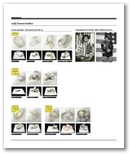
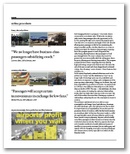
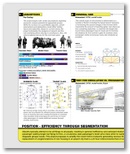
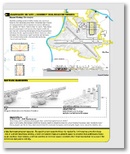
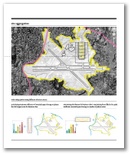
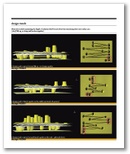
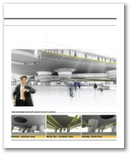
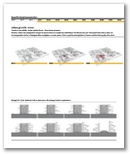
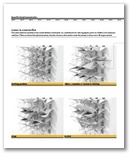
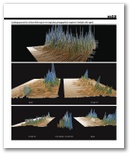
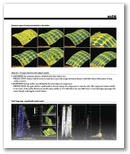
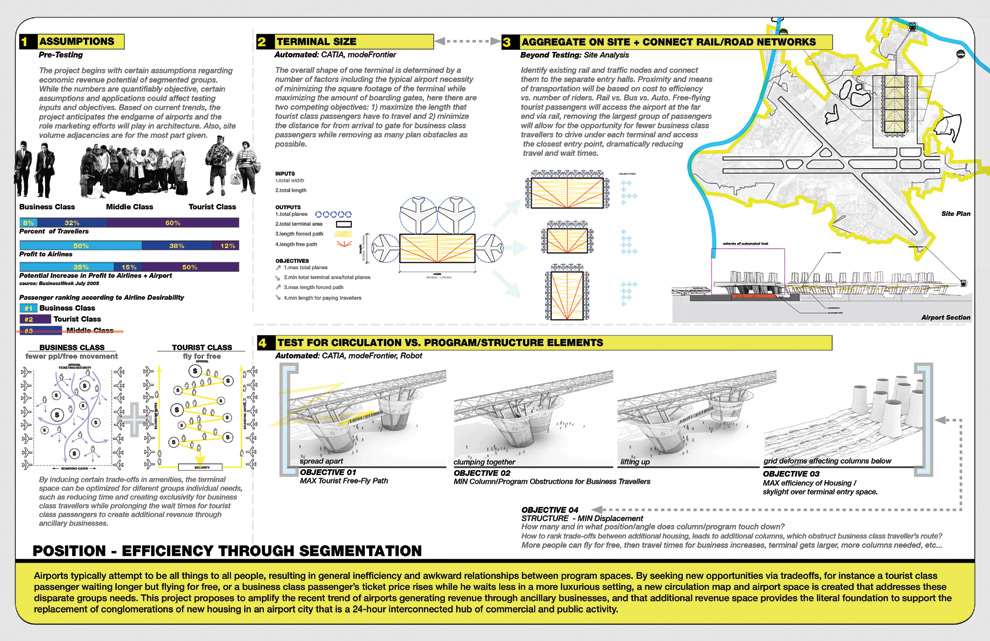
Quick Project Desciption: Airports typically attempt to be all things to all people, resulting in general inefficiency and awkward relationships between program spaces. By seeking new opportunities via trade-offs, for instance a tourist class passenger waiting longer but flying for free, or a business class passenger’s ticket price rises while he waits less in a more luxurious setting, a new circulation map and airport space is created that addresses these disparate groups needs. Optimal relationships between airlines, airport, and users are handled through parametric models and genetic algorithms.


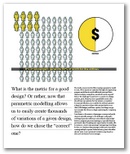
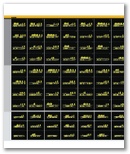
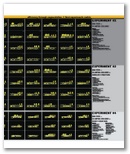
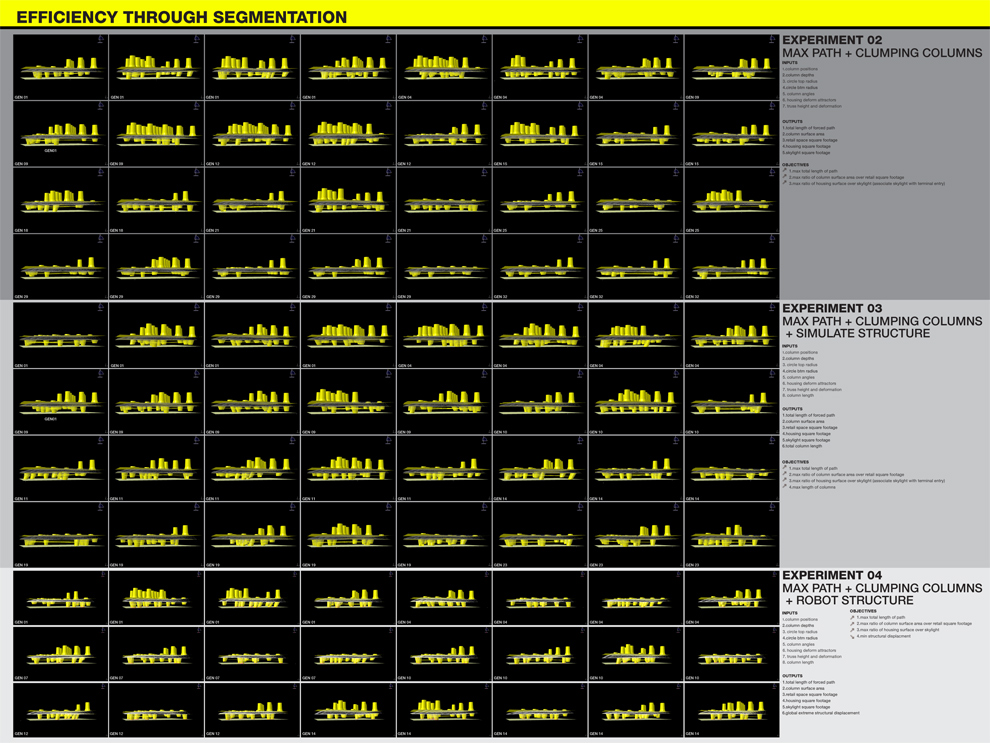
What is the metric for a good design? Or rather, now that parametric modelling allows us to easily create thousands of variations of a given design, how do we chose the “correct” one?


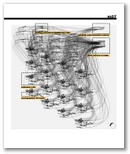
First, Creating a parametric model in catia, whose inputs are optimized through the engineering program modeFrontier with additional structural finite element analysis coming from autodesk’s newly aquired robot. The challenge became how to convert your design position, parti, whatever, into a quantifiable metric that the software can optimize for. For instance, to optimize for material efficiency, you could let the software optimize a shape for maximize volume with minimal surface area. After 3000 designs you’d have a sphere, but things can get very complex fast when you begin optimizing for competing objectives. See our complete studio blog here. Project description…
I was drawn to the metrics of passenger economy and profit. Airports typically attempt to be all things to all people, resulting in general inefficiency and awkward relationships between program spaces and passengers, especially business and tourist class. By seeking new opportunities via tradeoffs, for instance a tourist class passenger waiting longer but flying for free, or a business class passenger’s ticket price rises while creating multiple, separate dedicated entry points that allow shorter waits, a new optimized circulation map presents itself.


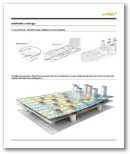
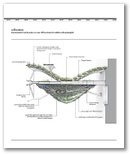
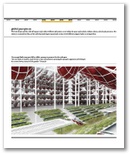
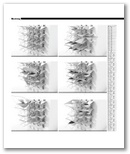
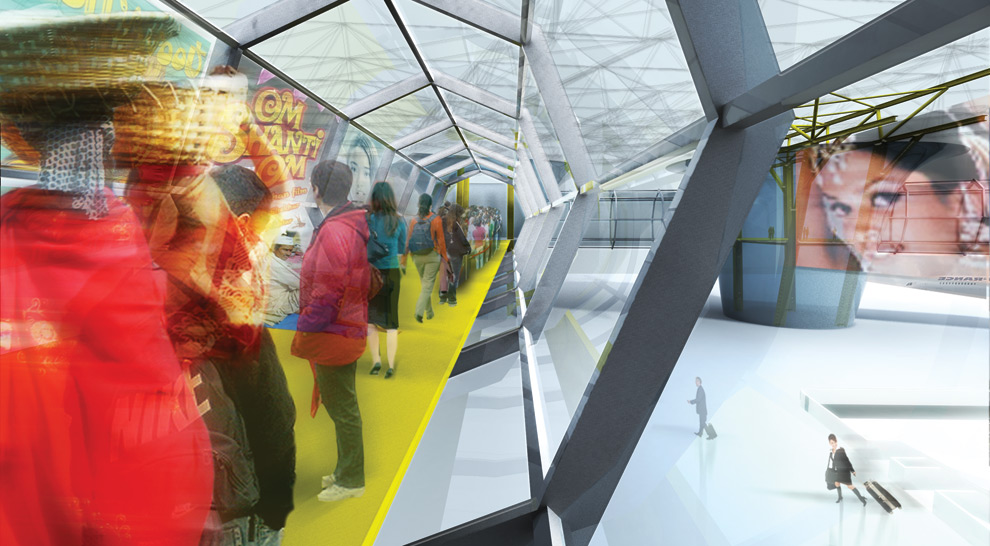
Each hanging element is a program + structural column connected by a circulation tube. Within the circulation tube tourist class passengers have the opportunity to fly for free, passing through each commercial program space. One objective is to maximize the length of the tube – thereby allowing more passengers to fly for free maximizing the airports ancillary profits. Another objective is to create an unobstructed space for business class passengers requiring few of the program spaces to touch the ground but rather hang, allowing business class passengers to freely pass through below. The more columns that touch the ground, the more structurally stabe the ceiling space frame becomes, allowing more housing towers above. The program mediates between these competing objectives finding high-performing, unexpected solutions and it becomes the role of the user to rank and chose designs based on desired criteria. Most housing = most columns = fewer business class travellers, etc…


airport2
locke_matrix_final


more »

2009035 Tags: architecture, interaction, school | 2 Comments »

living architecture

livarch


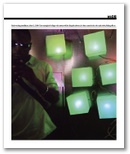
The beginning of our project for living architecture. It’s in its early stages, but we’re starting to get the interaction working. First, a user can send a message from their phone to twitter, then twitter forwards the message to pachube, then pachube feeds the data through the net to the little led’s hooked up to the arduino on my desk. At this point we’re thinking of an interactive light display down in the cafe, that will display the collective mood of the studio above.

2009034 Tags: architecture, fabrication, grasshopper, parametric, school, studio | 12 Comments »

we can rebuild you

model05
model01


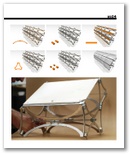
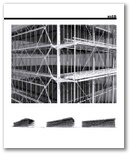
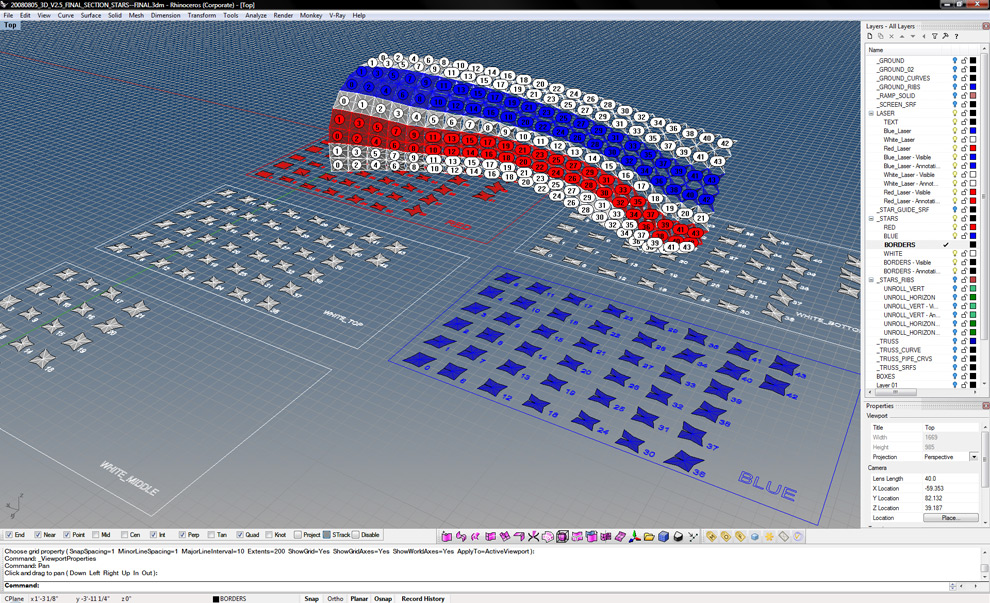
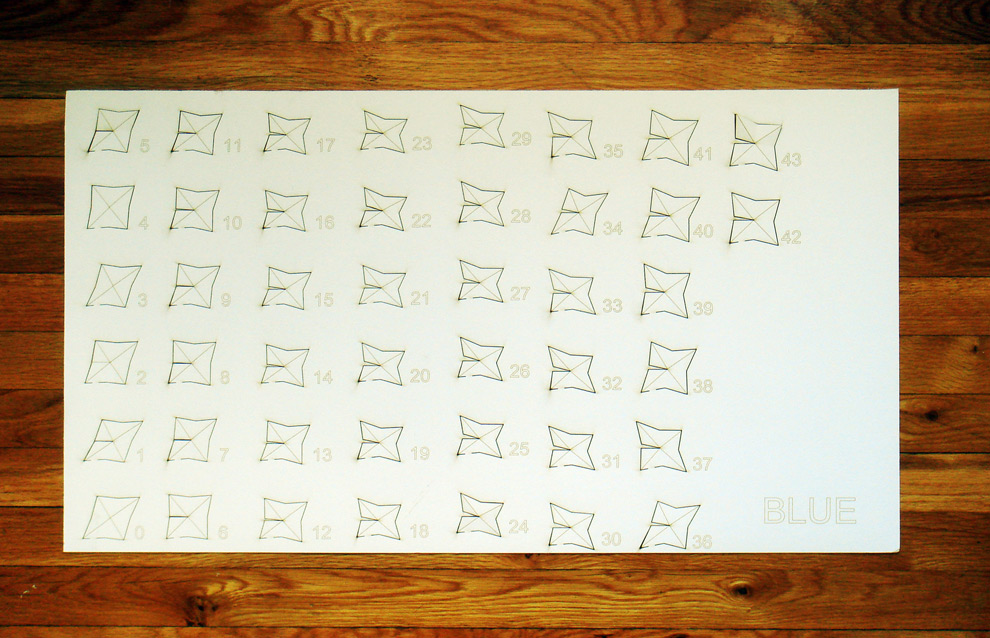
After my final model from last summer was somehow misplaced in the trash, then the compactor where it was crushed into a little cube before being placed in a trash barge a mere 36 hours before the final review, five months later the lazy days of winter break seemed like a good time to rebuild. One of the benefits of digital fabrication is you just have to re-lasercut all the files, though there is a certain level of zen like calm in folding and gluing 300 panels. The modular panels and truss were created in grasshopper, then scripted in rhino to unroll onto sheets.


model02
grasshopper
model03
model04

model06
model07

2009034 Tags: architecture, grasshopper, gsapp, parametric, school, studio | 3 Comments »

summer studio

summer


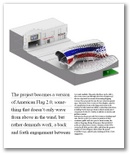
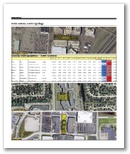
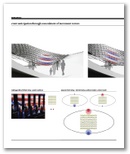
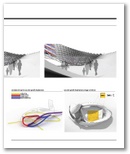
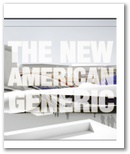
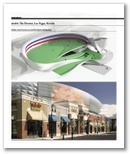
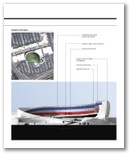
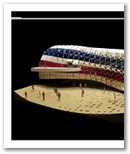
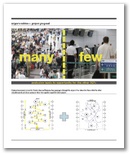
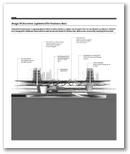
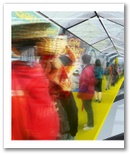
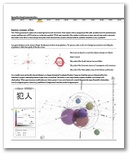
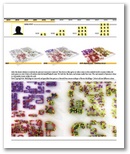
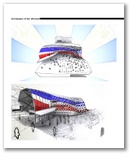
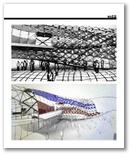
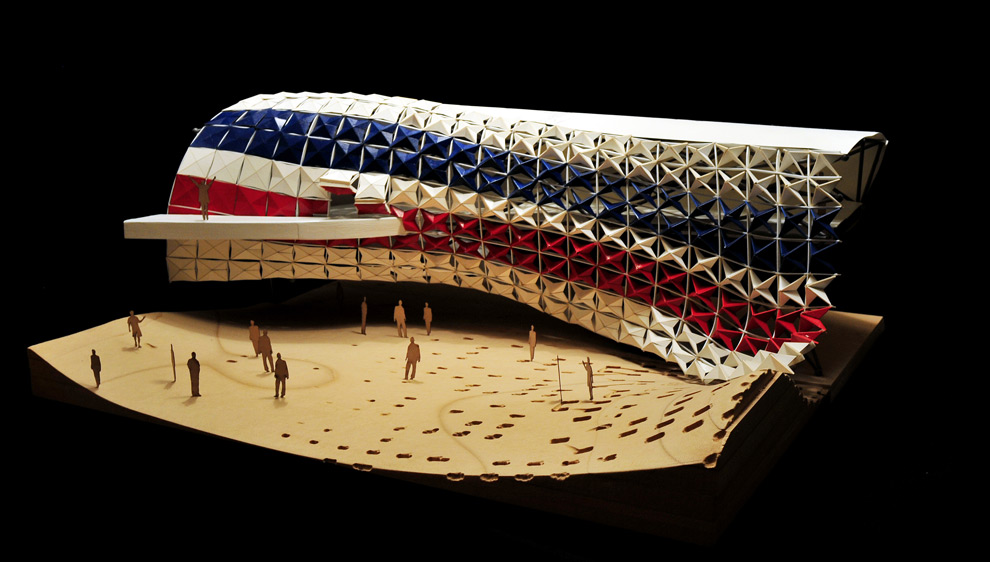
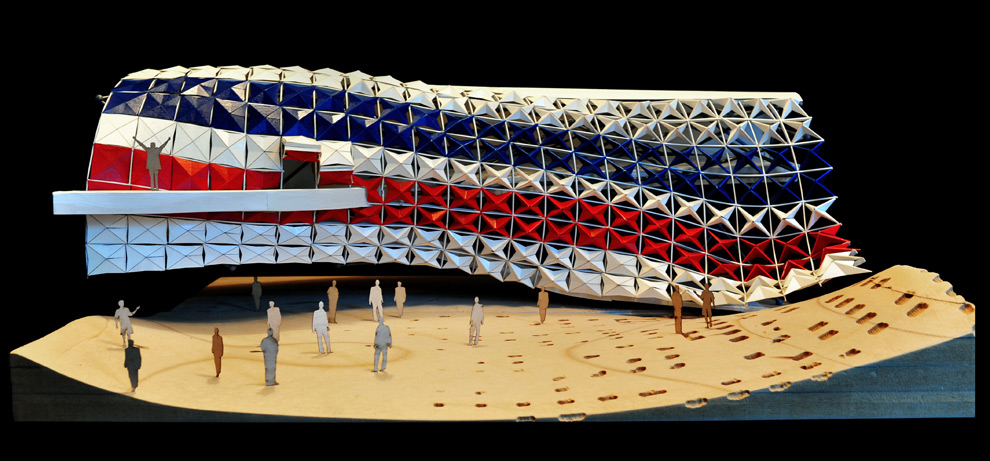
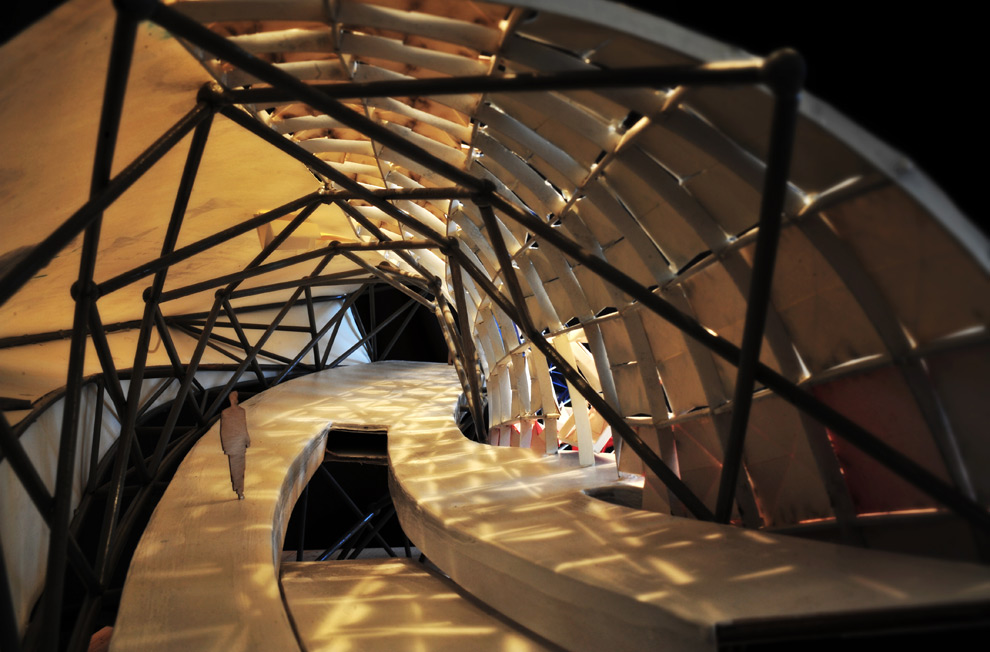
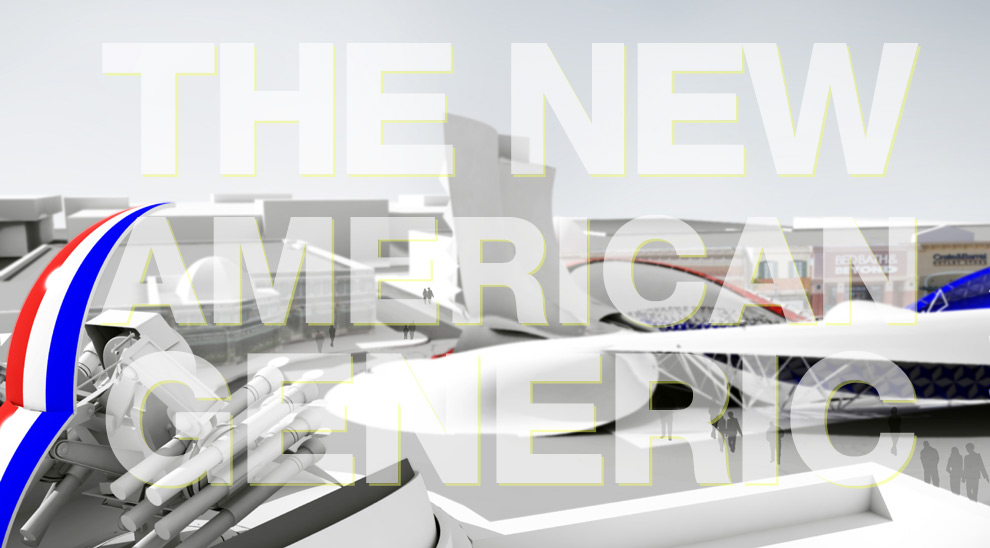
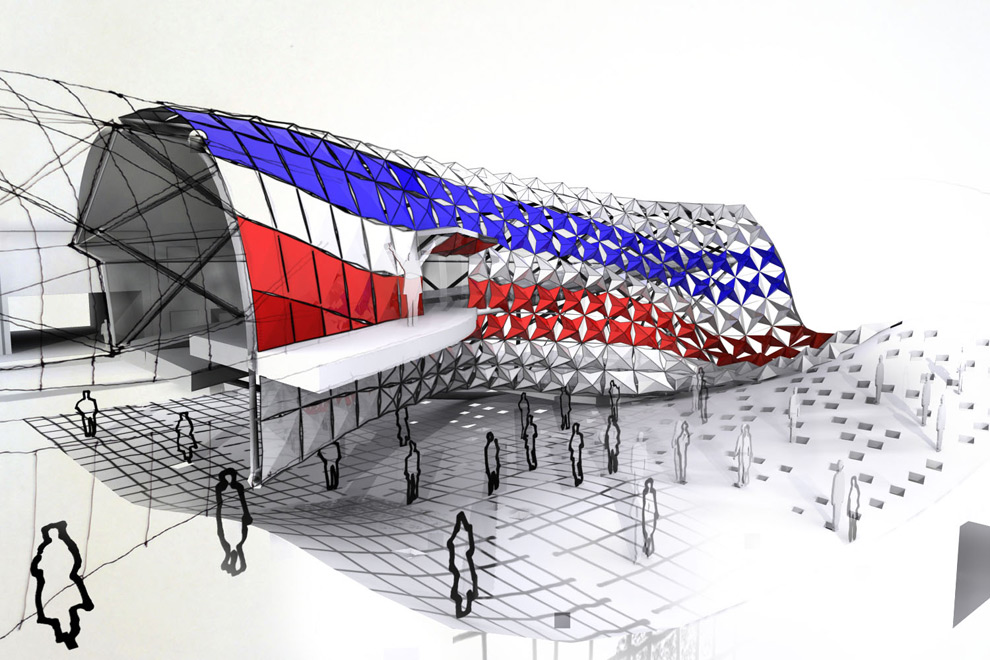
Quick Project Description: In America, the most active civic space is no longer public plazas or parks, but rather a new typology­—“town centers”­—Mall/Promenade hybrids of housing, public space, and shopping. This is where people gather, and into each of these places a civic function is inserted­—political debate arenas where the viewer is no longer passive but takes an active role in the decision process, and is loudly confronted with a newfound political reality.


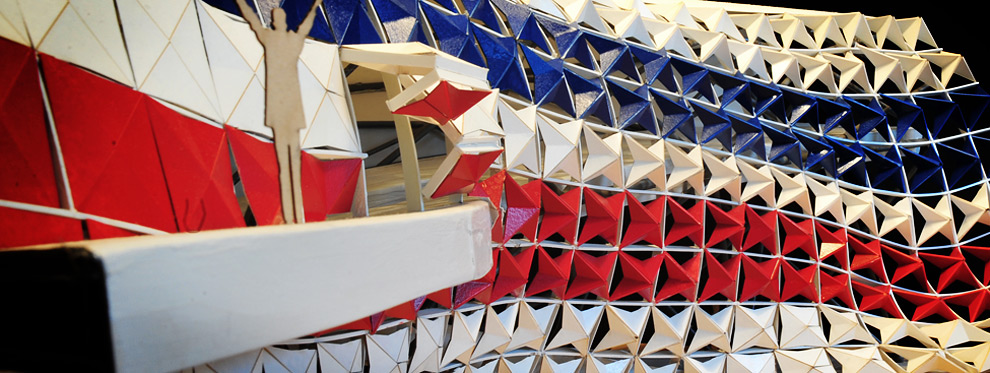
The project becomes a version of American Flag 2.0, something that doesn’t only wave from above in the wind, but rather demands work, a back and forth engagement between voter and candidate. The goal is that these can be sold to these town centers and through their sheer ubiquity and the rise of spectacle as a means of increasing shopping revenue, these proposals become the new American generic space.


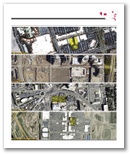
Moving forward from midterm, I began identifying eight specific sites in the six battleground states that will have the most impact on the 2008 election. Two sites were explored further, specifically the purplest county – Franklin – in the purplest state – Ohio – located in the Columbus metroplex area. The Easton Town Center in Ohio displays a number of contradictions, home to the largest university in the country, but also numerous military contracting connections, including North American Aviation which manufactured components for the B-1 bomber in addition to missiles and guidance systems.


Each site was chosen not only for its status as a battleground state, but also as the 21st century incarnation of what constitutes public and civic space in America today, the outdoor shopping, dining, living spaces that are labeled as the new urban Town Centers, evolutions of the 1970s covered mall. If the goal is to affect and inform the greatest number of voters/shoppers, this is where the project would have to go, a placeless place lacking any form of civic engagement


more »

2009034 Tags: architecture, fabrication, gsapp, school | No Comments »

pavilion fabrication

fab01


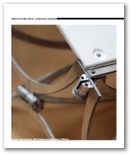
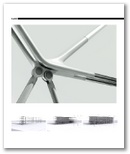
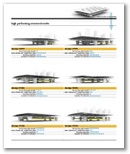
We had free range of the lab last summer, and tried to use as many of the machines as possible: waterjet aluminum, foam milling with plaster casting, and metal cnc milling of a 1″ thick slab of aluminum (inaugural use!) for the joint capsules. It all came together in five minutes, ten minutes before the presentation.
 

The project team also included Brad Engelsman and James O’Meara


more »

2009034 Tags: architecture, museum, work | No Comments »
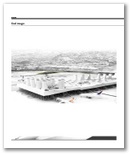
michigan state university competition

msu01
image credit: piratedesign and Randall Stout Architects.


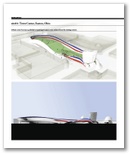
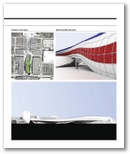
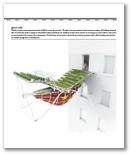
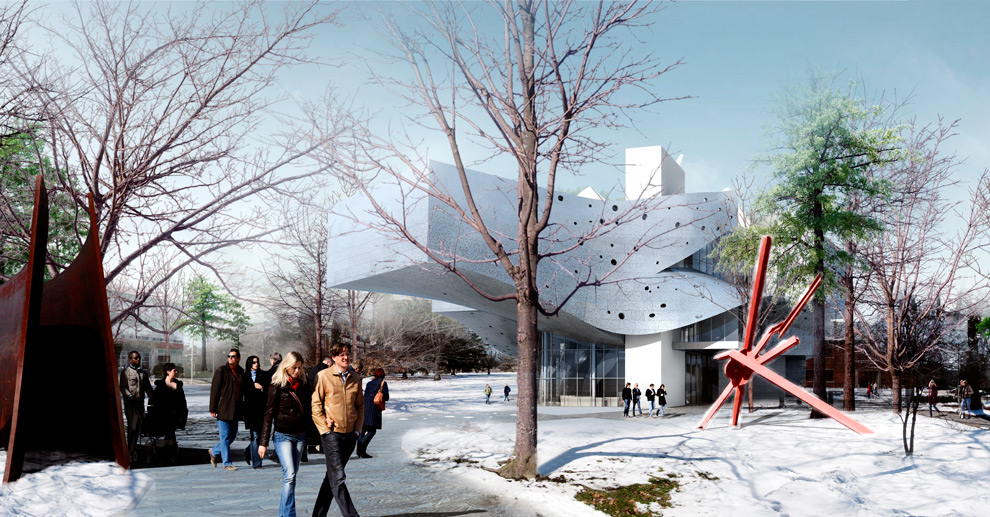
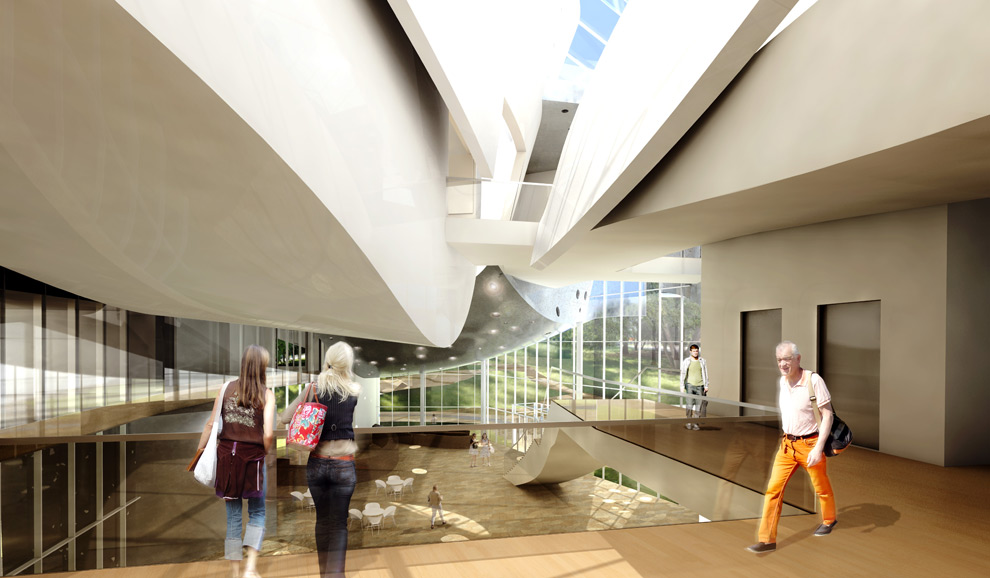
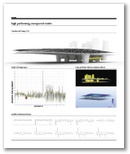
I was the part of the design team for this invited competition project and represented Randall Stout Architects among competitors Zaha Hadid Architects, Morphosis and Coop Himmelb[l]au. The museum, on the Michigan State University campus, will become the new location for the Broad art collection and will mark the northern entry point of the campus as the college’s most iconic building. I worked closely with the principal-in-charge Randall Stout to manifest the design ideas into physical form, and led a group of four designers.


The building design respects the site and campus history by providing a place of solace, a clearing in the woods, in recognition of a campus ground plane surrounded by wilderness. This project sets out to define a new sense of place by giving over the ground plane to gardens, art and community gathering and events spaces. The building touches the ground in a minimal manner and reads as an extension of the sculpture garden. The site becomes a permeable space allowing accessibility through the building for students and visitors as the building forms hover above the tree canopies.


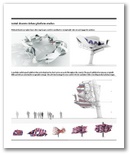
The building forms are influenced by the scientific principles of emergence, which recognizes the ability of individual cells to respond to stimuli and influence the behavior of the whole organism. Here, the relationship between the functional gallery boxes and celebratory public spaces becomes the agent of form, resulting in a new museum language that yields a seamless convergence between domains of art and community. It expresses the needs of artist and curator as fluently as the iconic presence of a cultural arts center for the community.


msu02


more »

2009031 Tags: architecture, graphic design, gsapp, school | 1 Comment »

max renderings

ultra05


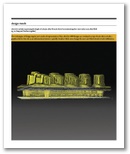
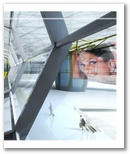
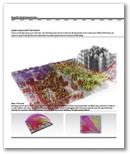
Whenever you have a computer course at a university, there’s always a struggle to make it more than just about being a software jockey. The ultrareal course did a good job straddling the line of teaching us to use the program, 3ds max, but also thinking about different techniques of representation. I used my studio project from the summer as a testing base, both because I wanted some new images and it was convenient.


more »

« Older Entries
Newer Entries »

COPYRIGHT © 2011 \ JOHN LOCKE \ ALL RIGHTS RESERVED (RSS)

TOP OF PAGE

last update: 201102:1627