
JOHN LOCKE

  • Featured Work
  • Design Blog           
  • Photography
  • Graphic Design
  • Lion in Oil

About

Hello. I live in New York and work at RMA. I hold a graduate degree from Columbia University's GSAPP and an undergraduate architecture degree from the University of Texas at Austin. I have more than six years of combined professional experience at both SOM in New York and Randall Stout Architects in L.A . I also tackle freelance graphic and photography work with my partner in crime, the multi-talented Jackie Caradonio at Lion in Oil. View my CV here: CV(html) or CV(pdf) for more info or contact me for further work samples, questions or collaborations. Thanks and have a nice day.

Contact

john.h.locke{at}gmail.com
310.735.3333

Architecture Portfolios

Portfolio 2002-2007 (issuu)
Portfolio 2008-2009 (issuu)

HOME / BLOG

parametric

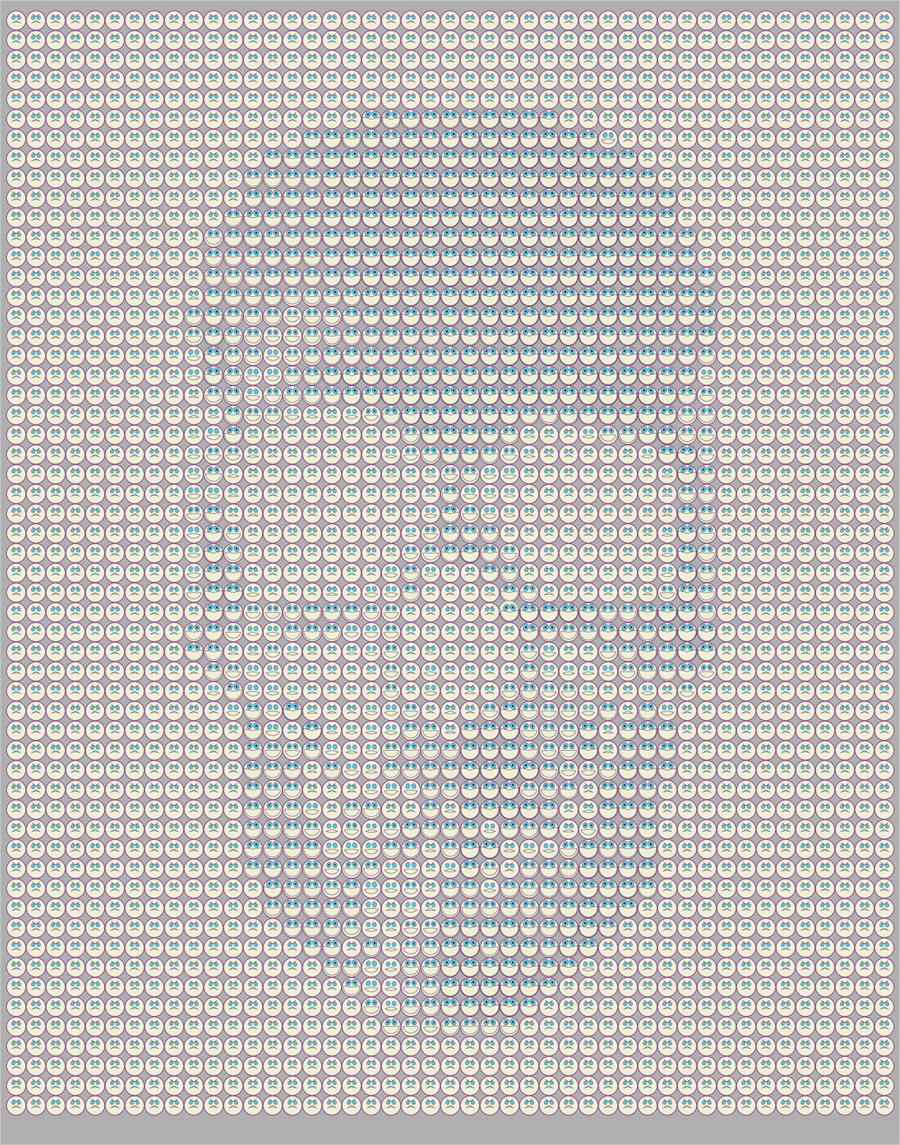
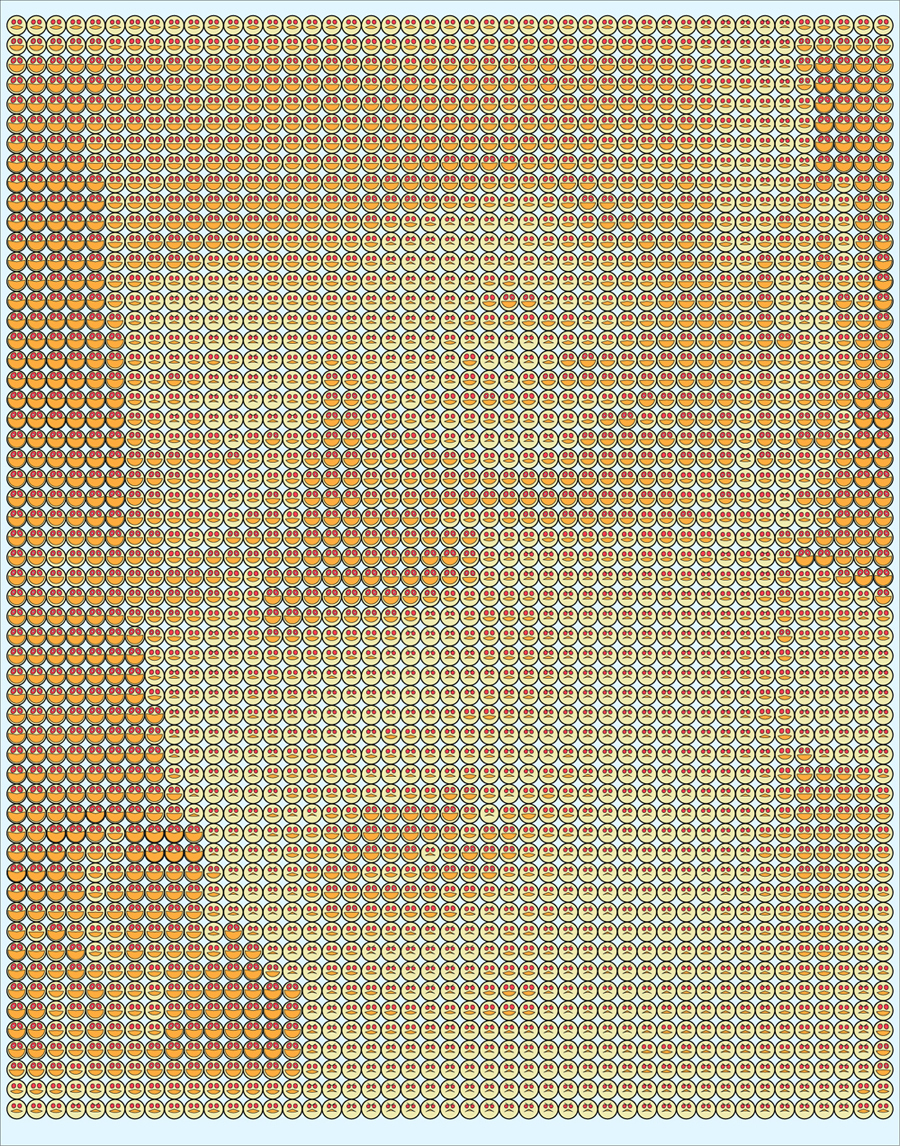
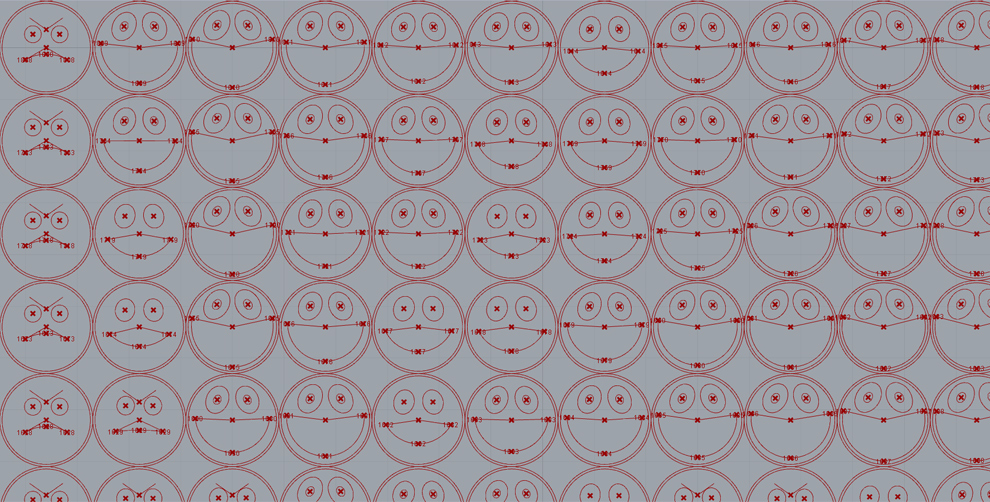
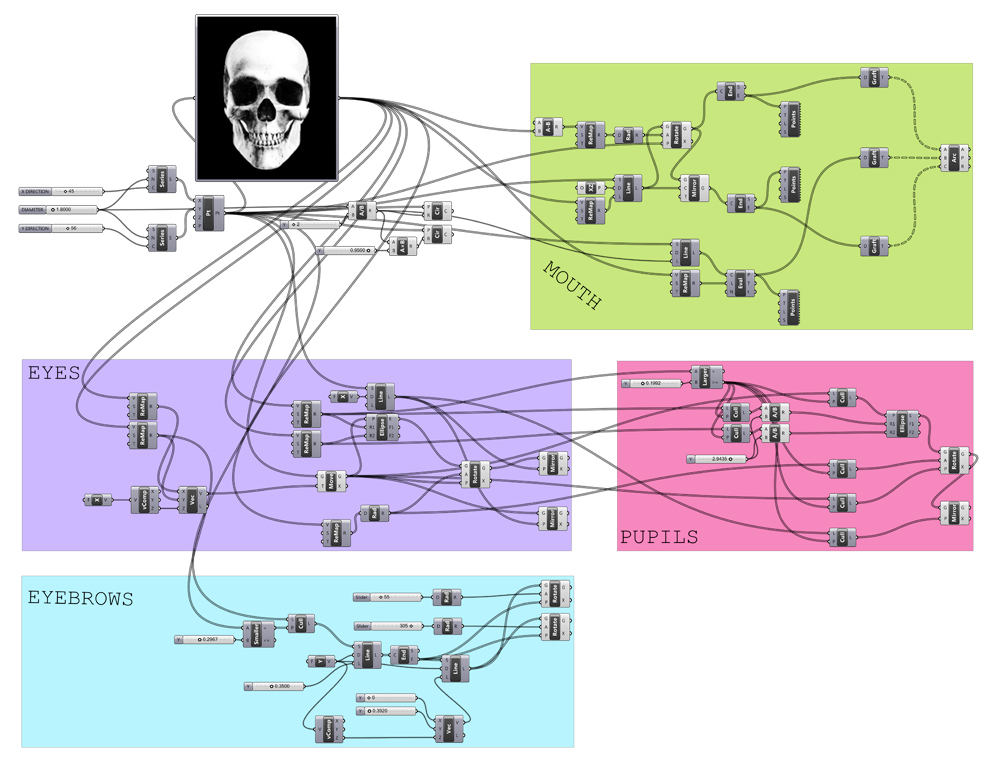
20111231 Tags: graphic design, grasshopper, typography | No Comments »

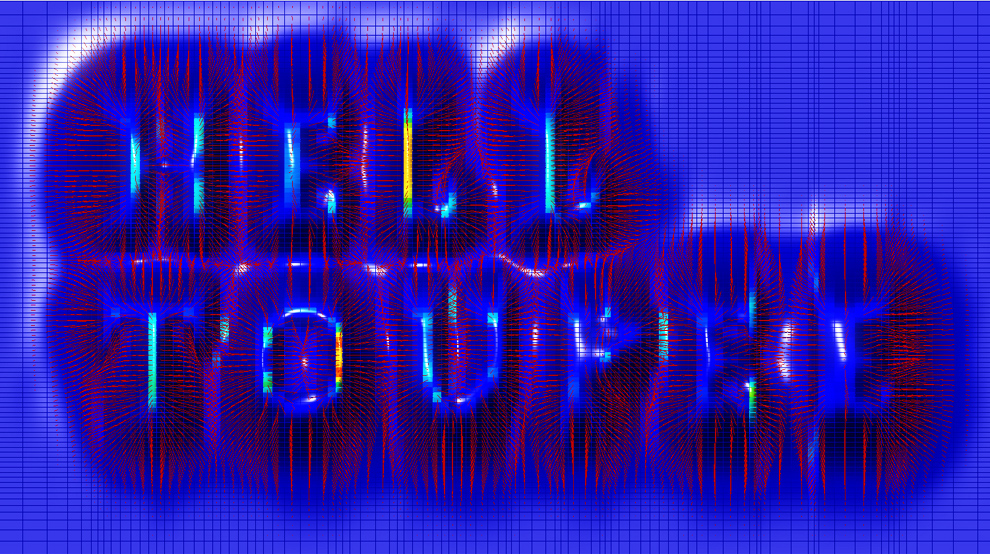
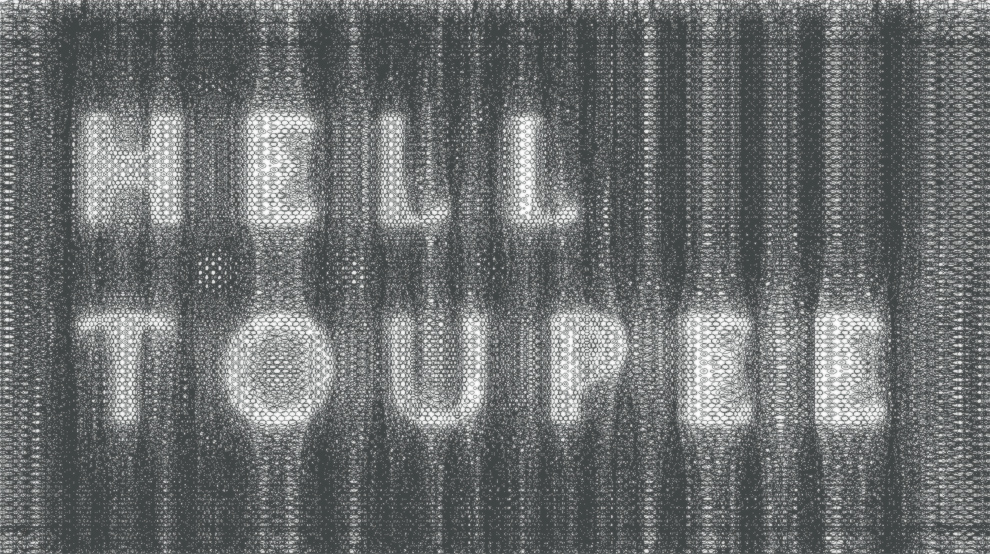
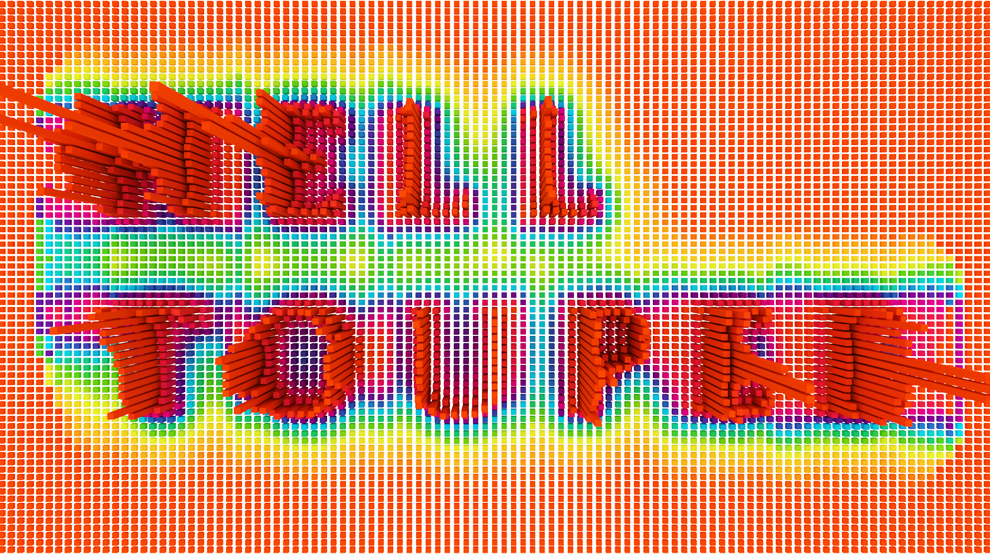
devilish hairpieces

 
Popularity: 1% [?]
2011065 Tags: evolution, grasshopper, parametric, research | No Comments »

bucky was right

design-space_galapagos
grasshopper galapagos
galapagos_results


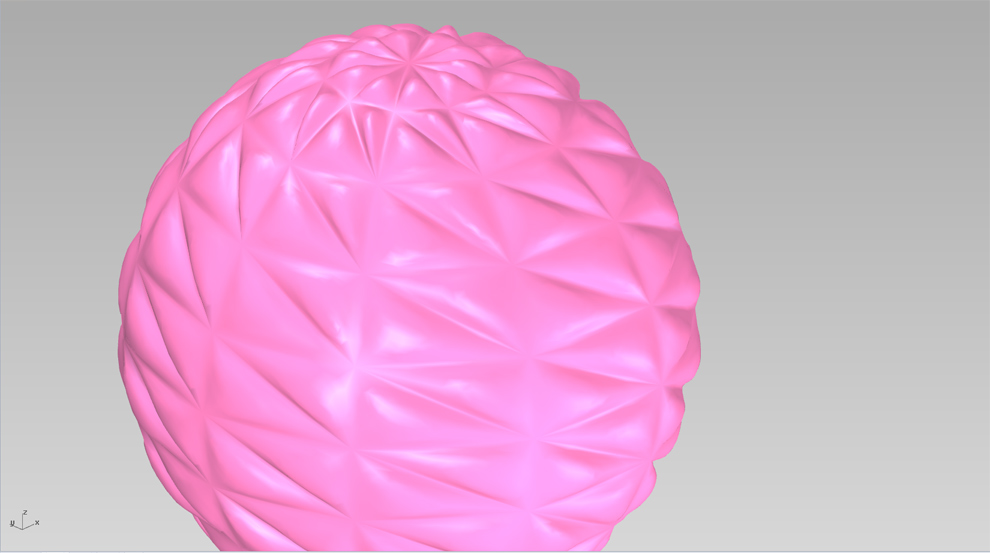
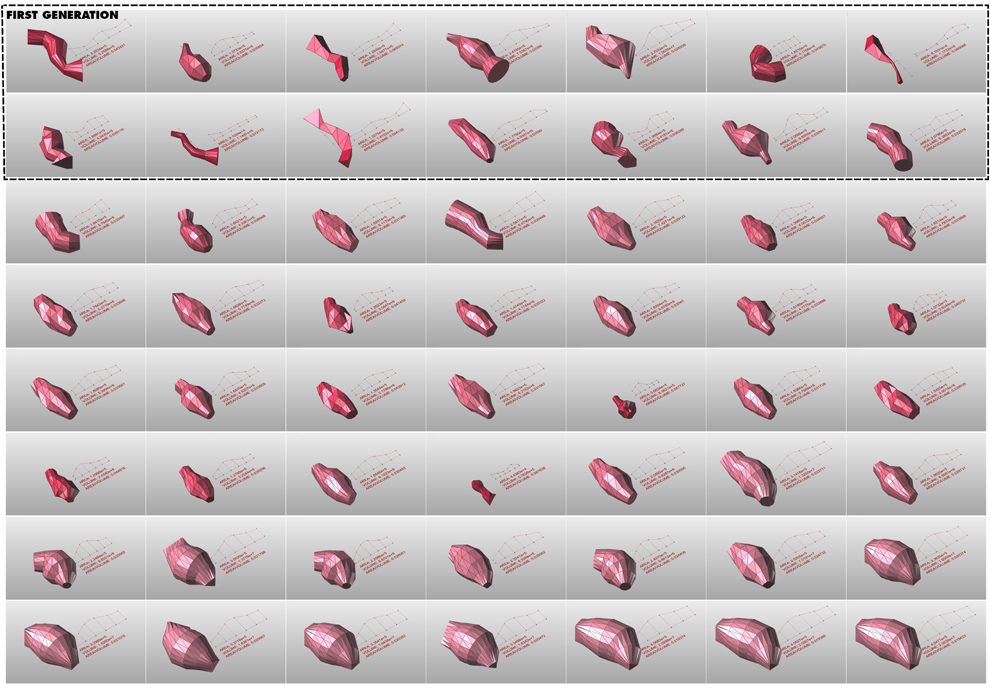
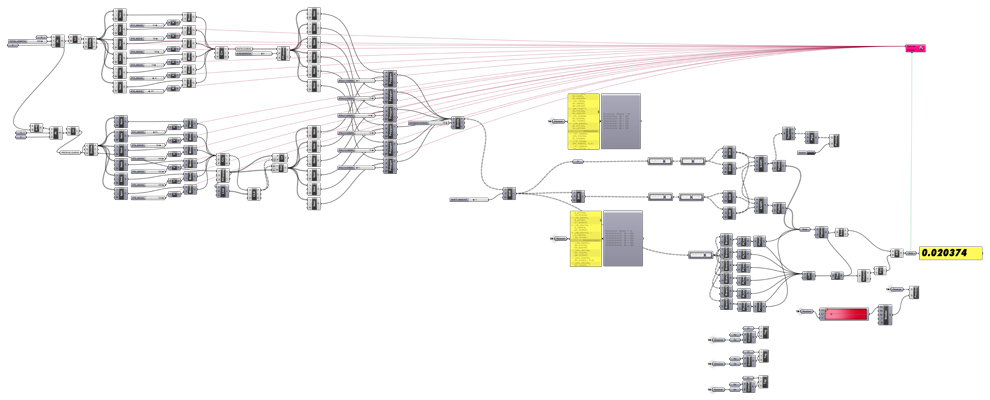
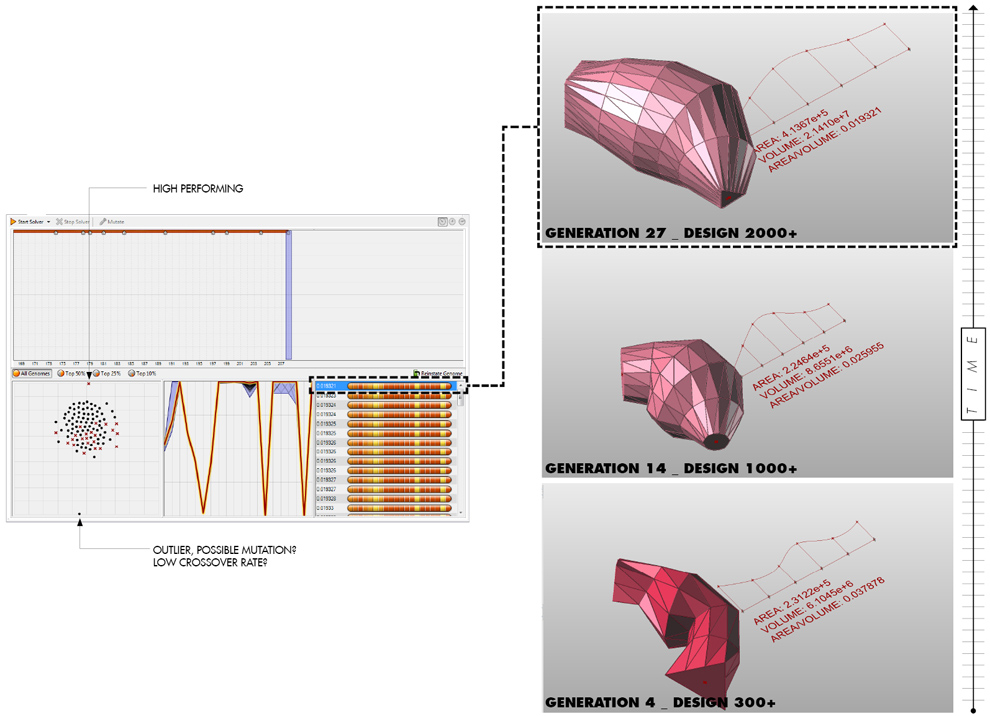
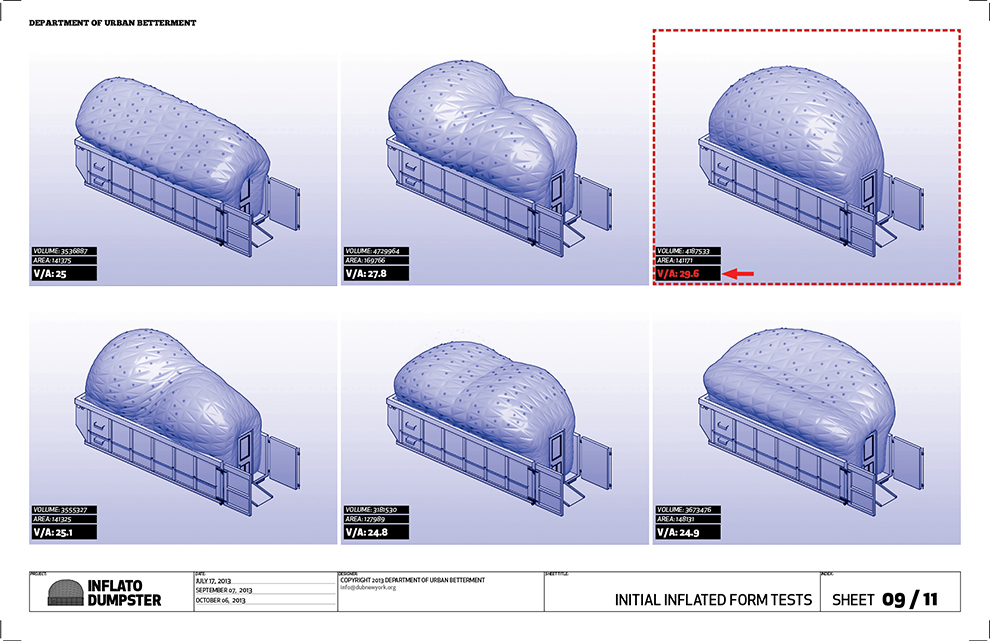
I’ve used genetic algorithms for form finding with a previous project, and that time I was using a tenuous connection between catia, modeFrontier and Robot. So I was excited to see grasshopper begin to natively implement an evolutionary solver with Galapagos. As an initial experiment I started with a classic, something simple – I wanted to find a tessellated form that would enclose the maximum volume using the smallest surface area. I’d like to think that this would produce something unexpected, but it’s pretty much the definition of a sphere. I set up the parametric model to wiggle all over the place with various triangulated densities and differing number sided polygons at each joining segment. My hypothesis was that the form would tend toward symmetry and evolve into the aforementioned spherical shape. I believed that the polygons would tend toward the most sides possible to more closely approximate a circle, later generations evolving away from a triangle toward an icosagon. (Just like on Flatland!)


A couple of observations: Galapagos pretty quickly found the overall shape – smaller radii at the extremes and bulging in the middle – the beginning of a sphere. However, while it tended toward bilateral symmetry, it kept a kink in the first segment that prevented the shape from being perfectly symmetrical. I think the solver got stuck in a local minimum as opposed to a global minimum. Perhaps with a higher mutation level or letting it run for a longer amount it could have jumped out of this. On further checks I found that it was correct, after 30 generations and over 2500 iterations, the surviving croissant-like shape of the optimal designs did have a better SF:V ratio than a perfectly symmetrical design. Perhaps it had something to do with the setup of the parametric model or the way the facets resolve themselves at the extremities?


But in general my hypothesis was proven correct. Which leads to the initial problem with Galapagos. There are a lot of opportunities with this type of experiment and people more clever than me will surely do them, but when you can only solve for one objective it becomes difficult to create truly complex solutions. For instance, with my surface area/volume problem there is only one true pareto solution. Eventually Galapagos will find it, or with enough time and a calculator I could calculate this myself. There is one single, optimal solution, it’s just hidden somewhere amongst a number of parametric sliders. Unless you start getting into multiple, competing objectives, then the pareto point becomes a curve and there are multiple valid solutions, each one involving certain trade offs and a criteria for selection. Say you wanted to find a form with the minimum srf area:volume ratio, but also that form had to have the fewest structural members, or provide the most shade on June 21st, or spatially provide the most potential revenue stream for a project stakeholder. That’s when it gets really interesting and opens the possibility for a design space that includes high performing, unexpected results. It’s a great start, and I can’t wait to see Galapagos evolve.


Download the grasshopper definition for version 0.8.0004 here: http://gracefulspoon.com/downloads/Grasshopper_GALAPAGOS_TEST.rar

Popularity: 4% [?]
20110225 Tags: grasshopper, kangaroo, parametric | 4 Comments »

kangaroo tests

spaceframe012

spaceframe011

spaceframe02

spaceframe03

drop01

drop02

drop03


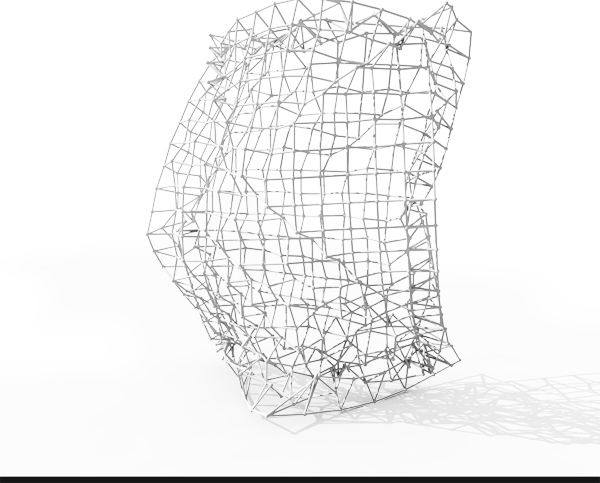
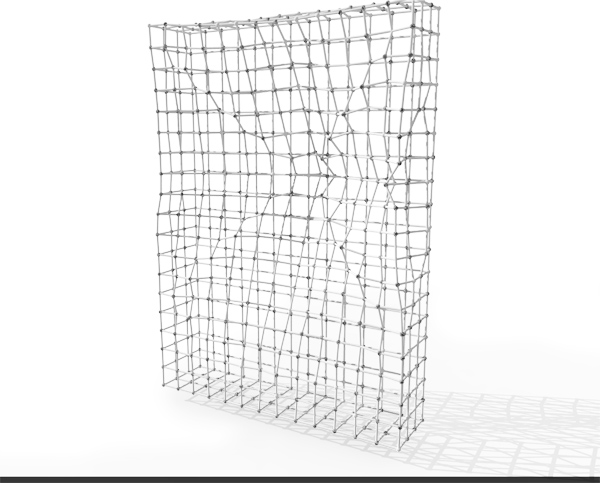
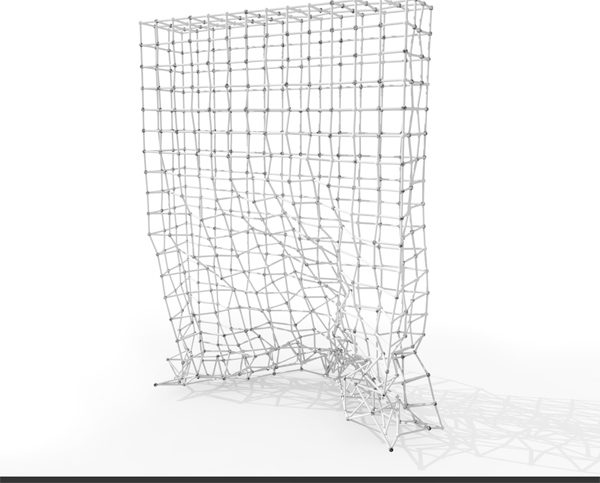
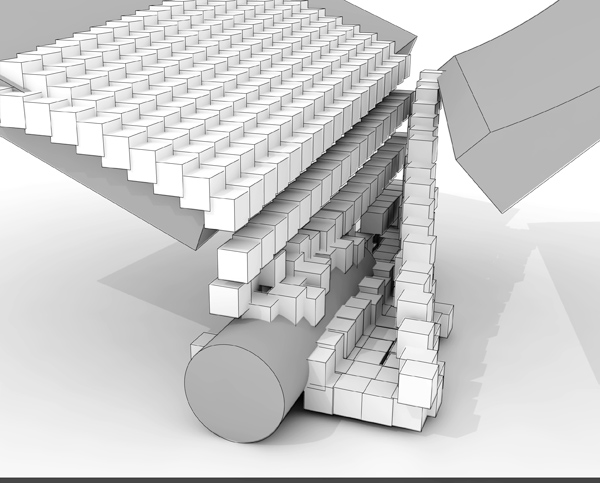
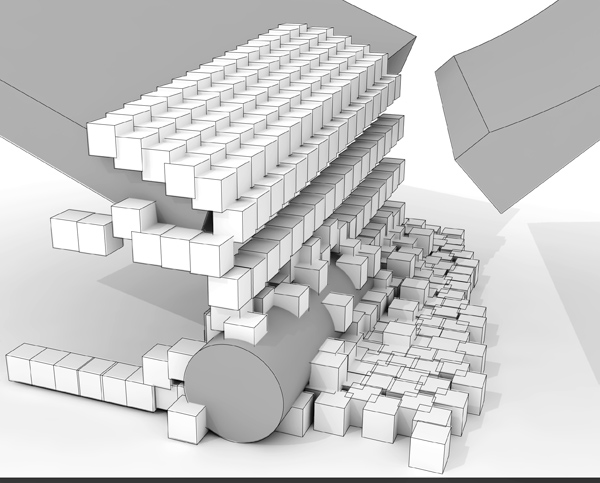
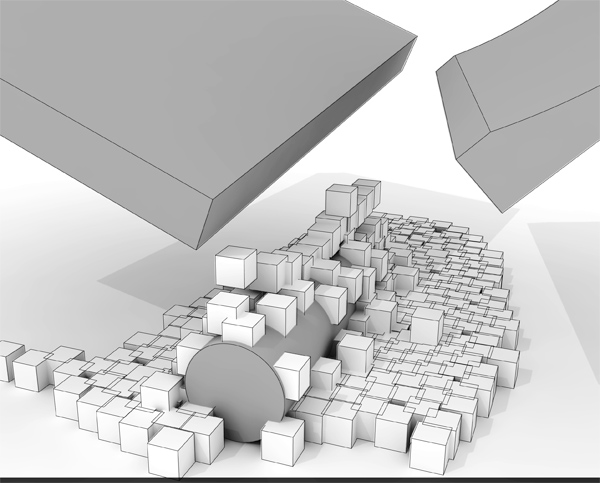
Spent the better part of the day playing around with the incredibly cool Kangaroo, the live 3D physics engine for Rhino, developed by Daniel Piker. Images are poor substitutes for showing just how fun this tool is to experiment with, so to get a better idea of the program’s potential see Daniel’s great vimeo page. The above images were part of a series of experiments in dropping a series of cubes through an obstacle course, and pulling points around on a 3D space frame. They were based on tutorials found at the always helpful and inspiring Kangaroo google group page.


more »

Popularity: 6% [?]
20091021 Tags: graphic design, grasshopper, parametric, typography | No Comments »

closest point on a curve

text01
text03a


The “Curve CP” node in Grasshopper allows a curve to act in a similar manner to a point attractor, but checks the distance for the closest points along the entire length of the curve as opposed to one single, solitary point. Here, the curves are generated from a text object. It basically becomes multiple attractor curves, something that could be used for super graphics or possible a glazing frit pattern. Things get a little hairy in the grasshopper definition (see below) when you start getting a lot of letters, so that needs to get resolved for this to work with an entire sentence, or anything longer than four letters. A script font that creates one continuous line would work perfect, but is something of a cop-out, so in the meantime I may have to consult the pros on the grasshopper forum.


more »

Popularity: 14% [?]
20091015 Tags: graphic design, grasshopper, parametric, scripting, typography | 10 Comments »

parametric image sampling

imagesampler04


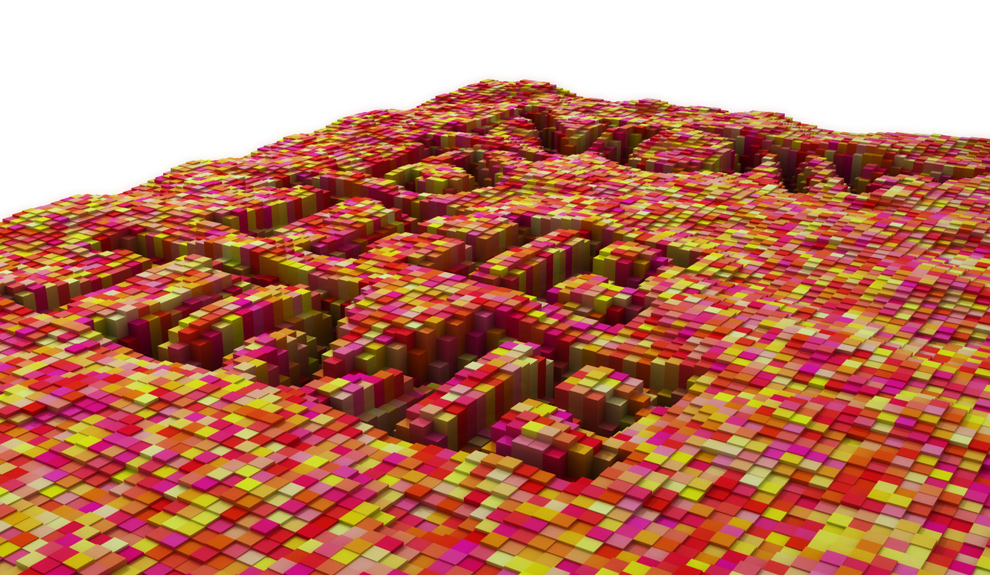
A simple test based on Sanghoon Yoon’s Grasshopper definition for using the new image sampler node, I swapped out a text image for an image image, because, well I just like fonts and 3D I guess. One of the things that’s cool is that the image is “live,” so as you change the text, the grasshopper definition updates. And of course you can also parametrically control the size of the pixels, the multiplication of the heightfield and the overall size of the surface. To get a random color on each polysurface, I modified Dale Fugier’s script located on the rhinoscript wiki page to include a function to assign the object color to the material color so it will render out in vray. See grasshopper definition and code below:


[[Edit: Added Link to download grasshopper definition and source image file. Click Here (zip file).]]
more »

Popularity: 16% [?]
2009062 Tags: architecture, china, gsapp, parametric, school, studio | 6 Comments »

global panopticon

beijing01


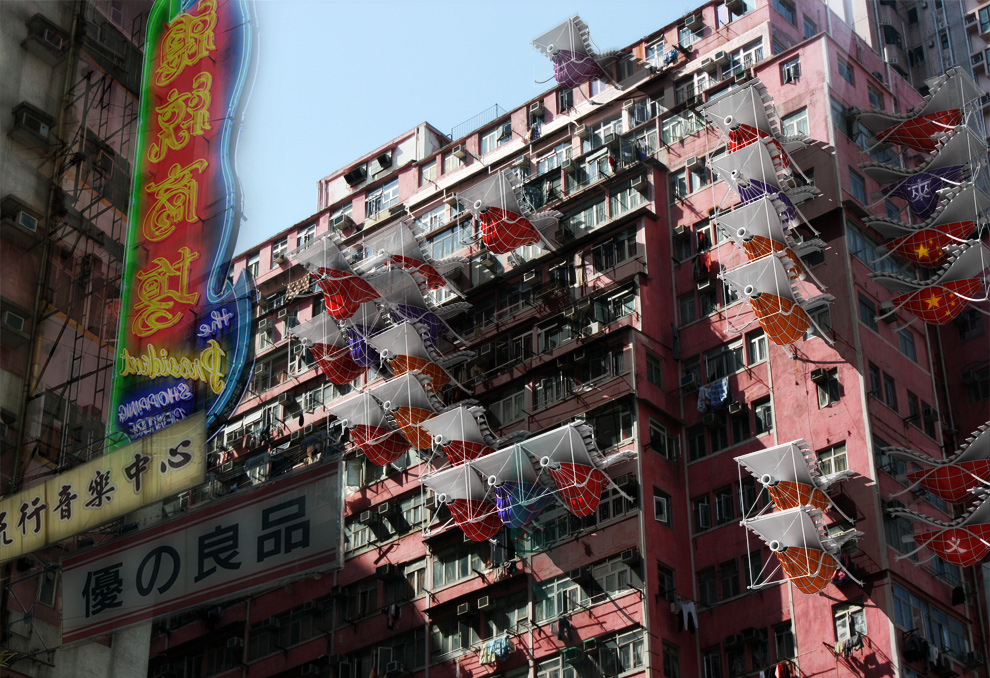
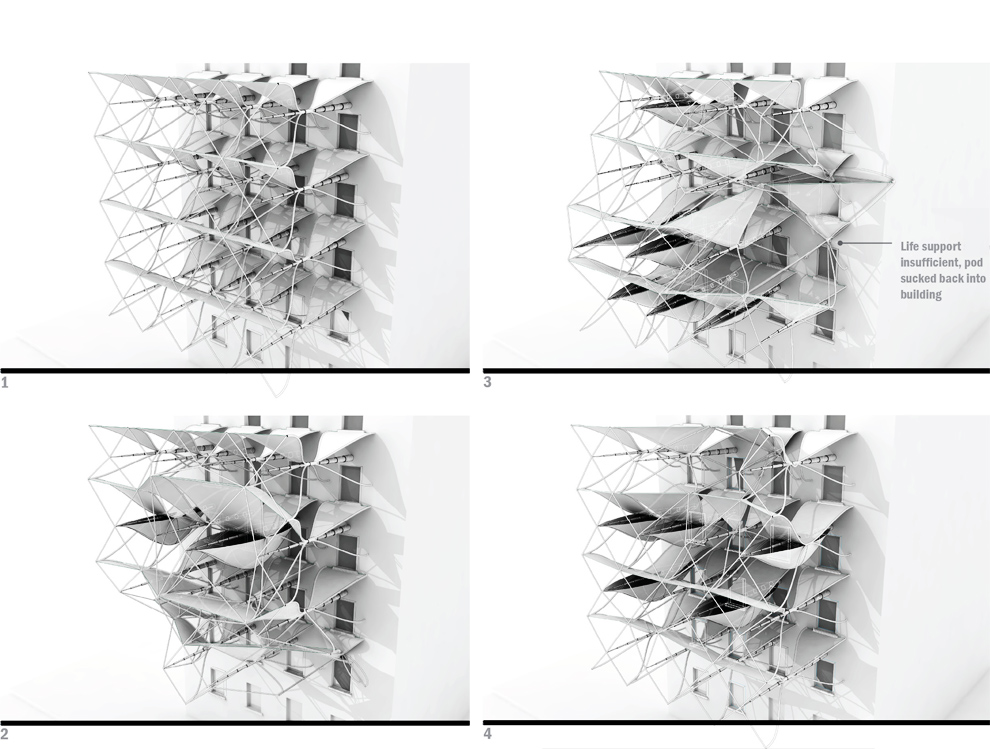
I didn’t really cut anything from the presentation included below. So, yeah, there’s a lot of slides. It’s (almost) the entire final presentation. I left it pretty much intact because not only 1) I can never edit my own work, but 2) the project is conceived more as a sci-fi narrative of Beijing and it will hopefully make more sense if read in complete order. And you can always just scroll way down to the end for some sweet images. This was for Ed Keller’s SpeedTerritoryCommunication studio, Spring 2009.


quick project description:
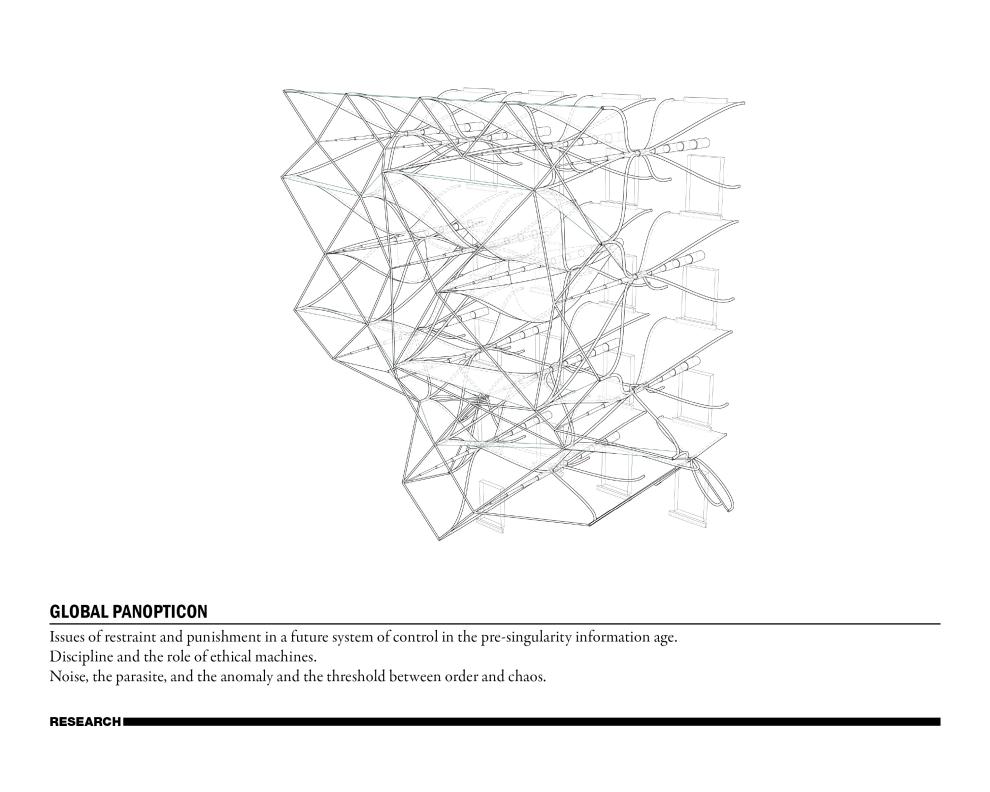
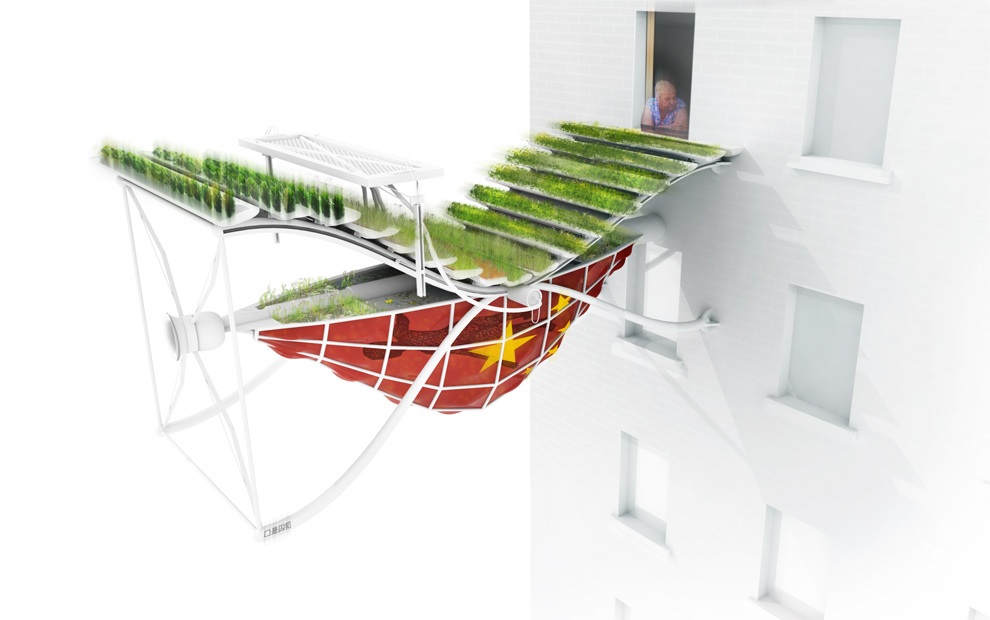
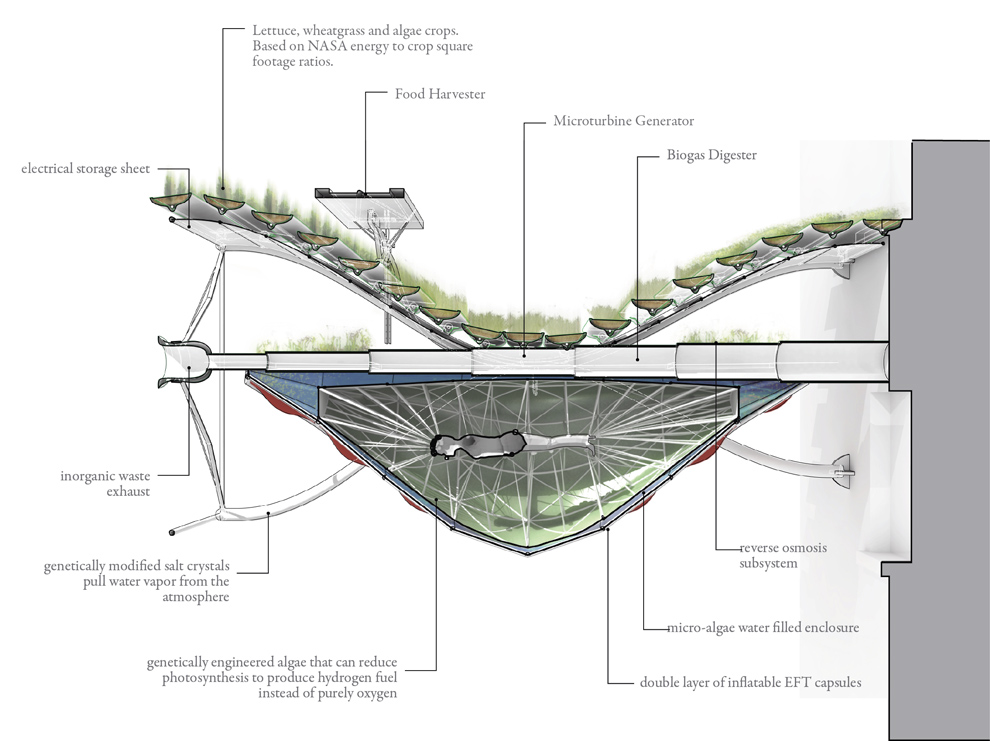
Architecture is a system of control predicated on limitations. This project is a study of the existing control systems in Beijing and a projection of how architecture and technology will merge to change not only prisons, but also the urban environment, the social stratification of society. Also addressed are what confinement and freedom will mean in relation to our relationship with how we build our world.
 

locke_final
more »

Popularity: 10% [?]
20090529 Tags: architecture, grasshopper, gsapp, parametric, school | No Comments »

beijing 2014

01
single-cell-section


Detail from my final studio presentation of one symbiotic cell. See also a sankey diagram of the flows of energy through this system here.

Popularity: 14% [?]
20090518 Tags: architecture, grasshopper, gsapp, parametric, school | No Comments »

grasshopper final

grasshopper rhino 3d meshing
This was my final project for David Fano’s (of DesignReform.net fame) Meshing Course. It was an intense introduction to using Grasshopper with Rhino. My goal was too make a parametric array of cells, where each cell could be controlled individually, but changing one would affect all other neighboring cells in the system. Creating this type of recursive system led to a giant 18mb Grasshopper file, but the logic of the node-based layout made it surprisingly simple if you break it down into steps. See more for Vimeo Vids:
more »

Popularity: 15% [?]
2009053 Tags: graphic design, gsapp, parametric, processing, school, scripting | No Comments »

the remix

john_laurent
Mark Collins & Toru Hasegawa, the masterminds behind Proxyarch, and instructors of the course Search: Advanced Algorithmic Design at Columbia, ‘remixed’ the audio waveform code into something much more smooth and elegant. They’re awesome, and there were a lot of super interesting projects from the course which can all be viewed in the video here.

Popularity: 14% [?]
20090414 Tags: graphic design, grasshopper, parametric | 3 Comments »

jpg portrait into grasshopper

web
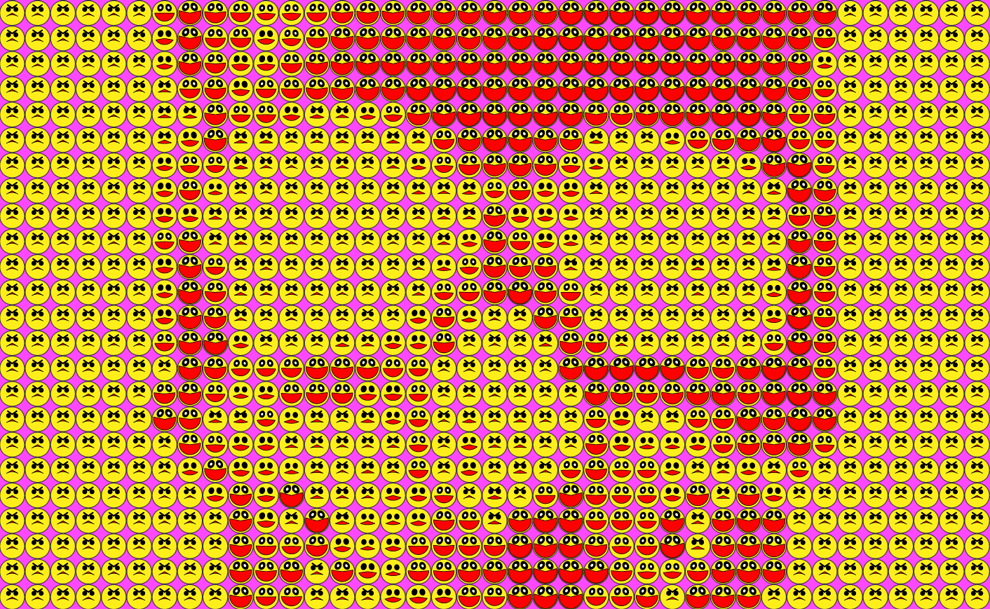
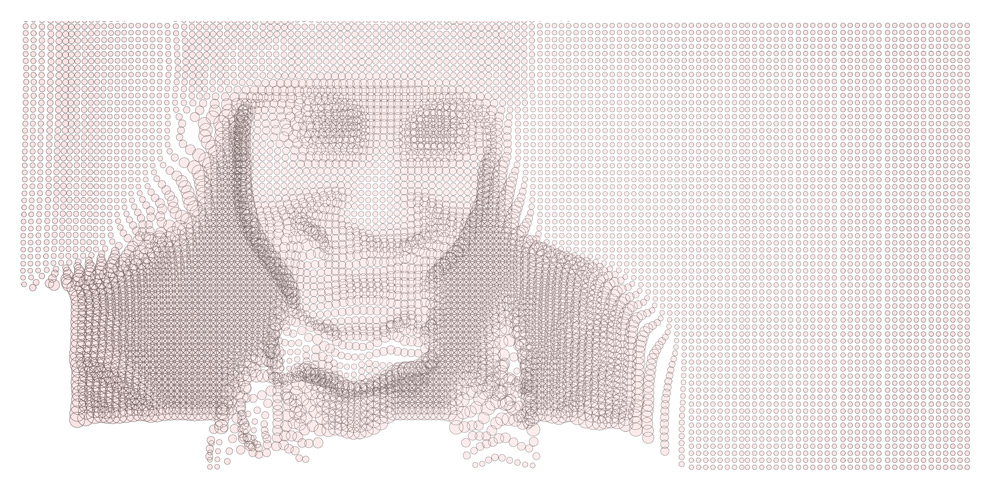
The surface pattern is created in grasshopper from a jpg sourced, heightfield surface. The diameter of the circles are a factor of the z-depth of the resulting heightfield and can be parametrically controlled.


Download the grasshopper definition and rhino file here.
more »

Popularity: 12% [?]
2009036 Tags: architecture, catia, evolution, gsapp, parametric, school, scripting, studio | 5 Comments »

airport studio

airport


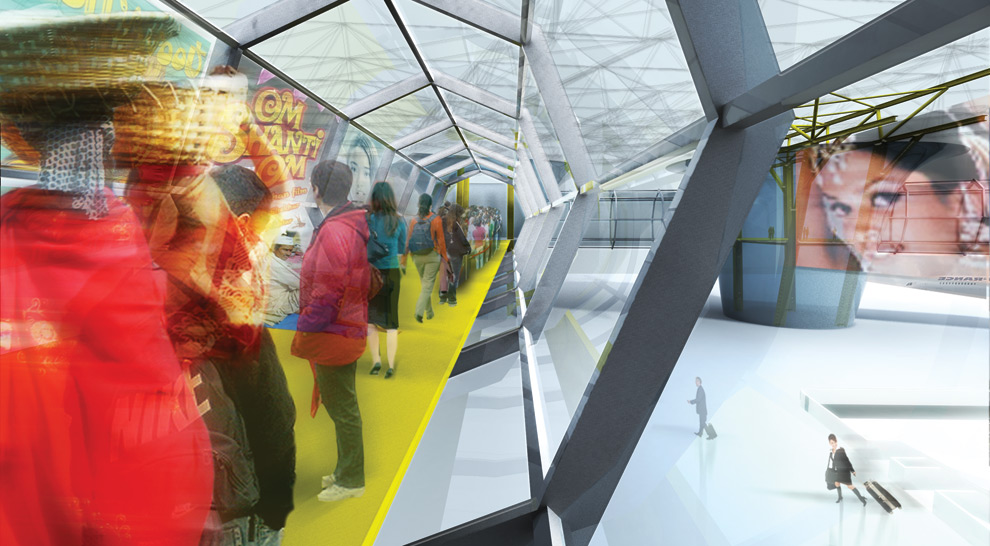
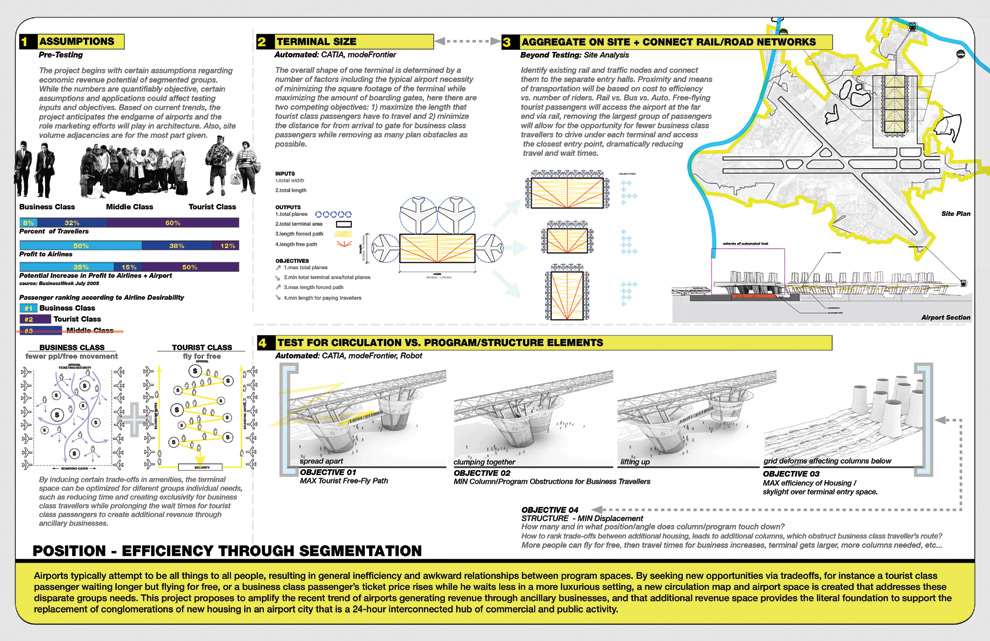
Quick Project Desciption: Airports typically attempt to be all things to all people, resulting in general inefficiency and awkward relationships between program spaces. By seeking new opportunities via trade-offs, for instance a tourist class passenger waiting longer but flying for free, or a business class passenger’s ticket price rises while he waits less in a more luxurious setting, a new circulation map and airport space is created that addresses these disparate groups needs. Optimal relationships between airlines, airport, and users are handled through parametric models and genetic algorithms.
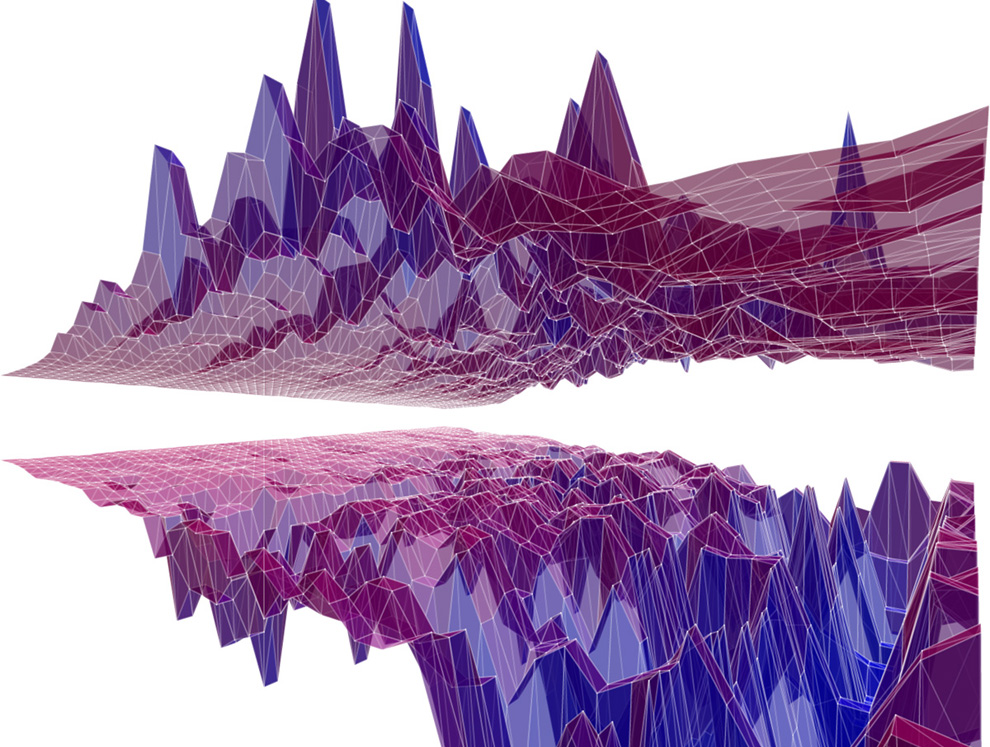
 

What is the metric for a good design? Or rather, now that parametric modelling allows us to easily create thousands of variations of a given design, how do we chose the “correct” one?


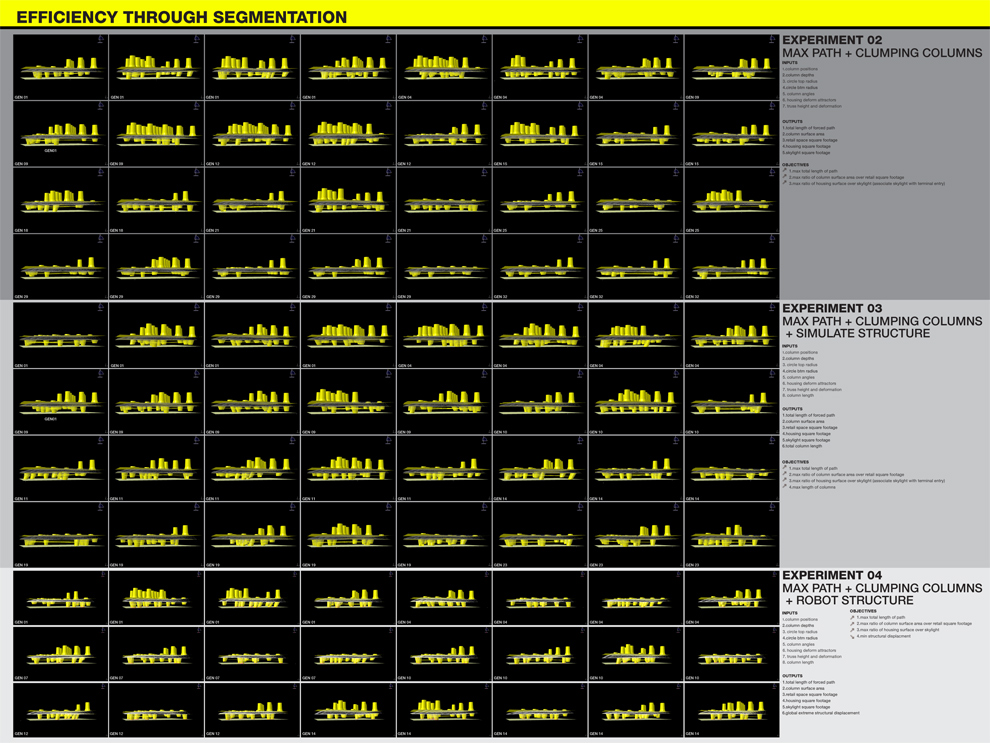
First, Creating a parametric model in catia, whose inputs are optimized through the engineering program modeFrontier with additional structural finite element analysis coming from autodesk’s newly aquired robot. The challenge became how to convert your design position, parti, whatever, into a quantifiable metric that the software can optimize for. For instance, to optimize for material efficiency, you could let the software optimize a shape for maximize volume with minimal surface area. After 3000 designs you’d have a sphere, but things can get very complex fast when you begin optimizing for competing objectives. See our complete studio blog here. Project description…
I was drawn to the metrics of passenger economy and profit. Airports typically attempt to be all things to all people, resulting in general inefficiency and awkward relationships between program spaces and passengers, especially business and tourist class. By seeking new opportunities via tradeoffs, for instance a tourist class passenger waiting longer but flying for free, or a business class passenger’s ticket price rises while creating multiple, separate dedicated entry points that allow shorter waits, a new optimized circulation map presents itself.


Each hanging element is a program + structural column connected by a circulation tube. Within the circulation tube tourist class passengers have the opportunity to fly for free, passing through each commercial program space. One objective is to maximize the length of the tube – thereby allowing more passengers to fly for free maximizing the airports ancillary profits. Another objective is to create an unobstructed space for business class passengers requiring few of the program spaces to touch the ground but rather hang, allowing business class passengers to freely pass through below. The more columns that touch the ground, the more structurally stabe the ceiling space frame becomes, allowing more housing towers above. The program mediates between these competing objectives finding high-performing, unexpected solutions and it becomes the role of the user to rank and chose designs based on desired criteria. Most housing = most columns = fewer business class travellers, etc…


airport2
locke_matrix_final


more »

Popularity: 11% [?]
2009034 Tags: architecture, fabrication, grasshopper, parametric, school, studio | 10 Comments »

we can rebuild you

model05
model01


After my final model from last summer was somehow misplaced in the trash, then the compactor where it was crushed into a little cube before being placed in a trash barge a mere 36 hours before the final review, five months later the lazy days of winter break seemed like a good time to rebuild. One of the benefits of digital fabrication is you just have to re-lasercut all the files, though there is a certain level of zen like calm in folding and gluing 300 panels. The modular panels and truss were created in grasshopper, then scripted in rhino to unroll onto sheets.


more »

Popularity: 14% [?]
2009034 Tags: architecture, grasshopper, gsapp, parametric, school, studio | 1 Comment »

summer studio

summer


Quick Project Description: In America, the most active civic space is no longer public plazas or parks, but rather a new typology­—“town centers”­—Mall/Promenade hybrids of housing, public space, and shopping. This is where people gather, and into each of these places a civic function is inserted­—political debate arenas where the viewer is no longer passive but takes an active role in the decision process, and is loudly confronted with a newfound political reality.


The project becomes a version of American Flag 2.0, something that doesn’t only wave from above in the wind, but rather demands work, a back and forth engagement between voter and candidate. The goal is that these can be sold to these town centers and through their sheer ubiquity and the rise of spectacle as a means of increasing shopping revenue, these proposals become the new American generic space.


Moving forward from midterm, I began identifying eight specific sites in the six battleground states that will have the most impact on the 2008 election. Two sites were explored further, specifically the purplest county – Franklin – in the purplest state – Ohio – located in the Columbus metroplex area. The Easton Town Center in Ohio displays a number of contradictions, home to the largest university in the country, but also numerous military contracting connections, including North American Aviation which manufactured components for the B-1 bomber in addition to missiles and guidance systems.


Each site was chosen not only for its status as a battleground state, but also as the 21st century incarnation of what constitutes public and civic space in America today, the outdoor shopping, dining, living spaces that are labeled as the new urban Town Centers, evolutions of the 1970s covered mall. If the goal is to affect and inform the greatest number of voters/shoppers, this is where the project would have to go, a placeless place lacking any form of civic engagement


more »

Popularity: 15% [?]
2009023 Tags: architecture, catia, gsapp, parametric, school | No Comments »

powercopies through excel

excel1


This was an attempt to use an excel file to control the openings of a number of powercopies in catia. There is a lot of potential in creating a hive of components that can be individually optimized through excel and modeFrontier. If I get some time, I want to come back to this.

Popularity: 7% [?]
2009022 Tags: architecture, catia, gsapp, parametric, school | No Comments »

circle packing

test01


This was an initial experiment setting up a parametric model in catia that could be tested and optimized in modeFrontier. The goal of the test was to (1) determine the shape of a base surface and (2) calculate the optimal circle radius, that would create an optimal component suface with a minimal amount of circles that maximized the total area. The results produced both a flat surface with a few large circles and a more highly deformed surface that included more tightly packed circles.

Popularity: 9% [?]
20090123 Tags: architecture, catia, gsapp, parametric, school | No Comments »

optimizing smart component geometry

component

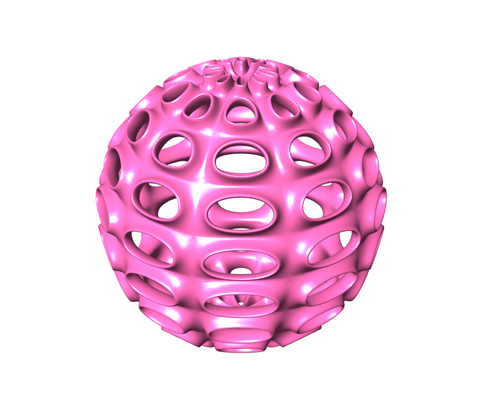
Part of the Adaptive Formulations visual studies course taught in conjunction with structural engineers from Buro Happold. We were designing parametric skin components in catia then using optimization software modeFrontier to generate a large design space of high performing designs. The size of the apertures of this system are dependent on the surface deformation of the underlying base surface, and I’m testing for a base surface with a maximum deflection that results in the largest aperture size.

more »

Popularity: 10% [?]

COPYRIGHT © 2011 \ JOHN LOCKE \ ALL RIGHTS RESERVED (RSS)

TOP OF PAGE

last update: 201102:1627