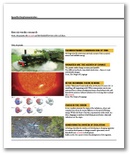
View Kinne Road Trip in a larger map
My route for the next three (four? five? – funded fellowships and the absence of steady employment allow the luxury of improvisation) weeks. The overall, zoomed-out, google-eye view of the trip revolves around research through observation of structures, installations, natural landforms, urban growths, manipulated landforms, etc. constructed in the great blank slate of the Southwest desert. A place where time stretches from Planck’s constant – used to record the chain reactions that produce an Atomic detonation – up to Robert Smithson brushing up against the infinite on the Great Salt Flats. All of which is tested and implemented under the powerful spell of the Western landscape – a strange entity mixed in with notions of nation and empire, with bravery and myth, history and ficition. That’s what makes it interesting, and that’s what I want to check out.
The format is the road-trip. The ambling, somewhat desultory first-hand narration of a nomadic journey across the desert’s offensively vast spaces, situated between fragmented vignettes of activity. A goal of the research will be to attempt to resolve the disparate nature of the desert’s strange, isolated events into a cohesive, related narrative. I’ll be posting updates along the way (as free desert wi-fi allows) and a longer, more thorough paper after the conclusion (hopefully).
Some highlights will include:
Smithson’s Spiral Jetty // The Nevada Nuclear Testing Site // Maquiladora Settlements in Juarez // White Sands Missile Museum // Death Valley // Donald Judd’s Marfa Installations // Mexico City // BioSphere 2 // Heizer’s Double Negative // Canyonlands National Park // Informal urban growth along the U.S./MEX border // foreclosed ghost towns in the Phoenix suburbs
view the original proposal Fast, Cheap, and Out of Control (Without Architects) or: Why Infrastructure Won’t Save Us
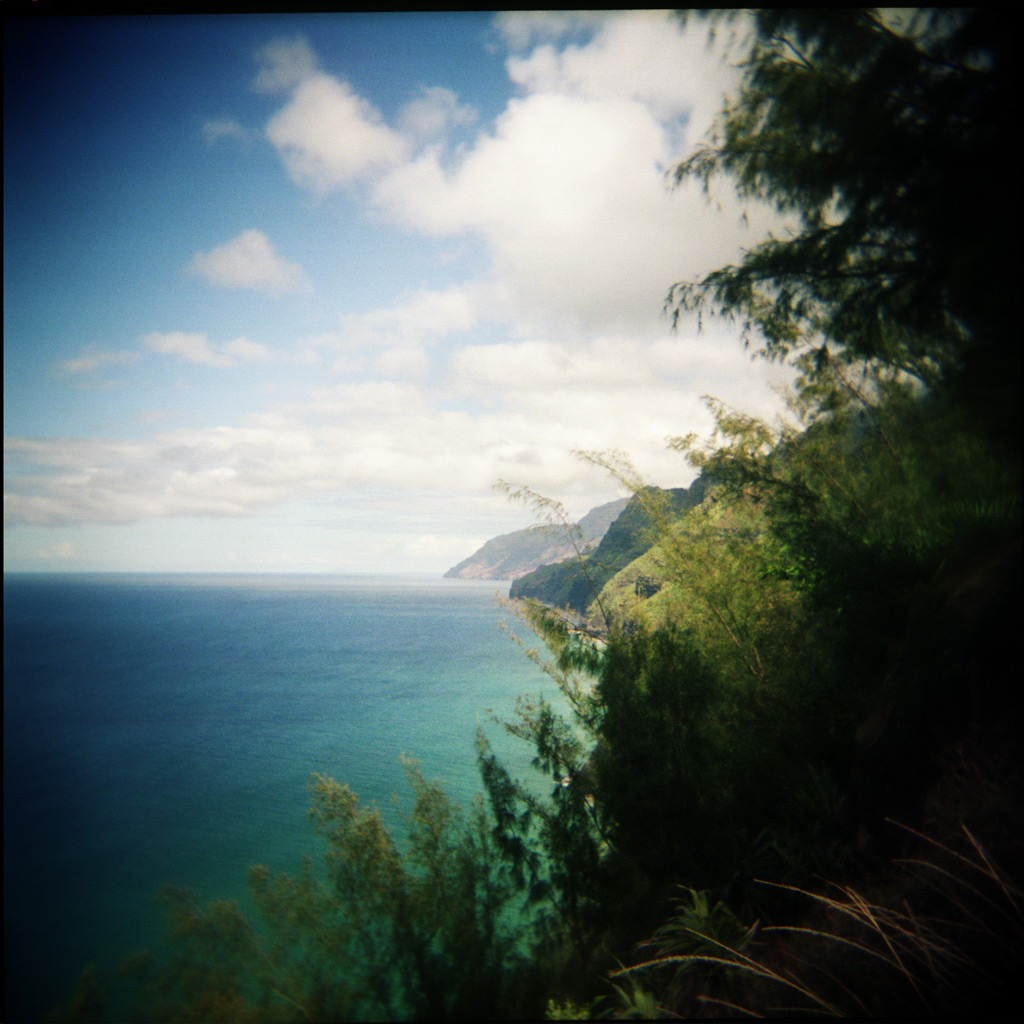
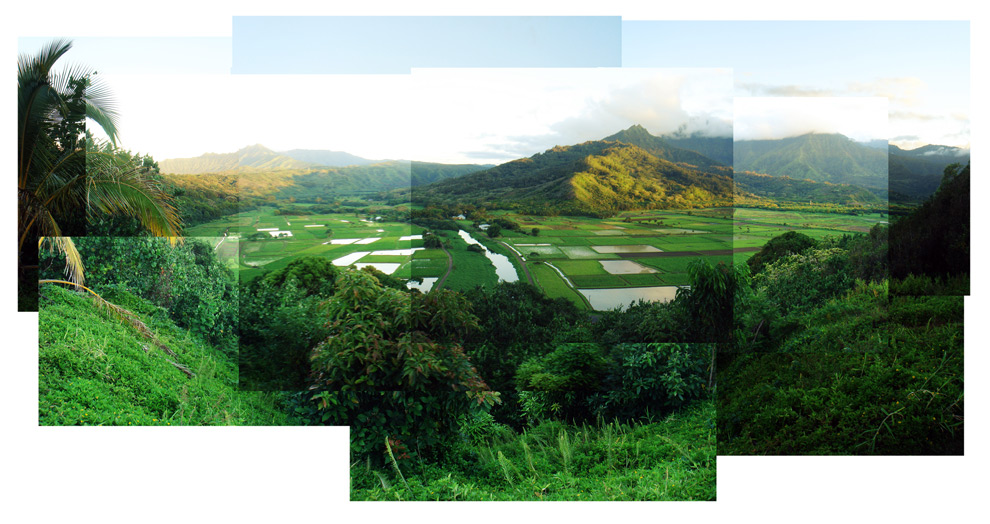
Jackie and I have a thing for islands, even when they are as disparate as home and hawaii.
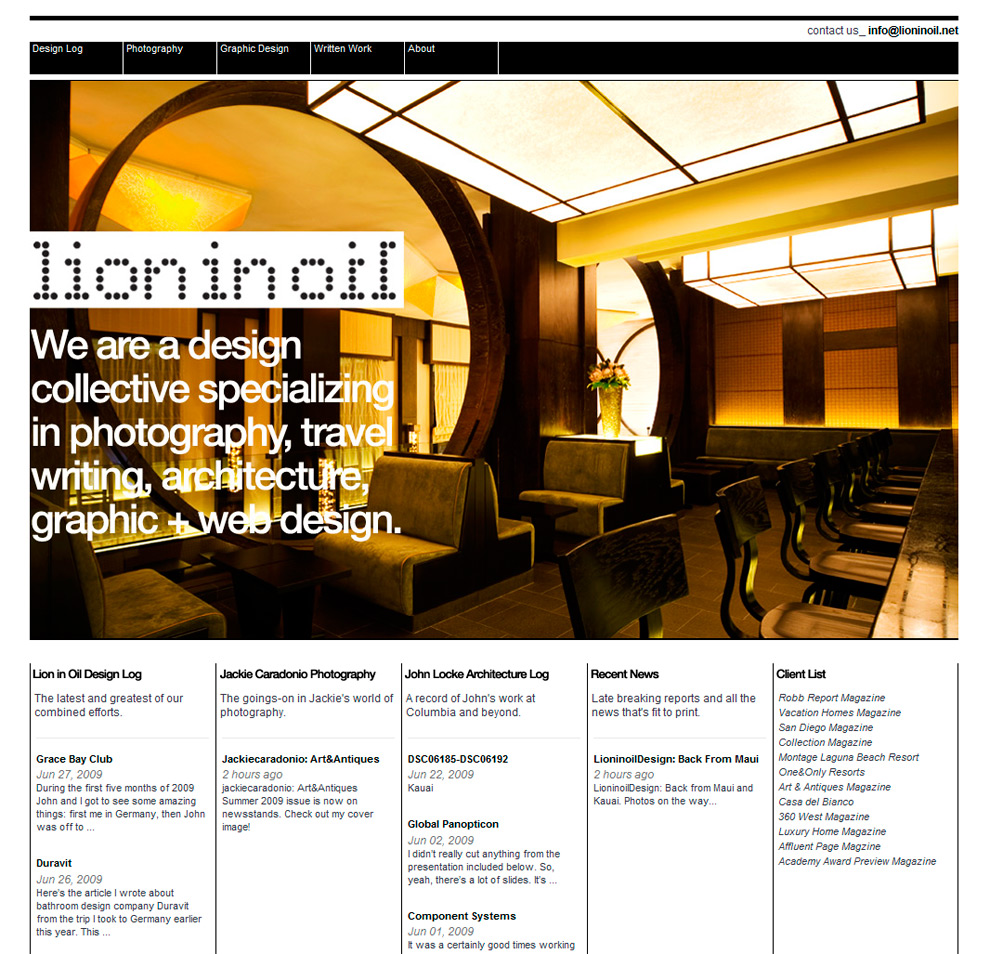
A long time in the development stage, we’ve redesigned the home page for Lion in Oil away from the previous static splash page into a more dynamic, central station that pulls in information from all of our various websites. Using the jquery Google Feed Plugin we can grab the rss feeds from this site, the Lioninoil blog, Jackie’s photography portfolio site, and multiple twitter feeds into one central page that gives a simple overview of everything we’re working on at the moment. With the large header image and brief – but large – description, the site should now quickly give an overview of our work and interests.
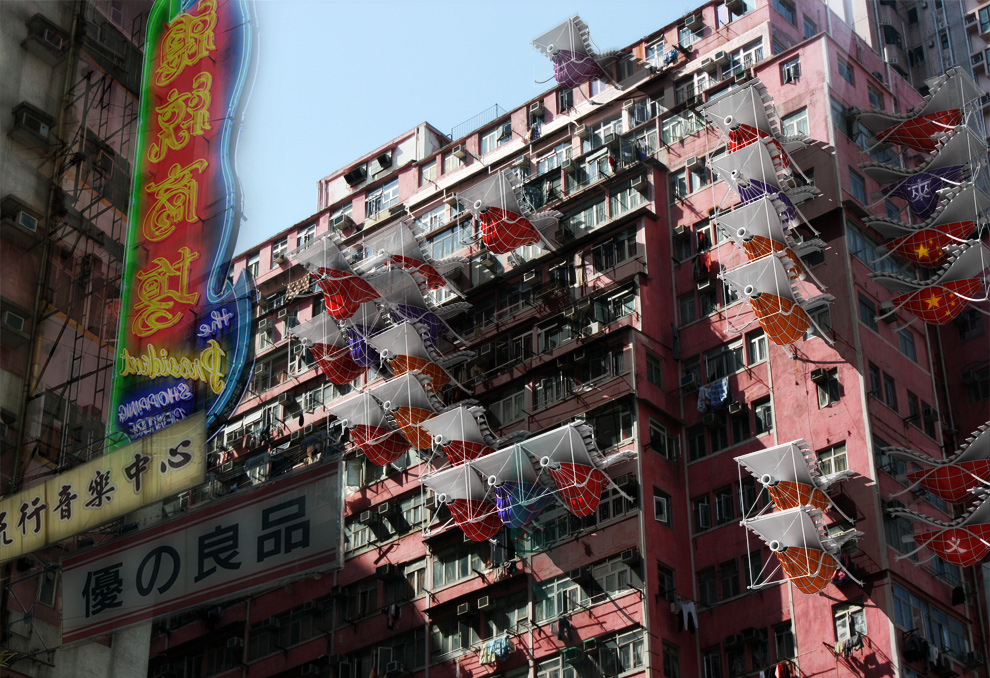
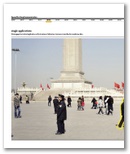
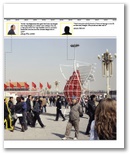
I didn’t really cut anything from the presentation included below. So, yeah, there’s a lot of slides. It’s (almost) the entire final presentation. I left it pretty much intact because not only 1) I can never edit my own work, but 2) the project is conceived more as a sci-fi narrative of Beijing and it will hopefully make more sense if read in complete order. And you can always just scroll way down to the end for some sweet images. This was for Ed Keller’s SpeedTerritoryCommunication studio, Spring 2009.
quick project description:
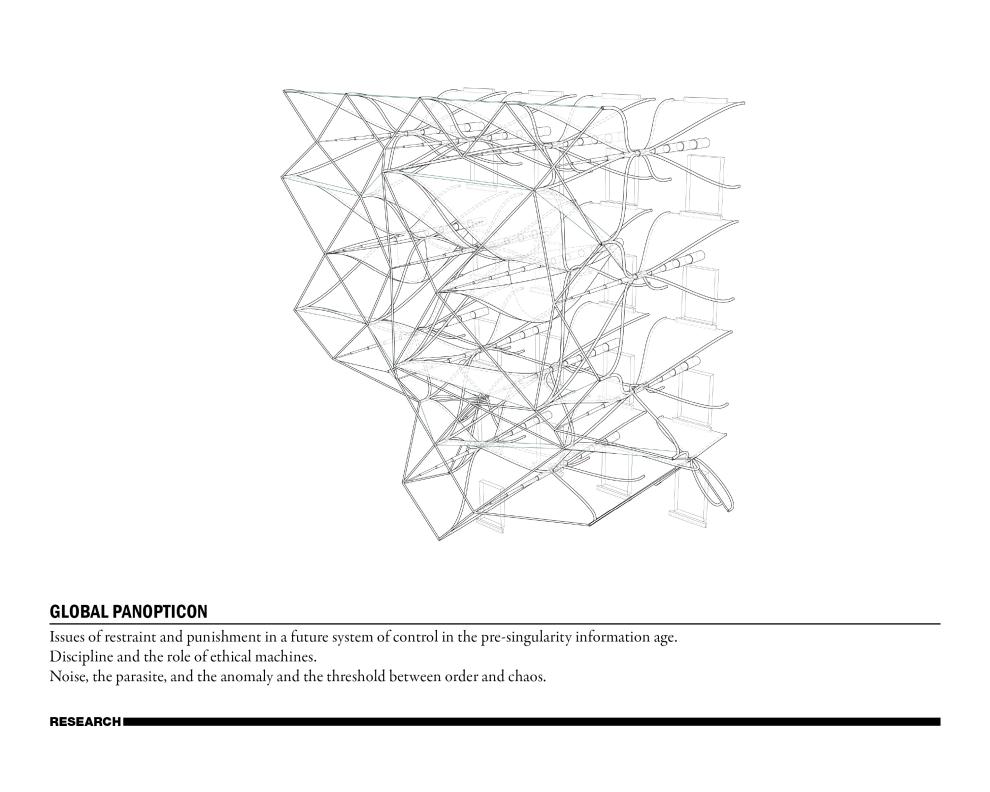
Architecture is a system of control predicated on limitations. This project is a study of the existing control systems in Beijing and a projection of how architecture and technology will merge to change not only prisons, but also the urban environment, the social stratification of society. Also addressed are what confinement and freedom will mean in relation to our relationship with how we build our world.
more »
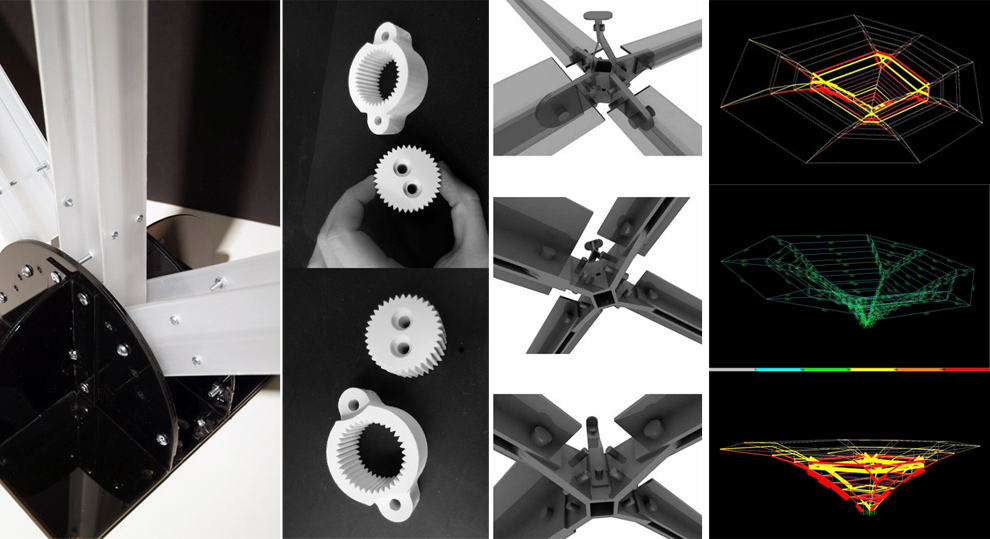
It was a certainly good times working with Professor Joe Vidich as teaching assistant for the courses Intro to Digital Fabrication and Advanced Fabrication: Component Systems. In component systems we only had five students, and they were pushed really hard, but there was some great work. I appreciated the sensibility that yes, we would make some cool stuff with the machines, but we also would test it for performance using structural engineering analysis, and explore material properties using Solidworks parametric models. It was an ambitious agenda for a short course, and the waterjet was un-operational pretty much the whole time, but the students came through with some sweet projects using the laser cut plexi and the heat bender, the metal mill as well as the 3d printer. Visit the class blog here.
Student work above from left: HoKyung Lee, JiYoon Oh, Kiseok Oh, Dave Kwon and Christo Logan
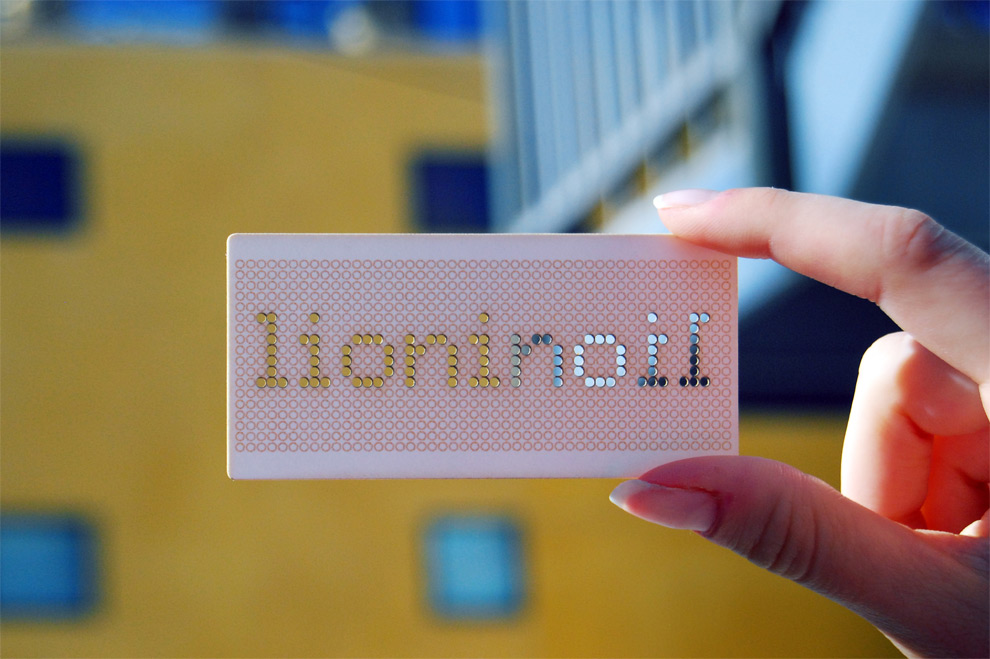
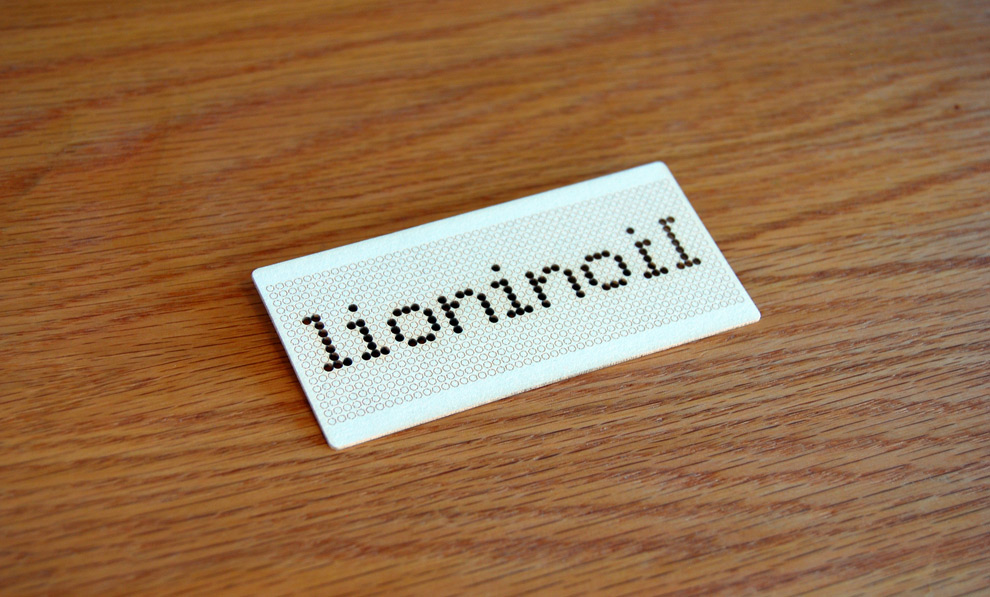
Our lion in oil business card was chosen for submission in the Japanese Publication “World’s Business Card Collection.” Look for it in September 2009. Also, the wonderful Jackie was both co-designer and gracious hand model.
The card is made of laser cut museum board, with hand rubbed text via acetone transfer on the back, to give it that nice industrial as well as handmade quality.
more »
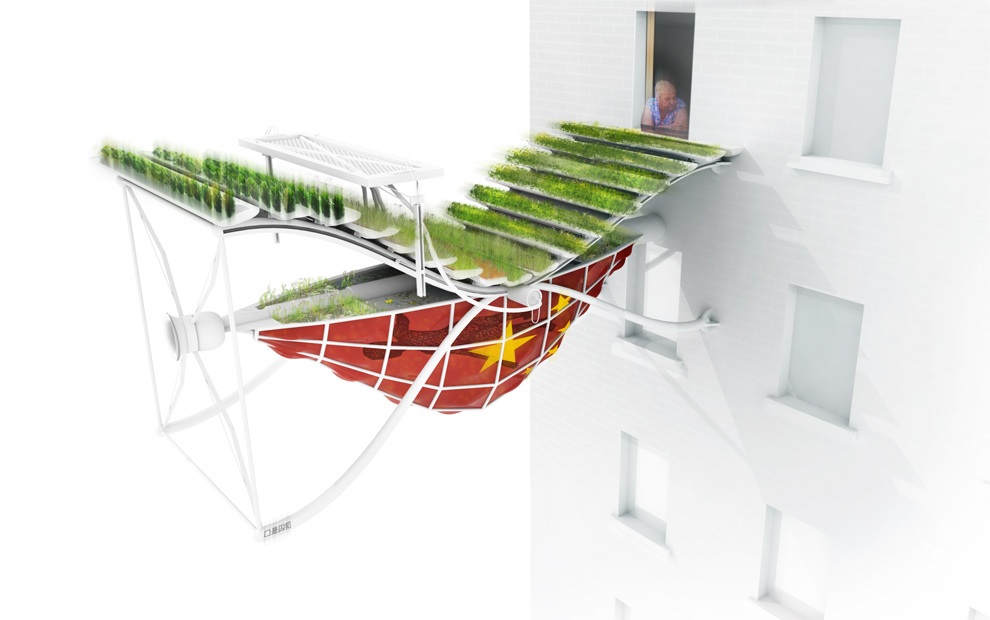
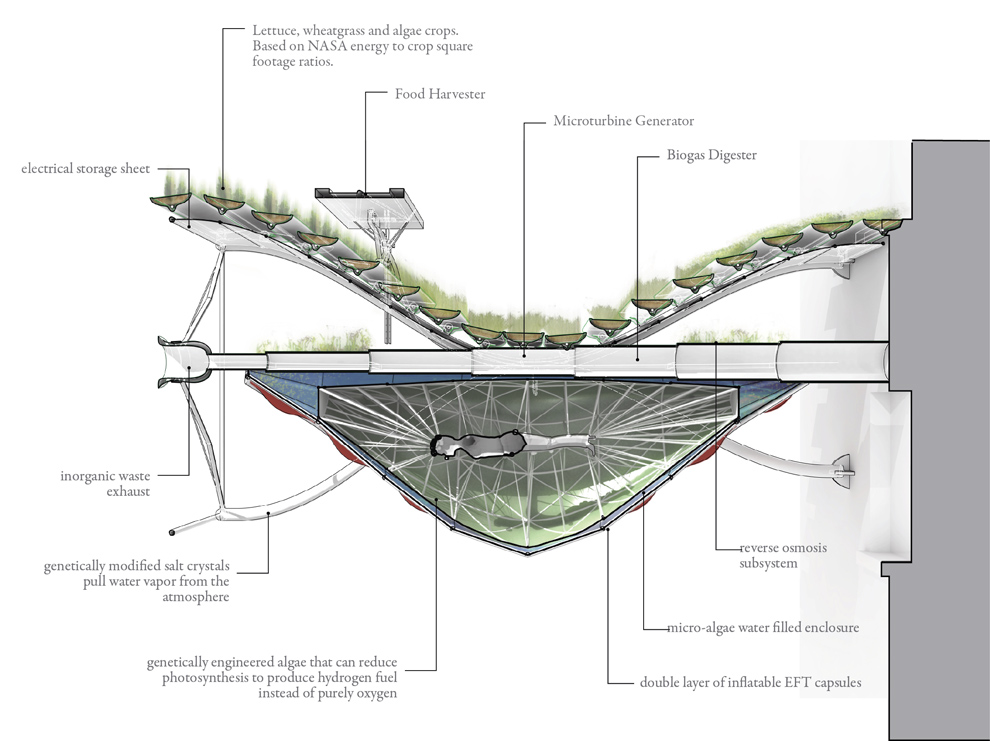
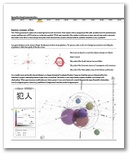
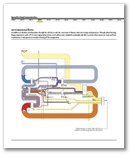
Detail from my final studio presentation of one symbiotic cell. See also a sankey diagram of the flows of energy through this system here.
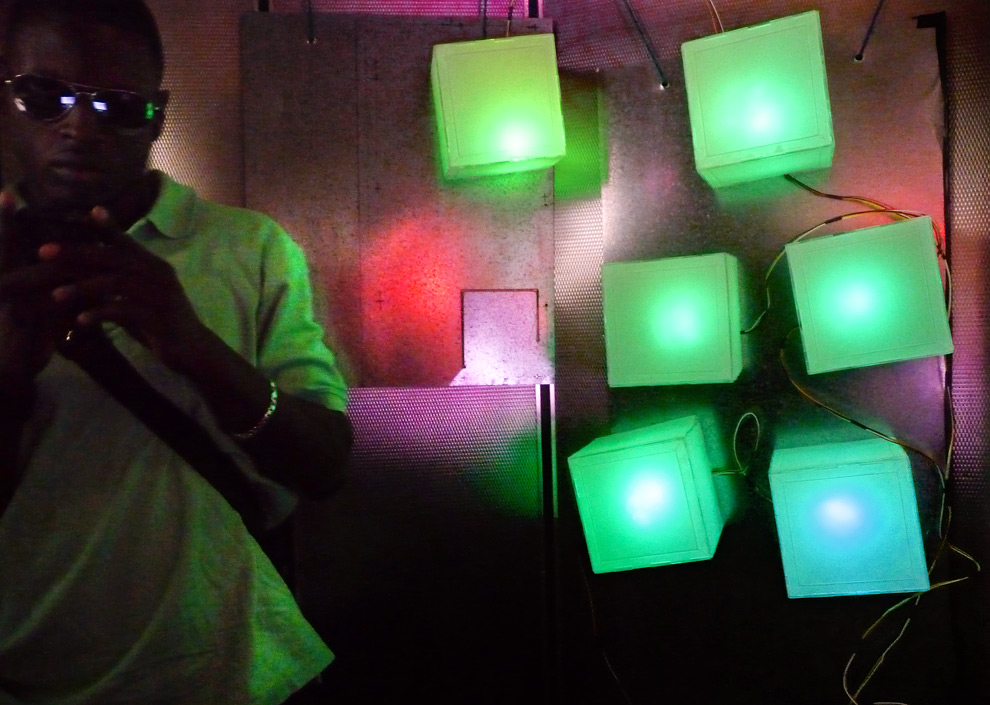
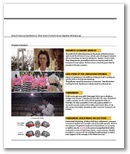
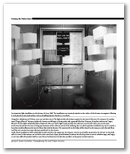
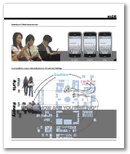
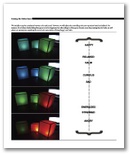
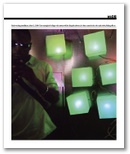
For our living architecture course, we created an interactive light installation in the elevator of Avery Hall, controllable by anyone with a cell phone and a twitter account. The simplified process includes texting an emotion to twitter from any cellular phone using the #livarch hashtag. That tweet is then picked up by a realtime search, fed through our twitterfeed rss, then added to our own twitter account. For a more detailed explanation, see this previous post on getting multiple twitter users onto one twitter feed. That emotion is then directed to our pachube feed and sent through processing to an arduino microcontroller that controls the color and pulsing of the individual leds. The installation non-invasively attaches to the surface of the elevator via magnets. Allowing it to be placed on any metal surface, such as a building exterior, furniture, or a vehicle.
The lights within the elevator respond to the mood of the user. For instance, if a student texted “happy #livarch” the space within the elevator would begin to slowly pulse with a greenish/blue hue. However, if another student sent “angry #livarch” the first light will quickly flash a bright red. There are twelve lights total and show the collective mood of the twelve most recent users.
In this way, the elevator becomes a living representation of the collective mood of the building, but it is also hoped that a feedback loop can be created, a loop that actually influences the mood of those that ride the elevator. The emotion felt in the lobby will be altered by the time you reach the sixth floor. And that new emotion becomes what gets texted back to the elevator.
Lastly, future installations will be physically located away from the target user. For instance, Avery’s mood will be projected to the elevator in Uris Hall and vice versa. In this manner, we can both create a new form of pen-pal with distant locations, but also hope that our mood, whether angry, sad, happy or nervous, will both manifest itself in a new form of architecture, but also have an effect on the greater world around us.
The project team also included Talya Jacobs and Guanghong Ou.
See more for video and code:

more »
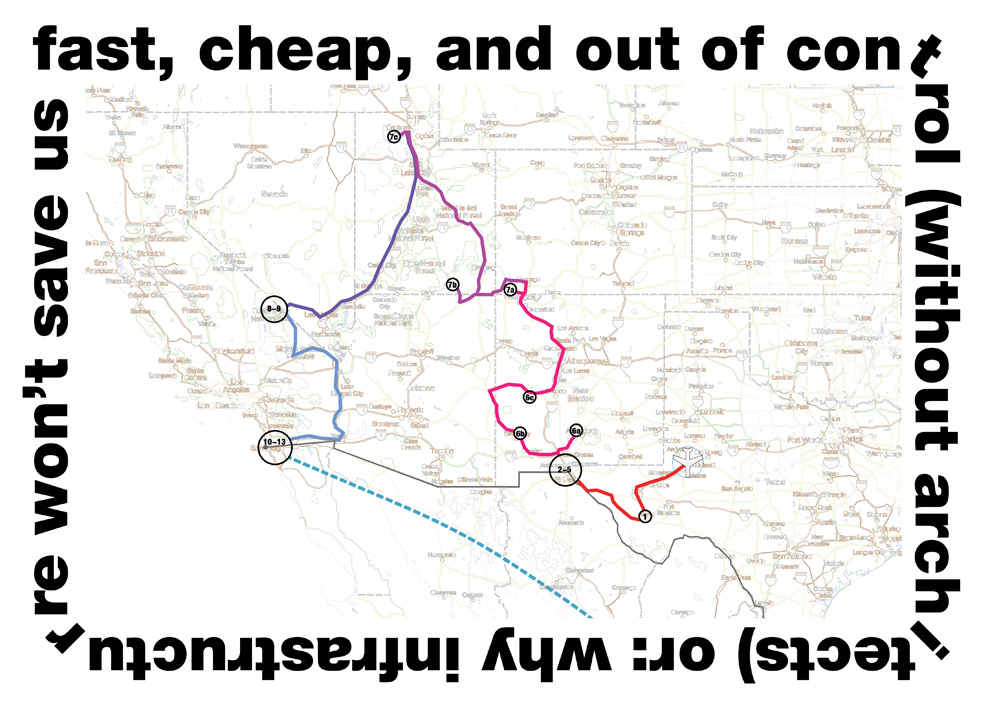
My proposal for a post-graduate Kinne travelling fellowship was accepted. Not only does it further delay the inevitable job search, but it affords me the means to visit what I consider to be some of the most interesting territory in the world – the American Southwest and the US-Mexico Border area. It’s an area I’m familiar with having lived in California and Texas, with frequent detours into Mexico, but it’ll feel good to re-visit with a more critical eye. Dean Wigley also seemed to particularly relish reading the title at graduation, giving extra emphasis to “won’t.” Download the entire pdf proposal here. See Abstract below:
The bureaucratic, welfare-state housing policy approaches from the mid-twentieth century have unquestionably failed, but what comes next? The urbanization of the developing world has lent this question a desperate sense of urgency, and while central planners slowly test solutions, it is squatters—lacking developer or nation-state support—who have created a living laboratory of multiple failures and successes. Where the experiments become truly interesting is along the nearly 2,000-mile-length border of Mexico and the United States—the most asymmetrical border in the world. A nomadic, aterritorial space that is neither American nor Mexican, symbiotic in nature, and, while arbitrarily physically split, maintains a cultural porosity. Here is where the aspirations of a whole class of people wash up against an increasingly inward-looking first world barrier. What are the delicate political systems of control that allow this ecosystem to experience unparalleled growth? How does the built environment respond to these systems? What hidden systems can be extracted from a firsthand look at vast informal settlements, which in turn provide a framework for precise applications in architecture, technology and urbanism? Most importantly, this proposal is not merely about the collection of research data, but rather the formulation of a constructed argument regarding alternative future potentials of the built environment based on uncovered models existing within the border region.
The research will be completed through three mutually supportive phases. The first involves an intensive, first-hand documentation of the urban development in the two largest transnational border areas in the Western Hemisphere: El Paso/Juarez and San Diego/Tijuana. The research will be supported by an investigative journalist, a political science professor and the Juarez Department of Urban Planning. Secondly, a self-guided road trip will be taken through the southwestern desert to document historically how, without architects, ecologically sustainable structures have survived through the ages. This notion will be further developed by exploring responses ranging from artists Donald Judd and Robert Smithson to the self-sustaining Anasazi cliff dwellings at Mesa Verde and the U.S. missile testing ground at White Sands, New Mexico. Lastly, guided by a local Mexico City Architect, I will explore the “Tijuana-ification” of Latin America, with a study of the successes and failures of implementing an informal urban growth model, free of infrastructural support, into a metro area of 22 million people.
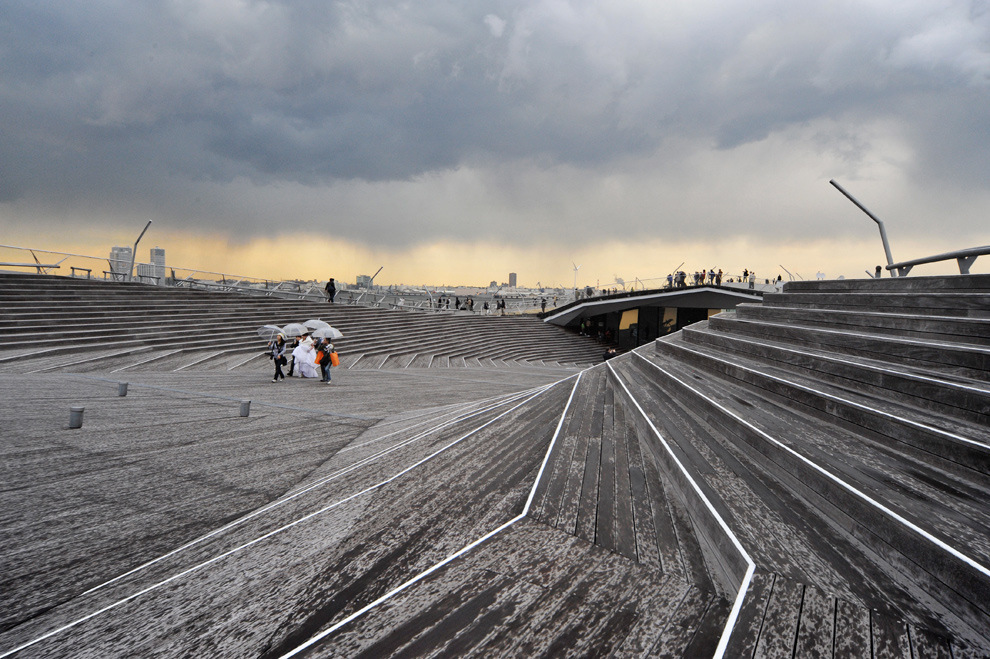
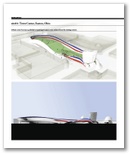
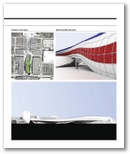
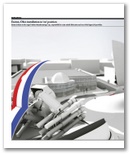
I added pictures from my time at Foreign Office Architect’s Yokohama Terminal to the photography section of the site. Next up, compiling all the images from Beijing.
more »
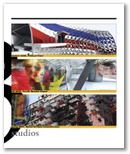
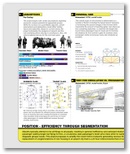
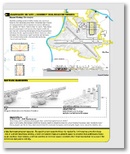
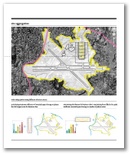
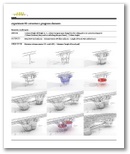
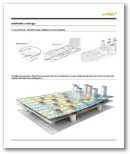
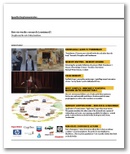
Final portfolio from my time at Columbia University’s GSAPP. “Arguments” seemed like an apropos title after the discussion provoked during my final final review. And, yeah, I always default to that yellow.



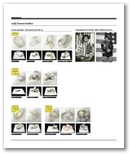
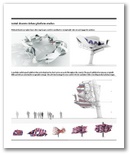
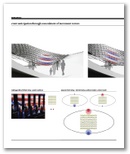
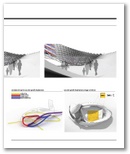
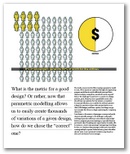
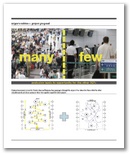
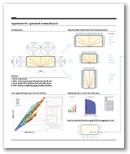
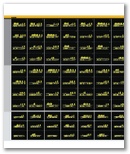
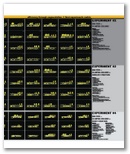
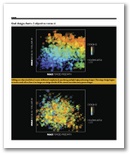
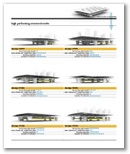
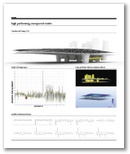
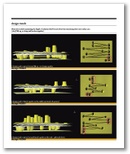
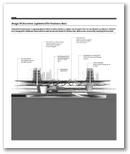
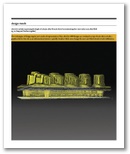
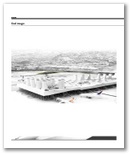
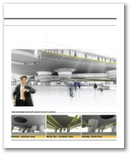
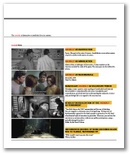
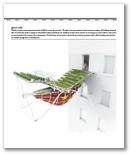
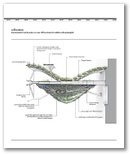
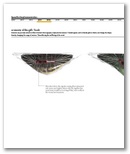
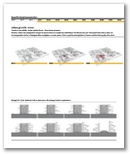
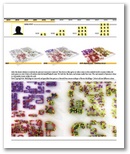
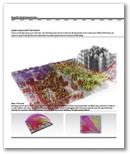
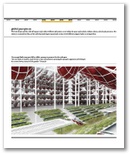
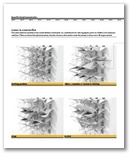
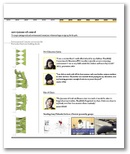


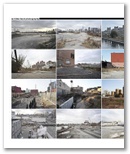
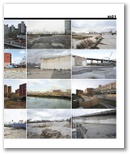
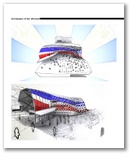
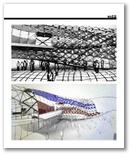
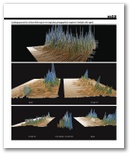
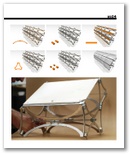
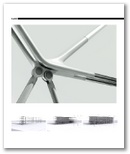
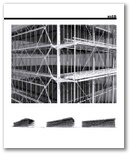
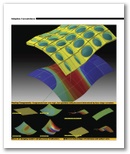
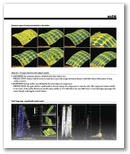
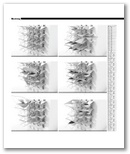
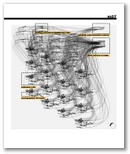


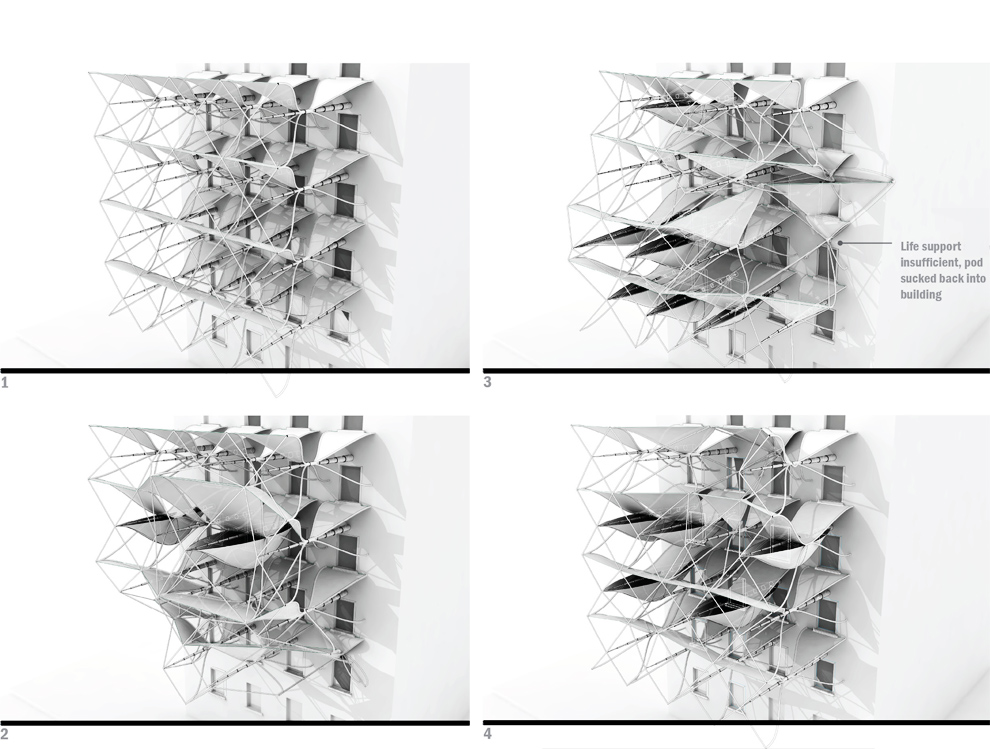
This was my final project for David Fano’s (of DesignReform.net fame) Meshing Course. It was an intense introduction to using Grasshopper with Rhino. My goal was too make a parametric array of cells, where each cell could be controlled individually, but changing one would affect all other neighboring cells in the system. Creating this type of recursive system led to a giant 18mb Grasshopper file, but the logic of the node-based layout made it surprisingly simple if you break it down into steps. See more for Vimeo Vids:
more »
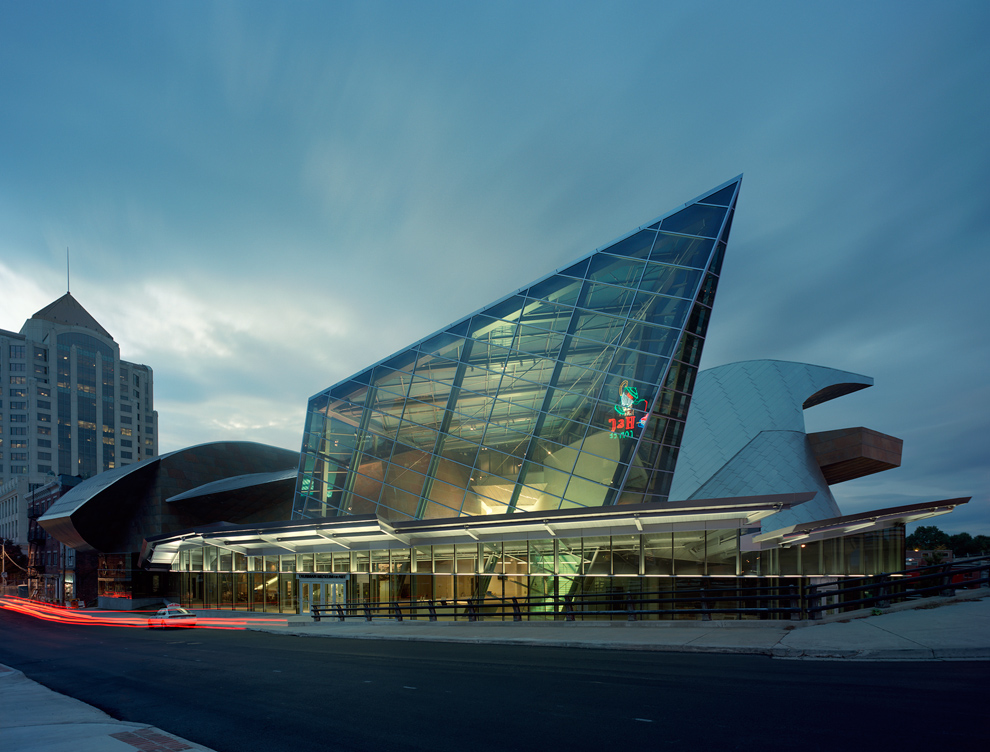
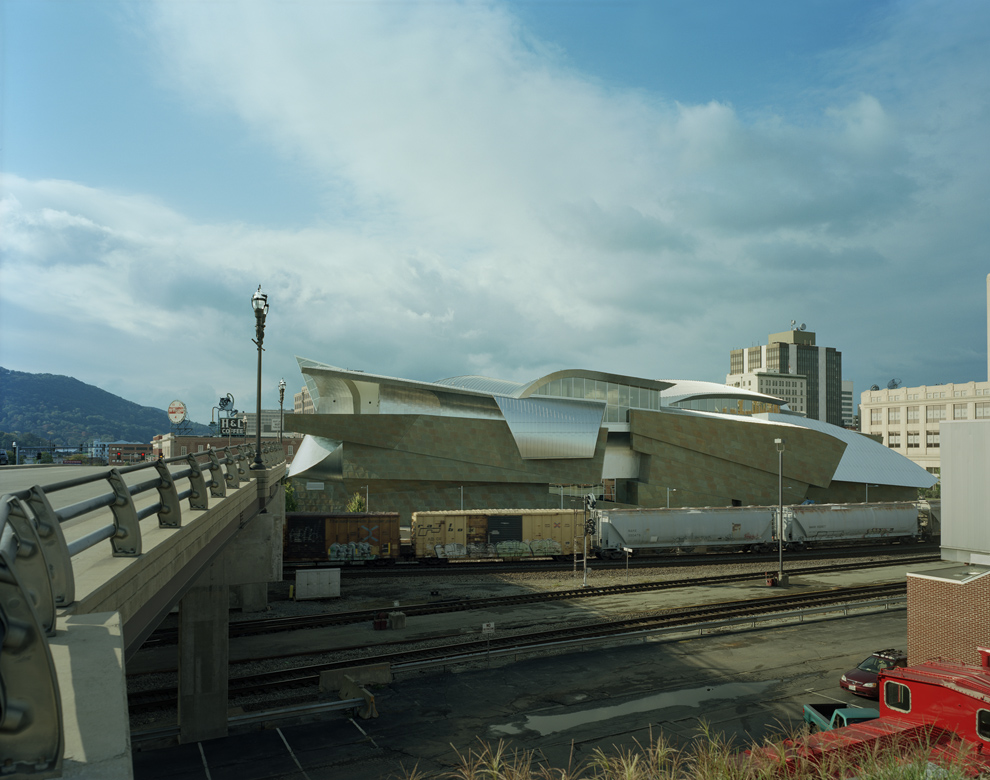
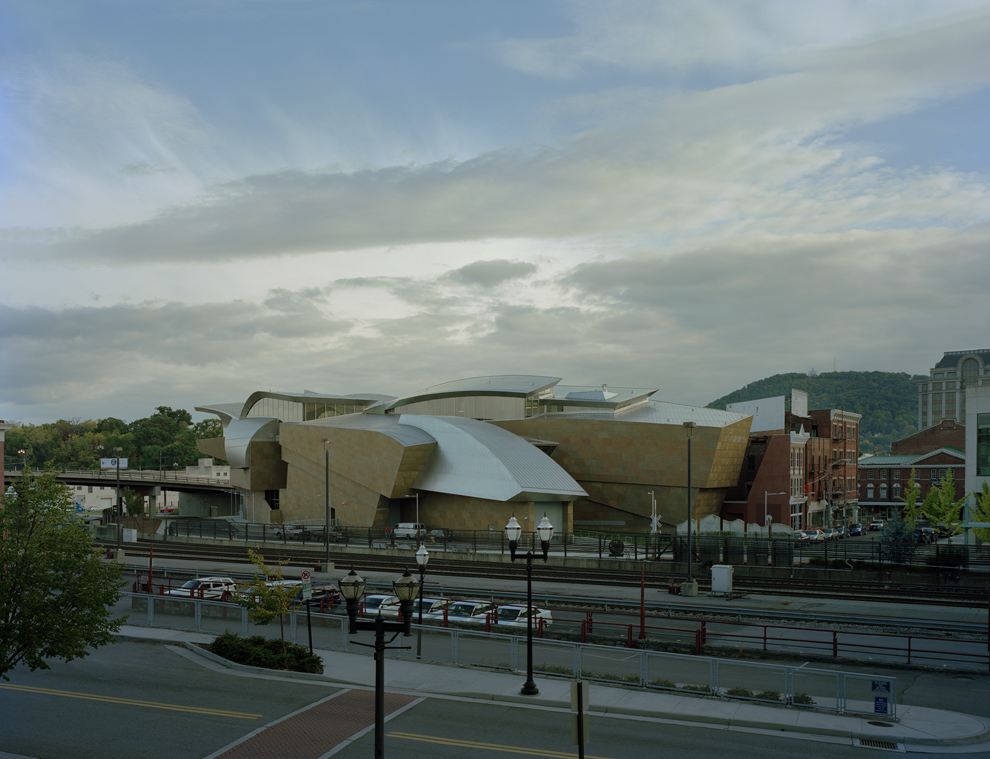
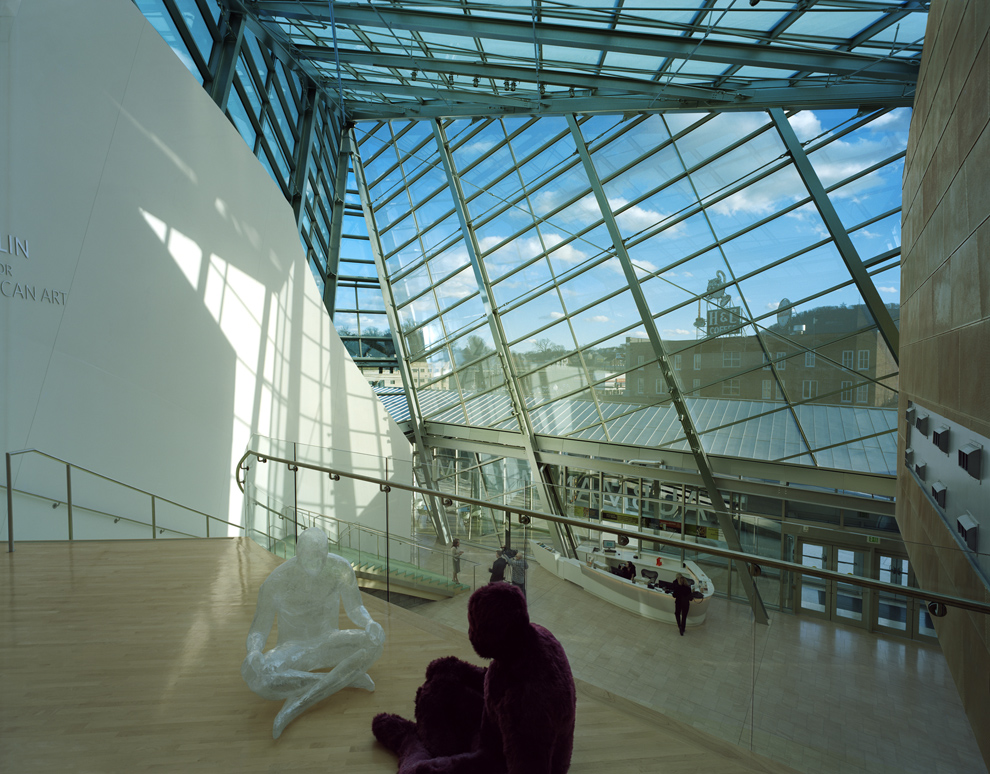
All Images Copyright: Timothy Hursley.
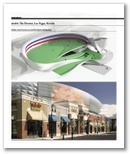
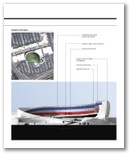
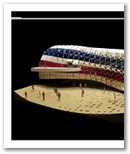
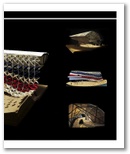
I spent my first year out of school working on this project back when it was a six foot long paper and wood model sitting in the middle of the office, and we were diligently translating it into a rhino model. I’m happy to see it turned out beautifully, Randall and the team did a great job. See more about the project at arcspace, here.

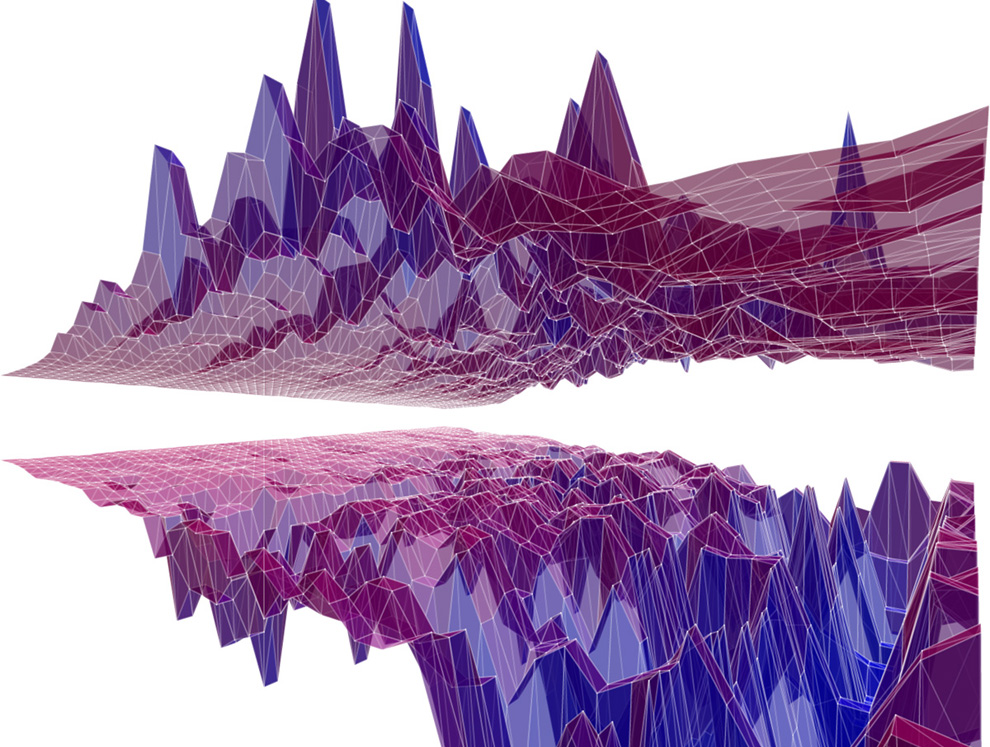
Mark Collins & Toru Hasegawa, the masterminds behind Proxyarch, and instructors of the course Search: Advanced Algorithmic Design at Columbia, ‘remixed’ the audio waveform code into something much more smooth and elegant. They’re awesome, and there were a lot of super interesting projects from the course which can all be viewed in the video here.