JOHN LOCKE, ARCHITECT

  • Featured Work
  • Design Blog           
  • Photography
  • Graphic Design
  • Dept of Urban Betterment

About

Hello. I live in New York and work at The Living. I hold a graduate degree from Columbia University's GSAPP and an undergraduate architecture degree from the University of Texas at Austin. I have more than seven years of professional experience at noted architecture firms, including New York-based Rogers Marvel Architects and SOM. I also tackle freelance graphic and photography work with my partner in crime, the multi-talented Jackie Caradonio at Lion in Oil. In addition, I teach a course, Hacking the Urban Experience, at Columbia. View my CV here: CV(html). Thanks and have a nice day.

Contact

john.h.locke{at}gmail.com
310.735.3333

Architecture Portfolios

Portfolio 2002-2007 (issuu)
Portfolio 2008-2009 (issuu)

20140428 Tags: competition, fabrication, graphic design, interaction, new york, urban | No Comments »

Muybridge + Kelly

overall
Final painted barrier
final01
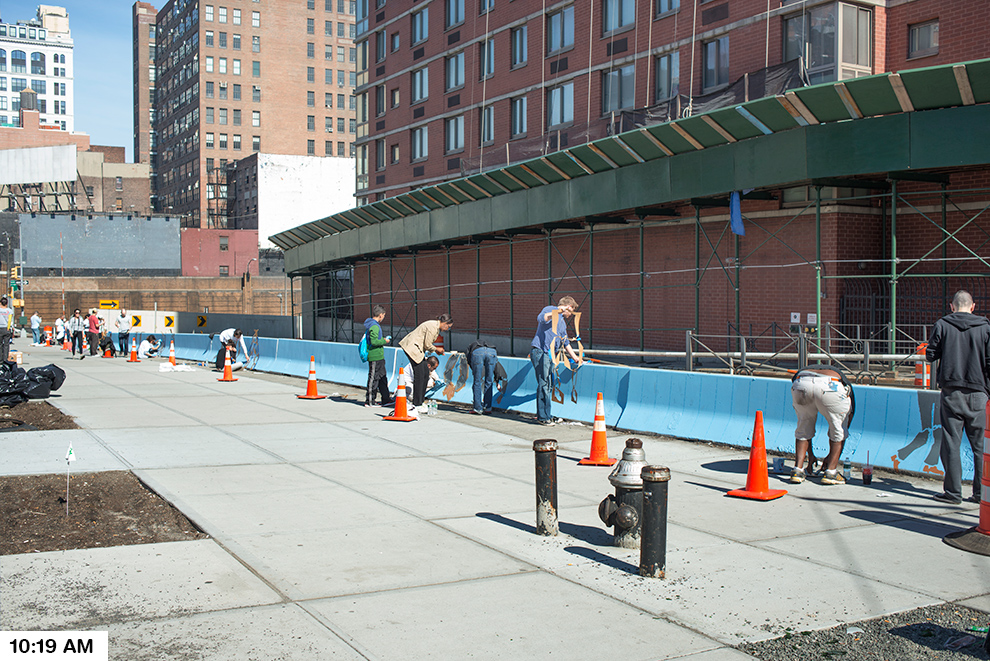
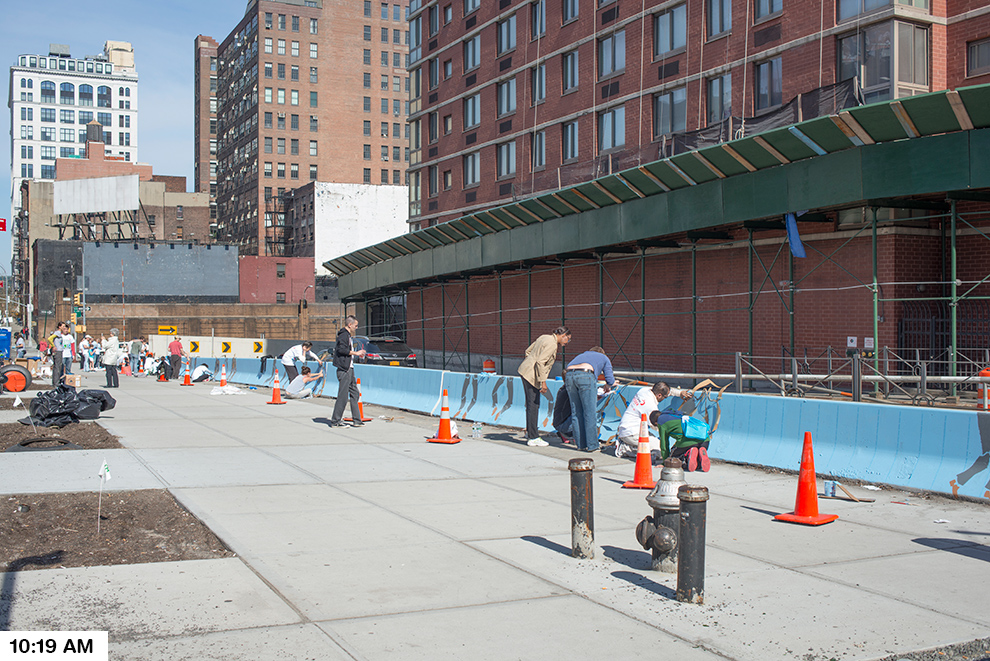
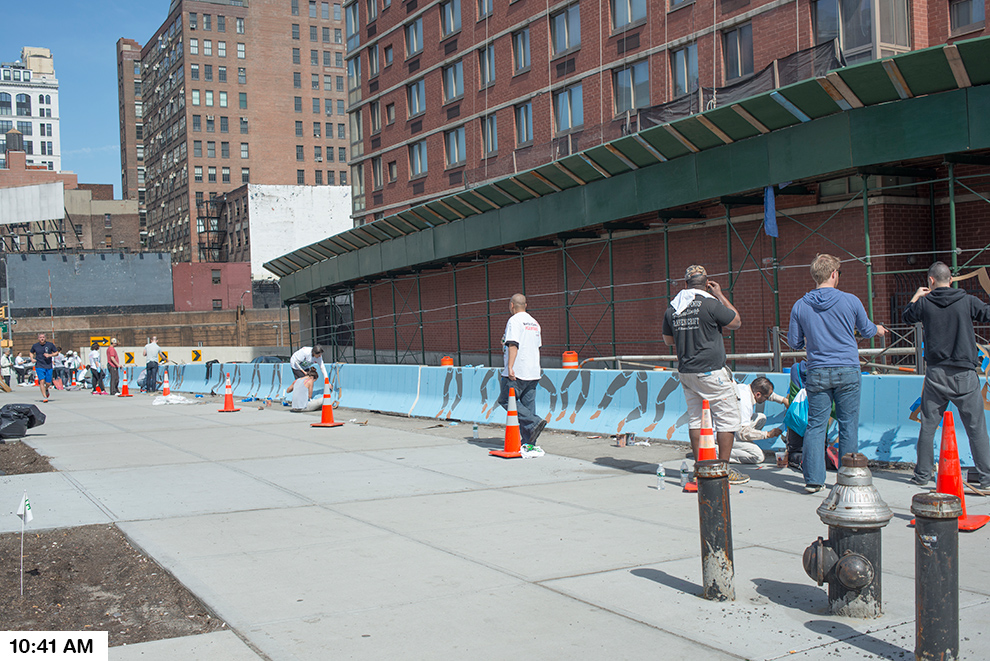
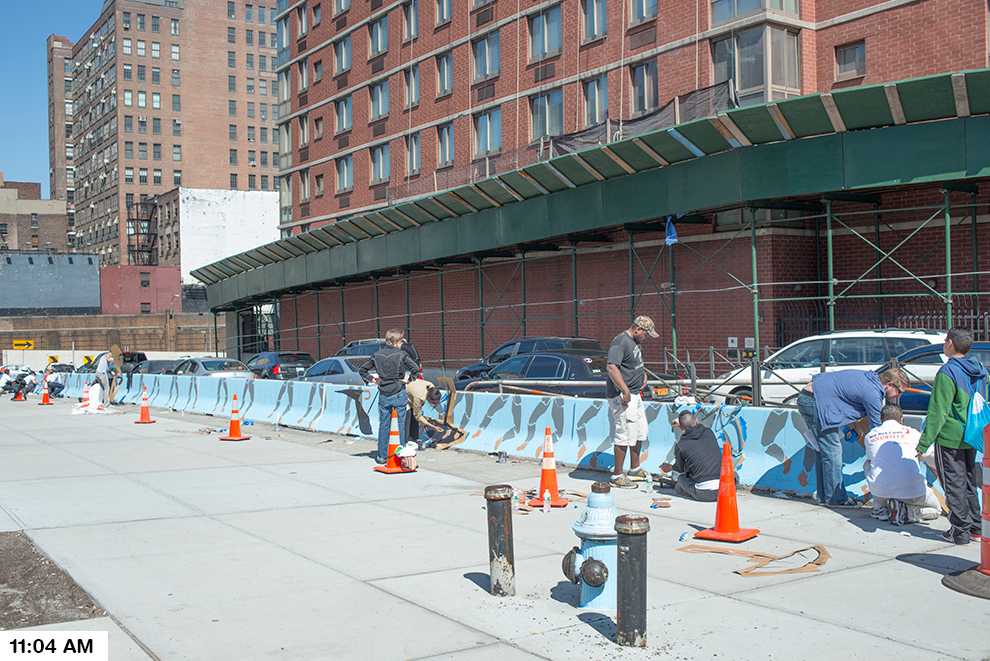
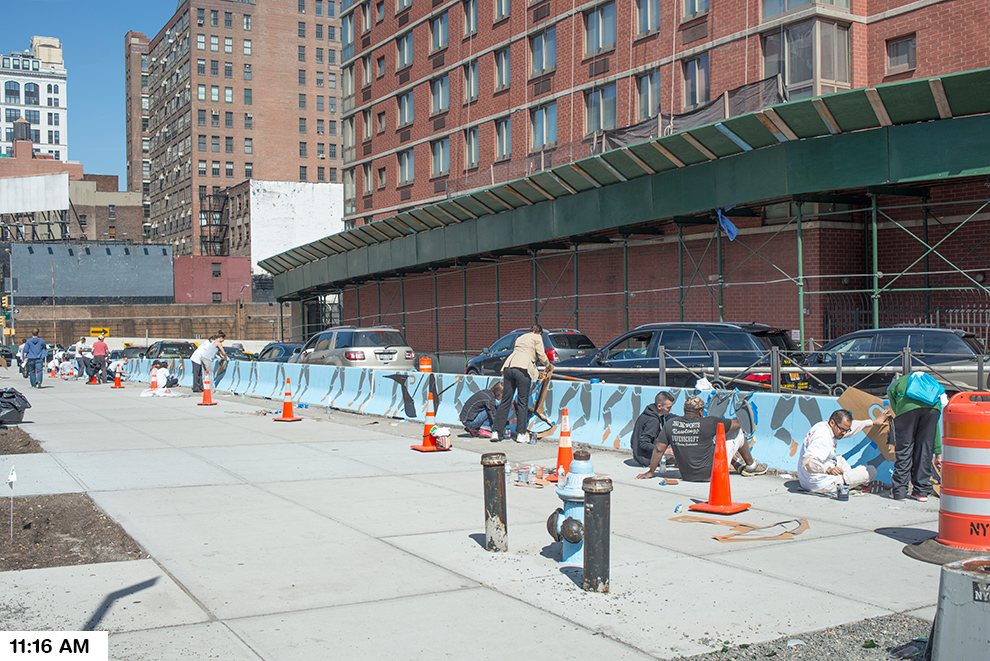
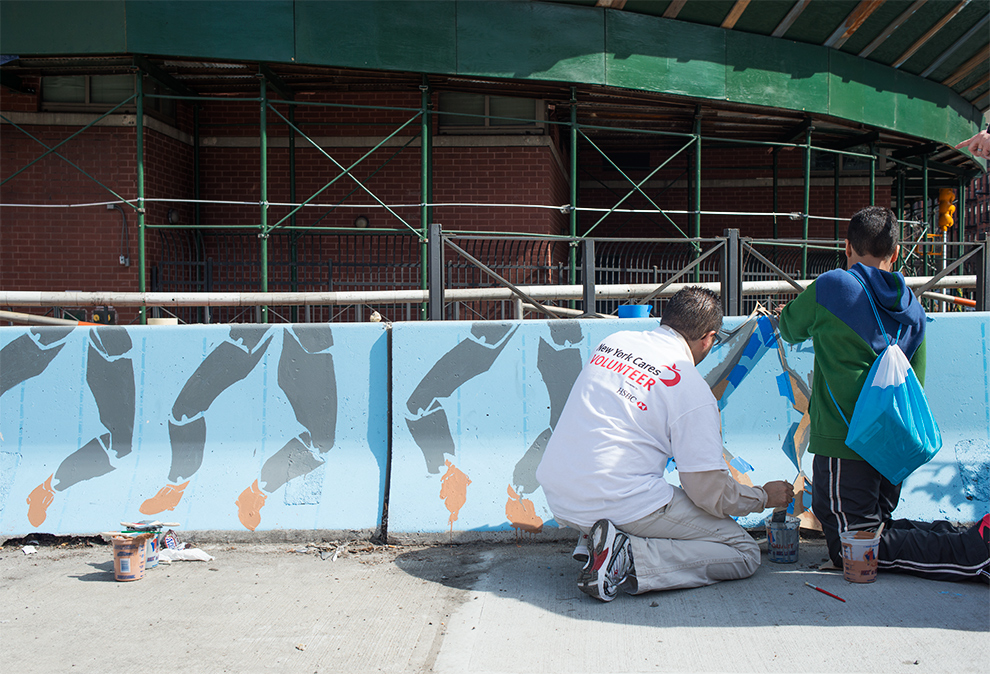
NYCares Volunteers paint the barrier
install

stencil-design
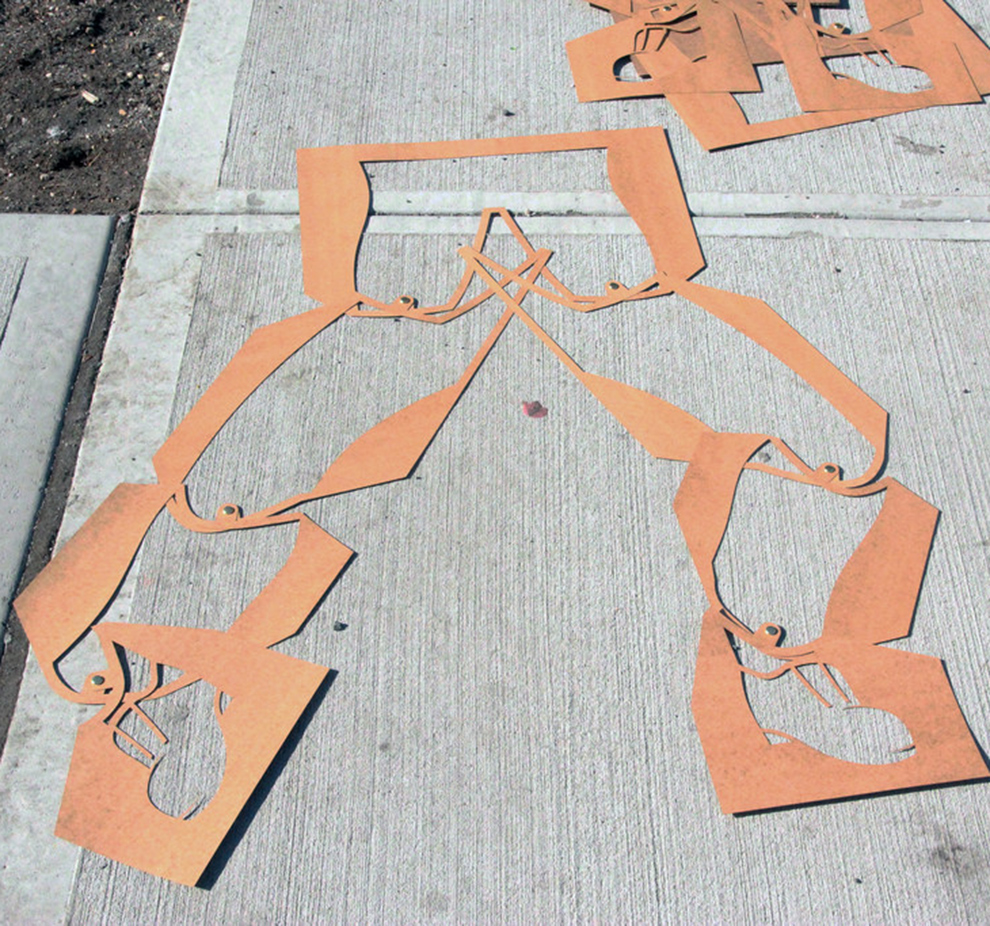
Stencils with movable joints
stencil-design-03

Barrier made of (10) 20′ long modules
SECTION-01-rev

SECTION-02-rev

SECTION-03-rev

SECTION-04-rev

Stencils laser cut out of oil board with rotating brass pin joints
stencil01stencil02
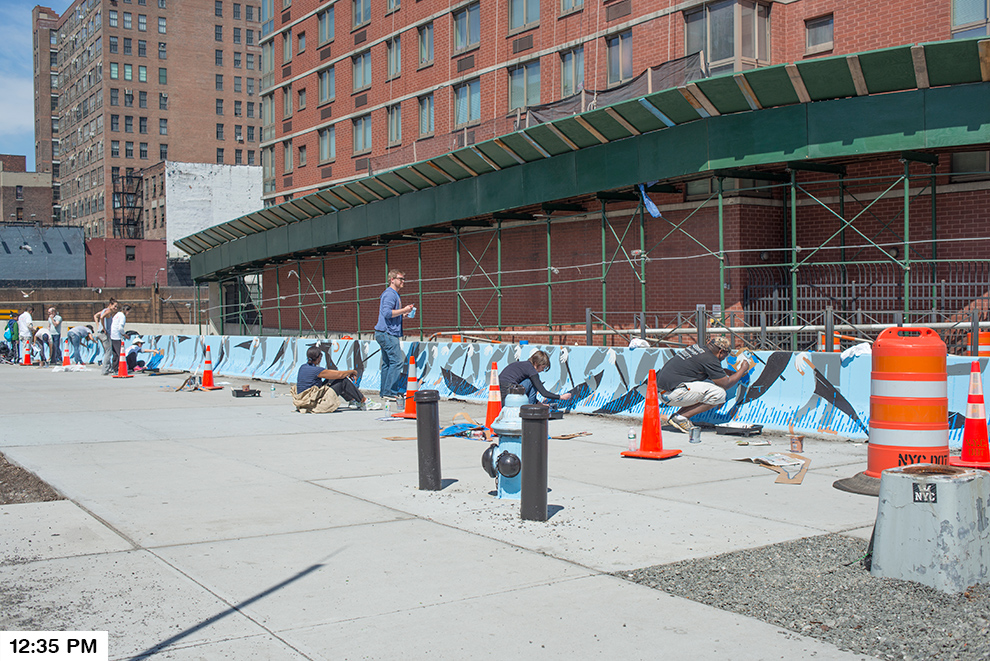
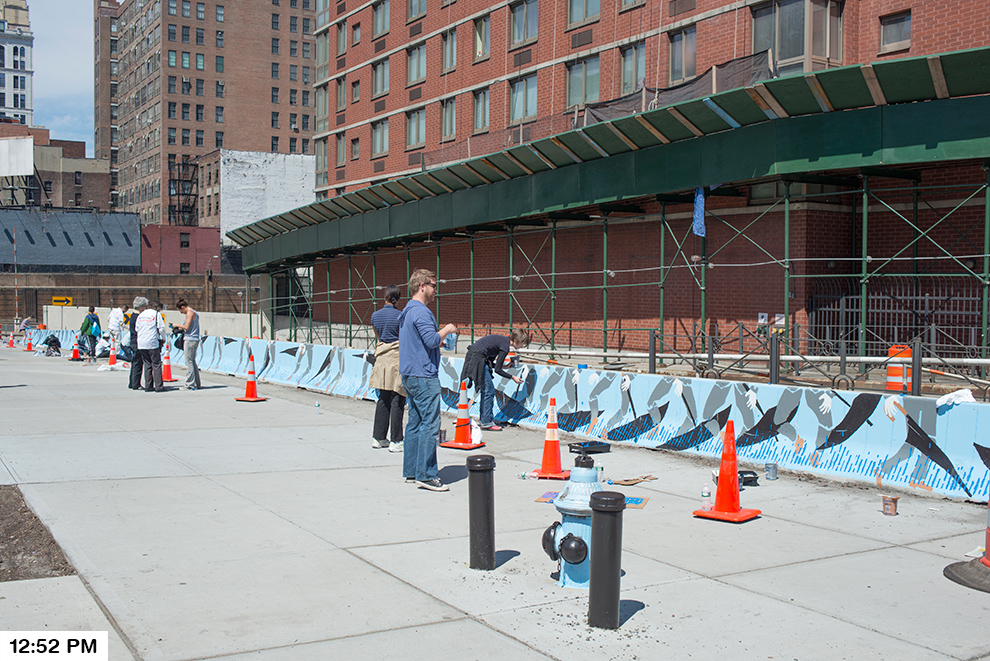
200′ of barrier painted in 4 hours
corner-01corner-01corner-01corner-01

corner-01corner-01corner-01corner-01

corner-01corner-01corner-01corner-01

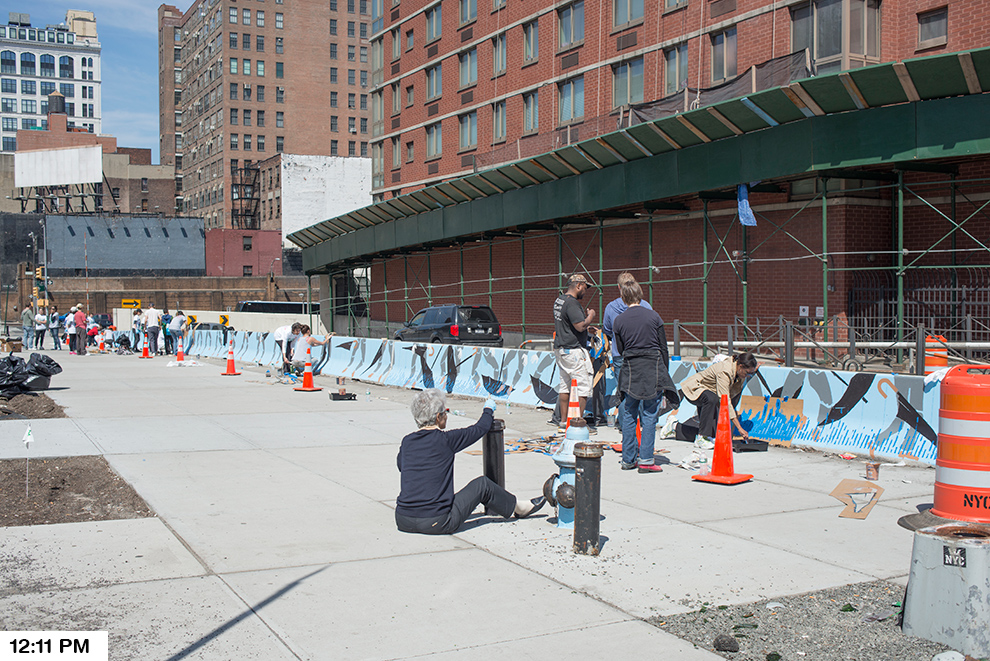
NYCares volunteers painted barrier number 10
install02
Final painted barrier images
final_01final_02

final_03final_04


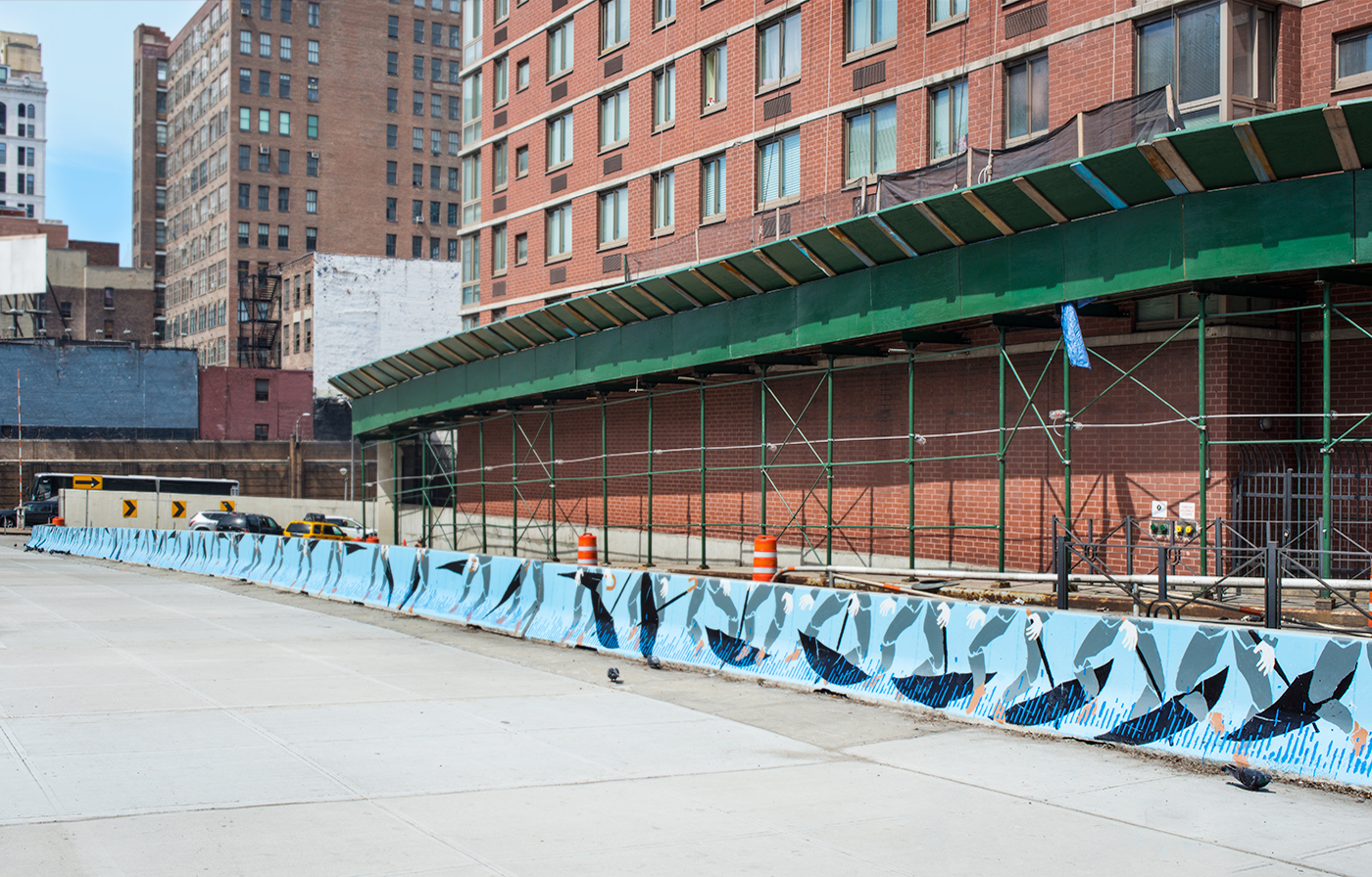
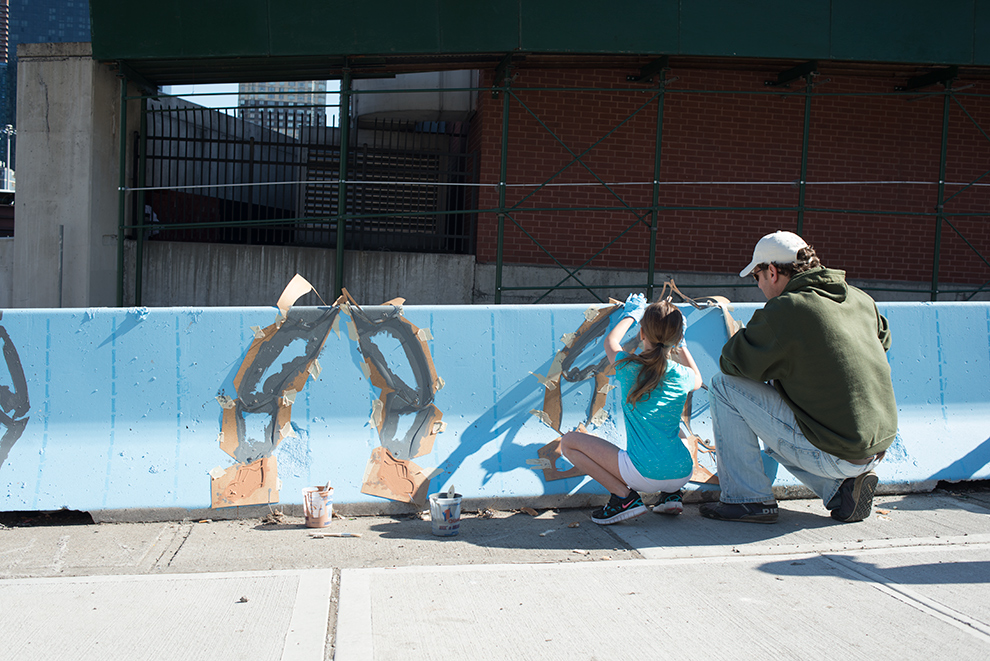
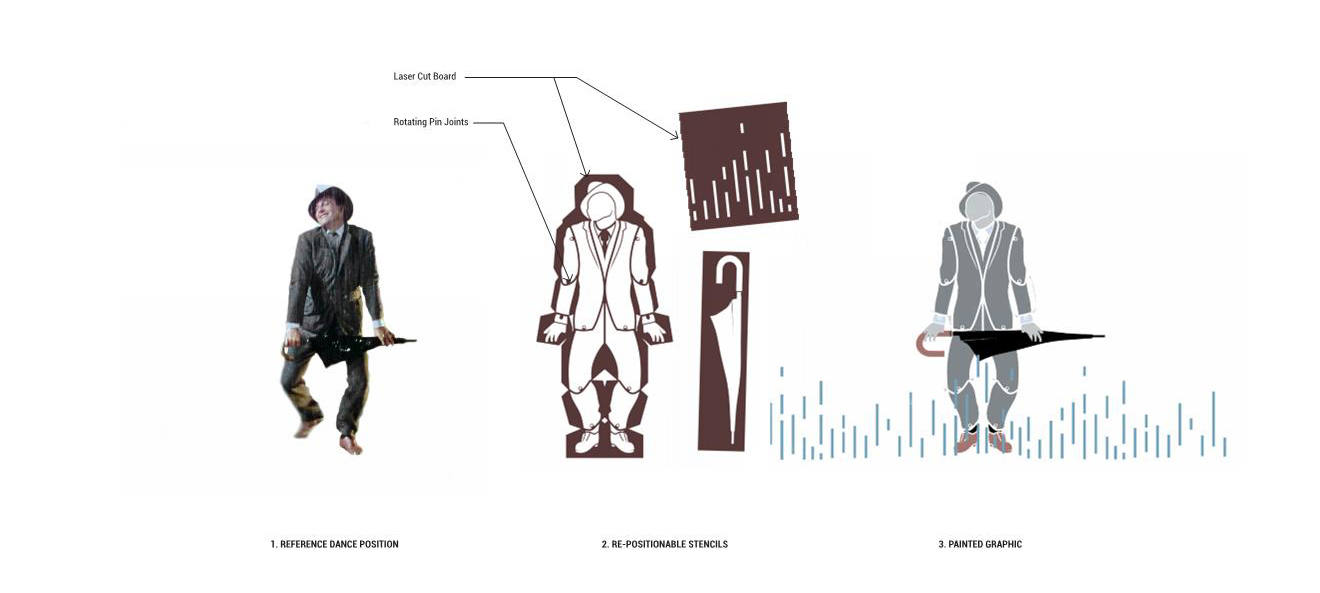
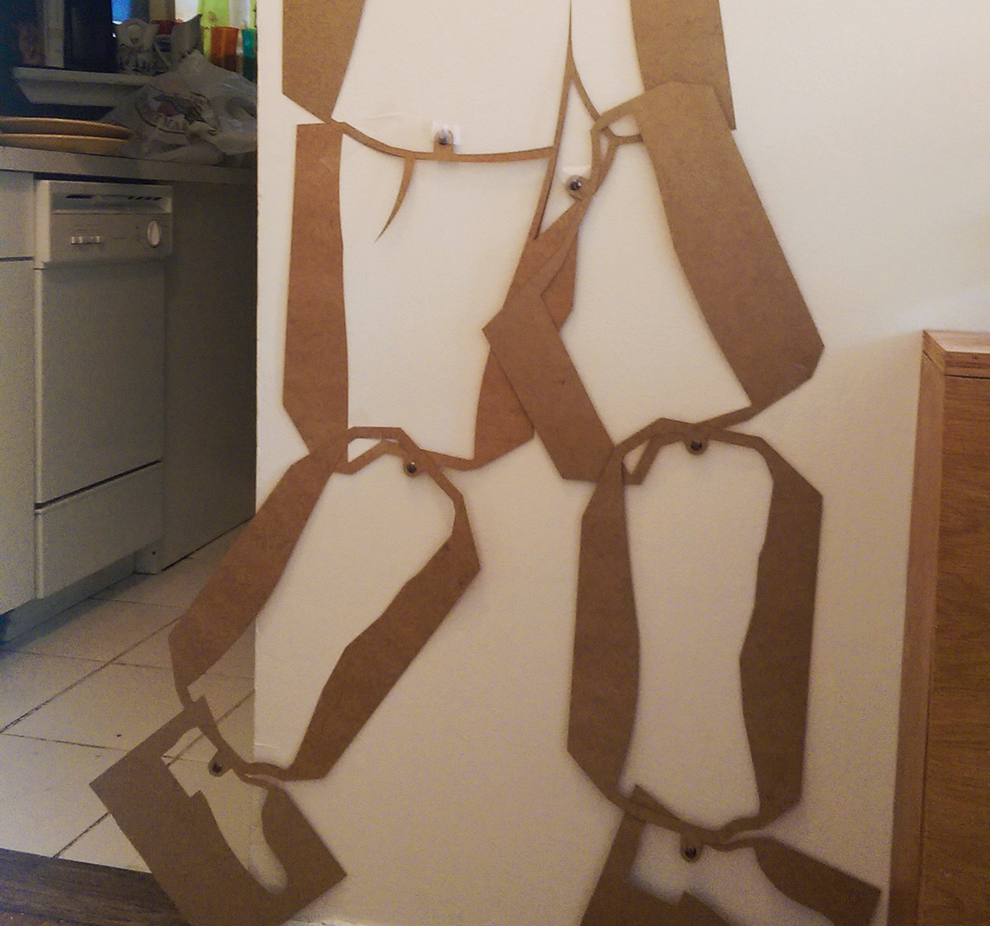
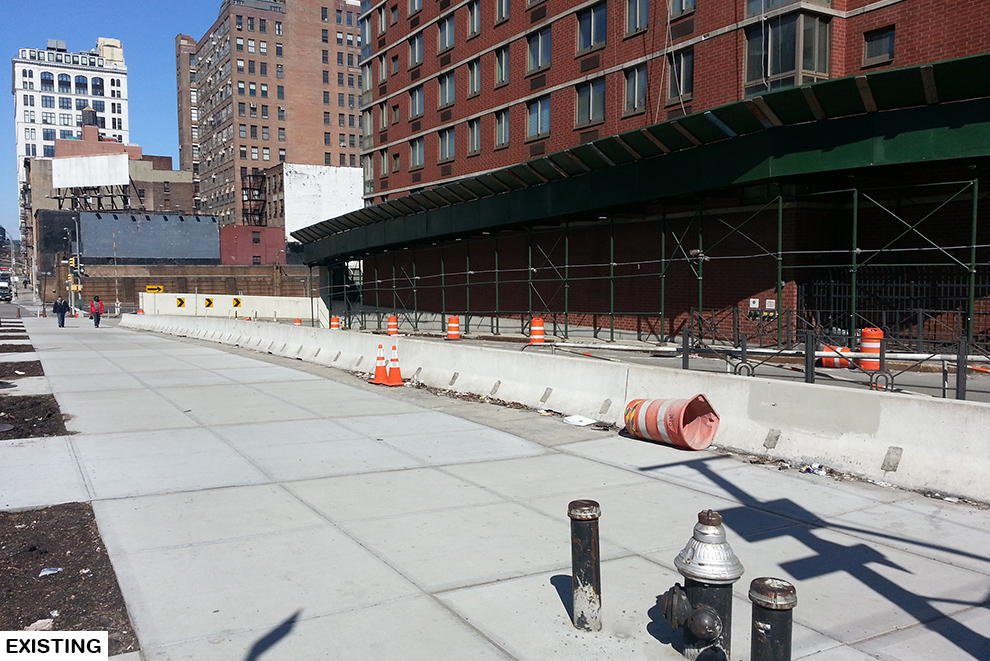
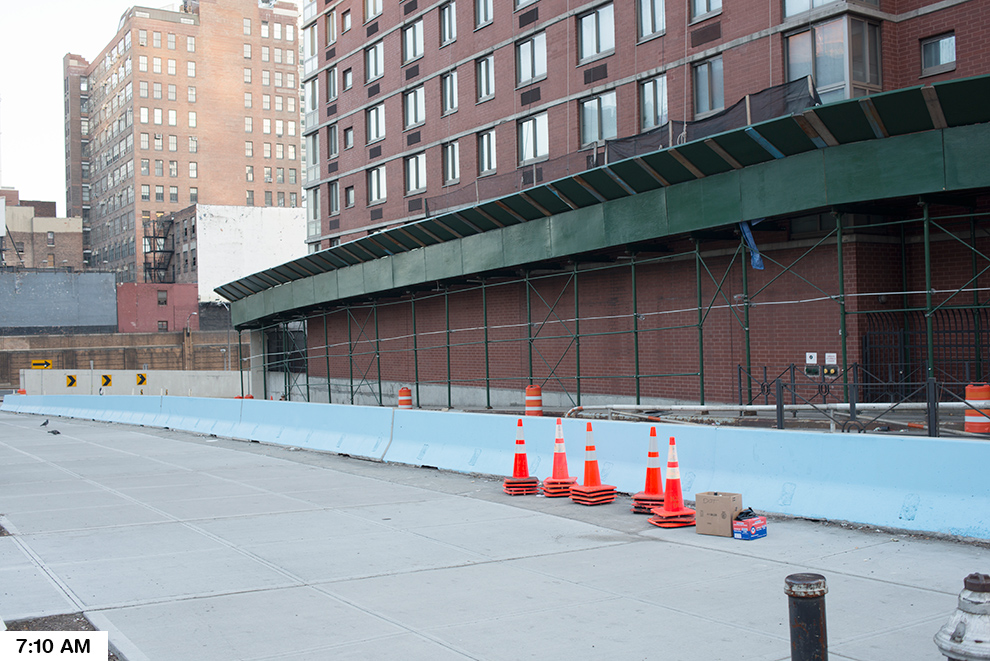
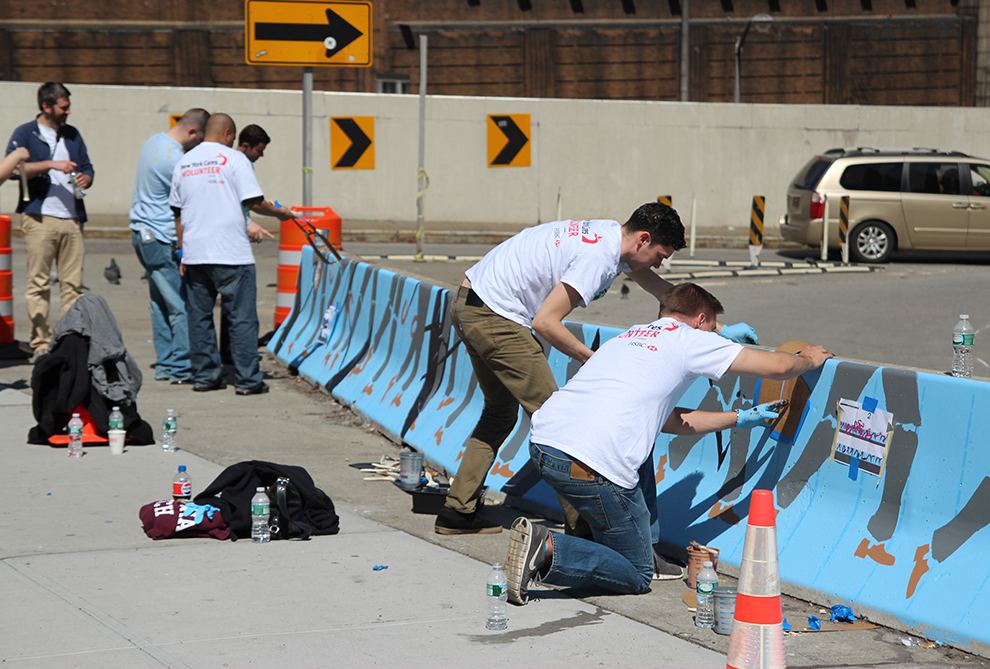
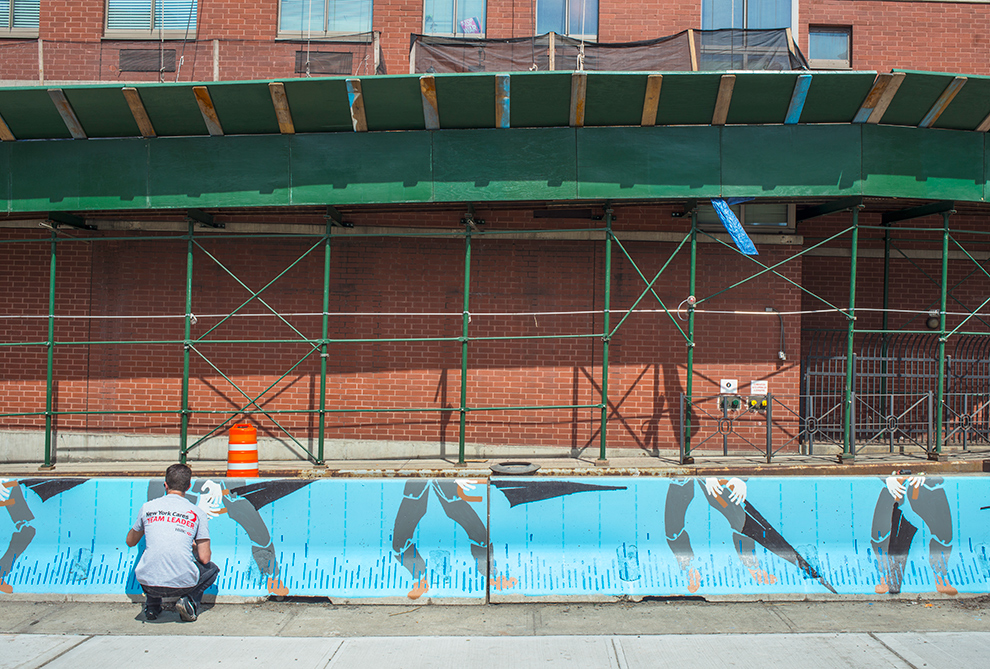
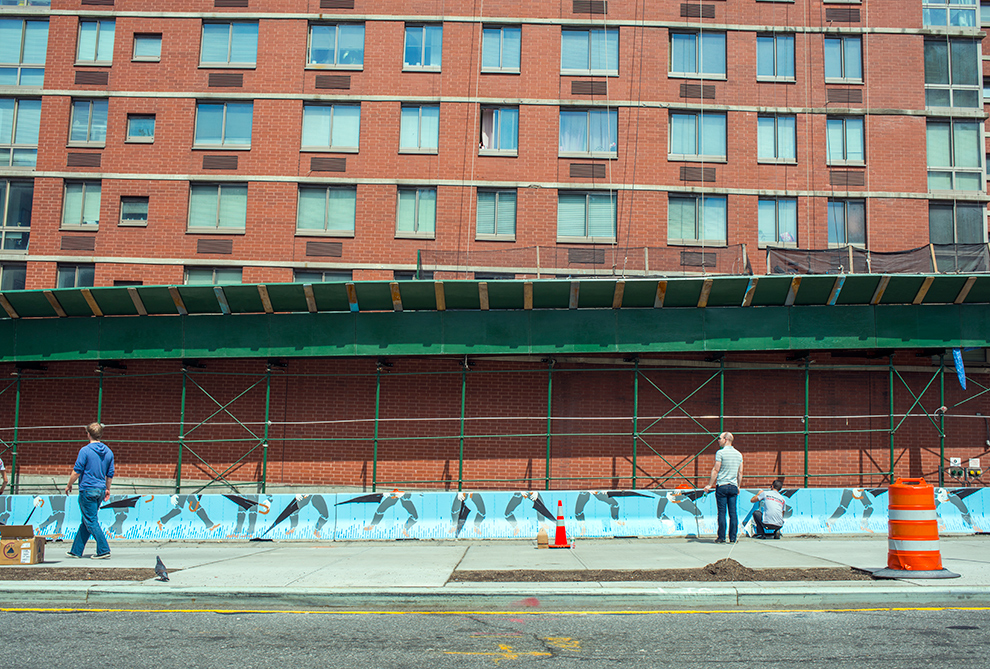
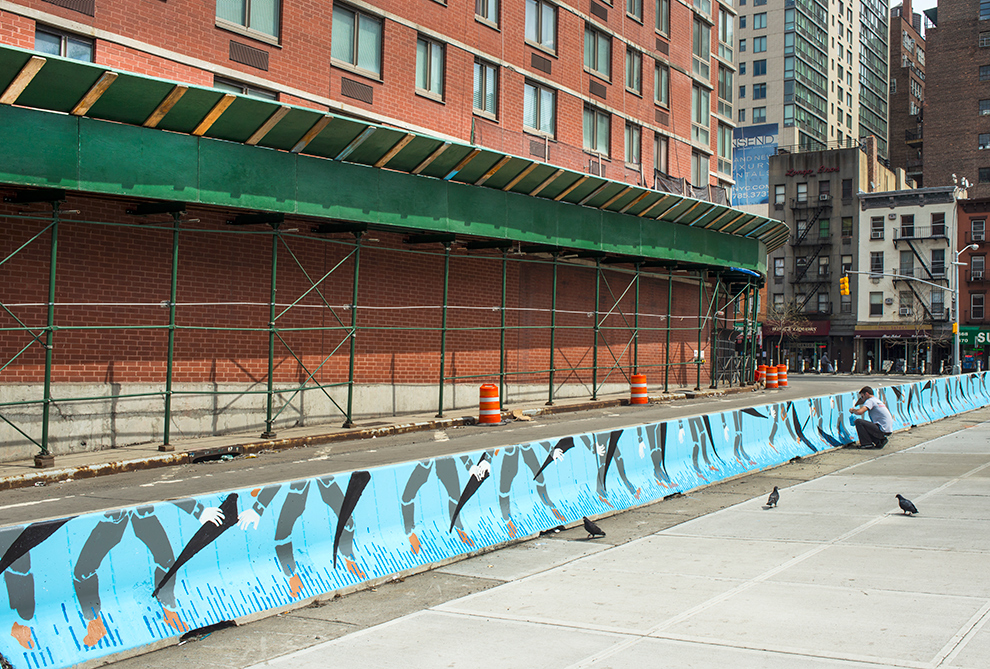
My design for “Singing in the Rain” was commissioned by the NYC DOT as part of the Urban Art program to Beautify Barriers throughout the city. The site is located just South of the theater district and Times Square at 36th St and 9th Ave in Manhattan, and references musicals – especially one in particular – as well as motion, animation and street rhythm. The piece will be up for 1 year and made use of a series of movable stencils of figures with articulated joints to allow for variation in the 200′ barrier length. 20 awesome volunteers of all ages participating in the NYC Cares program (many who had never picked up a paintbrush before) were able to arrange the stencils and finish painting the design in 4 hours based off of a series of detailed instruction sheets.

2014025 | No Comments »

We Win!

ps1_2014
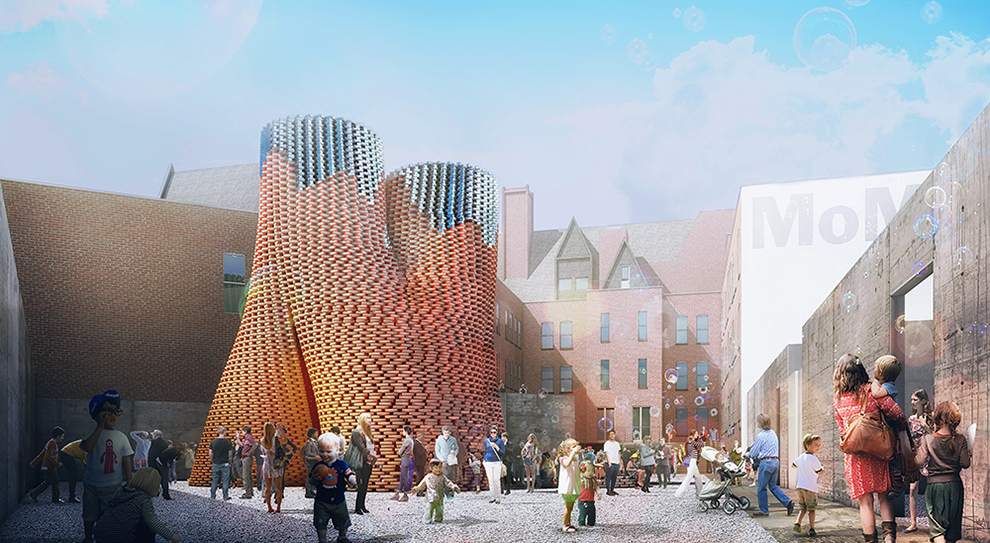
Coming to a PS1 courtyard near you in June!


http://www.archpaper.com/news/articles.asp?id=7086

2014011 Tags: gsapp, interaction, newyork, stranger, teaching, urban | No Comments »

STUDENT WORK – HACKING THE URBAN EXPERIENCE

MAP_01MAP_02MAP_03MAP_04

MAP_05MAP_06MAP_07MAP_08


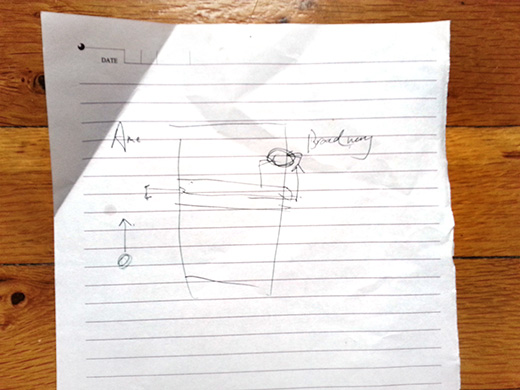
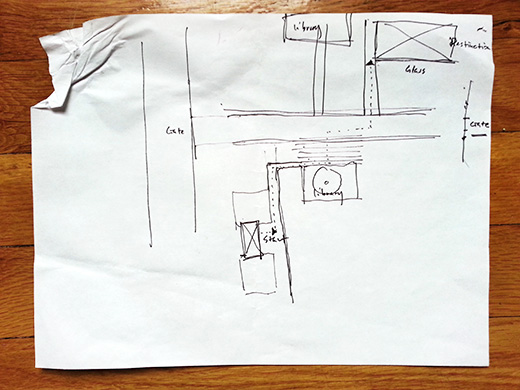
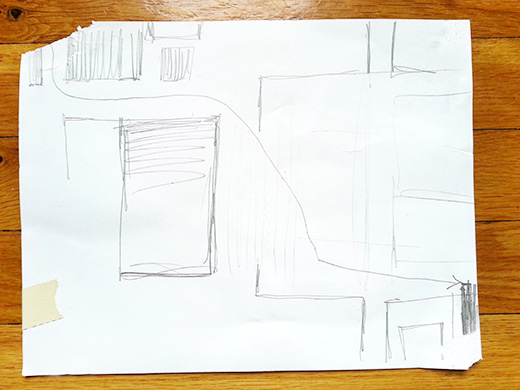
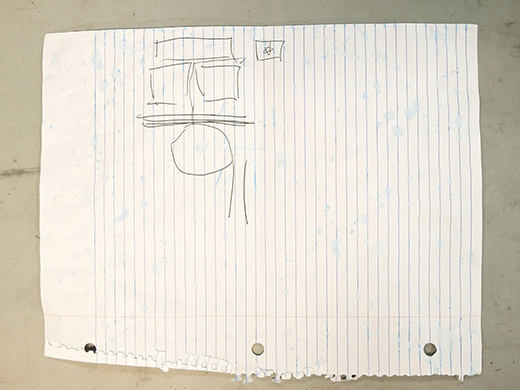
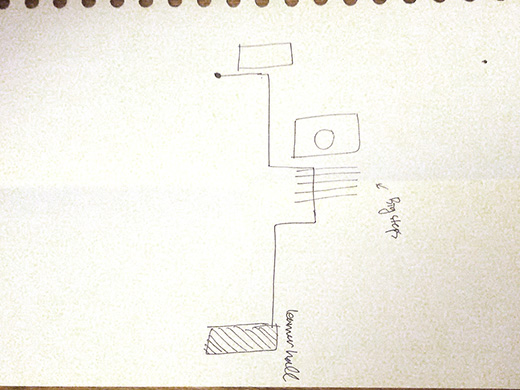
It wasn’t only urban experiences that were hacked this semester! In parallel with other course assignments, students engaged in the hackage of “Stranger Experiences” – a short series of interactions that provided the student with a deeper understanding – through close observation, written reports and spontaneous encounters with strangers – in how real people use real space and produce the messy, overlapping urban realities that exists all around us. Designing and building within existing public spaces is a great responsibility, one architects have always responded to with varying levels of dismissive contempt and unsatisfactory urban schemes, but here the students were challenged to develop the capacity to learn from and adapt with the intangible qualities of history, texture and rhythm that make each block in New York City unique. Ultimately, the exercises were intended to allow the students to sympathetically embrace and deeply understand the qualities of particular urban situations that facilitate engagement with people as they pass through in the business of their daily lives – and meet some people in the process.


Images shown here are from Stranger Experience 02 – in which students, working in teams of two – posed as tourists and asked random strangers to draw them a map to a well-known neighborhood campus landmark. Here, Bernard Tschumi’s Lerner Hall built in 1999 was used, a student center known on campus for it’s glass atrium and series of kinetic zig-zagging ramps. The building also made for a fitting destination point, as Tschumi described the building as a “concept of architecture as a generator of events.” There was some debate about the relevance of this assignment, of which the jury may still be out, but there were a few interesting conclusions: the student’s got a sense of the ease of receiving personal, helpful interactions in public space, as well as pushing the boundaries of acceptable social conventions. For instance, no stranger hesitated to draw a map for a student, but calling or texting for follow up questions and directions seemed to be pushing it. The maps also provided a document to confirm or compare how people in and around the area visualize common space, in a Kevin Lynch-esque manner of nodes, paths and landmarks. As expected, the stairs around the central plaza, Low Library, and the Alma Mater statue were key landmarks that centered the maps. Lastly, since the directions were originally given as a set of verbal cues – only after that were the strangers further asked to draw a map (under the guise that the student was “more of a visual learner”) – it is interesting to see the fidelity of ideas as they translate from audible directions into a physically real map.


All other student work here: http://hackingtheurbanexperience.tumblr.com/


COLUMBIA_MAP

2013125 Tags: architecture, DUB, fabrication, inflatable, urban | No Comments »

Blowing UP


Update – Kickstarter goal reached, Inflato lives to pop up soon!


Read More:

The Atlantic Cities. “New York Could Get a Classroom Inside a Dumpster” Oct 16, 2013

FastCompanyDesign. “Architect Wants To Reclaim Public Space, One Dumpster At A Time” Oct 31, 2013

FastCompanyLabs. “The Future of Pop-Up Hackspaces Is… Dumpsters?” Oct 21, 2013

Architizer. “Can An Inflatable Pop-Up Dumpster Help NYC Residents Transform Their Neighborhoods?” Nov 1, 2013

Treehugger. “Presto, Inflato! Dumpsters to be reclaimed as “pop-up” public spaces in NYC” Nov 5, 2013

DesignBoom. “Inflato Dumpster Gives NYC a Blow-up Mobile Learning Lab.” Oct 18, 2013

Gothamist. “One Day We Will All Live In Dumpsters.” Oct 22, 2013

UntappedCities. ““Inflato Dumpster”: Turning a Dumpster into an Inflatable Classroom in NYC” Oct 16, 2013

20131116 Tags: galapagos, photography | No Comments »

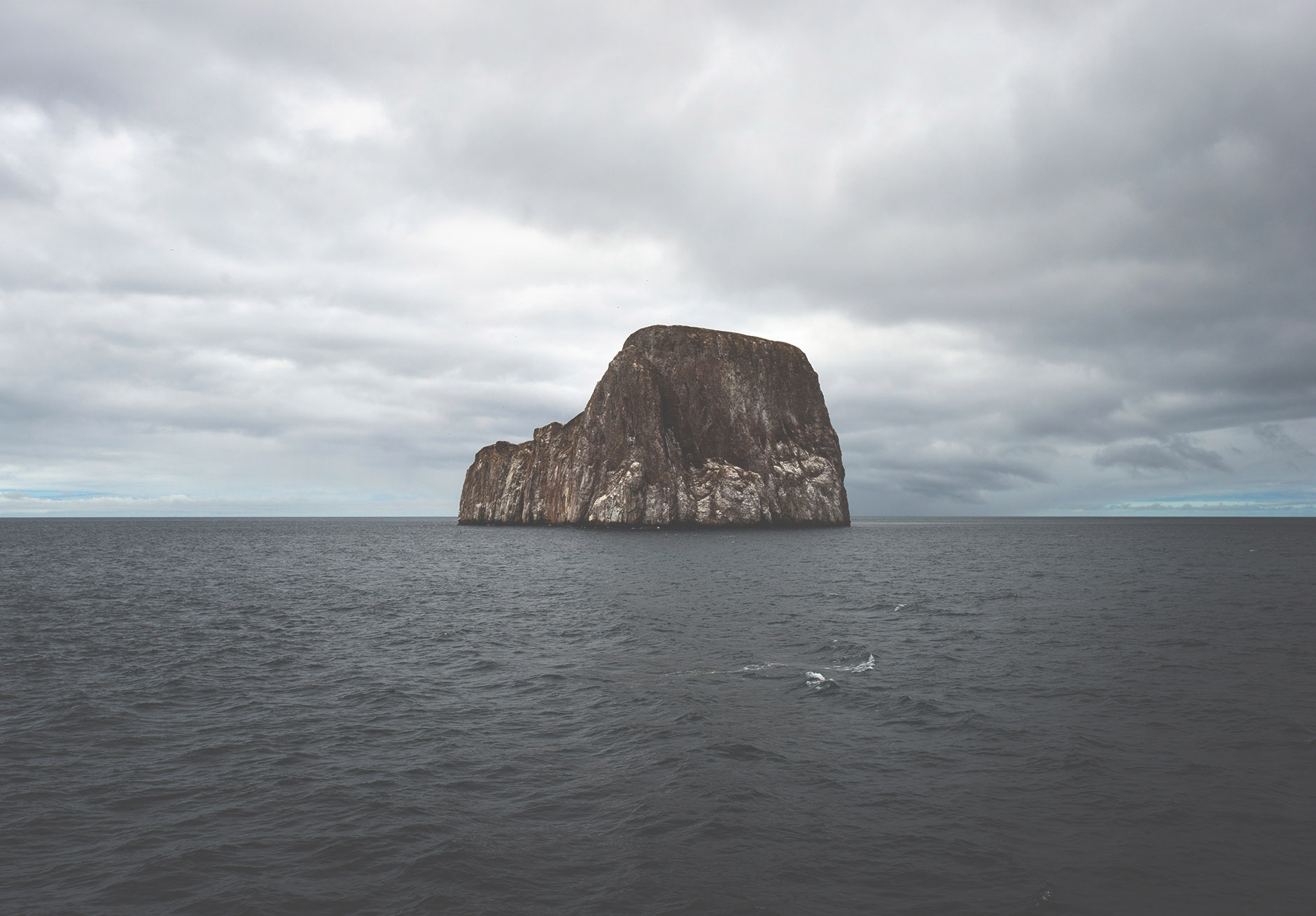
Islands of Compacted Ash

kicker_rock
more »

20131113 Tags: evolution, galapagos, photography | No Comments »

Lucky Dragons

marine_iguanaland_iguana


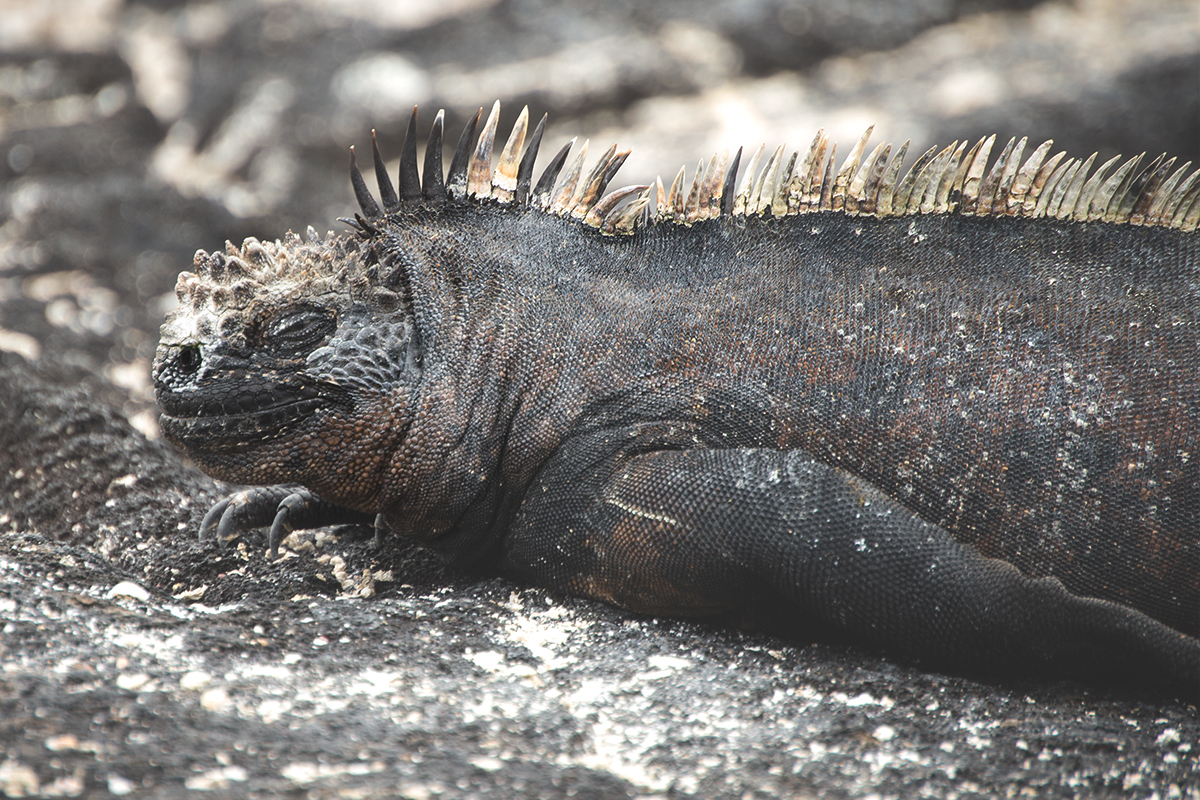
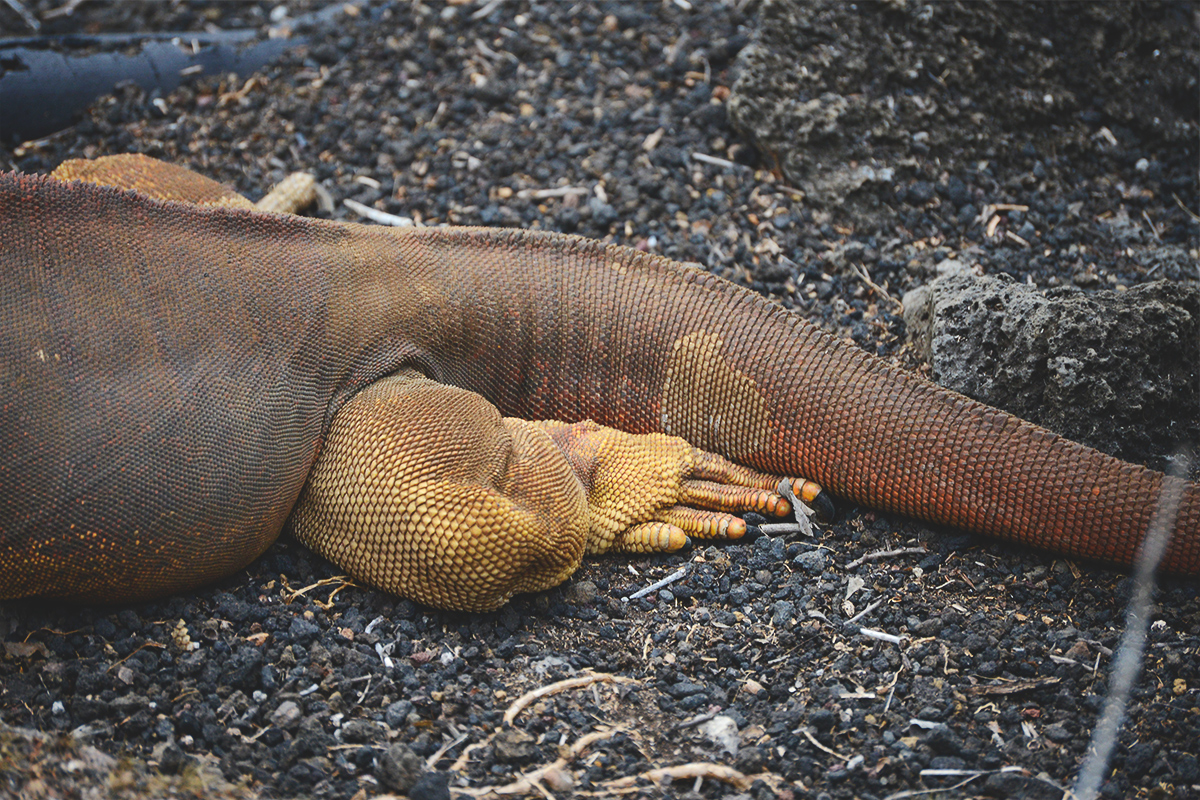
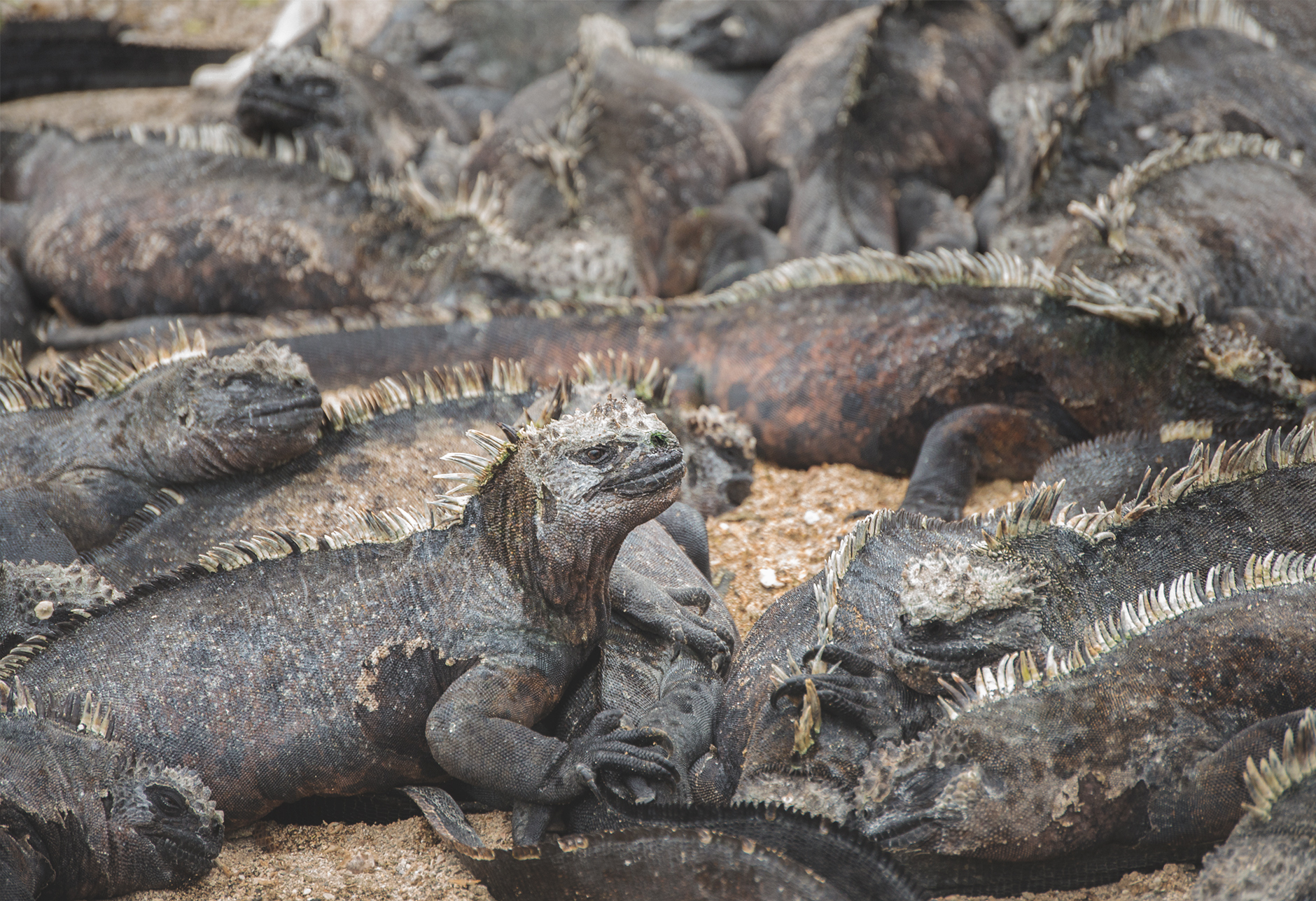
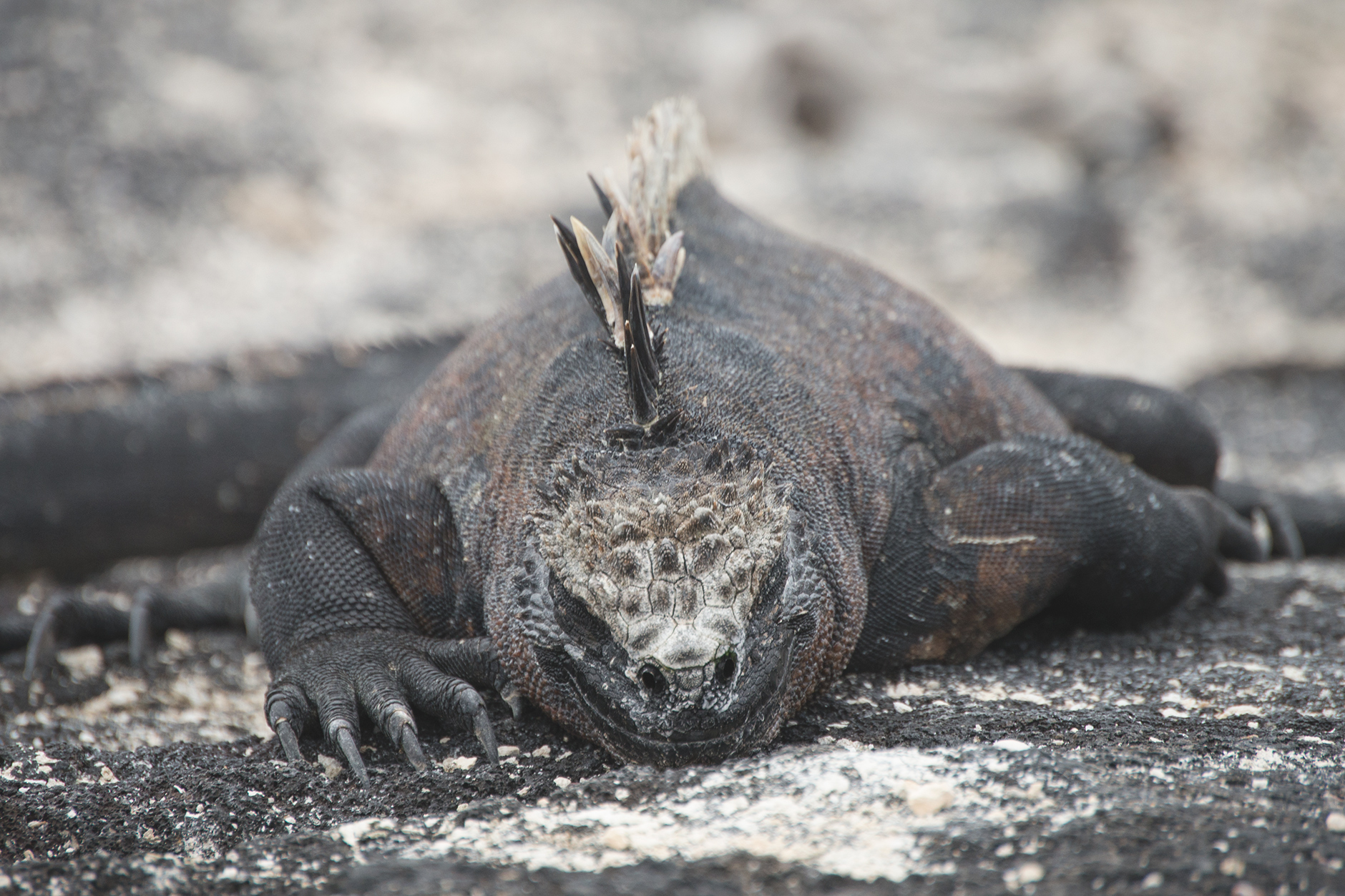
Millions of years ago a regular South American land iguana floated the 600 miles of ocean waters to the Galapagos Islands aboard debris or driftwood. From that species emerged two distinct types, the Galapagos Marine Iguana and the Galapagos Land Iguana. Darwin called the marine version “hideous looking…clumsy lizards” and the little godzillas manage to convey a gentle malevolence that belies their carefully tuned and incredible evolutionary adaptations. They became marine reptiles, exclusively feasting on underwater algae and seawater during the morning, warming themselves on the lava rocks the rest of the day. Their long claws give them purchase on the craggy underwater rocks during fierce underwater tides, while their spiky dorsal extrusions – coupled with their flattened, narrow tails – allow them to gracefully glide underwater. While their dark complexion is designed to better absorb the sun’s rays after a dive in the frigid waters. Even their stubby face is tuned, allowing them to quickly bite off algae with a series of sharp teeth on either side of their face. Prompt meals are a must, after 10 minutes of diving in cold Galapagos waters, their muscles will lock-up. But the best part is the unique nasal glands that allow them to expel the salt that gets ingested into their blood during underwater meals and produces what sounds like a sneeze followed by a torrent of salt water ejected from their nasal cavity. The salt blowing out of their noses gives them a distinct white coloration on the top of their heads. Imagine a field of the laconic, sluggish monsters slowly warming up on the rocky shore, silent except for the regular punctuations of streams of saltwater sneezes blasting themselves and their jumbled up neighbors. No question, they were my favorite.


The yellowish-brown Galapagos Land Iguana is largely vegetarian, living in arid regions of the islands and eating the prickly pear cactus. Due to the introduction of feral dogs and rats, they were rendered extinct on some islands during the last 60 years, however reintroduction efforts have been largely successful. Despite being two distinct species from different genera, marine and land iguanas can interbreed when sharing territory, however, the hybrid offspring is typically sterile.


marine_iguana_2

marine_iguana_3

20131110 Tags: evolution, galapagos, photography | No Comments »

Adaptation

cormorant
boobie
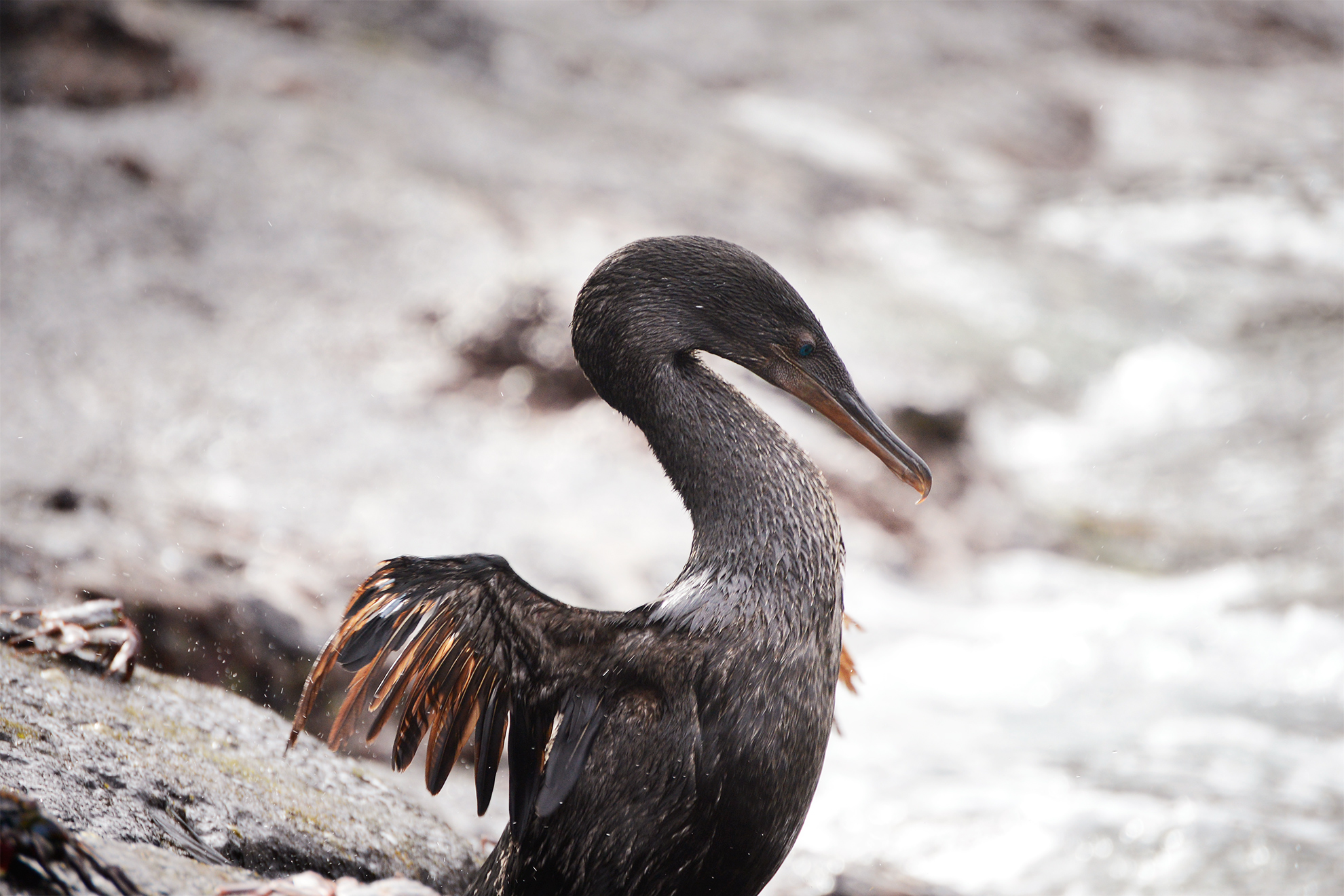
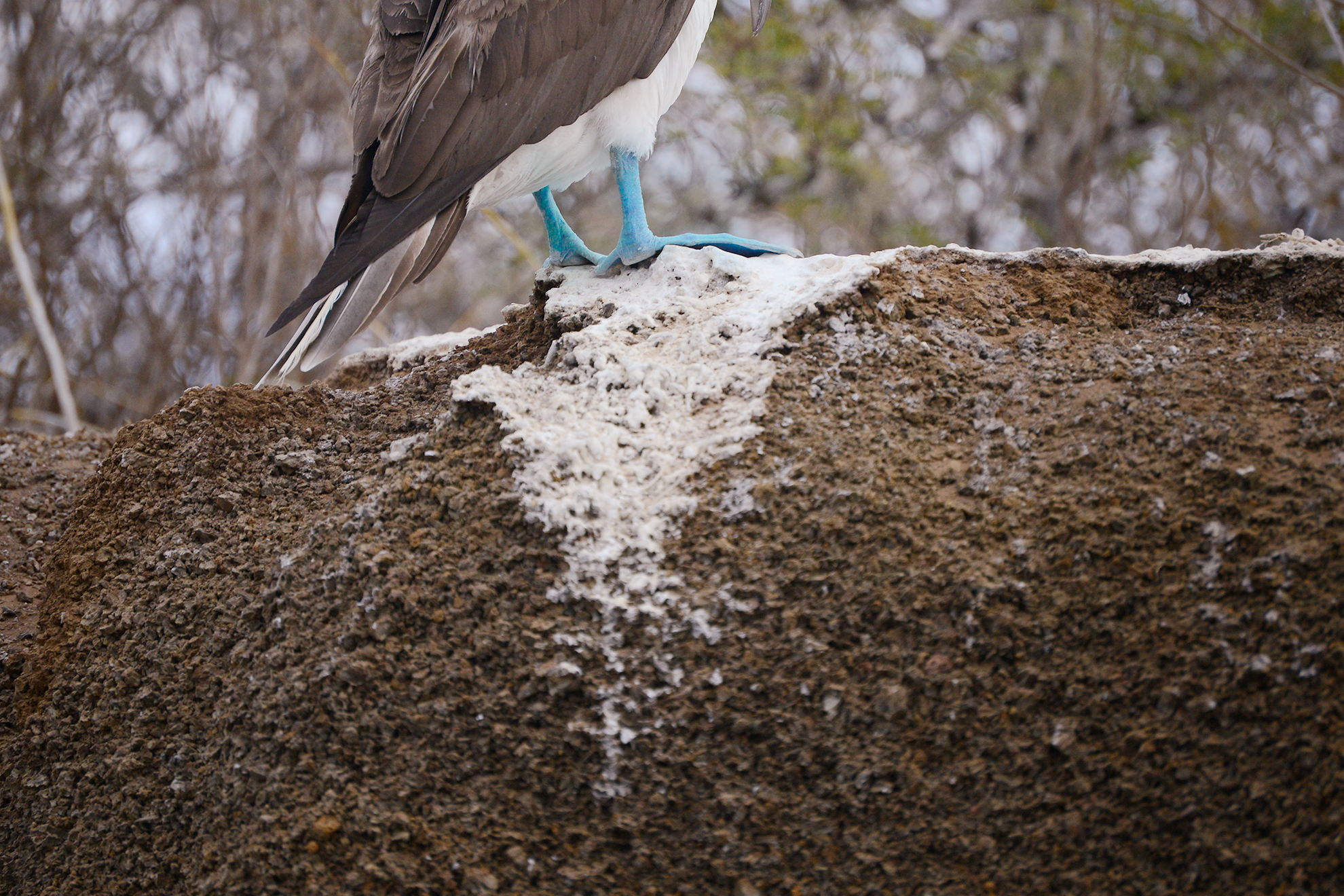
Endemic Flightless Cormorants and the Blue-footed Booby first studied by Darwin in the Galapagos.

2013108 Tags: architecture, DUB, fabrication, inflatable, urban | 1 Comment »

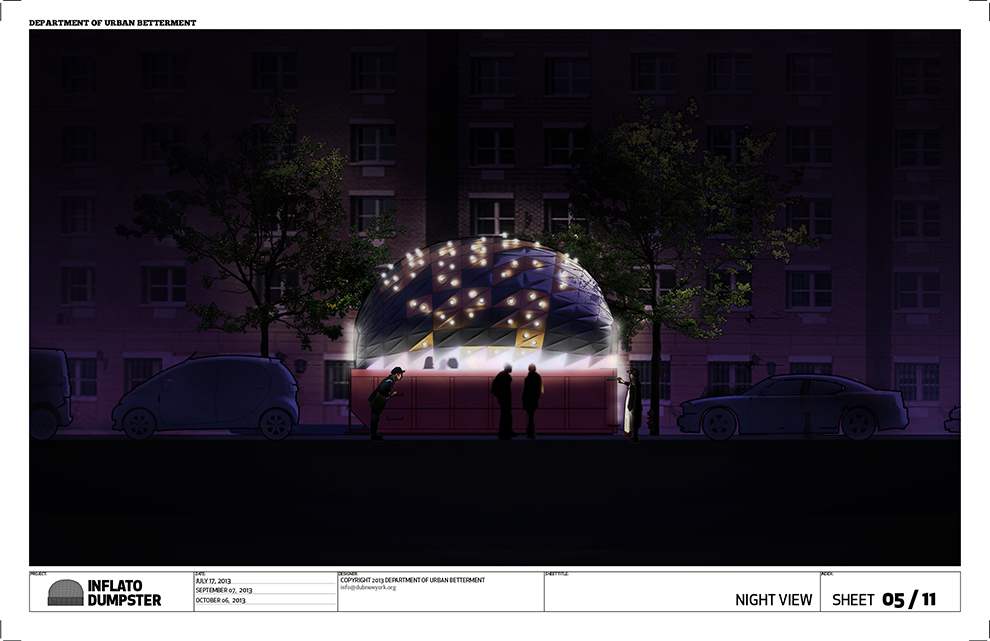
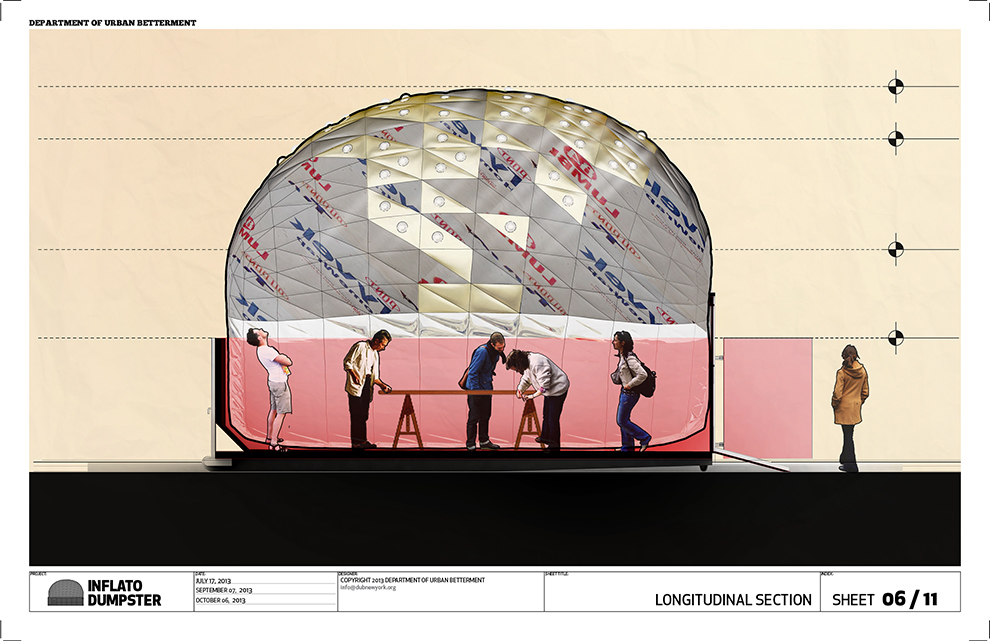
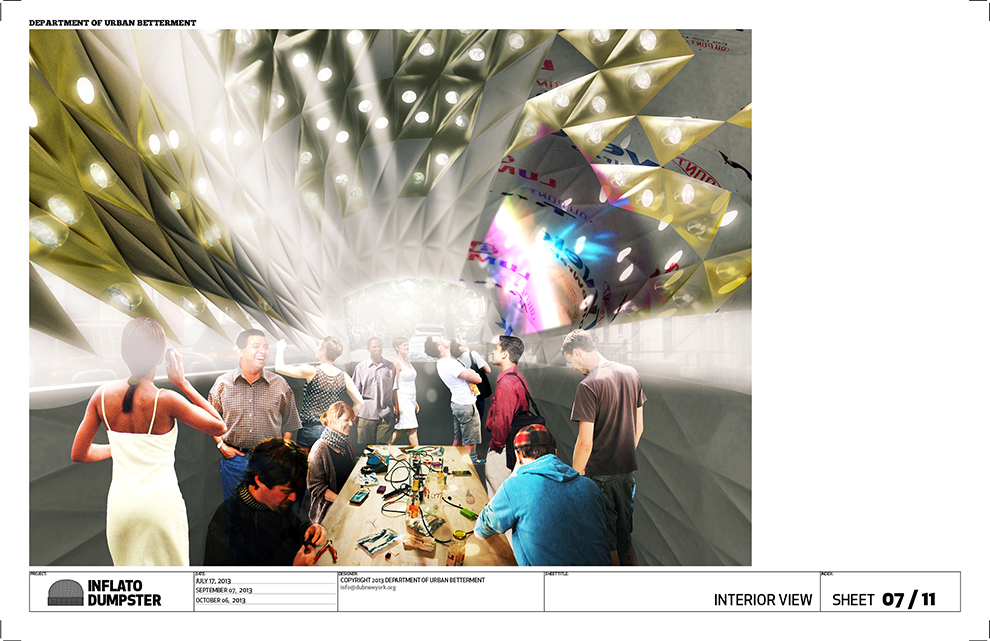
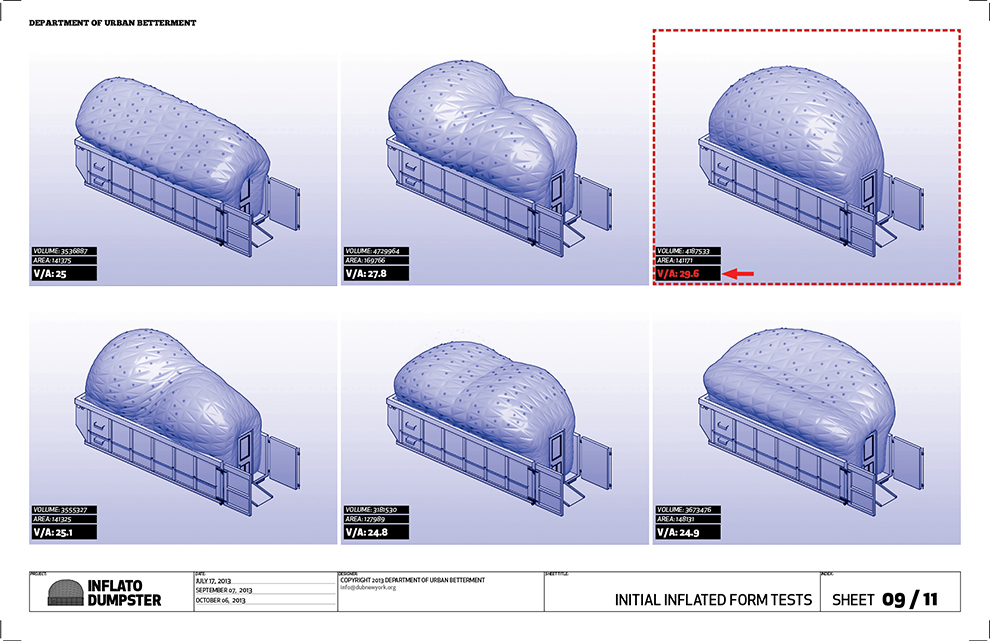
Inflato Dumpster

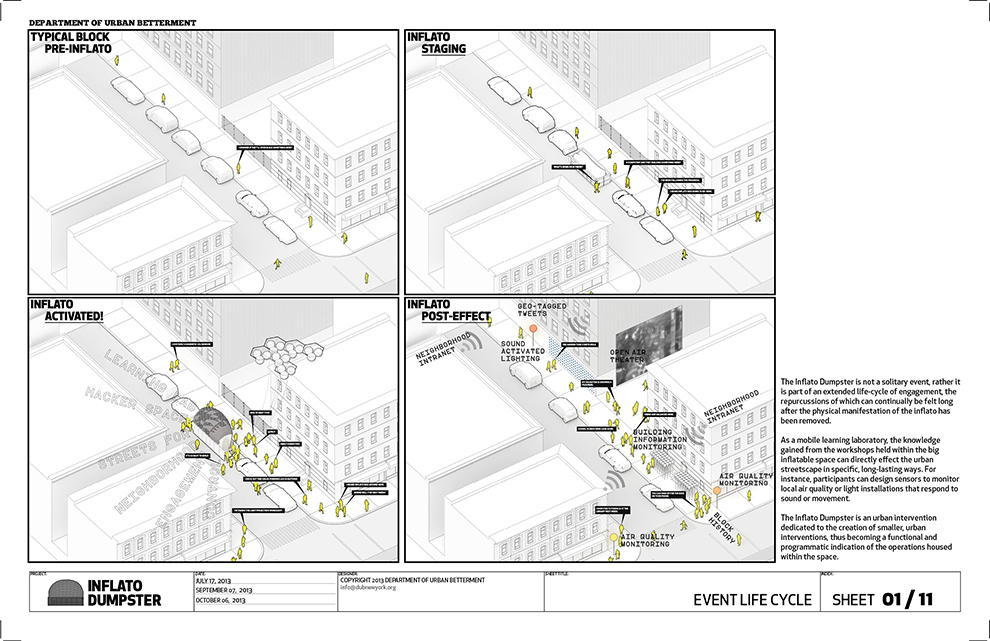
01_TYPICAL02_STAGING

03_ACTIVATED04_EFFECT


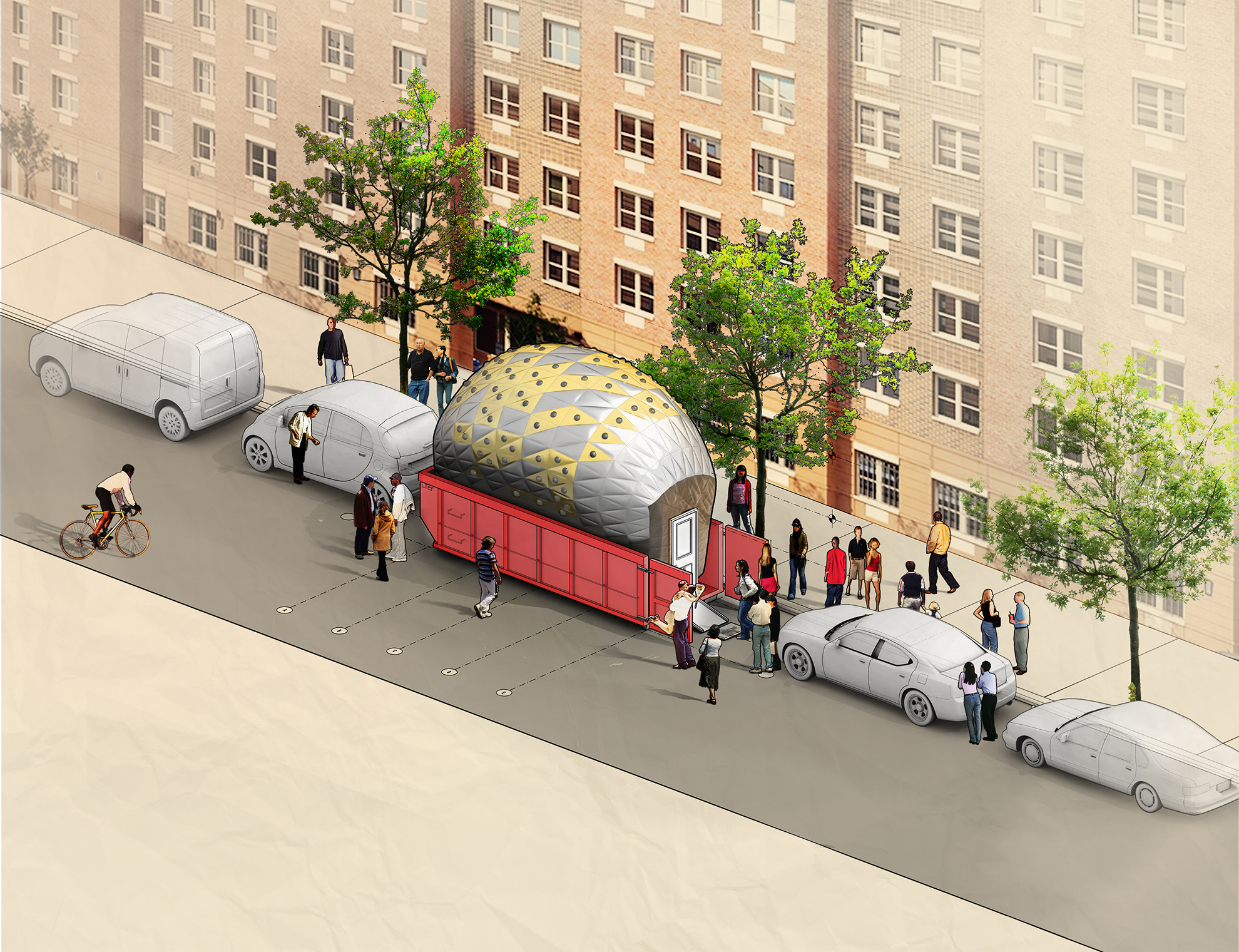
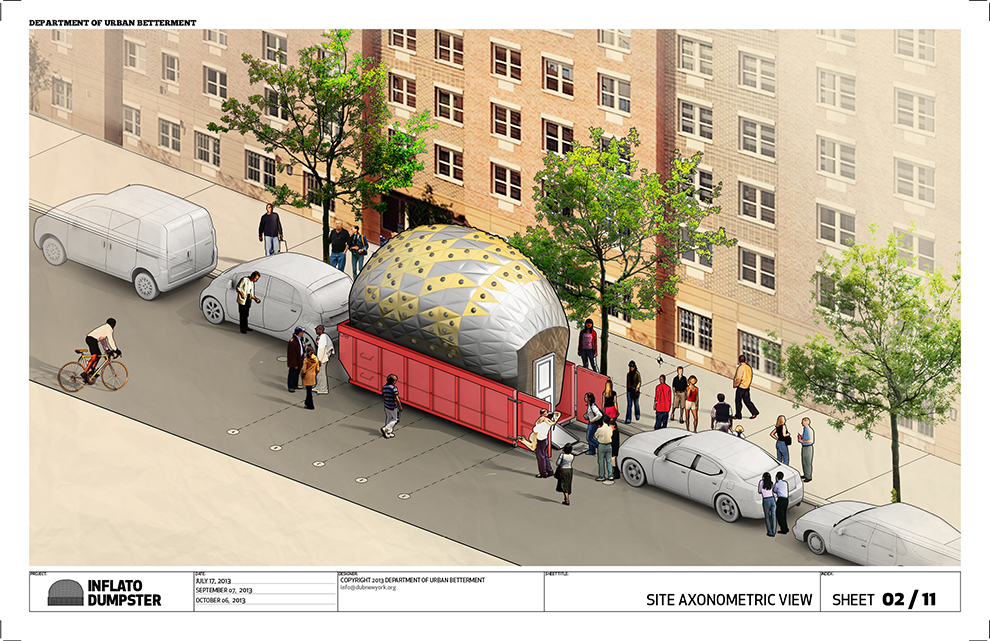
01_AXON_WEB
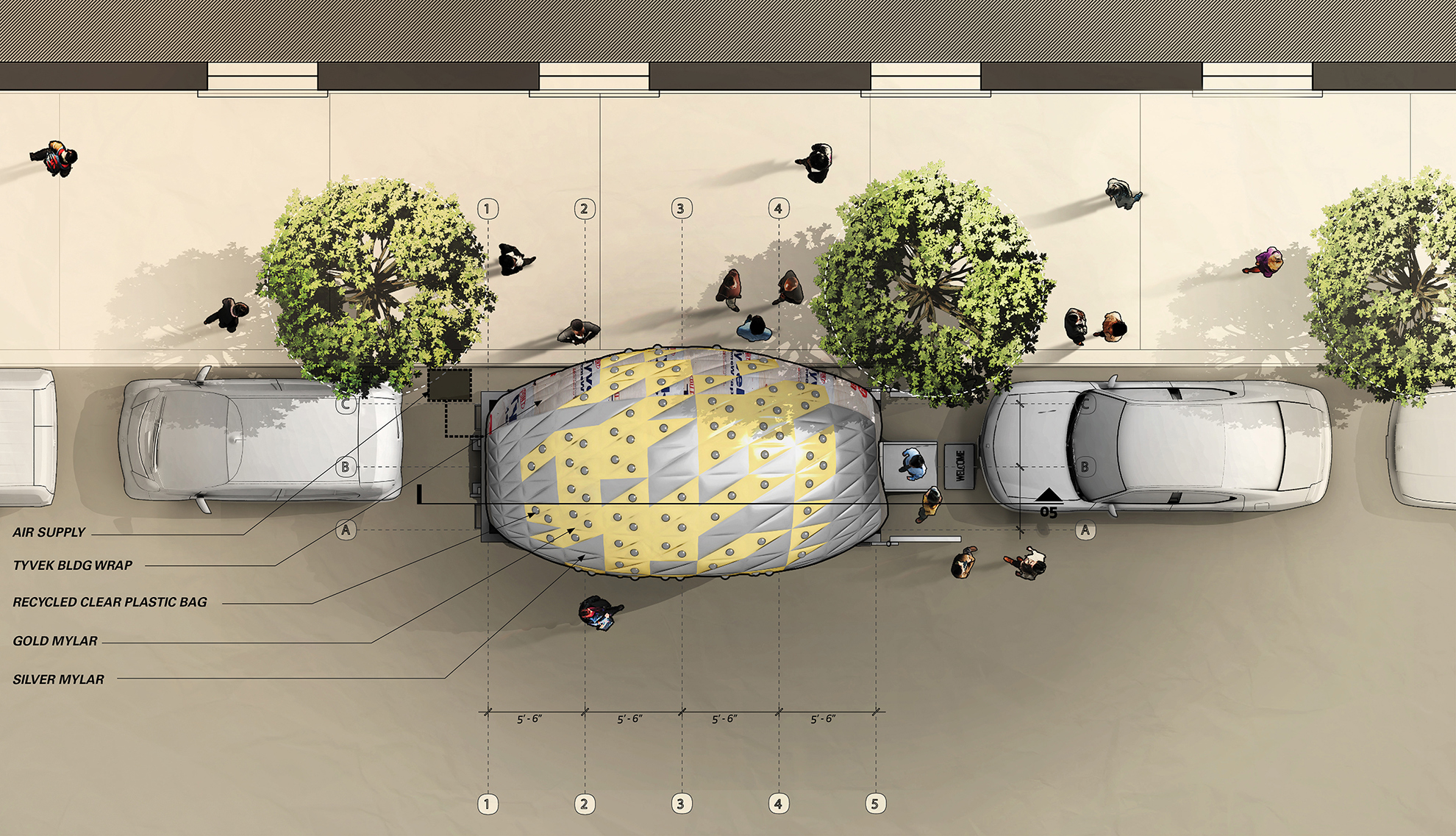
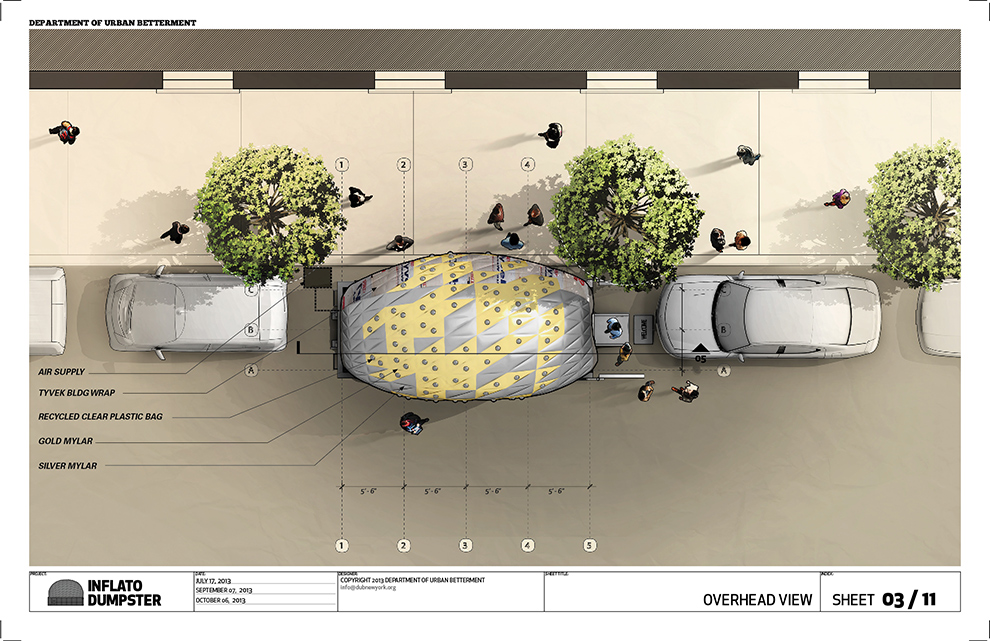
02_PLAN_WEB
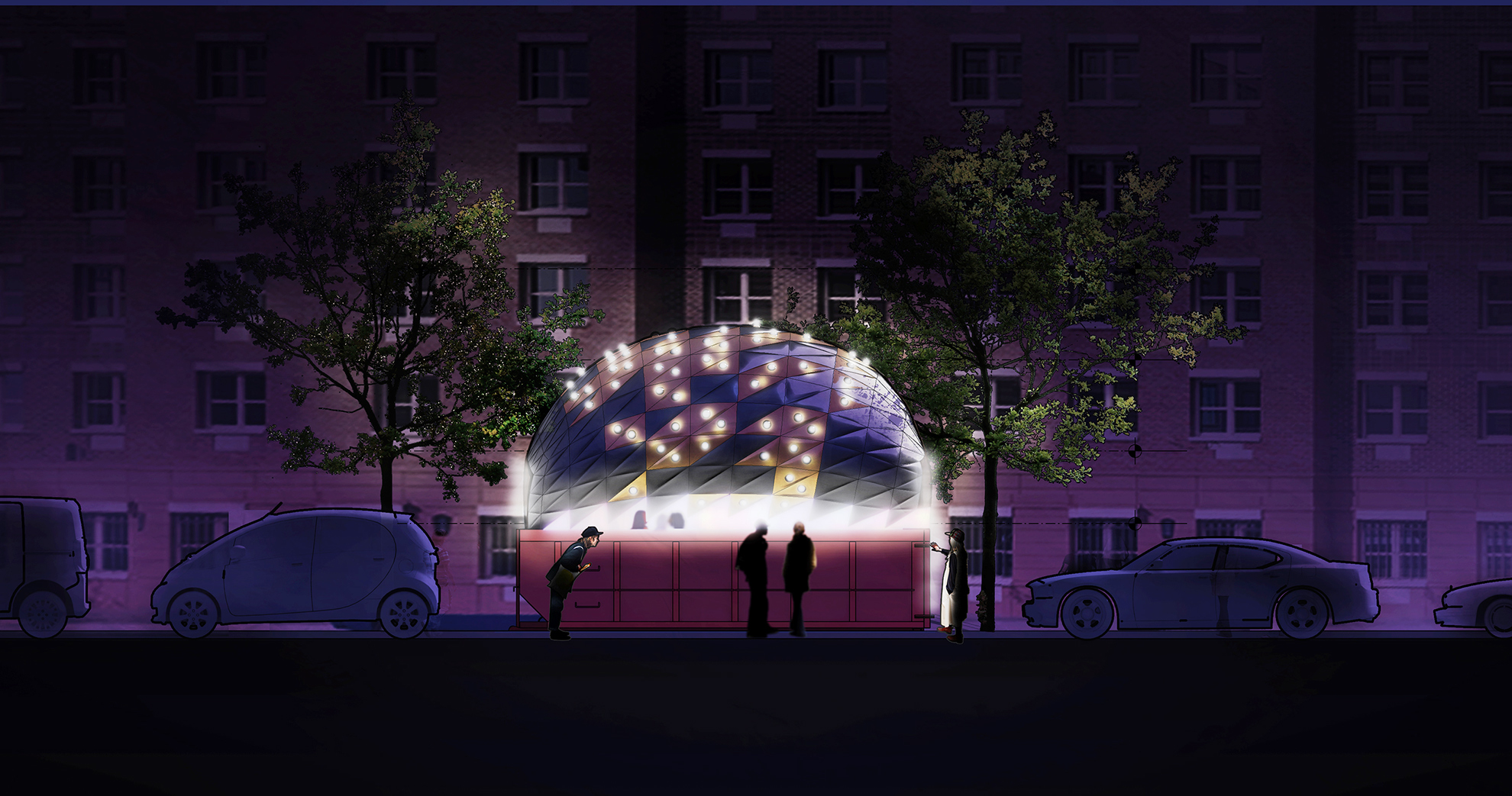
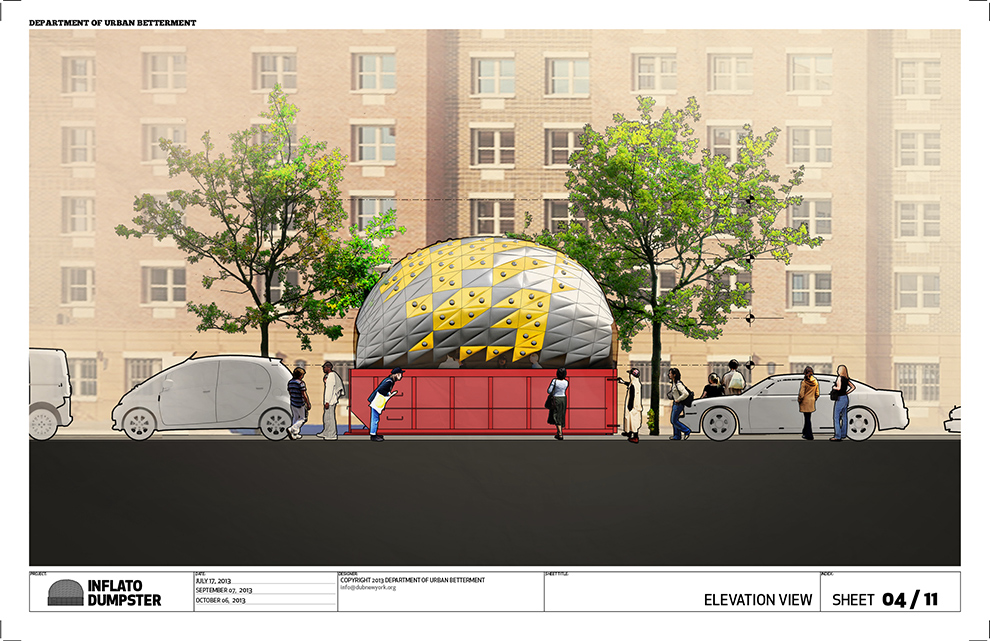
03_ELEV_NIGHT_WEB
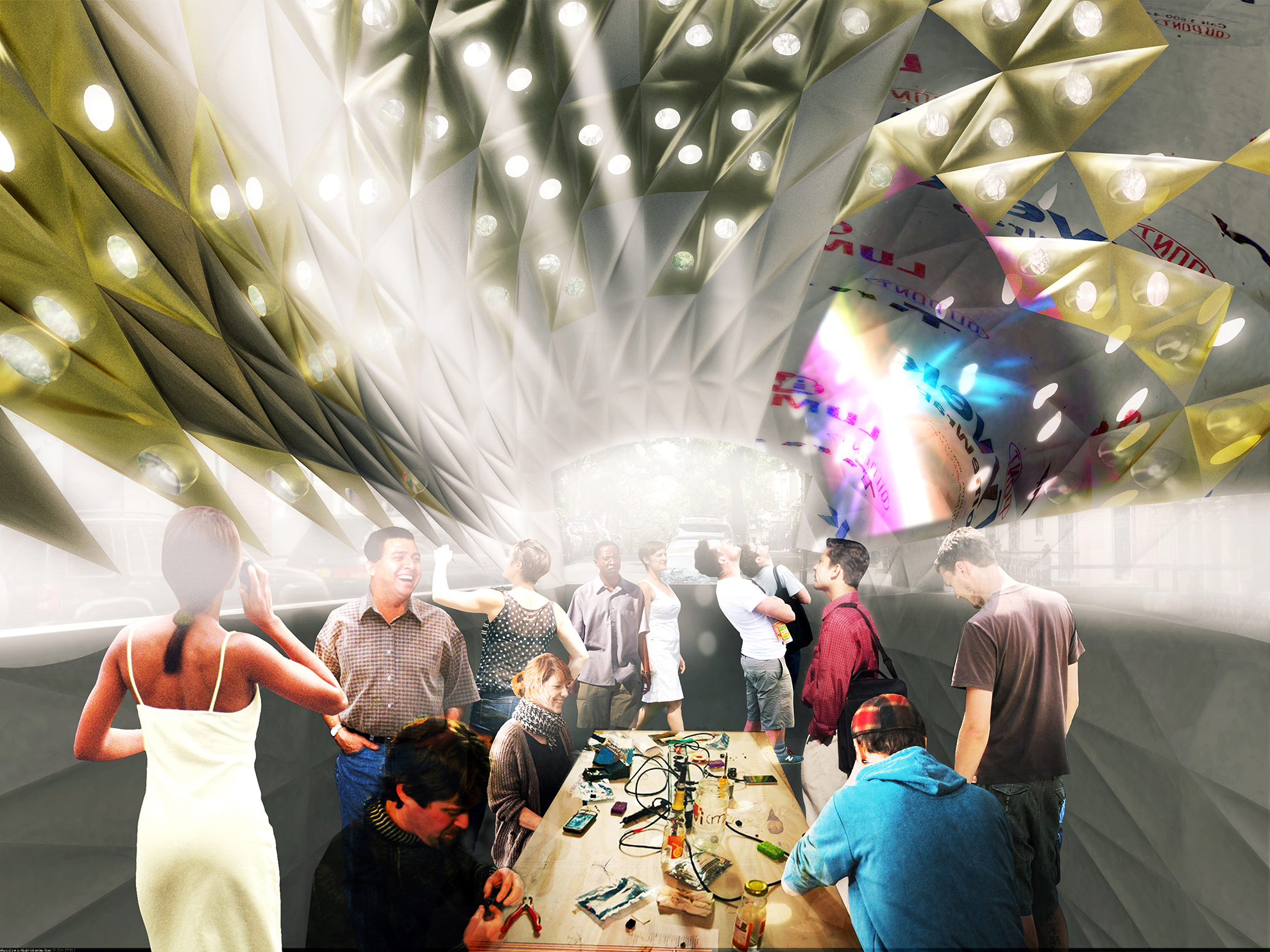
04_INTERIOR_PERSPECTIVE_WEB

Final_Inflato_Dumpster_Book1Final_Inflato_Dumpster_Book2

Final_Inflato_Dumpster_Book3Final_Inflato_Dumpster_Book4

Final_Inflato_Dumpster_Book5Final_Inflato_Dumpster_Book6

Final_Inflato_Dumpster_Book7Final_Inflato_Dumpster_Book8

Final_Inflato_Dumpster_Book9Final_Inflato_Dumpster_Book10

Final_Inflato_Dumpster_Book11


I’m really excited to introduce a new project by the Department of Urban Betterment (John Locke and Joaquin Reyes) – The Inflato Dumpster, and the accompanying KICKSTARTER campaign:


http://www.kickstarter.com/projects/851648659/inflato-dumpster


A pre-emptive, heartfelt thank you! Also, please email me if you’d like to help out in any way, with any ideas for site, or just to say hi.


Project Description:
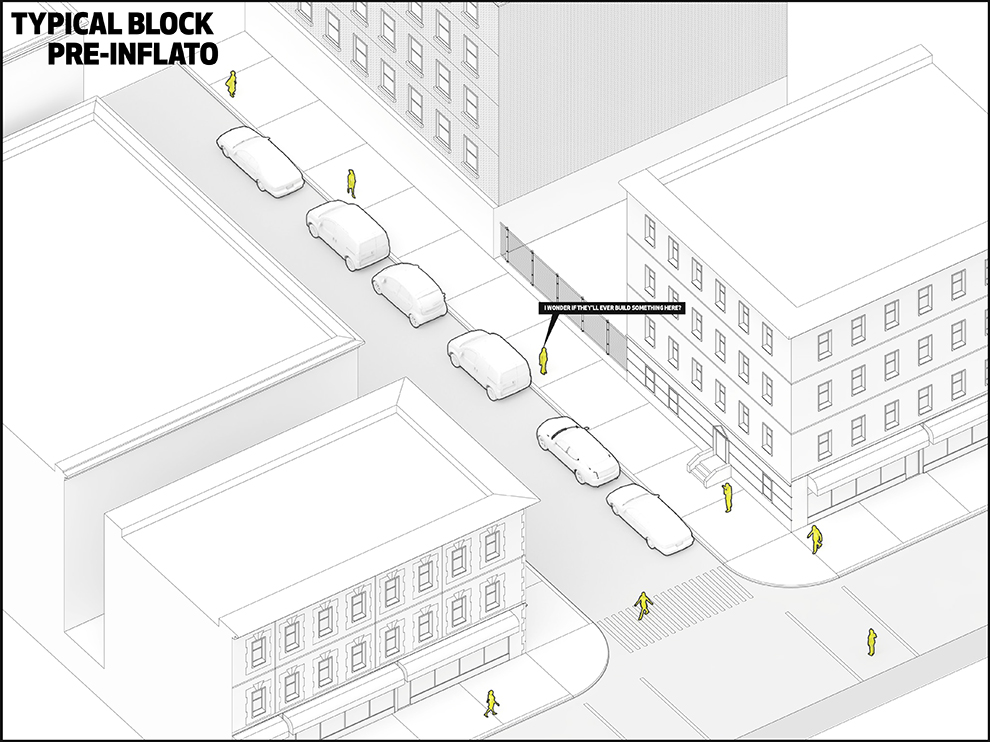
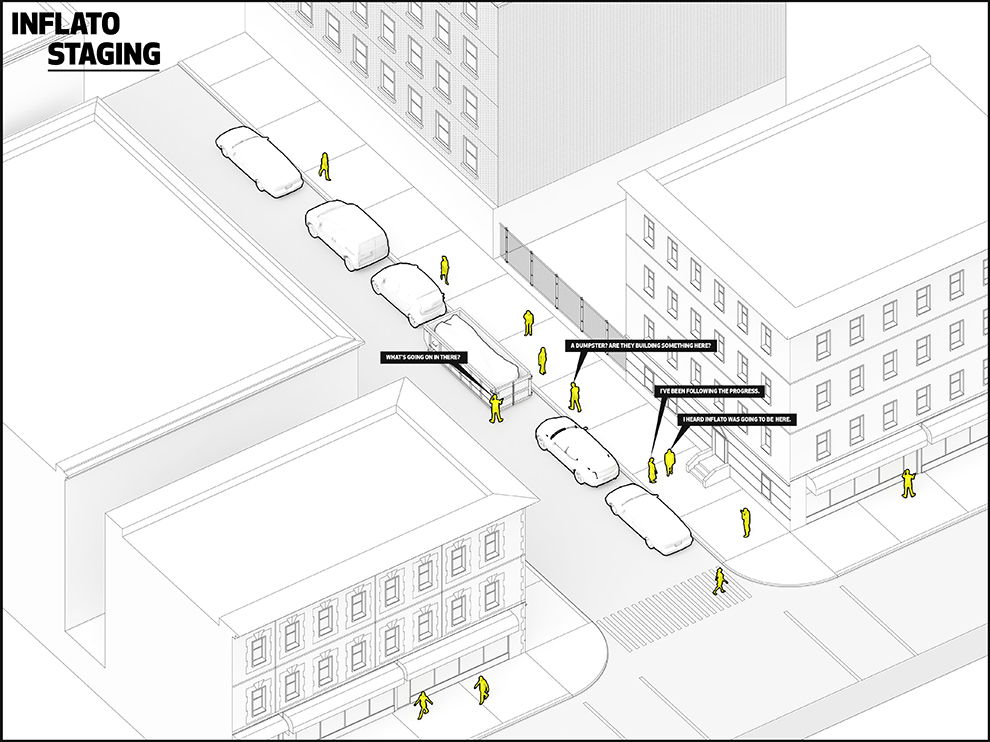
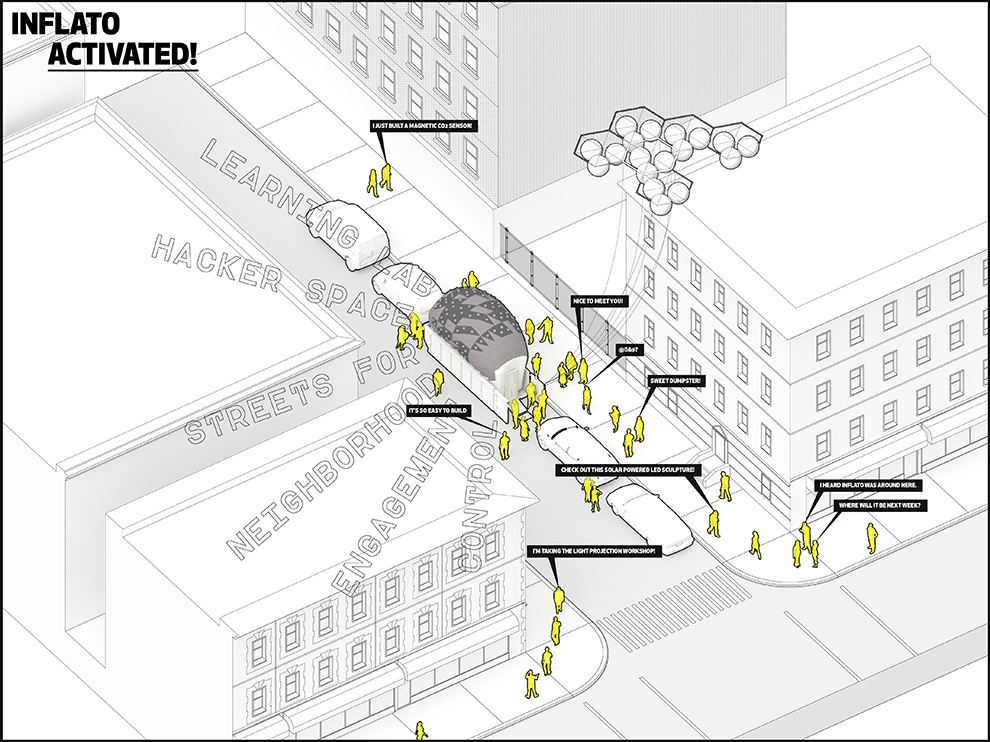
As public space in New York becomes increasingly privatized and commodified, The Inflato Dumpster seeks to counter that tendency by serving as an open, engaging street-level structure that acts as a mobile learning laboratory.


For five days this fall, the temporary, dome-like structure will confront the tendency of city space to limit public exchange by serving as a large scale urban intervention in which workshops to create and explore the possibilities for smaller, targeted urban interventions will be produced and deployed from within.


We believe that the architecture of the Inflato Dumpster can act as a networked node of neighborhood information – using screens and sensors to produce constantly updating streams of demographic and subjective information regarding the local site – and then in turn produces a smaller constellation of satellite interventions created by locals and visitors alike. We envision the site as a hub for all, to create a gathering space where programs can be curated to the needs of the community.

Visitors can enter, visualize, learn and explore various urban techniques and strategies before leaving the structure armed with the knowledge to redesign their own total environment.


Initially, we see this space as taking the form of a hacker workshop where simple, off the shelf components can be procured and combined to provide local residents with access to technology and a means for hands-on testing of public space concerns.


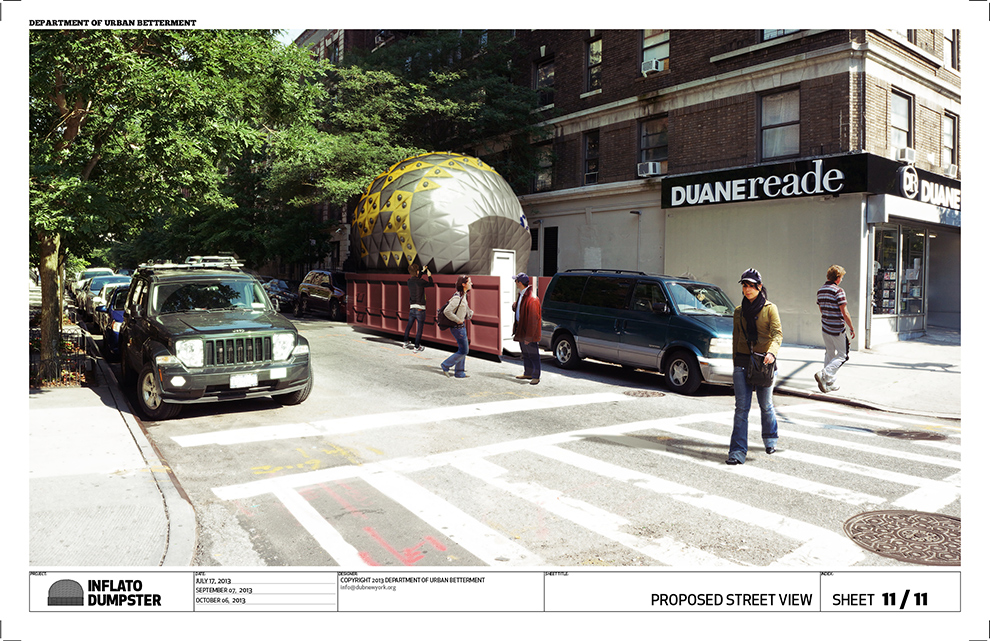
The structure’s faceted shape, materials and unexpected location will all combine to make for a fun, dynamic addition to the streetscape with the inflated structure evoking the blow-up castles of street festivals and the long history of big inflatable space from AntFarm to Spacebuster. We’ve been seeing a lot of construction dumpsters on the streets in the neighborhood, they symbolize change but also an opportunity for us to create something new.


As residents of various areas in New York City, we aim to take advantage of the mobile, temporary nature of the Inflato Dumpster to pop-up in areas that we love, neighborhoods where we live and around the people and communities that we know. We’ve identified a number of intersections and areas where the workshops and education laboratory programs would have the greatest impact, so stay tuned as we finalize the exact spot.


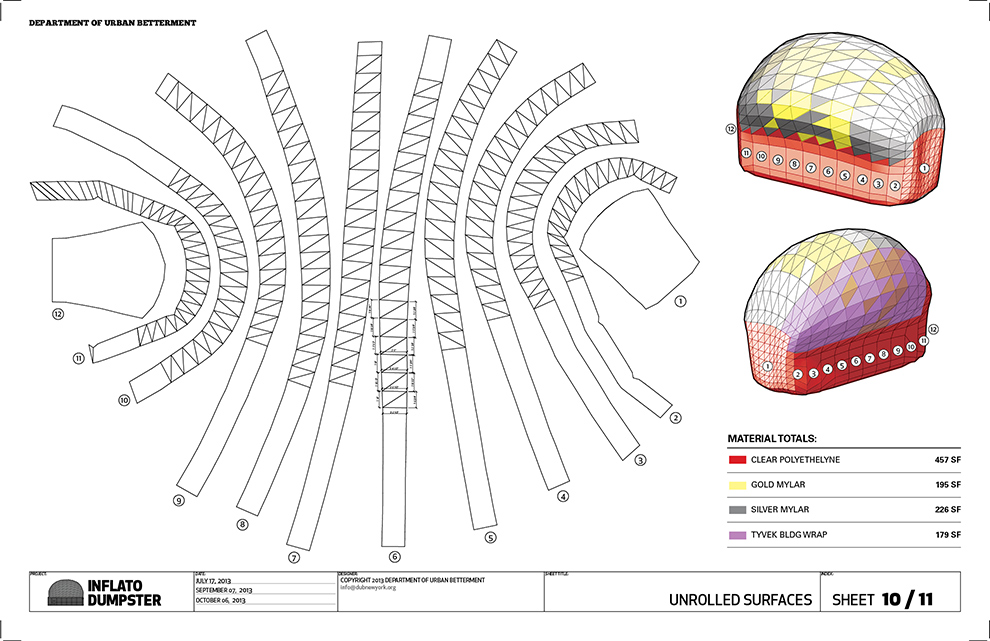
The Inflato Dumpster will be built from readily available lightweight materials and combined into a structure that can be inflated and occupied. Consisting of gold and silver mylar, it will reflect the light filtering down from the trees and create a shimmering, inviting structure on the street.The logic behind the materials is as follows: up to a datum level of approximately six and a half feet, the structure will be made of clear polyethylene. This is an inexpensive, common and biodegradable plastic material that will allow views both from the street into the space, and from within back out to the street. The street side will be primarily comprised of gold and silver mylar material with small clear holes throughout to allow light to filter in, evoking the feeling of being under a shaded tree. The highest point on the dome will be approximately 28’ and the space will comprise nearly 2000 cubic feet of overall volume. The sidewalk side will be built from faceted white tyvek building wrap, used both for its lightweight capabilities and also to provide a surface for projections of film and data. The final and most important material is of course the dumpster, a 30 yard refuse container that is 23’ long by 8’ wide and will form the solid base of the intervention.


Looking forward to seeing you in the dumpster!


A link for high resolution images:
https://www.dropbox.com/s/8x1wpc1m3wo6nfx/INFLATO_DUMPSTER_IMG.zip

 
20130616 Tags: grasshopper, parametric, research | No Comments »

Extrude Mesh Faces


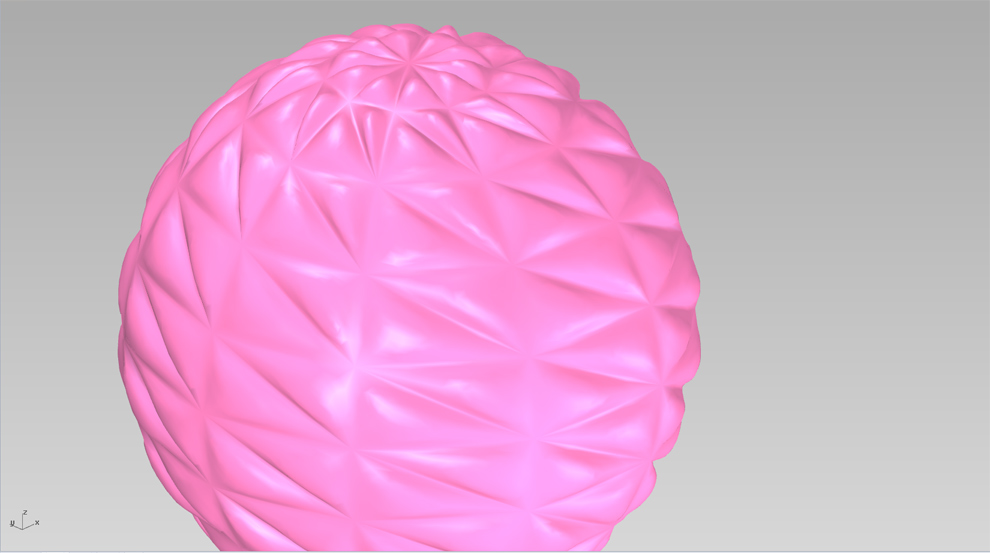
In conjunction with a form-finding exercise in Kangaroo, I was searching for a way to render a single, closed mesh as if it were an inflatable form made of individual, stretchy panels – think soccer ball. Since I was already starting with a mesh, I needed something that could extrude and manipulate individual mesh faces normal to the face centroid with a certain degree of flexibility. I couldn’t find much online, so I put together a super basic, simple grasshopper file. Aside from some of the typical drawbacks with using meshes in Rhino (which have actually become a lot more workable in Rhino 5), I think it’s reasonably clean.
Download here: http://gracefulspoon.com/downloads/EXTRUDE_MESH_FACE-NORMAL_FINAL.gh

20130520 Tags: fabrication, gsapp, interaction, new york, research, teaching, urban | No Comments »

HACKING THE URBAN EXPERIENCE III – STUDENT WORK


While my natural tendency can lead toward convolution, in the interest of concision here is my attempt to sum up the course objectives in one sentence: “to self-initiate and identify a problem statement relating to the urban environment, and then manifest a possible solution through a public, physical object, while confronting the myriad issues associated with that decision.” Problems addressed included the notion that strangers occupying proximate space are too disconnected – how can you encourage interaction? As well as the problem of physical space inducing a heightened sense of agitation during a stressful time (finals on a college campus) – how can a space be created that produces an alternately playful, soothing affect for passersby? So with that, here’s a sampling of self-initiated work from the third iteration of HTUE.


See previous work and extensive course descriptions here:
Hacking the Urban Environment II – Student Work
Hacking the Urban Environment I – Student Work


All images and work by students Amir Afifi, Hanxiao Yang, Marielle Simone Vargas, Wilbur Lee and Will Chen


Assignment 01 – PARASITES


Assignment 02 – LIGHT PROJECTION


Assignment 03 – FINAL

20130511 Tags: architecture, competitions, fabrication, graphic design, urban | No Comments »

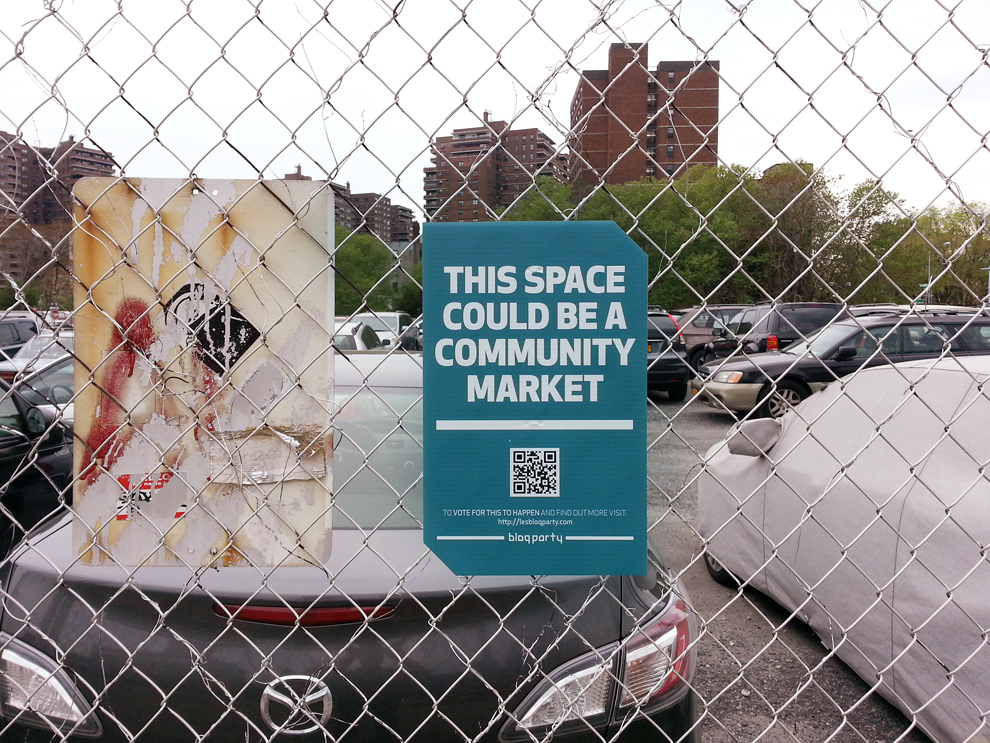
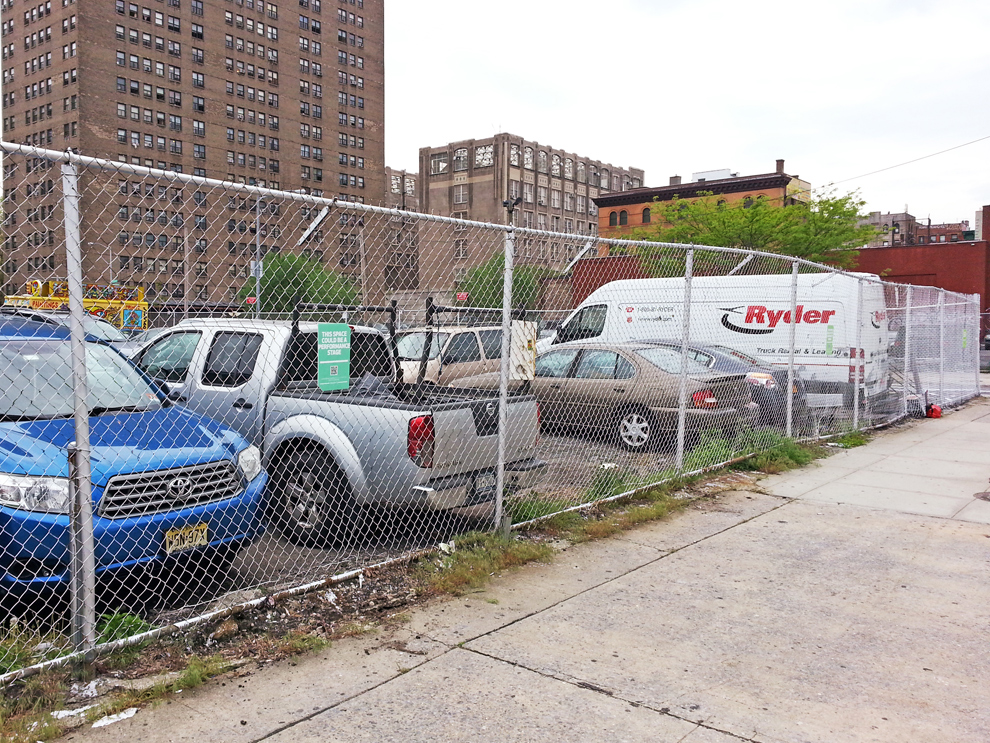
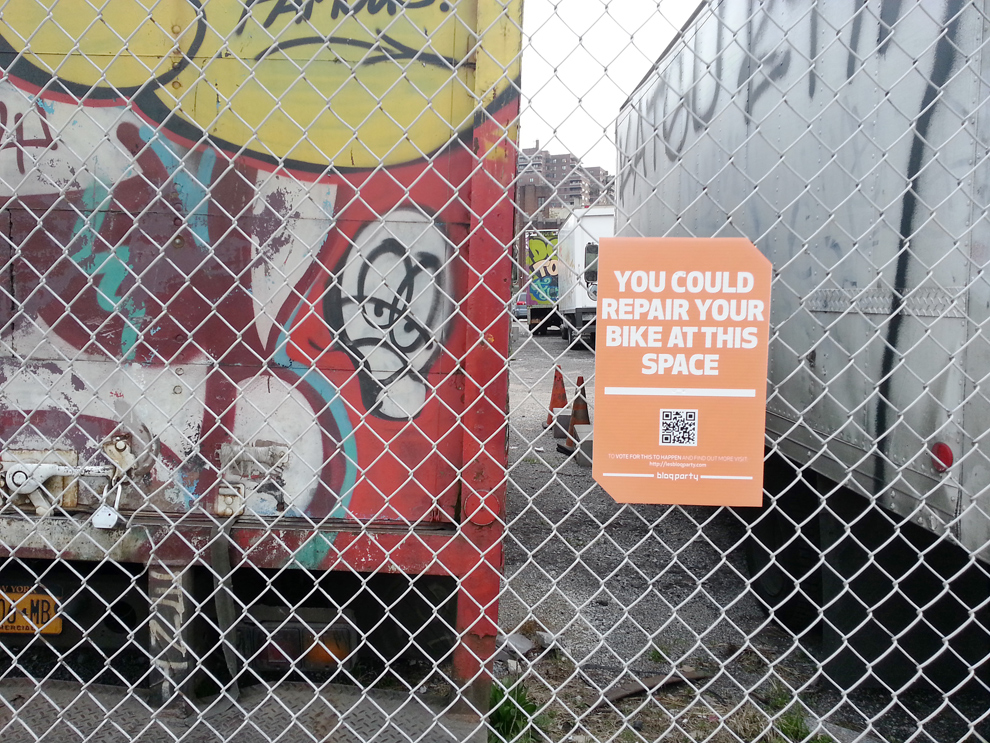
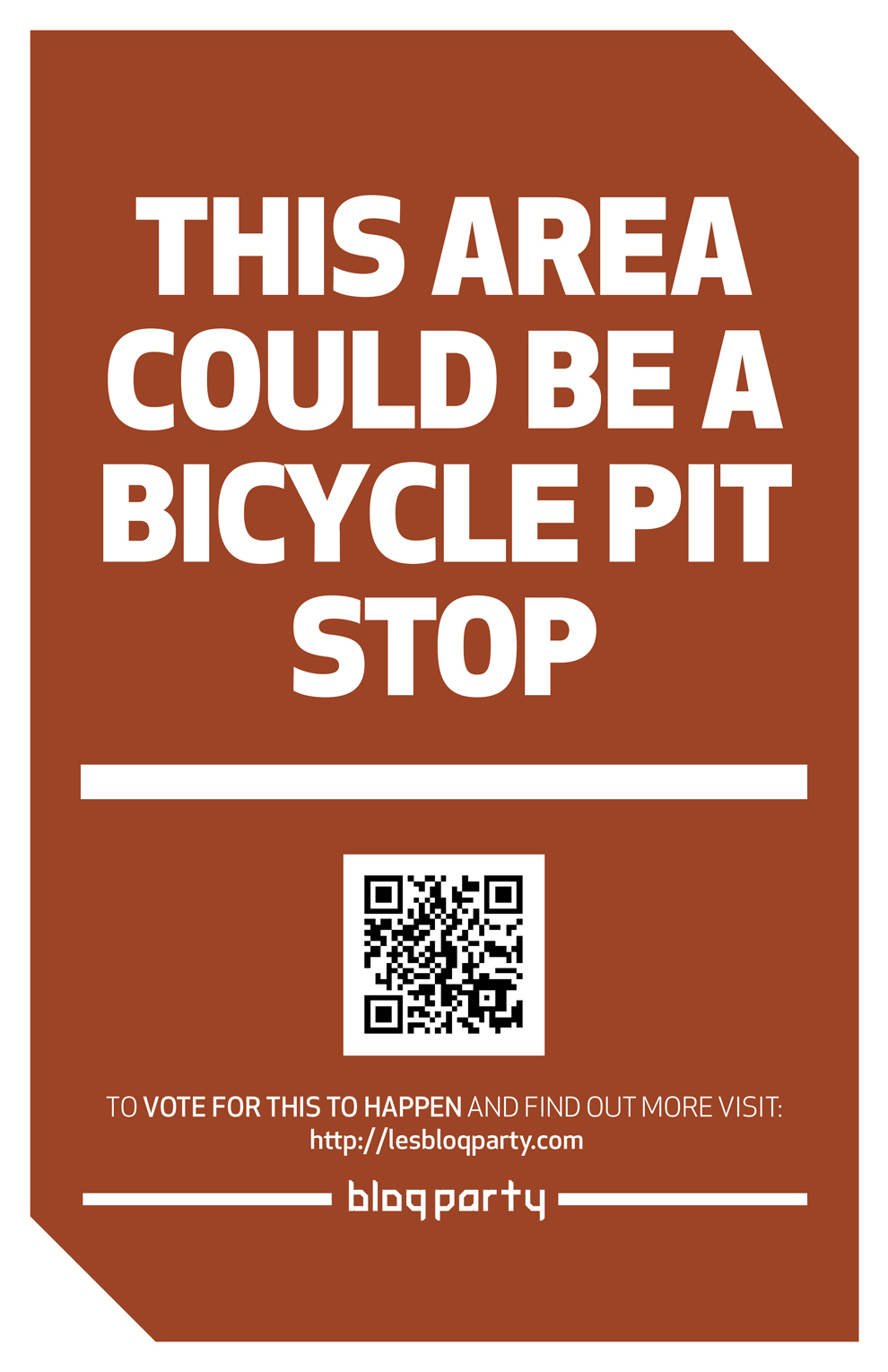
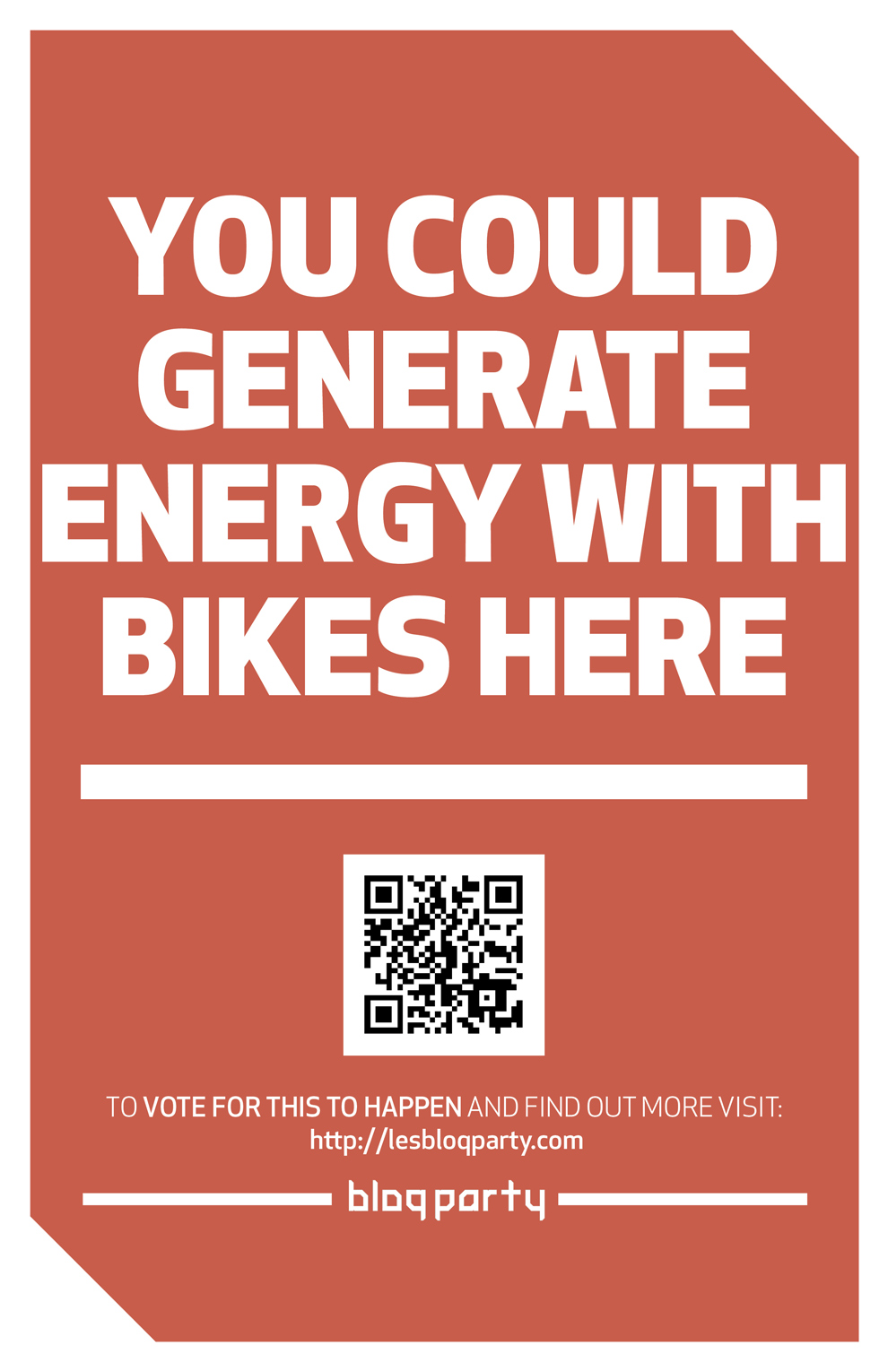
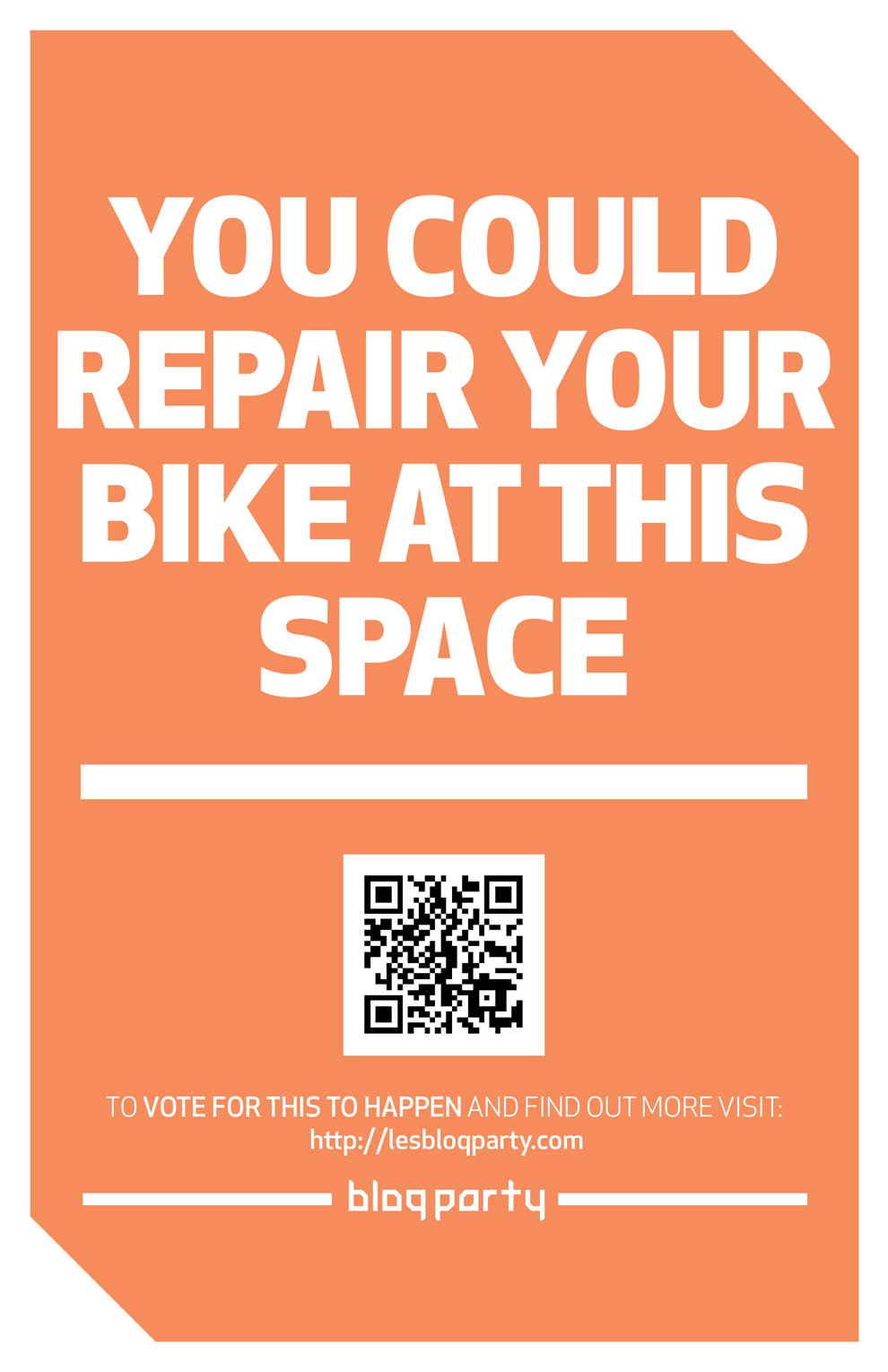
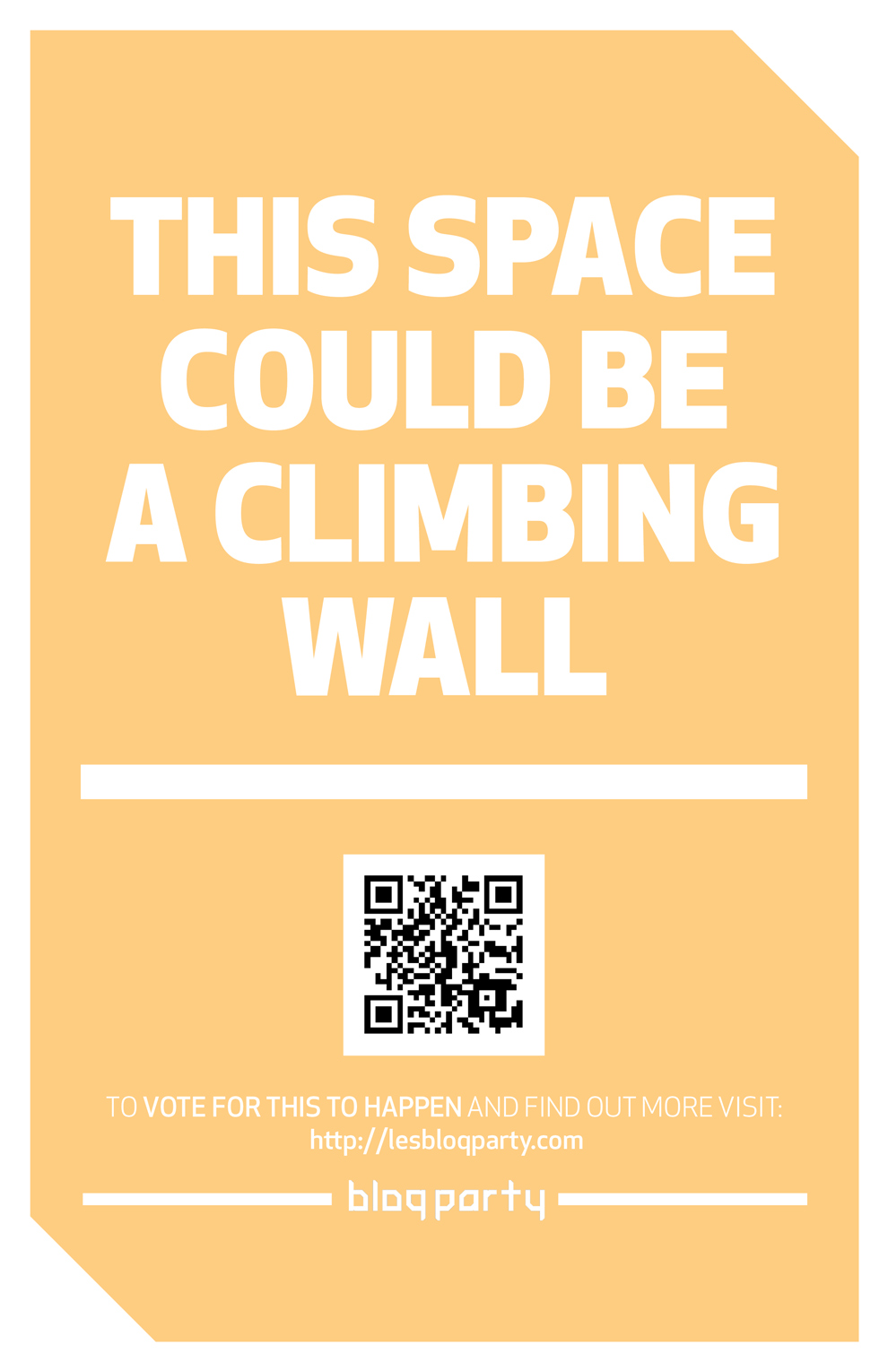
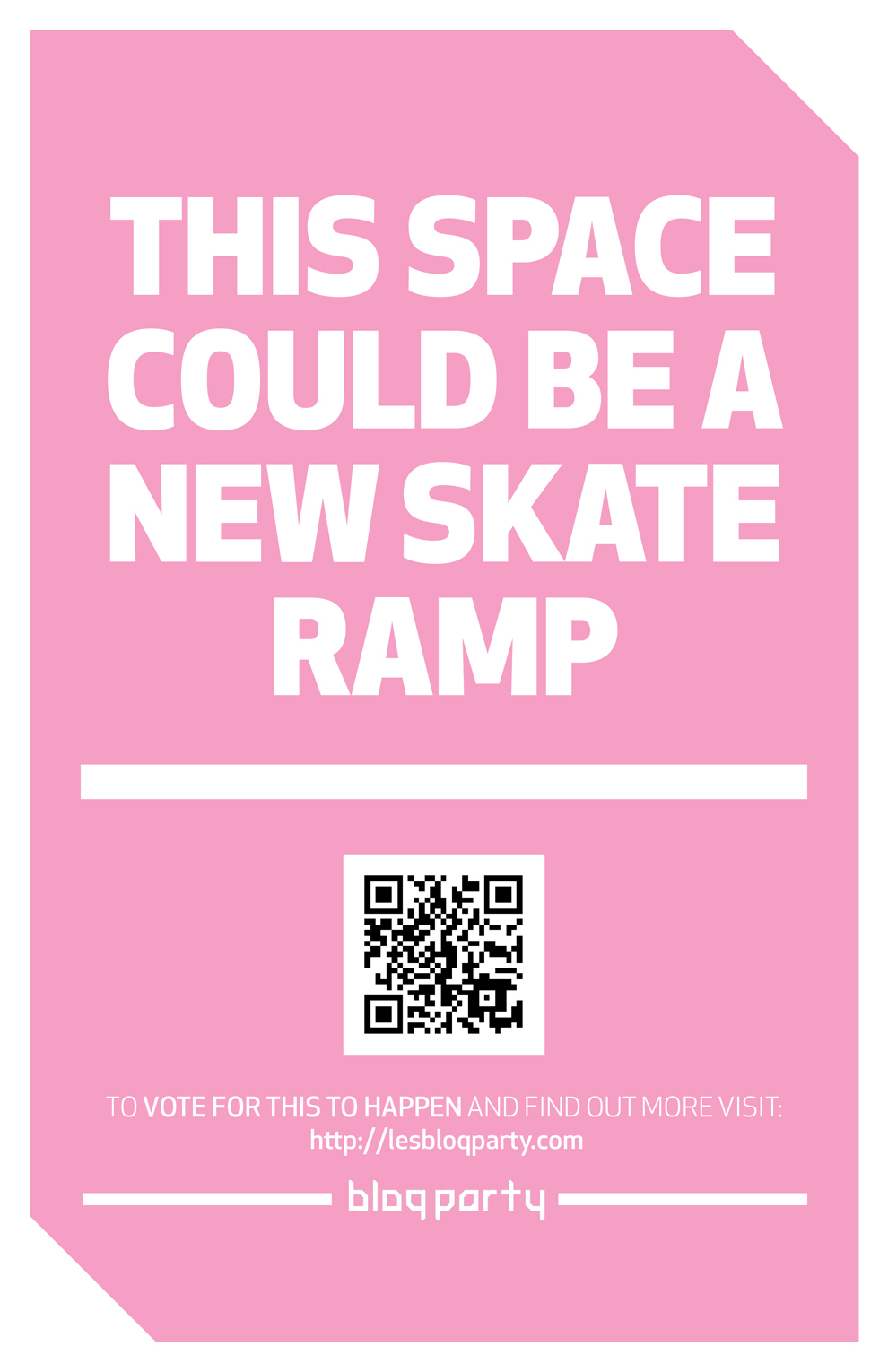
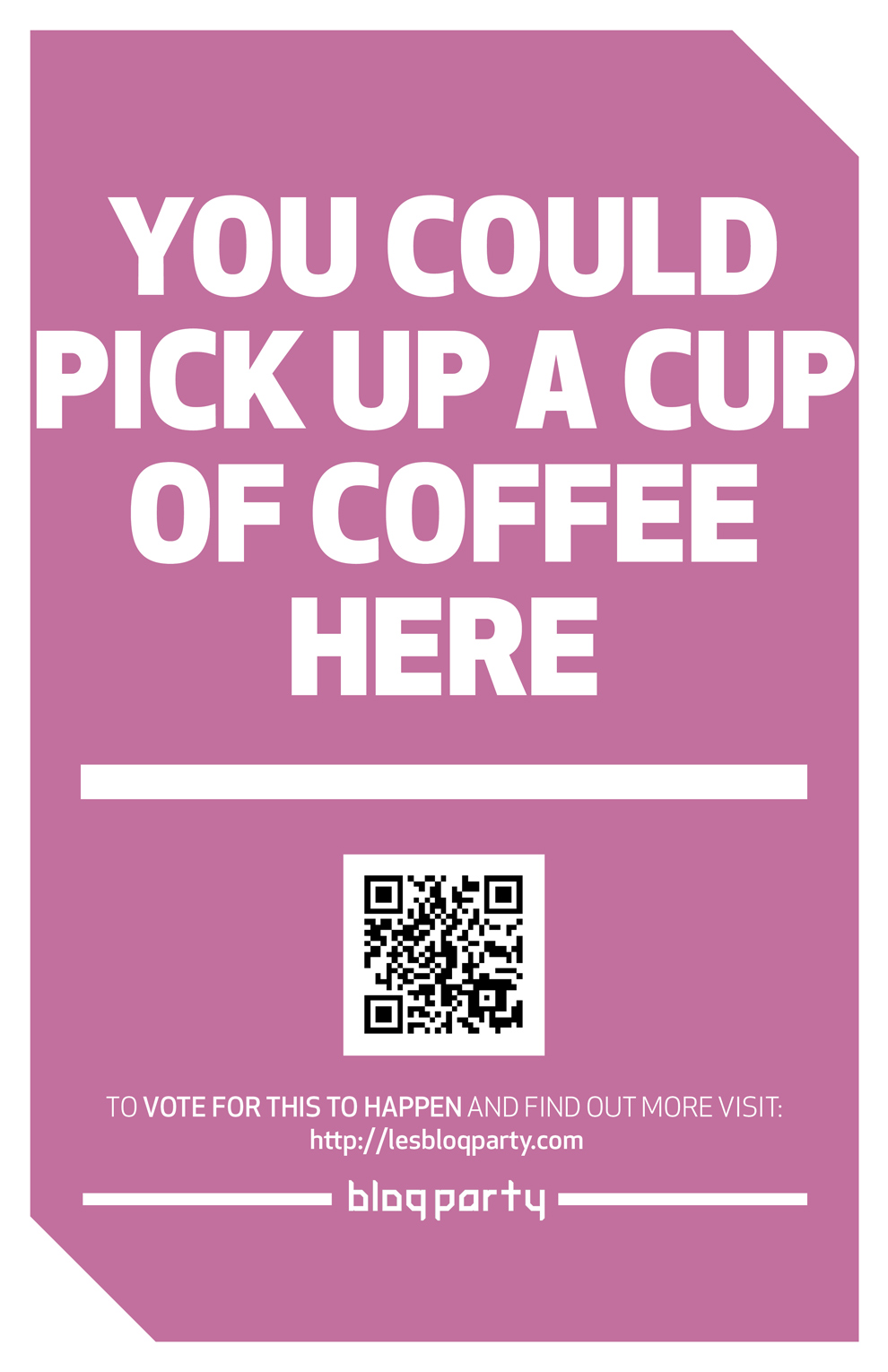
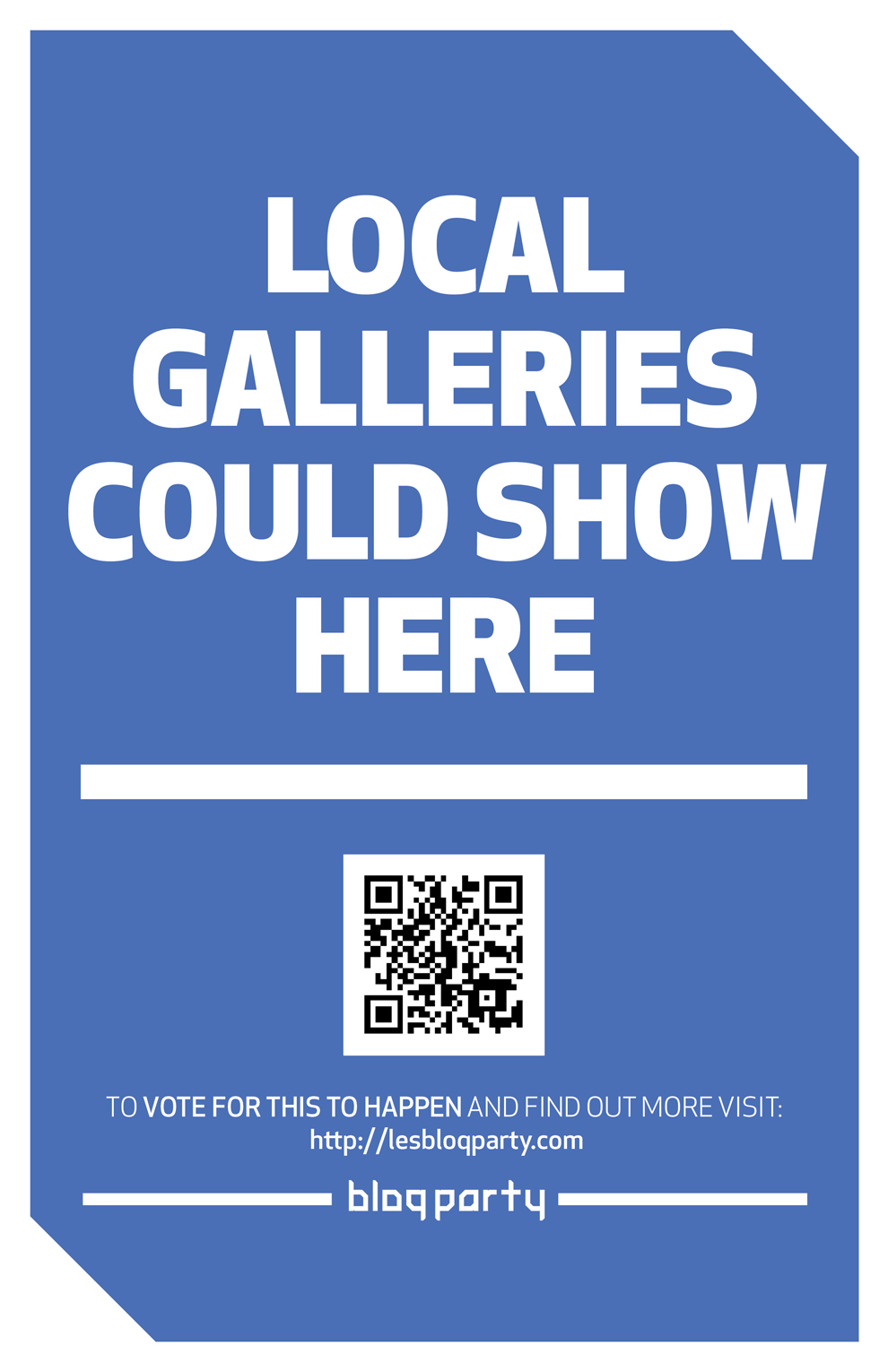
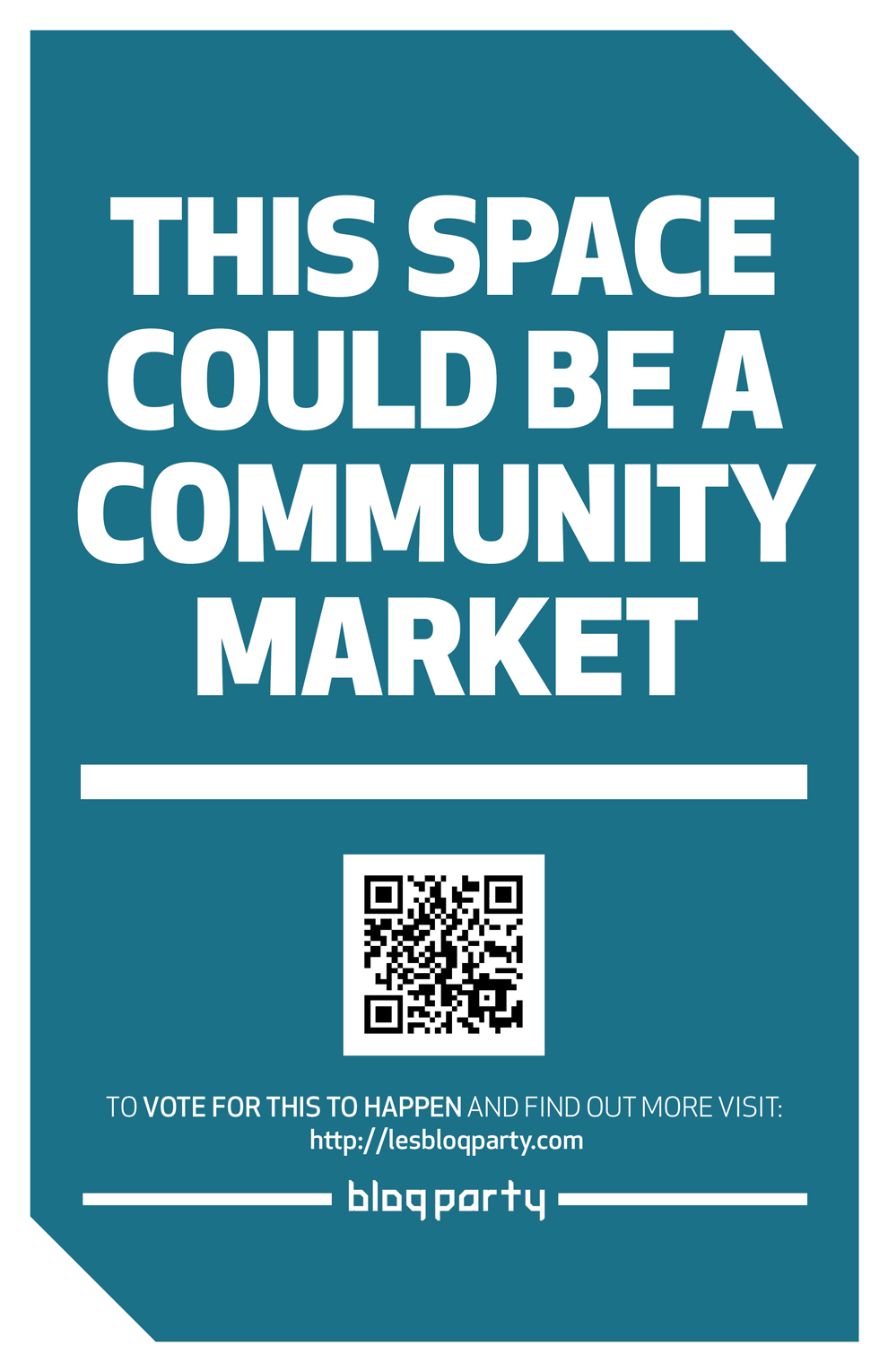
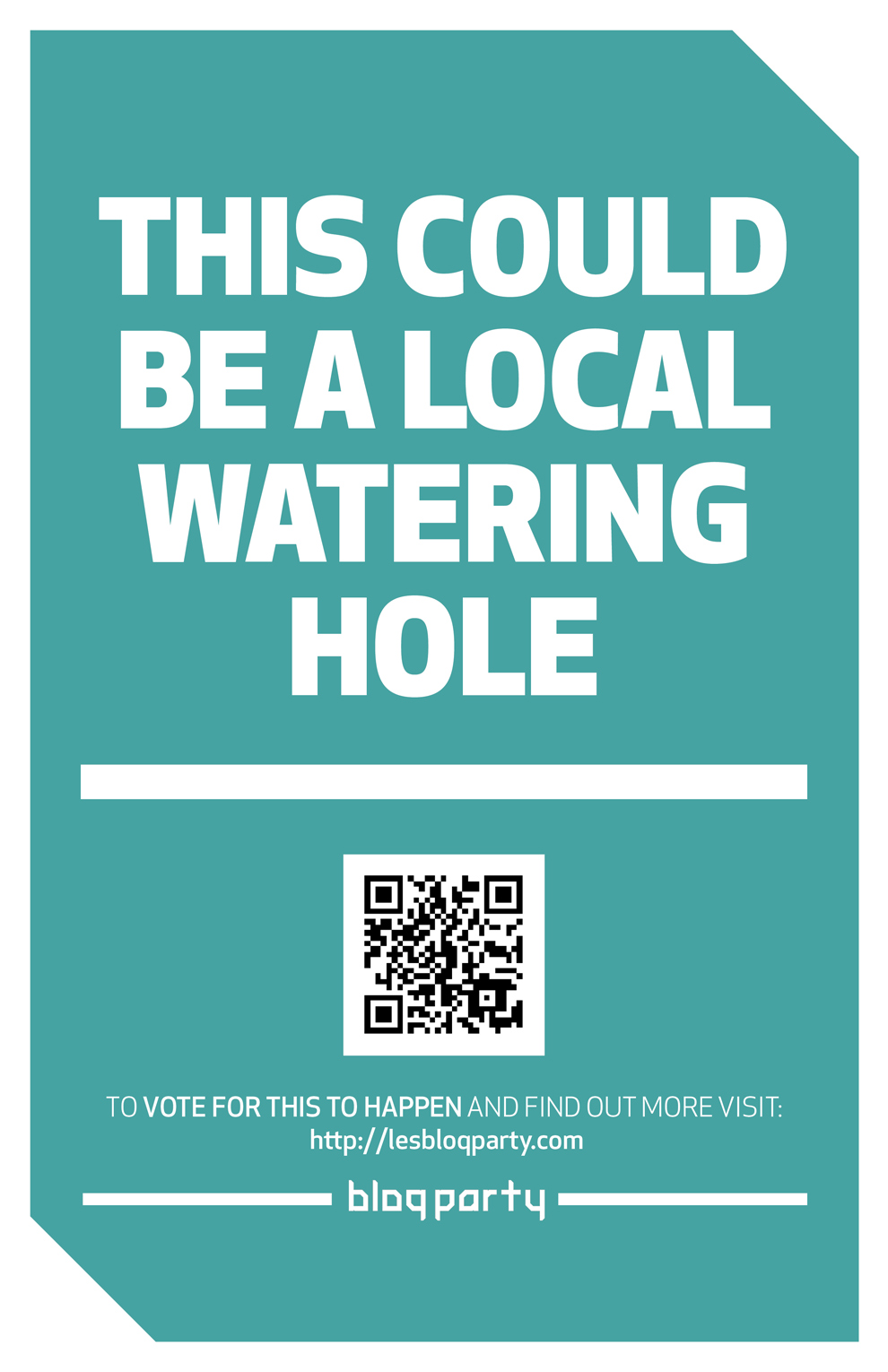
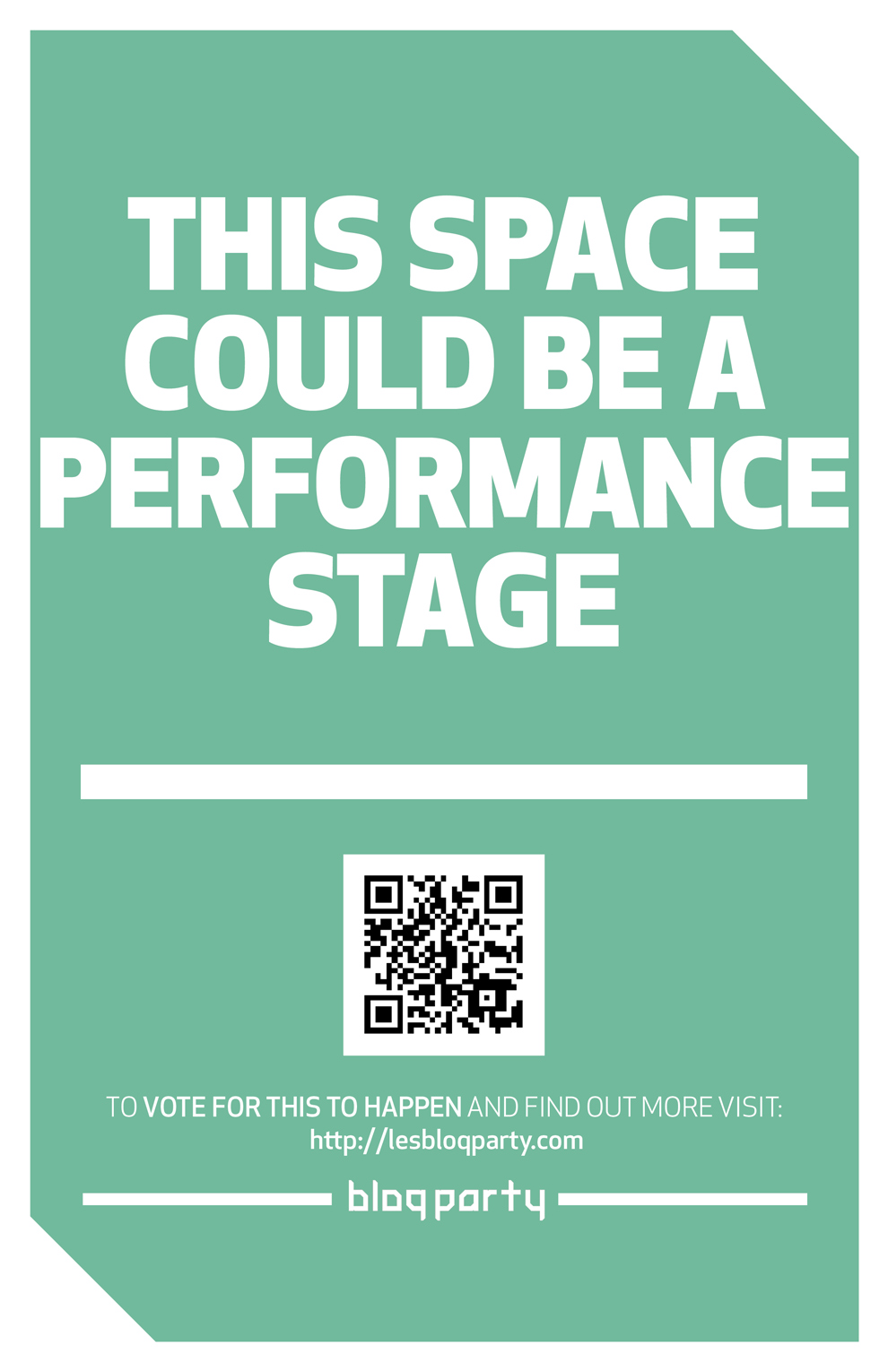
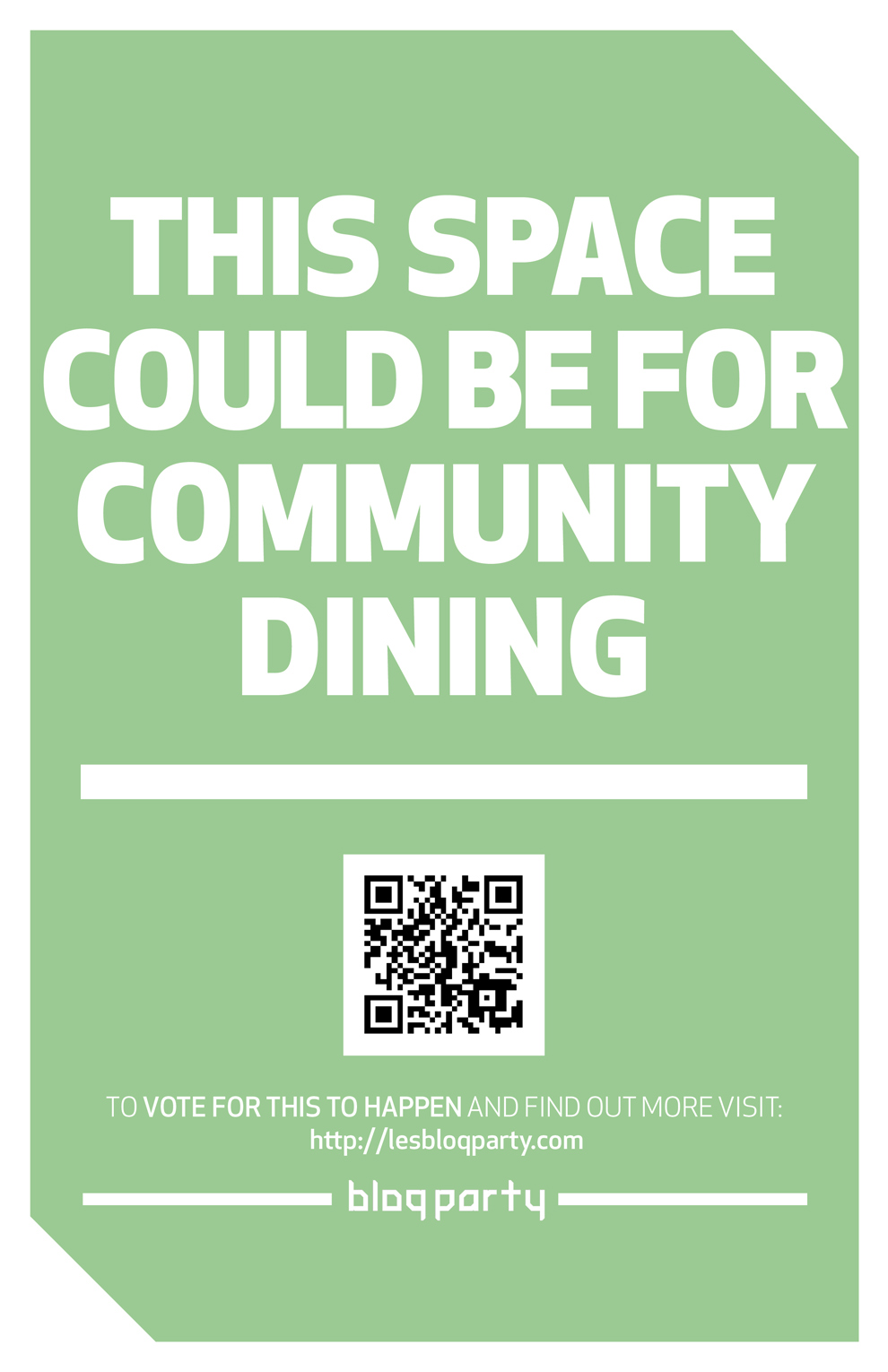
This space could be…


To generate interest and excitement for our BLOQ PARTY proposal, we wanted to start a conversation by showing how the program elements we produced could potentially activate the competition site. Competitions, design proposals and urban space planning oftentimes fall under the radar of the actual users of the site who are both unaware that a competition is taking place and then have no voice in the process or outcome. The plastic signs are intended to link the digital proposal to an actual physical space – less obscure websites and more public posters. It also helped to see how our space division laid out on the actual site, we had treated the eastern, narrower plaza area as space for movement and dynamic interaction – biking, running, skating. The western, more generous plaza was designed for slower, more spontaneous meeting areas. We hope the signs can begin to create a diaglogue for the best use of the space including potentially new and different program ideas that can eventually bring the space to life in a vibrant manner for all.

2013053 Tags: architecture, competitions, graphic design, urban | No Comments »

BLOQ PARTY


Designed with Mark Bearak and Yuval Borochov


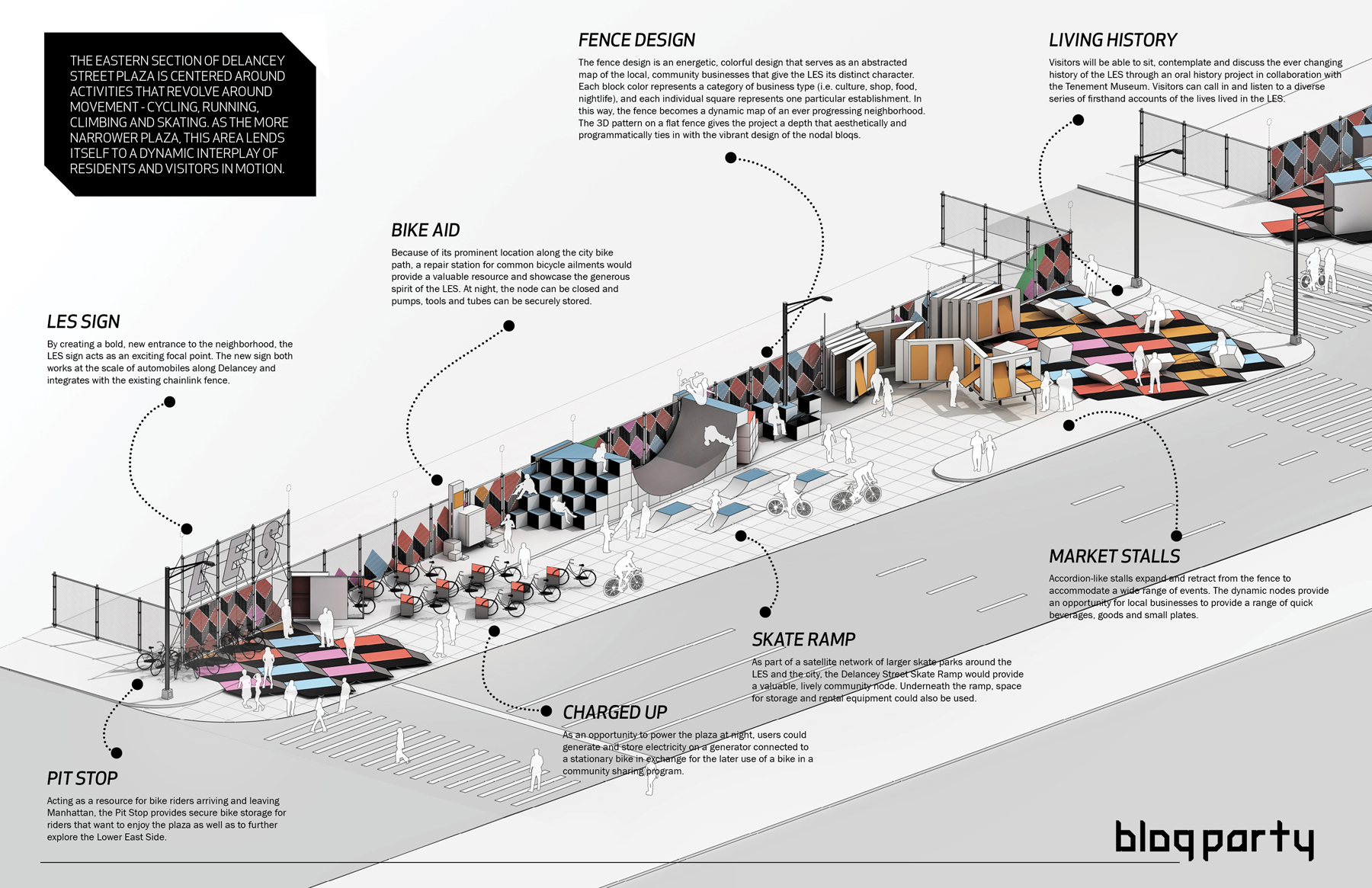
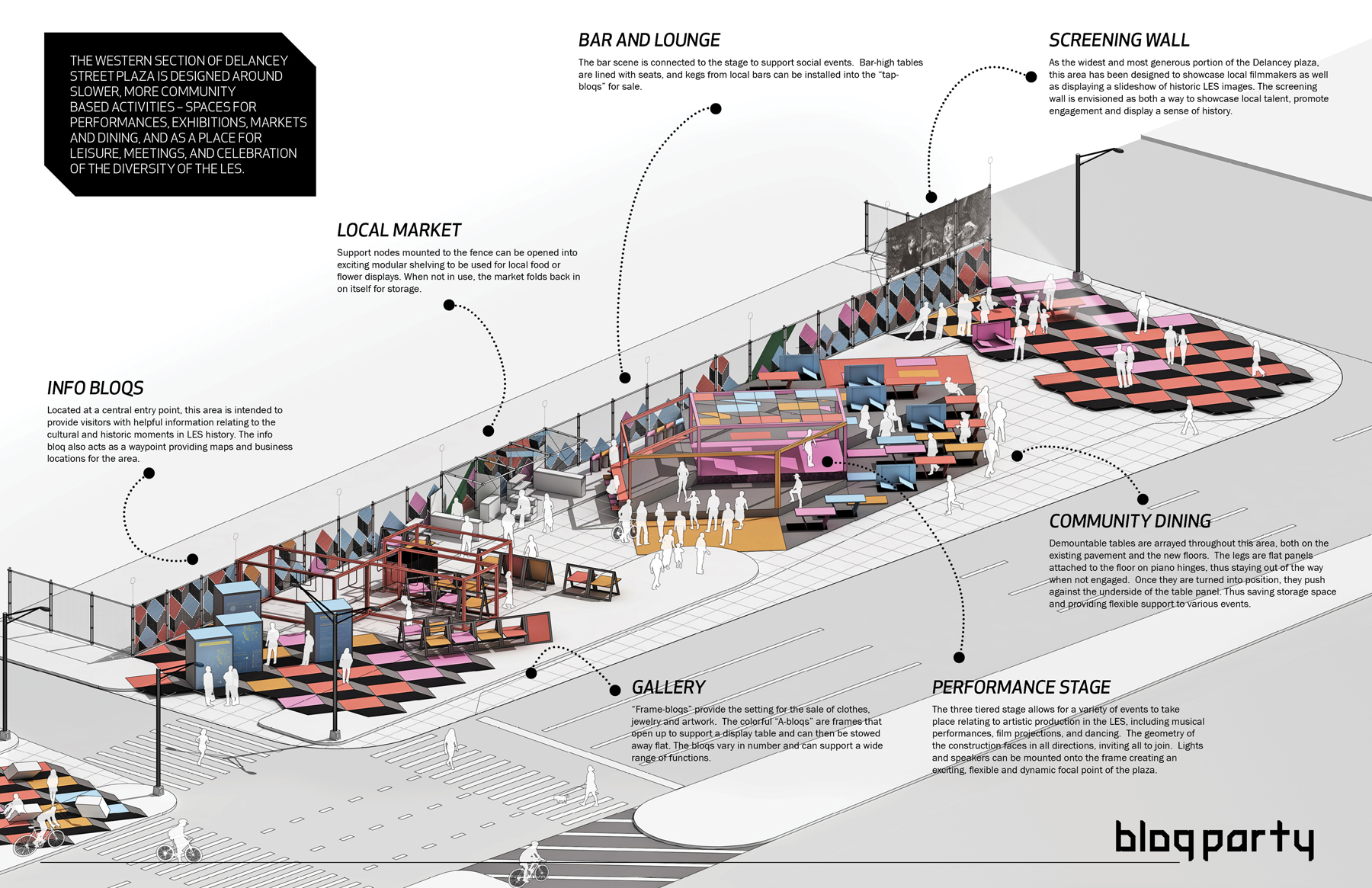
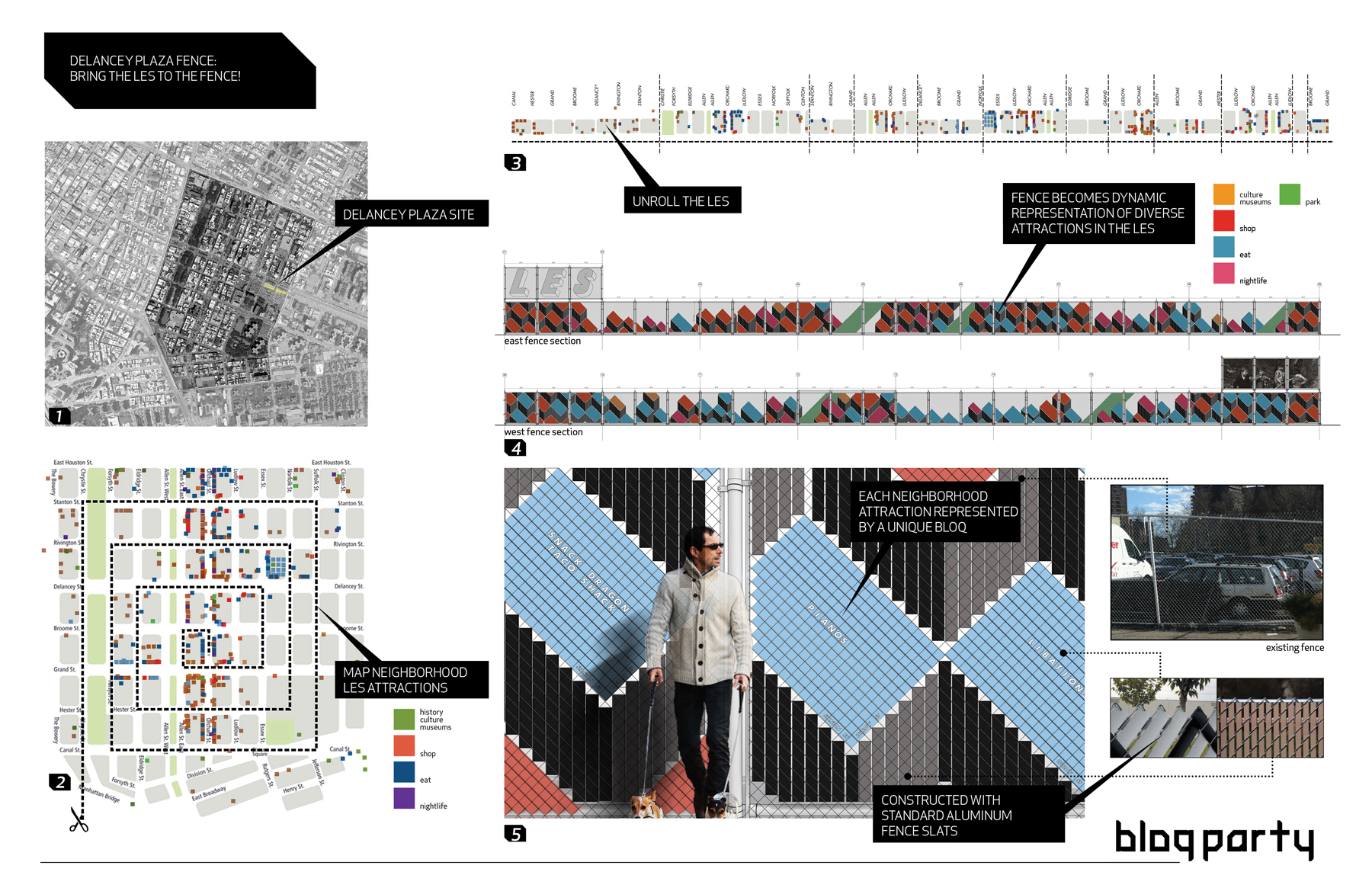
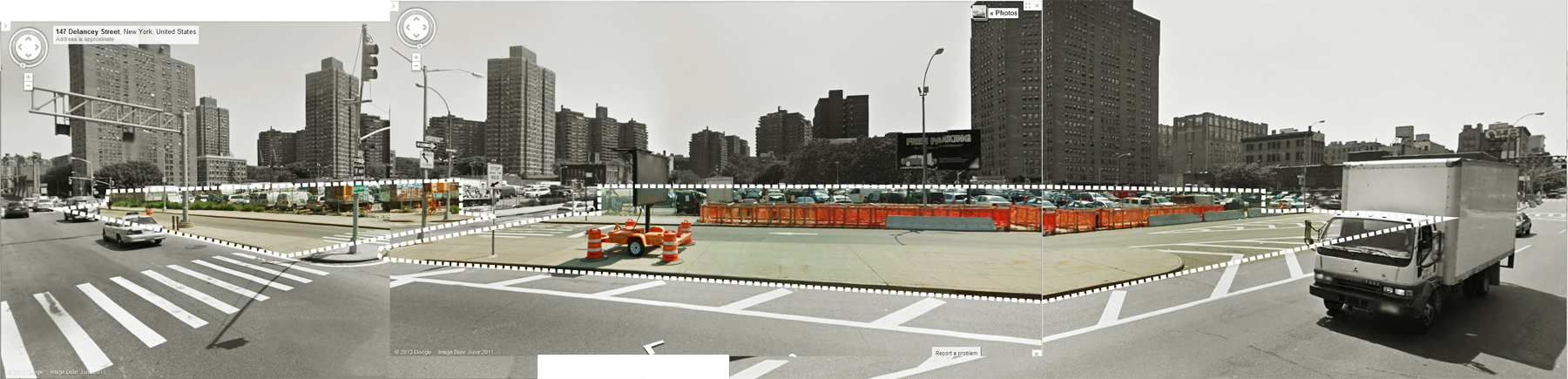
What began as a competition for a temporary rehabilitation of an existing chain link fence along two blocks – adjacent to a pair of parking lots – quickly became a more encompassing proposal as we realized the latent potential of the two narrow, un-programmed plazas bordering the modest chain link fence. Located at the Delancey Street connection to the Williamsburg Bridge, the site acts as the symbolic gateway to the Lower East Side for those leaving and entering Manhattan, and as such, displays a great wealth of untapped design opportunity. As a temporary proposal of less than 5 years duration, we identified a variation of possible plug-in nodes that could be used to test ideas for the site and generate community engagement by bringing the scattered, diverse collection of LES attractions together at the fence, displaying the street-level density and multiple, overlapping functions that have historically characterized the LES. Budget and business plans were also developed to illustrate the feasibility of a more ambitious program at the site through a variety of funding and sponsorship options.


PROJECT DESCRIPTION:
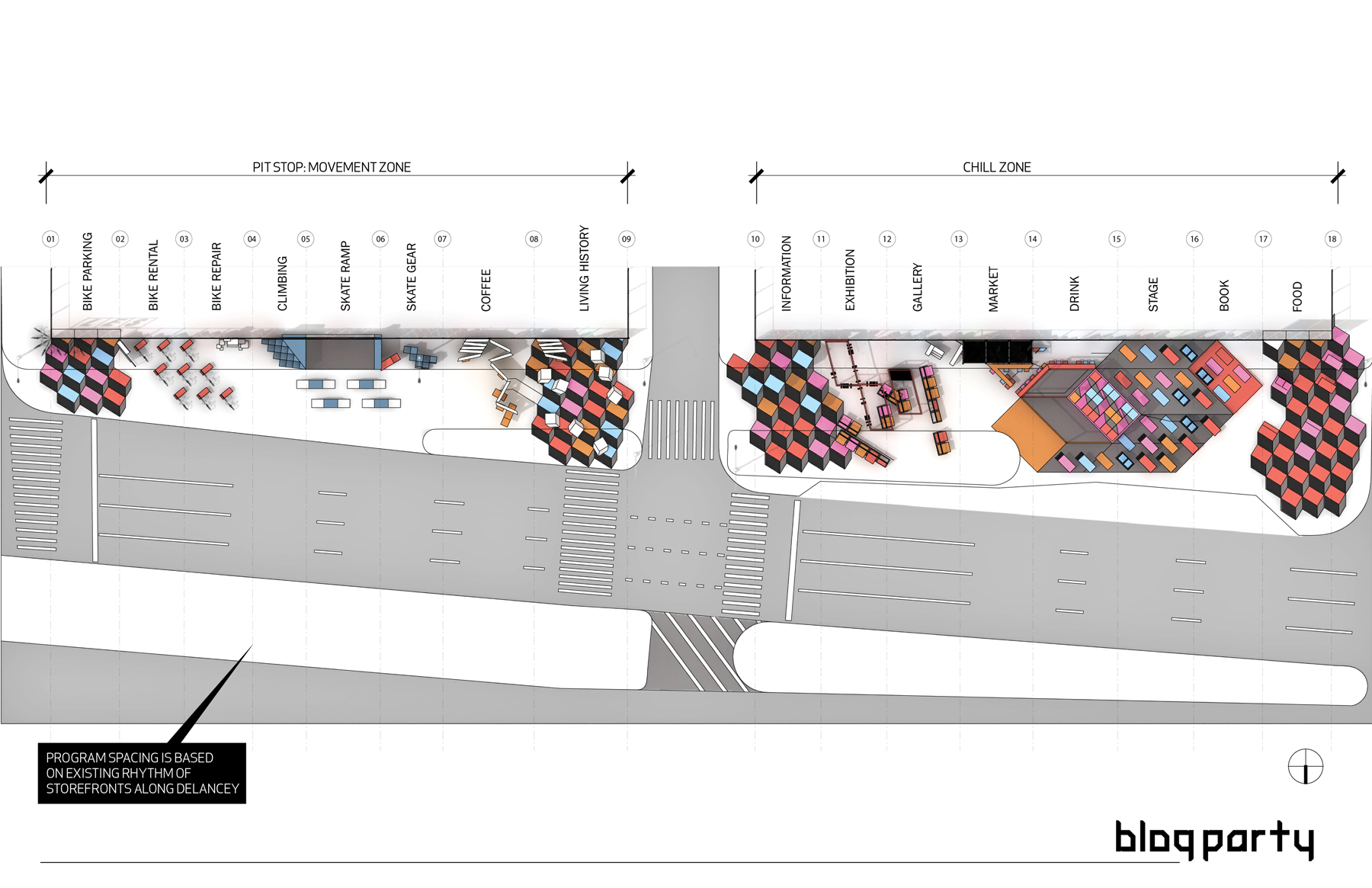
The possibilities of programming a BLOQ are endless, ranging from a bike repair station, to a satellite location of a Lower East Side business, to a concert venue stage. Each block will have its’ own identity, but share geometric cues from its neighbors. In our proposal we will aggregate 16 BLOQS that will serve as a gateway to the LES while also providing an oasis of attractions within the neighborhood.
The site will consist of two city blocks and each section will have its own identity. We call the Eastern section the PIT-STOP based on its adjacency to the Williamsburg Bridge and its planned programmatic functions. The BLOQS located in this section will serve as a way station for pedestrians heading to Brooklyn or entering the LES. This section will have BLOQS with services such as bike repair, coffee and skate gear.


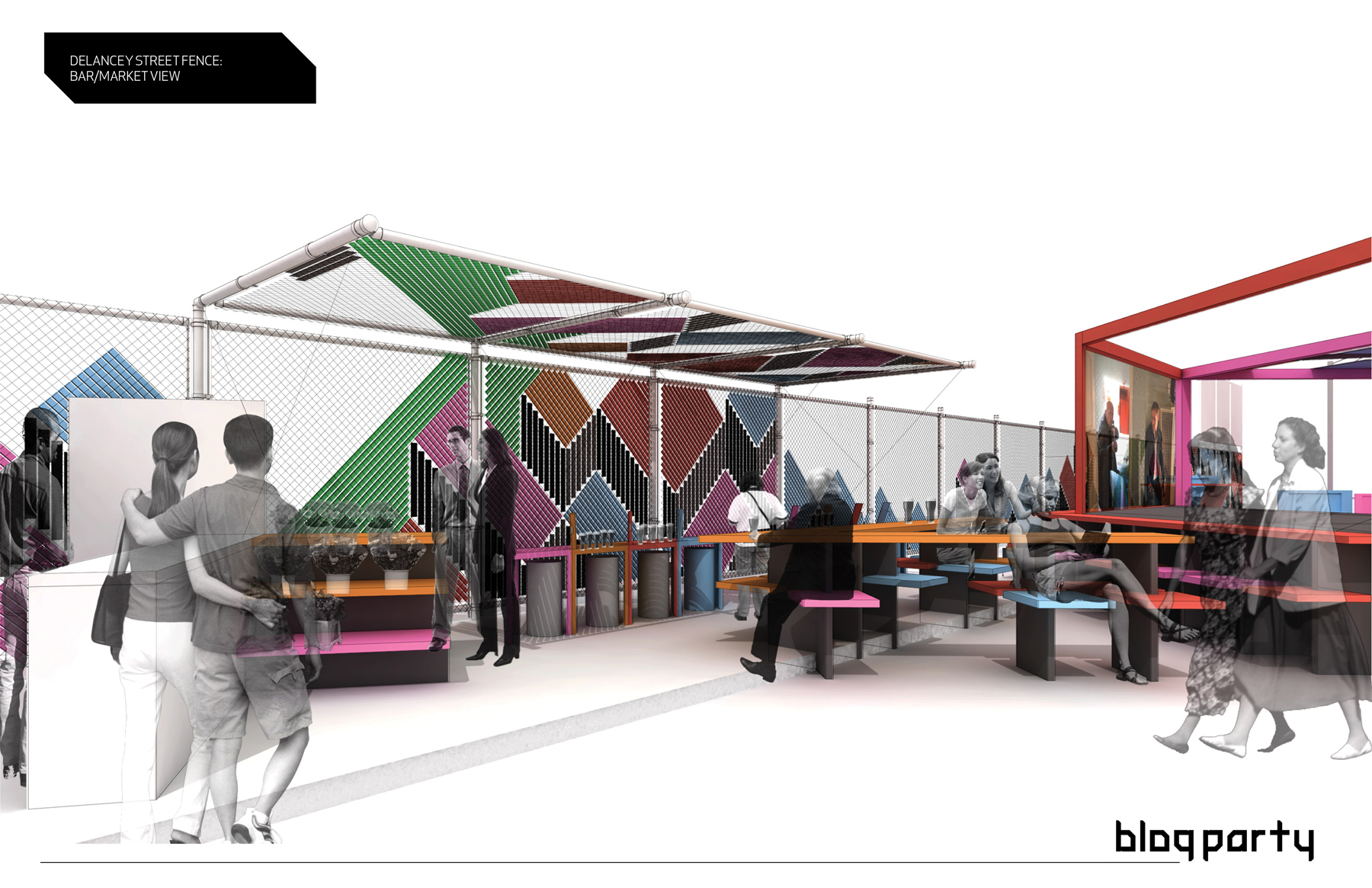
We call the Western section the CHILL space and we will treat it as more of a destination. The width of the site allows for larger gatherings of people who can congregate into the farmers market or catch a drink at the pop-up bar. Our proposal represents a handful of potential BLOQS; over the life of the project there are endless possibilities for temporary and permanent installations.


Further exploring the actual BLOQS, each zone will be defined by a fence which will act as a billboard for the community and patterns placed along the ground. Each section of fence will be a billboard representing an actual block of the LES. The design of each section of the fence will be a series of parallelograms that advertise local businesses within the represented blocks of the LES. The parallelograms will be colored based on following four categories: Shop, Eat, Explore & Nightlife. The adjacent ground will be a continuation of this theme containing patterns unique to each BLOQ.


The most liberating feature of the BLOQS will be created when the fence is used as a jumping off point to an architectural installation. We will bend, fold, cut, extend and warp the fence to accommodate the unique functions of each BLOQ. In some cases the drama of the gesture will be relatively modest; in the case of the market the fence will simply be extended horizontally to create a canopy to protect the produce. In more complex situations, structure and furniture will be built off of the fence to create a space suitable to host large groups of visitors. One of the largest BLOQS will be composed of a bar, stage and viewing area built within the distinct vocabulary of the installation.


The main purpose of the BLOQ installation is to activate the space. The BLOQ will not only serve as a gateway to the LES, it will serve as a destination for all New Yorkers. The project will never be static and its potential can be tested over time as the project evolves to suit the changing needs of the community. Eventually the project will not only be a representation of the vitality of the neighborhood, it will also serve as a benchmark for the evolution of the Lower East Side.


http://newyorkcity.arthere.org/art/bloq-party-2/
http://lesbloqparty.com


Existing Site

20130329 Tags: graphic design, grasshopper, parametric | No Comments »

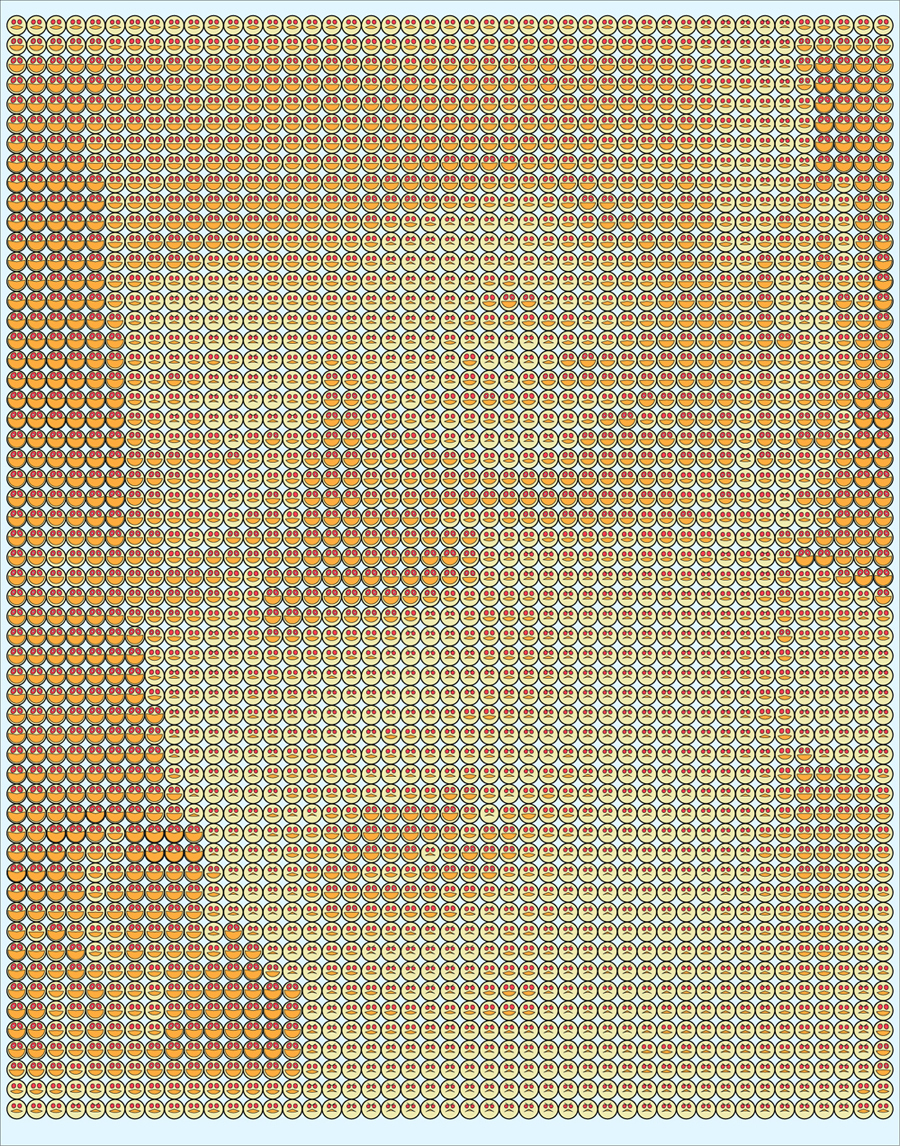
=)


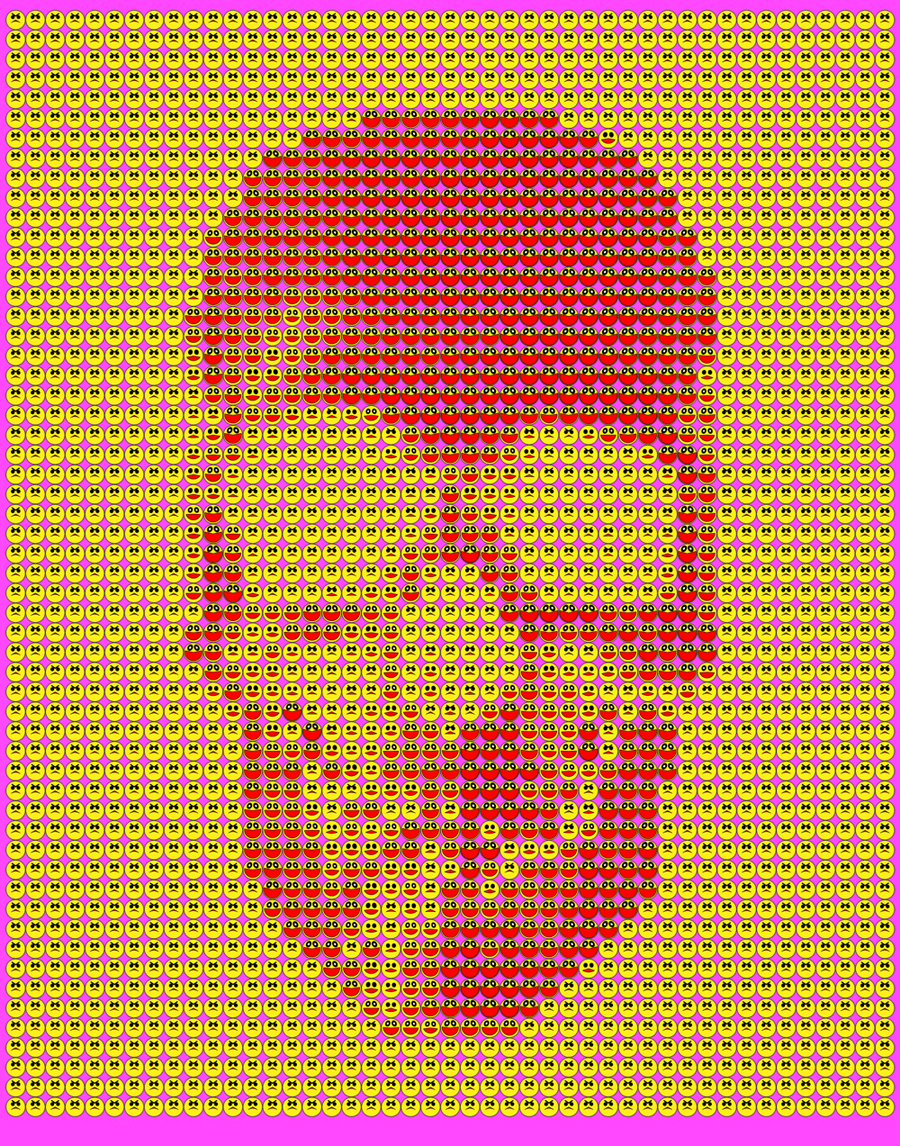
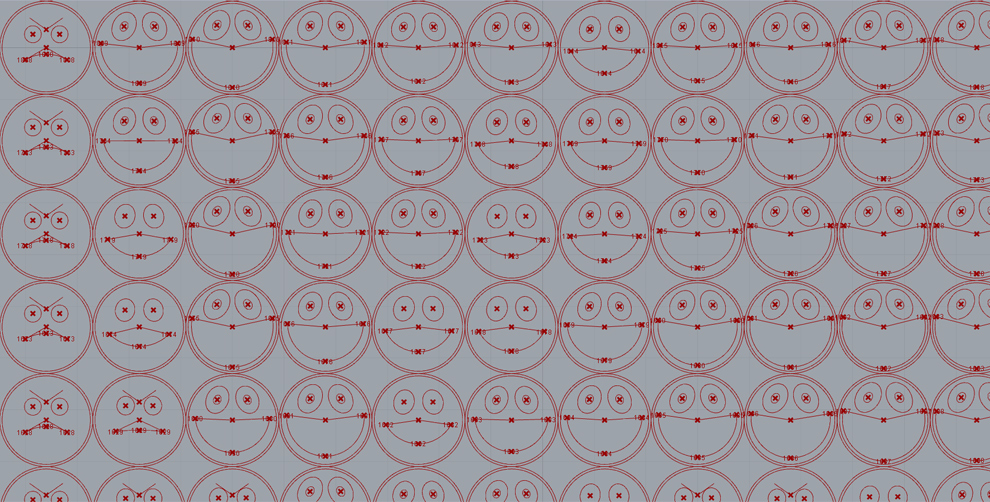
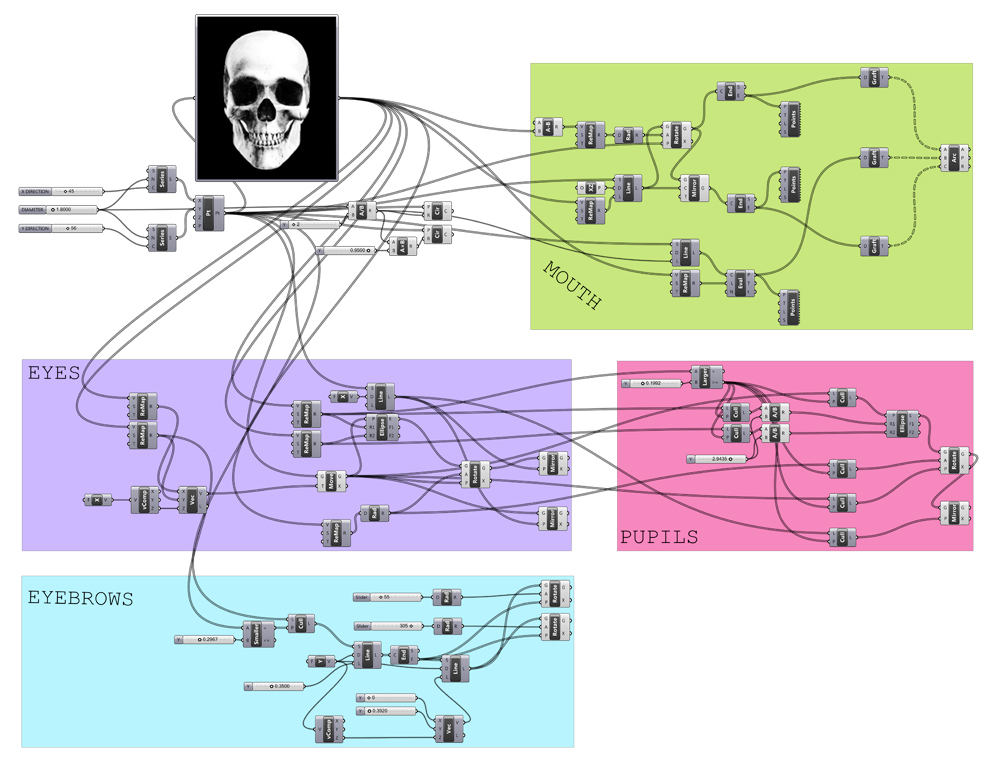
Parametric facade apertures on swooping surfaces are out, parametric emoticons are in. A quick experiment using the image sampler node in Grasshopper to parametrically control the relative ecstatic to furious expression of an emoticon. A sampled pure white pixel on the original background image produces full-mouthed, googly-eyed happiness, while a sampled black pixel will unleash furrowed-brow, pursed-mouth rage. Grayscale pixels produce the range of conflicted emotions in between. Grasshopper definition can be downloaded here, works with any image, but simpler images with fewer colors tend to produce more legible results.

20130113 Tags: architecture, competitions, fabrication | No Comments »

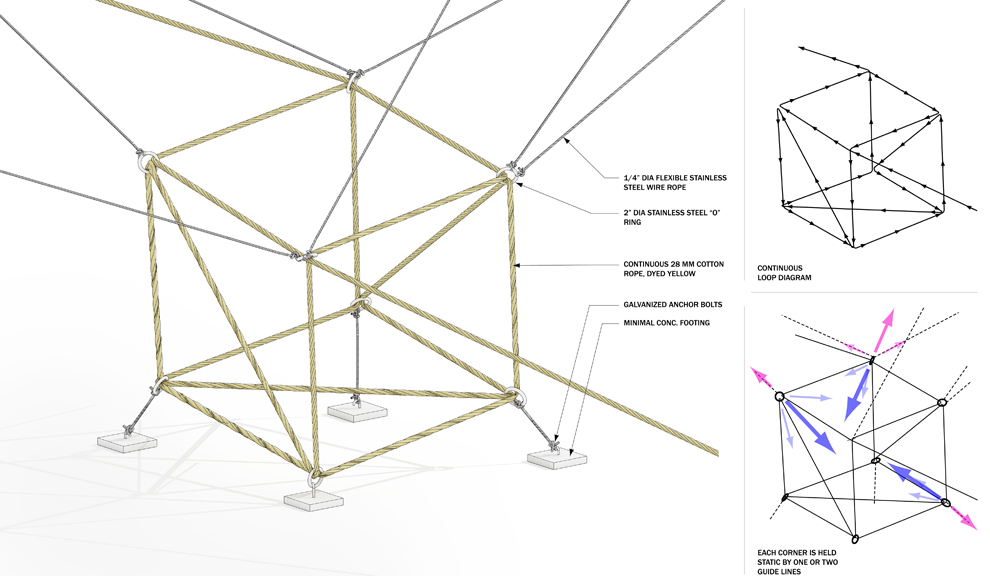
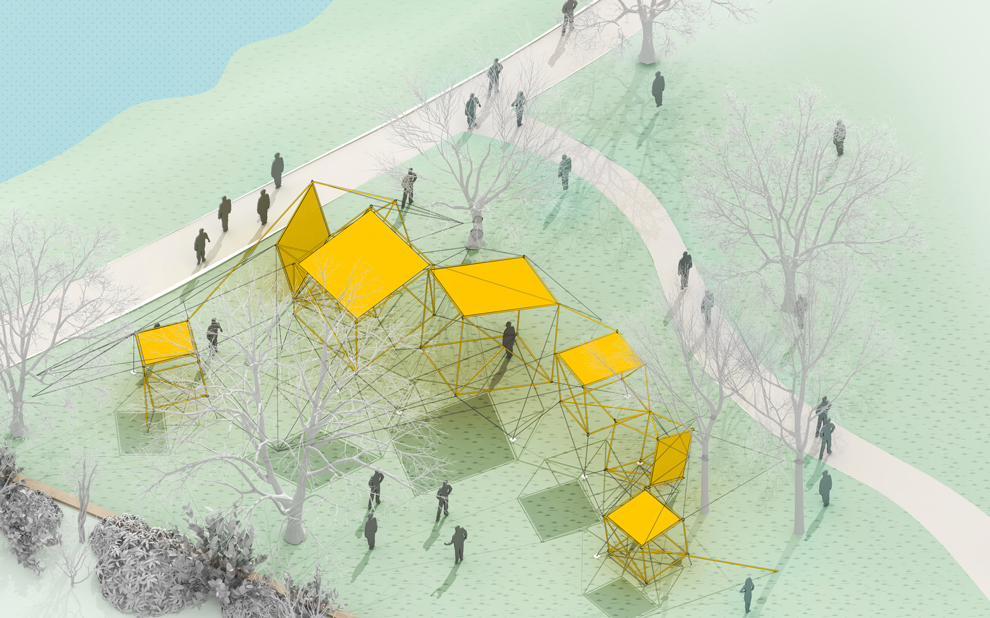
Continuous Contour


Looking North from the Sculpture Park


Assembly Diagram


Elevation Looking West


Site View


Typical Connection Diagram


Quick Project Description
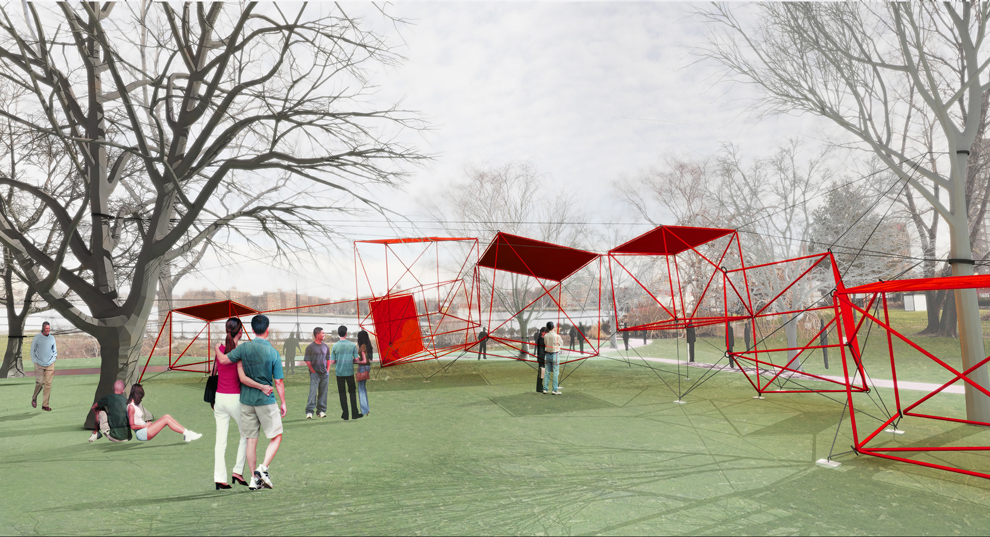
Continuous Contour is a folly built from one single 1050’ length of rope – sourced in Long Island City and hearkening back to the area’s historical role as a center of nautical manufacturing – as well as a series of guide wires and steel rings. Evoking a contour drawing where the pencil never leaves the paper, this rope becomes a continuous, eccentric line that winds its way through a series of metal rings to transform into a phantom geometrical construction, capturing space with visible boundary lines while still remaining imminently temporal and open. The folly proposal comments on architecture’s attempt to force order on the natural world by highlighting the impractical tension between the rigid, recognizable cubic forms and the seemingly chaotic guide wires that connect to the naturally occurring trees that circumnavigate the site. This forms a contradictory structure that is both delicate – being able to sway along with trees and grasping hands – but also completely in tension and dependent on each node to remain standing.


Description
The folly Continuous Contour is constructed from a number of locally manufactured and off the shelf materials. Long Island City was once a hub of naval construction and the area still retains some capabilities for producing nautical components, cotton rope primary amongst them. This became the basis for the design proposal and the main feature becomes a single, continuous line of dyed rope facilitating an investigation into the latent possibilities inherent in the material’s strength for flexibility and manipulation.


Architecture school begins with drawing, and one of the first methods taught in the development of a young architect is the contour drawing method, essentially a line drawing that traces the outline of a given subject – a simple means of emphasizing mass and volume on a flat two-dimensional surface. In Continuous Contour the subject becomes spactial and is manifested in a three-dimensional construction that forms the outline of a number of cubic forms that tumble about the sculpture park appearing to take flight as they near the water line. A canvas or plastic tarp is affixed to one side of the forms to potentially provide shade or a projection surface while further emphasizing the geometry. The single approx. 1000’ strand of the rope winds through a series of metal rings, back in on itself and then away again to form a unified decorative agglomeration. The eye can delight in following the eccentric path of the rope, tracing its voyage as it weaves through the park, transforming from a material that connotes a coiled, resting mass into a temporal folly that is now slightly recognizable as something structural. The folly defines space, both within its individual forms and within the park, defining zones of play and contemplation. However, as the folly is merely an outline – the graphical representation of space constructed from a linear material – it is inherently empty and creates a dramatic tension from the play between the two contradictory notions of void and outline.


The rigid, recognizably intentional geometric forms are held in place by a delicate system of guide wires attached to the park’s trees and a minimal number of ground anchoring points. The guide wires are constructed from flexible steel rope and a number of standard connection systems, amongst them stainless steel rings and carabiners. The folly comments on architecture’s ambition to manipulate forced, ordered forms out of the chaos of nature by emphasizing the seemingly chaotic web of guide wires required to stabilize the cubic volumes that appear to hover above the ground. The overall structure of the folly becomes delicate in one sense, in that it gently sways in the breeze in tune with the supporting trees, while the effects of someone tugging on the rope on one end are felt and seen as a rippling throughout the overall system. The folly is then at once elaborate and extravagant, necessitating a detailed site survey for tree locations and a complex system of guidewires in tension to form the node points, while it is also built from modest, common materials.


After the exhibition ends all of the materials can be easily reused and recycled into a number of alternate uses. Due to its softness to the touch, cotton rope is frequently used in railings and could become woven together in a net or other shape to make a wonderful addition to a number of city playgrounds. Likewise, steel rope is frequently used for railings and other tensile applications, but can be easily melted down and recycled.

2013014 Tags: architecture, fabrication, interaction, new york, research, teaching, urban | No Comments »

HACKING THE URBAN EXPERIENCE II – STUDENT WORK

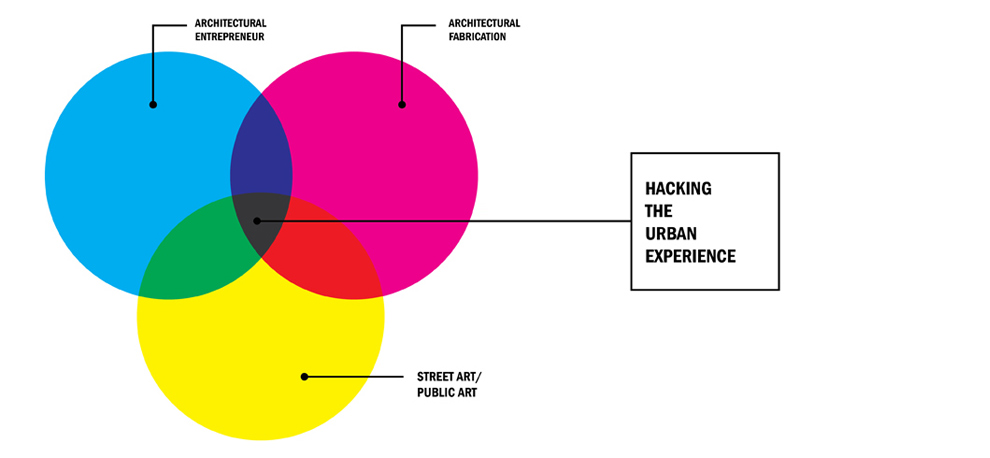
I spent a second semester with a great group of young architects, urban designers and planners teaching a course at Columbia. The class was titled “Hacking the Urban Experience” and was about a number of things I’m interested in, specifically how to fabricate, repurpose and interact with urban space. It was a very good short semester and I was super proud of all of the student’s work. I thought the ideas went deeper and successfully built off the earlier semester. All lectures and process work are archived on the class tumblr: http://hackingtheurbanexperience.tumblr.com. Classes typically took the form of lectures on precedents and concepts, a discussion of student work and tutorials on materials or software techniques as required. Topics during the semester included overviews of unsolicited architectural proposals, building-scale light projections, inflatable materials, urban siting opportunities and community/crowd sourced funding.


Course Description
The course goals haven’t changed dramatically since the last semester, the course still seeks to assert the relevance of the fabrication tools at our disposal as potentialities for social and environmental relevance. Through the re-appropriation and re-imagining of existing urban conditions, the student will design and fabricate a working prototype that embraces the messy reality of our city and promotes community involvement. The student will begin by identifying a quality of the urban condition that includes the latent capability for improvement and work toward fabricating an adaptive, responsive and environmentally viable solution. Specific emphasis will be placed on testing and exploring through hands on research the possibilities of detailing and fabricating connections using unorthodox materials. At the conclusion of the course the student will produce a full scale urban intervention and observe and document their relevant successes or failures.


Workshops were conducted to introduce the students to the possibilities inherent in new material technologies, through production and detailing techniques, and the proper use of fabrication techniques. Material workshops encouraged students to explore with everything from dynamic, variable surfaces using latex and silicone to parametric agglomerations using quotidian materials.


The first investigation was the creation of the connection detail. It was encouraged that this be a parametric joint that breaches the gap between the existing streetscape and the student’s intervention. Flexibility, safety, durability, adaptability will all be tested while exploring different possibilities for a potential synthesis with existing urban forms, examples of which can include: will the student’s intervention clamp on to a lamppost, hang from a phone booth, project from an existing building or rest in a parking lot?


By attempting to capture a broader audience for architectural interventions, a number of questions presented themselves and the student was challenged to anticipate possible eventualities – how will it be used? Can its use be changed? Is it durable? Is it waterproof? Can it safely stand up? Fabrication was considered less from a formal quality, and more from a use, durability, improvisation and public participation viewpoint.


Ultimately the student should have come out of the course with a healthy respect for two core concepts: Firstly, an increased skill in the use and applicability of the fabrication machines we have at our disposal for solving design issues using unorthodox materials in unconventional settings; and two, that there is an opportunity for architects to regain lost relevance by inserting themselves through unsolicited proposals into the public consciousness as steward’s of urban well being.


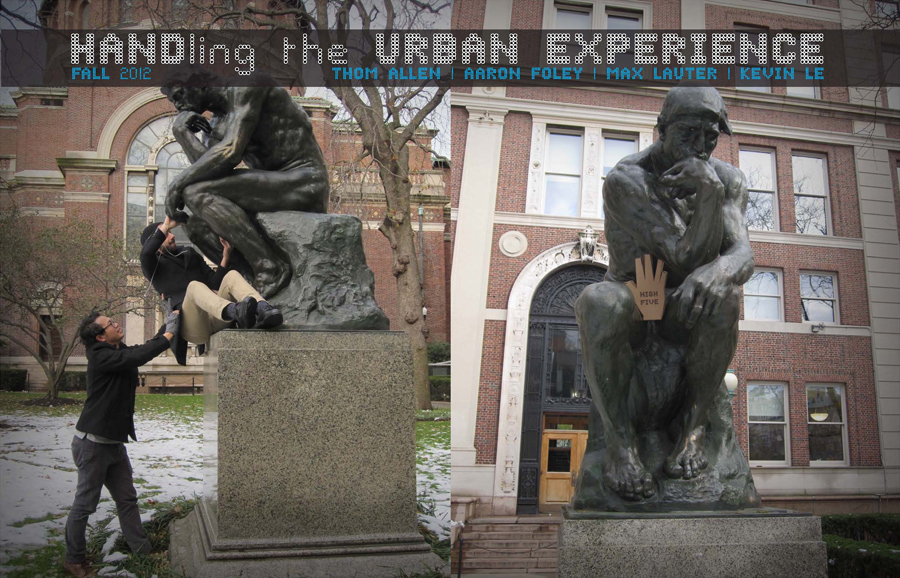
Assignment 01 – PARASITES
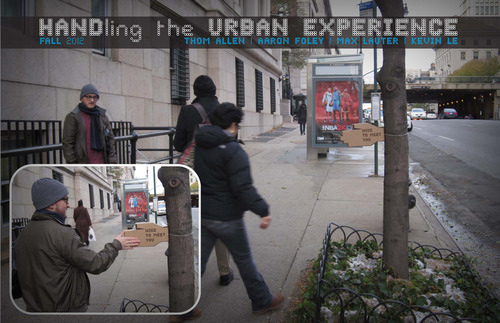
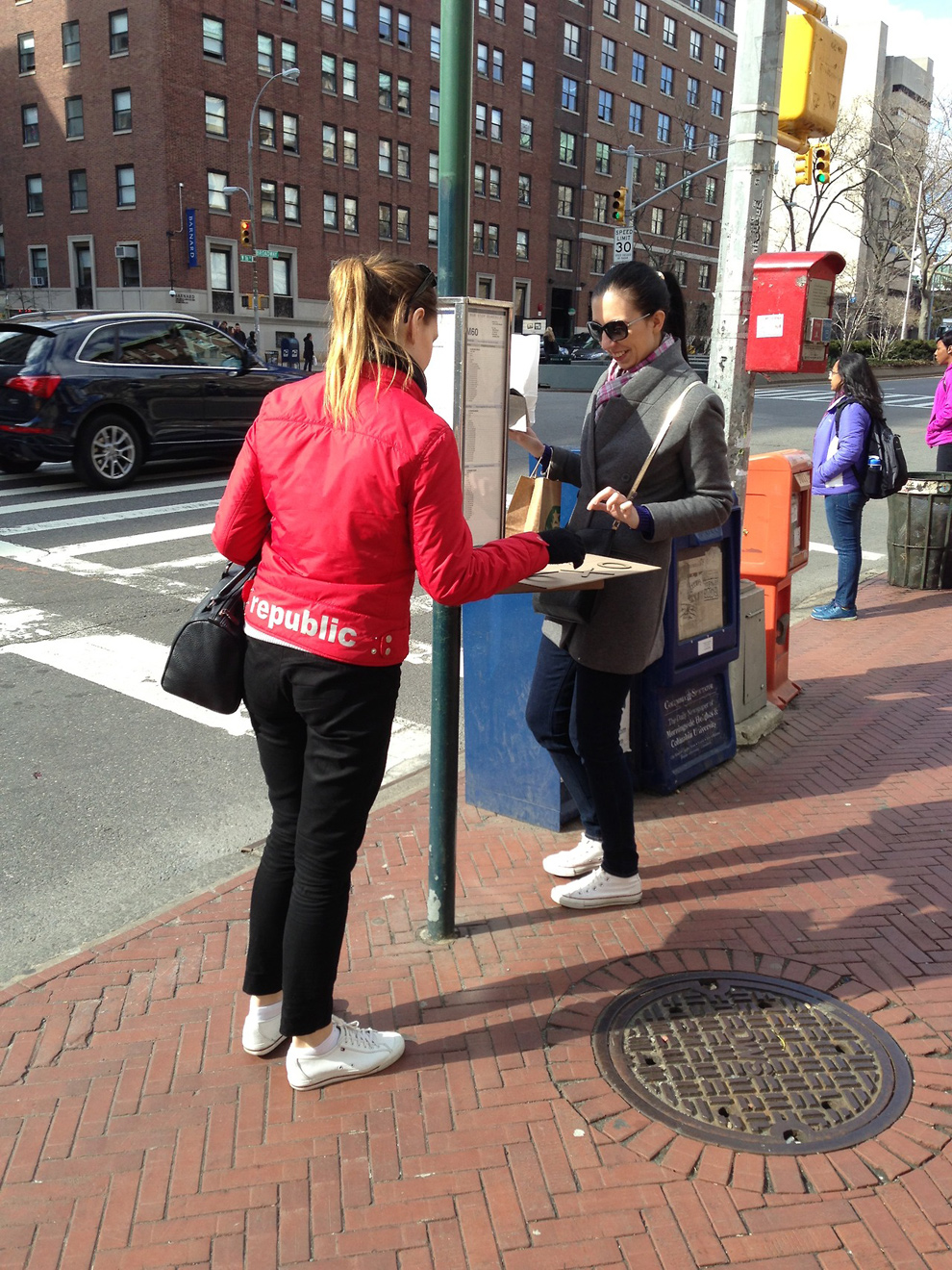
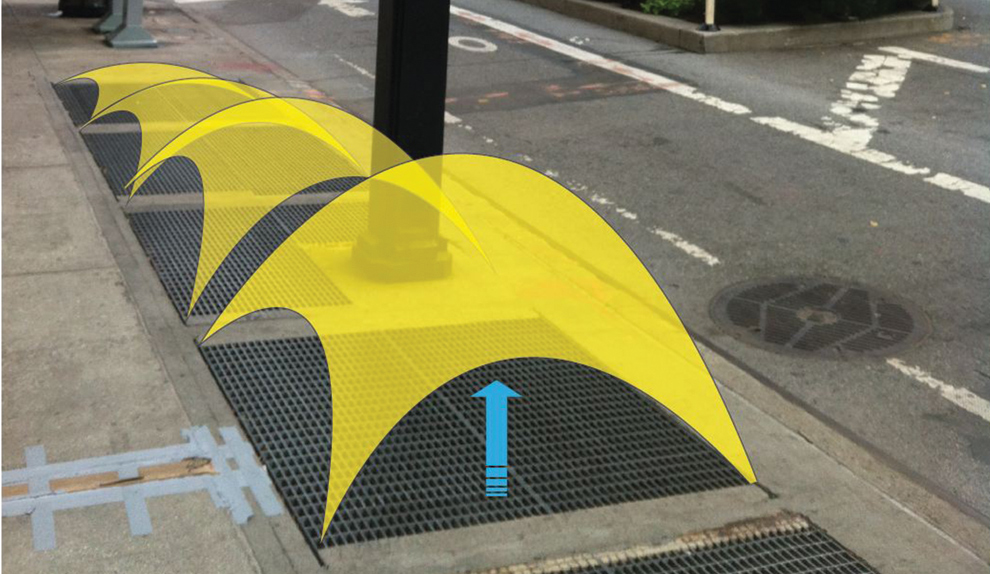
Part of the Atlas of Urban Connections project (TBD), the first assignment involved designing and fabricating a joint to connect something, anything, to a vertical street extrusion (such as a tree, street sign, light pole, etc…). The members of the Public Works Department in NYC are masters of improvisation, you can see it walking down any street here, and there is a lot to learn from their successful and not-so successful techniques for attaching to existing sidewalk infrastructure. This assignment was prepared to introduce the student to the capacity to breaching the gap between the pedestrian and existing streetscape objects, with the goal to test flexibility, safety, durability, adaptablility while exploring different possibilities for potential synthesis with existing urban forms.


Tom, Aaron, Max, Kevin
 

ChunChun, Yuri, Shuang, Rubing, Renwick


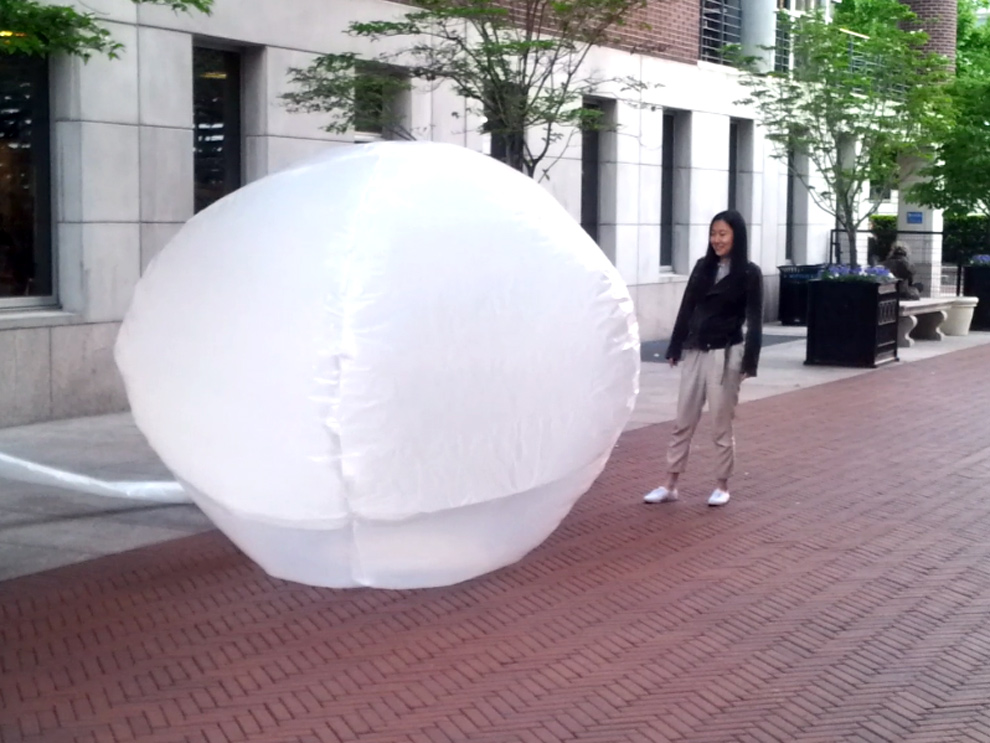
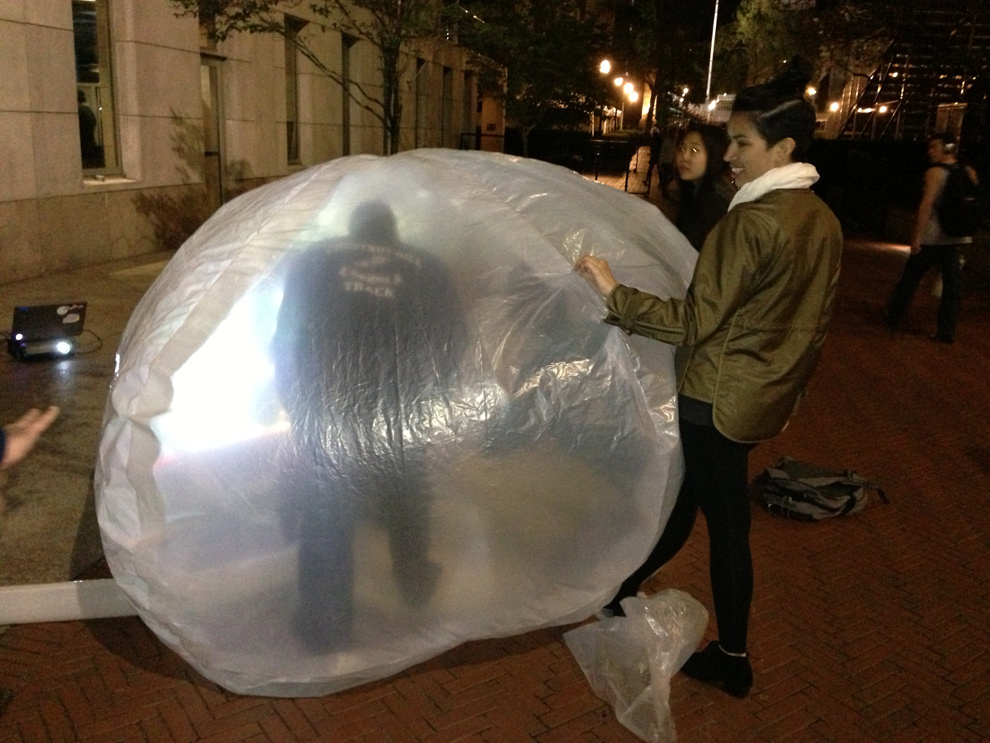
Assignment 02 – INFLATABLES
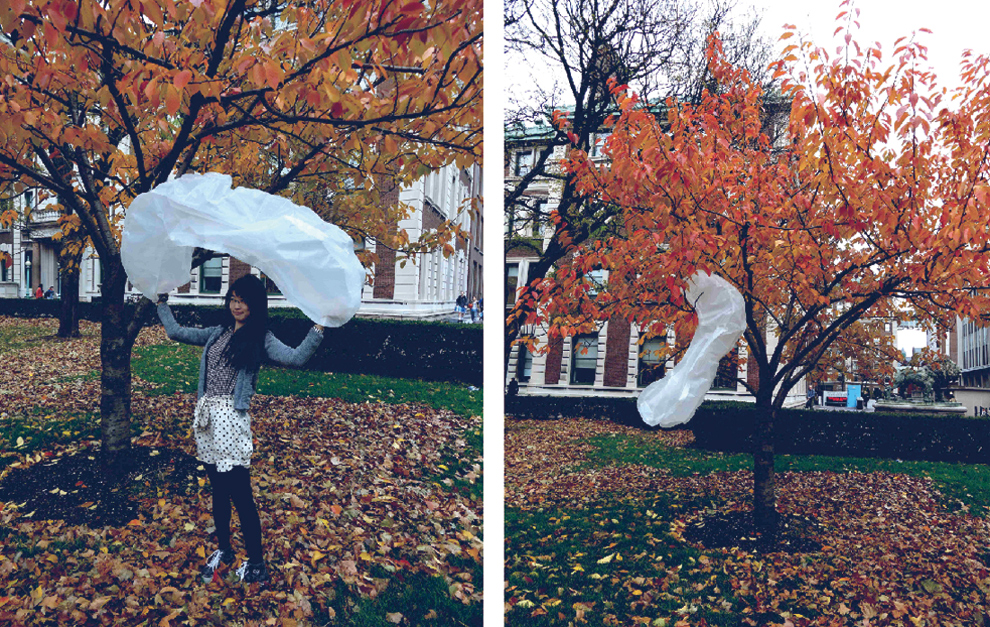
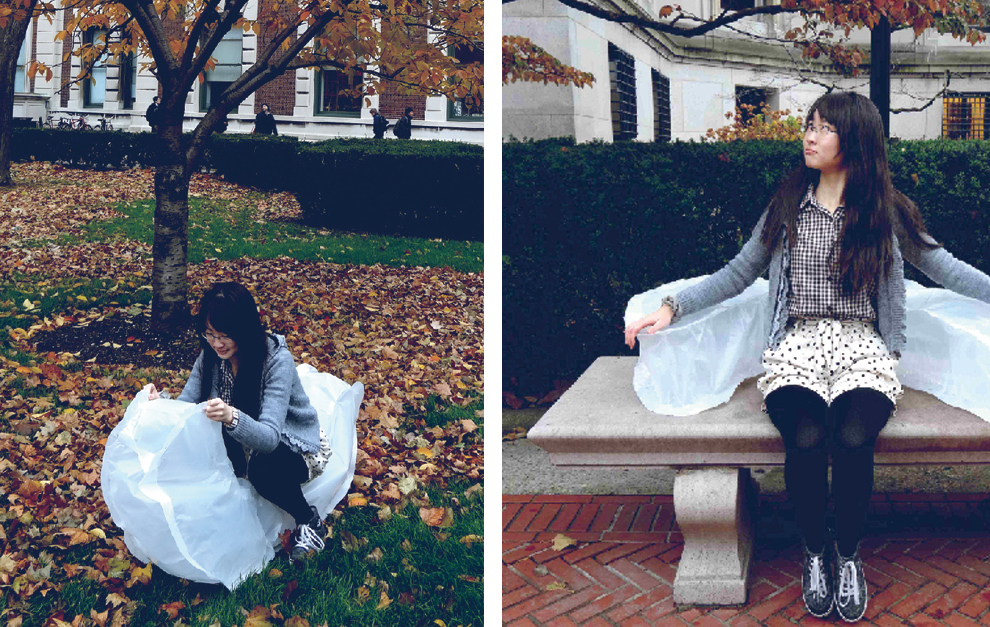
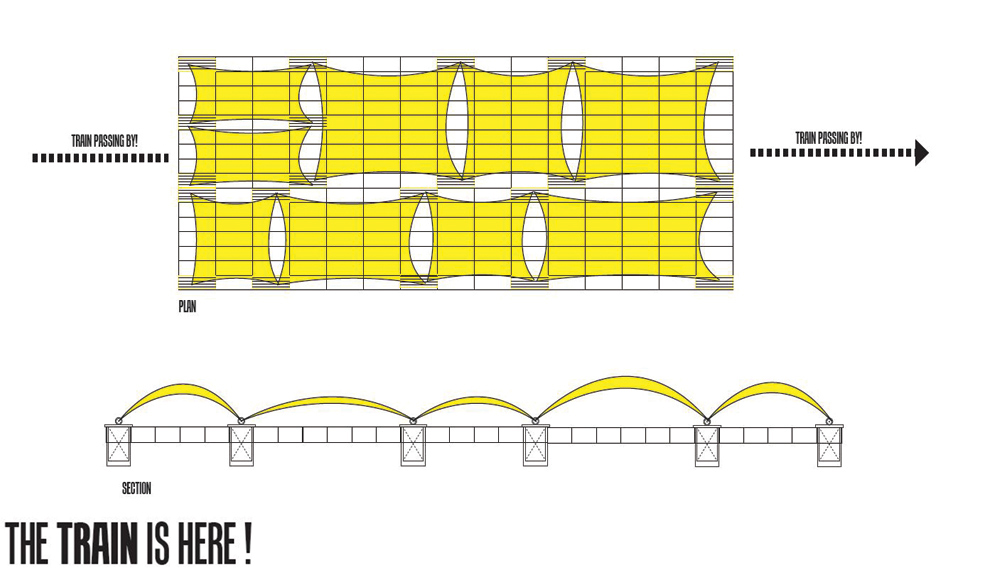
Hurricane Sandy played hell with our first few weeks, and necessitated that the initial assignments were bundled together. However, we still had a chance to look at inflatables and the material qualities inherent in cheap polyethylene of different mil thickness. Using an iron, tape and plastic, quick inflatable bladders were constructed and tested. The students were tasked with creating an inflatable, mobile “seating” system that was either self-supporting or used a site’s natural currents to inflate.


ChunChun, Yuri, Shuang, Rubing, Renwick
 

Ni, Mengna, Darian, Juan, Ying


Assignment 03 – LIGHT PROJECTION
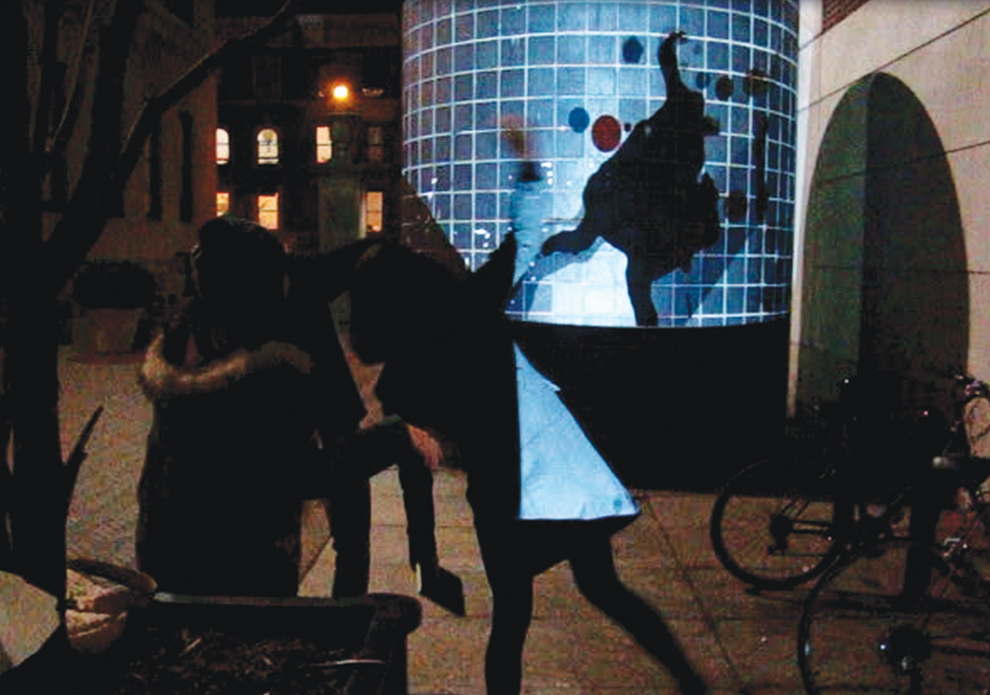
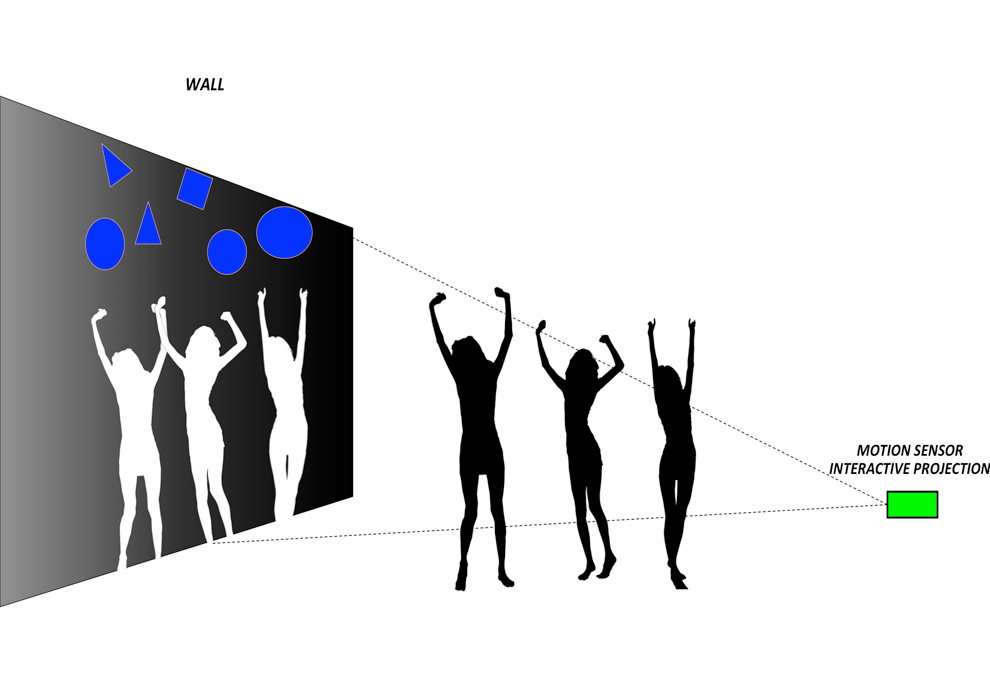
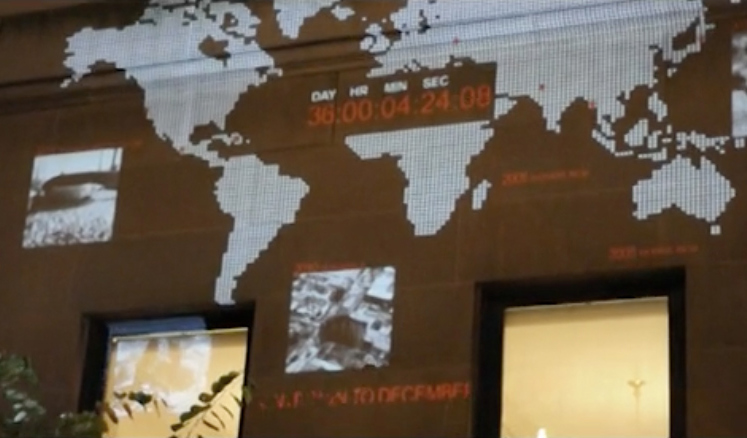
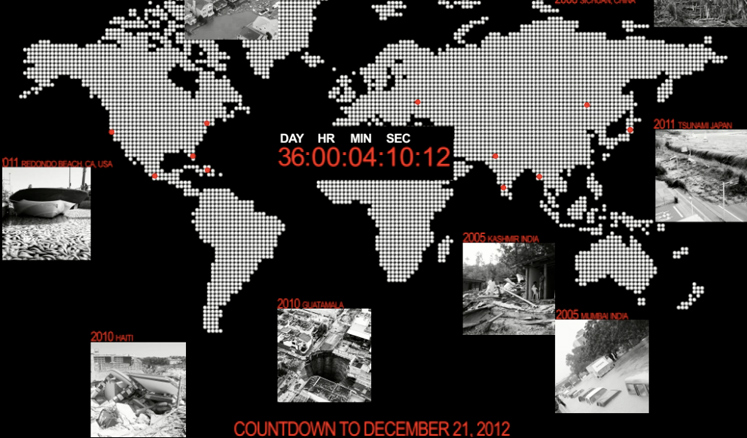
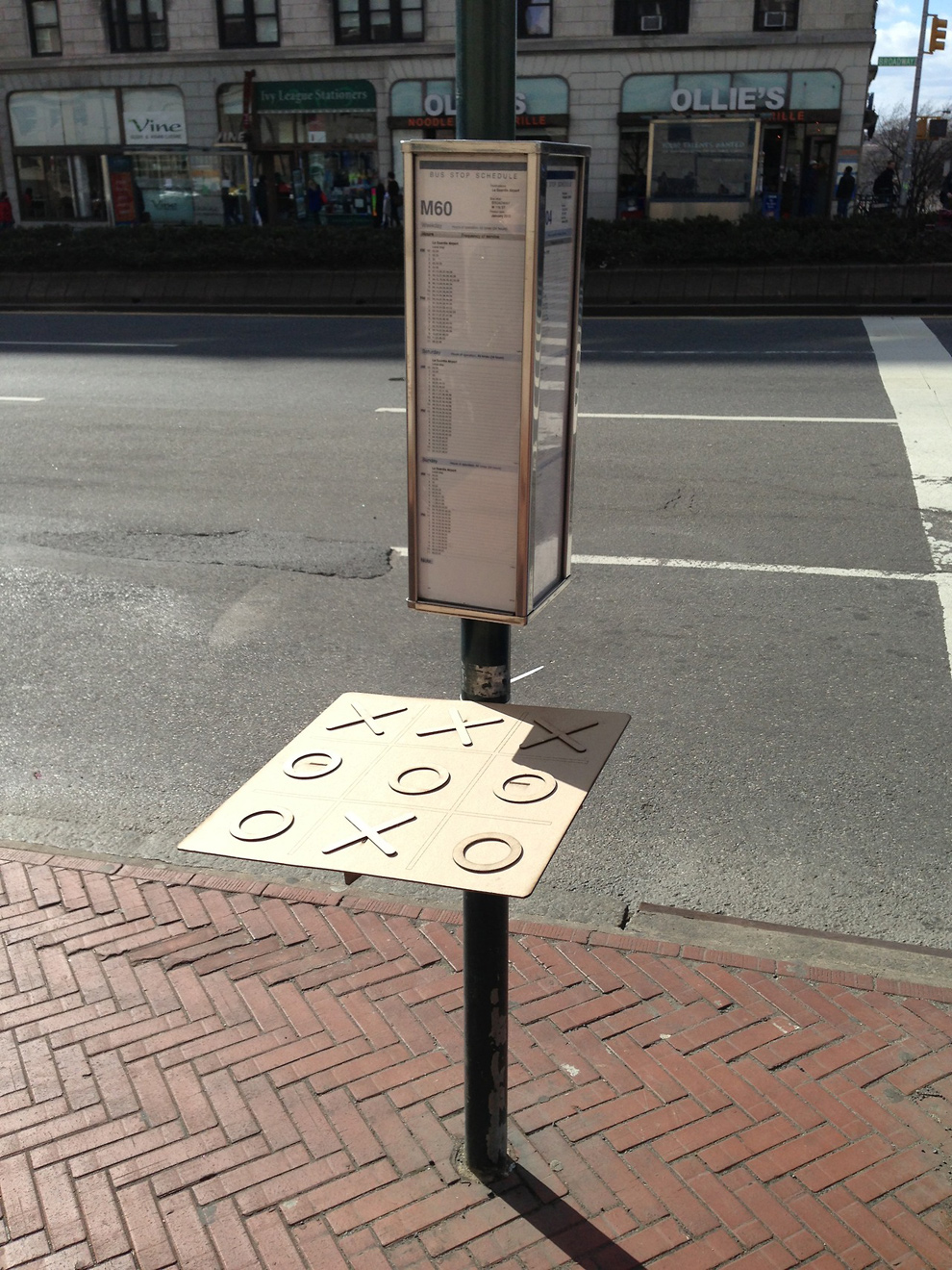
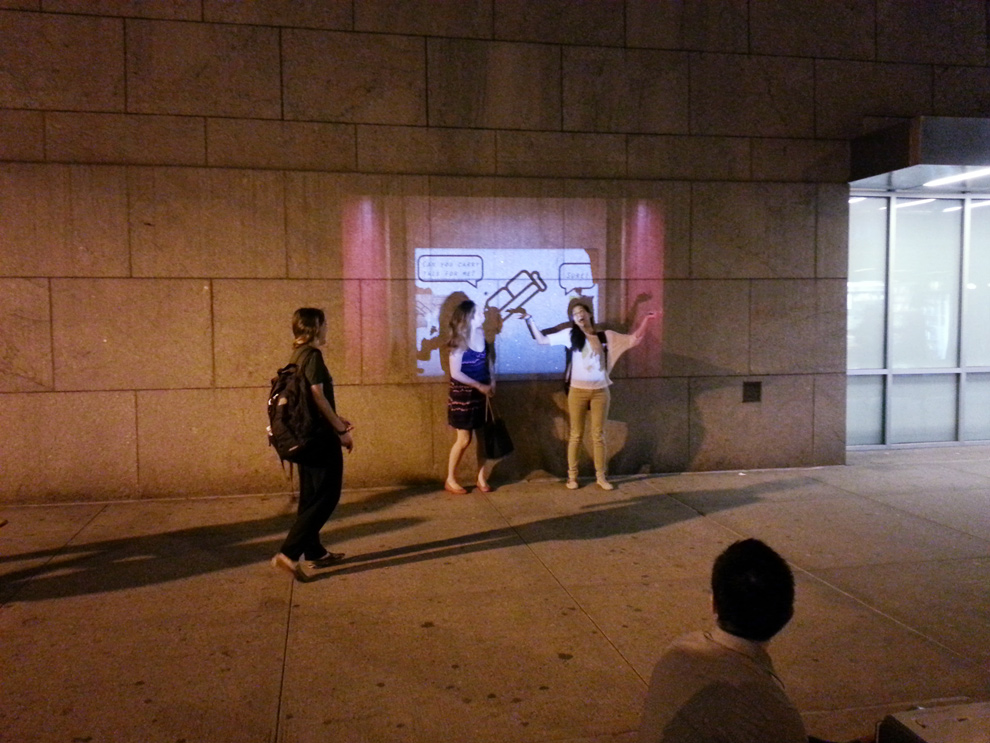
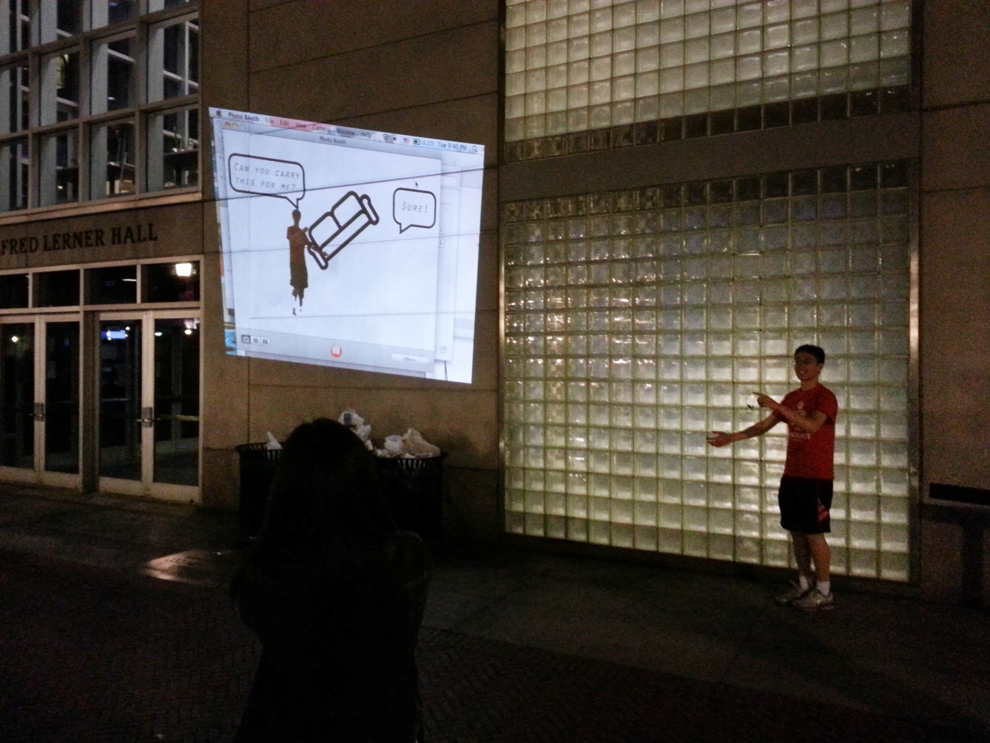
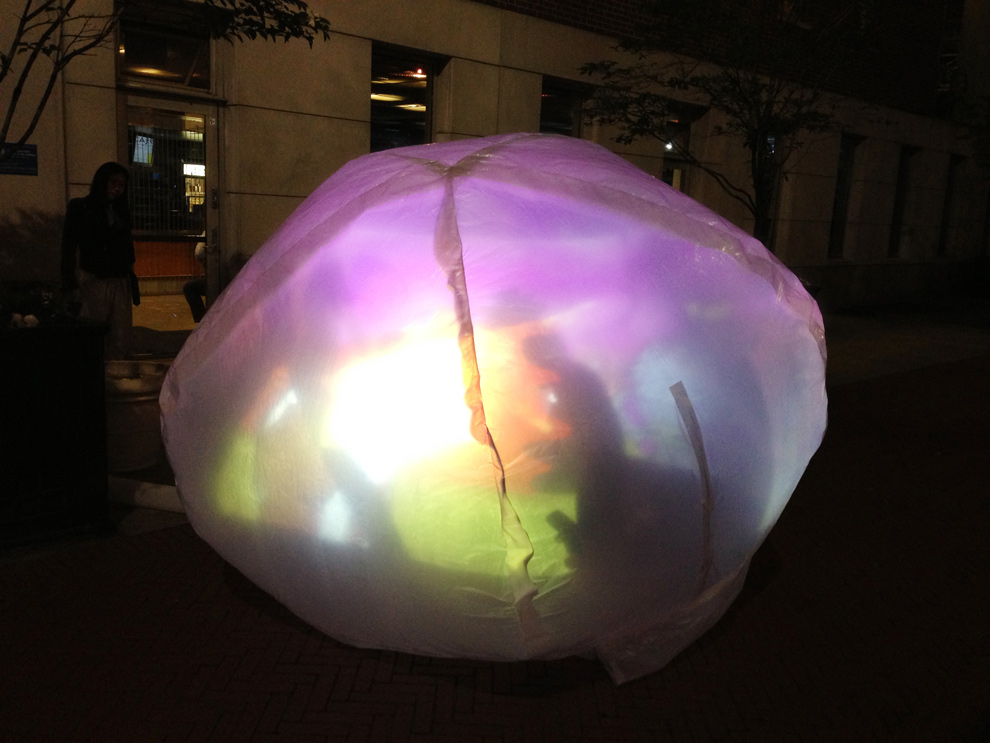
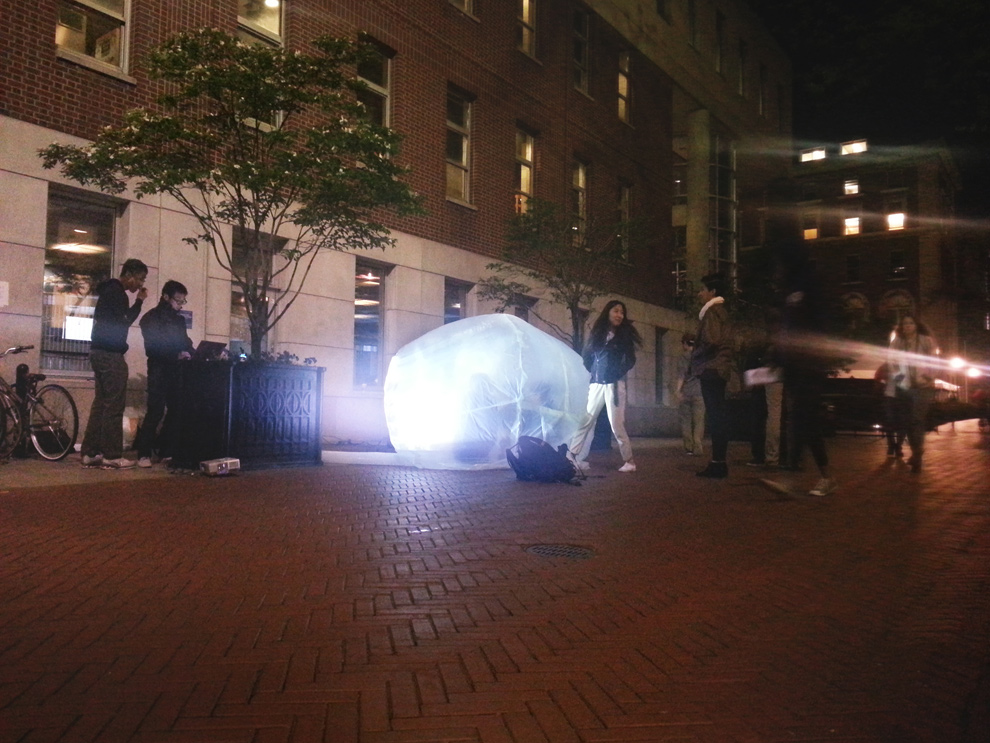
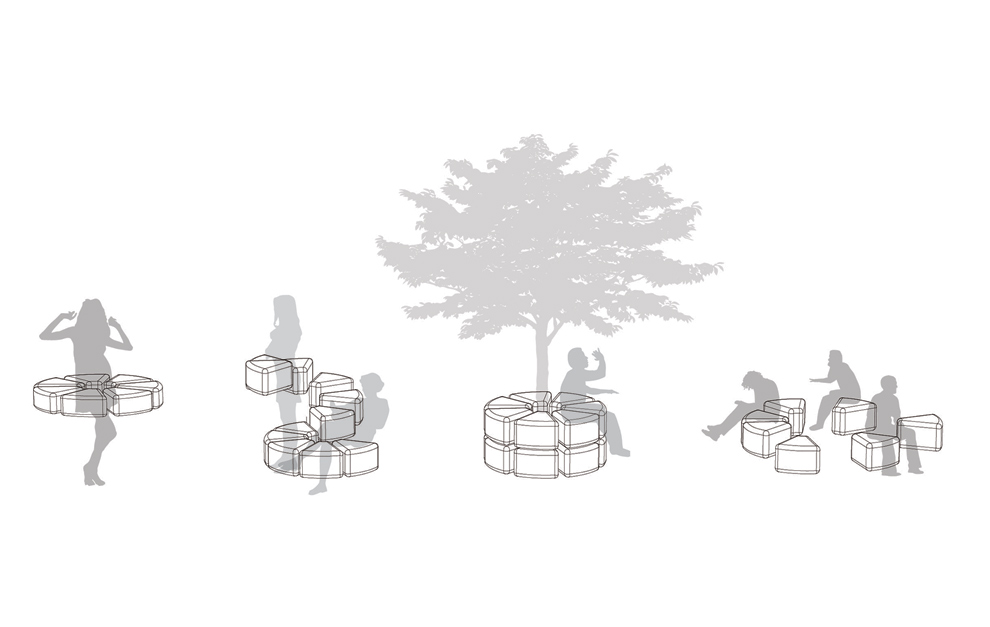
Using Graffiti Research Lab’s projection bombing tutorial at Instructables, the class set up a mobile power station using a 75V marine battery, and set off around the neighborhood near Columbia to experiment and throw up some interactive light projections.
The last year has seen some truly inspiring displays of the potential light can have as an interventionist tool, and the class studied this problem using three main strategies: 1) messaging independent of site, i.e. you only need a blank wall, 2) site dependent projections, like those following the curving, horizontal bands on the Guggenheim, and 3) flexible projections that can adapt and interact to a number of different sites, taking advantage of the unique characteristics of each. Care was given to create projects that both actively and passively engage those passing by the site. Each group’s projects was able to successfully confront one of these strategies.


Ni, Mengna, Darian, Juan, Ying


ChunChun, Yuri, Shuang, Rubing, Renwick
 

Tom, Aaron, Max, Kevin


Kaz, Greg, Ella


Assignment 04 (FINAL)
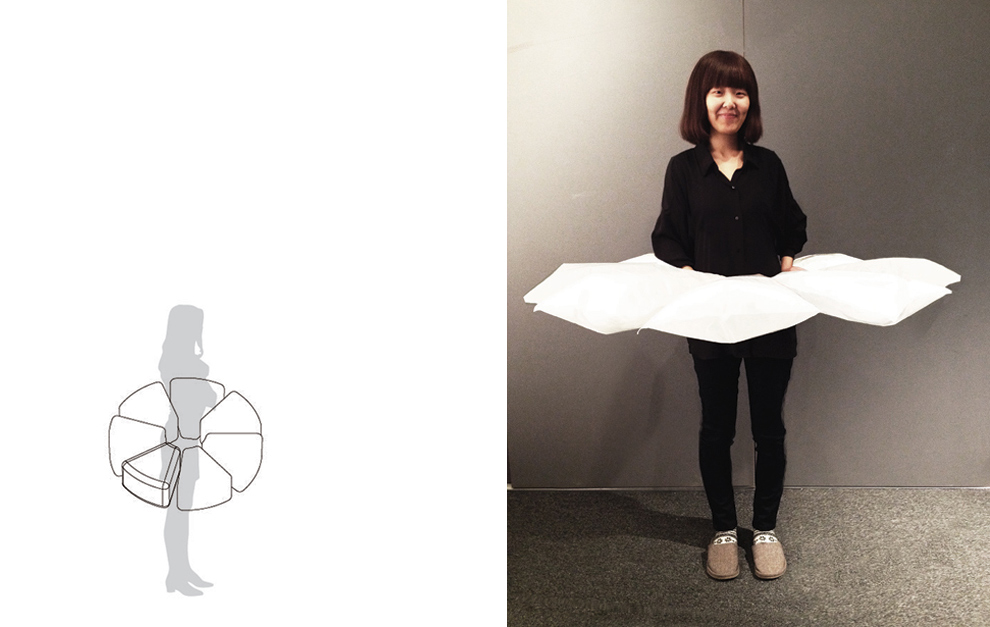
Building off the previous assignments, the final assignment sought to synthesize the work and concepts of the class into a larger installation that could still be completed in our very tight time frame, but started to explore the core ideas of the course, in effect becoming a proof-of-concept, working model. By attempting to capture a broader audience for architectural interventions, a number of questions presented themselves and the students were challenged to anticipate a range of possible eventualities – how will it be used? Can its use be changed? Is it durable? Is it waterproof? Can it safely stand up? Fabrication was considered less from a formal quality, and more from a use, durability, improvisation and public participation viewpoint.
Ultimately, A successful project would accomplish three things: 1) display ingenuity in fabrication technique and material 2) re-imagine or re-design a specific urban site/condition to take advantage of its hitherto hidden potential, and 3) have a performative component, in that the intervention has a temporal quality that while engaged promotes public interaction.


ChunChun, Yuri, Shuang, Rubing, Renwick
 

Kaz, Ella, Greg
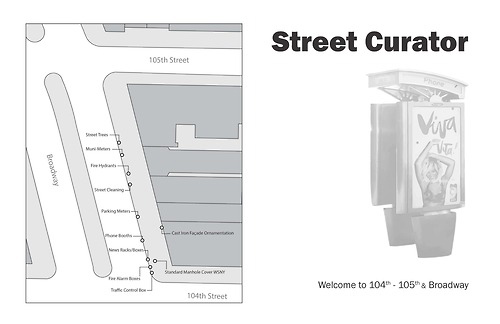
 

Tom, Aaron, Max, Kevin
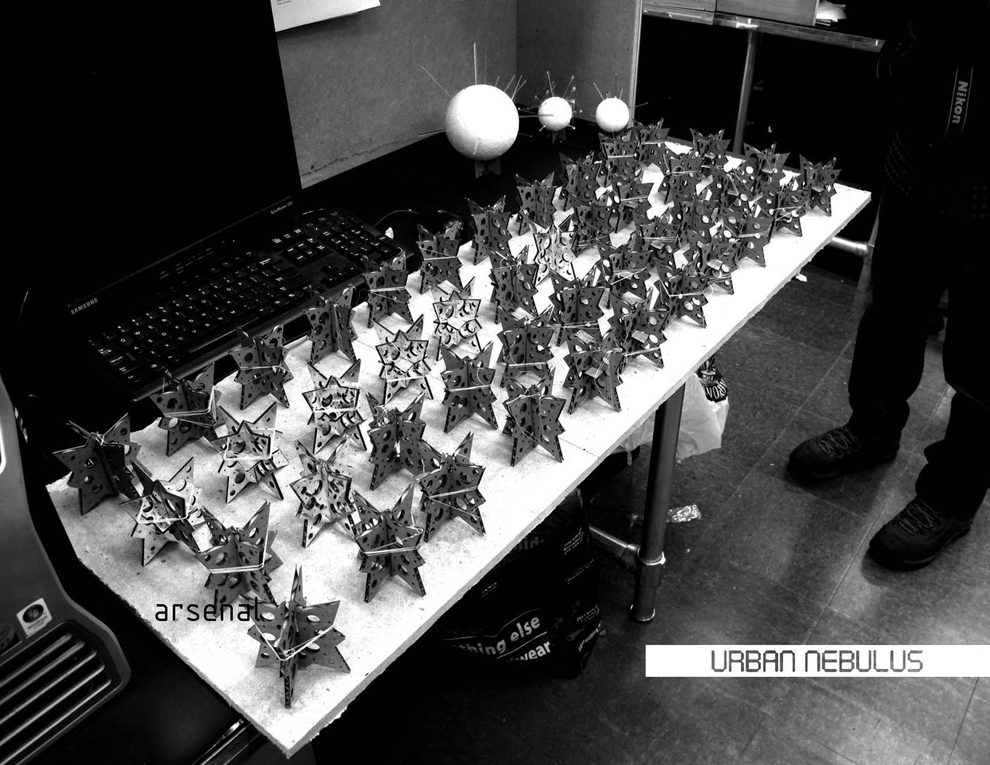
 

Ni, Mengna, Darian, Juan, Ying
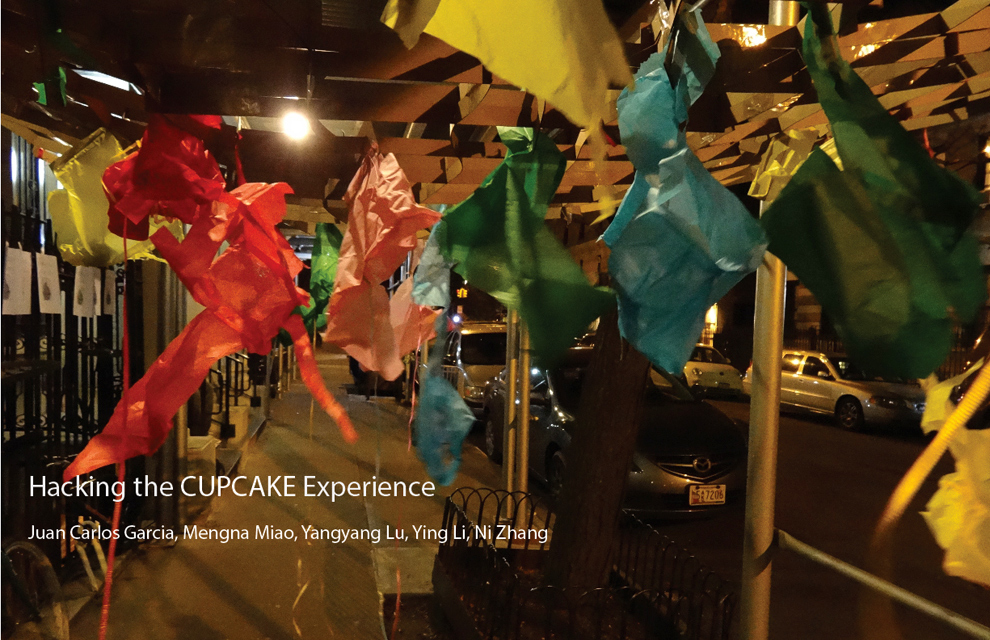
« Older Entries
Newer Entries »

COPYRIGHT © 2004-2015 \ JOHN LOCKE \ ALL RIGHTS RESERVED (RSS)

TOP OF PAGE

last update: 20150721:2100