JOHN LOCKE, ARCHITECT

  • Featured Work
  • Design Blog           
  • Photography
  • Graphic Design
  • Dept of Urban Betterment

About

Hello. I live in New York and work at The Living. I hold a graduate degree from Columbia University's GSAPP and an undergraduate architecture degree from the University of Texas at Austin. I have more than seven years of professional experience at noted architecture firms, including New York-based Rogers Marvel Architects and SOM. I also tackle freelance graphic and photography work with my partner in crime, the multi-talented Jackie Caradonio at Lion in Oil. In addition, I teach a course, Hacking the Urban Experience, at Columbia. View my CV here: CV(html). Thanks and have a nice day.

Contact

john.h.locke{at}gmail.com
310.735.3333

Architecture Portfolios

Portfolio 2002-2007 (issuu)
Portfolio 2008-2009 (issuu)

2015053 Tags: 3DPrinting, architecture, fabrication, urban | 3 Comments »

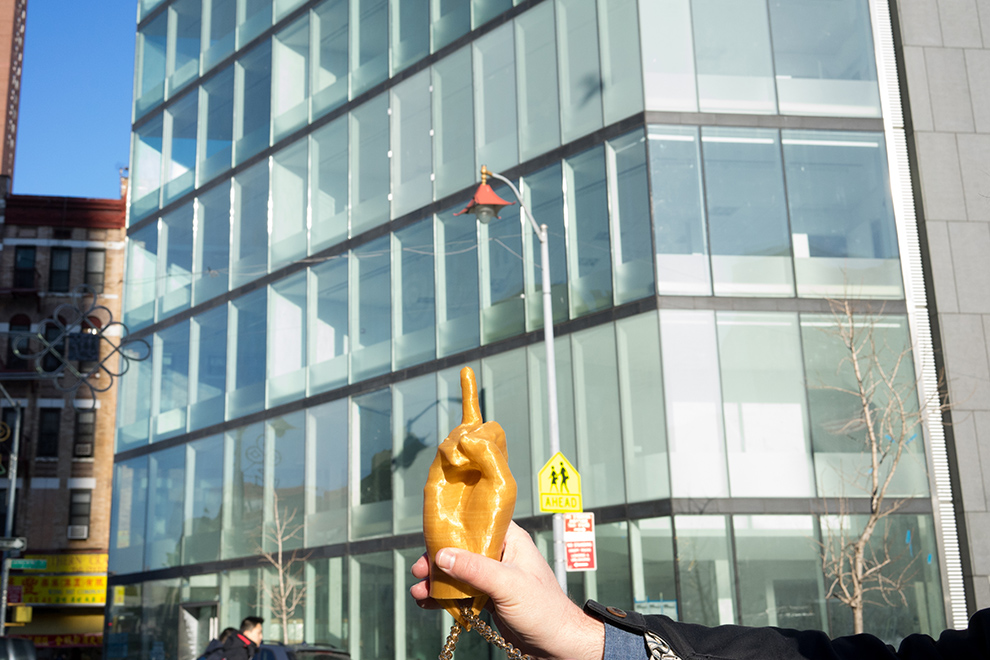
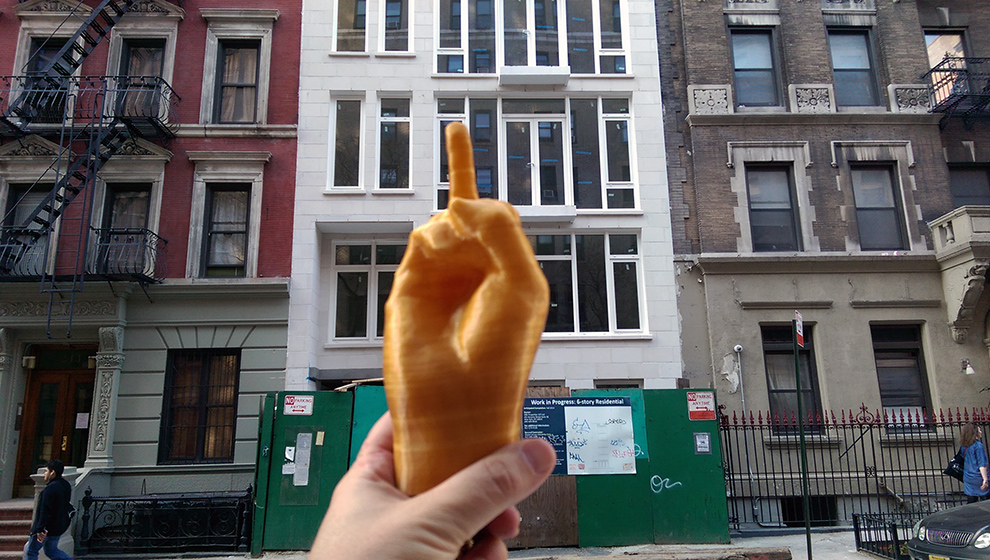
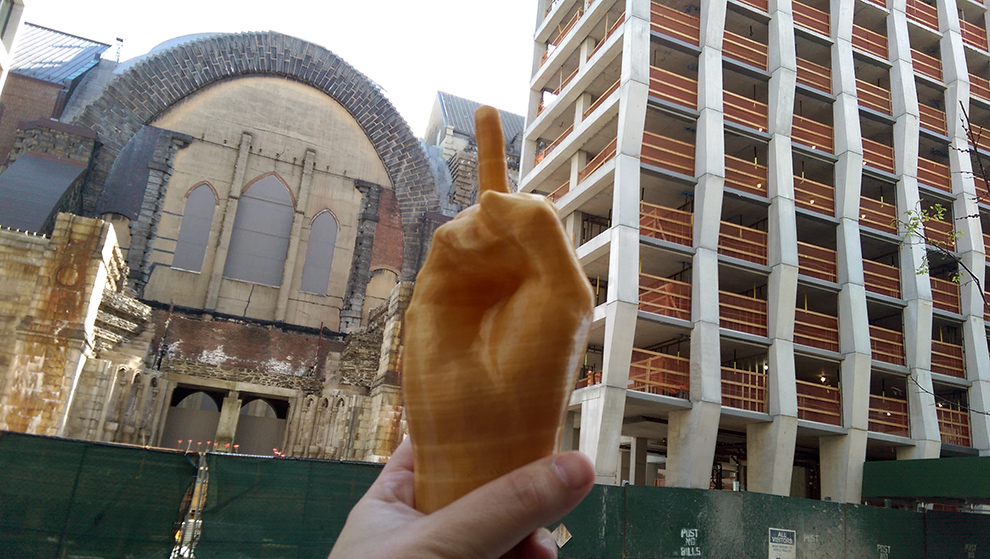
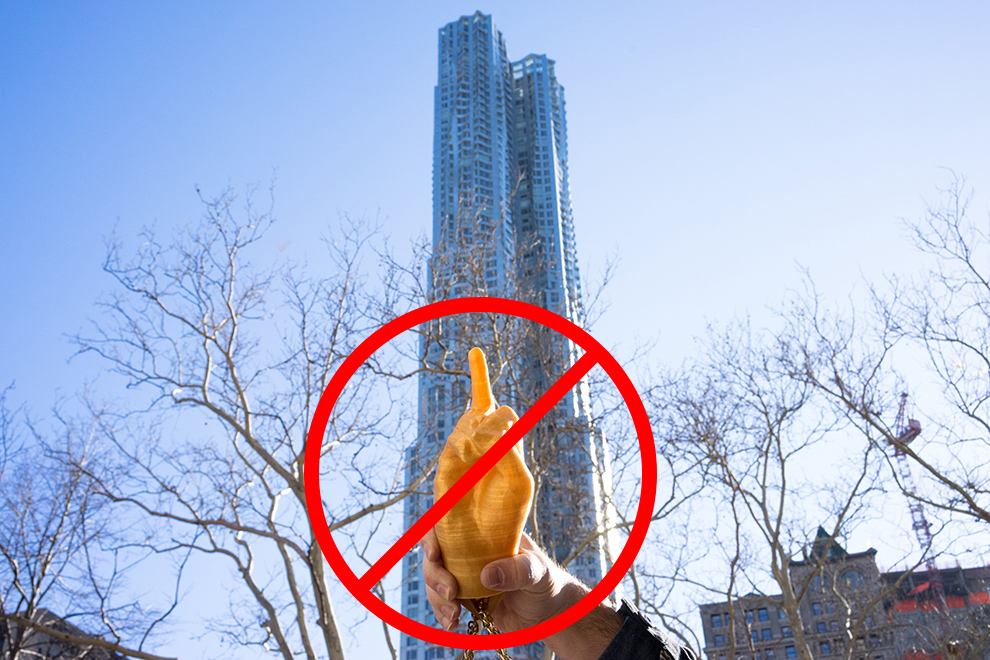
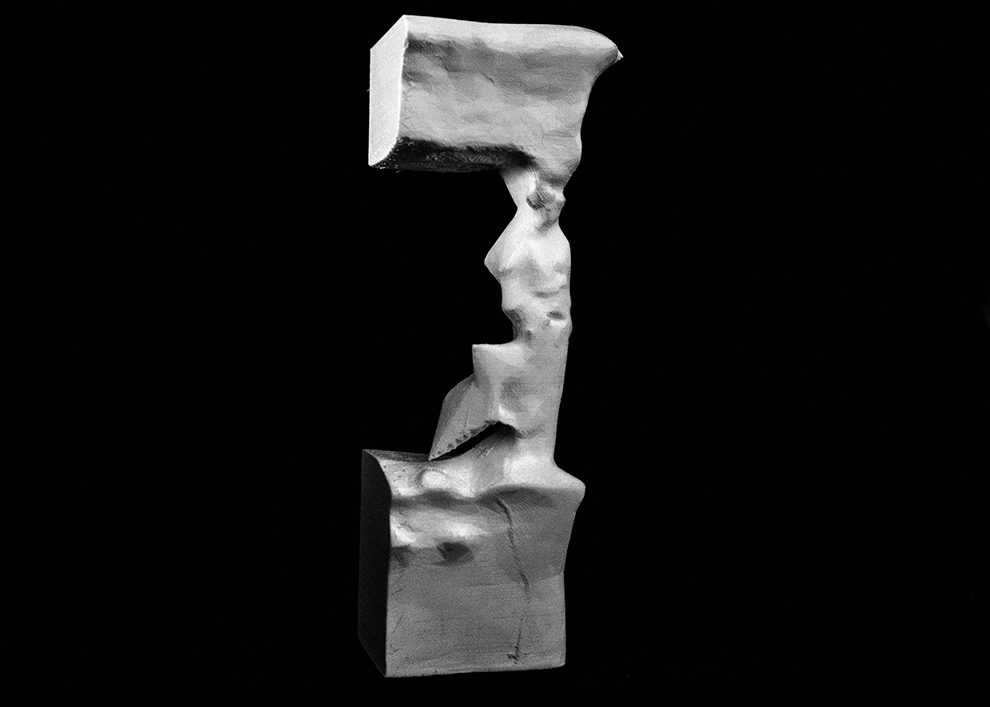
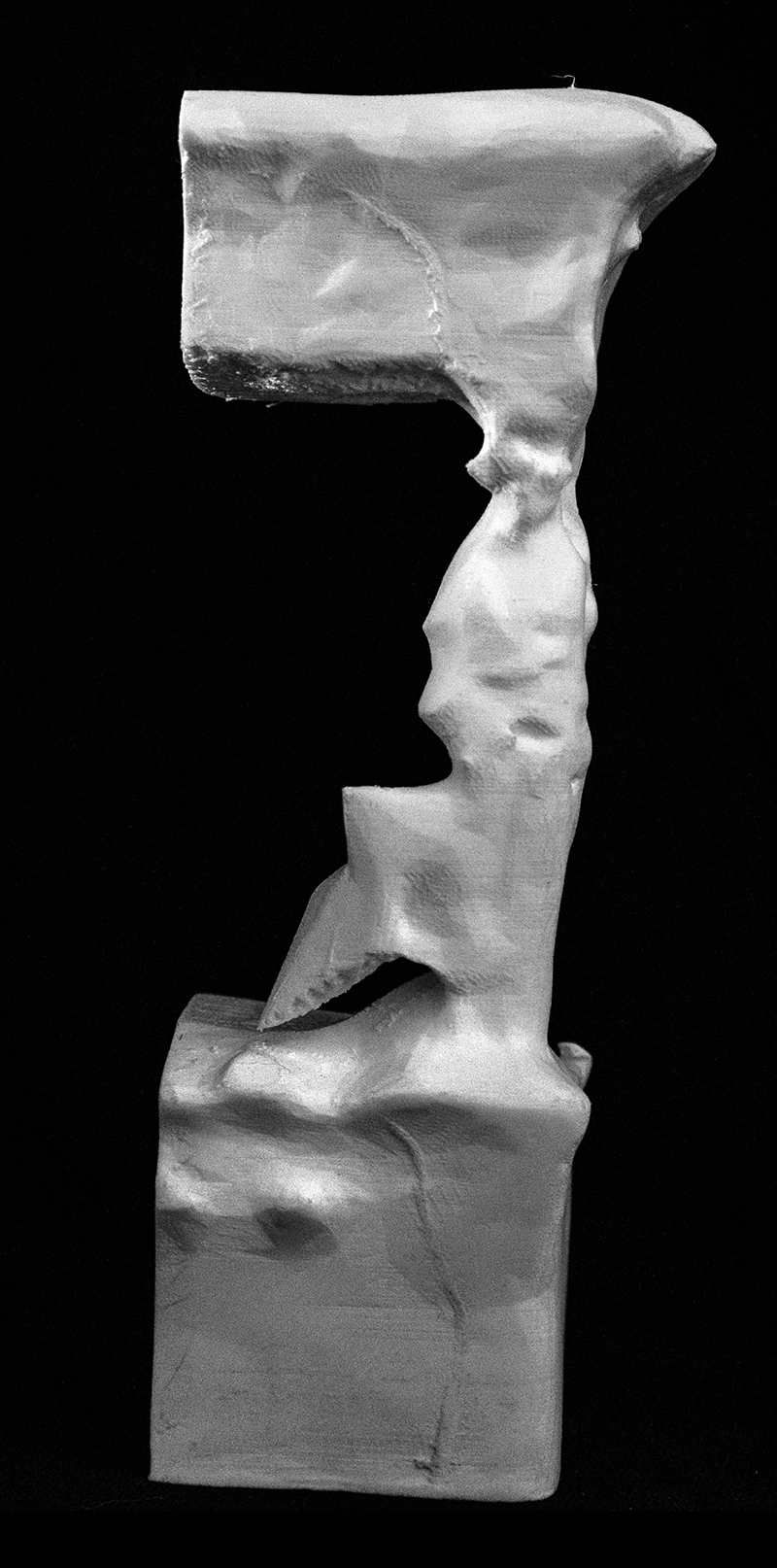
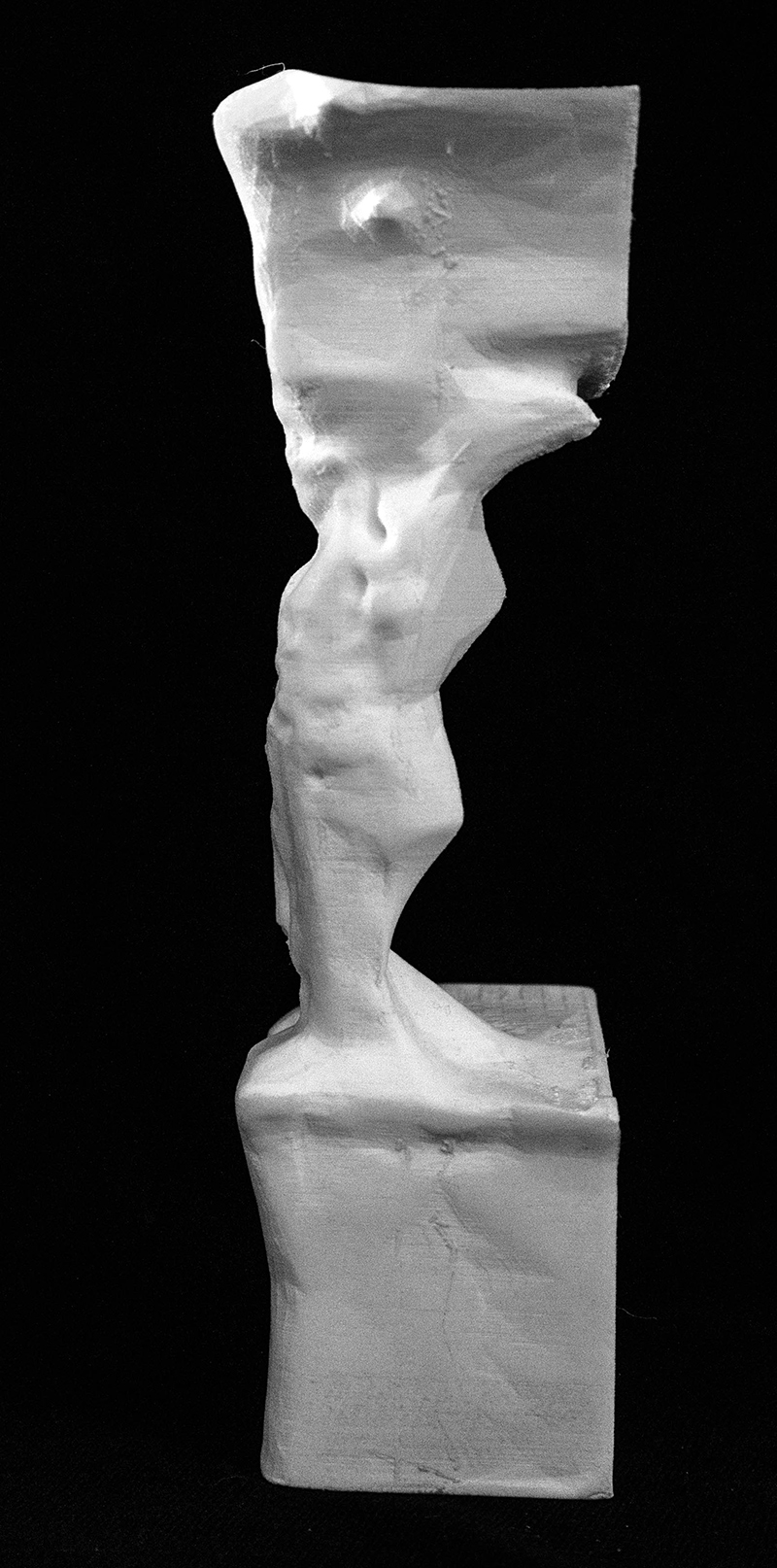
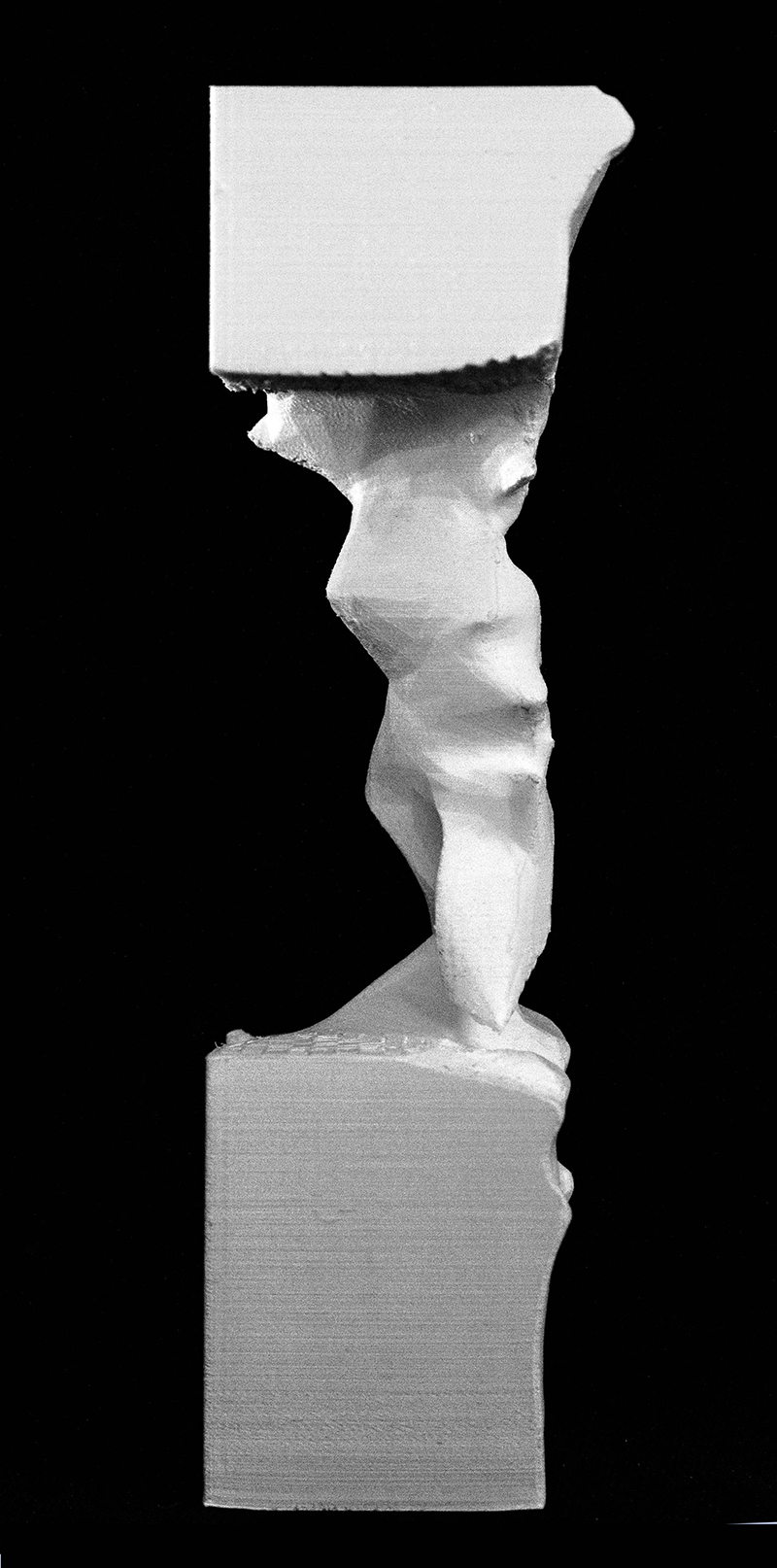
Frank Gehry’s Middle Finger


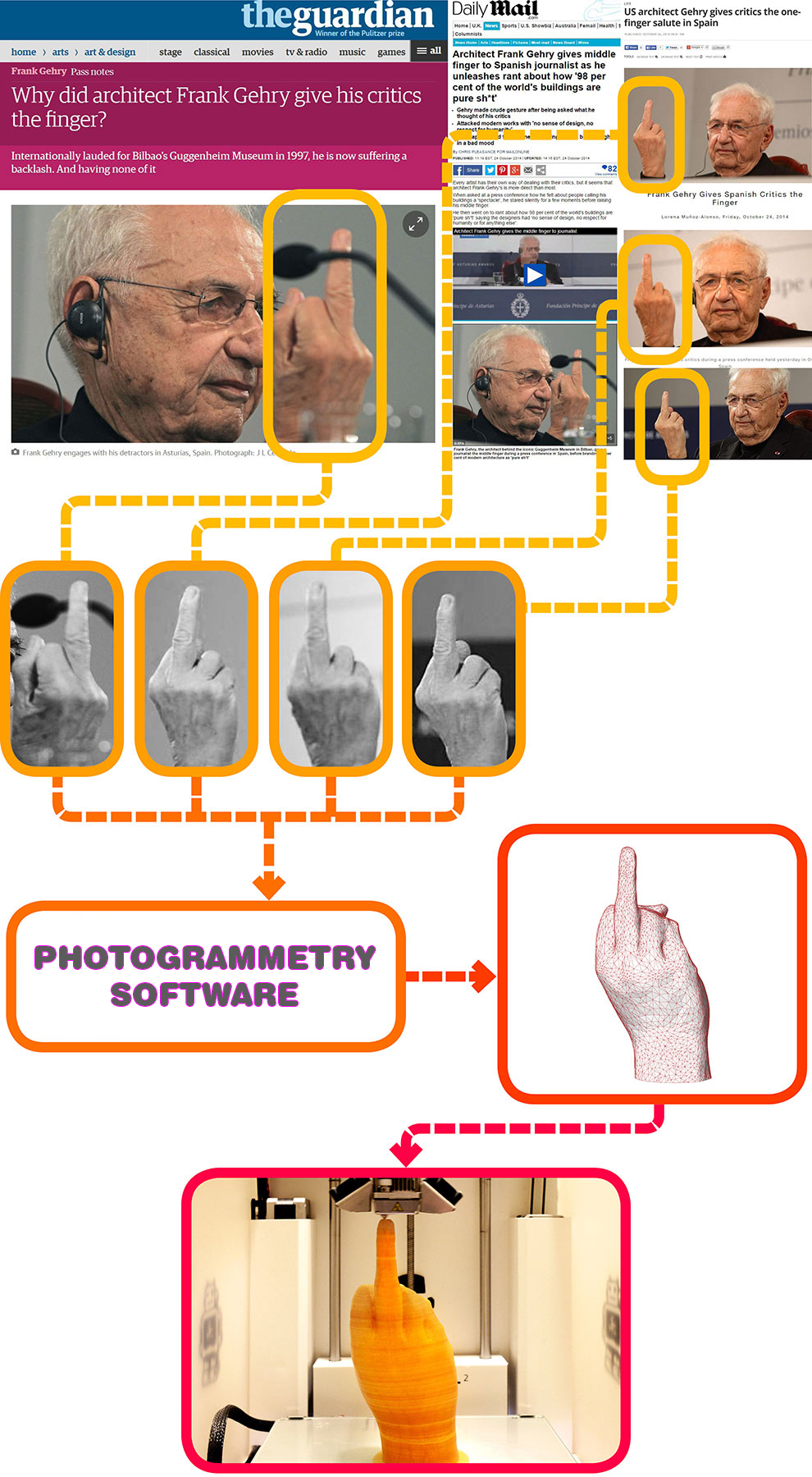
Inspired by Ai Wei Wei and aided by modern journalism’s canny ability to simultaneously photograph the same object from multiple vantage points, I wanted to find a way for everyone to identify and express displeasure at the “98% of everything that’s built and designed today [that] is pure shit.”


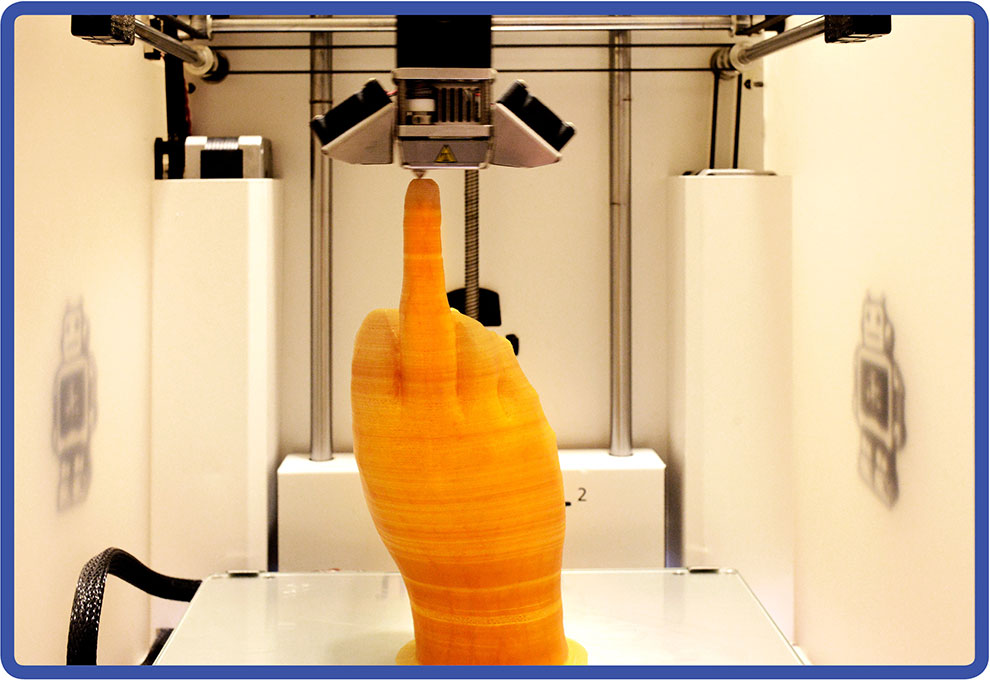
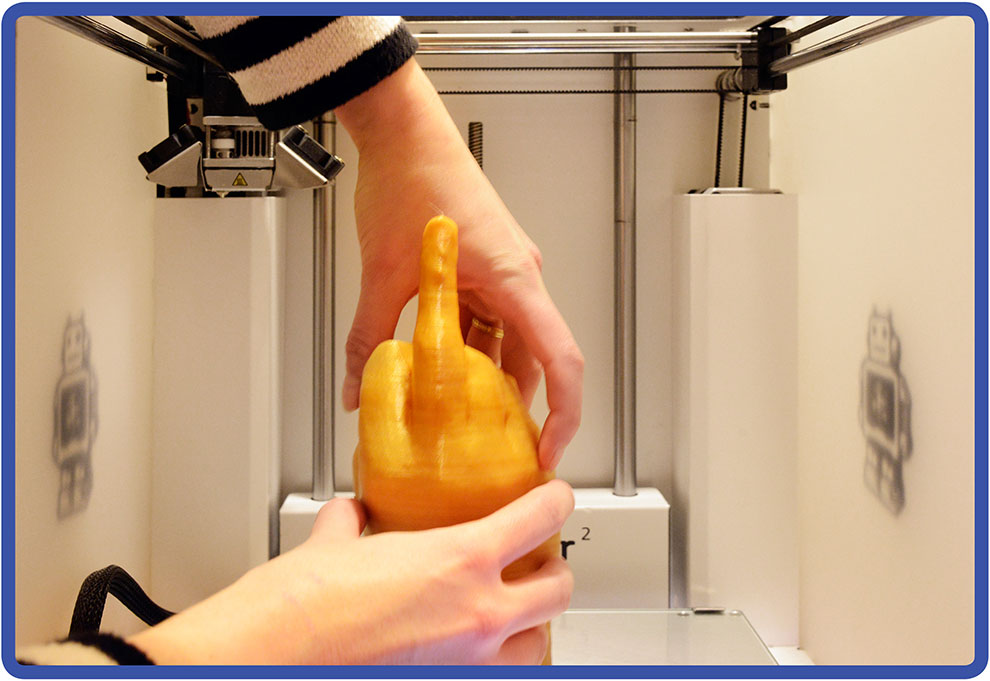
This is the fourth in a series of 3D Printed experiments in using reality capture software to generate 3d printable models. Each experiment is printable within 2 hours.


web-finger-bkg-02


creation-webcreation-2-web
The Creation


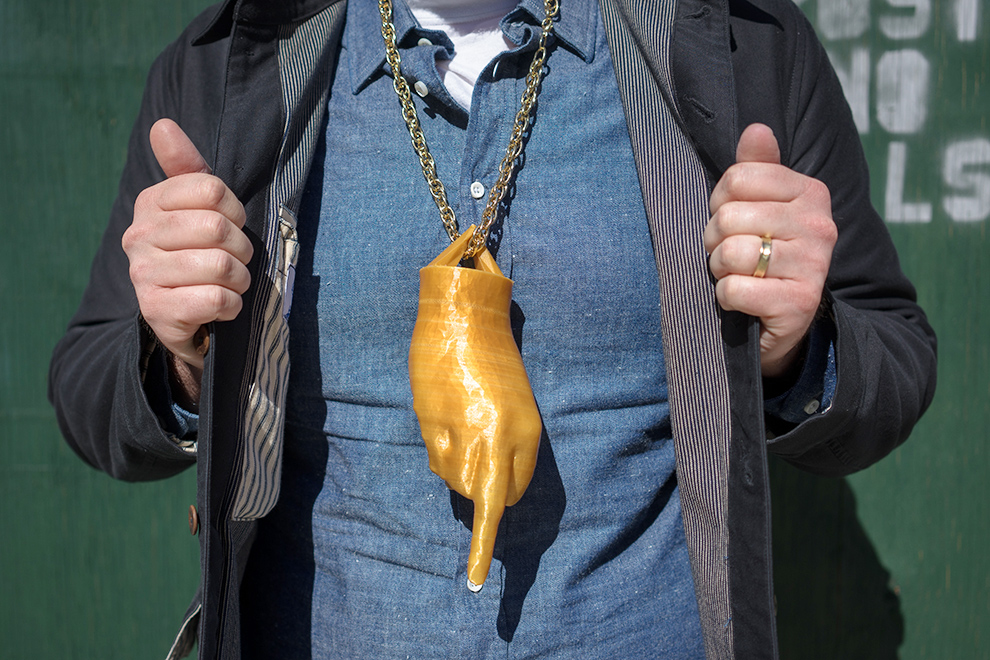
chain-web
A convenient carrying method to start identifying the 98% of…


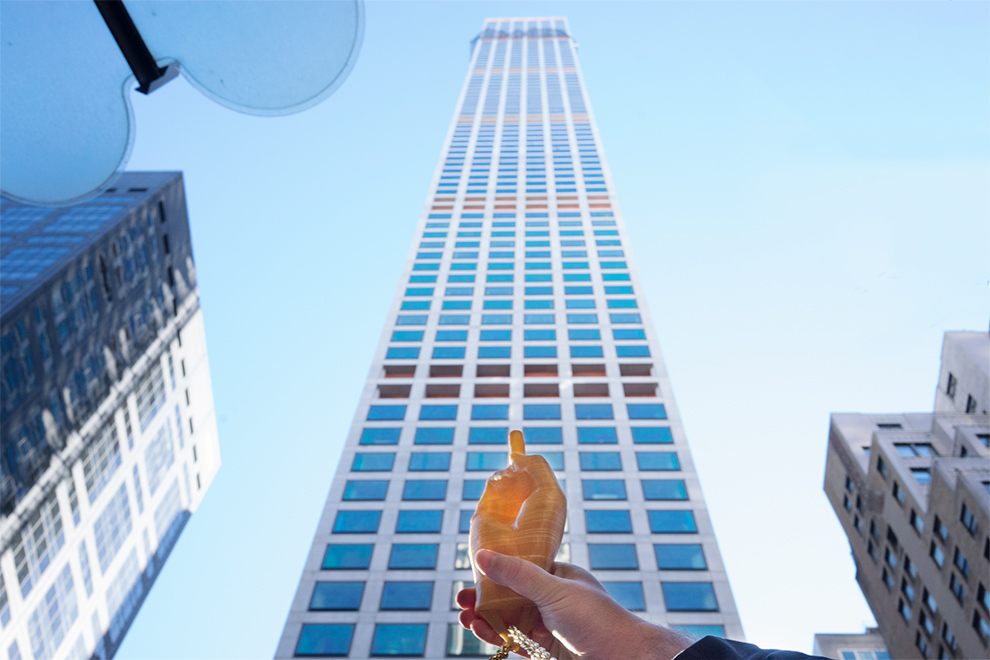
432park
…shitty plutocrat housing…


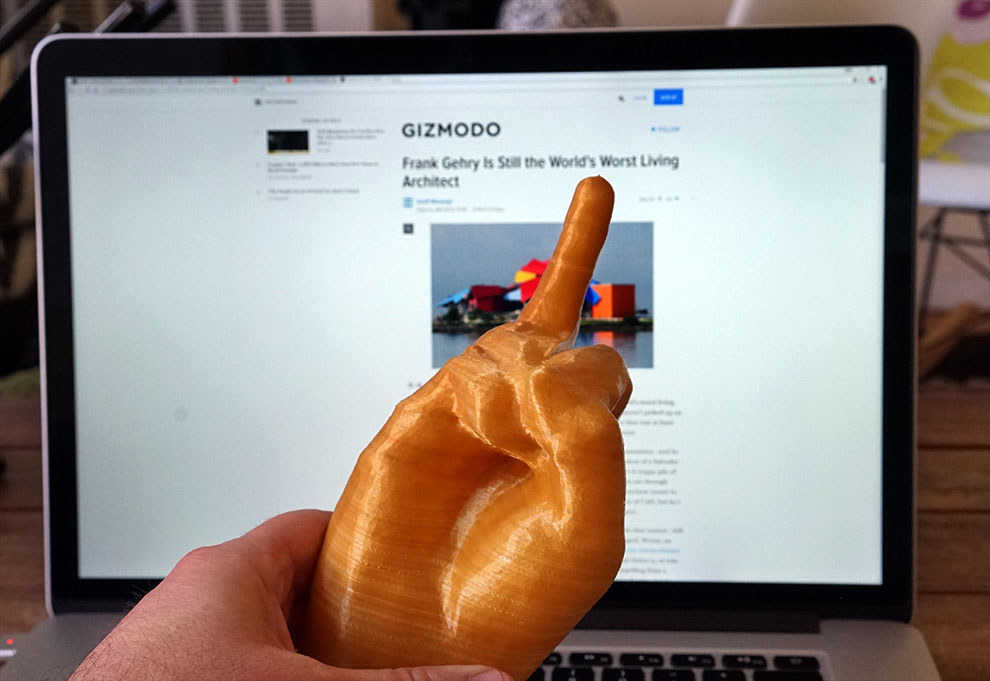
gizmodo-web

…shitty click bait articles…


modern

…shitty generic glass buildings in historic neighborhoods…


condo

…shitty innocuous luxury condos…


cathedral

…shitty condos on Cathedral property…


beekman-rev

…oh wait, nevermind, actually I guess this one is ok…


EDIT:
.STL MODEL LINK:
https://www.dropbox.com/s/q5m4cj0hzce2ozu/GEHRY-FINGER.stl?dl=0


20150412 Tags: architecture, photography, work | No Comments »

An Art Museum in Western Virginia

taubman-01-rev
taubman-02
taubman-03
taubman-05


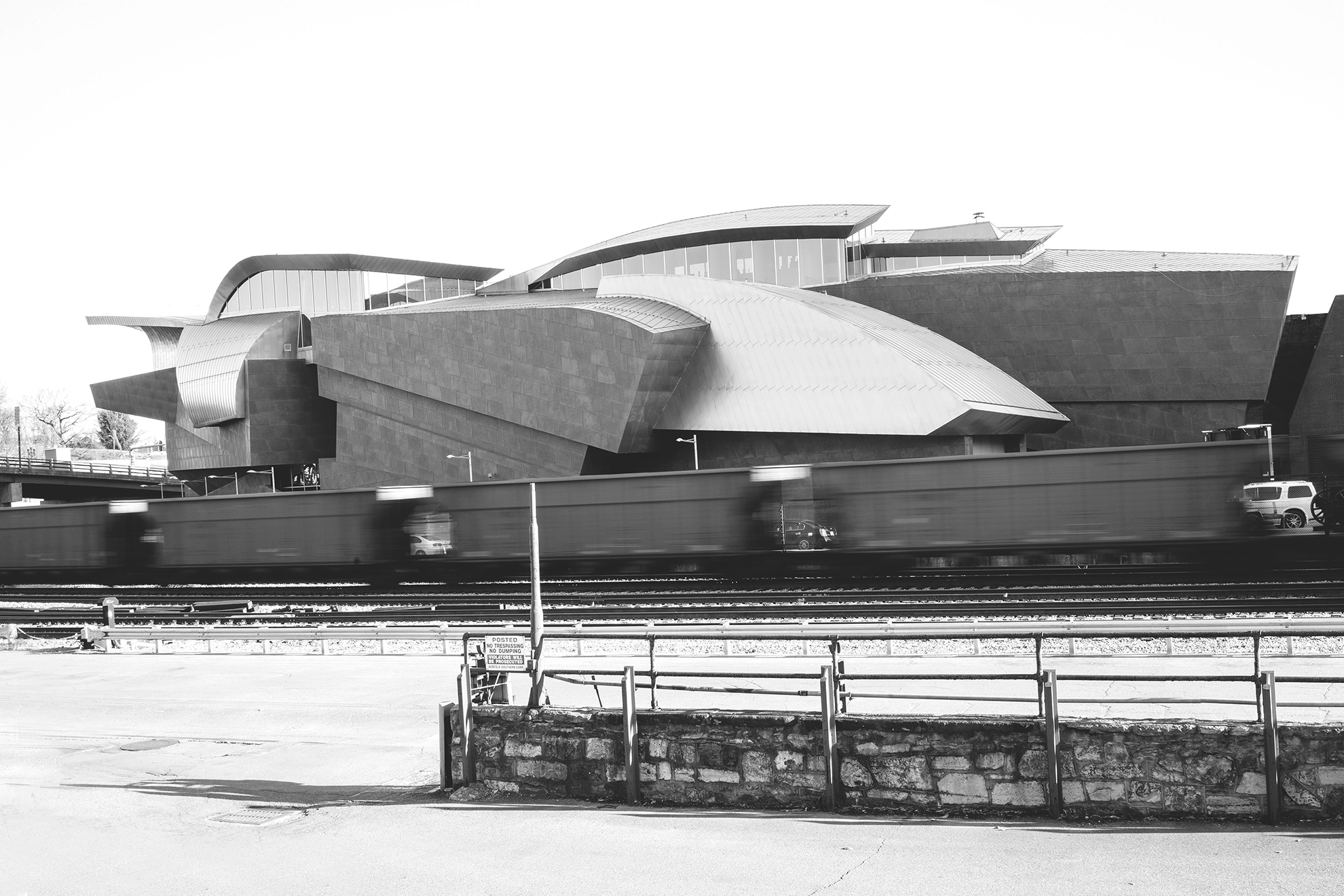
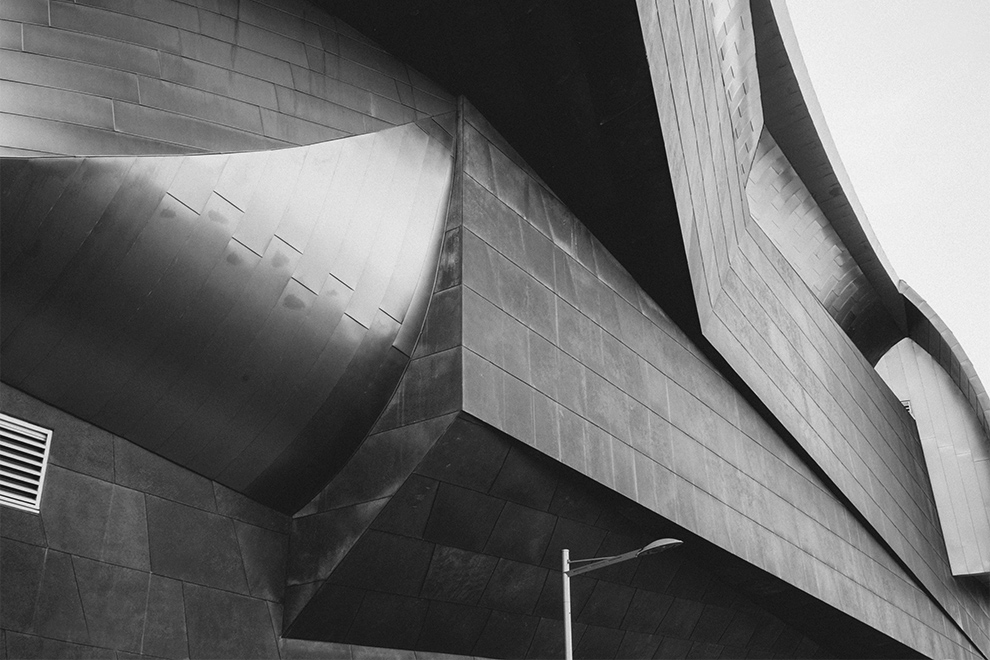
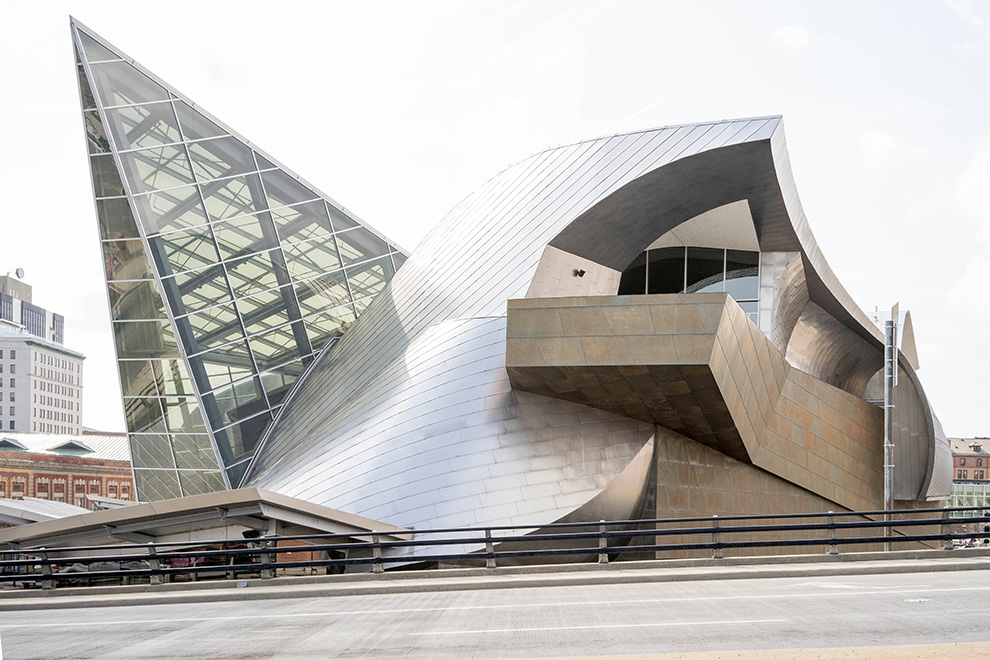
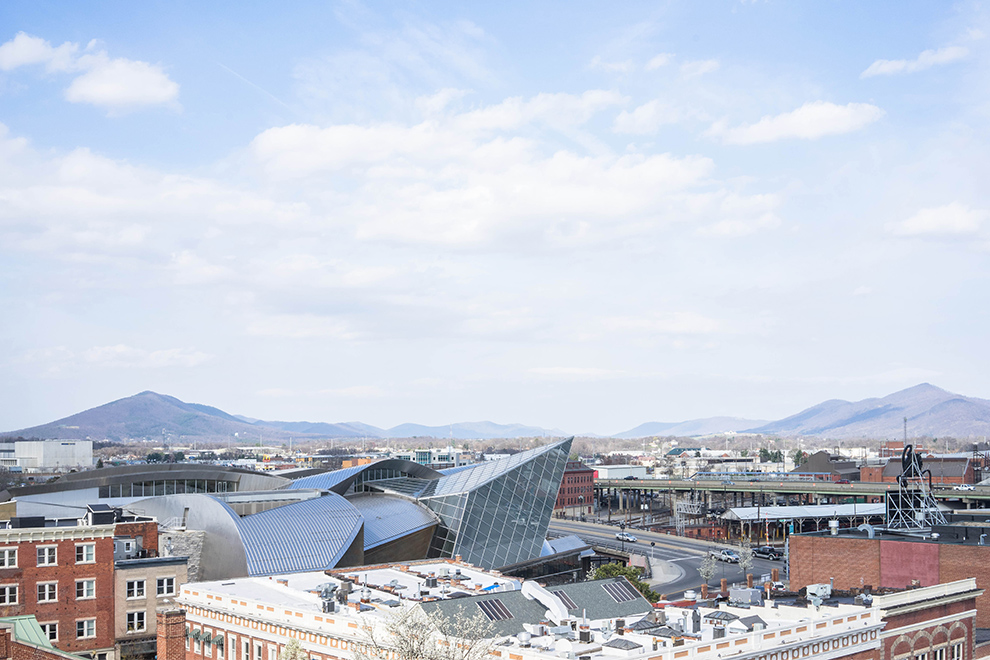
In the heady days of 2004, I was a green architecture intern fresh out of school, and the first building project I worked on was this – The Taubman Museum of Art in Roanoke Virginia. Having the opportunity to design with and learn from Randall Stout on an exciting, high-profile project like this was basically everything I imagined that being an architect could be. This was to be thrown into the emerging world of digital design and geometrical control (hello Rhino V3), close collaborations with players at the forefront of manufacturing complex, building-scale cnc fabrications, and the promise of architecture as a driver of transformative urban change. School couldn’t touch this. In the intervening decade I’ve learned quite a bit more about the behind the scenes maneuvering that morphed an existing regional art collection’s initial, modest desire for a few extra square feet of exhibition space into an ambitious plan to remake a town through a $90 million dollar building. The reality of the inherent impotence of a singular built object to somehow negate or transcend the complex network of entrenched and competing political, cultural, and institutional factors is something that continues to play out in cities all over the world. But those questions were irrelevant to the families I saw enjoying the “weird, but cool” free museum on a Thursday afternoon, the local artist exhibiting hyper-saturated photos of the building at Thelma’s Chicken and Waffles, or the bins of embroidered fabric decorated with the building’s distinctive profile. Basically, it was breathtaking to finally experience the building in all its divisive glory. I wish Randall were here so I could tell him all about it.


These are a few of the images I captured while in town. Presented here to amplify the building’s binary formal references as I had always imagined them in my mind. While there is no true “back” facade, there are two clearly distinct sides to the building: the angular, more constructivist facade facing the railroad tracks and industrial edge of town, and the softer, billowing blue forms facing the city which frame the Blue Ridge Mountains receding into the background.

20150320 Tags: hongkong, photography | No Comments »

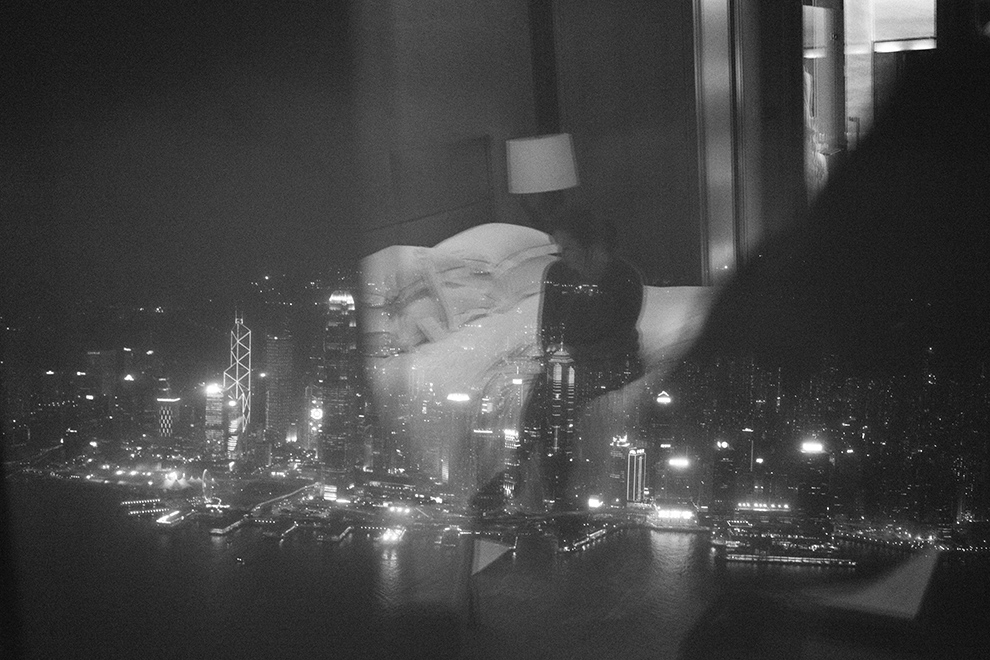
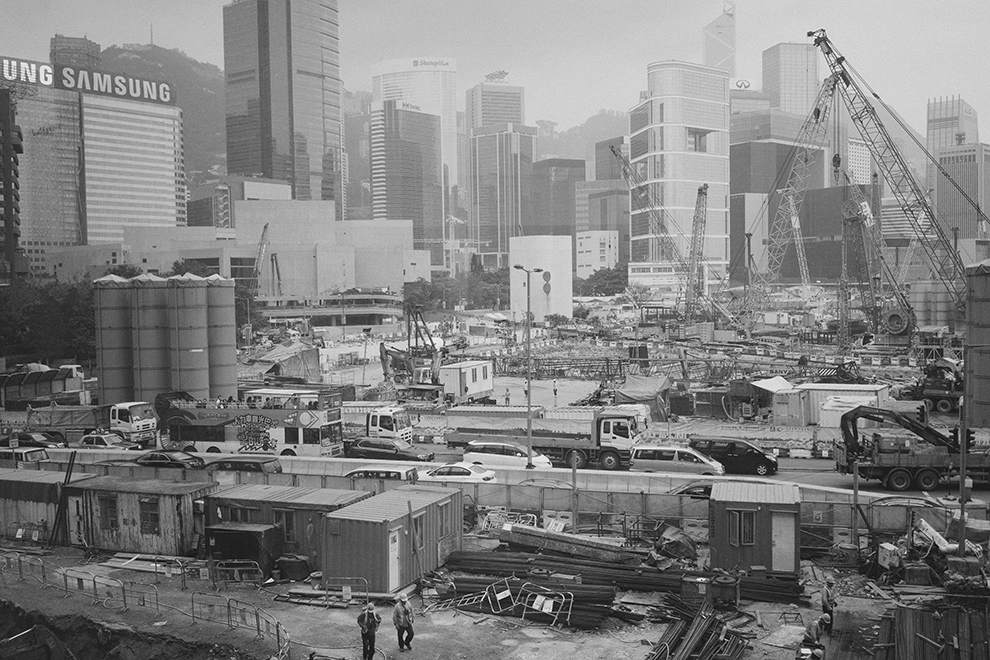
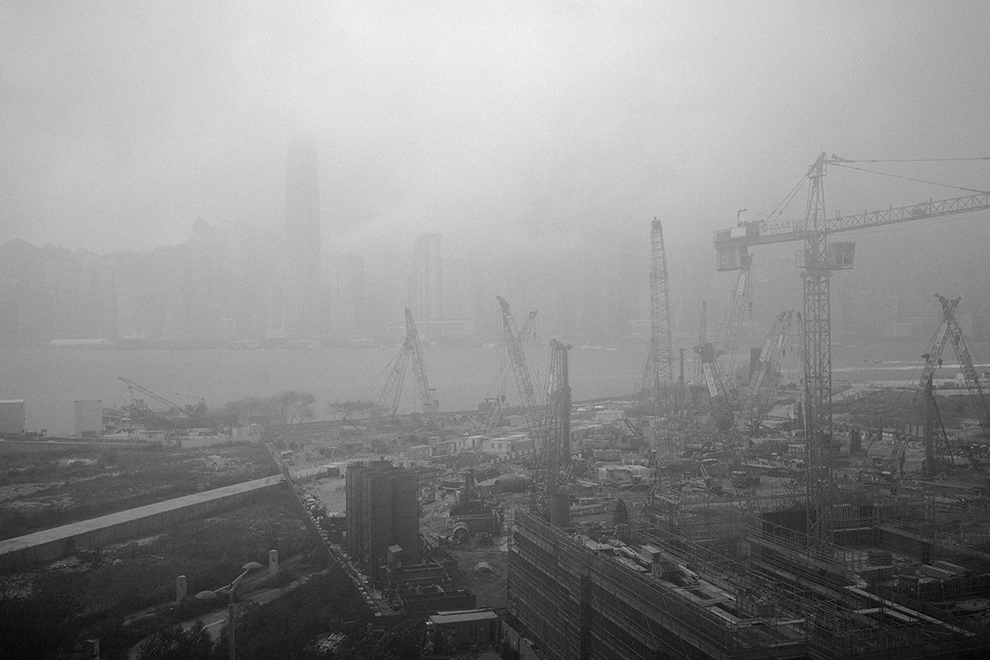
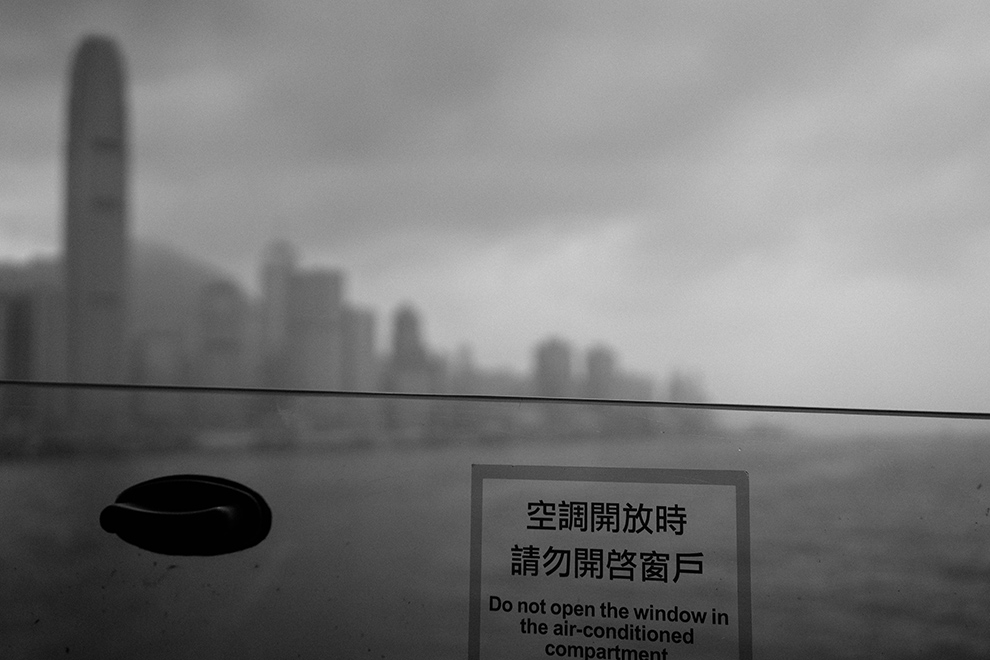
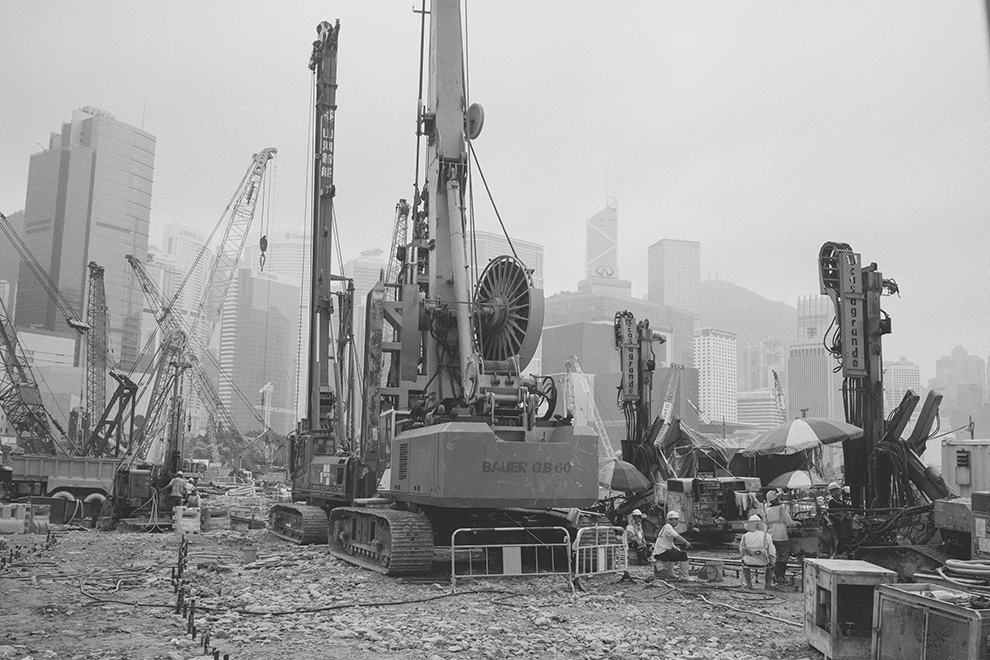
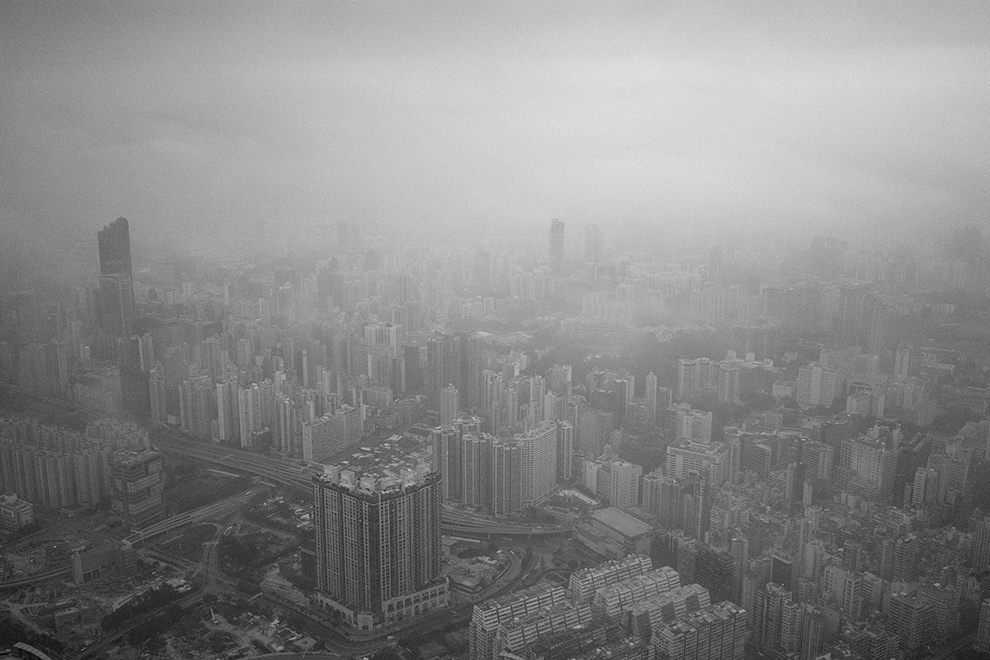
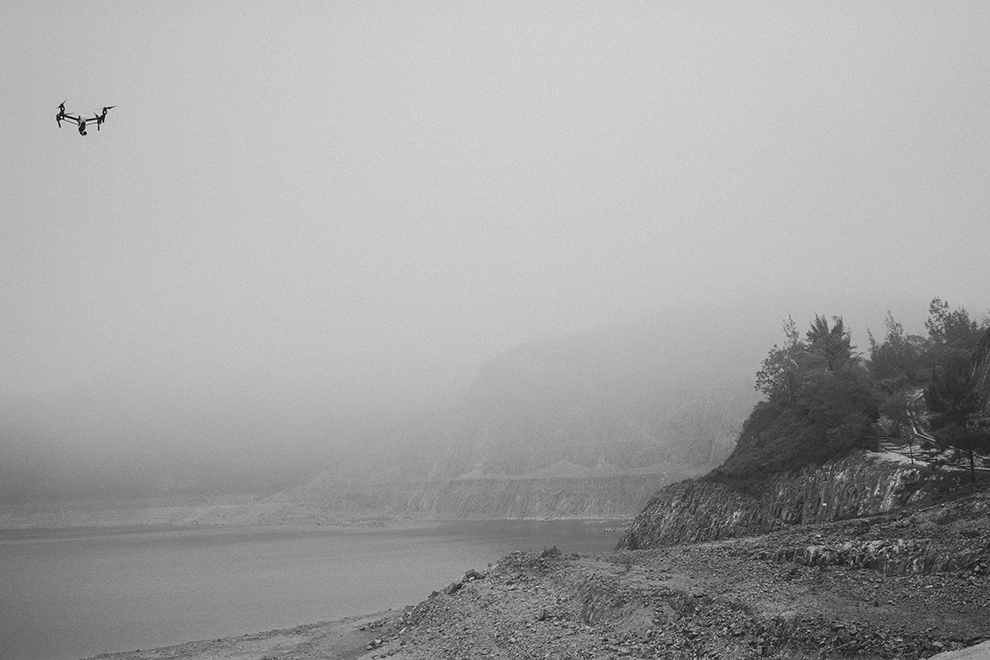
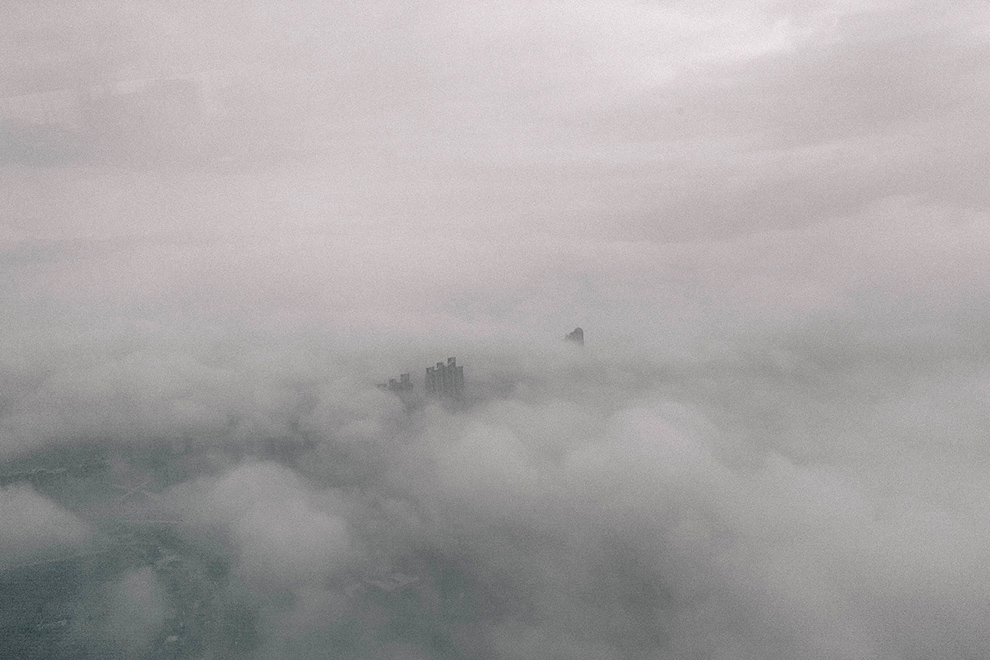
Heavy Fog Today, Sorry To All Visitors

HK-001-web


HK-002-web


HK-003-web


HK-004-web


HK-005-web


HK-006-web


HK-007-web


HK-008-web

 
2015026 Tags: photography, sanfrancisco | No Comments »

The San Francisco That Doesn’t Exist Yet

DSC01022DSC00923

DSC00922DSC00921

20150121 Tags: 3DPrinting, fabrication | No Comments »

3 Quick 3D Printing Exercises

As part of a series of quick exercises using a consumer-grade 3D Printer, the following pieces were created. All were designed and modeled in keeping within a set of strict guidelines.


The rules of the game:
(1) All 3D mesh geometry is generated via photogrammetry
(2) No manual 3D modelling is to take place
(3) A 3D print ready file is to be generated within 2 hours
(4) All software used is to be open source, or free for non-commercial use
(5) Prints are built irrespective of plastic type, print resolution, color, printer, and printing technique


3DP01: Replication of a physically proximate, geometrically-complex object


3dp-013dp-02


3DP02: Replication of a physically distant, geometrically-complex object via publically accessible photos. Allow for glitches.


3dp-033dp-04


3DP03: Replication of a physically proximate, geometrically-complex object, that is to interact with a second object via physics simulation.


3dp-053dp-06

20150111 Tags: 3DPrinting, fabrication | No Comments »

3DP Physical Interaction

00_LION-01


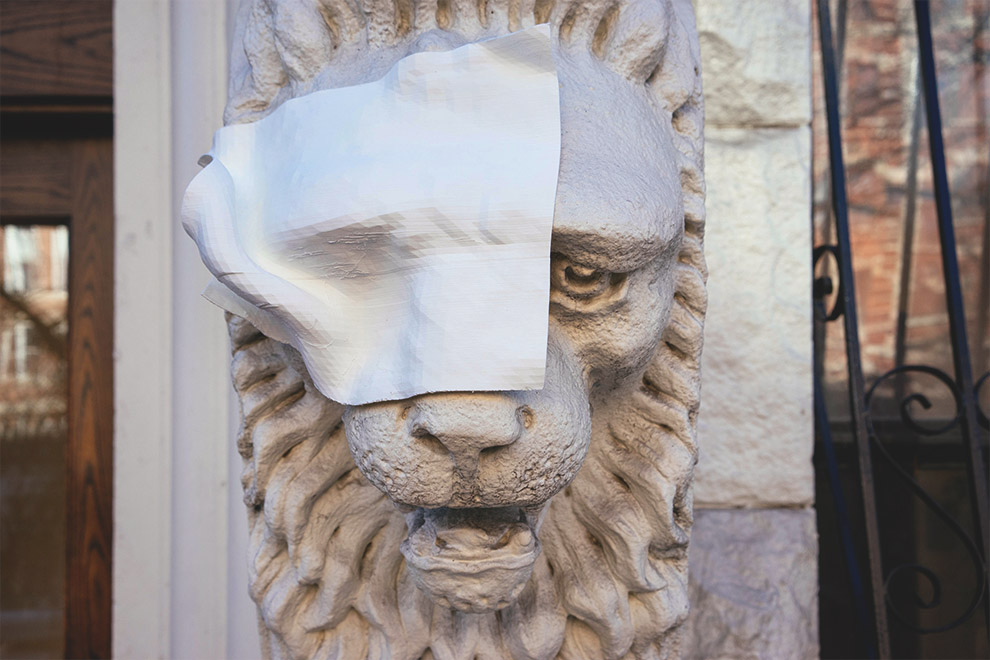
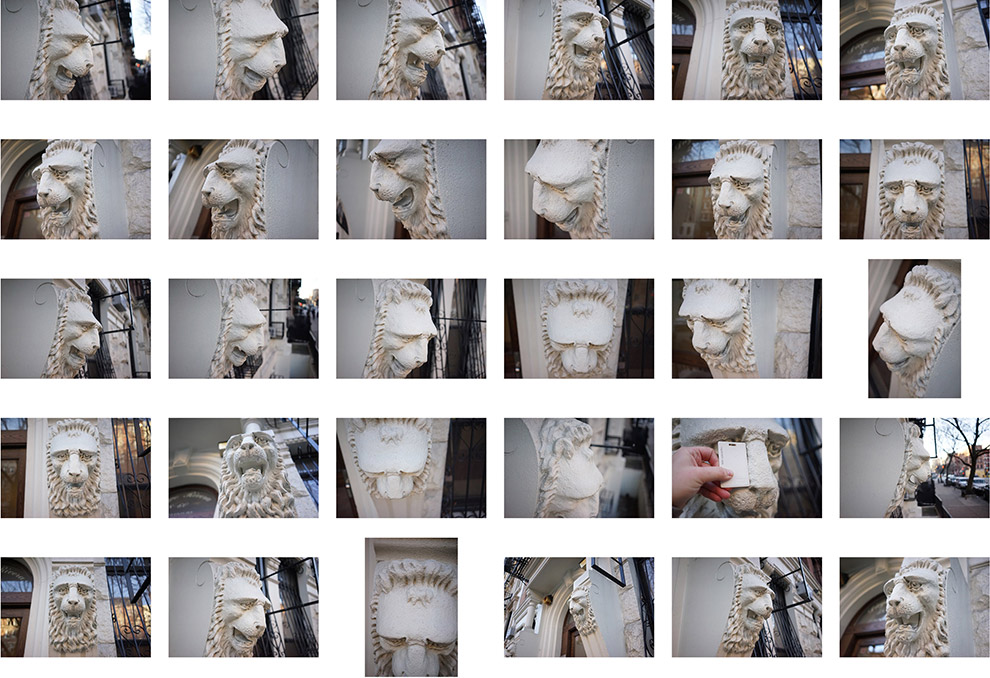
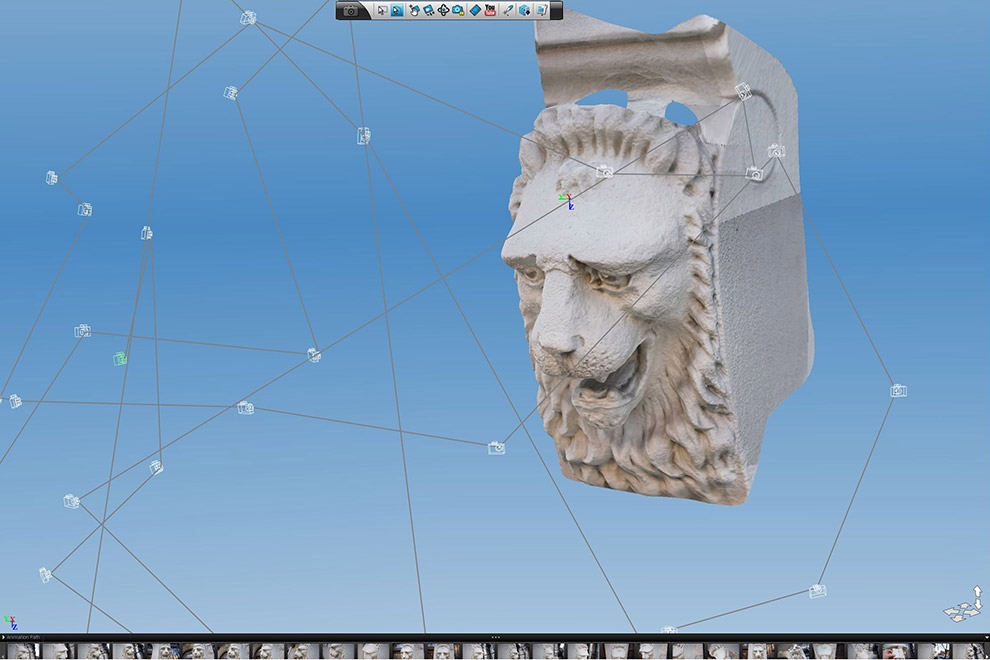
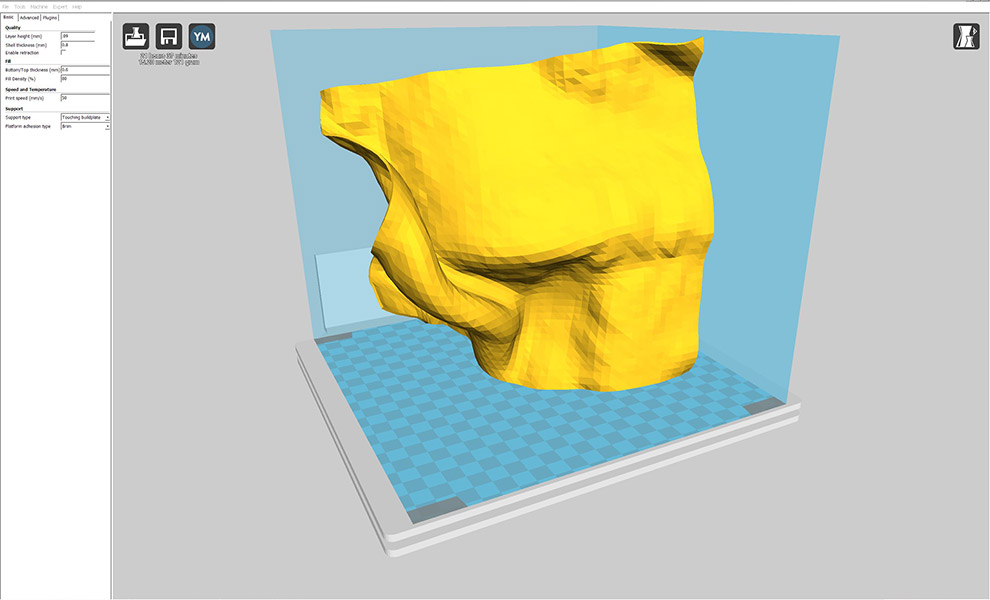
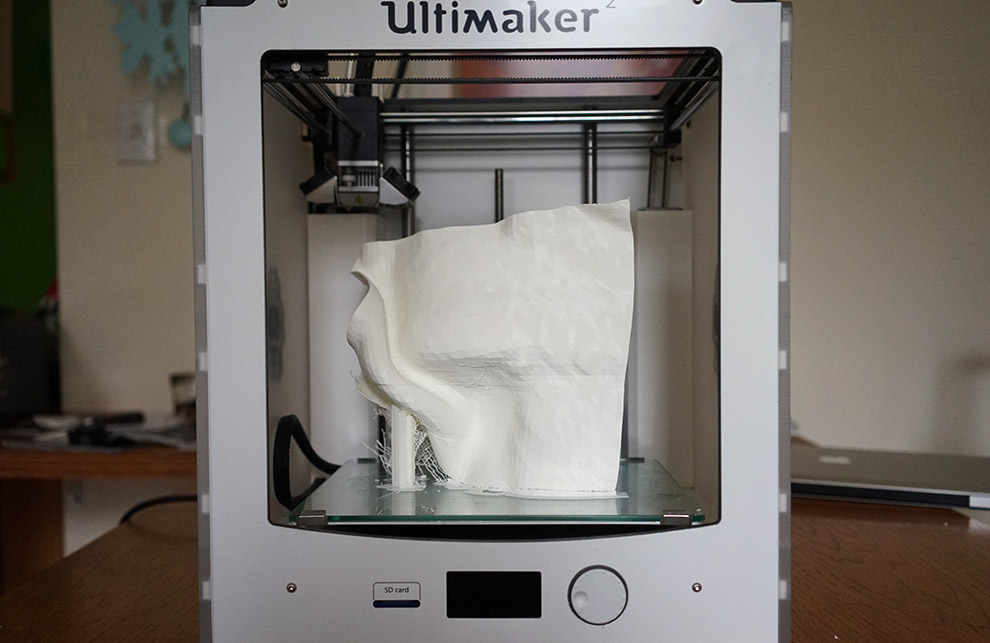
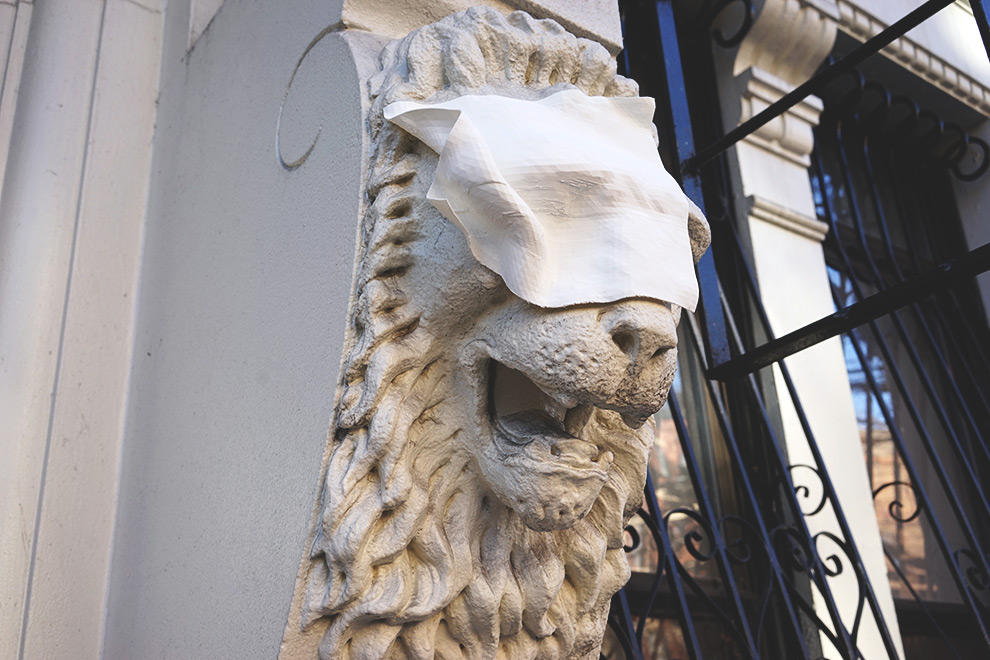
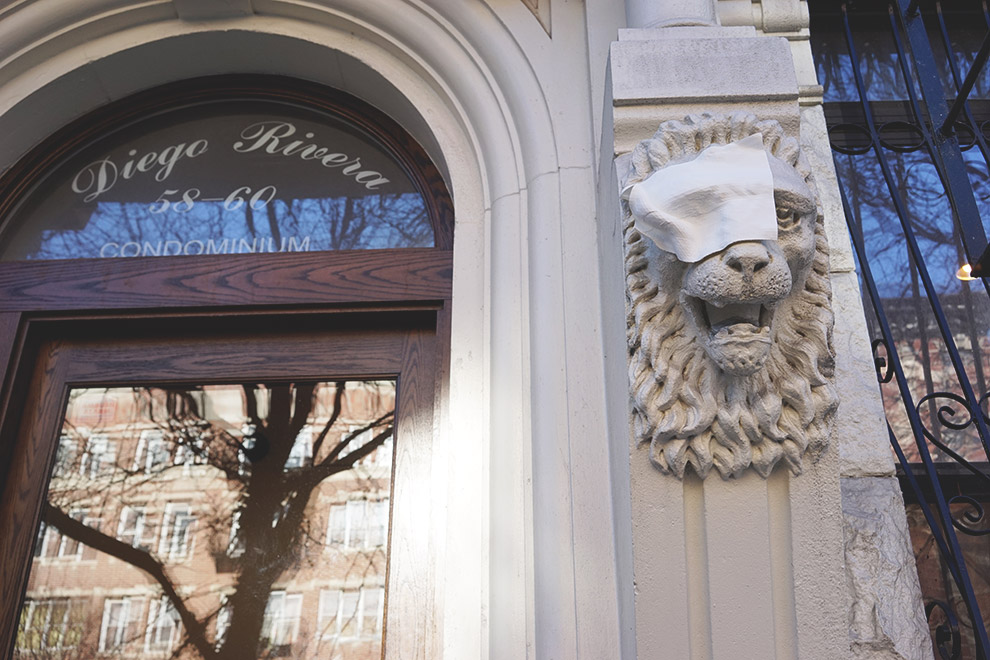
This was the third in a series of quick experiments using a personal 3D printer. The goal here was to construct a 3D printed piece to interact with an existing physical landmark displaying complicated surface geometry. This lion with an enigmatic mein was chosen because the complicated contours would provide the framework for a compelling proof of concept. The building is named after one artist, but it was the surreal Belgian artist who often explored enshrouded objects that provided the inspiration for this form.


Process:
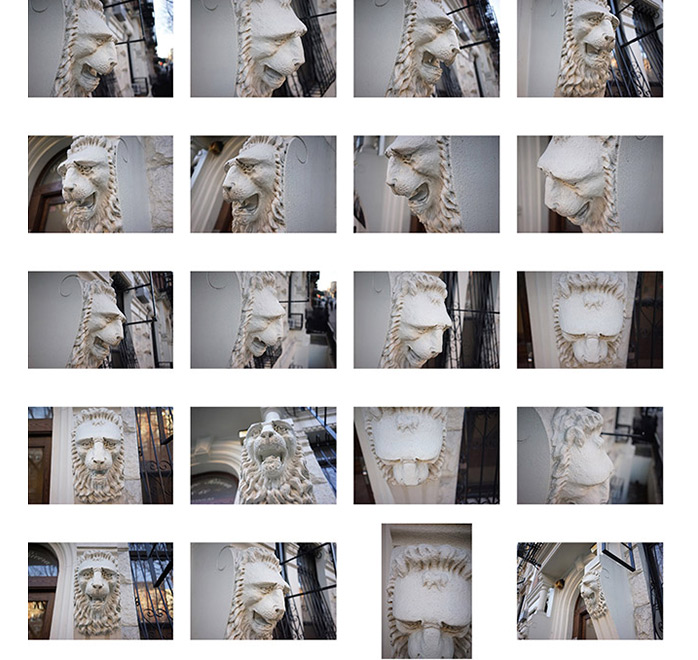
1) Collect a series of photographs to describe the object
2) Generate 3D model in 123D Catch
3) Use cloth and wind simulation effects in Maya to deform a plane
4) Bring the deformed mesh into Cura to prepare for 3d printing
5) 3D Print on an Ultimaker2


01_PHOTOS02_123D-CATCH

03_MAYA04_CURA

05_ULTIMAKER06_EDIT_02

06_EDIT_0306_EDIT_01

20141231 Tags: architecture, fabrication, new york, research, school, teaching, urban | No Comments »

HACKING THE URBAN EXPERIENCE – STUDENT WORK FALL 2014

web-01web-02

web-03web-04

web-05web-06

web-07web-08


A small selection of the amazing work the group produced in class this semester. Click on the images above for more information.

20141014 Tags: architecture, DUB, fabrication, inflatable, newyork, urban | 1 Comment »

INFLATO DUMPSTER

DUB_INFLATODUMPSTER_01
DUB_INFLATODUMPSTER_02


Quick Description:
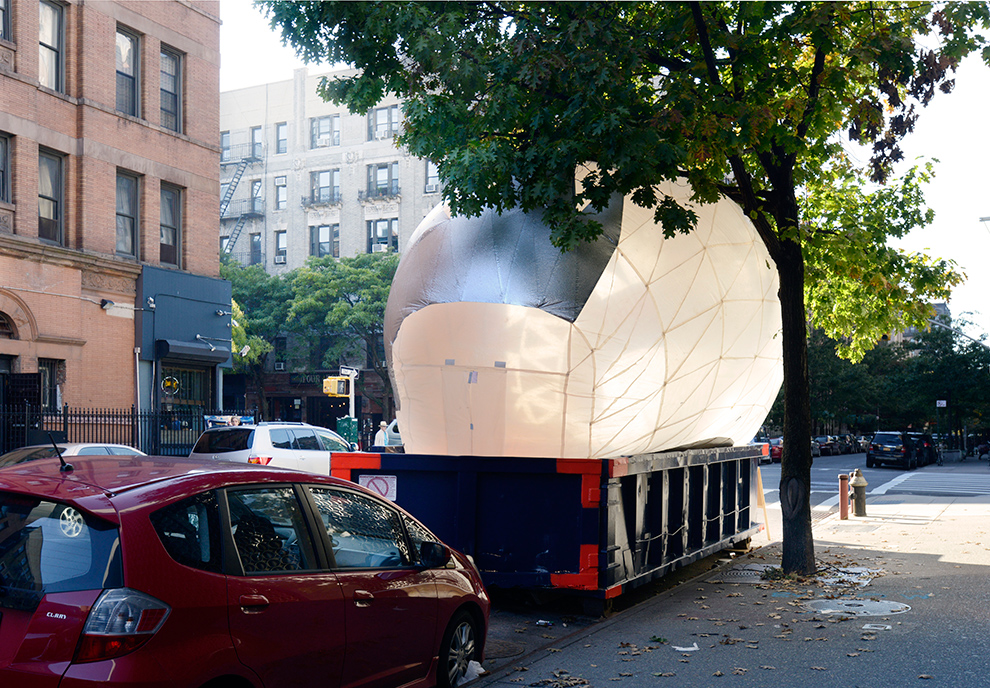
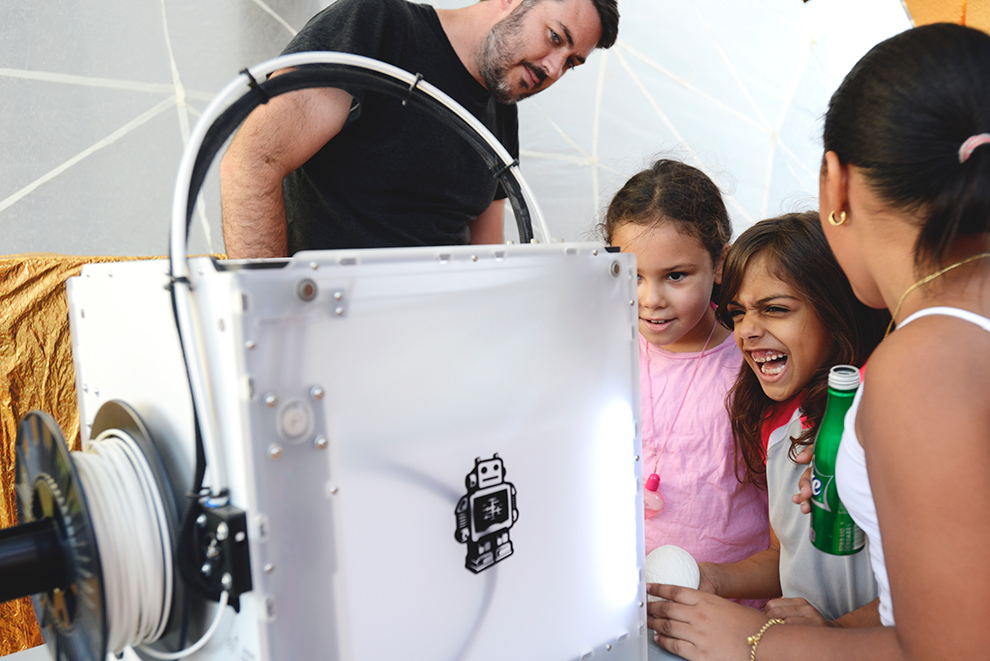
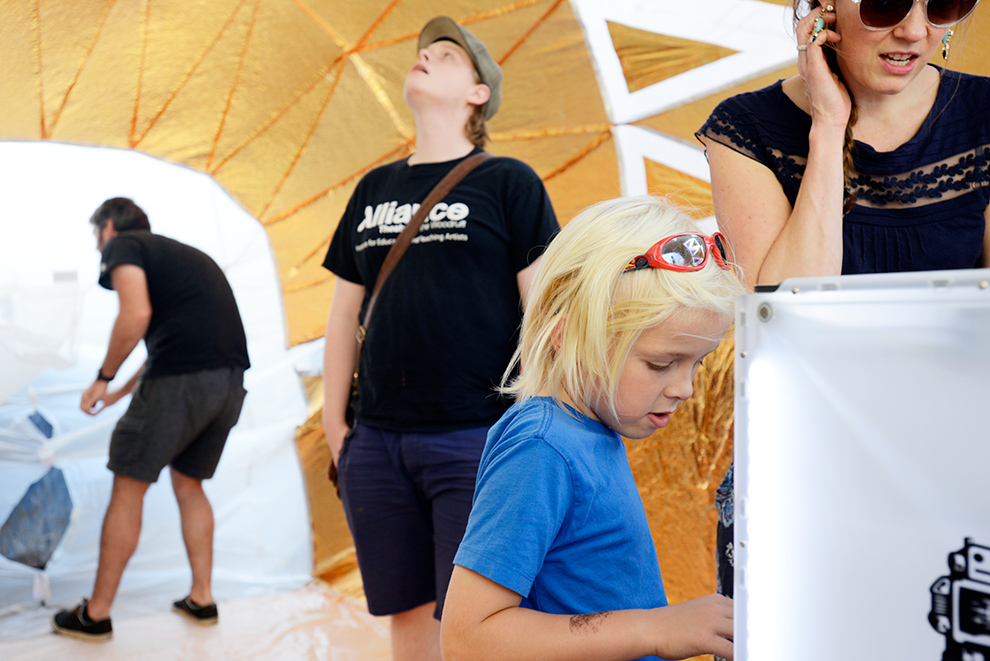
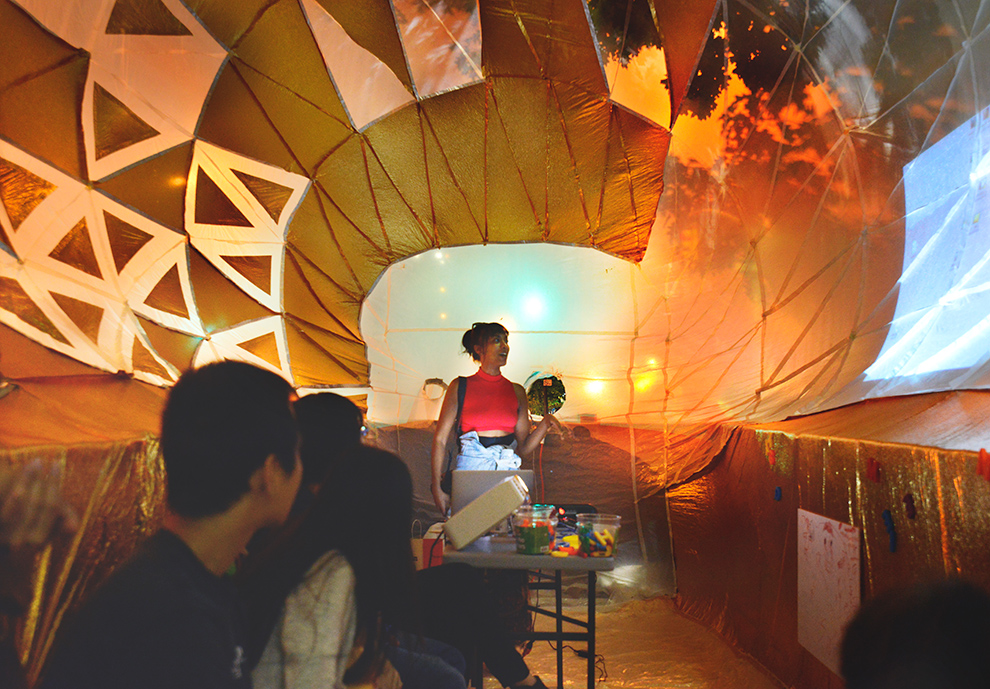
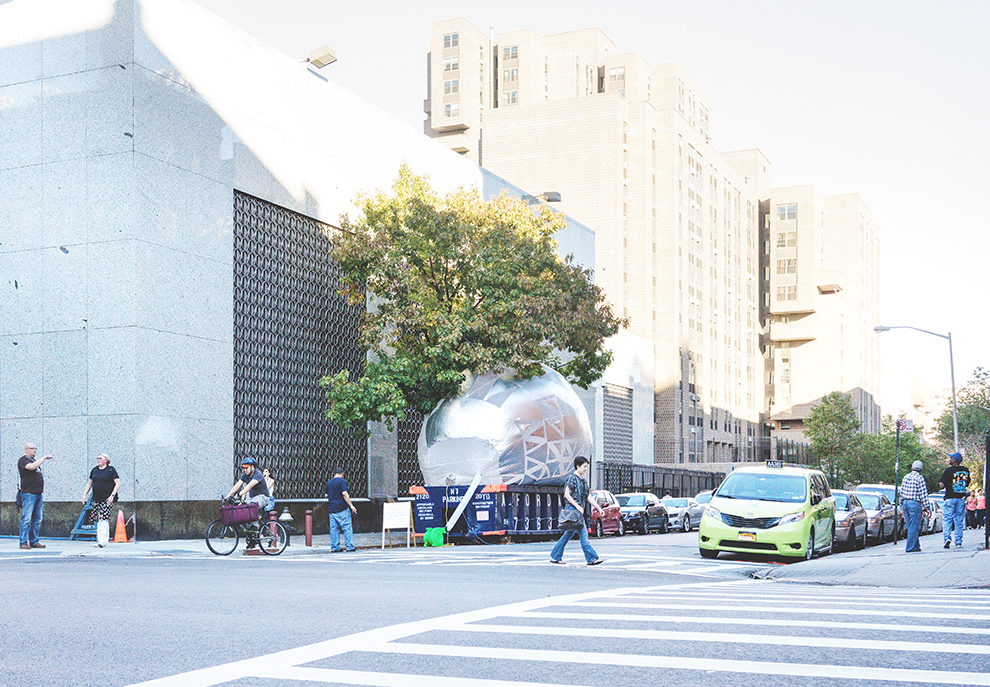
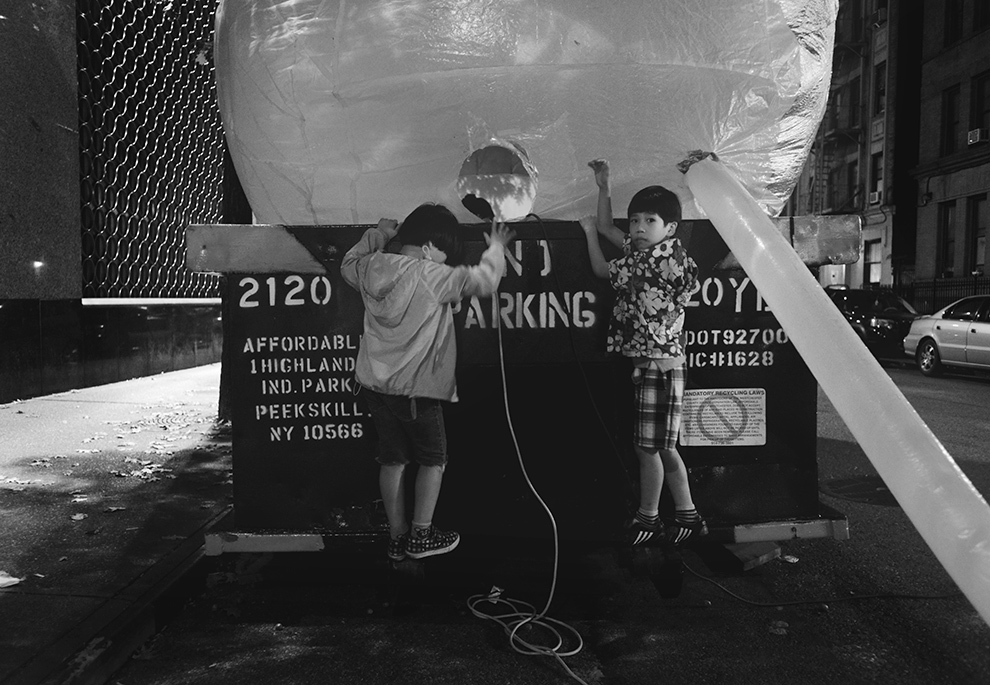
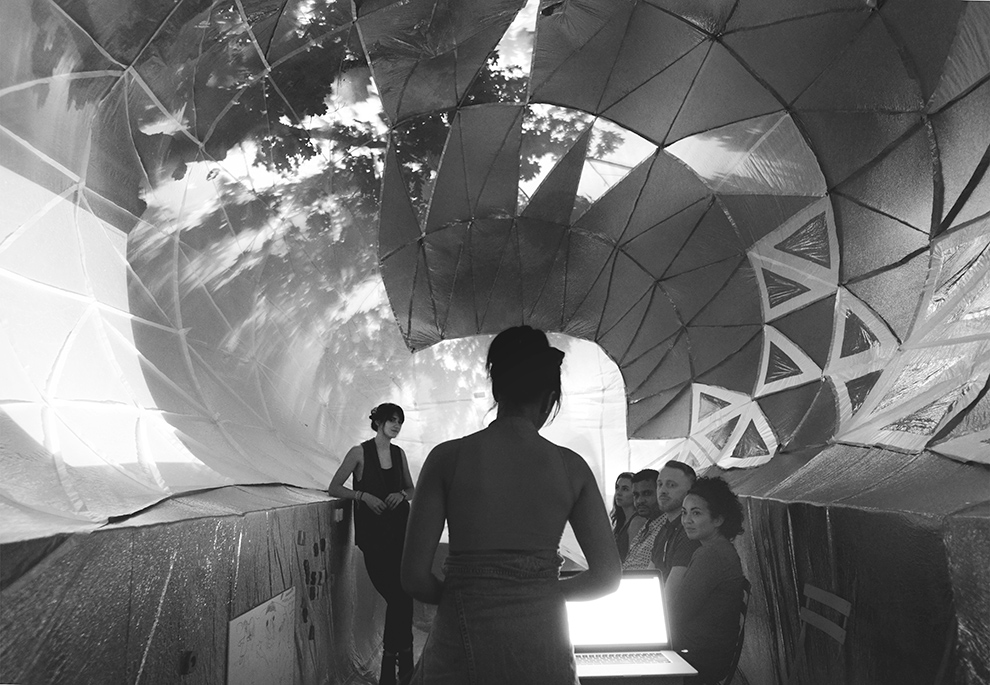
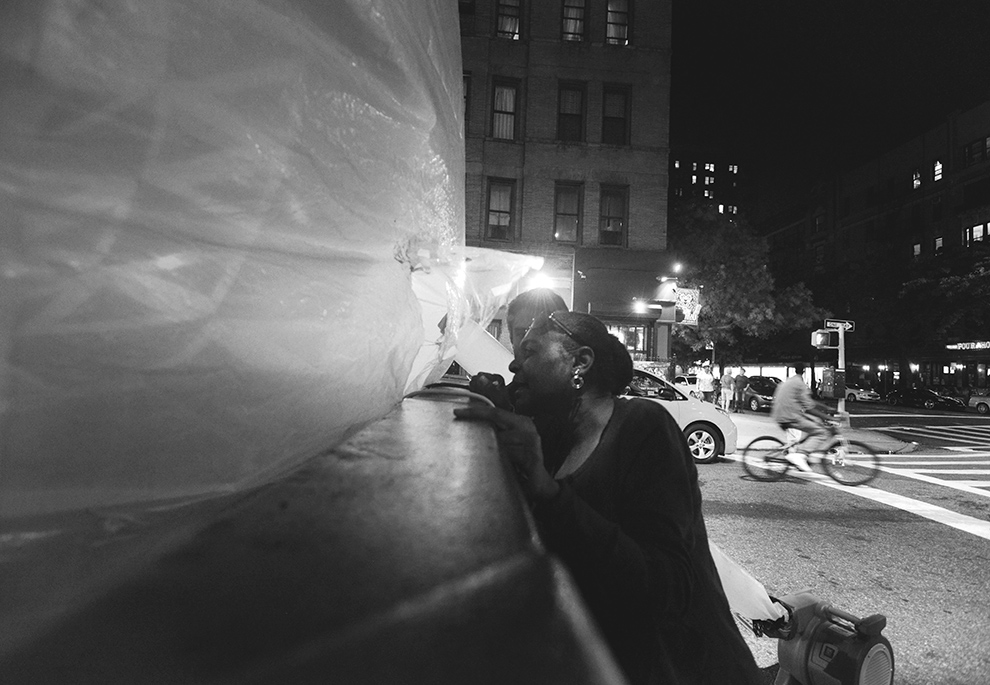
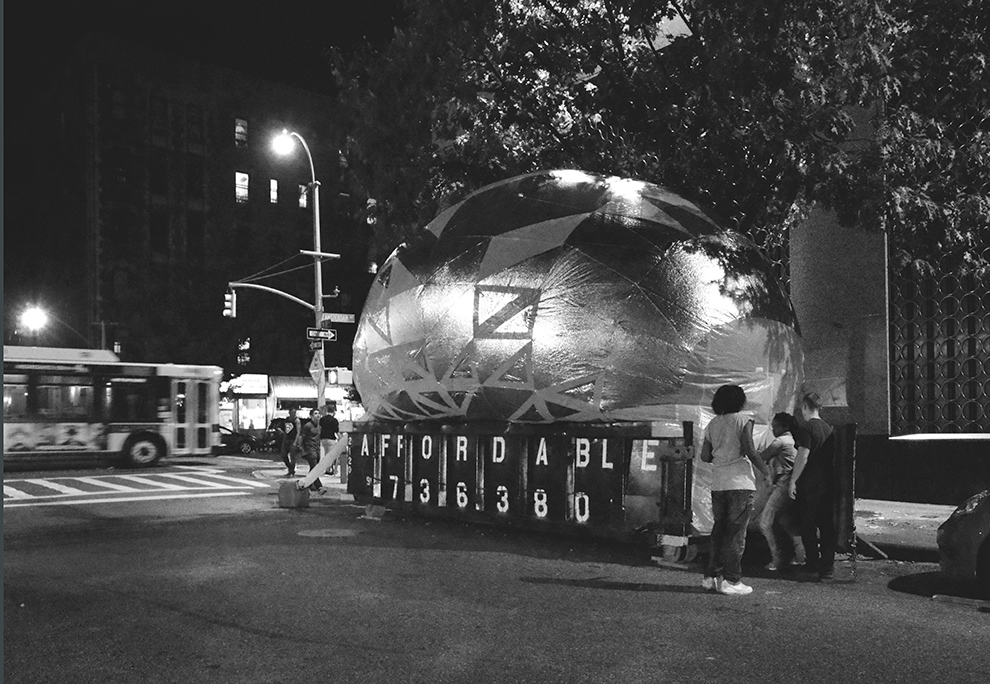
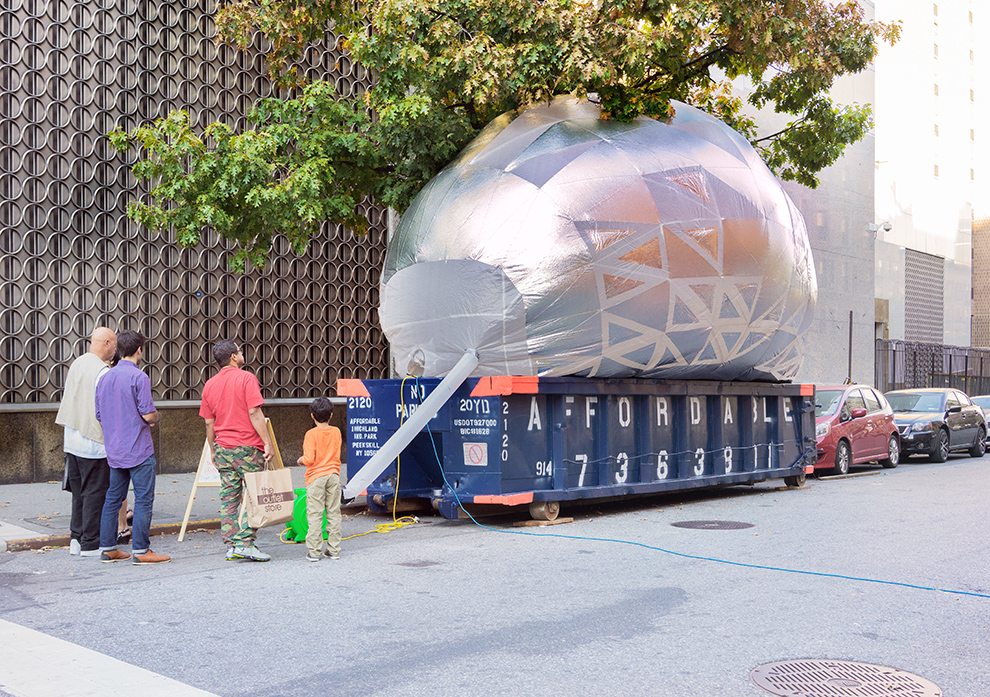
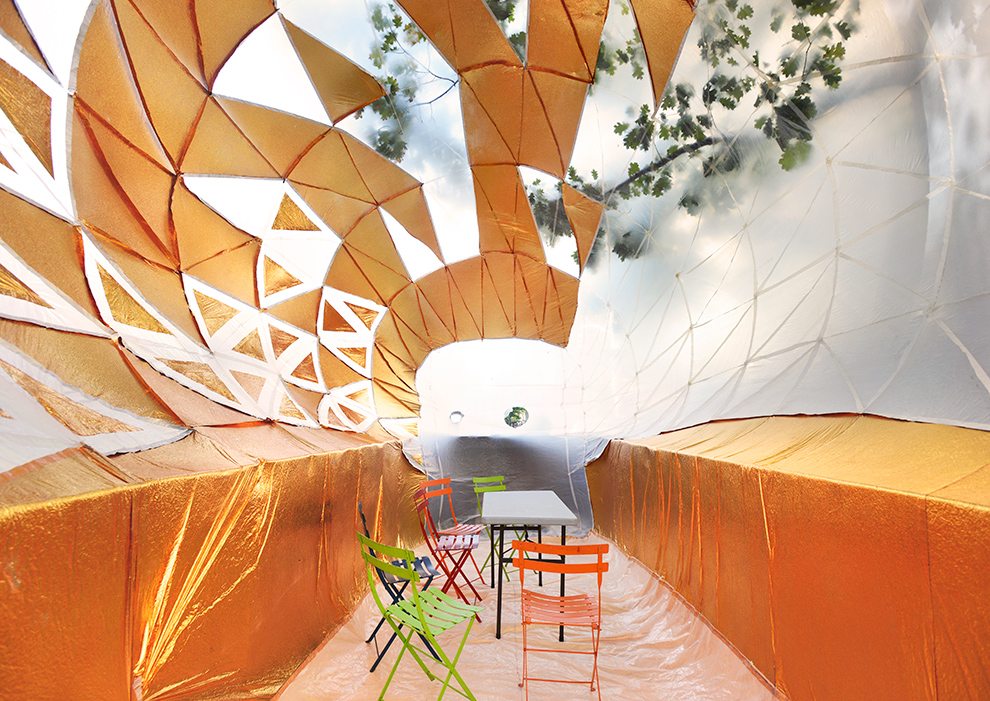
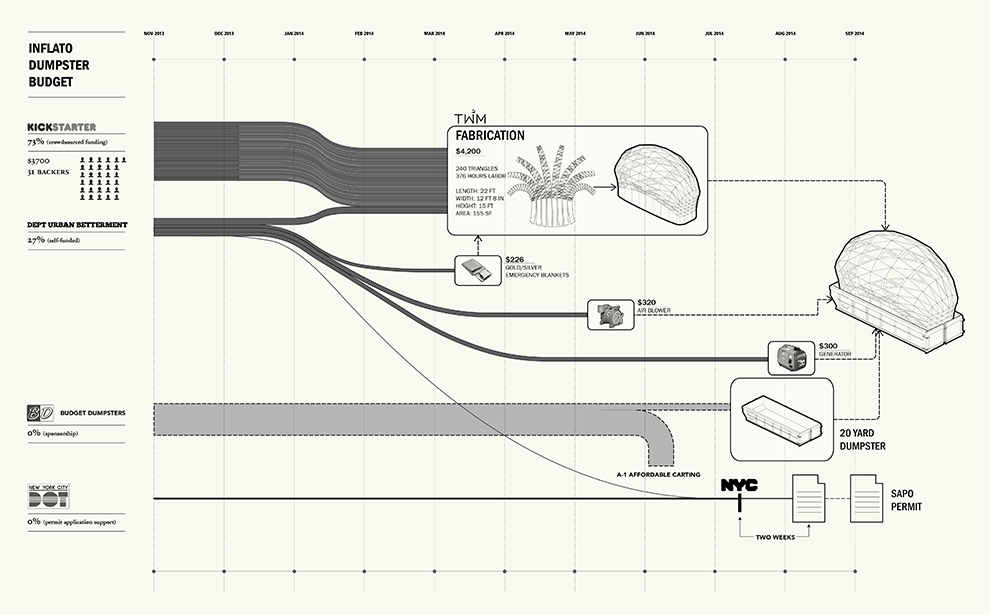
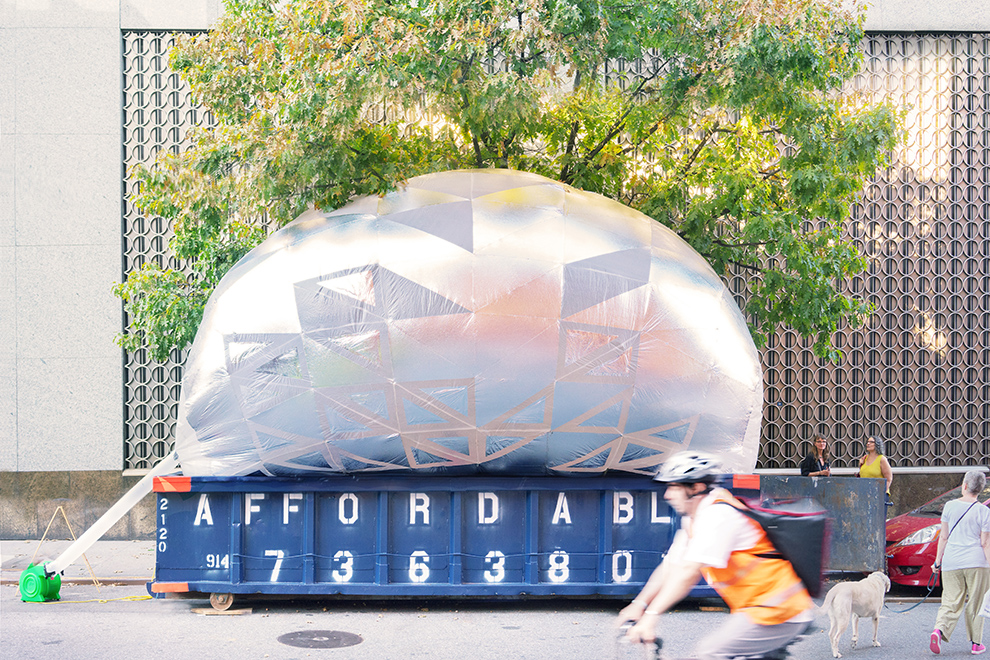
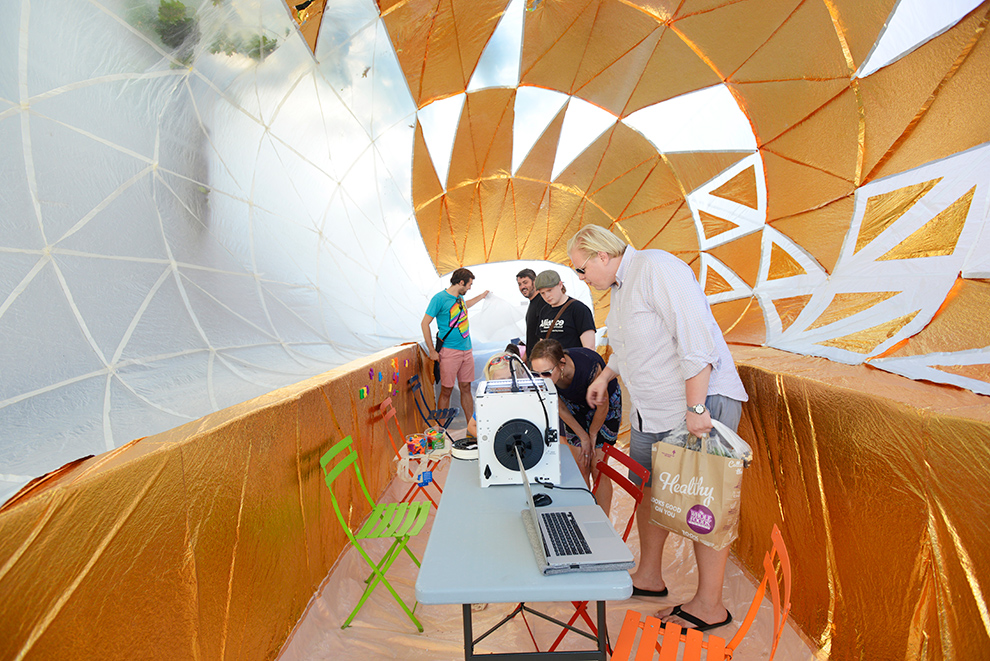
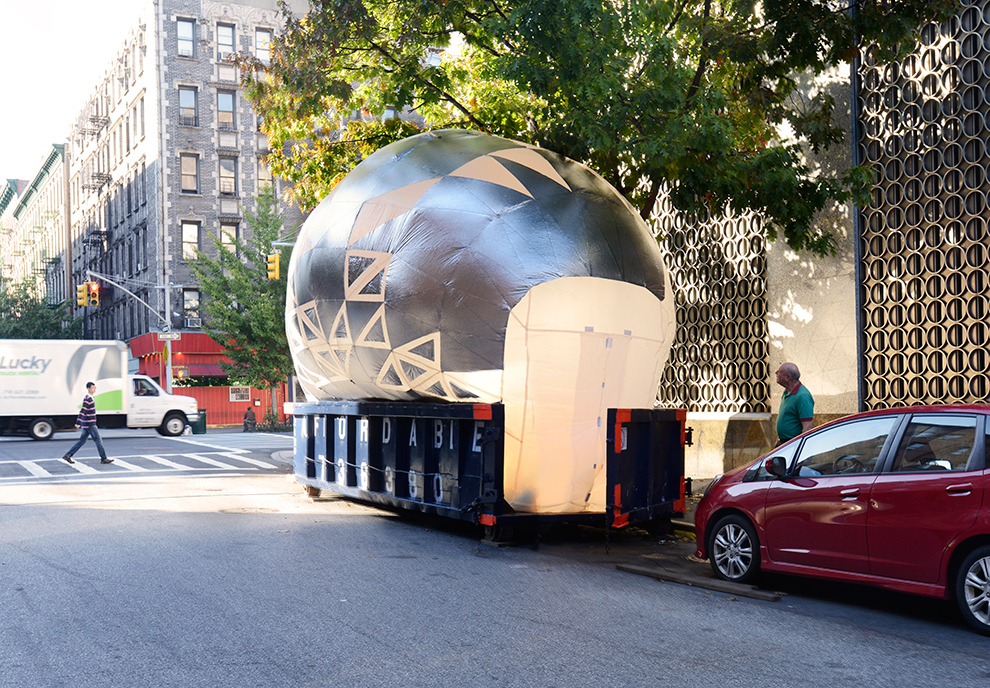
This is an inflatable classroom installed inside of a dumpster. It is the first installation – the beta version – launched over three days in late-September at 109th Street and Amsterdam Avenue in the Bloomingdale Neighborhood of Manhattan. The project includes 165 square feet of enclosed space with maximum dimensions at 17’ height by 12’-6” wide and 24’ long. Over the three days the project was activated, over 500 people in the neighborhood interacted with the installation through a number of events and workshops including: a musical performance by Amani Fela, documentary screening by filmmaker Simone Varano and a 3D printing and modeling work session. The total project budget was $4,200 (including equipment rental) – the majority of said budget was funded via Kickstarter, a process we are deeply skeptical of in regards to urban projects, but used nonetheless. The intention is for the project to continue to periodically activate and further explore how it fits within this neighborhood. This project was created with friend and design partner Joaquin Reyes, and is part of a Columbia University course I teach titled “Hacking the Urban Experience.”


Inflato:
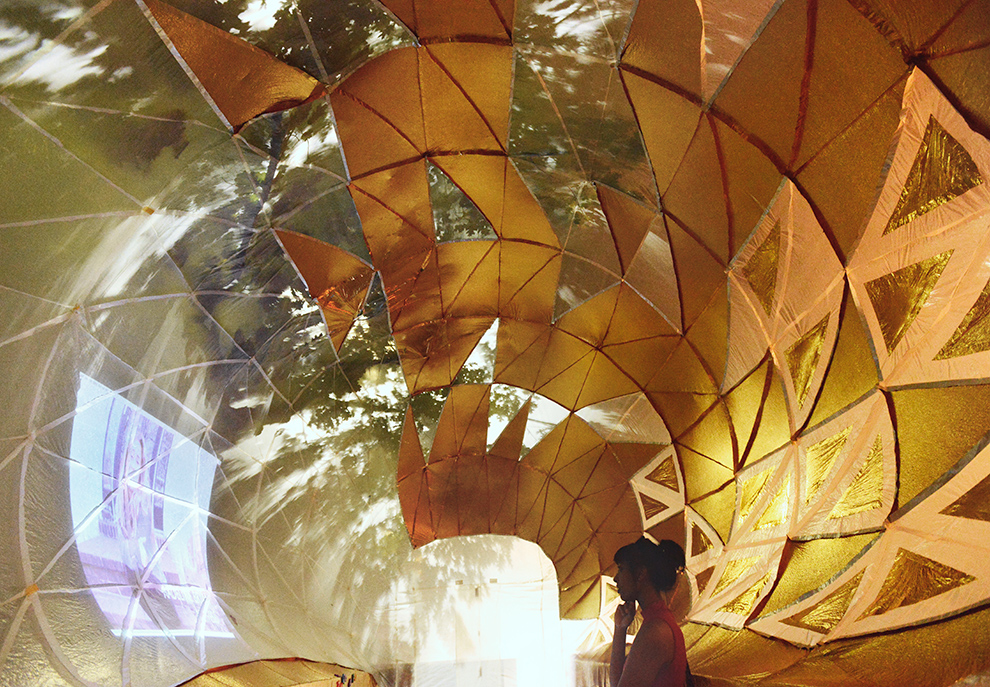
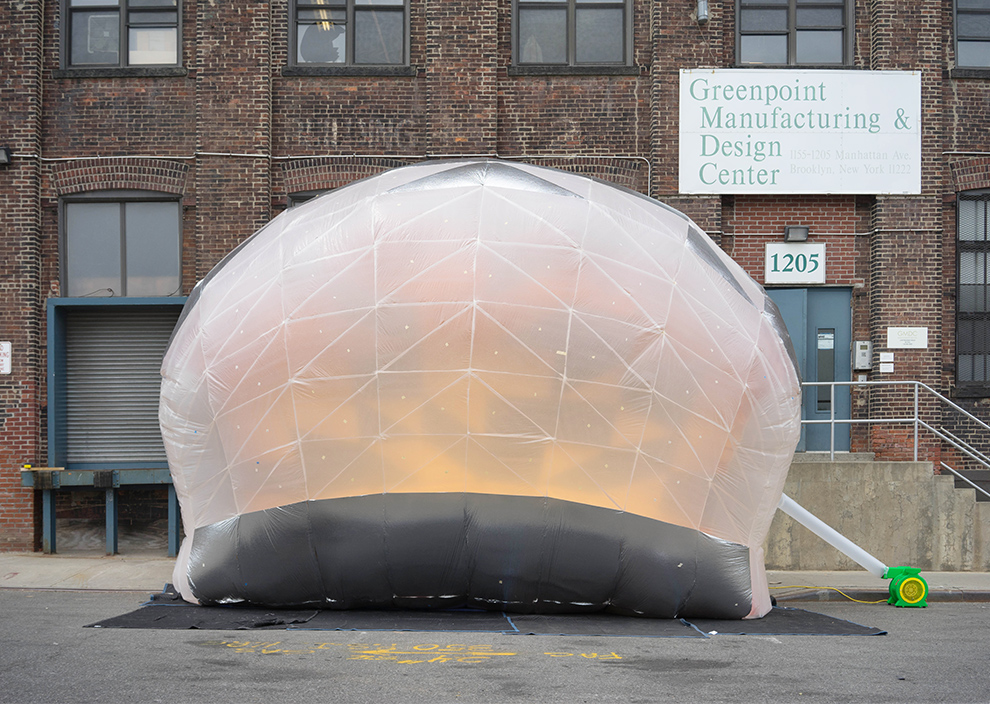
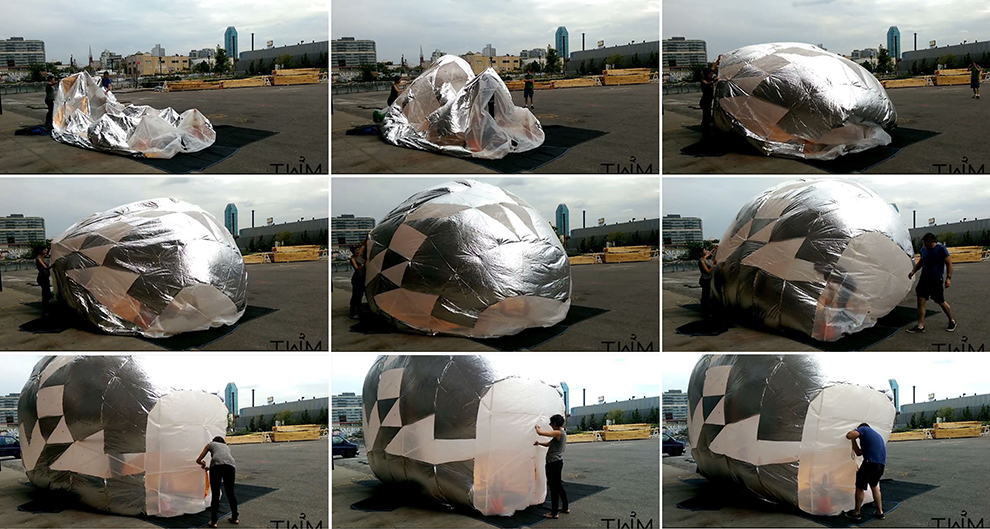
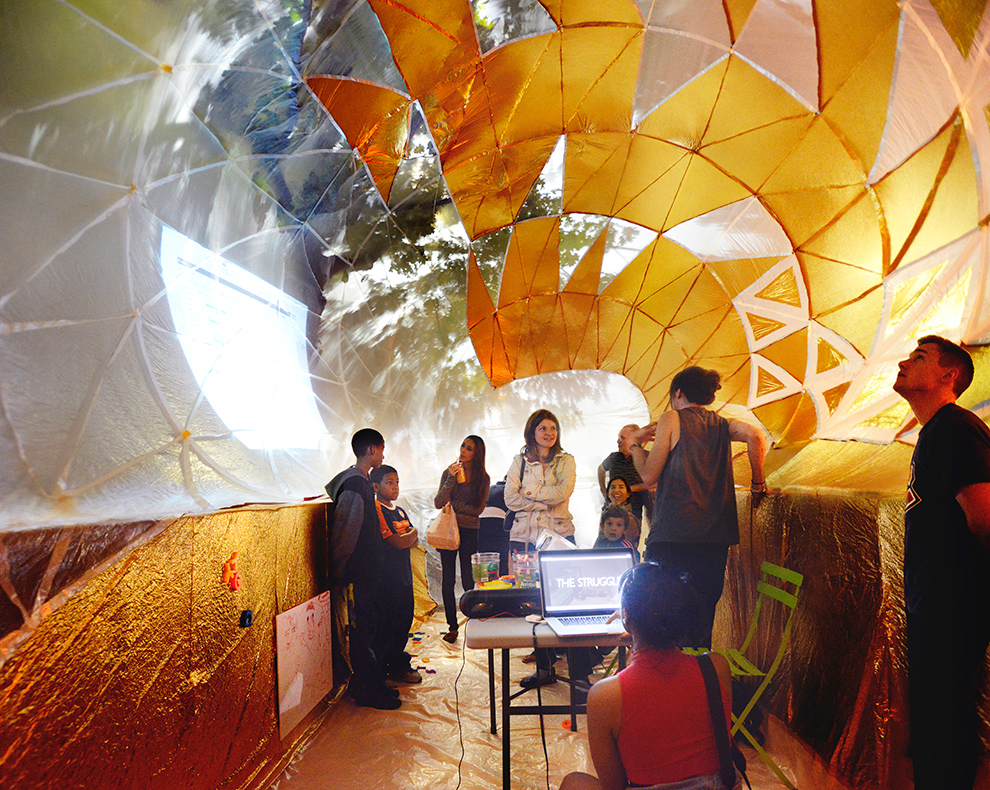
The main element is an inflatable membrane containing 2000 cubic feet of volume. This inflato is made from a combination of two lightweight materials. The first is a clear polyethylene. This is an inexpensive, common and biodegradable plastic material that will allow views both from and out to the street. The second material is a mylar film used in both emergency hiking blankets and spacecraft. Dual-sided – silver and gold – the inflato presents a subdued silver, semi-reflective surface on the exterior with a gold, brightly gilded interior. The street side is more opaque, while the sidewalk side is more open allowing views and a surface to project images onto. The transparent side also allows light to filter down through the canopy of the sidewalk maple tree from above. There is a strong evocation of being under a shaded tree.
 

DUB_INFLATODUMPSTER_SKETCH


Dumpster:
“Go inside a dumpster?!?!” – An understandable response given by roughly a quarter of people when told they were welcome to go inside. I think the dumpster helped because it kept the project in the realm of the recognizable, and fed into the transgressive feeling of being inside of an off-limits space. Connotations of trash aside, there’s a shared awareness of the spatial interior dimensions of a dumpster, unlike, say, “an inflatable classroom” or, even worse, “a new paradigm of public space,” which could be just about anything. Or maybe it just lowered the bar so much, that when people stepped not into a rusted metal box, but rather a glowing vaulted space, they couldn’t help but feel like they had been transported.


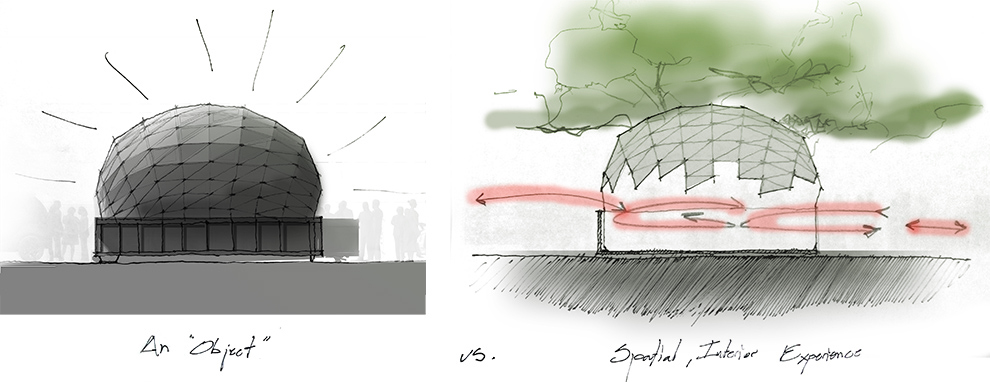
So there’s certainly an interest in transforming existing banal street structures, but also being drawn to the idea of turning something typically associated with waste and discarded materials into a space for something exciting and new. This, in turn, led to exploring the invisible lightness of the inflatable in relation to the hard steel of the dumpster and the heavy demolition work of machines and tools. This juxtaposition of heavy/light and new/used became a key hot-air-balloon-like diagram of the solid base paired with the weightless membrane.


Maybe there’s also a metaphor here about “recycling” knowledge. The goal of this thing being a new type of classroom space meant that knowledge was not just passed down to a captive audience, but that what’s taught is something that could resonate out like ripples and eddies in a stream – emanating from the central mixing chamber of the dumpster. Repeatedly cycling back and forth amongst everyone that came through. For example, we avoided anything overtly didactic – an early idea of streaming neighborhood demographic data was rejected on the grounds of being too overt – instead favoring a more subtle approach such as that taken with the films screened by Simone Varano. Not only are the films challenging documentaries that deal with authenticity, music and living in the city, but anyone that sat in a dumpster and watched them took away the notion that a theater is not only the AMC on 84th street, but that this can be a valid means of projection and expression. Seeing a construction dumpster on the street in New York invariably indicates change, whether a new condo going up or a renovation going in. Either way, the endpoint is often exclusionary in nature. In this project, the dumpster still indicates a temporal event, however, we hope that it triggers a ripple of aftereffects that will germinate practical ideas and actions that are more inclusionary and empowering for the neighborhood. This is something that has to be iterated on and pushed further in future installations.


There were also pragmatic reasons for using the dumpster. It gave us a solid structure to anchor the inflatable, to resist any uplifting wind loads barreling down the avenue or traveling up 109th from Columbus, which is at a significantly lower elevation. Parking Day by Rebar is a big influence, but is limited by short time allotments provided by the meter and single parking space limitations. The dumpster allows us to take over a few parking spaces at approximately 160 square feet of New York real estate (bigger than my bedroom) for a fairly significant chunk of time. Which of course leads to questions of….


Permitting:
With the DOT’s generous help, we were able to successfully navigate some of the overlapping permitting requirements and submit a Street Activity Permit to the City. These typically take two weeks to receive for small events that do not require any street closures. The application fee is $25. However, hauling companies of course do not pull Street Activity permits before dropping dumpsters on the streets. The obvious difference being people aren’t expected to be hanging out in them, just throwing their trash in them. There’s some gray area here that we think is interesting and can be explored further.


Installation:
It was all very friendly and inclusionary. By the third day when I was walking down the street, carrying a large jumbled pile of plastic and mylar to the dumpster, random people would be calling out to me asking when and what was going on inside that day. I’d be remiss not to point out how great it was interacting with people. We were thrown into the neighborhood and had to have a concise explanation for what we were doing. Any pretentiousness or BS descriptions wouldn’t cut it. But that was what was most exciting: Seeing what happens when actual other human beings interact with the thing – kids, moms on the way from the store, students, the elderly, drunks, lifelong and newly-arrived residents, football fans (on Sunday outside the bar), and so on – all with opinions and critiques, but all interested in what was going on. Urban street life in the area moves fast and seems complicated but it’s actually pretty easy to jump into the thick of it.


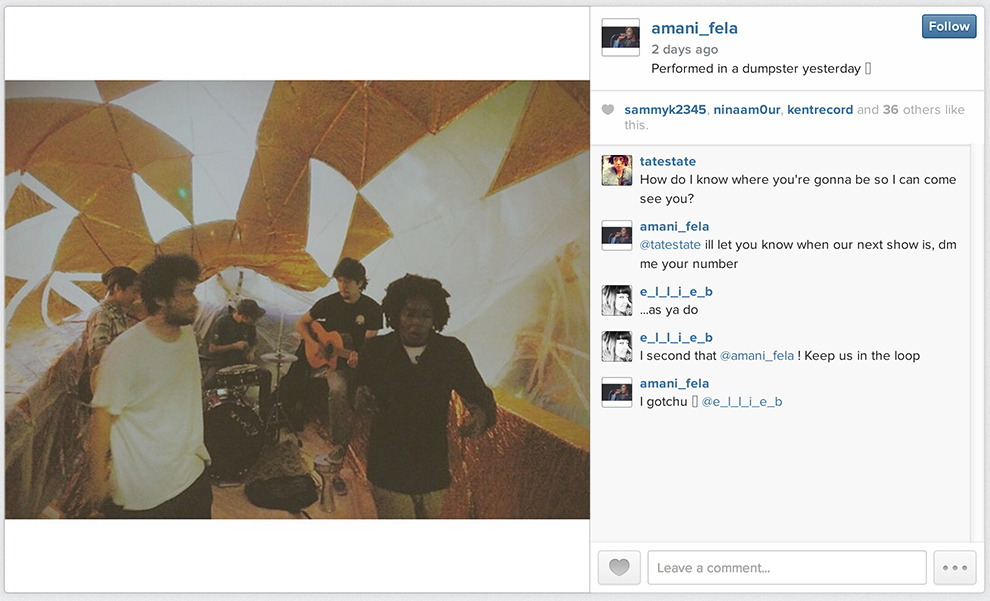
As an introduction to the neighborhood, afropunk group Amani Fela opened with a music set on the first night, and seemed totally unfazed to be playing inside of a gold dumpster. The percussion had people lining up to check it out. Unfortunately, one thing that was not anticipated – but in hindsight now seem obvious – was that most people assumed that this was one of the following: a private event, an event requiring admission or some type of corporate event. (There were also a few inquiries as to whether this had anything to do with ConEd testing a mobile containment unit, however that one was not as widespread). Peoples’ initial reactions were an unfortunate acknowledgement that, as a society, most of us assume that if something is going on in the street, they must have to pay up somehow to check it out. Overcoming that ingrained skepticism and convincing people this was free became a constant struggle. A large signboard with “FREE TO ALL” was brought out and prominently displayed. By the third day, word had spread and people had heard about the Inflato via friends and neighbors. Without being prompted they would walk right in. It’s a start.


Credits:
Department of Urban Betterment: John Locke and Joaquin Reyes


Inflatable Fabrication: TW2M Fabrication


Dumpster Supplier: Budget Dumpster


Street Activity Permit Support: NYC Department of Transportation and the City of New York


Photography: Jackie Caradonio


Special Thanks to: Columbus Amsterdam BID, Simone Varano, Amani Fela, Delia Reyes, Mugi Pottery, Ultimaker.


InflatoDumpster_IMG_DiagUnroll

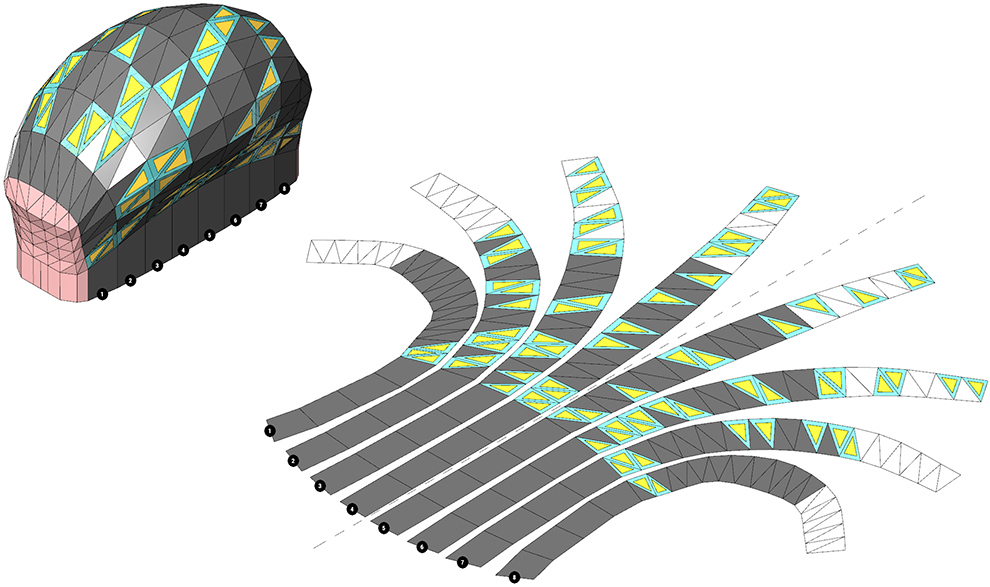
There were 240 individual triangles, which required more than 300 hours to assemble.


INFLATO-SANKEY-BUDGET
73% of project cost was from crowdsourced funding. The remaining 27% was self-initiated by the Department of Urban Betterment.


DUB_INFLATODUMPSTER_03
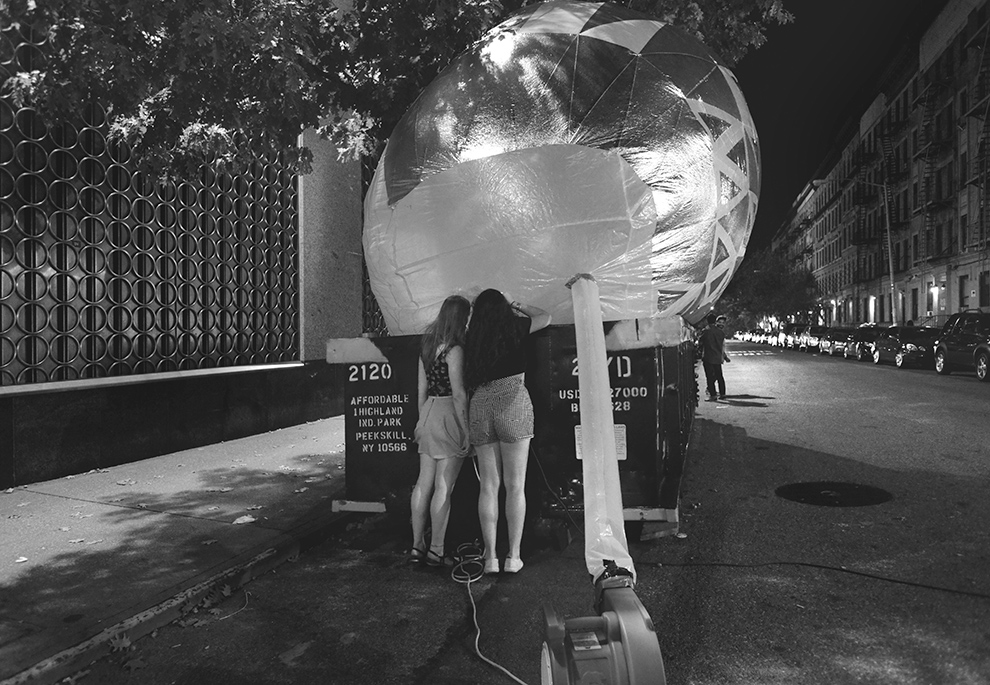
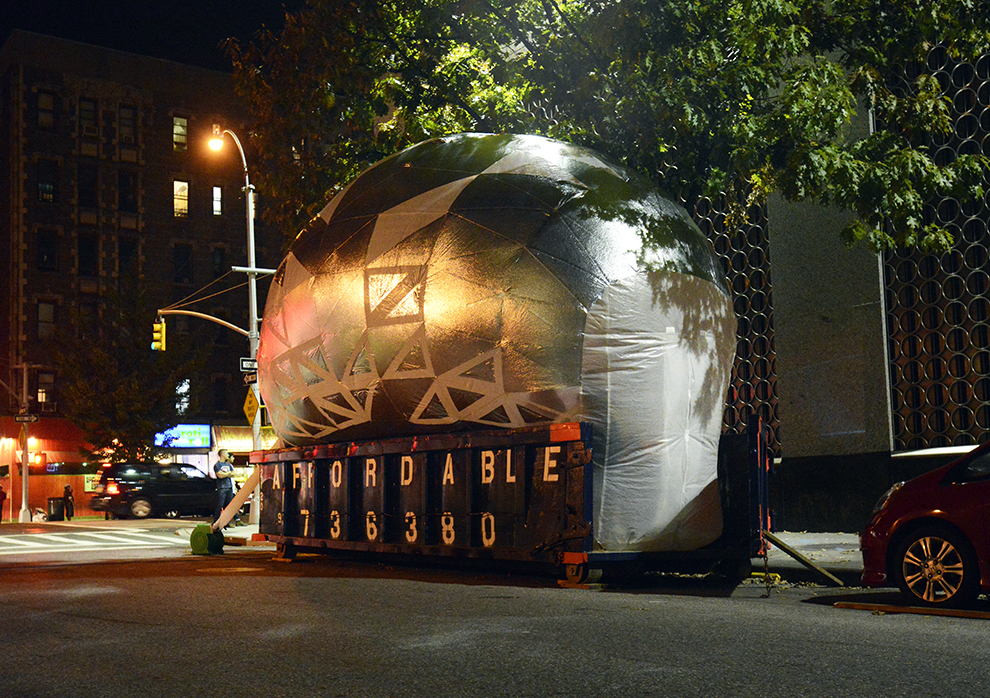
While it may have literally had “affordable” written all over it, we exceeded our initial budget.


DUB_INFLATODUMPSTER_04


DUB_INFLATODUMPSTER_05

Local filmmaker Simone Varano sets up for a screening of her documentary series dealing with music, culture and neighborhood issues.


DUB_INFLATODUMPSTER_06

Workshop attendees learn about modelling and building models using a consumer grade 3D printer.


DUB_INFLATODUMPSTER_AMANI

Amani Fela, unfazed by the surroundings.


DUB_INFLATODUMPSTER_07DUB_INFLATODUMPSTER_08

DUB_INFLATODUMPSTER_09DUB_INFLATODUMPSTER_10

DUB_INFLATODUMPSTER_11DUB_INFLATODUMPSTER_12

DUB_INFLATODUMPSTER_13

20141013 Tags: architecture, DUB, fabrication, inflatable, new york, photography, urban | No Comments »

#inflato and the Bloomingdale Neighborhood

DUB_INFLATODUMPSTER_NIGHT-01

DUB_INFLATODUMPSTER_NIGHT-02

DUB_INFLATODUMPSTER_NIGHT-03

DUB_INFLATODUMPSTER_NIGHT-04

DUB_INFLATODUMPSTER_NIGHT-05

DUB_INFLATODUMPSTER_NIGHT-06


Taken from the second night, capturing a diverse mix of neighbors and passersby that were interacting with the installation. People’s responses ran the gamut, but regardless of how skeptical they were of this thing, their curiosity would get the best of them. Once someone peeked in through the porthole, everyone wanted to go inside and check it out. Located at 109th and Amsterdam Ave.

2014109 Tags: architecture, DUB, fabrication, inflatable, newyork, parametric, urban | No Comments »

Inflation


Difficult not to anthropomorphize this thing coming into being, but maybe that’s one of the things that’s cool in working with a dynamic structure – the weightless way it subtly sways in the breeze or will ripple in the backdraft of a speeding car or contracts and expands when someone enters much like a giant lung. People always liked to put their hands on the silvery metallic membrane and push in, feeling the negative pressure resistance from inside. This is in contrast to the hard steel of the dumpster in that the silver of the inflato gently reacts and responds to touch.

 
20140913 Tags: 3DPrinting, fabrication | No Comments »

3DP Maiden E

CARYATID-01-web
CARYATID-FRONT-webCARYATID-LFT-webCARYATID-BACK-webCARYATID-RT-web


“should any one wish for information on the origin of those draped matronal figures crowned with a mutulus and cornice, called Caryatides, he will explain it by the following history. Carya, a city of Peloponnesus, joined the Persians in their war against the Greeks. These in return for the treachery, after having freed themselves by a most glorious victory from the intended Persian yoke, unanimously resolved to levy war against the Caryans. Carya was, in consequence, taken and destroyed, its male population extinguished, and its matrons carried into slavery. That these circumstances might be better remembered, and the nature of the triumph perpetuated, the victors represented them draped, and apparently suffering under the burthen with which they were loaded, to expiate the crime of their native city. Thus, in their edifices, did the antient architects, by the use of these statues, hand down to posterity a memorial of the crime of the Caryans.”
Vitruvius (De Architectura)


The six maidens stood unmolested for 2,500 years, until a year into the 19th Century, Lord Elgin of Scotland came to saw and chisel one away, kidnapping her for the purpose of decorating the grounds of his estate. A second was spared a similar abduction only by virtue of suffering extensive damage in the Lord’s clumsy attempt to disentangle her from the stone, eventually ending up smashed amongst the other marble ruins of the Acropolis, before undergoing a haphazard reconstruction. Severely degraded by the Athenian air pollution of the late 1970’s, the five remaining sisters were removed in 1978 and replaced with carefully reconstructed replicas. For the past 3 years, the conservators at the Athens Museum have undergone a round the clock restoration effort to eliminate the centuries of soot and grime. Lasers excise millimeter by millimeter of foreign matter before reaching the original apricot-colored patina of the ancient marble.


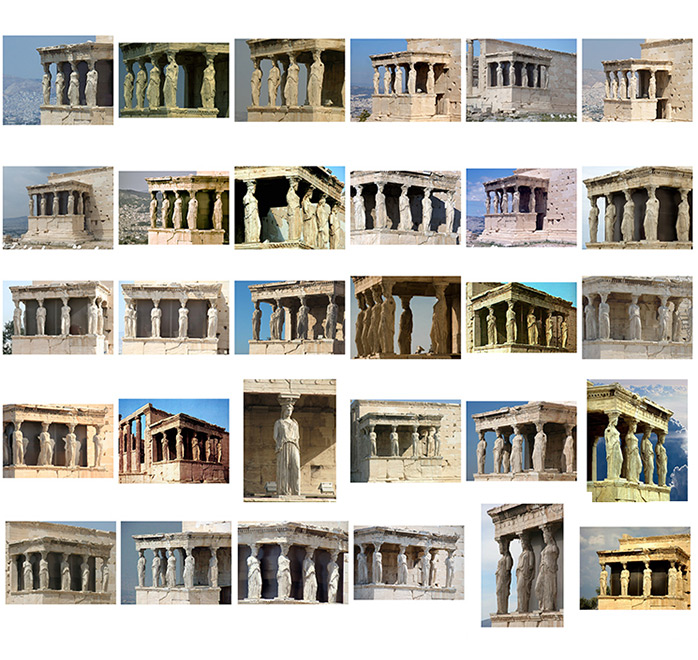
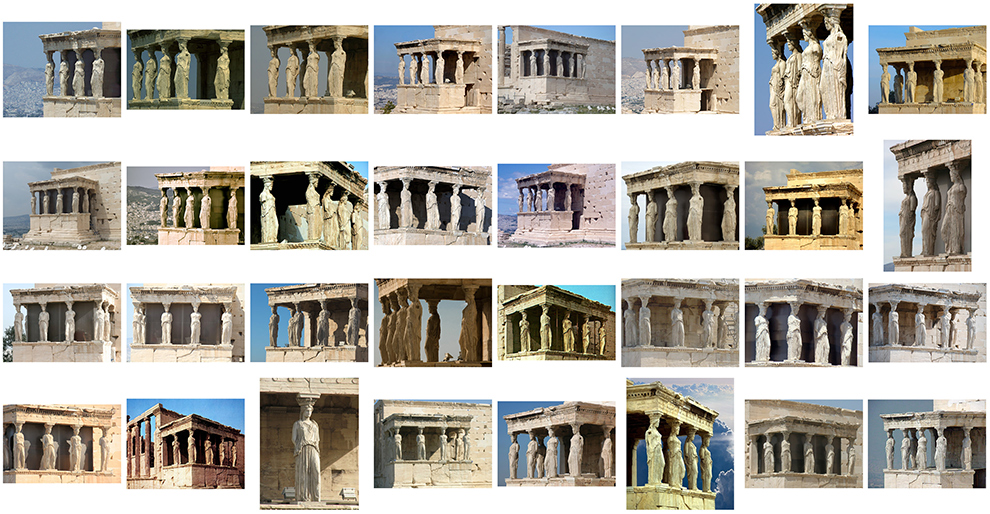
Caryatids are architectural elements, taking the female figure to support a building’s entablature. The six that make up the Caryatid Porch of the Erechtheion on the Acropolis at Athens are the most famous and most widely photographed.


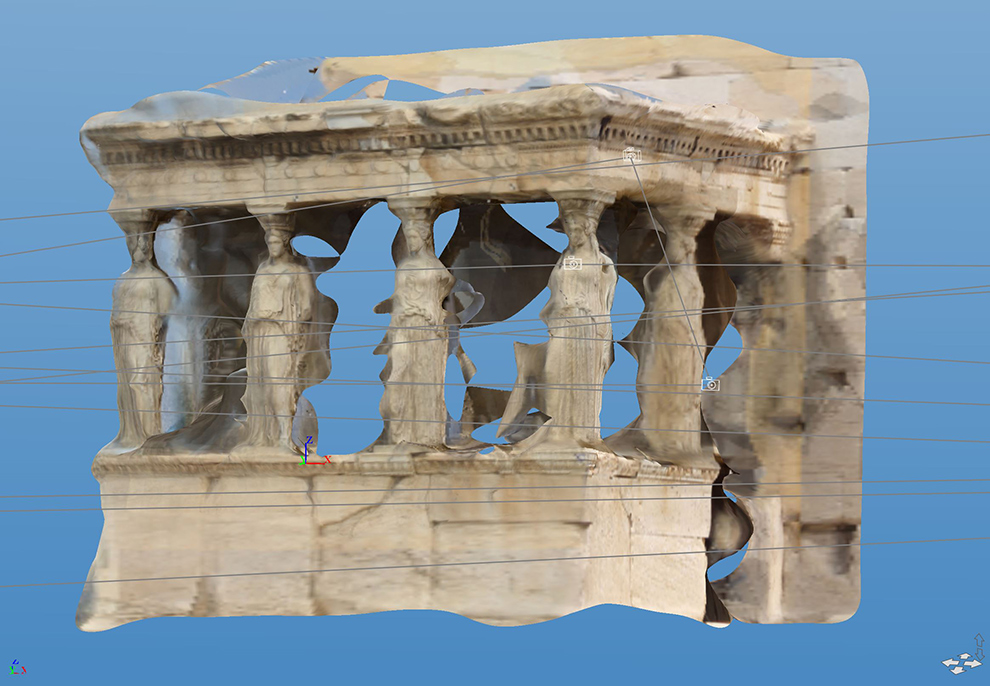
Here, photogrammetry software was used to construct a 3D mesh model of the fifth Caryatid – Maiden E – and 3D printed. Having never had the pleasure to visit Athens myself, the 3D model for this print was generated from images of the Porch of the Erechtheion as found through a Google image search. The GIS photos have all been taken after 1978, and are themselves images of copies – the original sisters having been secured and replaced with ersatz, in-situ replicas. Therefore, this print is in effect a copy of multiple of copies and degradations, both due to time and translation into varied mediums. There has been a translation from original marble to a lesser replicated stone, to a series of flat images, to a software’s algorithmic understanding and reconstruction of 3d depth, and ultimately to a plastic, physical print. Within that gamut of transformations there is ample room for glitches and anomalies to present themselves, however the loss of resolution and additional artifacts only serve to reinforce the confinement and fusion between form and weight.


*3D Printed with an Ultimaker2 Machine


REF-IMGS-web
CATCH-web

2014095 Tags: 3DPrinting, fabrication | No Comments »

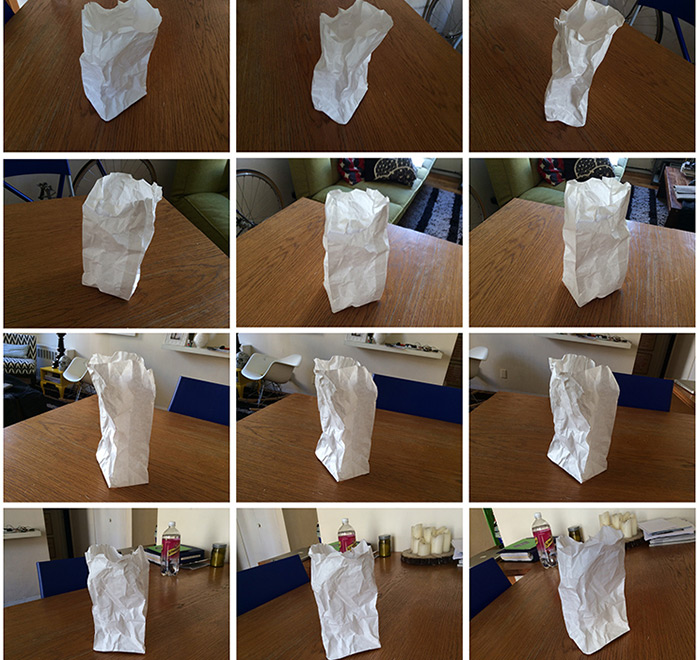
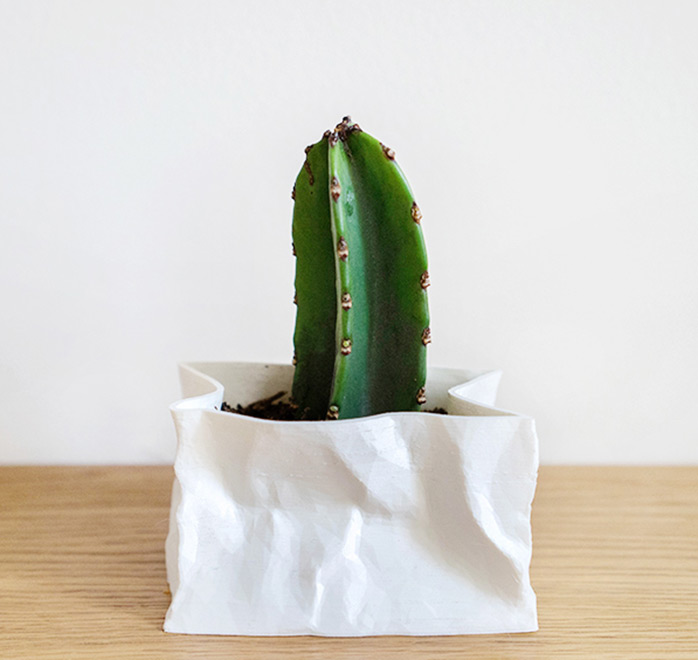
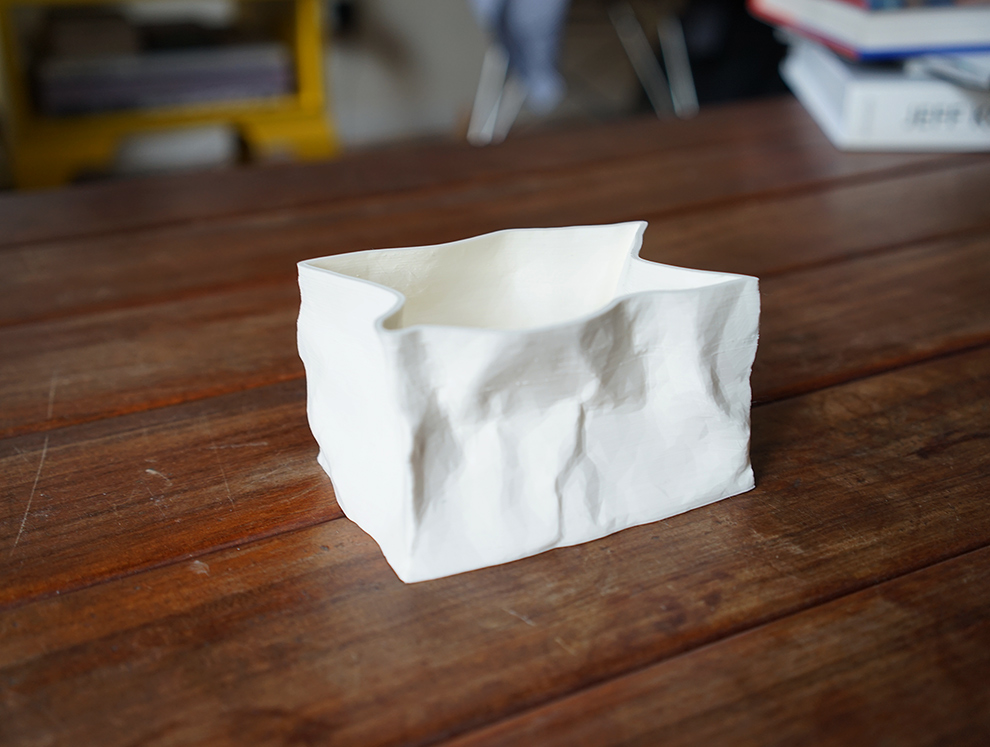
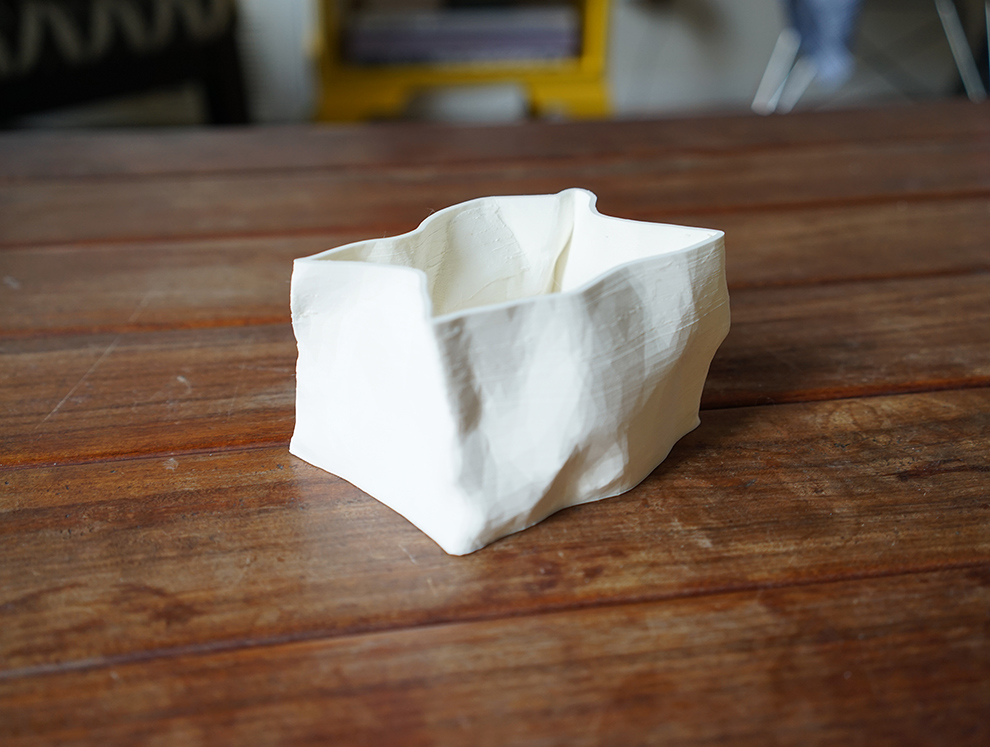
3DP Crumpled Pot

FINAL-web-rev4

01-web02-web

03-web04-web

05-web06-web


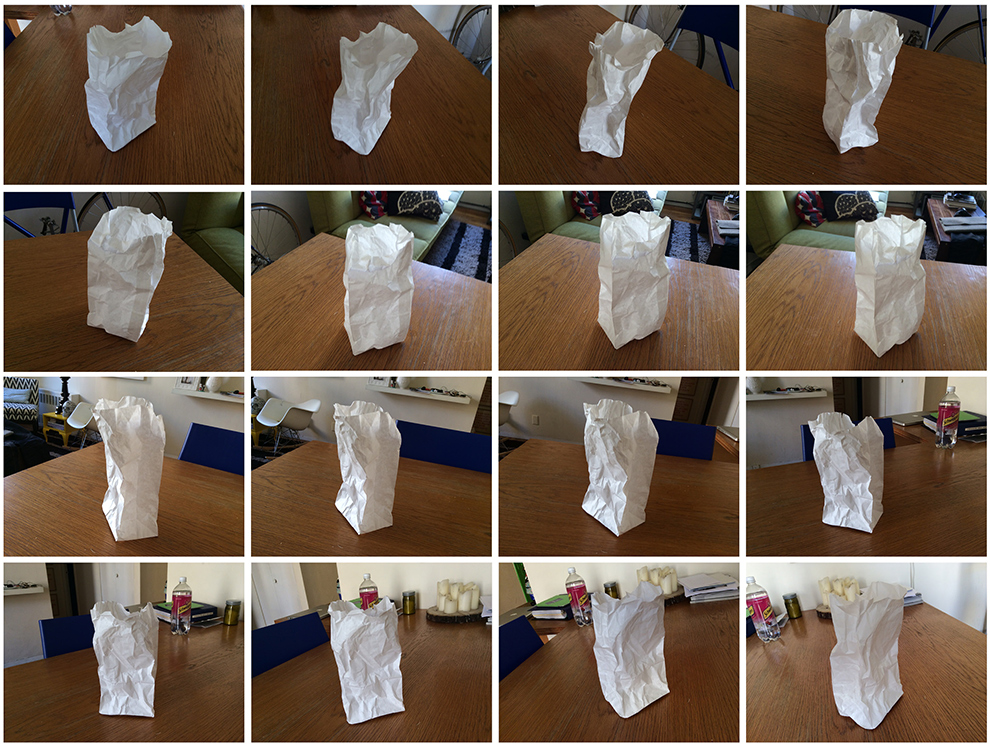
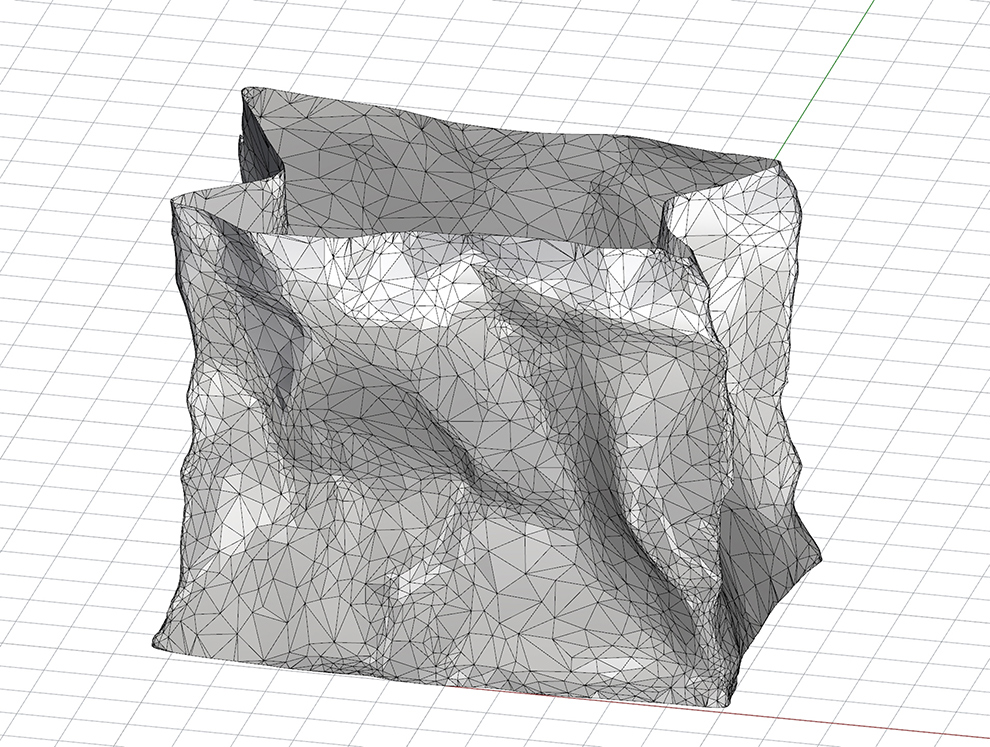
Procedure:
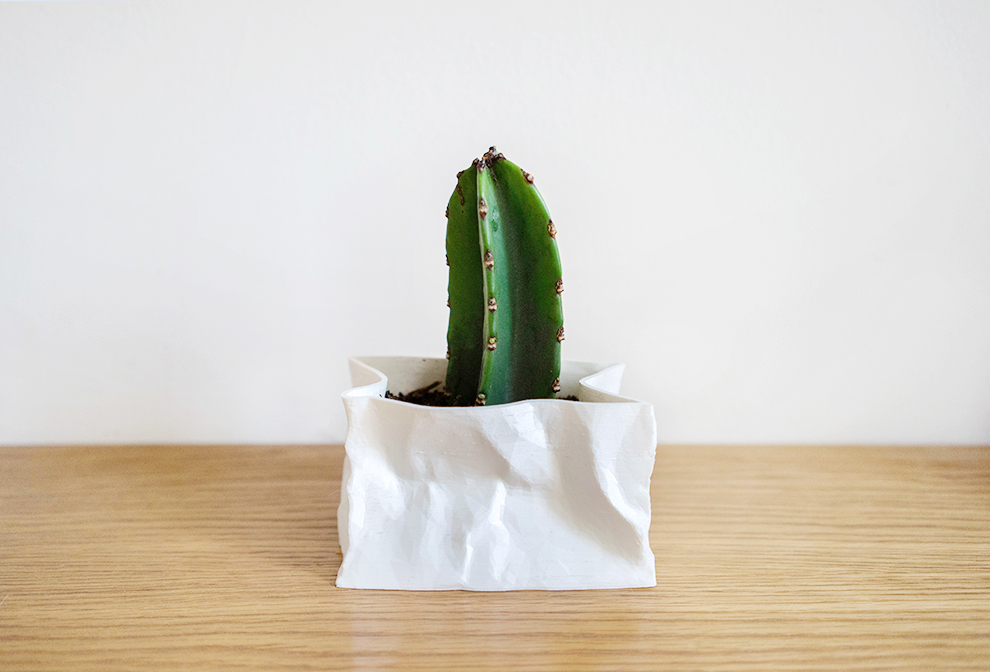
1) Purchase waffle from bakery across the street (optional)
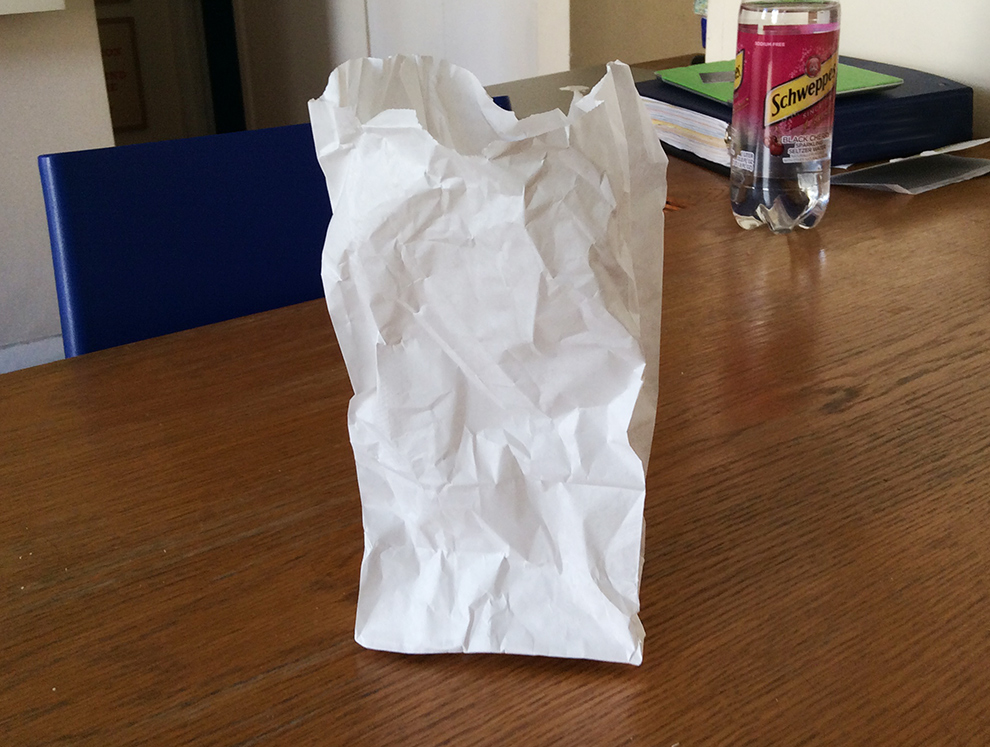
2) Save paper bag
3) Take sequence of images to describe all sides of object (the paper bag)
4) Load into Autodesk 123D Catch and create 3D mesh file
5) Export and clean up in Rhino
6) 3D Print
7) Welcome cactus to its new home


*3D Printed with an Ultimaker2 Machine

2014095 Tags: architecture, fabrication, gsapp, school, teaching | No Comments »

School’s in for Fall

fall_2013

BE THERE YALL!


Past course work:
http://hackingtheurbanexperience.tumblr.com/

20140727 Tags: architecture, DUB, fabrication, inflatable, new york, parametric, urban | No Comments »

Inflato Inflates

inflato-inflated

inflate-web

Only missing the dumpster…

2014076 Tags: work | No Comments »

HY-FI Photography

Copyright_BarkowPhoto_HY-FI_ExtFinal

Copyright_BarkowPhoto_HY-FI_IntFinal

Images shot by the amazing Amy Barkow
Copyright Amy Barkow | Barkow Photo

« Older Entries
Newer Entries »

COPYRIGHT © 2004-2015 \ JOHN LOCKE \ ALL RIGHTS RESERVED (RSS)

TOP OF PAGE

last update: 20150721:2100