JOHN LOCKE, ARCHITECT

  • Featured Work
  • Design Blog           
  • Photography
  • Graphic Design
  • Dept of Urban Betterment

About

Hello. I live in New York and work at The Living. I hold a graduate degree from Columbia University's GSAPP and an undergraduate architecture degree from the University of Texas at Austin. I have more than seven years of professional experience at noted architecture firms, including New York-based Rogers Marvel Architects and SOM. I also tackle freelance graphic and photography work with my partner in crime, the multi-talented Jackie Caradonio at Lion in Oil. In addition, I teach a course, Hacking the Urban Experience, at Columbia. View my CV here: CV(html). Thanks and have a nice day.

Contact

john.h.locke{at}gmail.com
310.735.3333

Architecture Portfolios

Portfolio 2002-2007 (issuu)
Portfolio 2008-2009 (issuu)

HOME / BLOG

graphic design

20100117 Tags: competition, graphic design | 1 Comment »

wtc construction fence proposal

wtc01


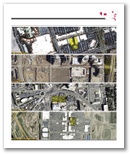
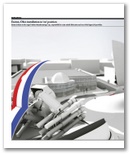
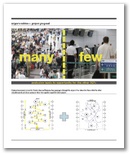
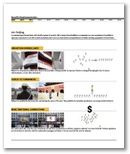
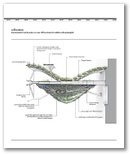
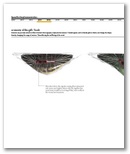
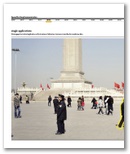
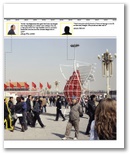
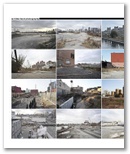
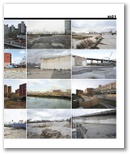
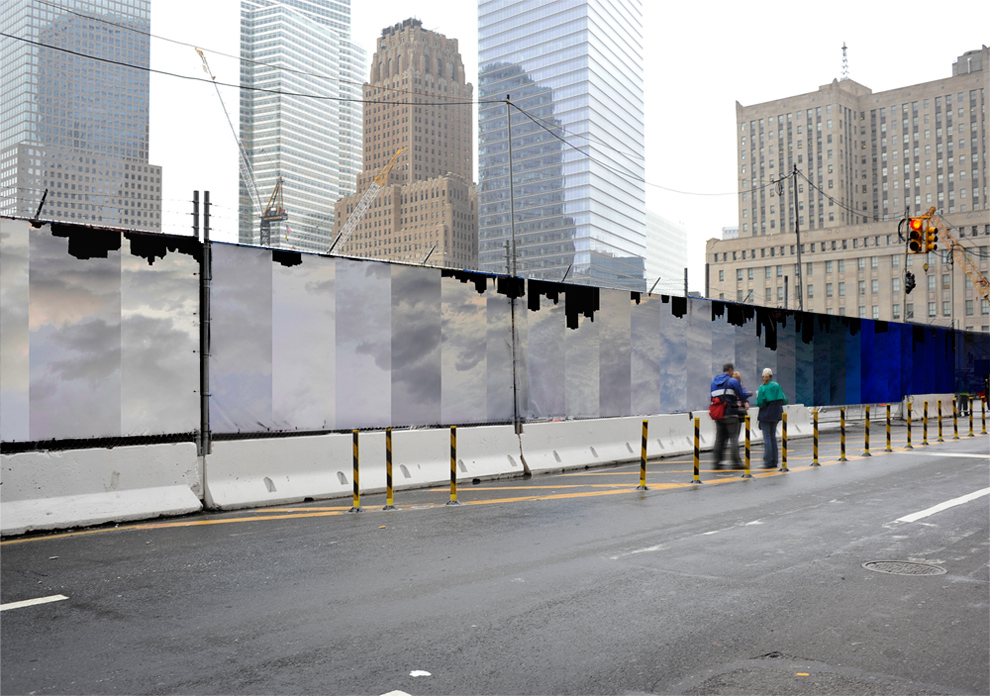
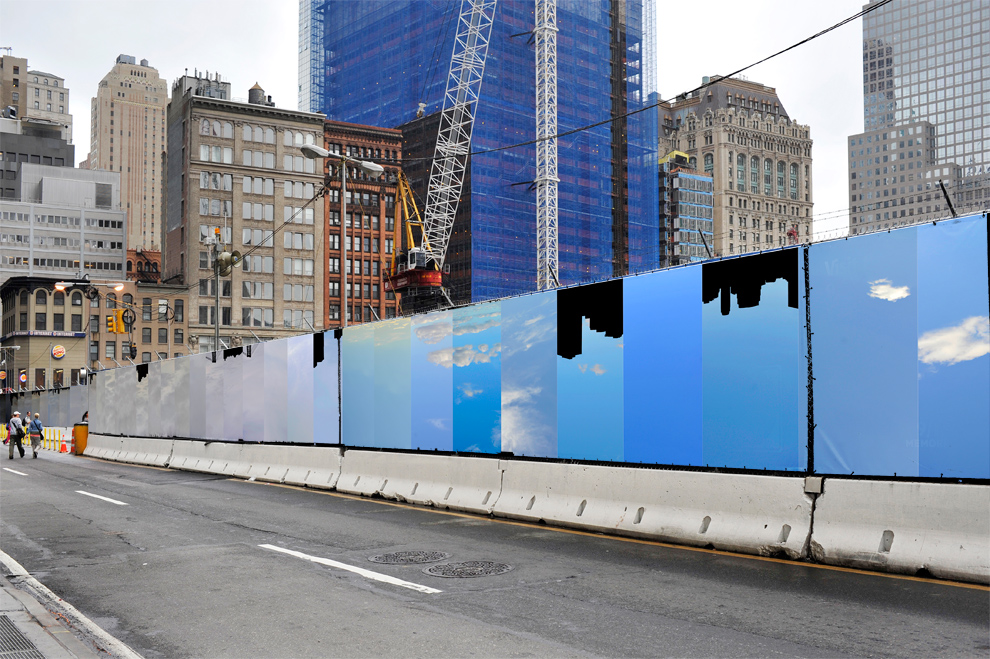
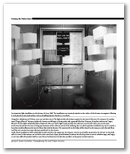
Jackie wrote a great project description for our competition entry for a fence around the world trade center construction site: What makes New York’s skyline so powerful is not the skyscrapers themselves, but the void between and around them, the vibrant hues of sky that hug their every angle. Skyscape focuses on that negative space in a site-specific work that combines photographs of the space above the construction site taken from surrounding boroughs over the course of a single day. The idea is that, not only will our skyline change dramatically with the addition of the Freedom Tower, but the shape of the sky itself, the space it encompasses, and therefore, the relationship between the buildings, the sky, and us will change. We still recognize the buildings’ forms, but they become the void—the sky is now the subject.


wtc02


more »

20091115 Tags: graphic design, typography | 4 Comments »

feeling hairy

abc


A furry font designed with max’s hair and fur modifier.


more »

2009111 Tags: graphic design, portfolio, publication | 1 Comment »

the internet is real

01


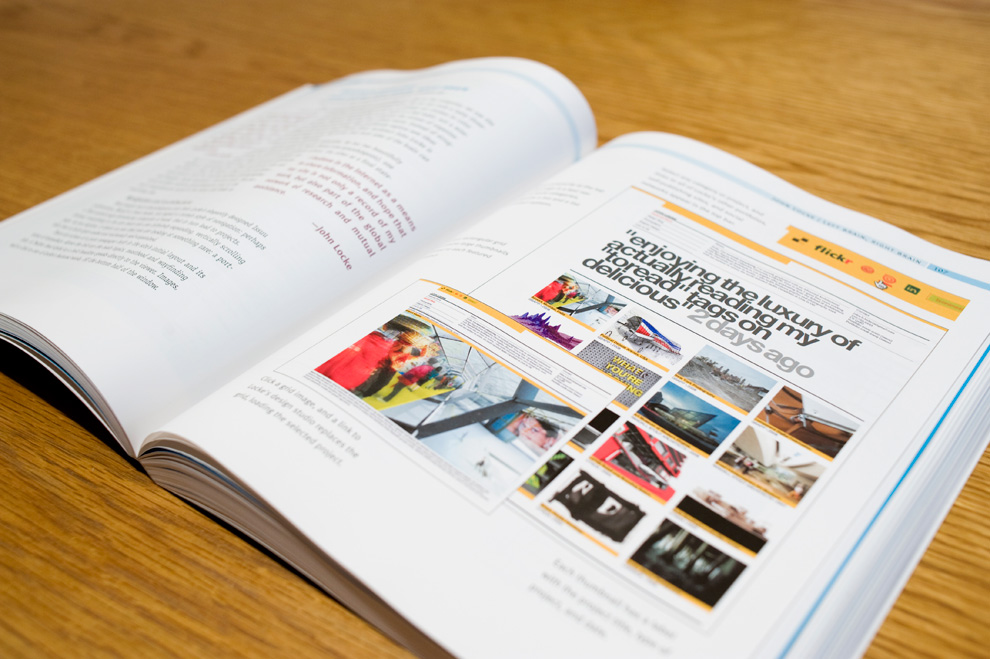
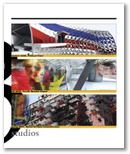
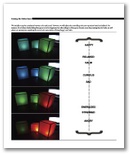
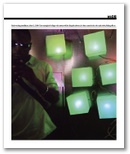
This website and my architecture portfolio were recently published as case studies in the newly released Designing a Digital Portfolio, Second Edition by Cynthia L. Baron.
There’s something great about being able to hold a physical object, and feel that tangible quality of a book which is so fundamentally different from a webpage. But as information jumps mediums it also often loses its dynamic qualities in becoming a static image with no frame of reference. But I think that’s what I like most about this book, the way it handles the appropriateness of online content in a printed medium. It’s less of a simple showcase of graphic design, like those ubiquitous, curatorial lists of 1-pixel deep images that dominate the internet (see Smashing Magazine lists, FFFFound, and everything else in my google reader). A book’s permanence is so contrary to the ephemeral nature of online content that a bound book of pretty images is just unnecessary, but here, in Baron’s book, the work is presented more from an analytical position that goes deeper and studies the underlying strategies and navigational framework of this website and the tangled web of connections as well as a broader overview of techniques for presenting an online portfolio. That, and, I’m all for anything that begins with the line: “Locke’s creativity is not debatable.”


See more images below:


more »

20091021 Tags: graphic design, grasshopper, parametric, typography | 2 Comments »

closest point on a curve

text01
text03a


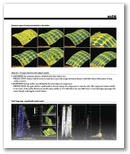
The “Curve CP” node in Grasshopper allows a curve to act in a similar manner to a point attractor, but checks the distance for the closest points along the entire length of the curve as opposed to one single, solitary point. Here, the curves are generated from a text object. It basically becomes multiple attractor curves, something that could be used for super graphics or possible a glazing frit pattern. Things get a little hairy in the grasshopper definition (see below) when you start getting a lot of letters, so that needs to get resolved for this to work with an entire sentence, or anything longer than four letters. A script font that creates one continuous line would work perfect, but is something of a cop-out, so in the meantime I may have to consult the pros on the grasshopper forum.


more »

20091015 Tags: graphic design, grasshopper, parametric, scripting, typography | 11 Comments »

parametric image sampling

imagesampler021
imagesampler04


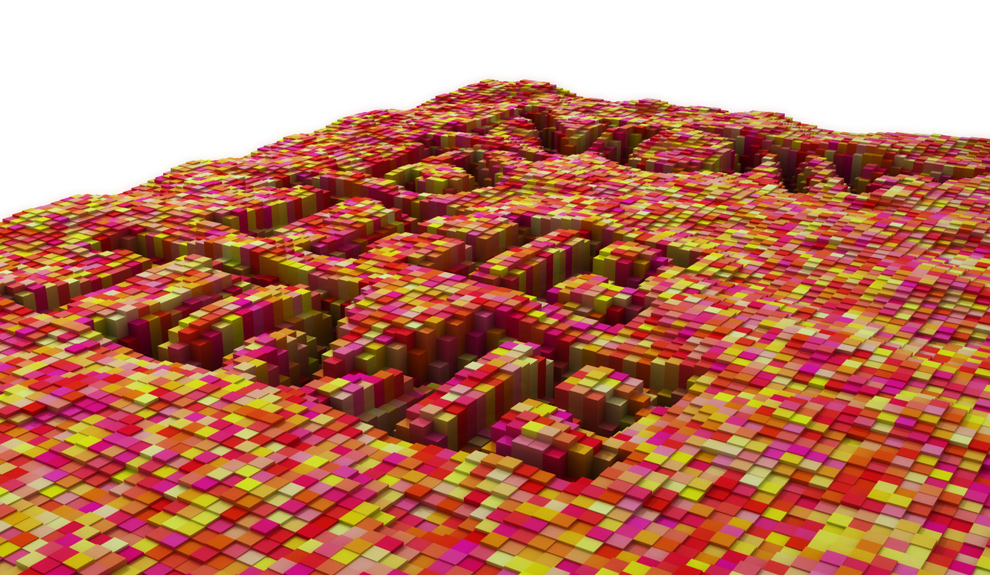
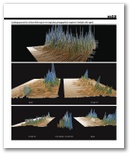
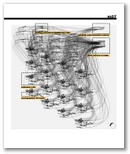
A simple test based on Sanghoon Yoon’s Grasshopper definition for using the new image sampler node, I swapped out a text image for an image image, because, well I just like fonts and 3D I guess. One of the things that’s cool is that the image is “live,” so as you change the text, the grasshopper definition updates. And of course you can also parametrically control the size of the pixels, the multiplication of the heightfield and the overall size of the surface. To get a random color on each polysurface, I modified Dale Fugier’s script located on the rhinoscript wiki page to include a function to assign the object color to the material color so it will render out in vray. See grasshopper definition and code below:


Edit: Added Link to download grasshopper definition and source image file. Click Here (zip file).


more »

20090919 Tags: architecture, competition, graphic design, writing | 5 Comments »

the (un)certain future of competitions

nextstop1


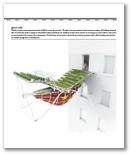
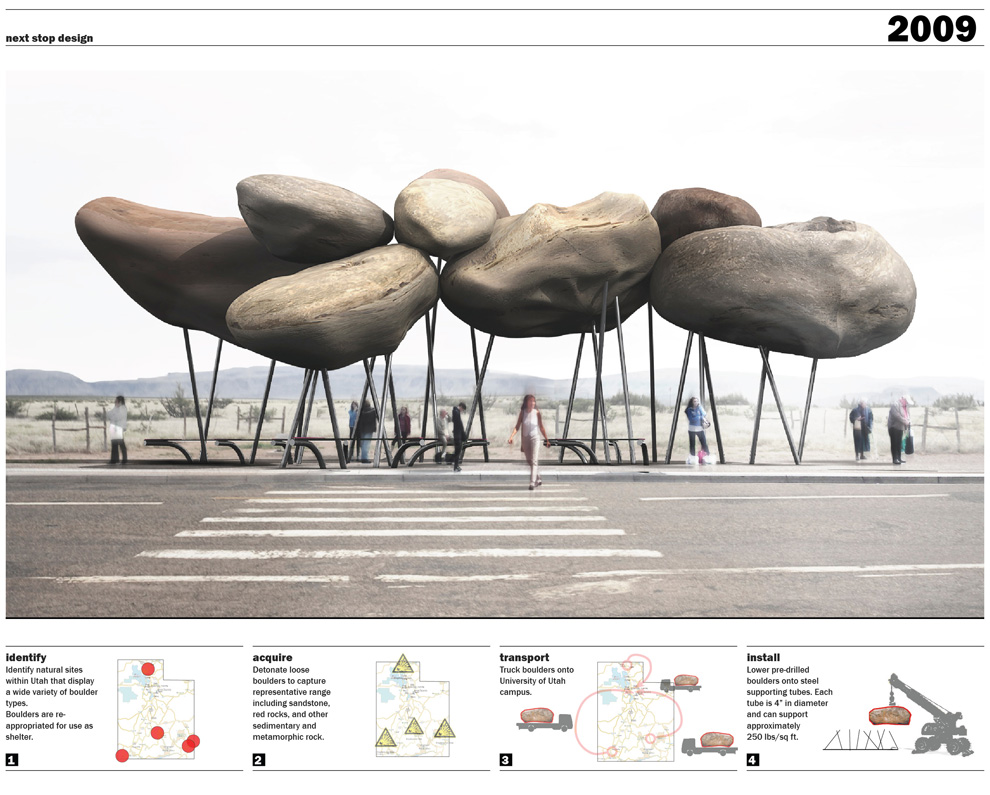
Ok, so this is my entry to the Next Stop Design “competition” for a bus stop on the University of Utah campus. I’d just spent a fair amount of time in Utah so the setting piqued my interest. The boulders are recycled from national parks around Utah and brought into Salt Lake to form the shelter of the bus stop. Whatever, right, pretty straightforward and not bad for a lazy afternoon’s work. What’s actually much more pertinent for discussion is how NextStopDesign understands the application of the buzzword “crowdsourcing” in relation to the future of architectural competitions.


Wikipedia defines crowdsourcing as “the act of taking tasks traditionally performed by an employee or contractor, and outsourcing it to an undefined, generally large group of people or community in the form of an open call.” Wikipedia is an example of crowdsourcing. Here’s another: Netflix uses an algorithm to recommend other movies you’d like based on your past viewing habits. This algorithm could certainly be improved upon so it becomes more accurate and stops trying to get me to watch The Benjamin Button movie. So to design a better recommendation algorithm, Netflix didn’t hire some movie-algorithm-predicter company, but rather put out an open competition – with a prize of 1 million dollars – with the idea that anyone out there can come up with a better algorithm that will more truthfully predict what kind of movies I’ll like. And anyone and everyone has tried: academics, laypersons, programmers, etc.


Now here’s how NextStopDesign competition organizer and researcher Daren Brabham defines crowdsourcing: “a company posts a problem online, a vast number of individuals offer solutions to the problem, the winning ideas are awarded some form of a bounty, and the company mass produces the idea for its own gain.” Sweet, so I can be compensated a nominal amount for my work, and then some other company reaps massive profits. Score! Where do I sign up?!?! But maybe the problem is that this dude’s narrow and cynical reading of crowdsourcing isn’t actually inaccurate, but actually pretty well describes the exploitive nature of crowdsourcing.


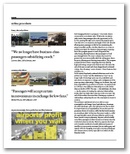
This is how NextStopDesign attempts to apply the principle of crowdsourcing into the design of a bus stop in Utah: Anonymous users post one to three images of their proposed design on the site, and other registered anonymous users rank said designs on a scale of one to five stars. When the voting ends, the highest rated design “wins.” What you win is completely undefined, but hidden deep in the bowels of the site is the statement that NextStopDesign will present the portions of the highest rated designs as possible qualities the Utah Planning Division could consider implementing in the future. In this scenario NextStopDesign acts an unnecessary parasitic gatekeeper. Now, since being highly rated is predicated on how others rank you, it is in each users own best interest to vote everyone else as low as possible as they jockey for a higher position. This leads to a cutthroat environment where everyone leaves absurdly irrelevant and overly harsh criticisms on other designs, and depresses the entire vote score. Out of around 200 designs the median score is a paltry 1.6 out of 5. Therefore, the highest ranked design is the one has garnered the most goodwill amongst a loose network of vindictive users that are each looking out for their own vested self-interest. Since all comments and ratings are anonymous you can’t trust anybody. This ultimately leads to the major misunderstanding NextStopDesign must confront regarding crowdsourcing and urban planning which is this: When Netflix crowns a winner they will be able to quantifiably judge that someone in the crowd has designed a more efficient algorithm. It can be tested, verified, and agreed upon by all. The design of a bus stop is different, and must address a whole slew of realities such as siting, fabrication, cost, etc. that are unable to be processed from even the most beautifully rendered image. On the other hand, what could make this competition interesting is if NSD were attempting an experiment to quantify the intangible qualities of architecture via a participatory network, or using the performative values of a proposed design (using program, energy, structural)as a means to rank and determine what’s “better.” But based on their repeated and simplisitic definition of crowdsourcing (step1_competition, step2…., step3_profit!) as simply a buzzworthy potential means to realize a new profit model it falls flat, and it is narrow and cynical. I’m torn here, because I think a lot of the submitted designs are really clever and inventive (I’m looking at you Bus-Shroom!). It’s the means to which they’re being used that bothers me.


There’s absolutely nothing groundbreaking about letting the general population participate in the results of an architectural competition. I’ve worked on at least two competitions where the voting results of the public became a factor in the jury’s deliberations. Also, archinect just ran a completely awesome competition for a Michael Jackson memorial where online contributors could rate and comment on the submissions. But here, the participatory aspect is but one component used in addition to a jury of experts in fields of design, architecture and engineering. And in lieu of this weeks amazing presentation by Usman Haque, in which he presented a survey of his projects that utilize a true participatory network in inspiring ways, NextStopDesign can’t help but come off as cloying and depressing.


In the end, though, it might be worth re-reading the Wired article that NextStopDesign quotes from liberally, and there, one can find the murky origins of NextStopDesign in the form of the earliest use of crowdsourcing, here in the interest of cheap, mass-marketed television programming: America’s Funniest Home Videos. Yes Bob Saget and ABC did make a fortune, but just because America voted for the hysterically zany toothless kid, doesn’t make him as great as the Simpsons. Maybe you really do want to look at reality show programming as the new paradigm for urban planning and architecture, but I’m pretty sure nobody wants more Wiffle Bats to the proverbial crotch.
2009071 Tags: graphic design, web design | No Comments »

Lion in Oil Redesign

lioninoil
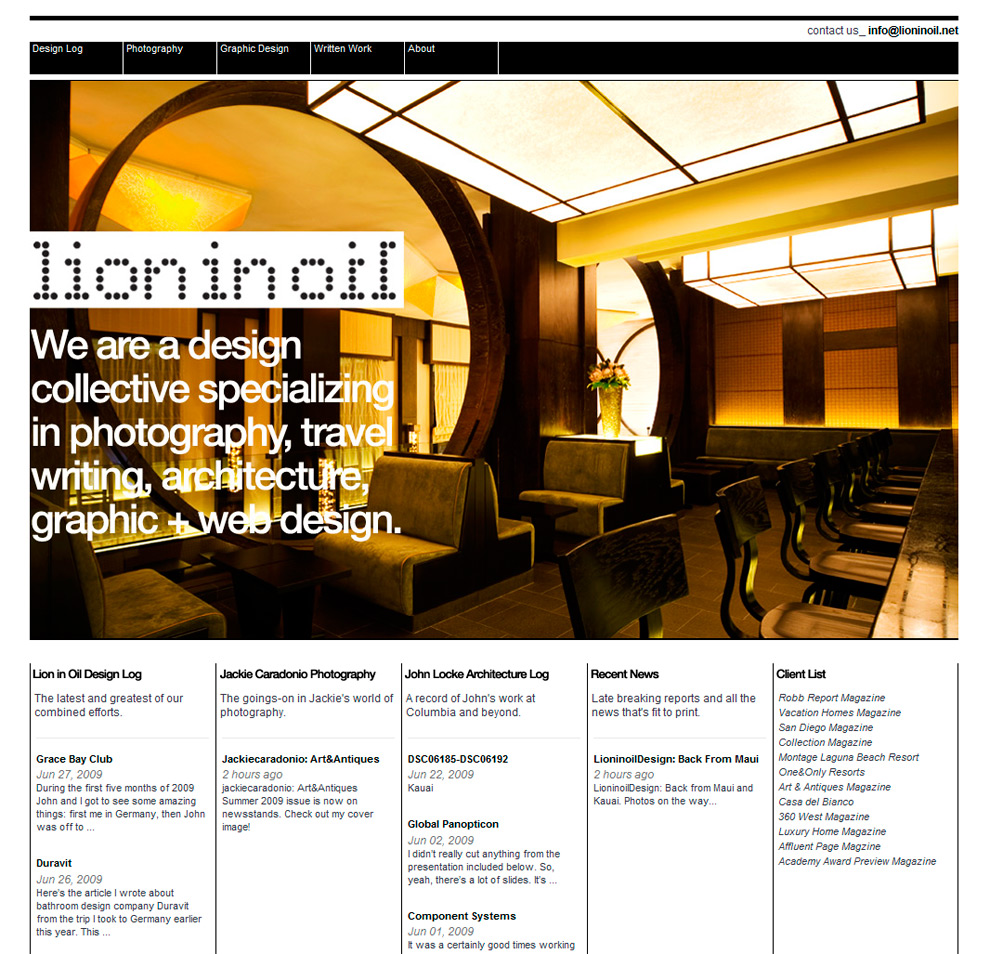
A long time in the development stage, we’ve redesigned the home page for Lion in Oil away from the previous static splash page into a more dynamic, central station that pulls in information from all of our various websites. Using the jquery Google Feed Plugin we can grab the rss feeds from this site, the Lioninoil blog, Jackie’s photography portfolio site, and multiple twitter feeds into one central page that gives a simple overview of everything we’re working on at the moment. With the large header image and brief – but large – description, the site should now quickly give an overview of our work and interests.
2009061 Tags: fabrication, graphic design, publication, work | No Comments »

world’s business card collection

lio_01
Our lion in oil business card was chosen for submission in the Japanese Publication “World’s Business Card Collection.” Look for it in September 2009. Also, the wonderful Jackie was both co-designer and gracious hand model.
The card is made of laser cut museum board, with hand rubbed text via acetone transfer on the back, to give it that nice industrial as well as handmade quality.


lio_03


more »

20090518 Tags: architecture, graphic design, gsapp, portfolio, school | No Comments »

graduate portfolio

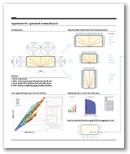
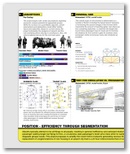
Final portfolio from my time at Columbia University’s GSAPP. “Arguments” seemed like an apropos title after the discussion provoked during my final final review. And, yeah, I always default to that yellow.


2009053 Tags: graphic design, gsapp, parametric, processing, school, scripting, sound | No Comments »

the remix

john_laurent
Mark Collins & Toru Hasegawa, the masterminds behind Proxyarch, and instructors of the course Search: Advanced Algorithmic Design at Columbia, ‘remixed’ the audio waveform code into something much more smooth and elegant. They’re awesome, and there were a lot of super interesting projects from the course which can all be viewed in the video here.

20090421 Tags: architecture, graphic design, gsapp, school | 4 Comments »

sankey diagram // life support system

sankey_final_web1
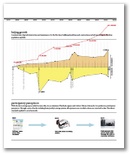
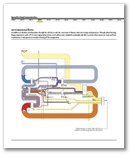
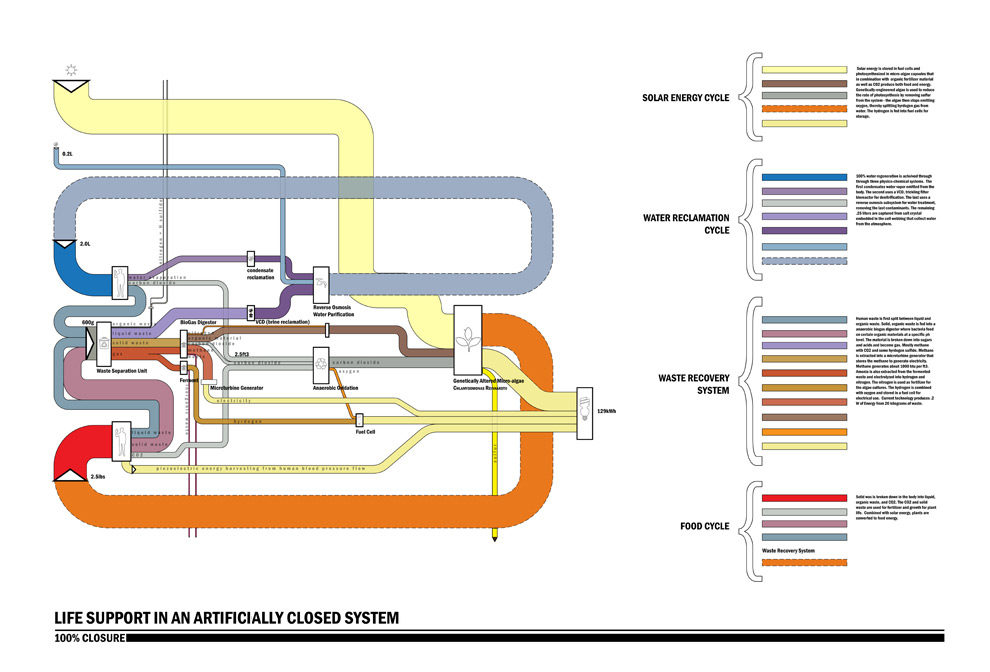
Working on a sustainable prison cell unit for future Beijing. Because of their high population density, prisons are actually prime contenders for tests of renewable energy methods, such as waste to energy, and water recycling features. Much like the panopticons of yore, each prisoner generates energy for their own confinement, but also send excess energy back to a central grid, acting like capacitors. Here, the sankey diagram is parametric, the size of the flows are tied to the things like the volume of the cell, the square footage of the plant growth surface, and the amount of solar heat gain. more »

20090414 Tags: graphic design, grasshopper, parametric | 10 Comments »

jpg portrait into grasshopper

web
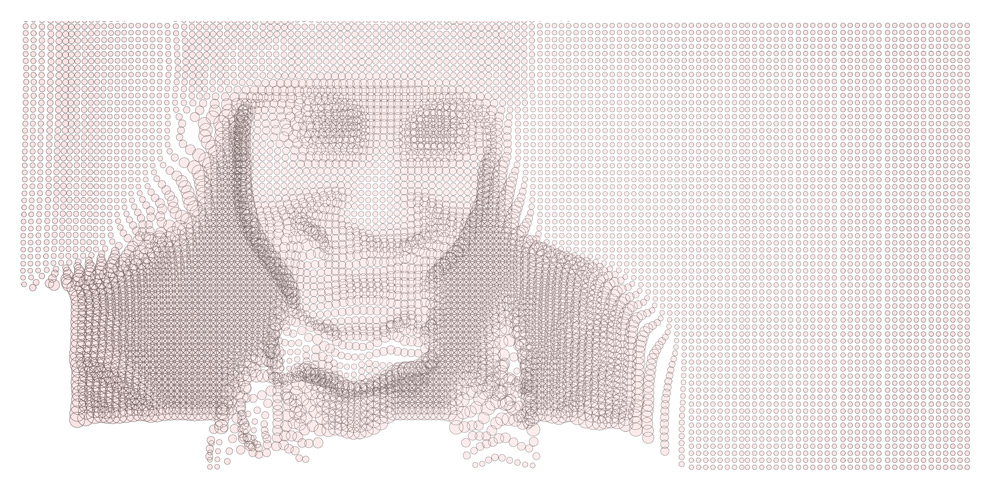
The surface pattern is created in grasshopper from a jpg sourced, heightfield surface. The diameter of the circles are a factor of the z-depth of the resulting heightfield and can be parametrically controlled.


Download the grasshopper definition and rhino file here.
more »

2009042 Tags: graphic design, gsapp, processing, school, scripting, sound | 8 Comments »

visualizing sound in processing

02_waveforms
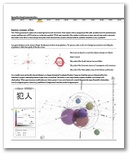
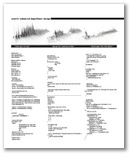
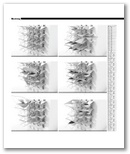
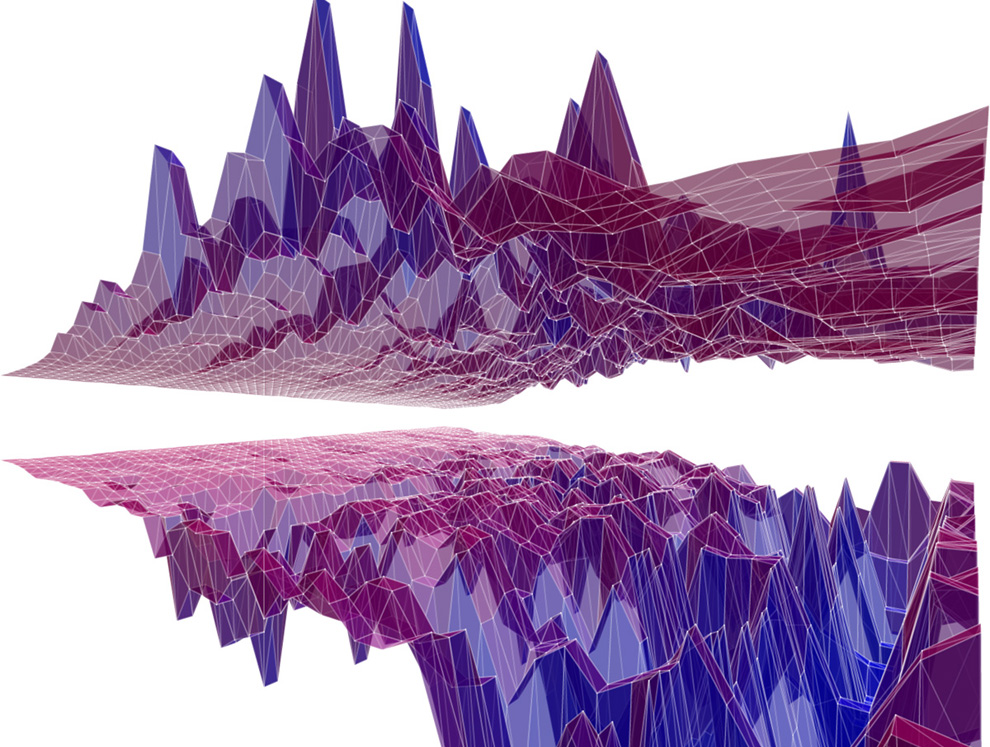
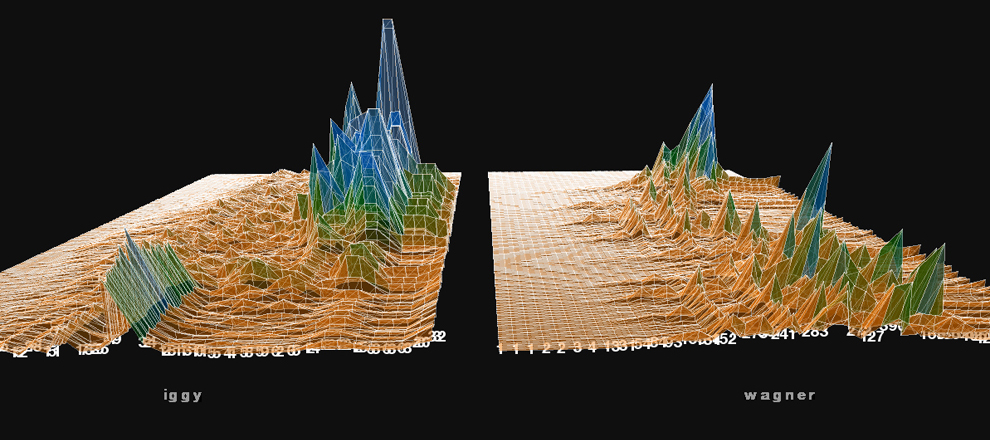
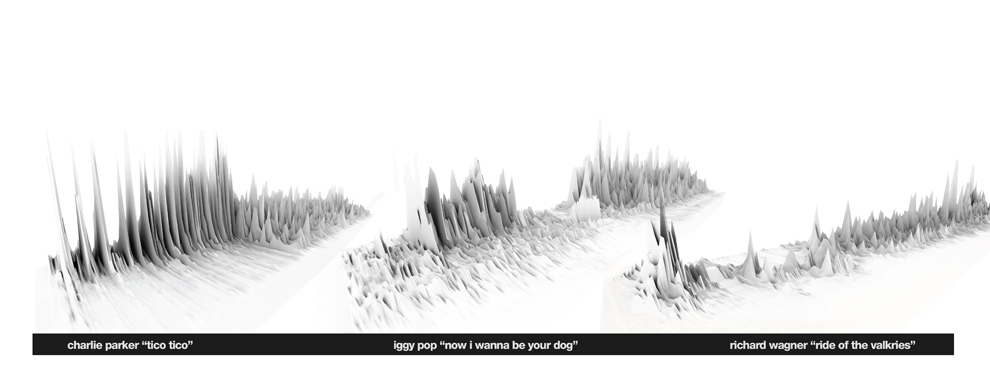
This was the final applet in motion. Using the minim library for processing, each waveform is generated in realtime as the two sounds play over eachother creating a pretty chaotic sound, but there are some instances of overlapping patterns where the mashup works pretty well. In the third version of the code, the boolean of the two waveforms is generated, producing a new way to visualize the waveforms. View the youtube video here, but I really need to figure out a way to add sound to the video, silence doesn’t do it justice. Charlie Parker, Iggy Pop and Richard Wagner comparison + code:


graphs_990


more »

20090327 Tags: architecture, graphic design, gsapp, school | 1 Comment »

multiple users into one twitter feed for pachube

01
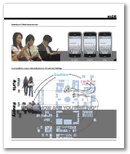
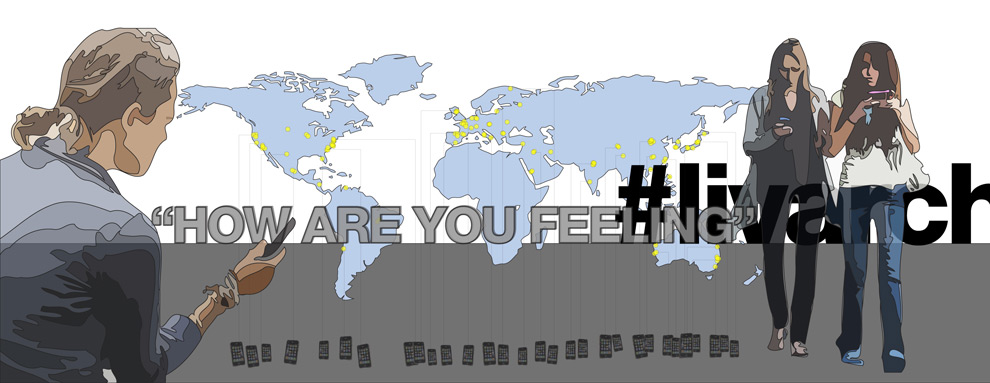
Somewhat of a circuitous hack through five sites, but it works, unfortunately there is about a 50 minute lag time, and a max of 5 users per half hour. But by pulling an rss feed from a search of all tweets with a certain hashtag (#livarch), then feeding that into a public google reader feed, publishing that back out to twitterfeed, then all the way back again to my twitter account with the pachube feed id prefix automatically appended (“d pachtweet set 1499”), anyone in the world can sms text data to your pachube feed and control an arduino. When a local interactive piece can be manipulated by a global audience, it brings up issues of siting and why a physical, localized kinetic piece of architecture is even necessary. Shouldn’t it be an ephemeral piece living online, able to respond to everyone at once?
more »

2009031 Tags: architecture, graphic design, gsapp, school | 1 Comment »

max renderings

ultra05


Whenever you have a computer course at a university, there’s always a struggle to make it more than just about being a software jockey. The ultrareal course did a good job straddling the line of teaching us to use the program, 3ds max, but also thinking about different techniques of representation. I used my studio project from the summer as a testing base, both because I wanted some new images and it was convenient.


more »

« Older Entries
Newer Entries »

COPYRIGHT © 2011 \ JOHN LOCKE \ ALL RIGHTS RESERVED (RSS)

TOP OF PAGE

last update: 201102:1627