JOHN LOCKE, ARCHITECT

  • Featured Work
  • Design Blog           
  • Photography
  • Graphic Design
  • Dept of Urban Betterment

About

Hello. I live in New York and work at The Living. I hold a graduate degree from Columbia University's GSAPP and an undergraduate architecture degree from the University of Texas at Austin. I have more than seven years of professional experience at noted architecture firms, including New York-based Rogers Marvel Architects and SOM. I also tackle freelance graphic and photography work with my partner in crime, the multi-talented Jackie Caradonio at Lion in Oil. In addition, I teach a course, Hacking the Urban Experience, at Columbia. View my CV here: CV(html). Thanks and have a nice day.

Contact

john.h.locke{at}gmail.com
310.735.3333

Architecture Portfolios

Portfolio 2002-2007 (issuu)
Portfolio 2008-2009 (issuu)

HOME / BLOG

3DPrinting

20211029 Tags: 3DPrinting, fabrication | No Comments »

Pandemic Printing


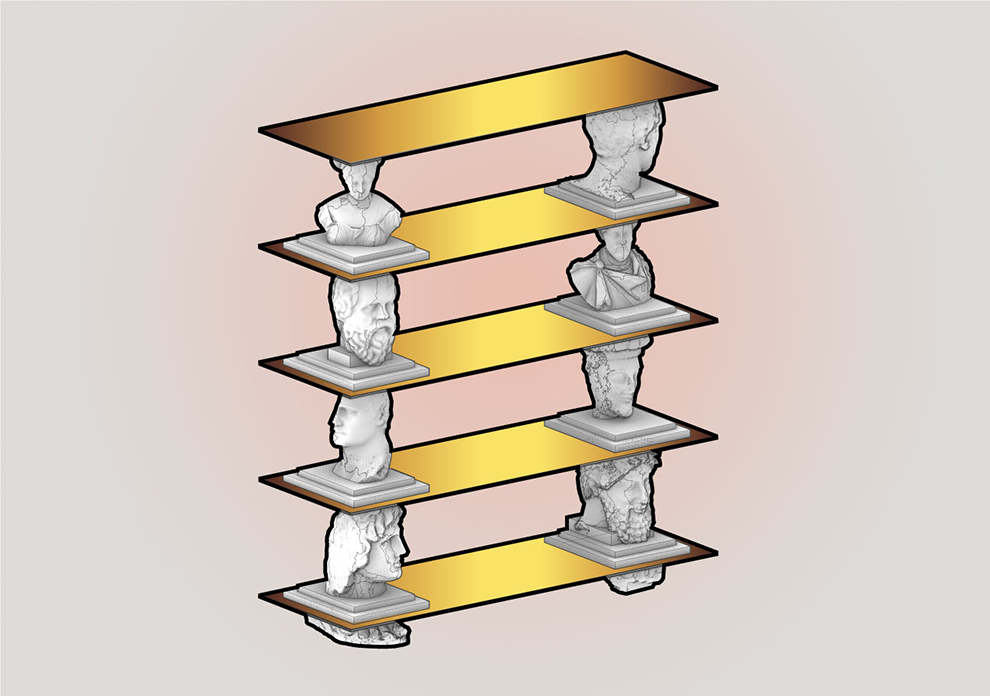
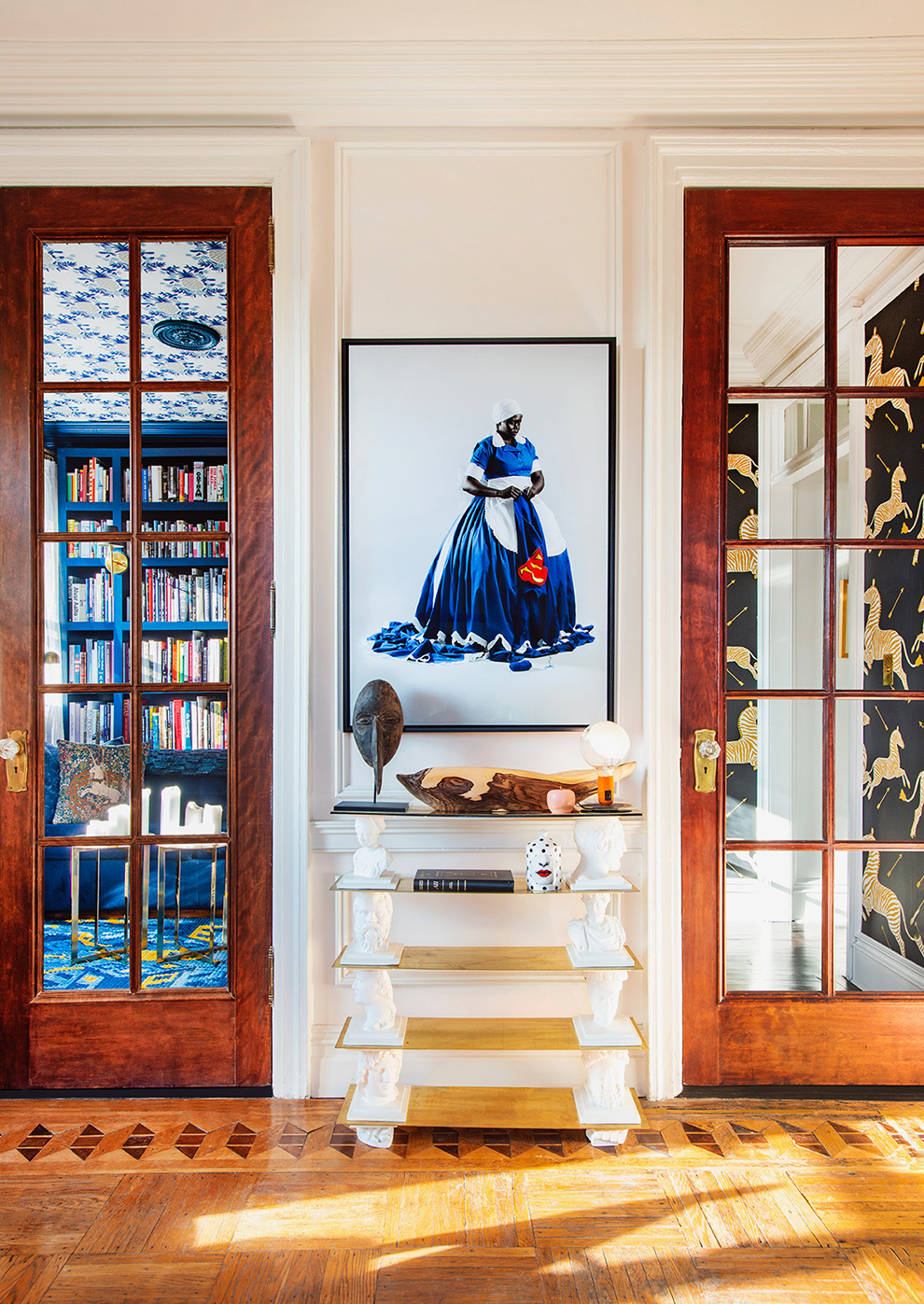
When New York shut down in March 2020, and I started baking bread and drinking too much, I wanted to build a piece of furniture while isolated within the apartment. I needed something that could be created without any tools and wouldn’t be overly taxing mentally. I originally wanted to put together something like the college-dorm-grade, cinder block and pine plank shelves, only with found objects bought via ebay in lieu of concrete blocks. Ultimately, browsing ebay was getting in the way of doomscrolling, so I shifted over to 3d printing it myself. Continuing my fascination with replicating objects of perceived historical value that themselves have already been copied many times over by Roman sculptors working from lost Greek originals, and which have also most likely then been looted by Western museums, I downloaded a bunch of 3d models of scanned heads from antiquity via the British Museum on Sketchfab. As an added bonus, each head took about approximately three days to print, so I realized my ambition of keeping myself occupied for the maximum time with the minimal amount of effort. Factoring in all of the print errors and extrusion jams, this took about a total of seven weeks to realize. The brass shelves were spec’ed and ordered from onlinemetals.com.
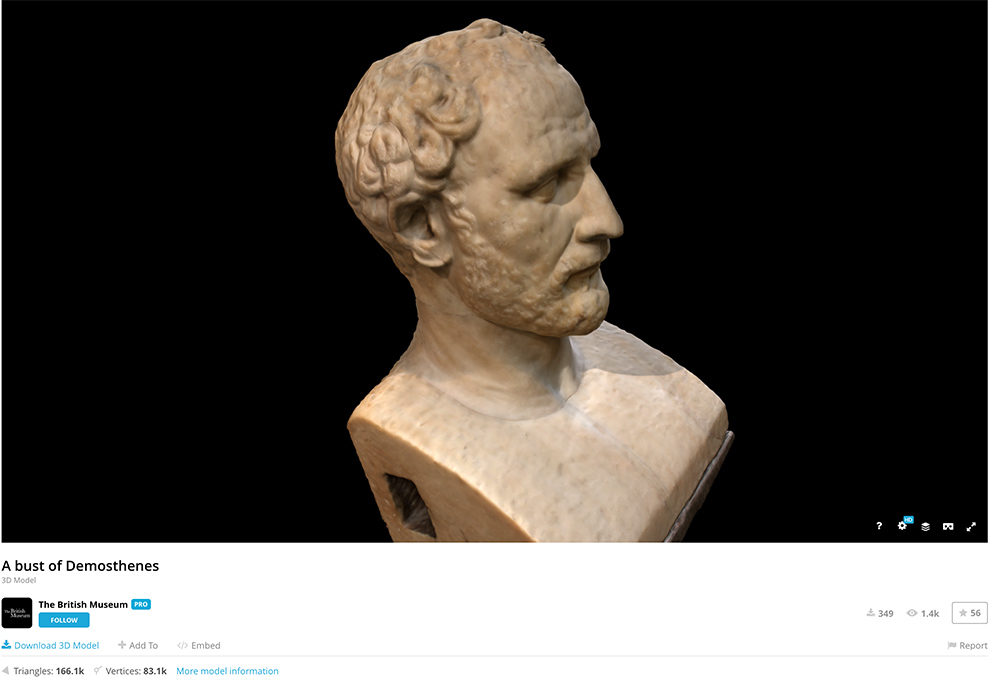


The British Museum’s publicly available scan of the strong Greek Orator (and weak military fighter) Demosthenes with his somewhat pensive, pursed lip demeanor. Note that like many other sculptures from antiquity, the British Museum’s version is a Roman copy of a lost Greek original. https://sketchfab.com/3d-models/a-bust-of-demosthenes-67fb4ea5c8f149c88658bd4a67f0008d
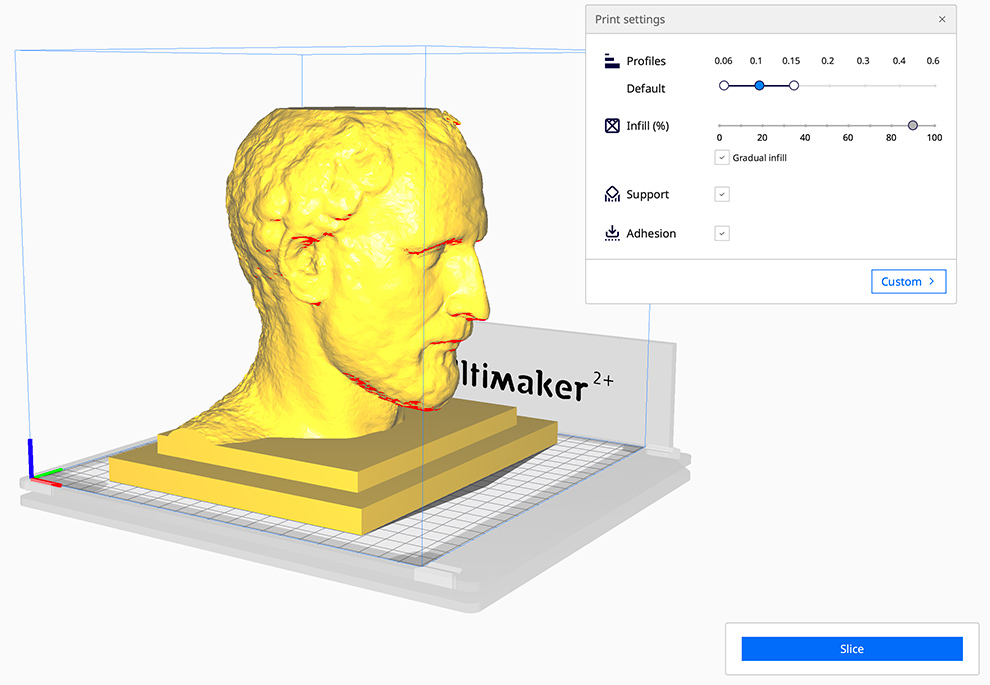


Each print was approx. 75-95 hours. I had nothing but time.
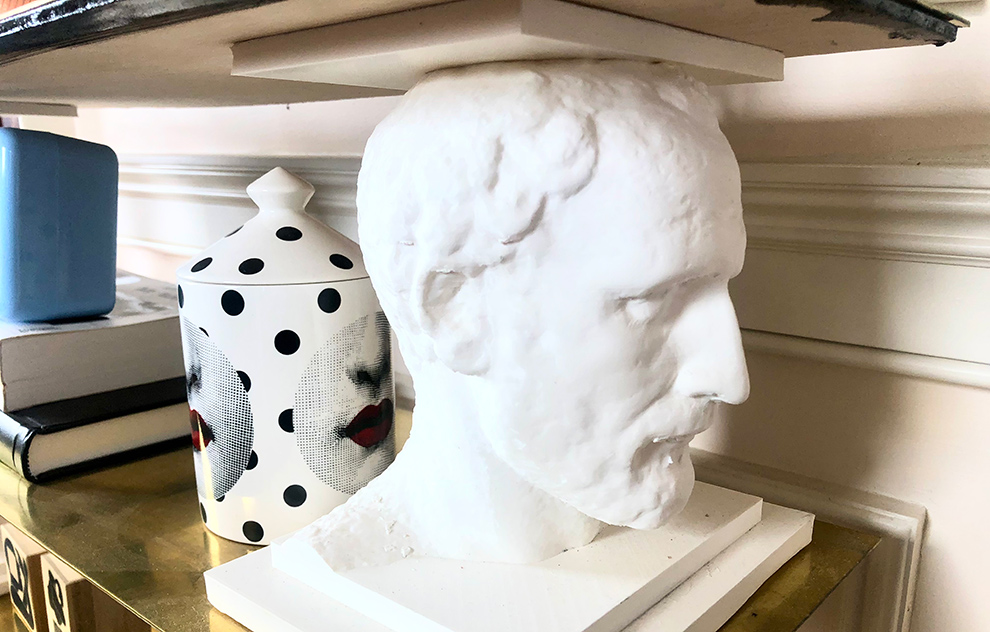


“Had you for Greece been strong, as wise you were, the Macedonian would not have conquered her.”


2018062 Tags: 3DPrinting, museum, photography, research | No Comments »

APHRODITE IN MARBLE

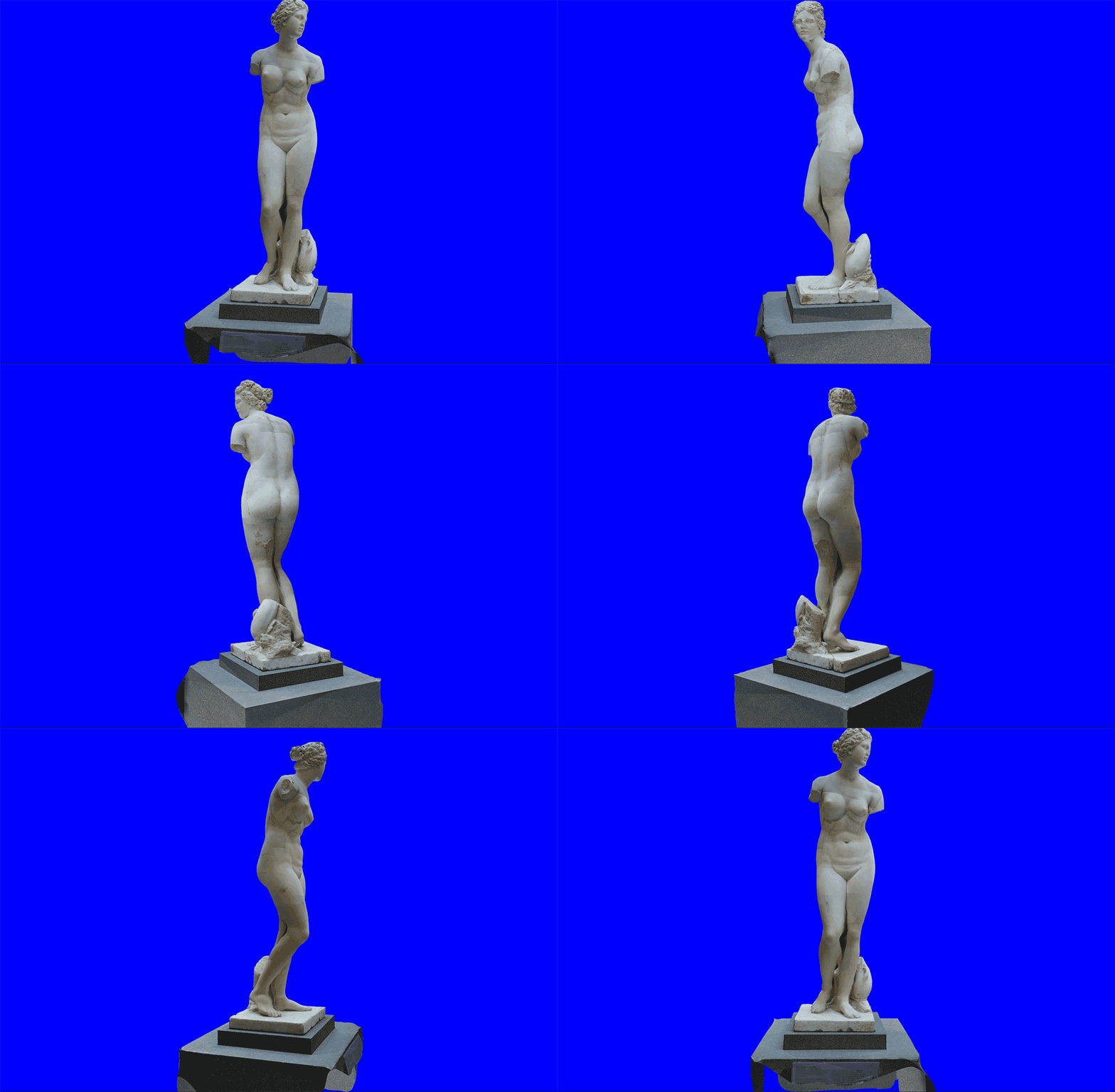
Saturday morning, creating a digital copy of the Aphrodite in Marble from the Met. A form that has perpetually adapted – originally cast in bronze 2000 years ago, later destroyed, reproduced (two times, different artists) in marble, limbs were lost, limbs were added, parts recreated, etc.


20150529 Tags: 3DPrinting, graphic design, processing, sound | 1 Comment »

3DP – SOUNDWAVE


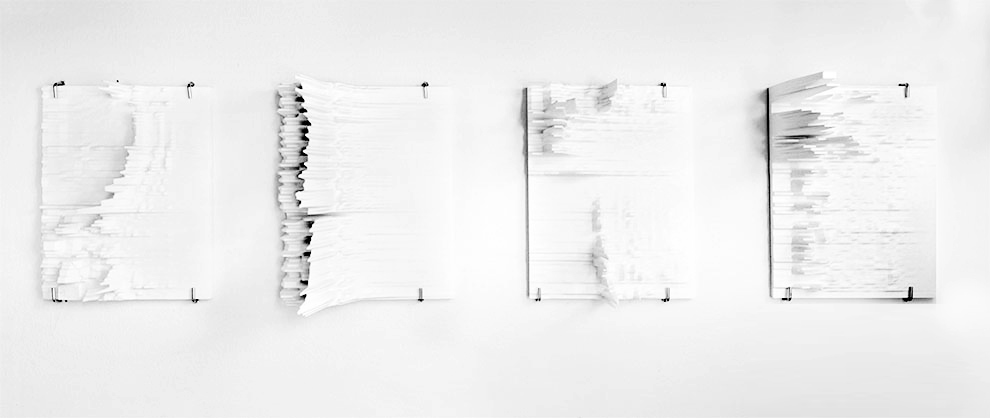
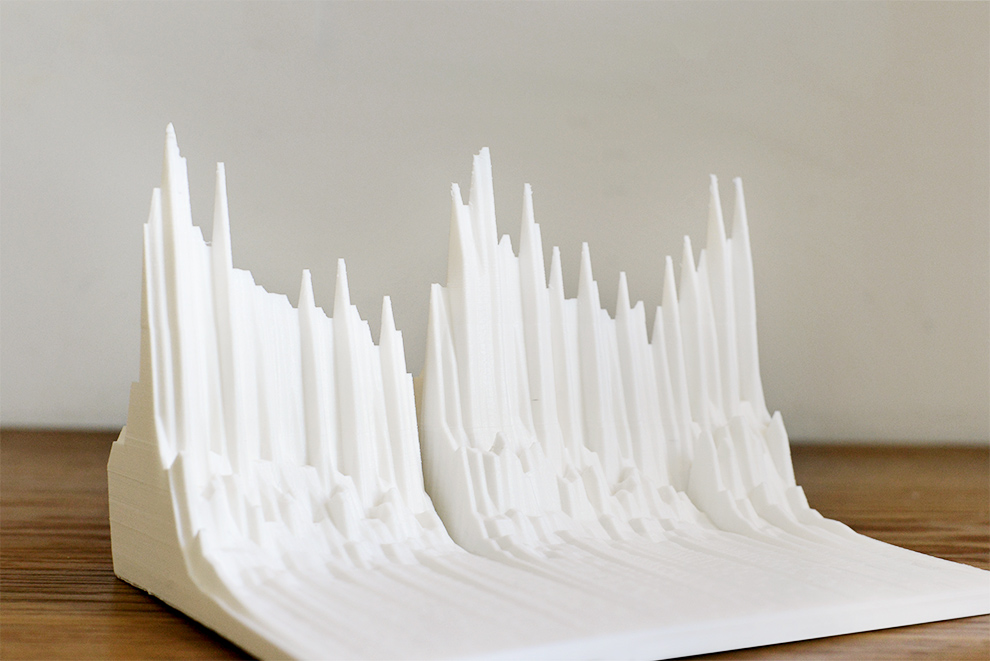
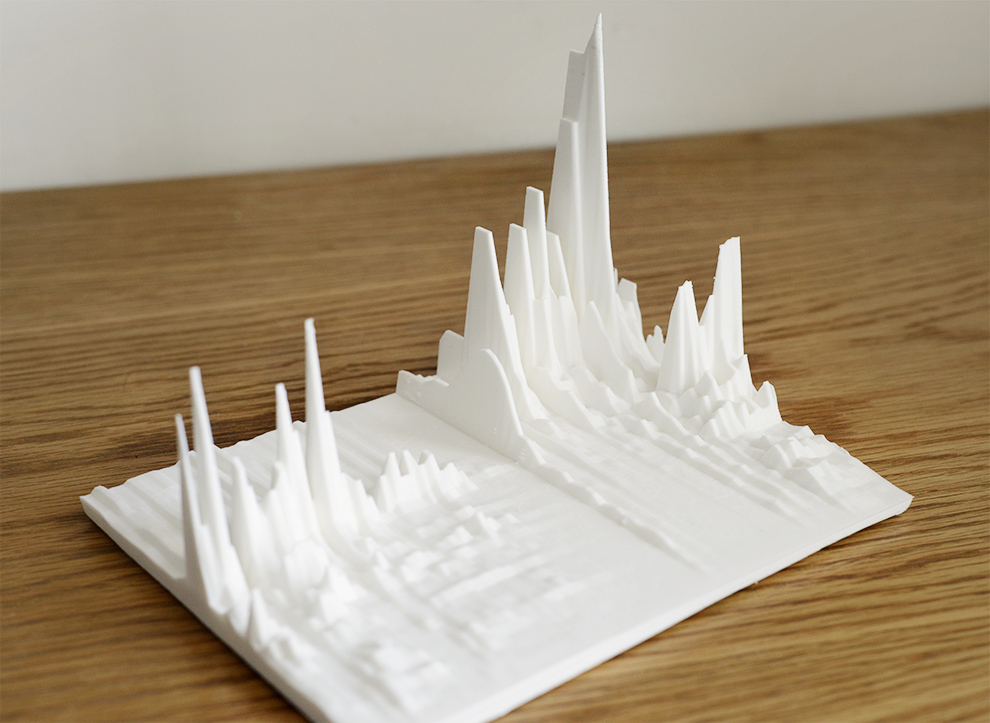
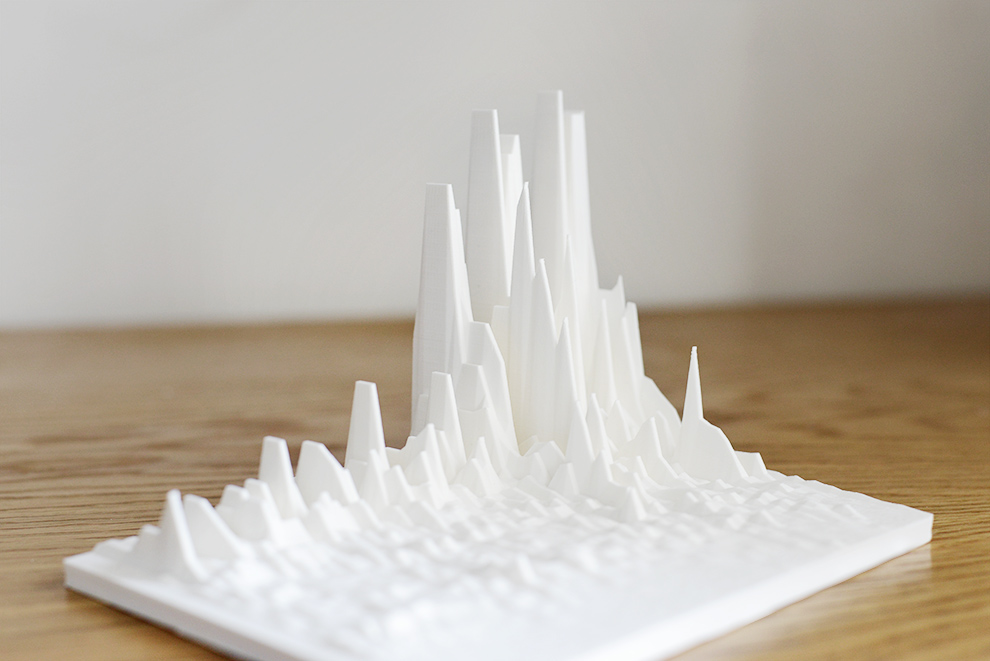
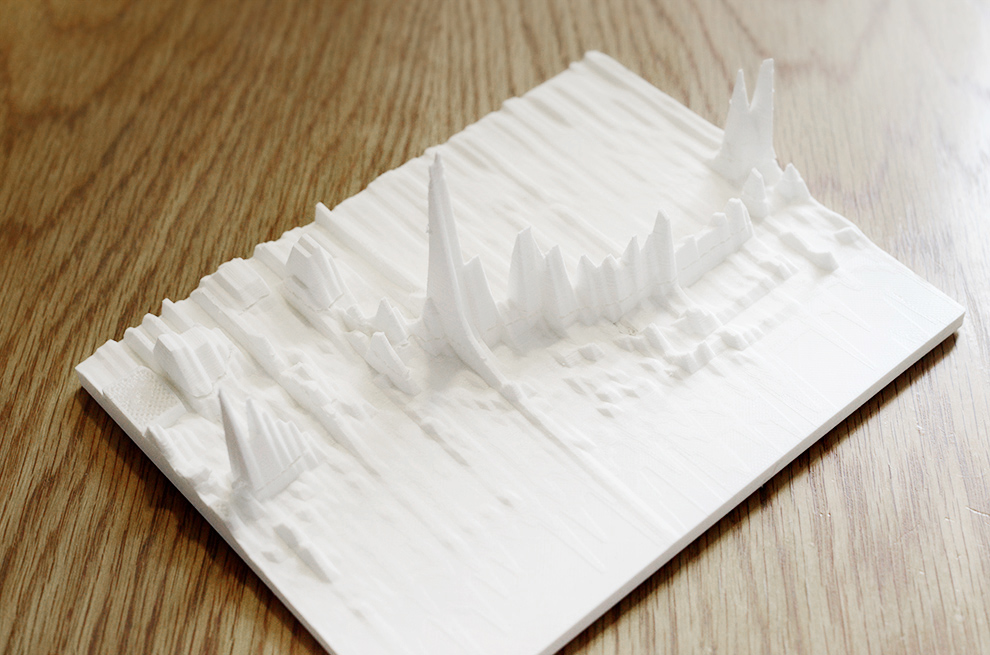
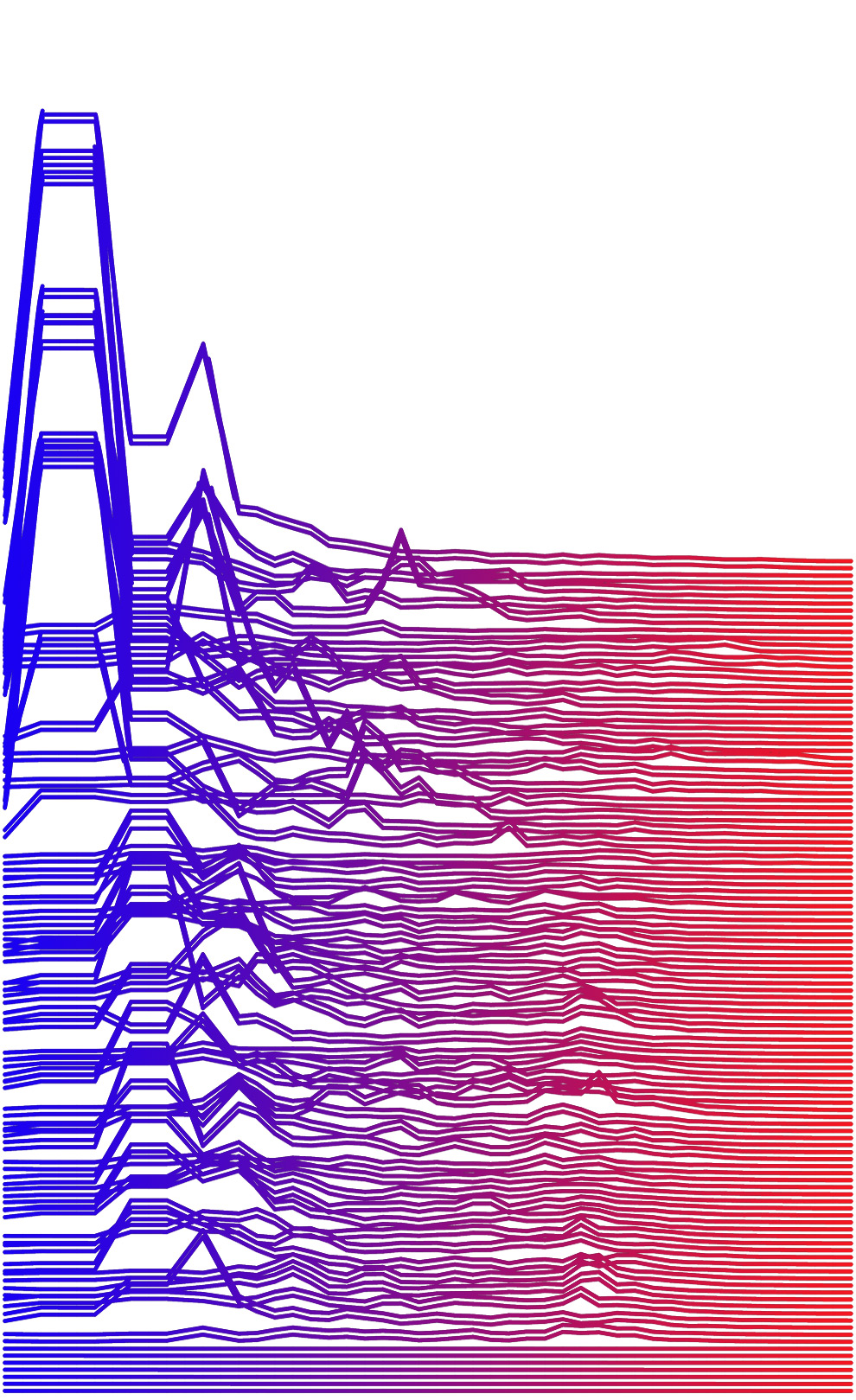
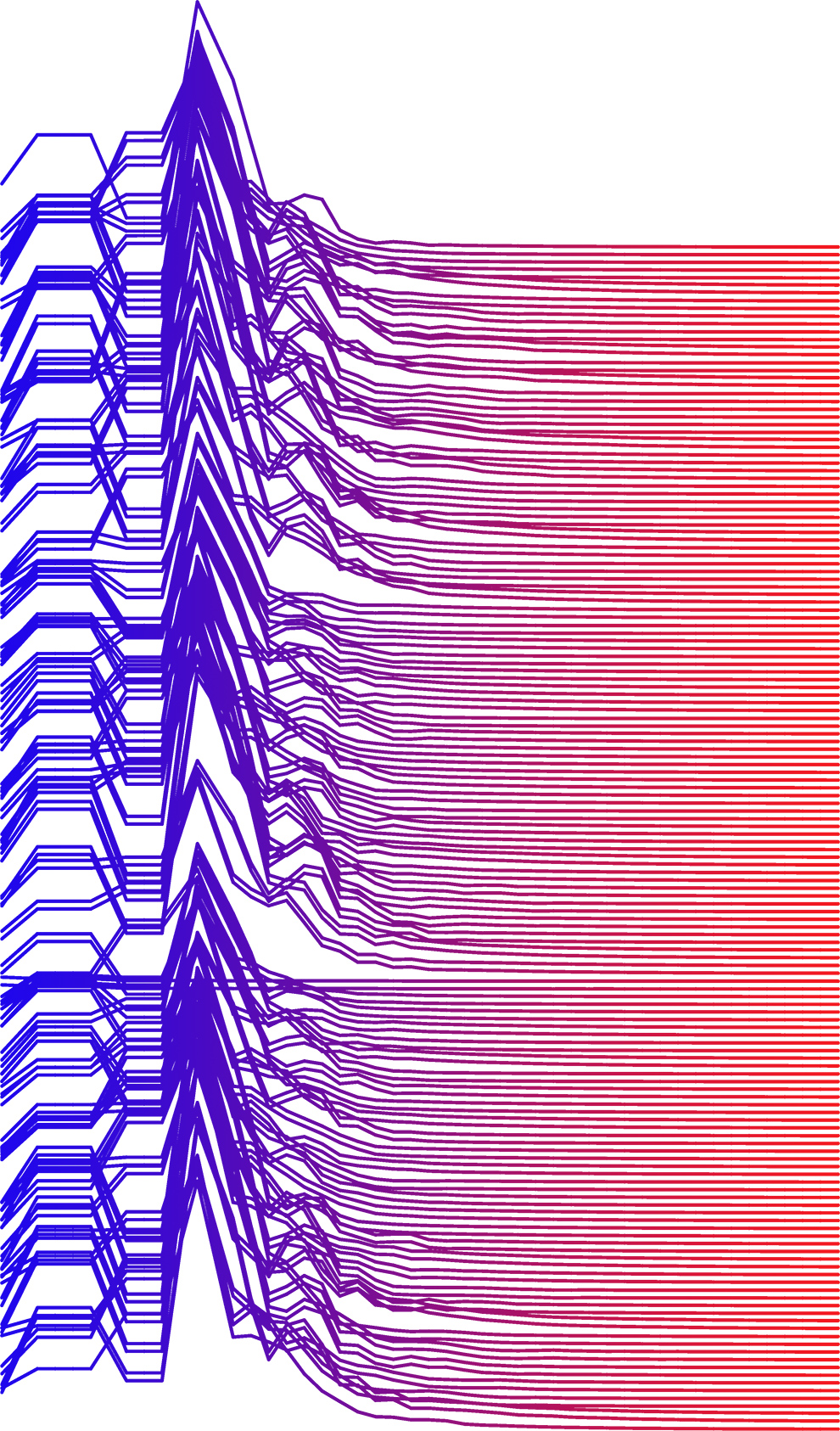
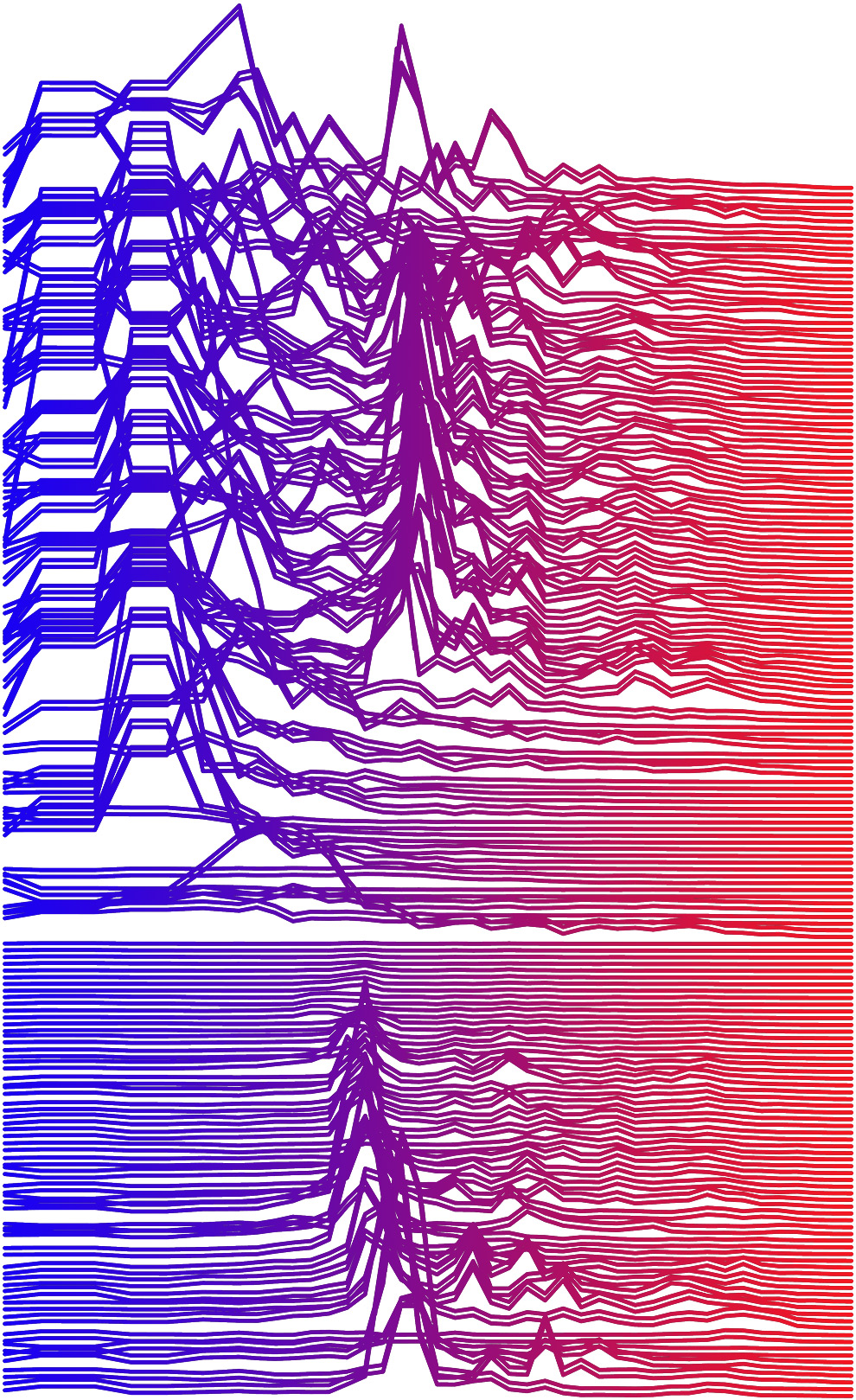
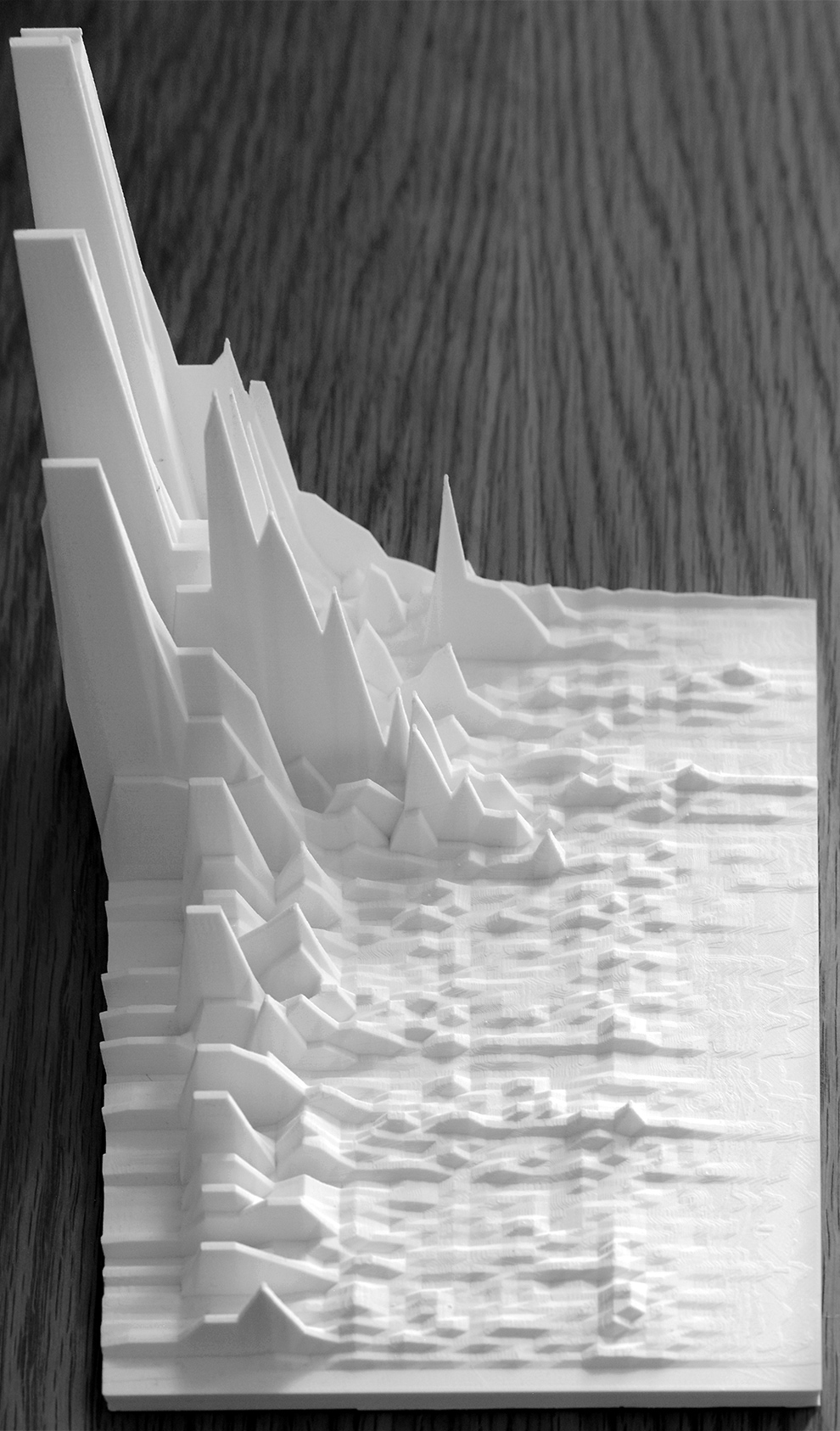
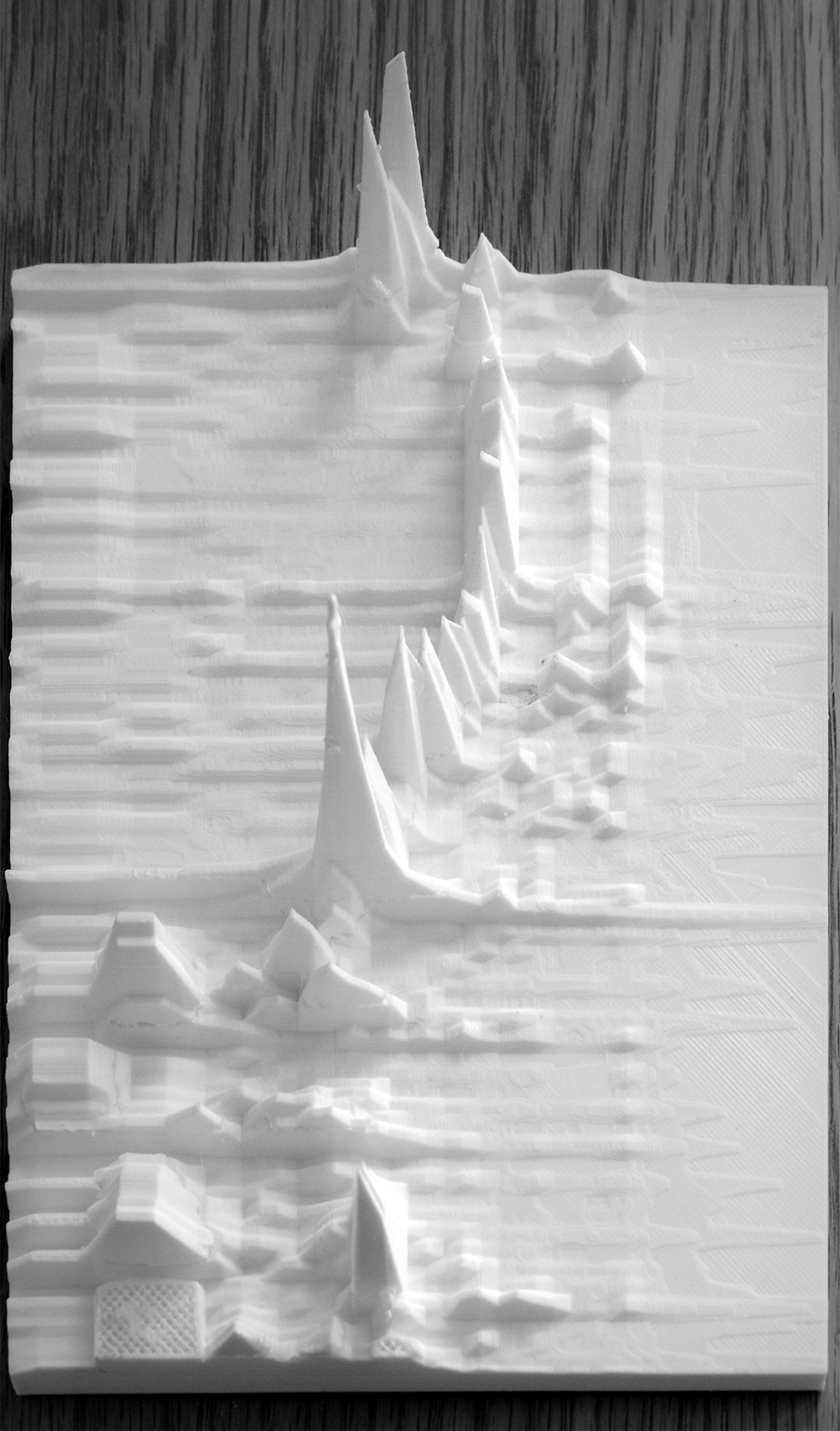
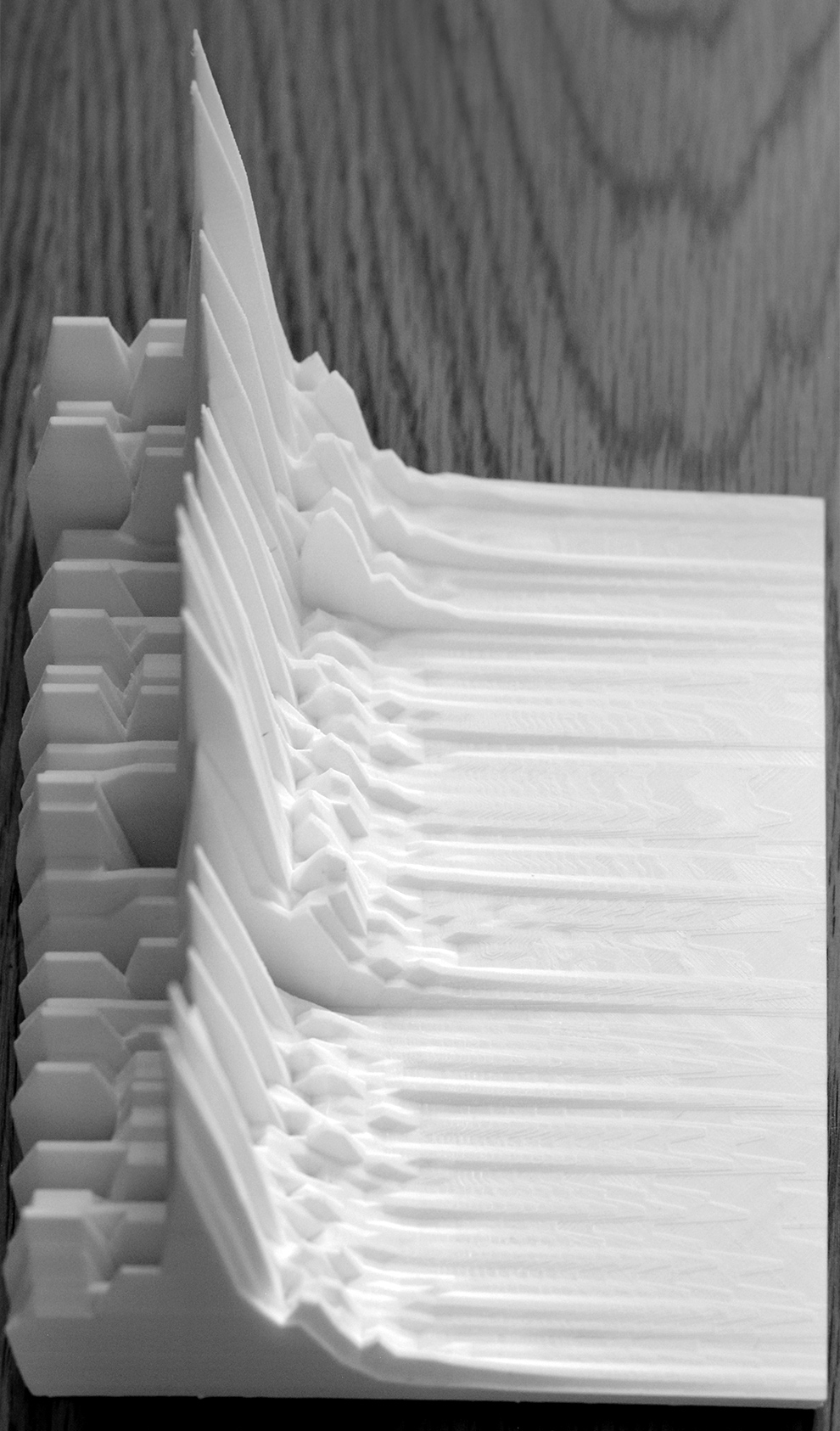
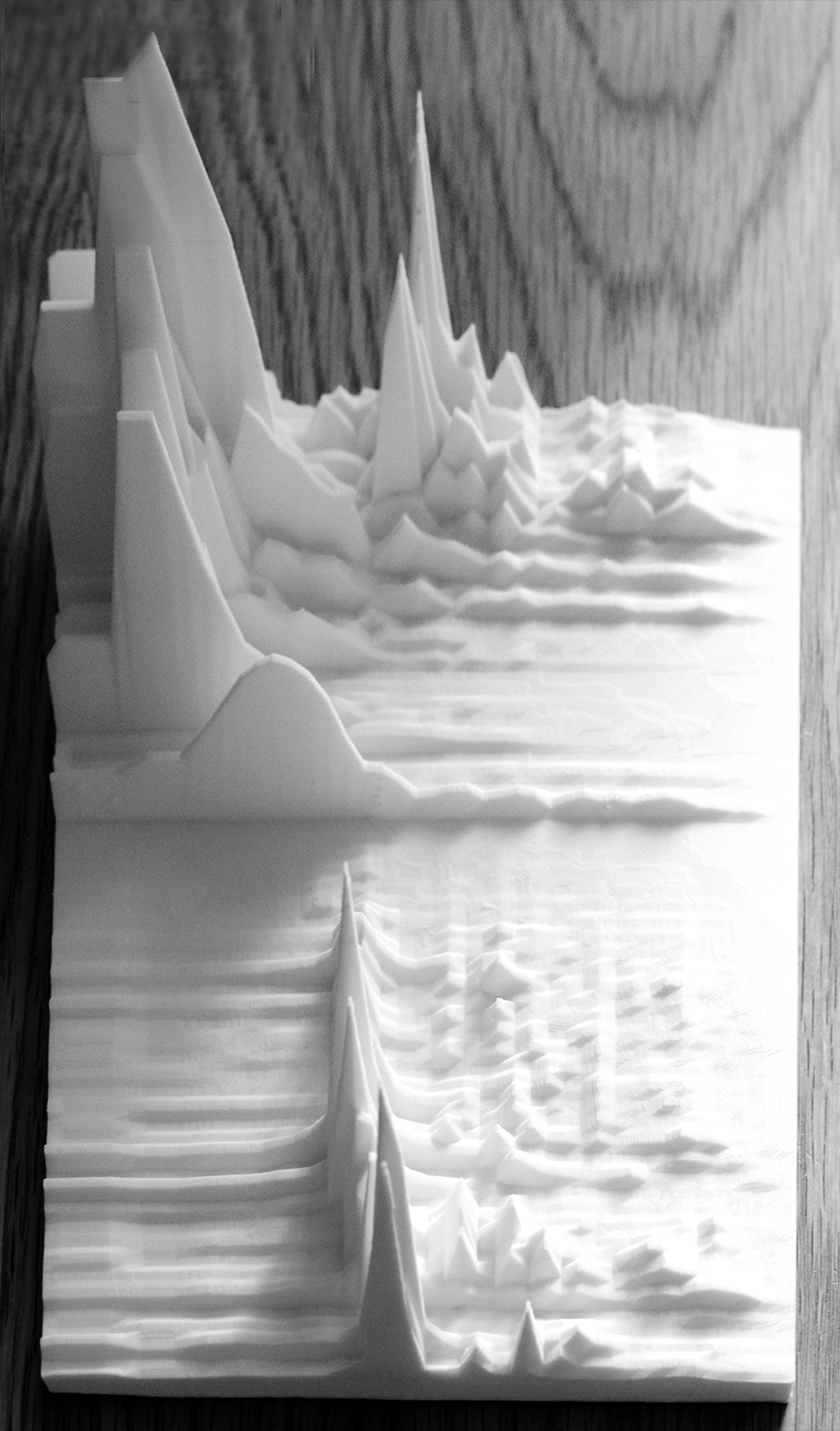
Building off of previous work that looked at real-time sound visualization, the intention of this exercise was to create a series of physical objects that legibly conveyed the transformation of sound into a landscape. Four specific indicative moments of recorded sound were rendered as a topographic form in Processing, then 3d printed. Any piece of real-time or recorded sound would work, however, these prototypes were chosen because they highlight special snippets or short moments during signature songs that could warrant further observation of the ordered or chaotic underlying sound structure. Once printed, each piece creates a striking object that allows for ease of visual comparison.


The four selections shown here include:


1) “Young Americans” – David Bowie. The brief pause at 4:19. (youtube link) Also, per Jennifer Egan in A Visit to the Goon Squad: “This is a lost opportunity. Hell, it would’ve been so easy to draw out the pause after ‘…break down and cry…’ to a full second, or 2, or 3, but Bowie must’ve chickened out for some reason.”
 

2) “Ride of the Valkyries” – Richard Wagner. The introduction of the main theme including the arrival of the brass instruments. (youtube link)
 

3) “Mood Indigo” – Duke Ellington. Jimmy Hamilton’s introduction on the clarinet. (youtube link)


4) “Sonified Starlight” – NASA. Translation of light waves emanating from star KIC 7671081B into an audible pattern via NASA’s Kepler Input Catalog. (soundcloud link)


Lastly, drop me a line if you’d be interested in your own 3D printed soundwave.


3D-PRINTS-01b

3D-PRINTS-KEPLER

“Sonified Starlight” – NASA. Translation of light waves emanating from star KIC 7671081B into an audible pattern via NASA’s Kepler Input Catalog. (soundcloud link)


3D-PRINTS-BOWIE

“Young Americans” – David Bowie. The brief pause at 4:19. (youtube link)


3D-PRINTS-VALKRIE

“Ride of the Valkyries” – Richard Wagner. The introduction of the main theme including the arrival of the brass instruments. (youtube link)


3D-PRINTS-MOOD-INDIGO-C

“Mood Indigo” – Duke Ellington. Jimmy Hamilton’s introduction on the clarinet. (youtube link)


WAVE01-FINAL-WEBMOODINDIGO01-FINAL-WEBKEPLER-FINAL-WEBBOWIE-FINAL-WEB

3D-PRINTS-VALKRIES-AXO-BW3D-PRINTS-MOOD-INDIGO-AXO-BW3D-PRINTS-KEPLER-AXO-BW3D-PRINTS-BOWIE-AXO

2015053 Tags: 3DPrinting, architecture, fabrication, urban | 3 Comments »

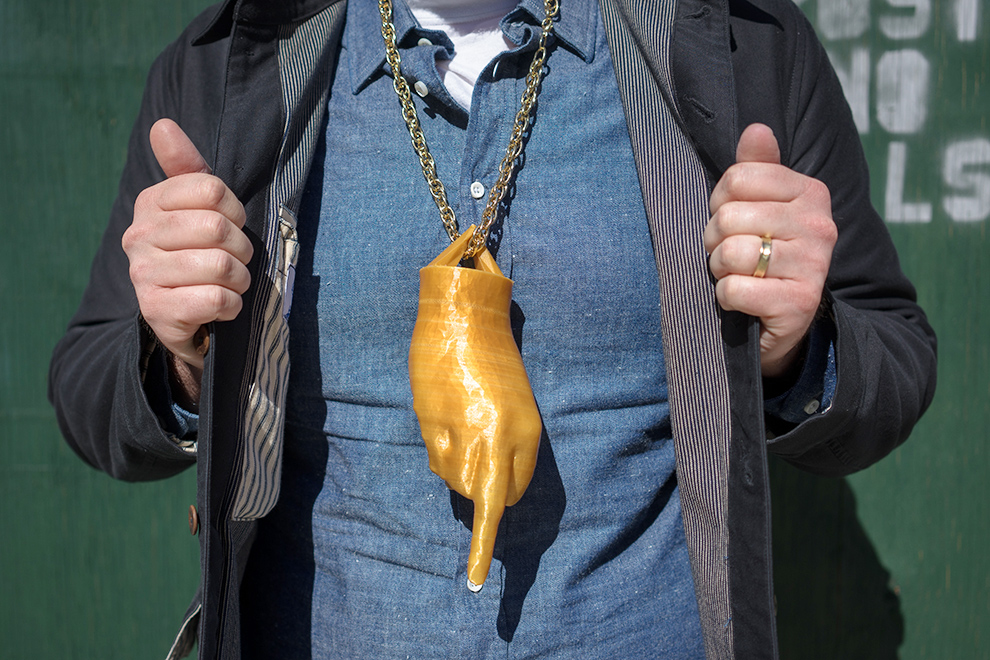
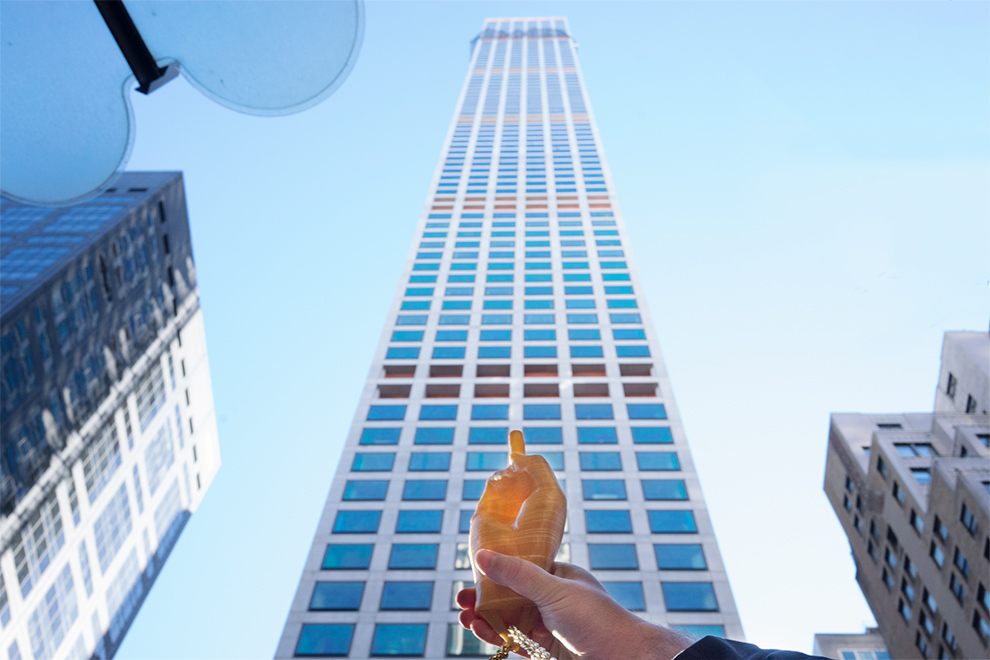
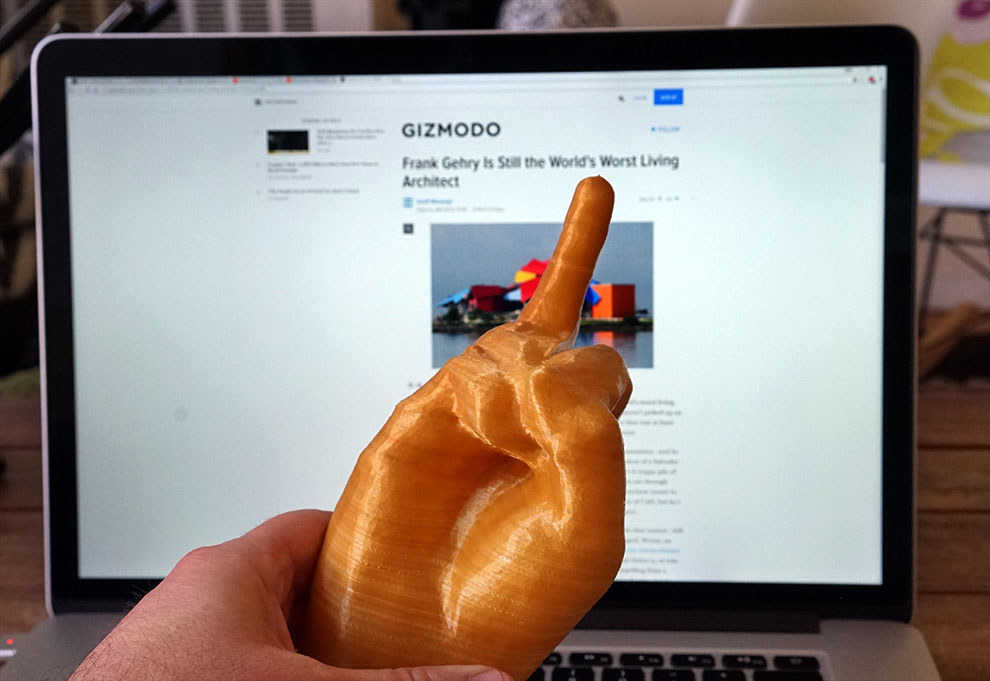
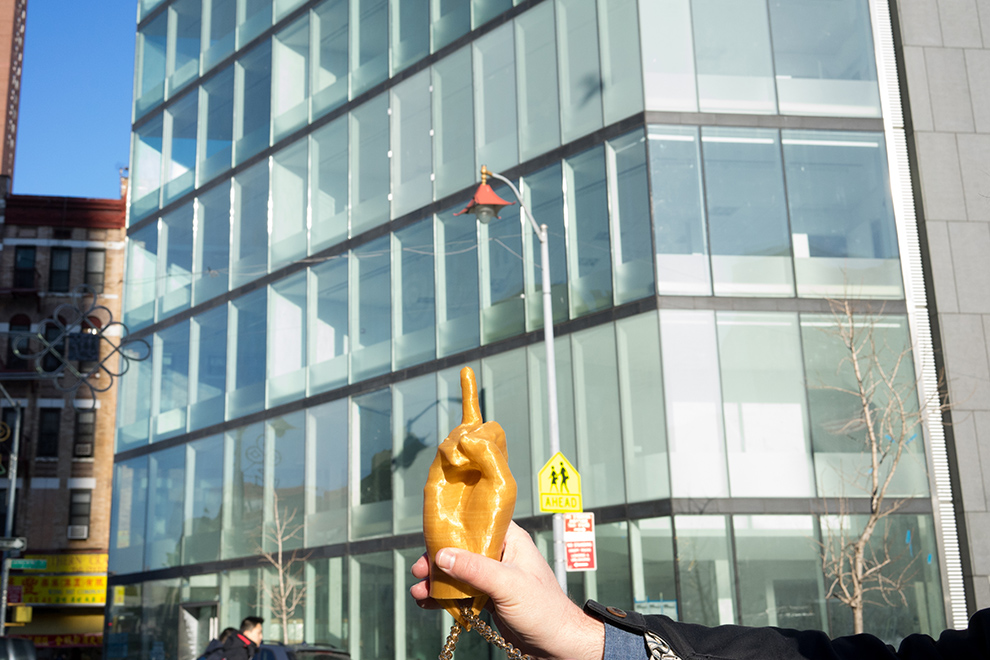
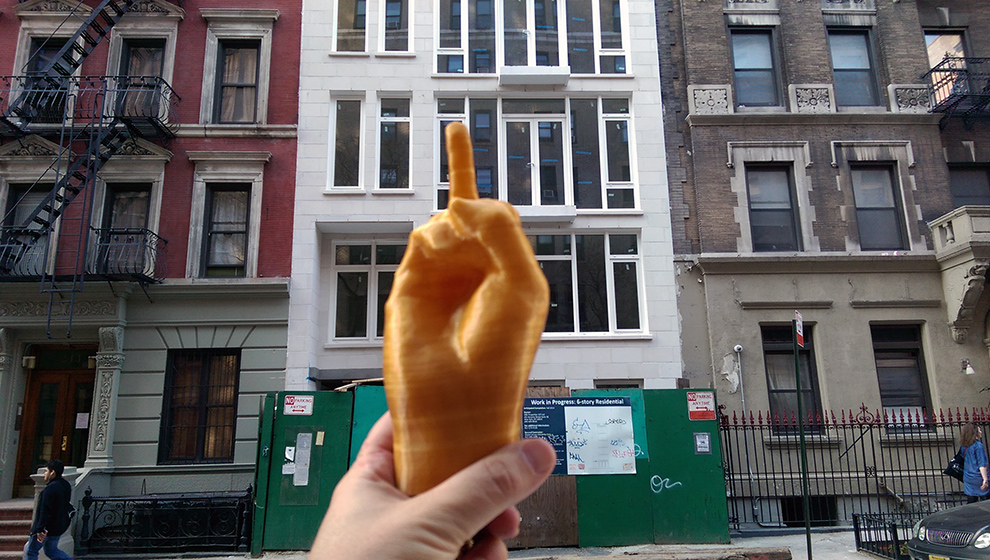
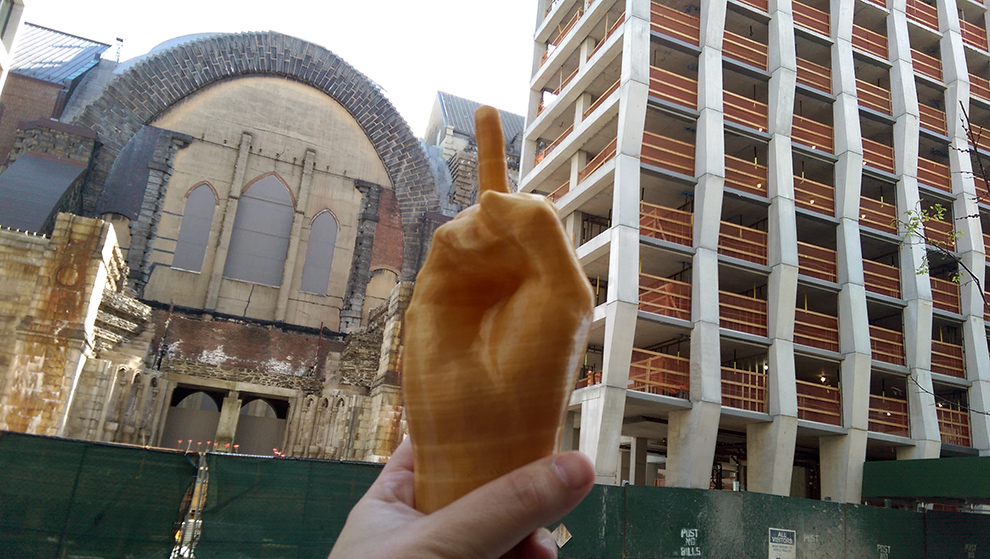
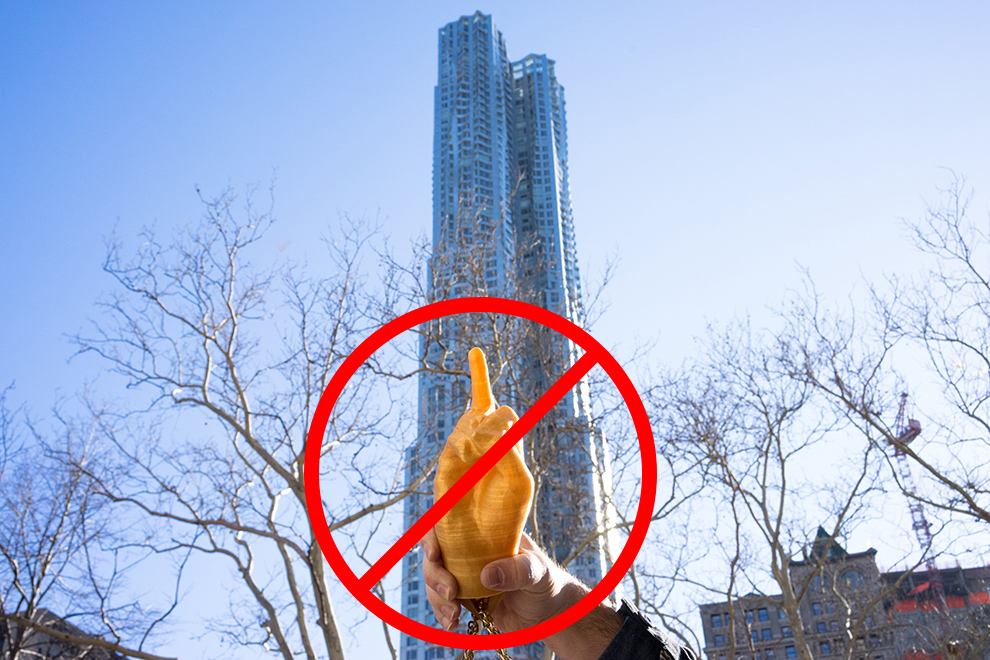
Frank Gehry’s Middle Finger


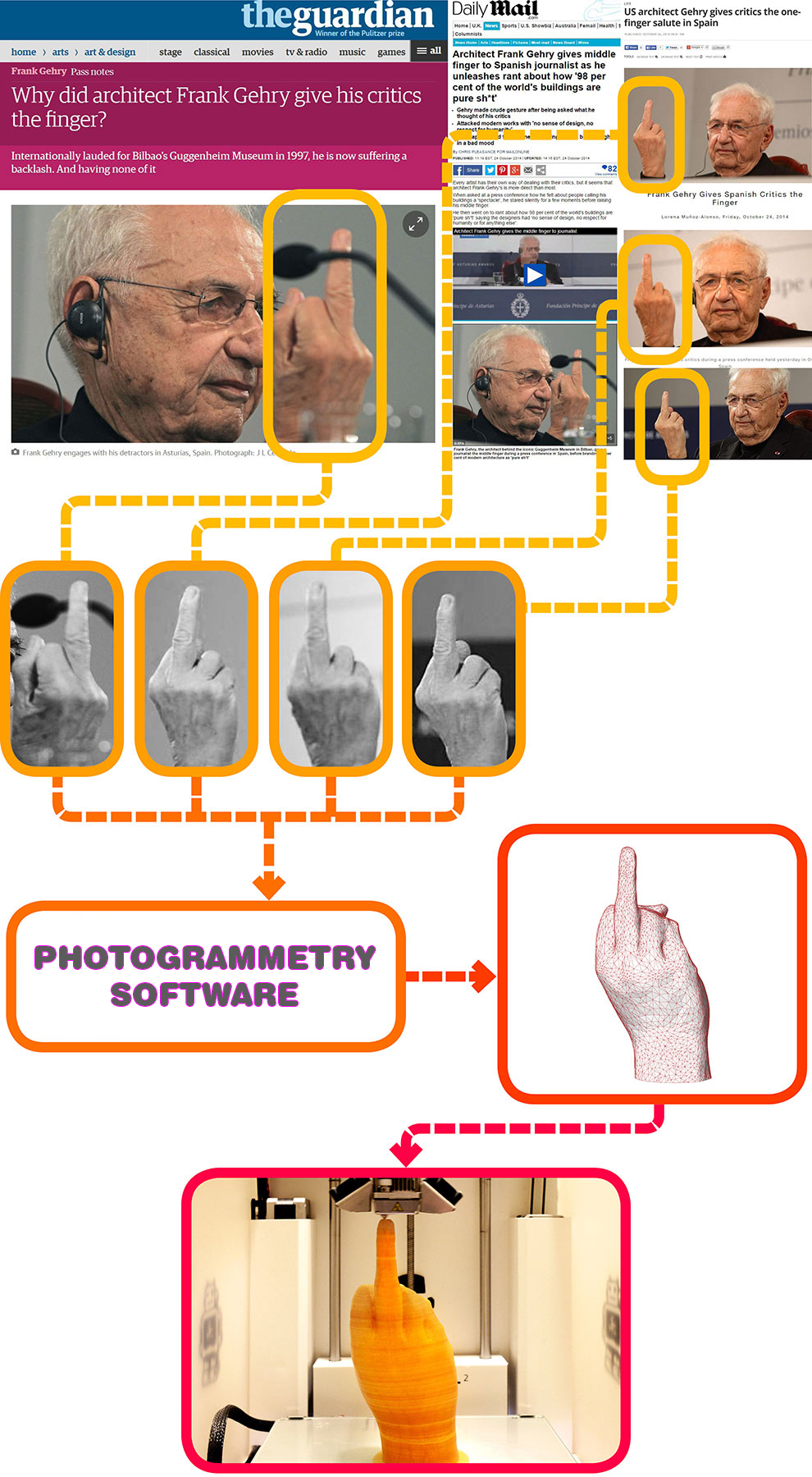
Inspired by Ai Wei Wei and aided by modern journalism’s canny ability to simultaneously photograph the same object from multiple vantage points, I wanted to find a way for everyone to identify and express displeasure at the “98% of everything that’s built and designed today [that] is pure shit.”


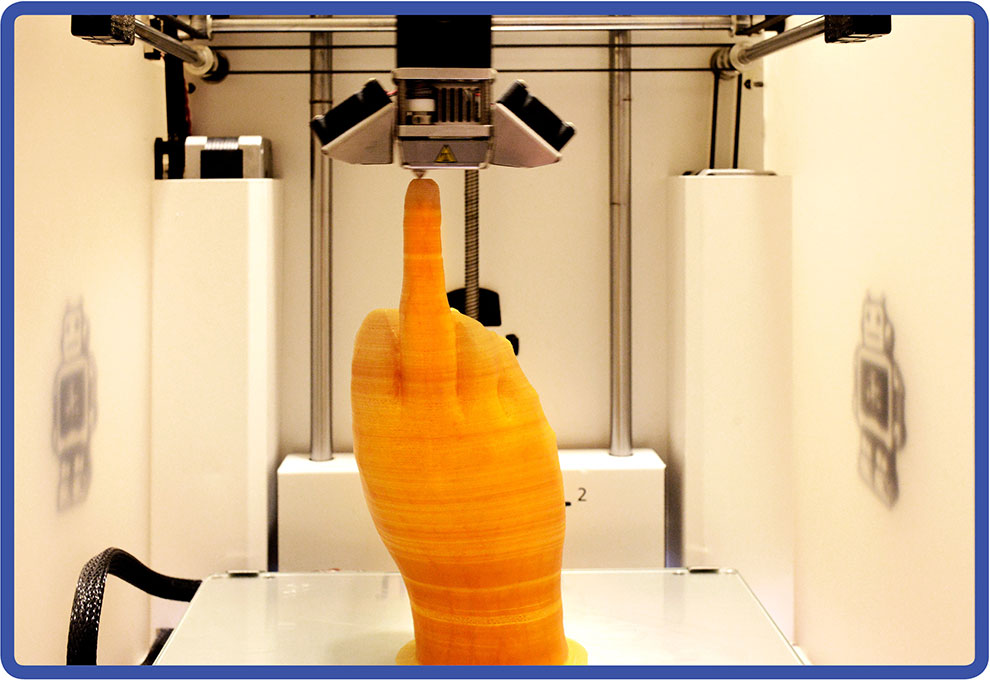
This is the fourth in a series of 3D Printed experiments in using reality capture software to generate 3d printable models. Each experiment is printable within 2 hours.


web-finger-bkg-02


creation-webcreation-2-web
The Creation


chain-web
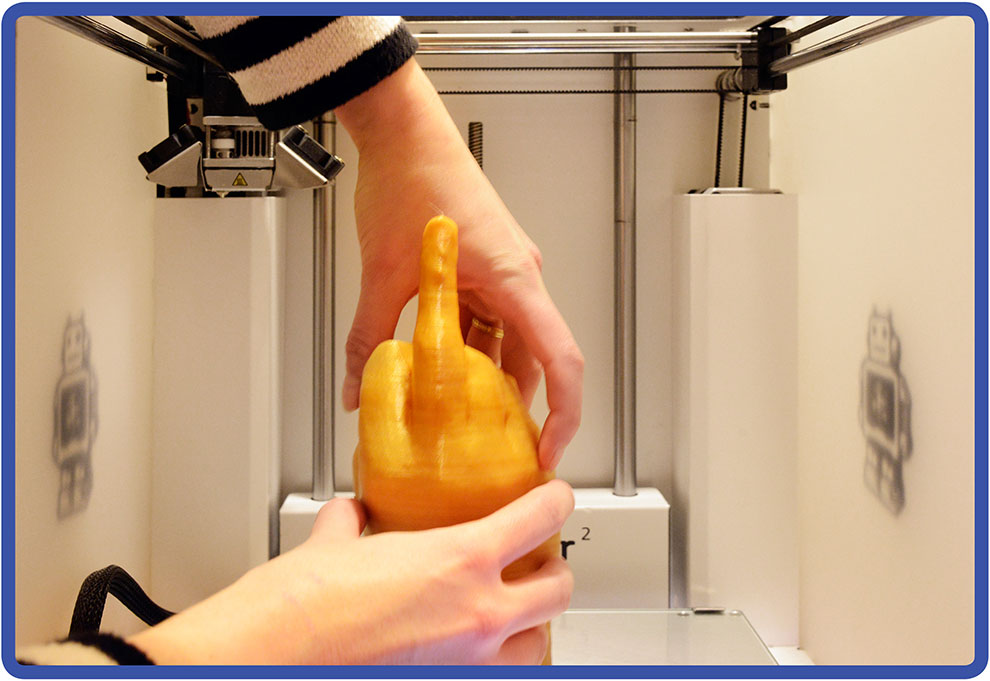
A convenient carrying method to start identifying the 98% of…


432park
…shitty plutocrat housing…


gizmodo-web

…shitty click bait articles…


modern

…shitty generic glass buildings in historic neighborhoods…


condo

…shitty innocuous luxury condos…


cathedral

…shitty condos on Cathedral property…


beekman-rev

…oh wait, nevermind, actually I guess this one is ok…


EDIT:
.STL MODEL LINK:
https://www.dropbox.com/s/q5m4cj0hzce2ozu/GEHRY-FINGER.stl?dl=0


20150121 Tags: 3DPrinting, fabrication | No Comments »

3 Quick 3D Printing Exercises

As part of a series of quick exercises using a consumer-grade 3D Printer, the following pieces were created. All were designed and modeled in keeping within a set of strict guidelines.


The rules of the game:
(1) All 3D mesh geometry is generated via photogrammetry
(2) No manual 3D modelling is to take place
(3) A 3D print ready file is to be generated within 2 hours
(4) All software used is to be open source, or free for non-commercial use
(5) Prints are built irrespective of plastic type, print resolution, color, printer, and printing technique


3DP01: Replication of a physically proximate, geometrically-complex object


3dp-013dp-02


3DP02: Replication of a physically distant, geometrically-complex object via publically accessible photos. Allow for glitches.


3dp-033dp-04


3DP03: Replication of a physically proximate, geometrically-complex object, that is to interact with a second object via physics simulation.


3dp-053dp-06

20150111 Tags: 3DPrinting, fabrication | No Comments »

3DP Physical Interaction

00_LION-01


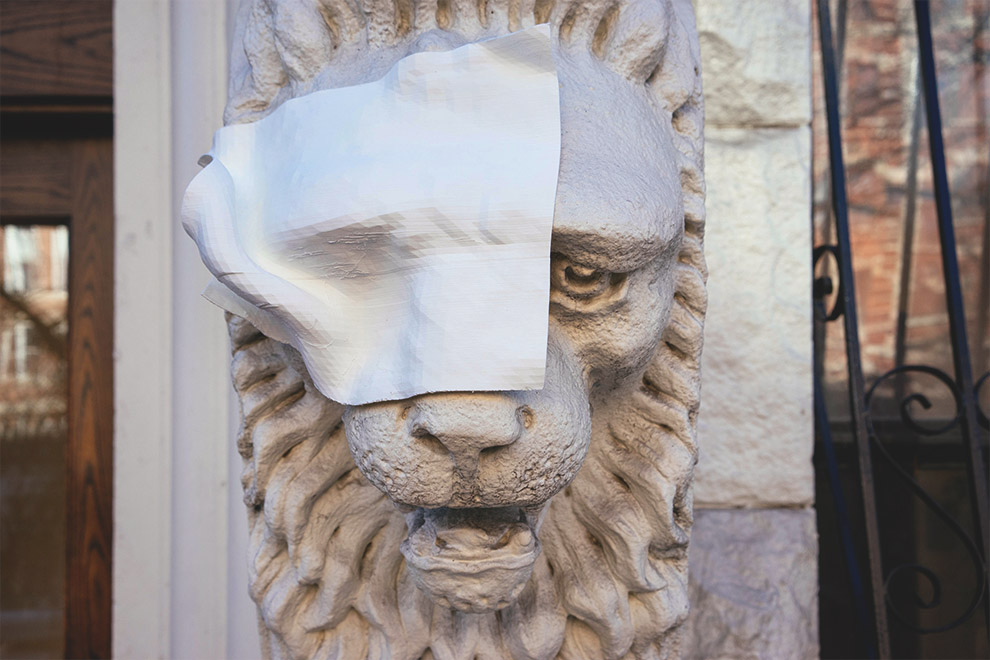
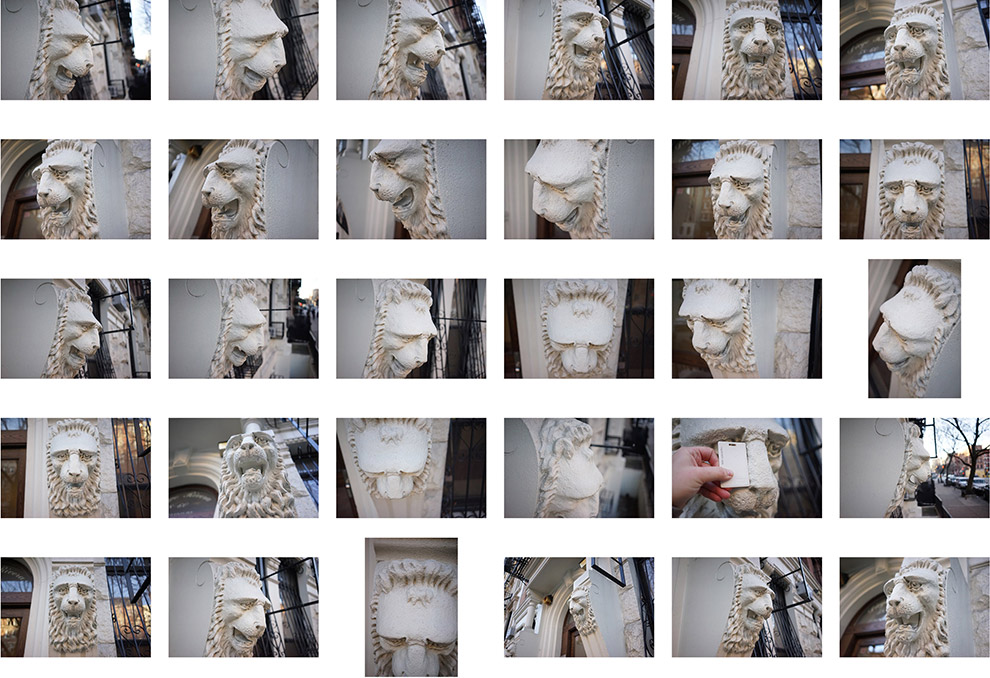
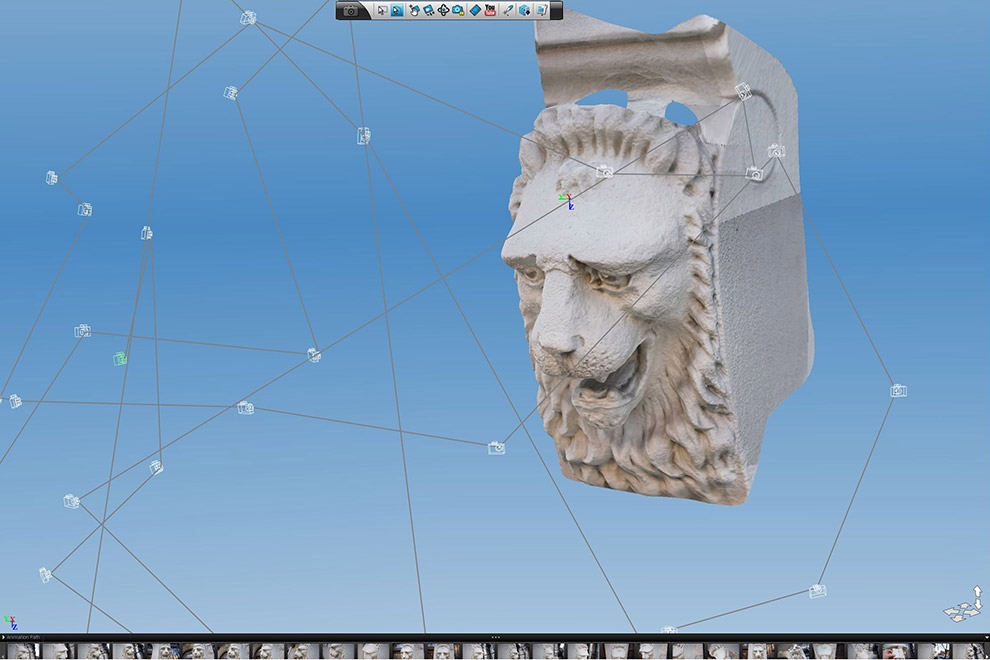
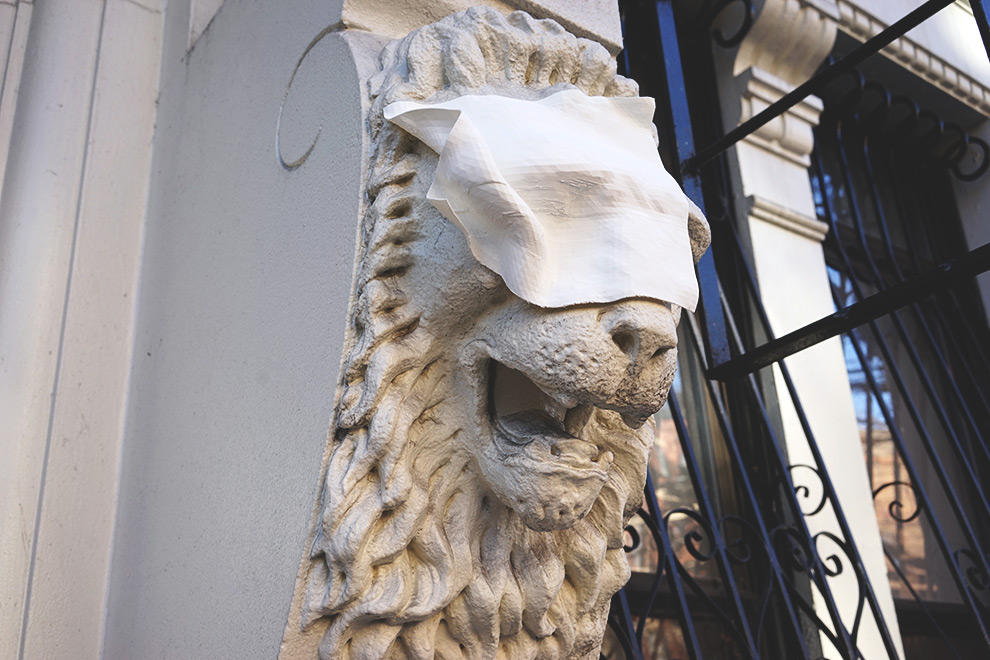
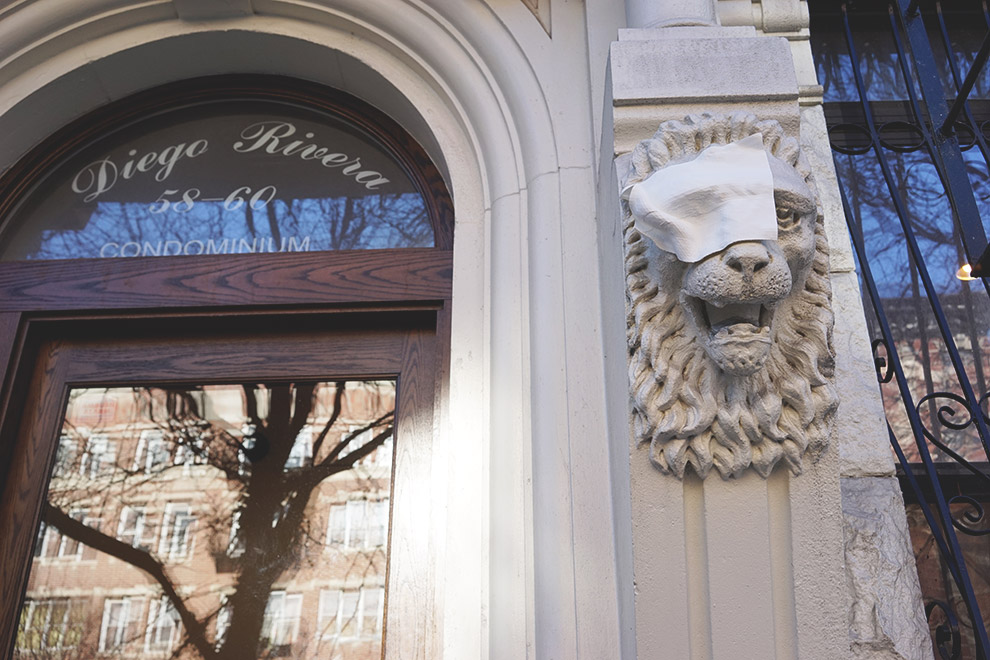
This was the third in a series of quick experiments using a personal 3D printer. The goal here was to construct a 3D printed piece to interact with an existing physical landmark displaying complicated surface geometry. This lion with an enigmatic mein was chosen because the complicated contours would provide the framework for a compelling proof of concept. The building is named after one artist, but it was the surreal Belgian artist who often explored enshrouded objects that provided the inspiration for this form.


Process:
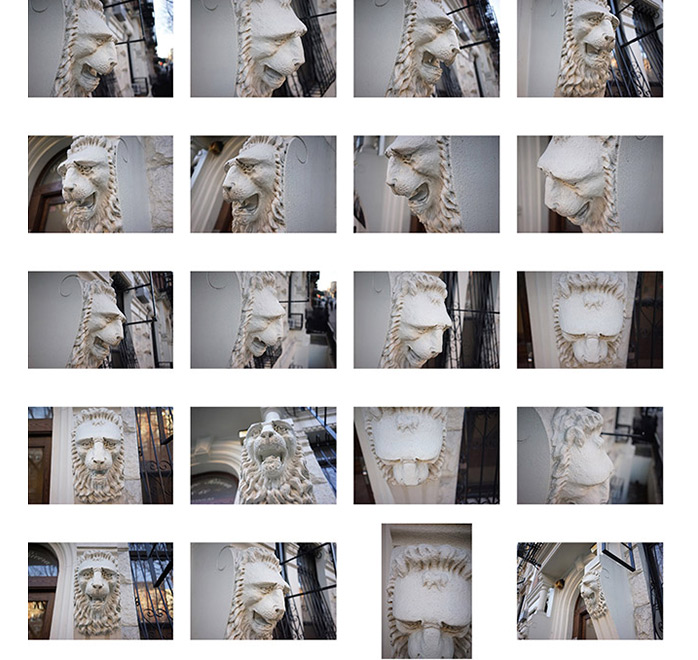
1) Collect a series of photographs to describe the object
2) Generate 3D model in 123D Catch
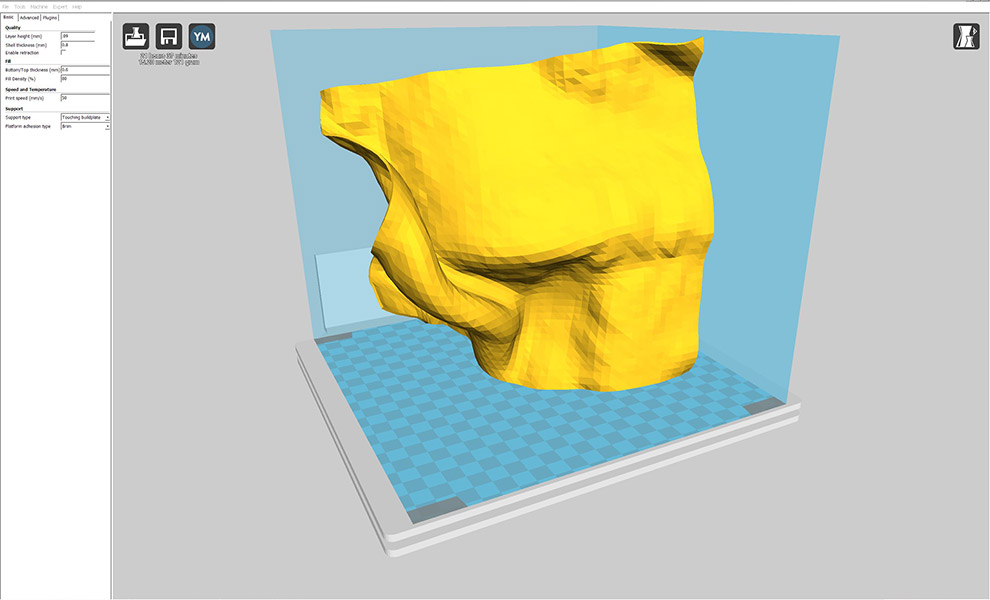
3) Use cloth and wind simulation effects in Maya to deform a plane
4) Bring the deformed mesh into Cura to prepare for 3d printing
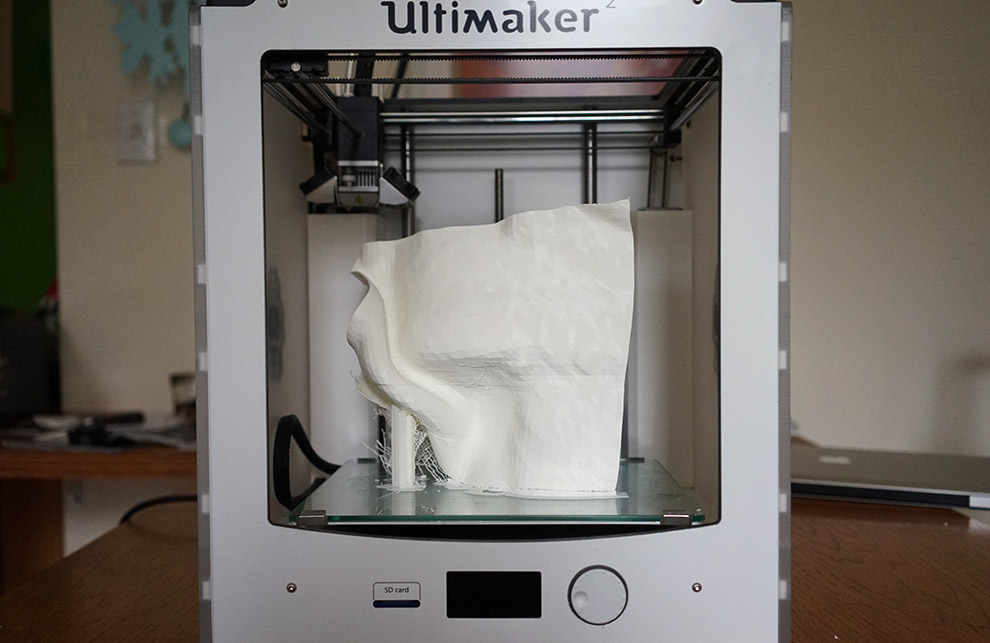
5) 3D Print on an Ultimaker2


01_PHOTOS02_123D-CATCH

03_MAYA04_CURA

05_ULTIMAKER06_EDIT_02

06_EDIT_0306_EDIT_01

20140913 Tags: 3DPrinting, fabrication | No Comments »

3DP Maiden E

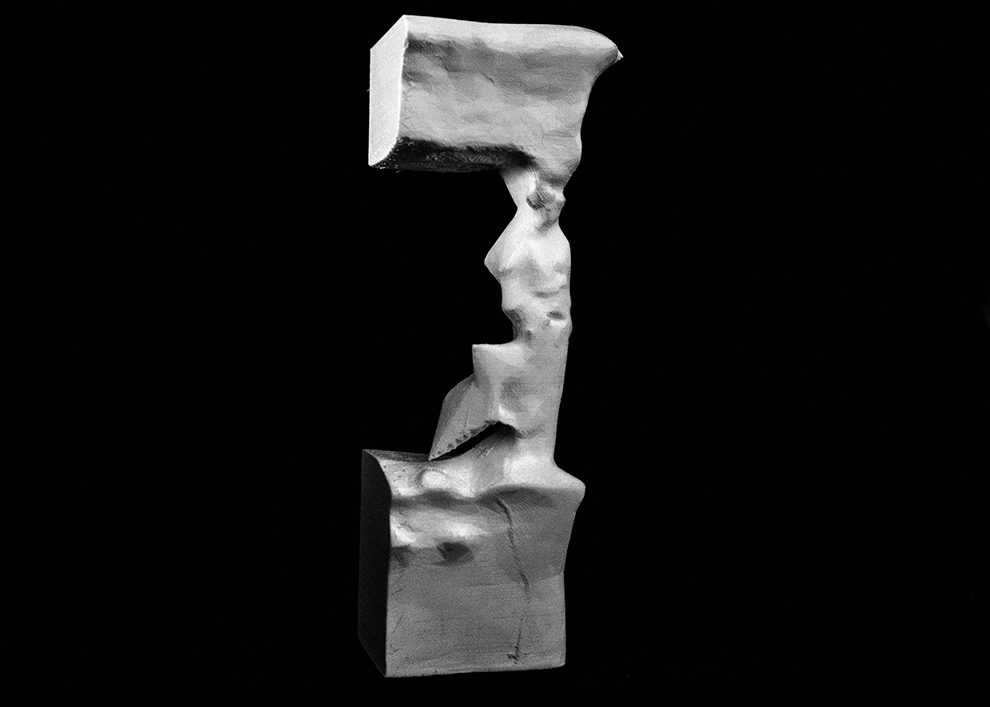
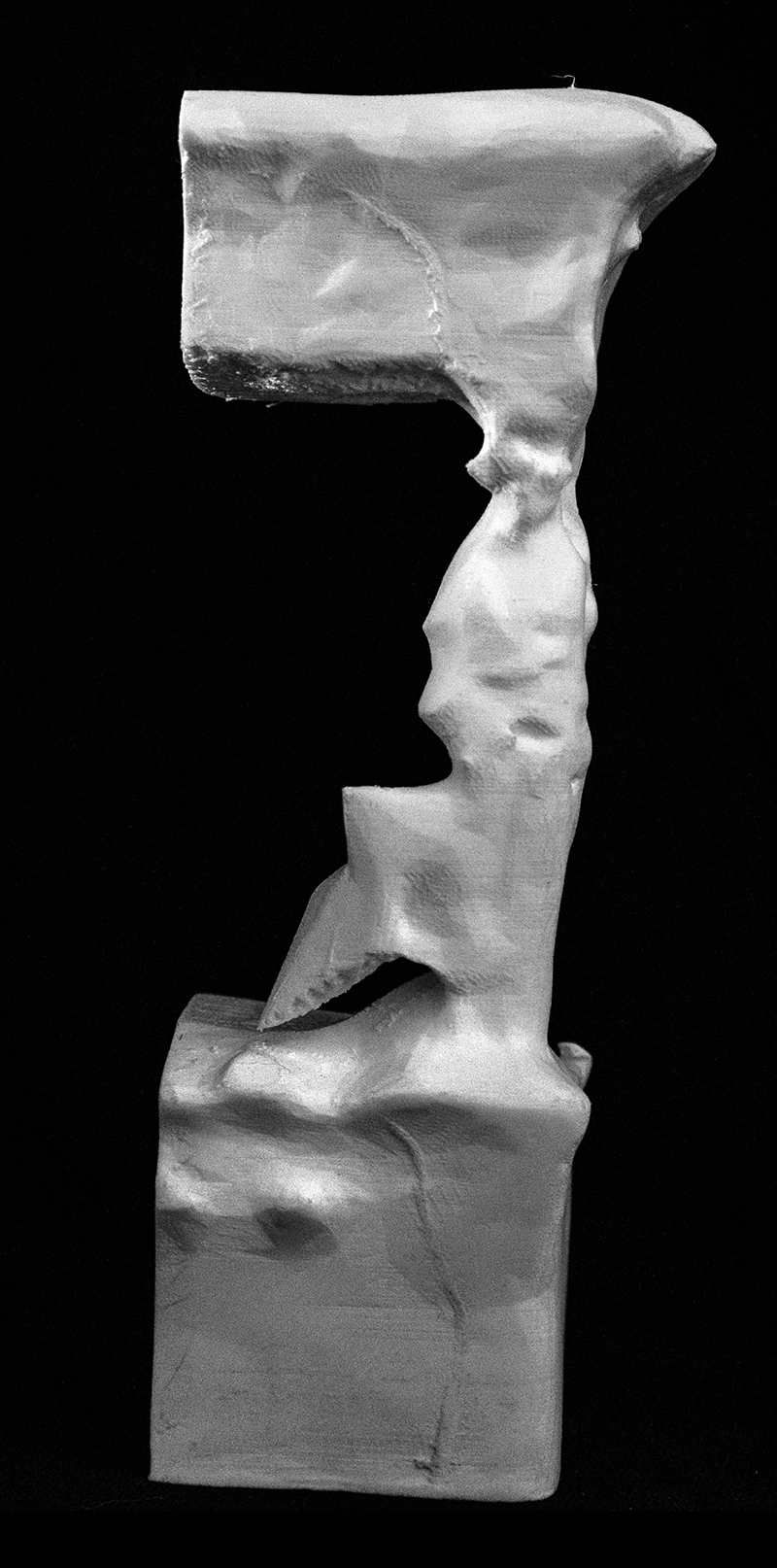
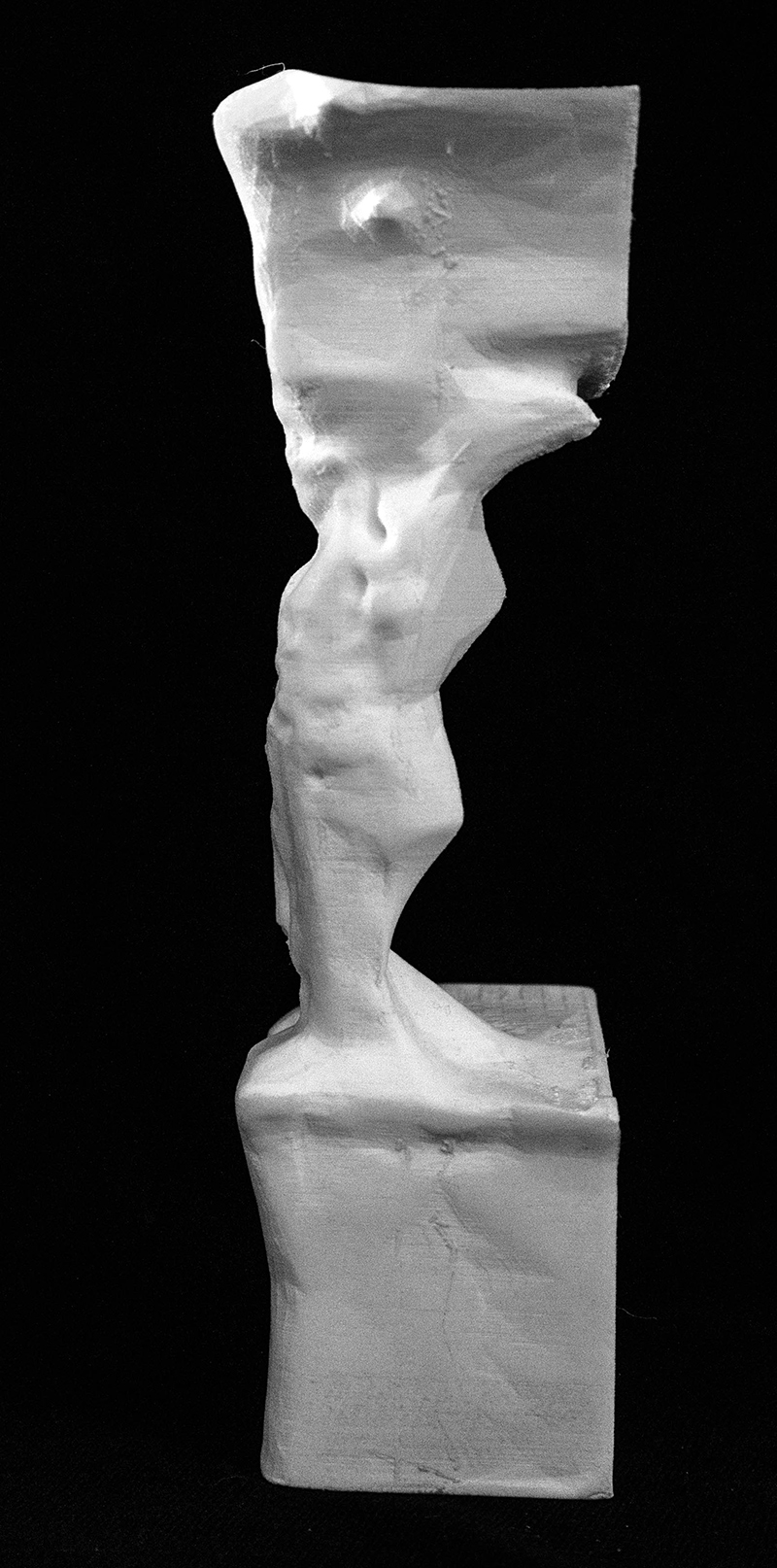
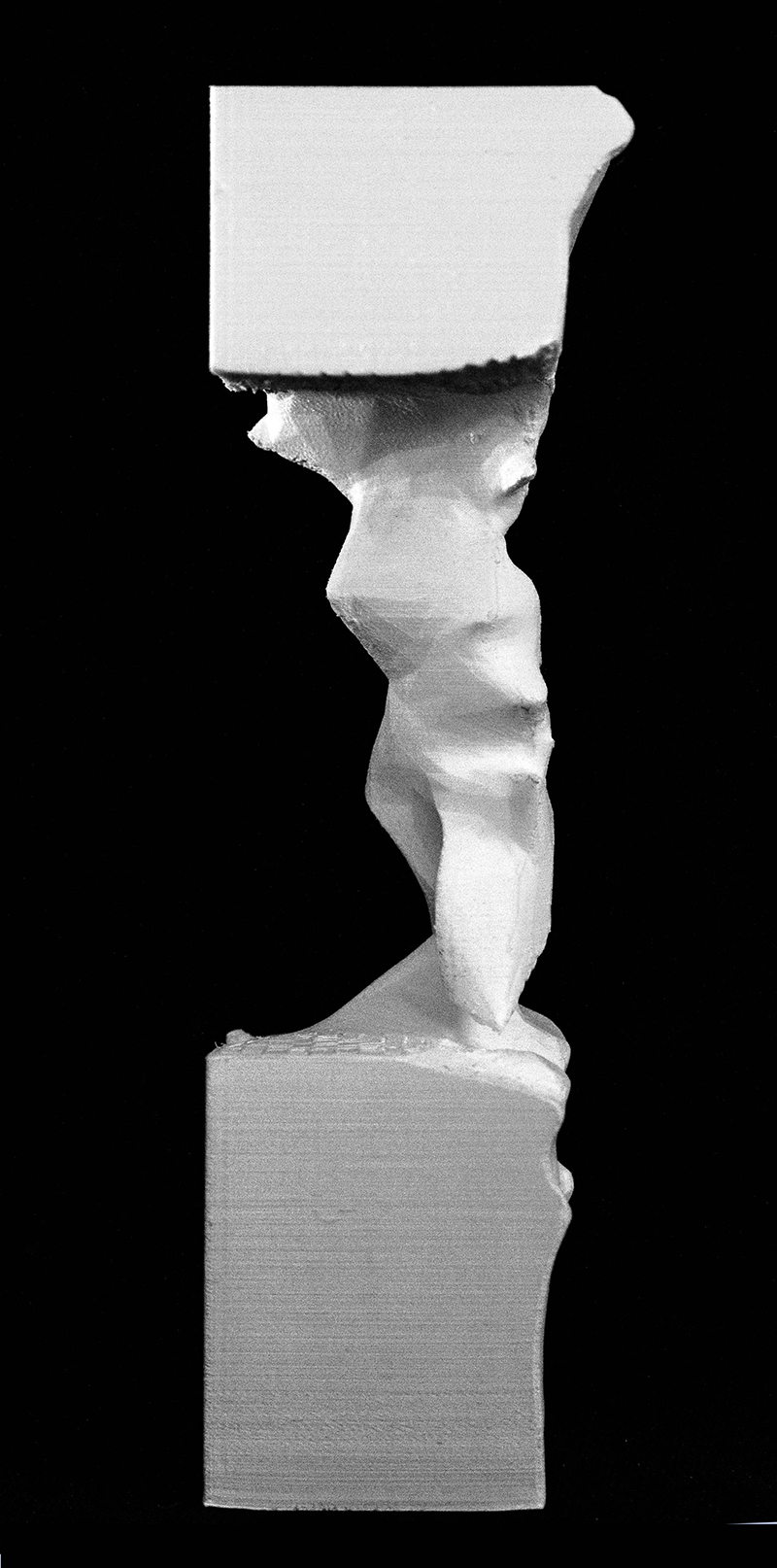
CARYATID-01-web
CARYATID-FRONT-webCARYATID-LFT-webCARYATID-BACK-webCARYATID-RT-web


“should any one wish for information on the origin of those draped matronal figures crowned with a mutulus and cornice, called Caryatides, he will explain it by the following history. Carya, a city of Peloponnesus, joined the Persians in their war against the Greeks. These in return for the treachery, after having freed themselves by a most glorious victory from the intended Persian yoke, unanimously resolved to levy war against the Caryans. Carya was, in consequence, taken and destroyed, its male population extinguished, and its matrons carried into slavery. That these circumstances might be better remembered, and the nature of the triumph perpetuated, the victors represented them draped, and apparently suffering under the burthen with which they were loaded, to expiate the crime of their native city. Thus, in their edifices, did the antient architects, by the use of these statues, hand down to posterity a memorial of the crime of the Caryans.”

Vitruvius (De Architectura)


The six maidens stood unmolested for 2,500 years, until a year into the 19th Century, Lord Elgin of Scotland came to saw and chisel one away, kidnapping her for the purpose of decorating the grounds of his estate. A second was spared a similar abduction only by virtue of suffering extensive damage in the Lord’s clumsy attempt to disentangle her from the stone, eventually ending up smashed amongst the other marble ruins of the Acropolis, before undergoing a haphazard reconstruction. Severely degraded by the Athenian air pollution of the late 1970’s, the five remaining sisters were removed in 1978 and replaced with carefully reconstructed replicas. For the past 3 years, the conservators at the Athens Museum have undergone a round the clock restoration effort to eliminate the centuries of soot and grime. Lasers excise millimeter by millimeter of foreign matter before reaching the original apricot-colored patina of the ancient marble.


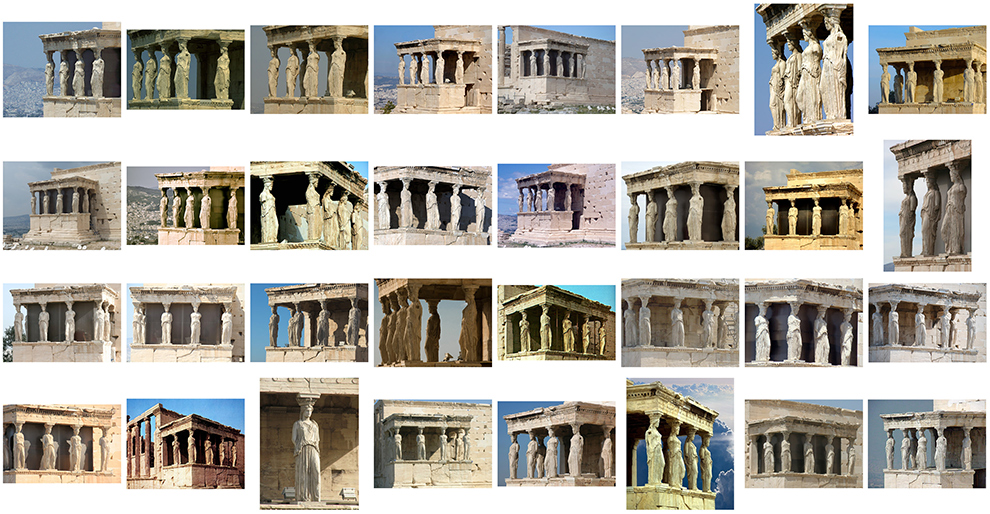
Caryatids are architectural elements, taking the female figure to support a building’s entablature. The six that make up the Caryatid Porch of the Erechtheion on the Acropolis at Athens are the most famous and most widely photographed.


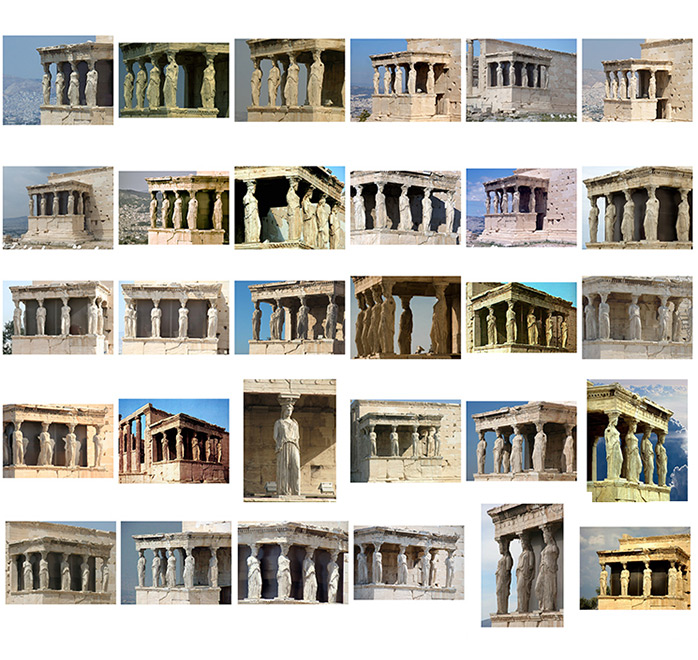
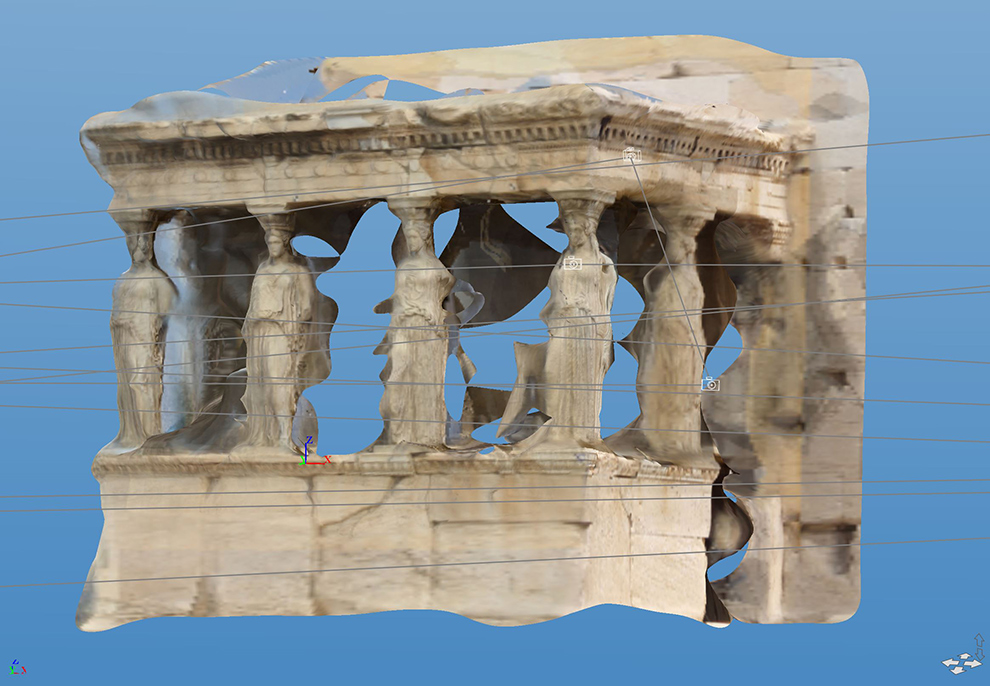
Here, photogrammetry software was used to construct a 3D mesh model of the fifth Caryatid – Maiden E – and 3D printed. Having never had the pleasure to visit Athens myself, the 3D model for this print was generated from images of the Porch of the Erechtheion as found through a Google image search. The GIS photos have all been taken after 1978, and are themselves images of copies – the original sisters having been secured and replaced with ersatz, in-situ replicas. Therefore, this print is in effect a copy of multiple of copies and degradations, both due to time and translation into varied mediums. There has been a translation from original marble to a lesser replicated stone, to a series of flat images, to a software’s algorithmic understanding and reconstruction of 3d depth, and ultimately to a plastic, physical print. Within that gamut of transformations there is ample room for glitches and anomalies to present themselves, however the loss of resolution and additional artifacts only serve to reinforce the confinement and fusion between form and weight.


*3D Printed with an Ultimaker2 Machine


REF-IMGS-web
CATCH-web

2014095 Tags: 3DPrinting, fabrication | No Comments »

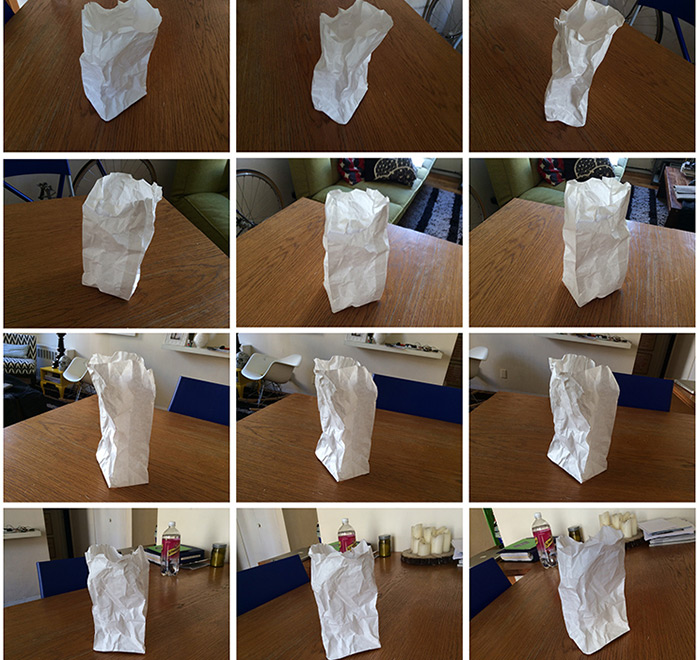
3DP Crumpled Pot

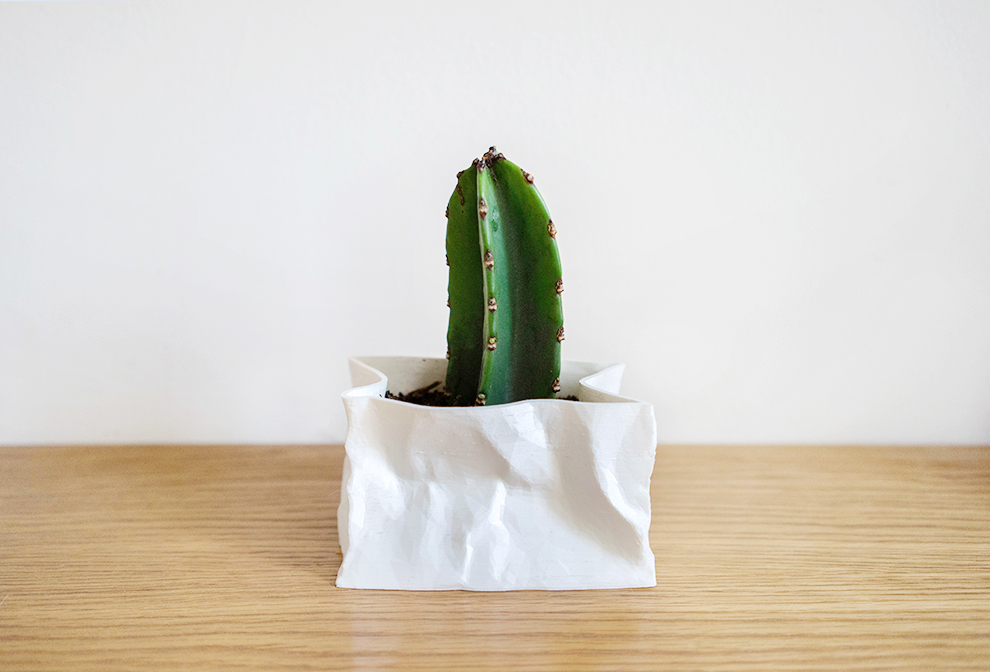
FINAL-web-rev4

01-web02-web

03-web04-web

05-web06-web


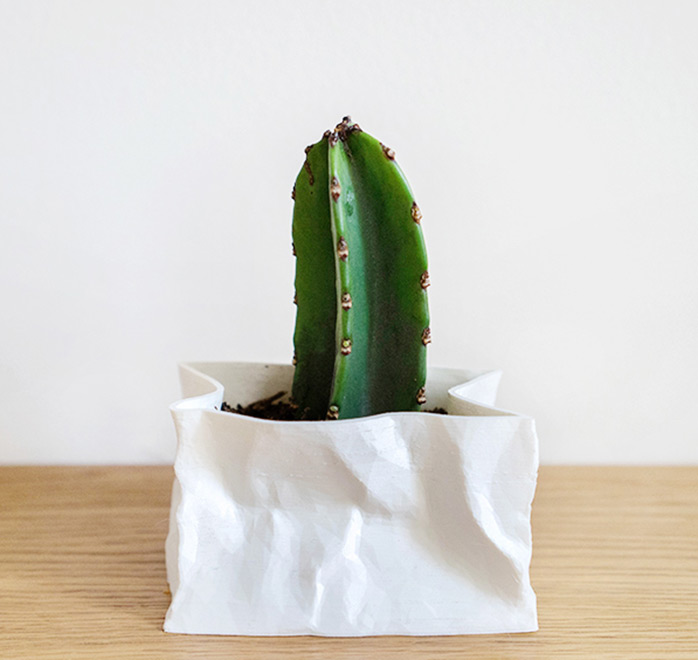
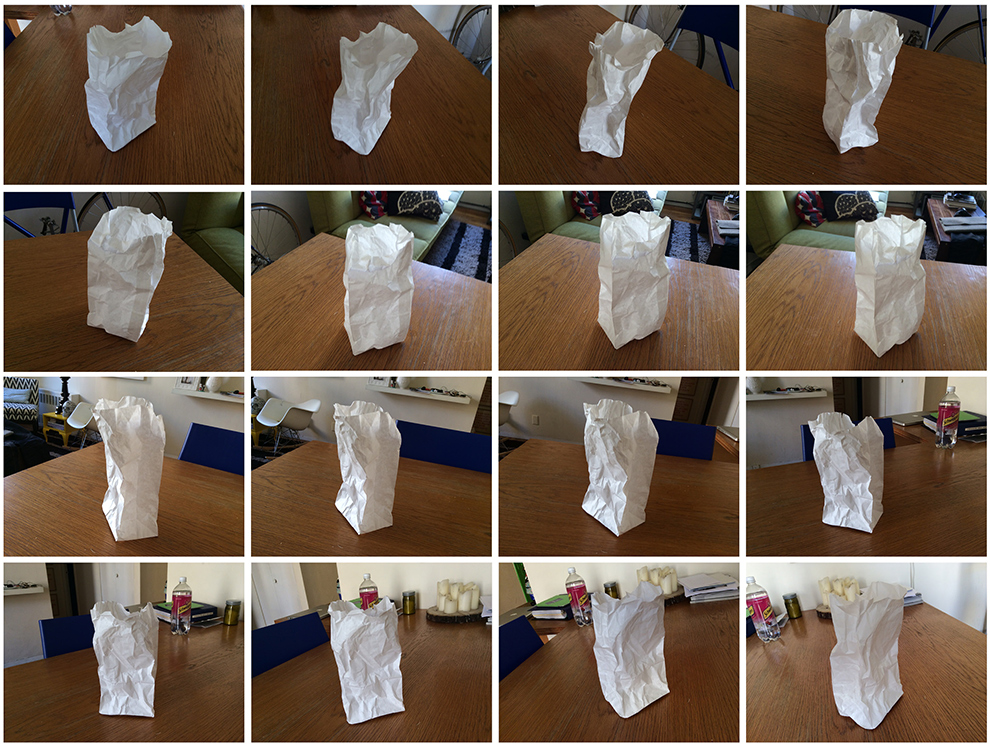
Procedure:
1) Purchase waffle from bakery across the street (optional)
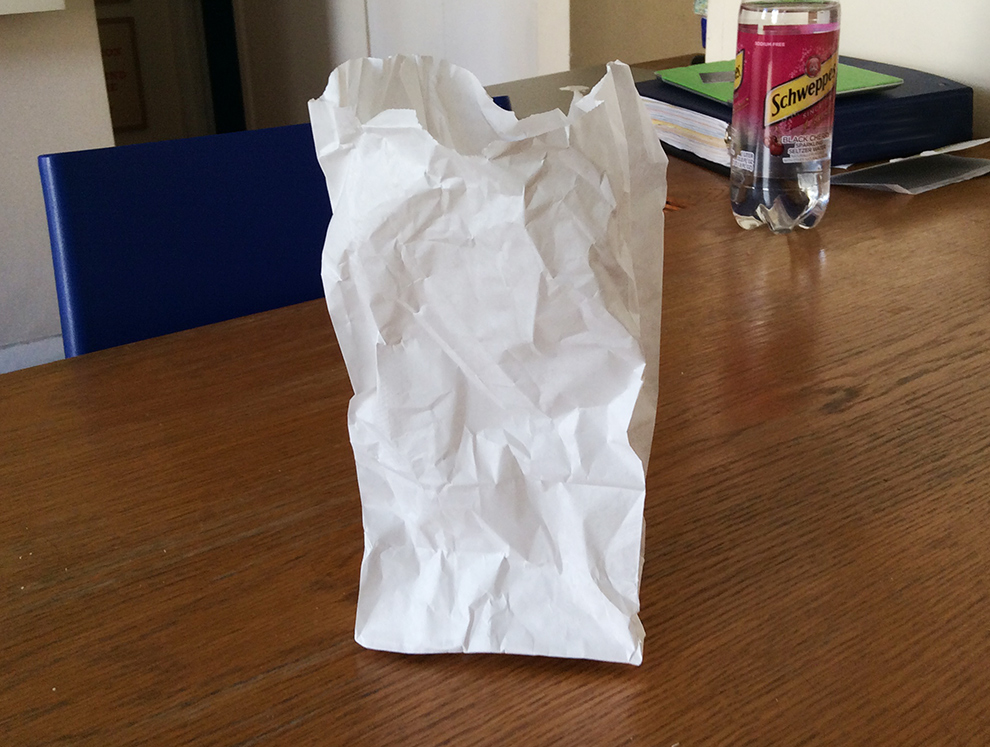
2) Save paper bag
3) Take sequence of images to describe all sides of object (the paper bag)
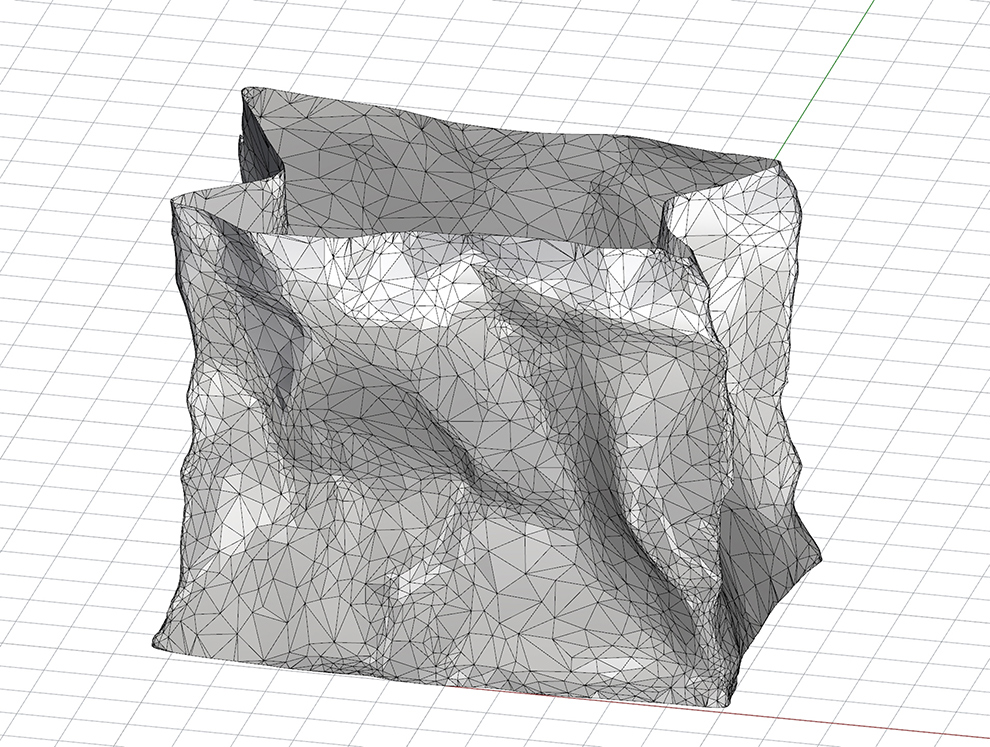
4) Load into Autodesk 123D Catch and create 3D mesh file
5) Export and clean up in Rhino
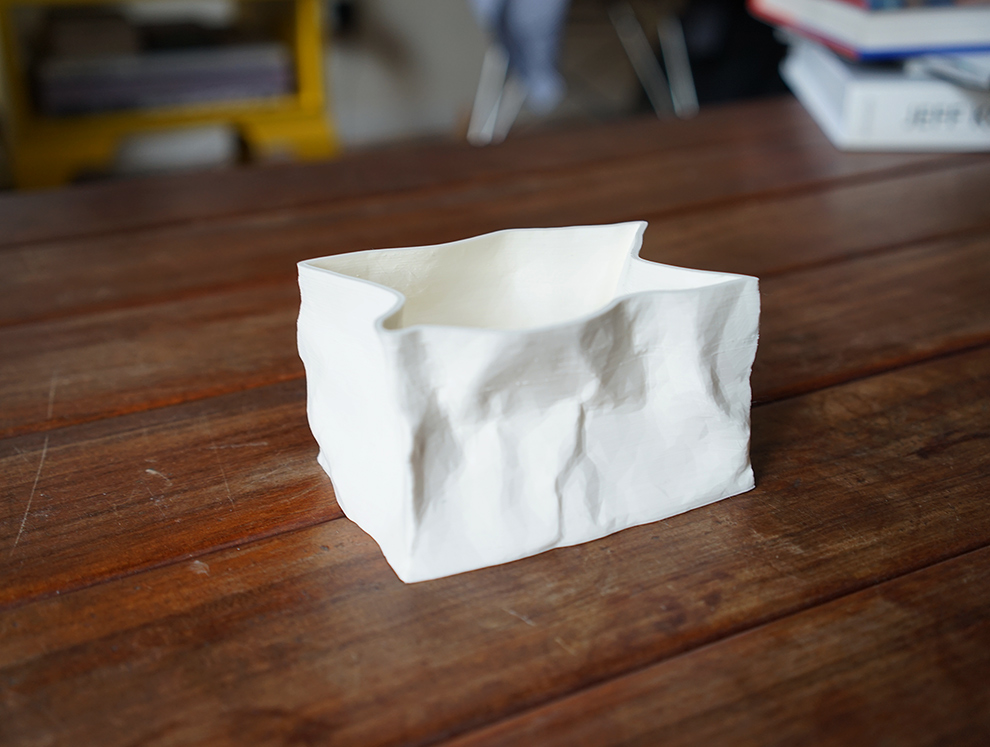
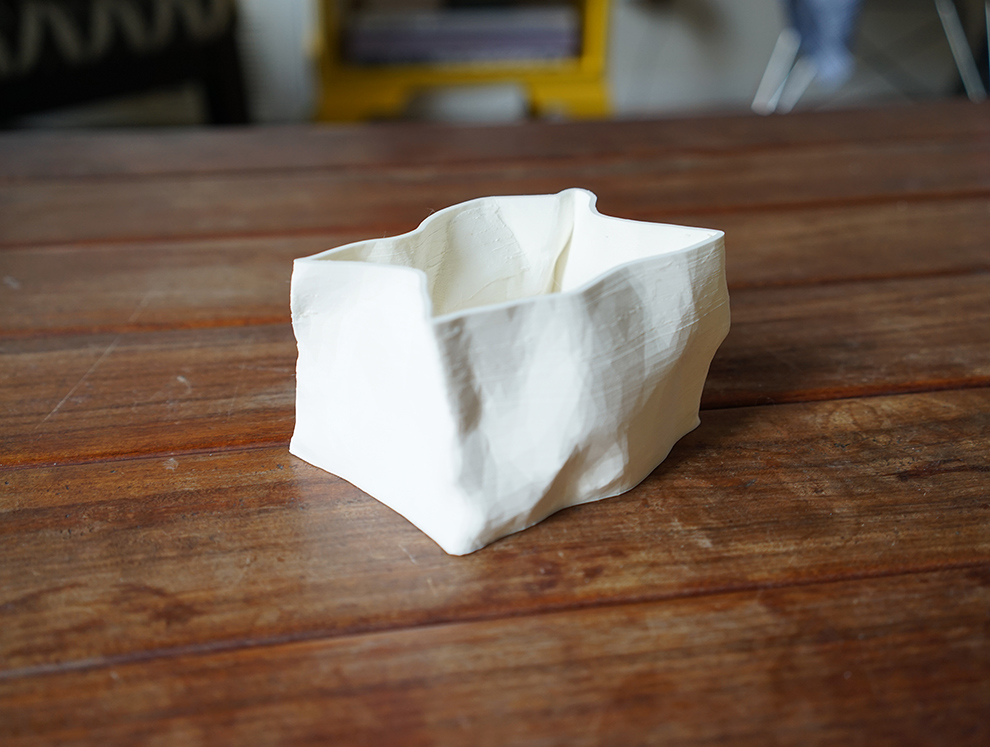
6) 3D Print
7) Welcome cactus to its new home


*3D Printed with an Ultimaker2 Machine

COPYRIGHT © 2011 \ JOHN LOCKE \ ALL RIGHTS RESERVED (RSS)

TOP OF PAGE

last update: 201102:1627