JOHN LOCKE, ARCHITECT

  • Featured Work
  • Design Blog           
  • Photography
  • Graphic Design
  • Dept of Urban Betterment

About

Hello. I live in New York and work at The Living. I hold a graduate degree from Columbia University's GSAPP and an undergraduate architecture degree from the University of Texas at Austin. I have more than seven years of professional experience at noted architecture firms, including New York-based Rogers Marvel Architects and SOM. I also tackle freelance graphic and photography work with my partner in crime, the multi-talented Jackie Caradonio at Lion in Oil. In addition, I teach a course, Hacking the Urban Experience, at Columbia. View my CV here: CV(html). Thanks and have a nice day.

Contact

john.h.locke{at}gmail.com
310.735.3333

Architecture Portfolios

Portfolio 2002-2007 (issuu)
Portfolio 2008-2009 (issuu)

HOME / BLOG

photography

20101026 Tags: photography | No Comments »

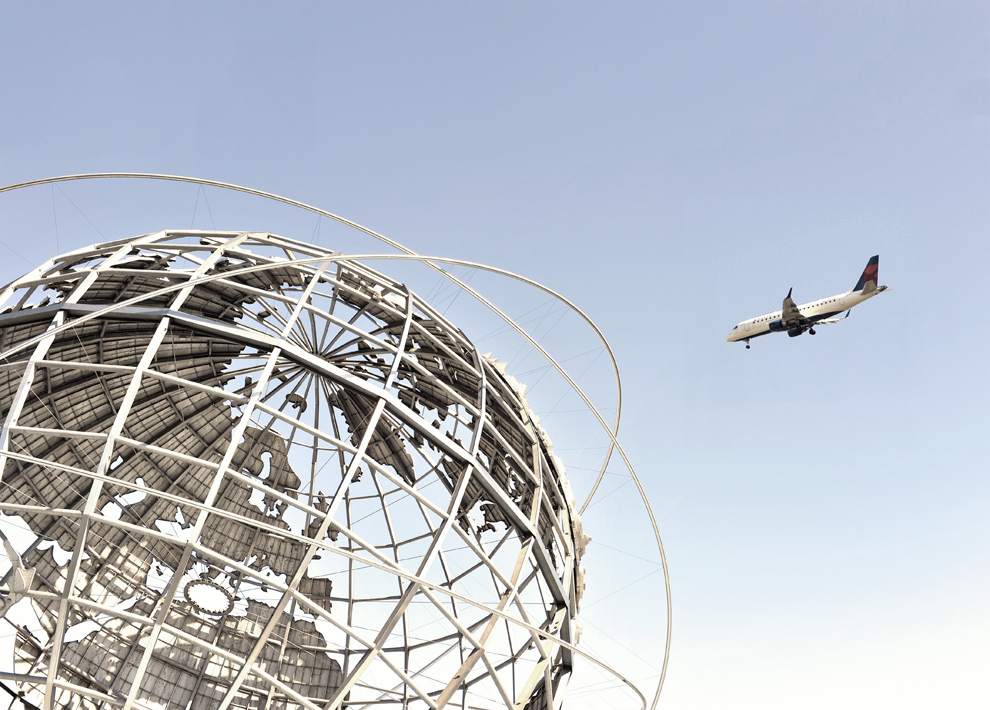
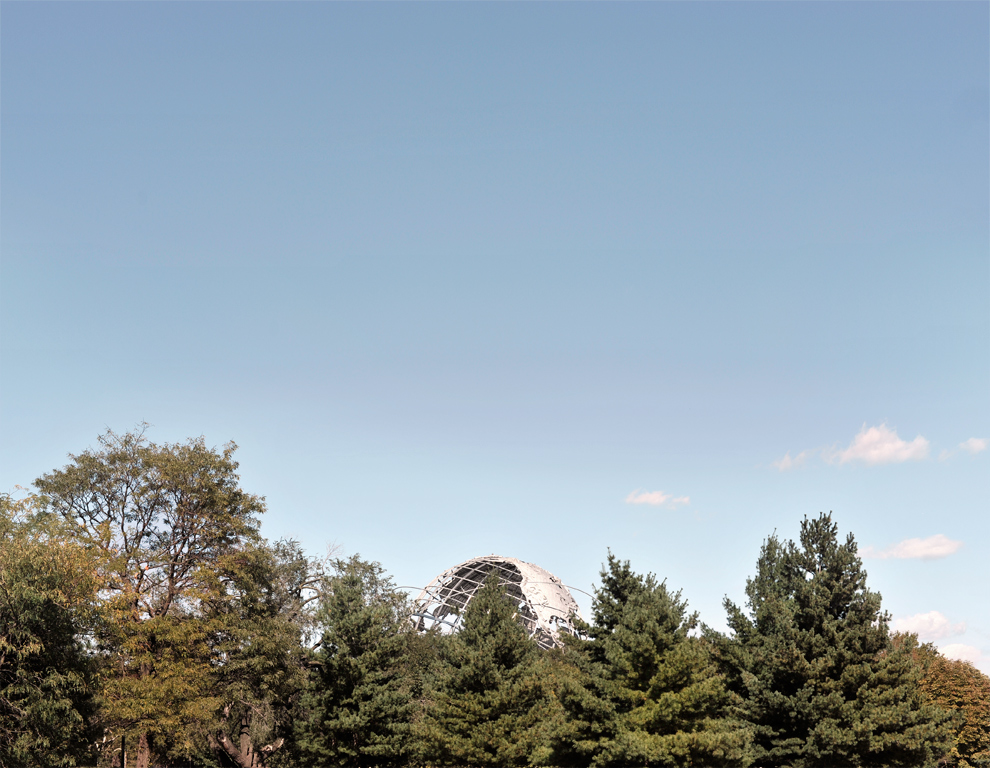
“Man’s Achievements on a Shrinking Globe in an Expanding Universe”

_dsc4591c

flushing_01


One of the consequences of living in a city as massive and historically rich as New York is that it’s easy to feel a little overwhelmed at times. Which is why it’s so nice when once a year Open House New York lifts back the curtain and opens up the inner workings of the city to the curious. At heart New York is a friendly place, and OHNY does a good job expressing that in a frantically popular weekend (so popular that the tour of the in-progress 2nd Avenue subway tunnel filled up near instantaneously) . A thoroughly pleasing free weekend began with a trolley tour of the remaining structures from the 1964 Word’s Fair in Flushing, Queens. Where we found out about Robert Moses’ last folly and that there is such a thing as an urban park ranger, and they are in fact very nice.


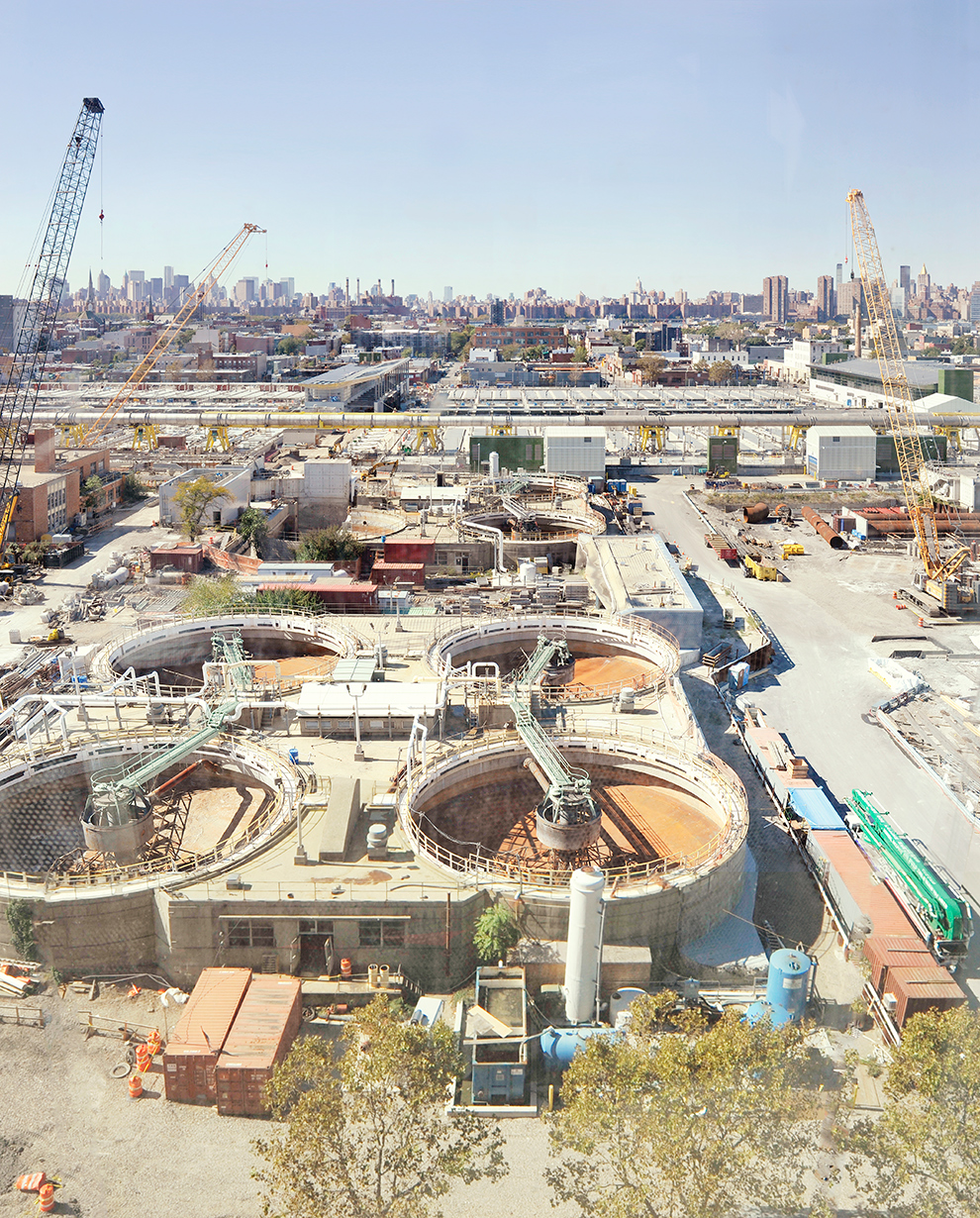
The next stop was a tour of the digester eggs at the Newtown Creek Wastewater Plant in Brooklyn. The iconic cathedral to infrastructure that processes 310 million gallons of wastewater generated by approximately 1 million city residents. Converting solid waste into a sludge mix (a substance which after extensive churning leaves the digesters in what could commonly be compared to the consistency of a hearty marinara sauce – or so we were told), and is then loaded on to a steady stream of sludge boats that head to points north. The view from the silverly bulbous digester eggs (designed by Polshek Partnership) is one of the best in the city, eminently worth the mildly sulfurous price of admission.


The eggs are best described from a 2008 post by the Times:

What goes on inside the digesters is slightly more prosaic, but vital to processing millions of gallons of waste water every day. Sludge, which is removed from sewage, is broken down within the digesters into more stable materials: water, carbon dioxide, methane gas and digested sludge, which can be formed into dry cakes and then, after additional processing, used as fertilizer. The shape of the egg helps concentrate grit in the bottom of the tank and gas concentrations at the top. Each egg holds three million gallons of sludge. Four began operating May 23. The rest should be in service by the end of the year.


Our last trip was a historic walking tour of the lower Manhattan waterfront, which was surprising and mildly disappointing in that it was neither historic nor even all that interesting. Lessons learned for the next year.


newtown_creek1

From the top of the southern digester egg

 
2010091 Tags: photography | No Comments »

the fix

obama1
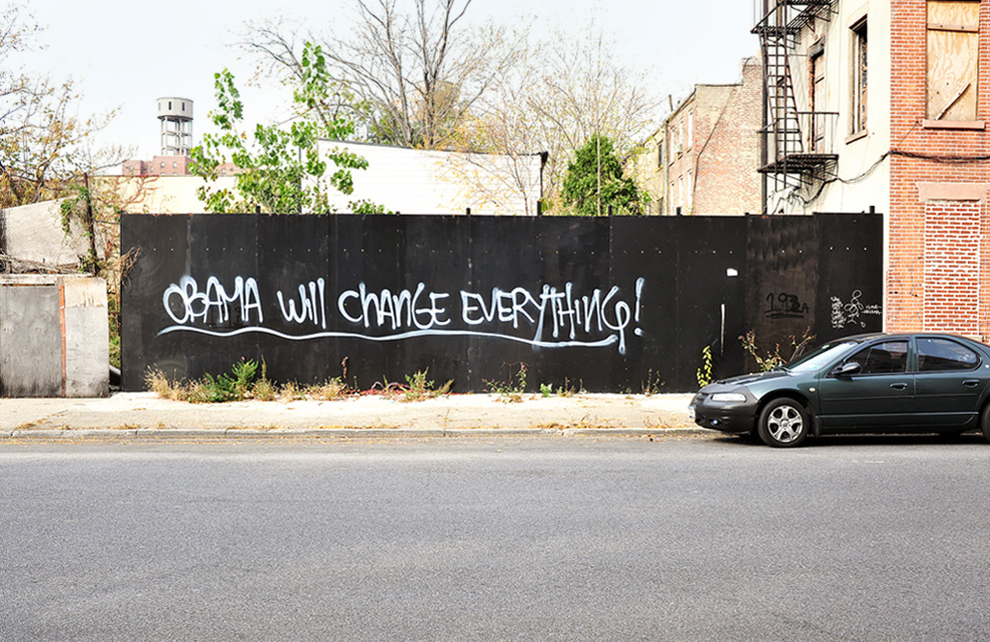
I took this November 5th, 2008 in Borough Park, Brooklyn. Featured in the Designing Obama book.


The question becomes, what did we really expect? The explosive euphoria that greeted the election results less than two years ago has been replaced by the slow burn of disappointment, culminating in our current predicament, a time when the worst are now full of passionate intensity. Two years ago the prospect of Obama’s election, passage of healthcare reform, and the ostensible cessation of combat in Iraq would all seem to be legitimately good things for the country. So what gives? Why is there now the lingering sense of failure, the sneaking sensation that things are still broken in a way that can’t be ceremoniously repaired? Is it that wars that begin with a shock demand a suitably definitive conclusion? Or has the concept of what is good and bad become as malleable as the truth. Truth that is now divorced from reality, forever an unattainable subjective concept always just out of reach. When objectivity becomes nonexistent, unarmed truth is just another thing to debate. A culture’s values are constantly in flux, that’s nothing new, but what happens when a pluralistic society becomes so fractured it can no longer decide on just what its shared values really are anymore, good and bad are interchangeable while two competing truths can hold equal validity in common discourse. Interesting times ahead.

2010078 Tags: photography | 1 Comment »

speeding through and sitting still

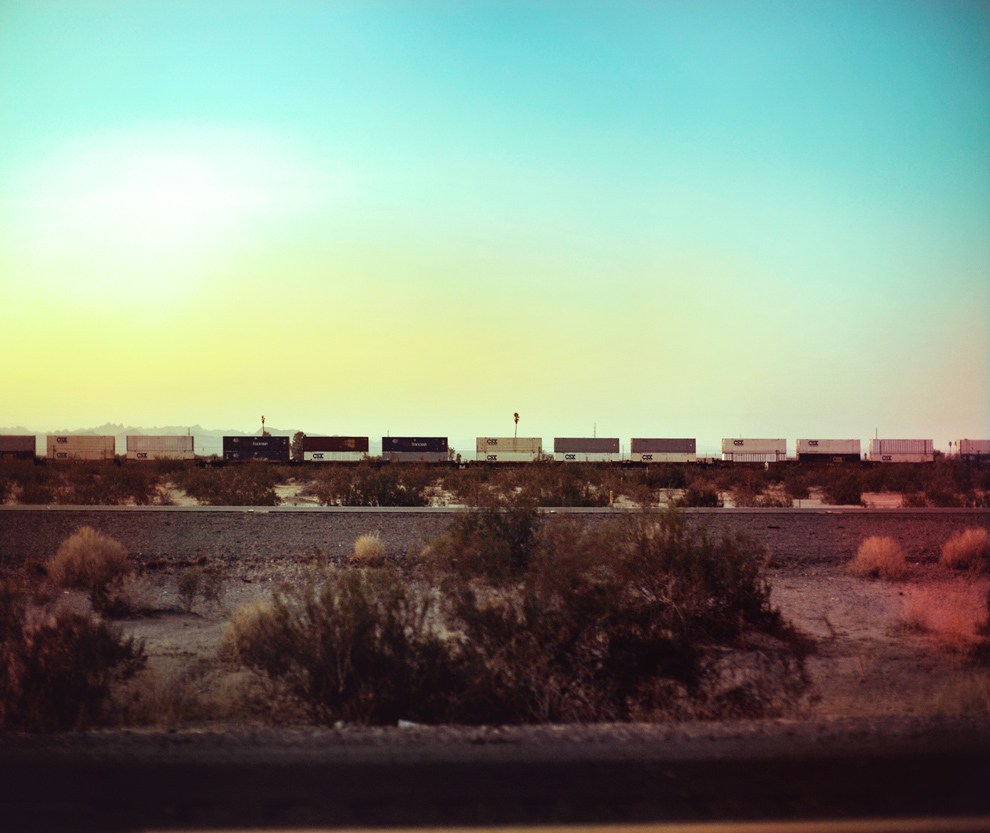
_highway
Arizona


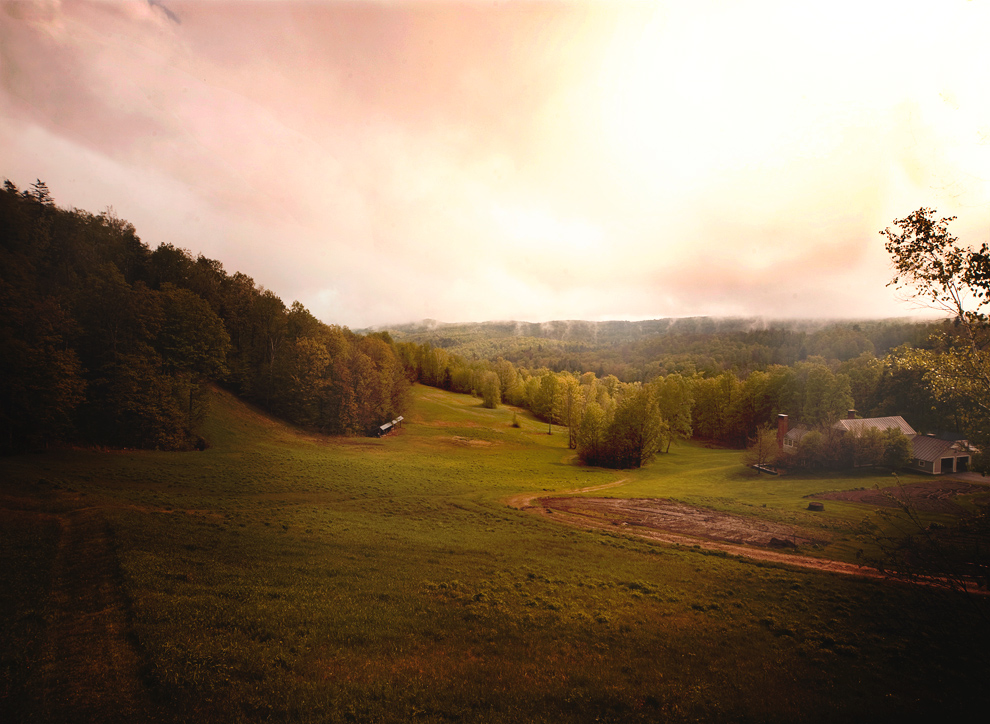
_hills
Vermont


These have been living on my desktop for way too long.

20100430 Tags: gsapp, kinne, photography, research, writing | No Comments »

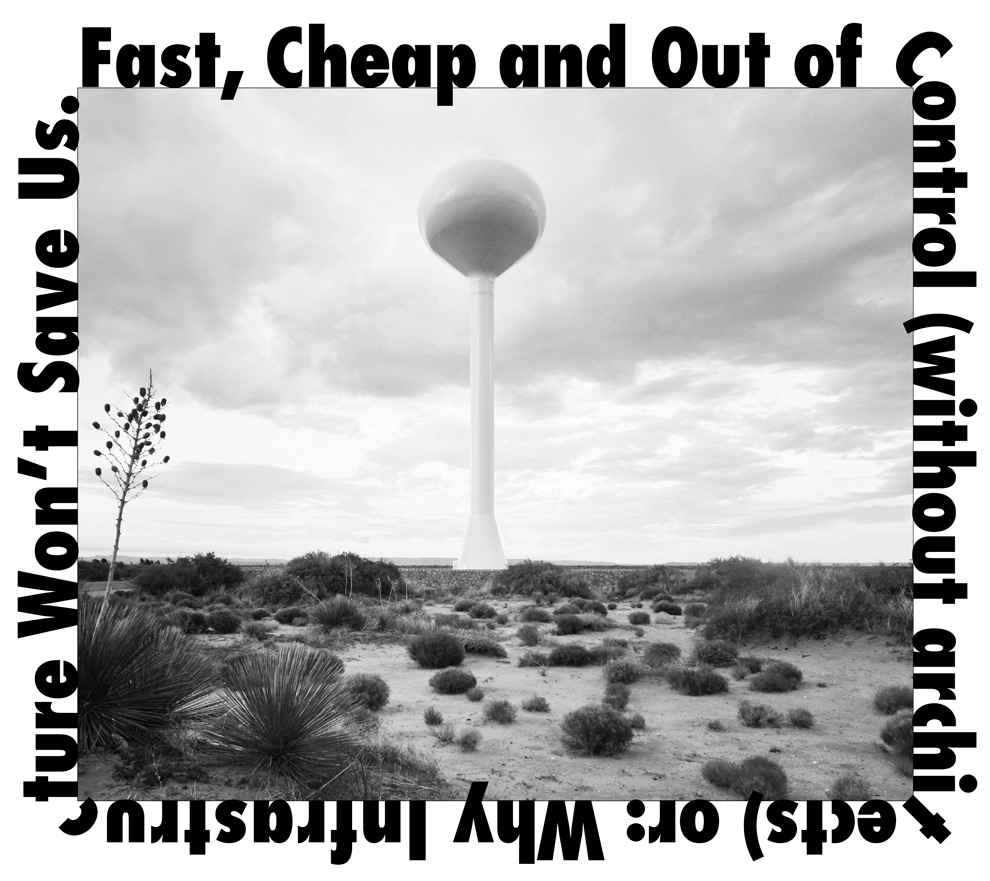
fast, cheap and out of control (without architects), or: why infrastructure won’t save us

titlepage1


view google map


My final submission for the Kinne Research Fellowship at Columbia. Keep in mind this is the first part through the American Southwest and Northern Mexico from late last summer (!), the second session in Mexico City is still looming on the horizon.


Fast, Cheap and Out of Control is research through observation: structures, installations, natural landforms, urban growth and manipulated landscapes constructed in the blank slate of the Southwest Desert. A place where time stretches from Planck’s constant – used to record the chain reactions that produce an atomic detonation – to Robert Smithson brushing up against the infinite on the Great Salt Flats, all of which is tested and implemented under the powerful spell of the Western landscape – a strange entity mixed in with notions of nation and empire, bravery and myth, history and fiction.


The result of a six-week exploration in the form of a road trip lies before you in an ambling, somewhat desultory first-hand narration of a nomadic journey across the desert’s offensively vast spaces. Situated between the region’s fragmented vignettes of activity, I attempt to resolve the disparate nature of the desert’s strange, isolated events into a coherent narrative.


See the edited book above, or browse some of the original posts/chapters below:

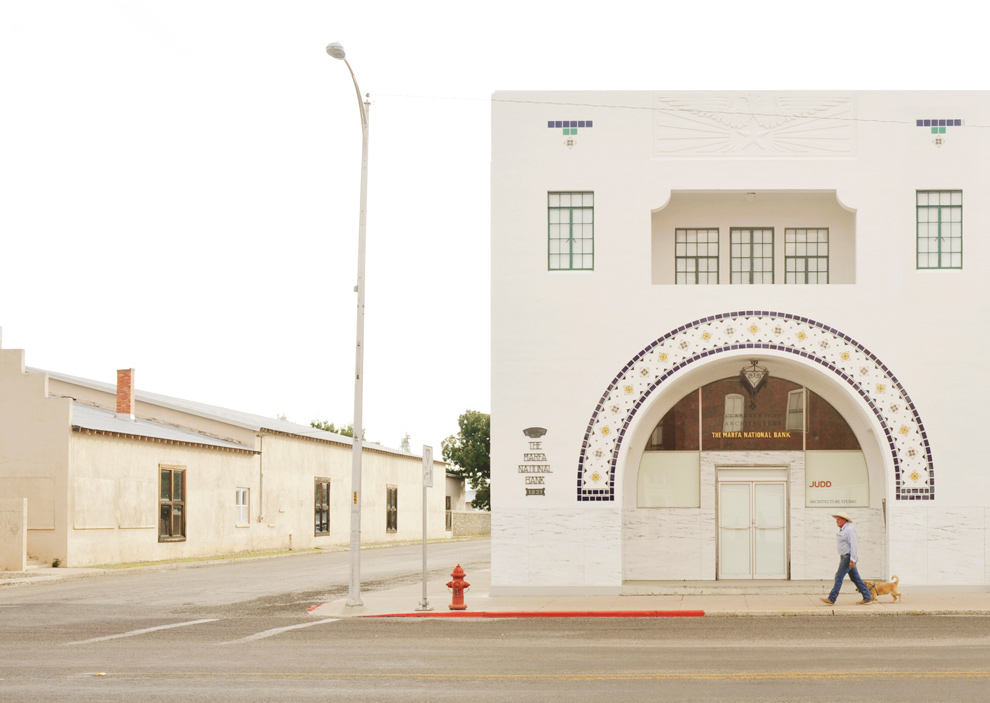
Donald Judd and the myth of Marfa
Peace through deterrence in the underground titan missile silo
Improvisation at Arcosanti
The hyper fictional landscape of Tijuana
Ballard and the Spiral Jetty
The border wall that no one wanted
De Maria’s Lightning Field and Tourism
Water rights and development in the El Paso Colonias

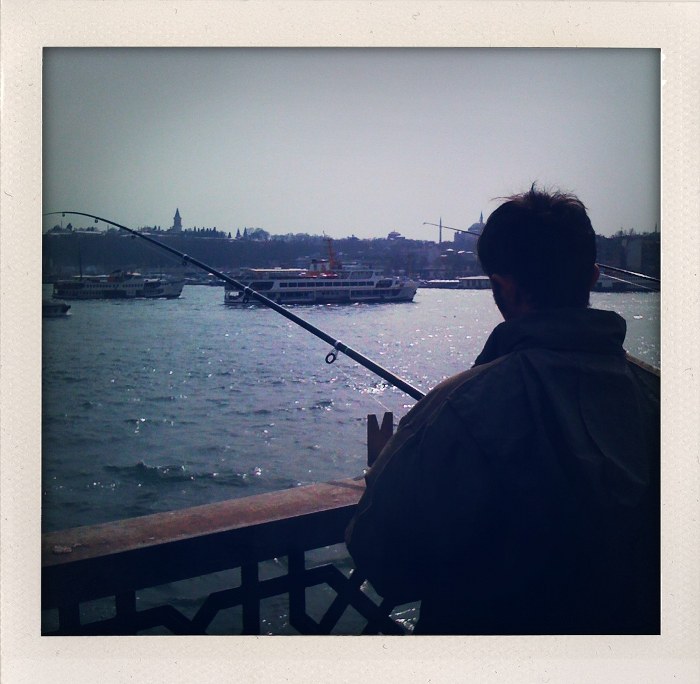
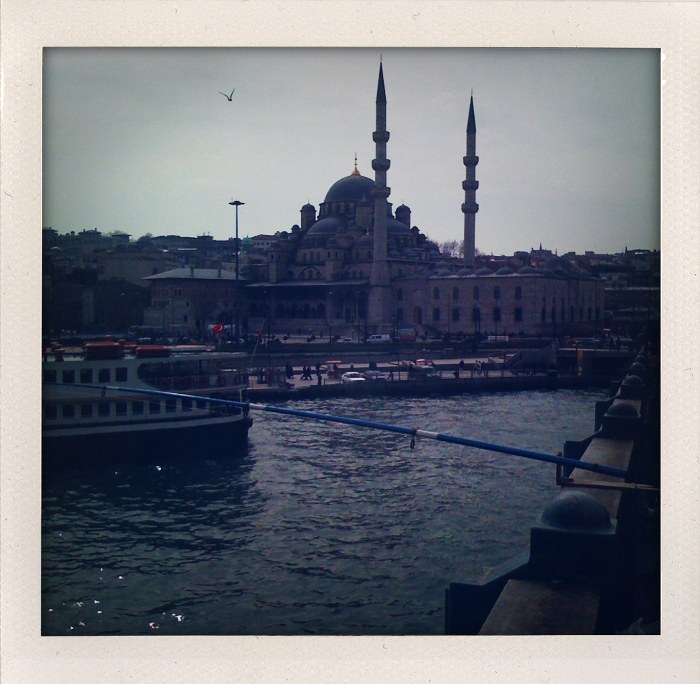
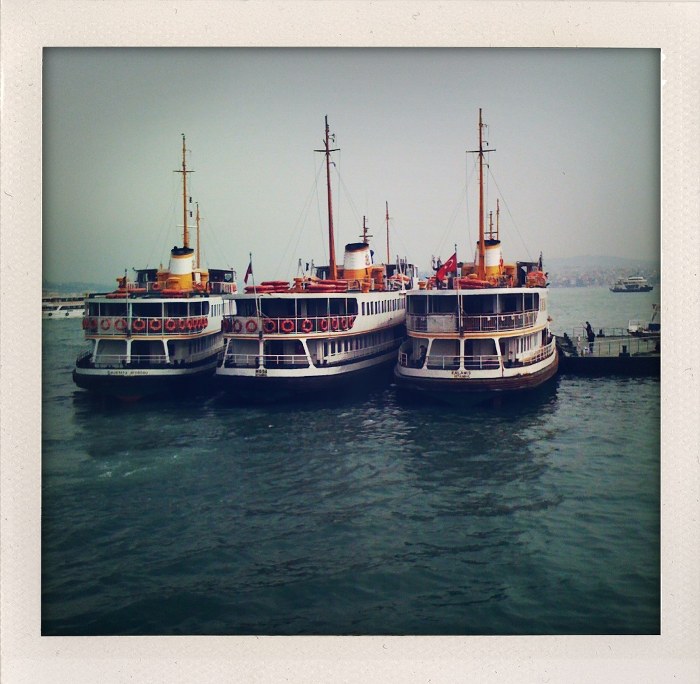
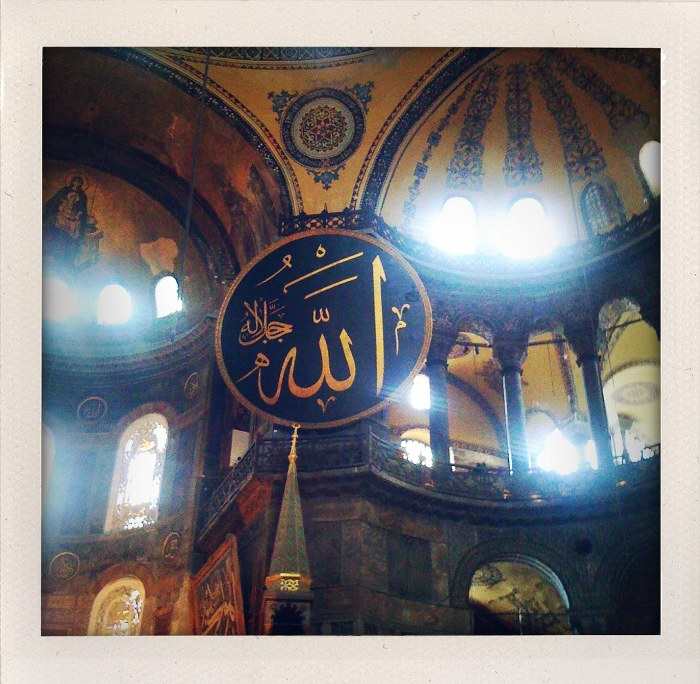
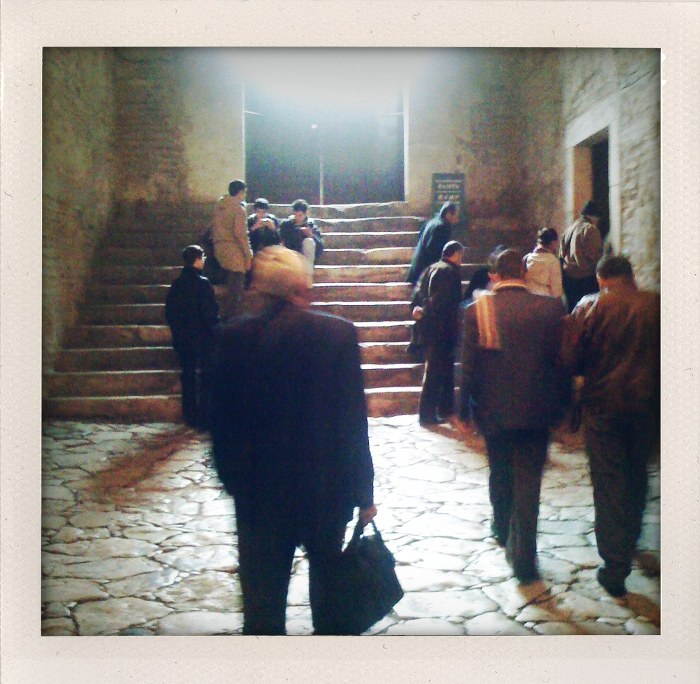
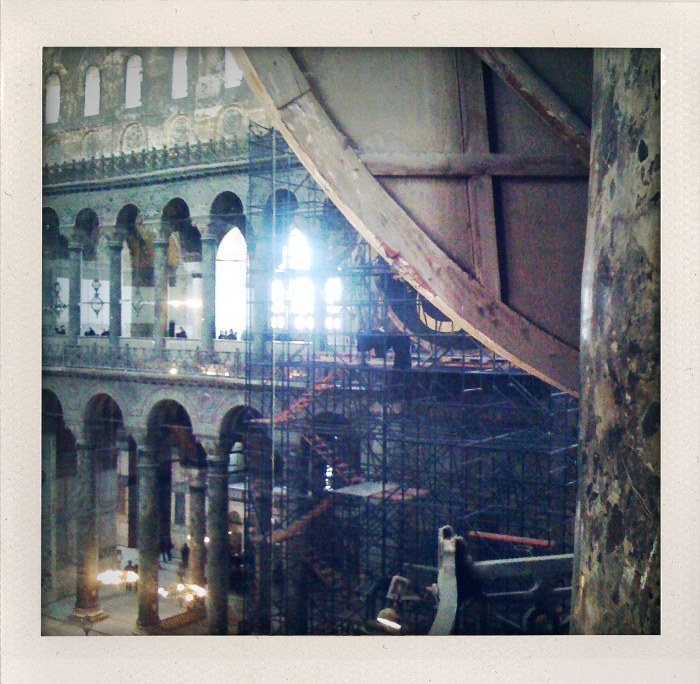
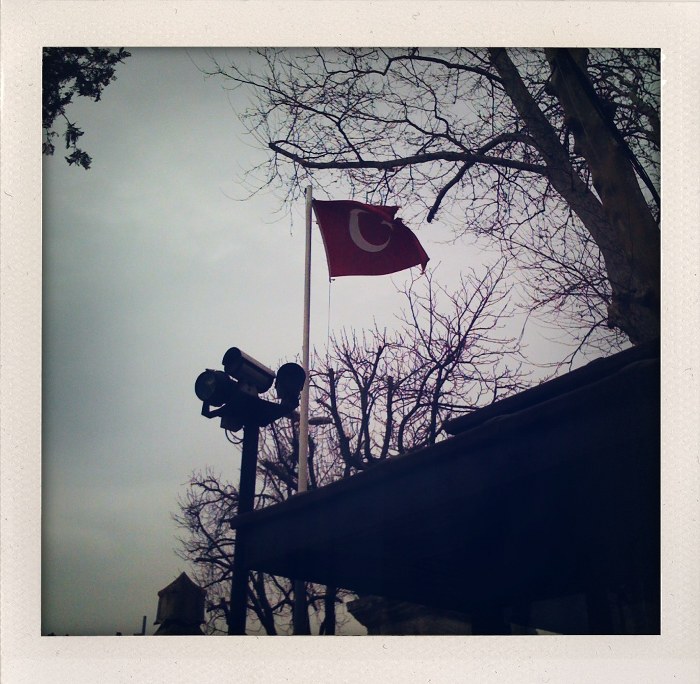
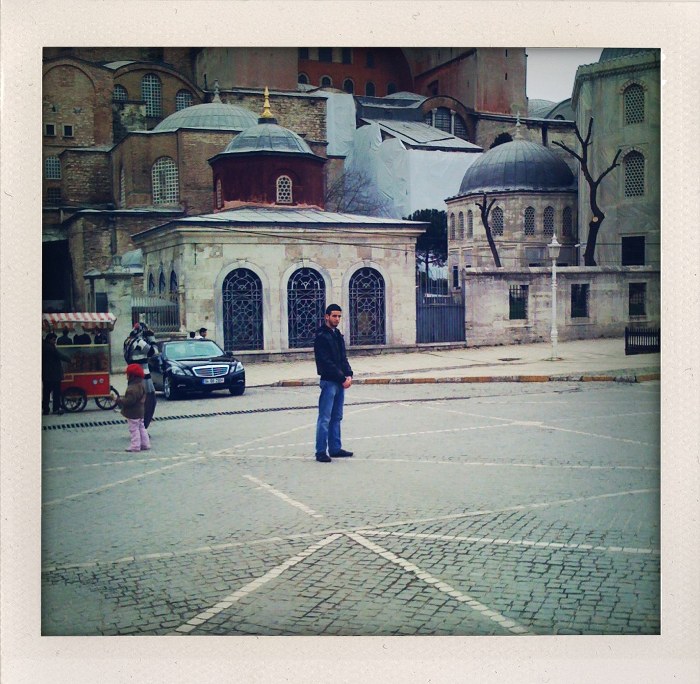
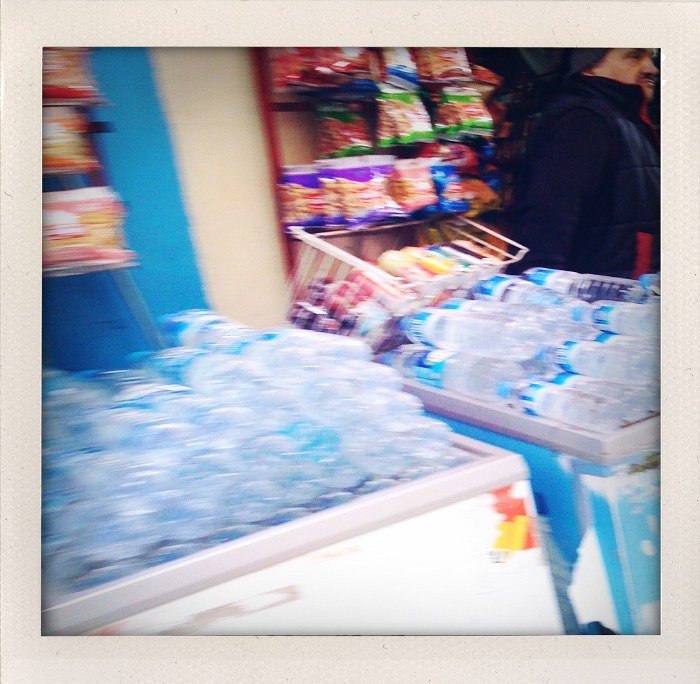
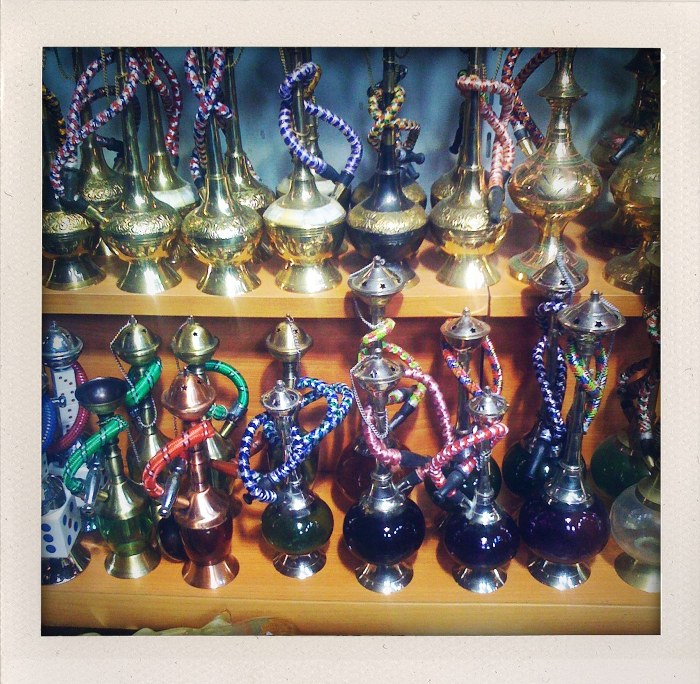
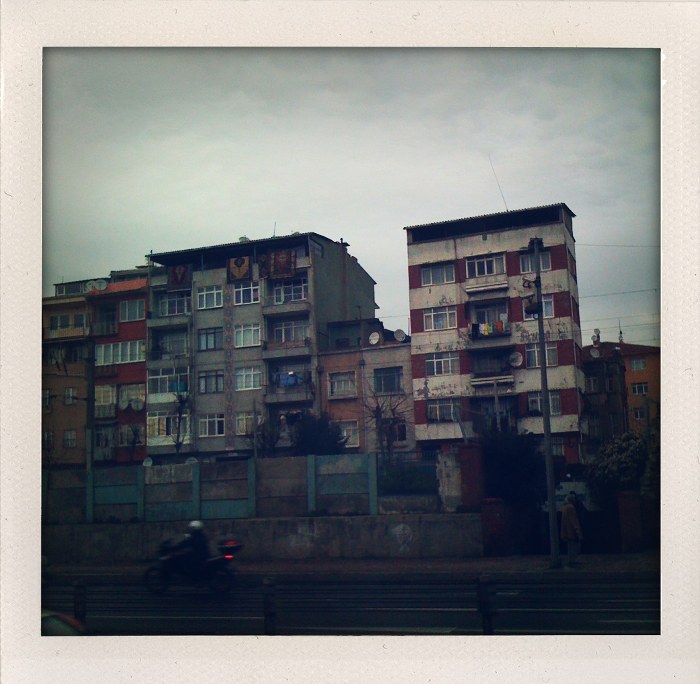
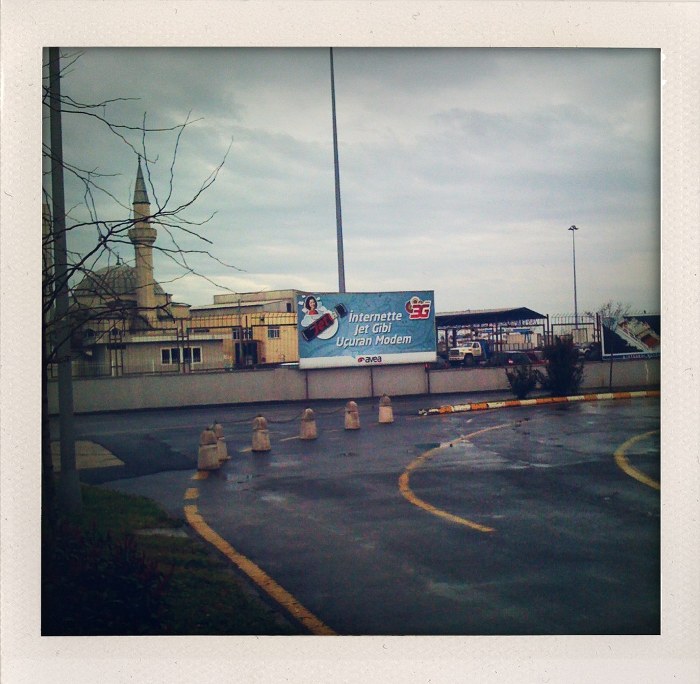
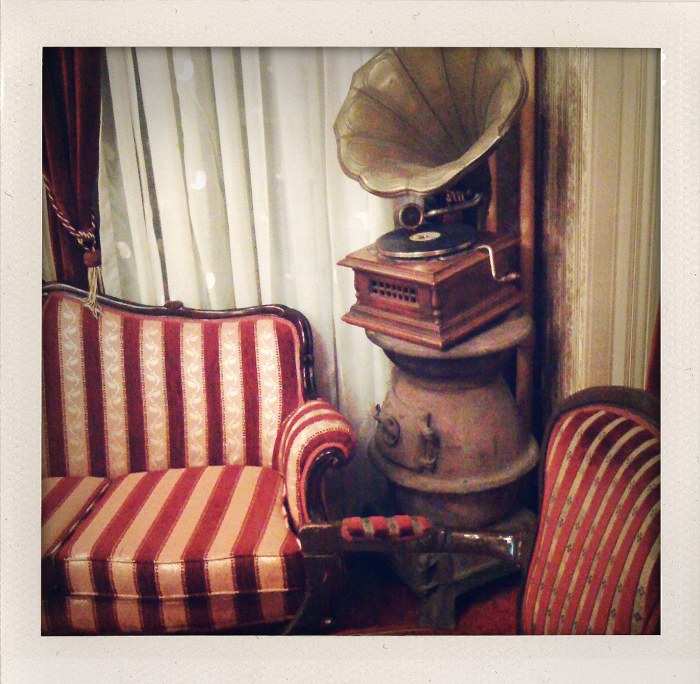
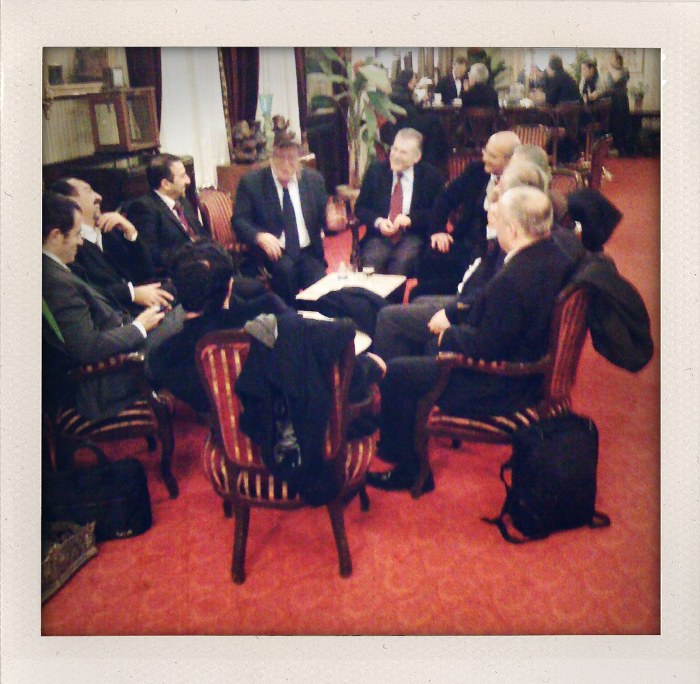
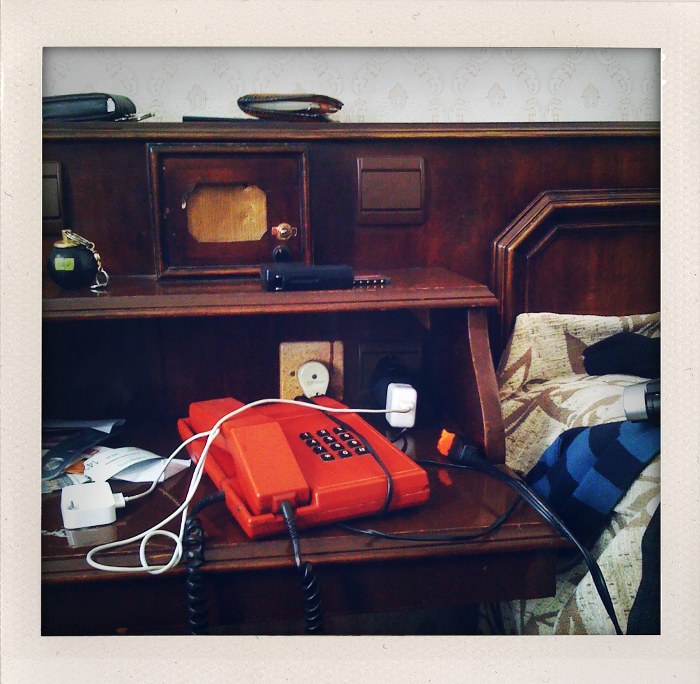
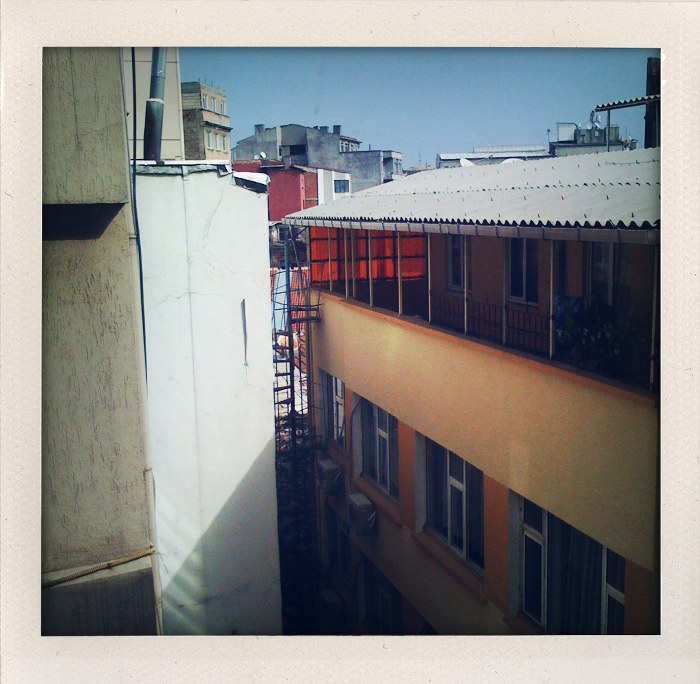
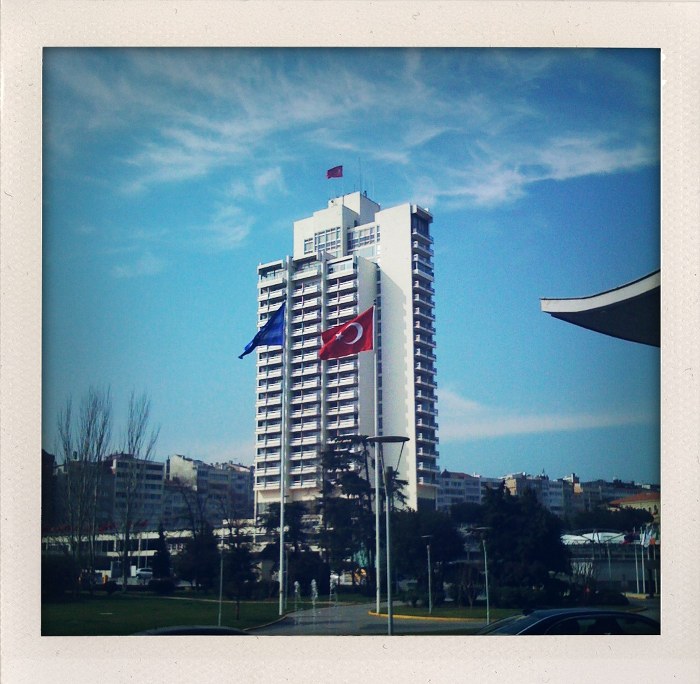
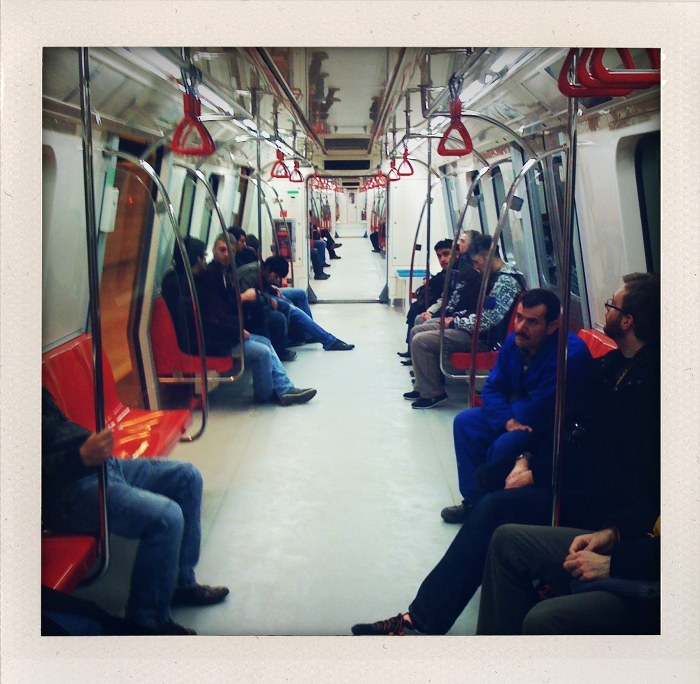
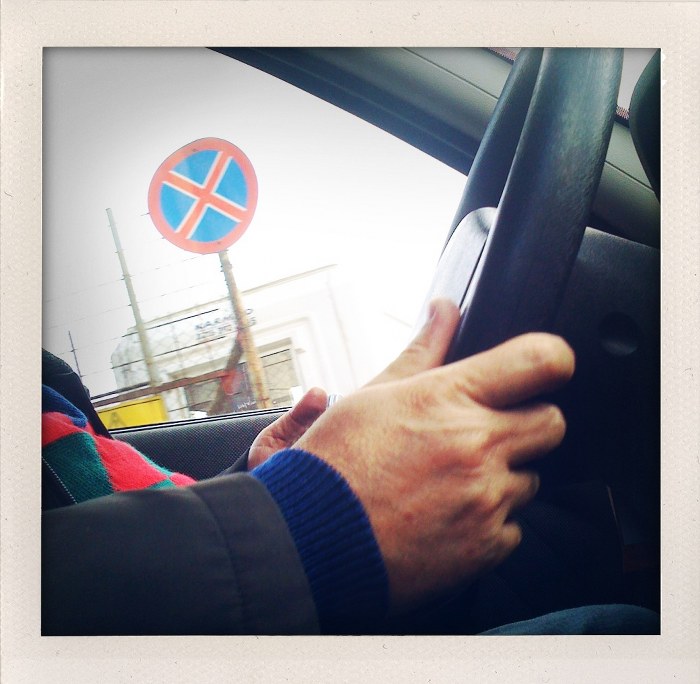
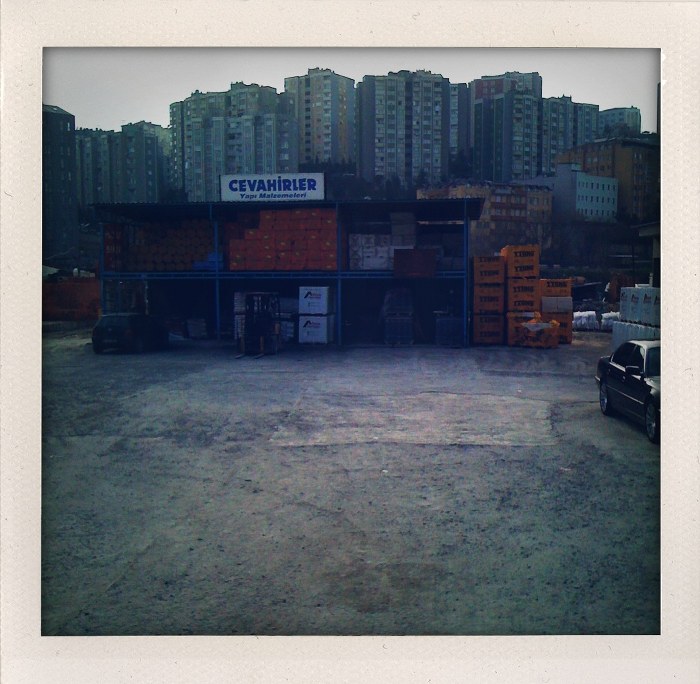
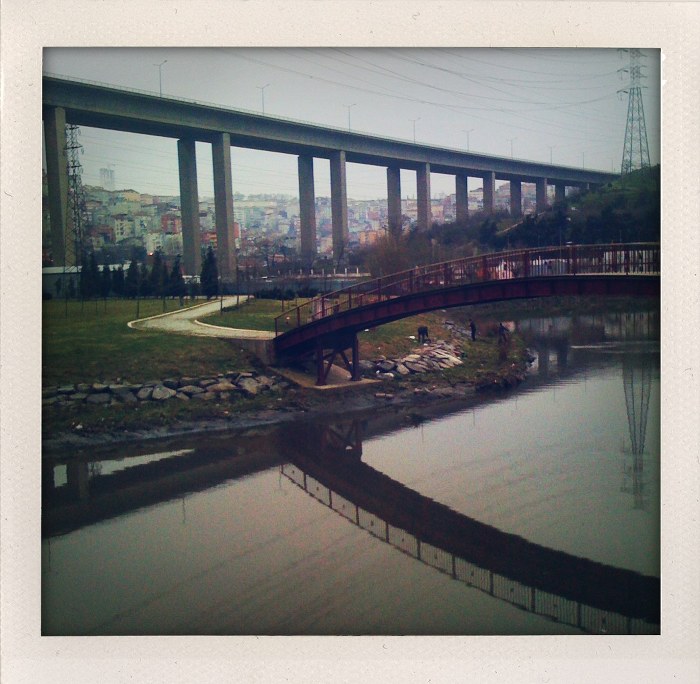
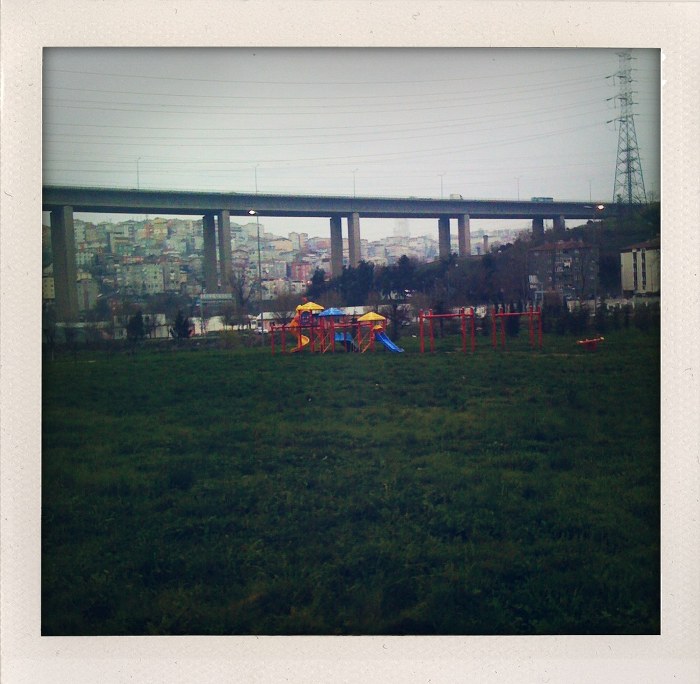
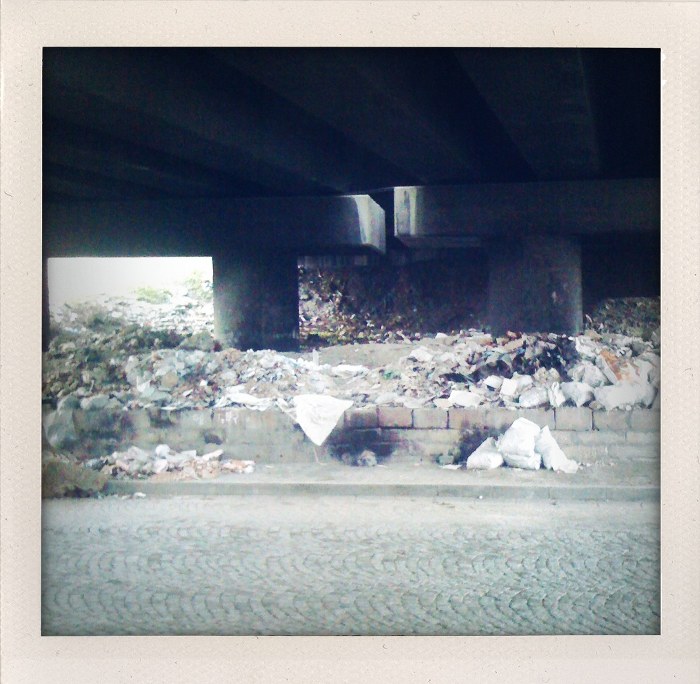
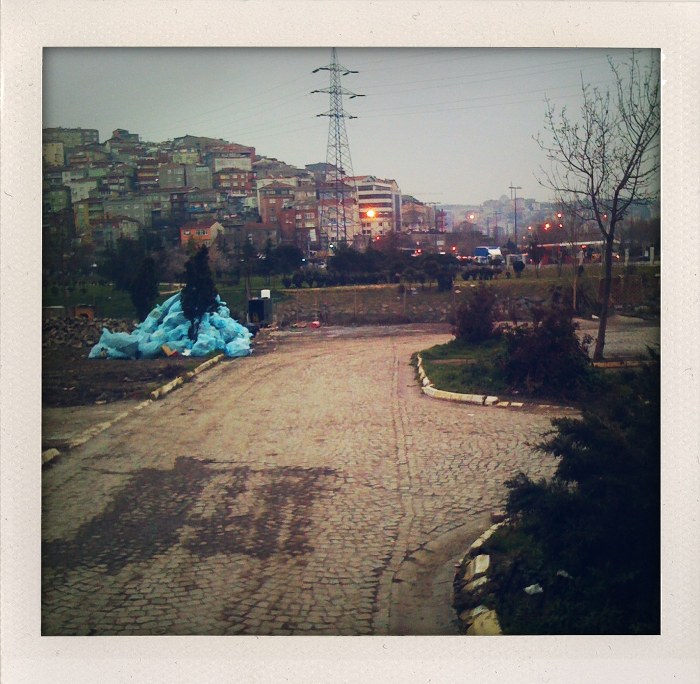
20100317 Tags: istanbul, photography | No Comments »

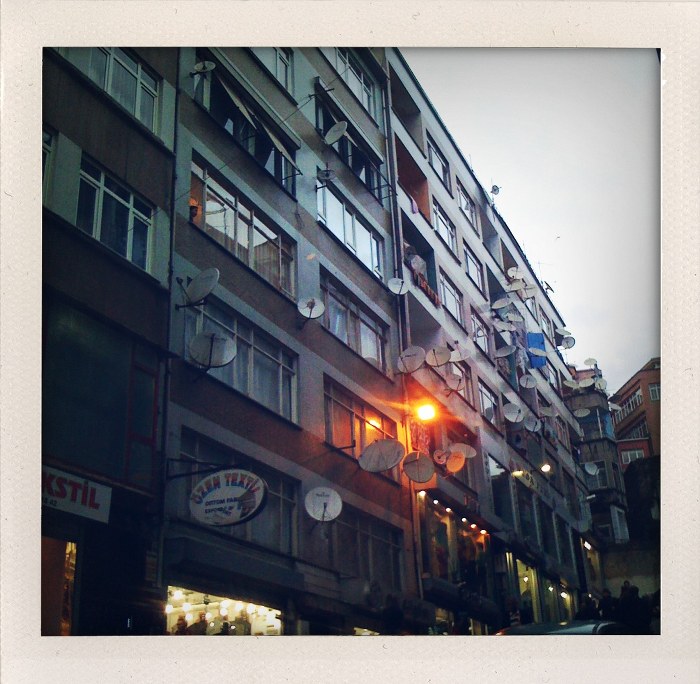
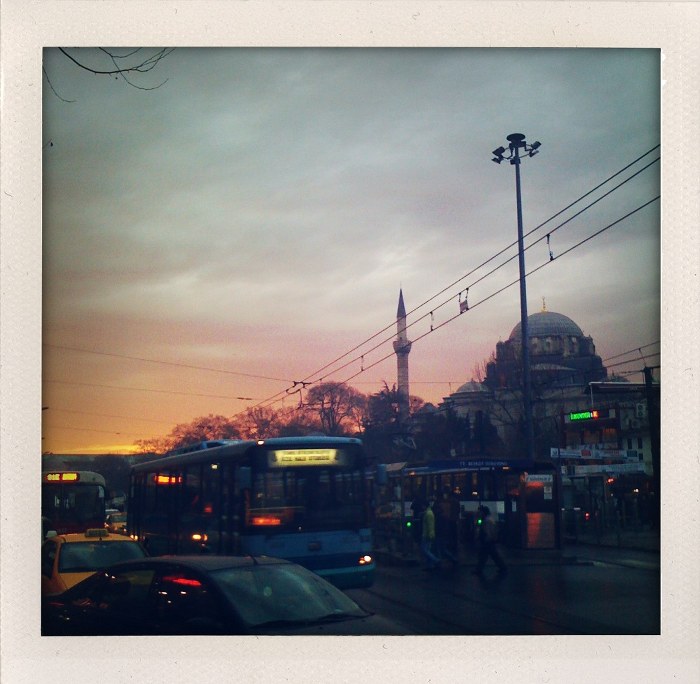
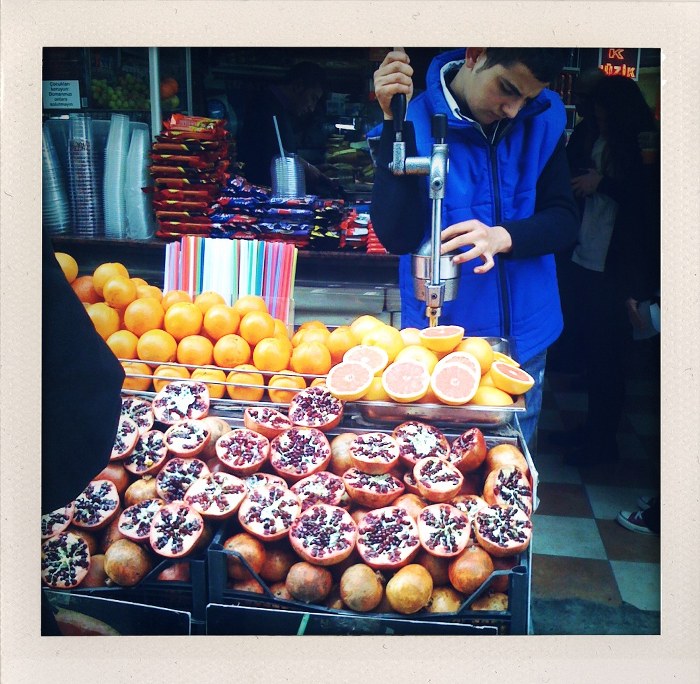
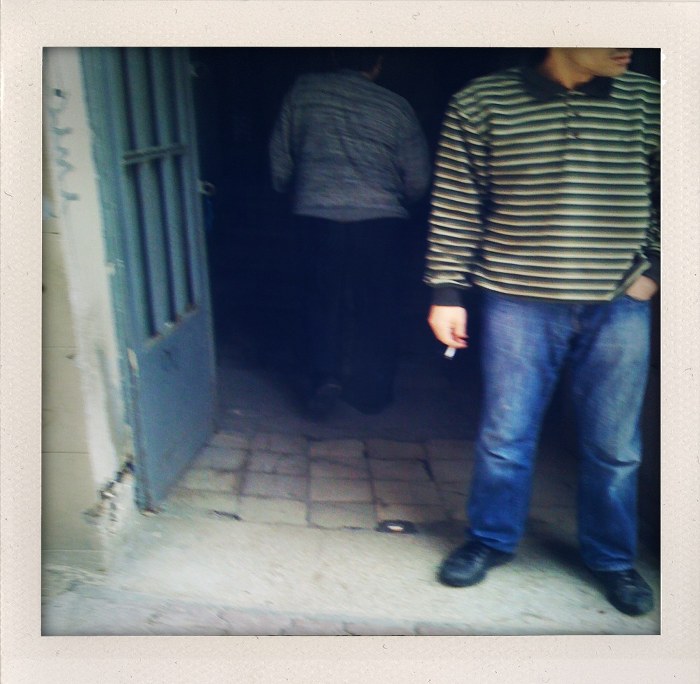
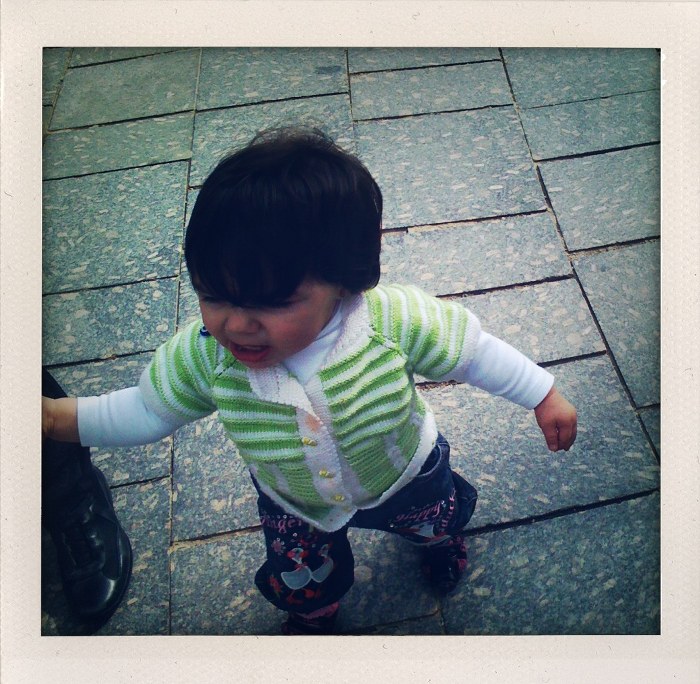
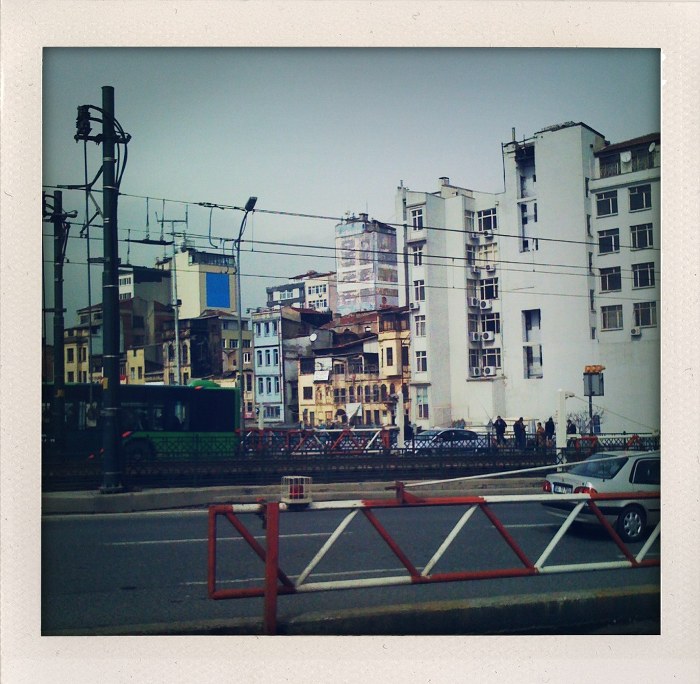
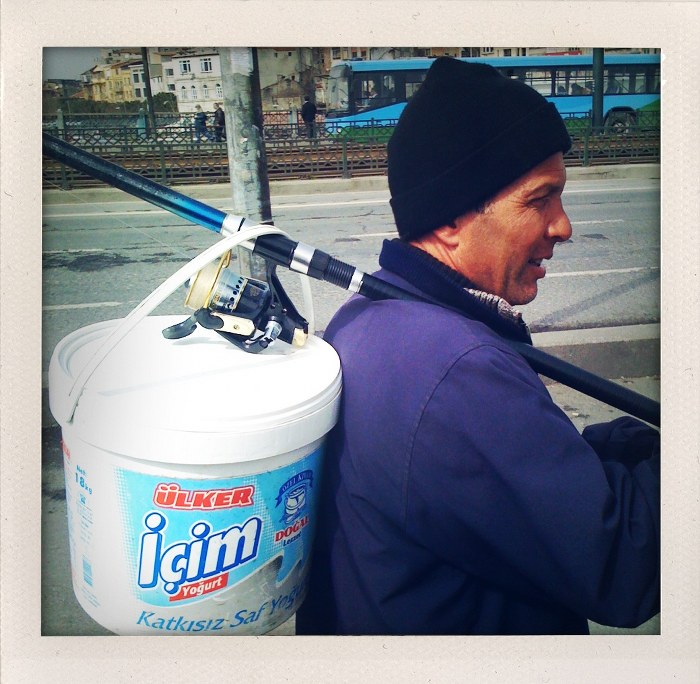
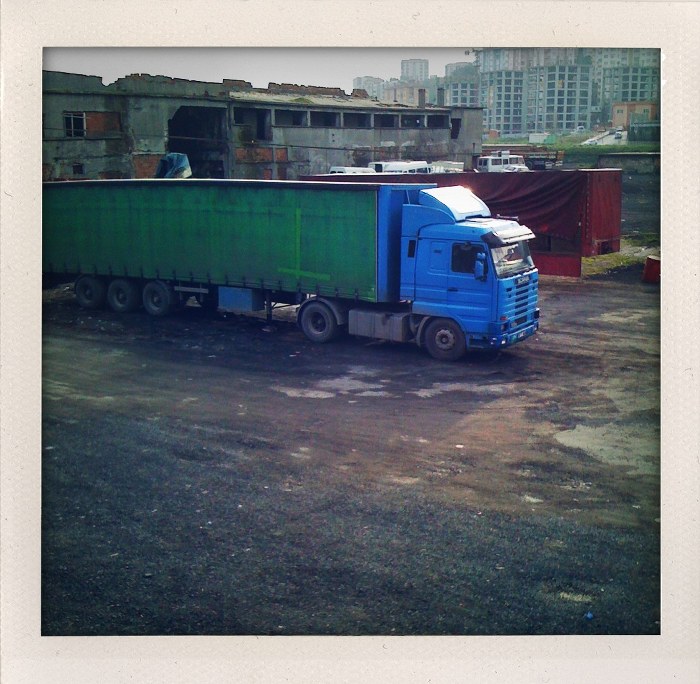
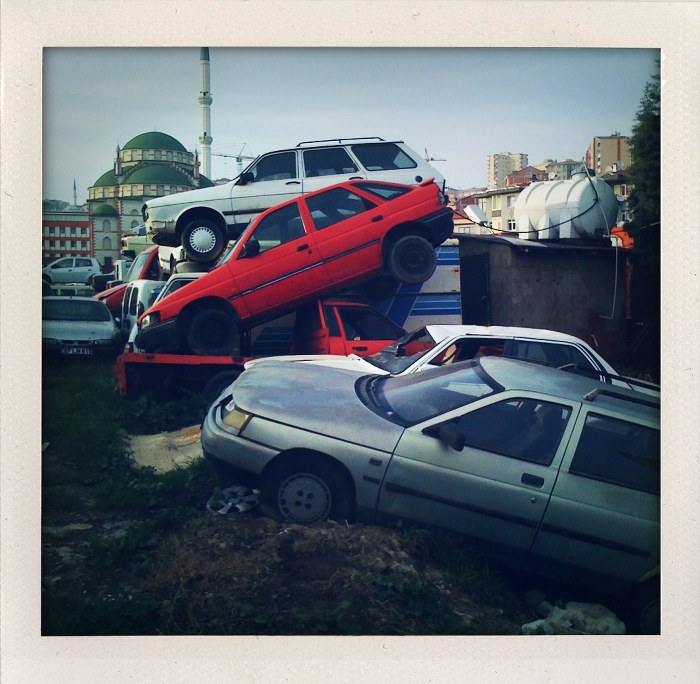
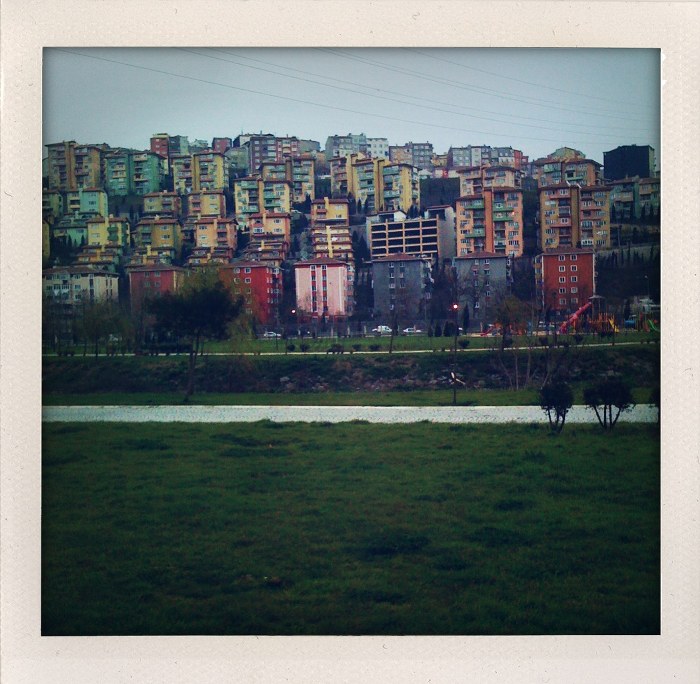
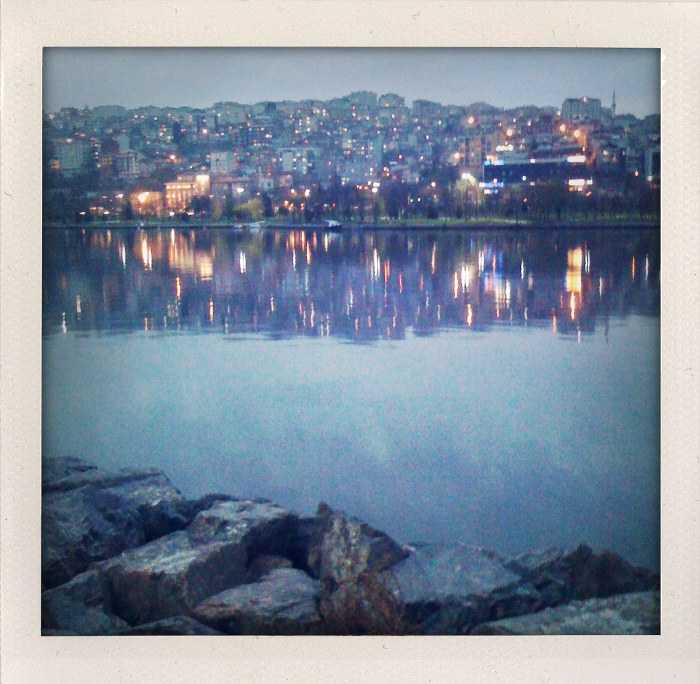
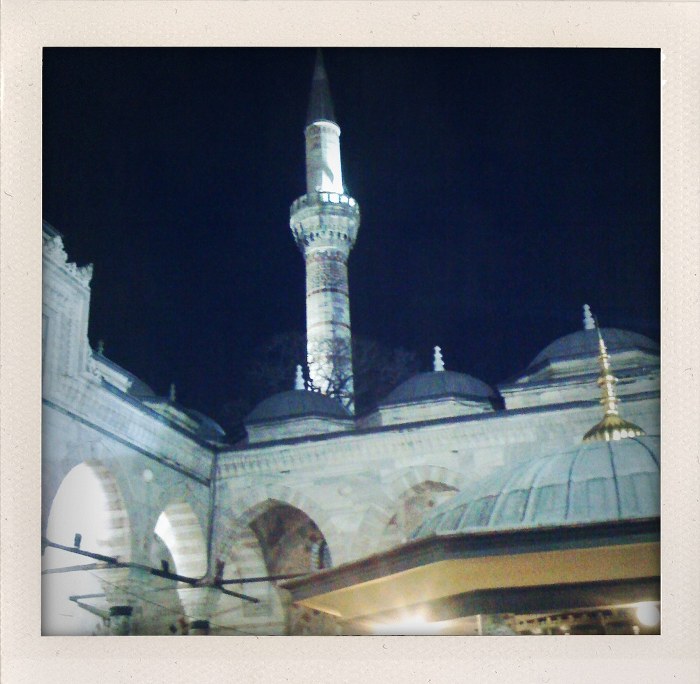
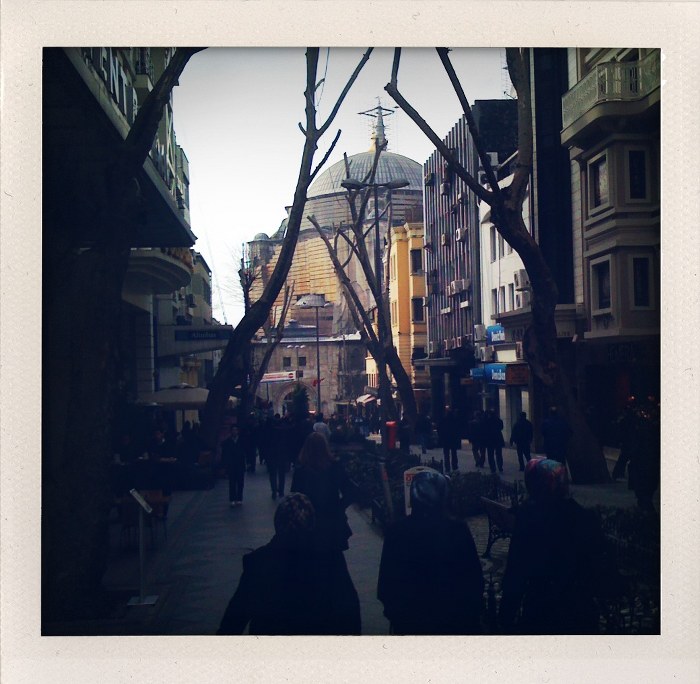
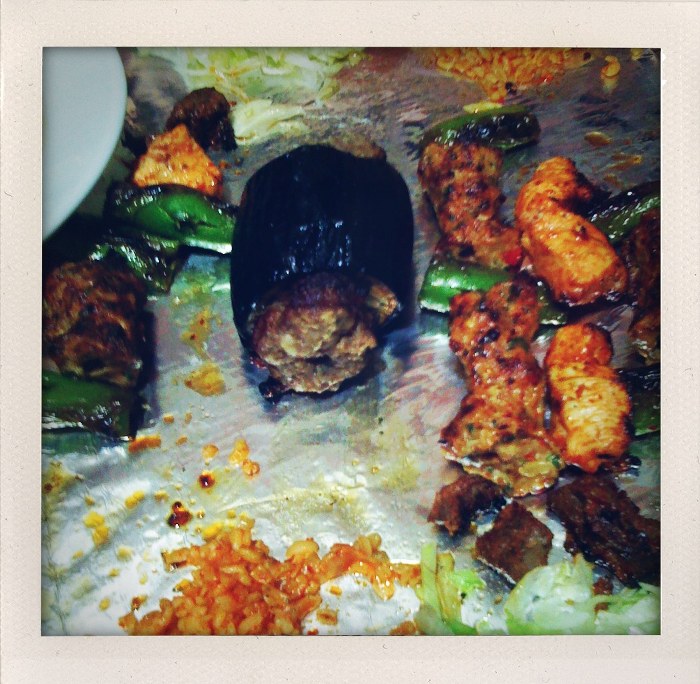
last week, racing through the Door to Happiness

img_2592_700x684

img_1600

img_2670_700x684

img_2687_700x684

img_1602

img_1602

img_1602

img_1602

img_1602

img_1602

img_1602

img_1602

img_1602

img_1602

img_1602

img_1602

img_1602

img_1602

img_1602

img_1602

img_1602

img_1602

img_1602

img_1602

img_1602

img_1602

img_1602

img_1602

img_1602

img_1602

img_1602

img_1602

img_1602

img_1602

img_1602

img_1602

img_1602

img_1602

img_1602

img_1602

img_1602

img_1602

img_1602

img_1602

img_1602

img_1602

img_1602

img_1602

img_1602

img_1602

img_1602

img_1602

img_1602

img_1602

img_1602

img_1602

img_1602

img_1602

img_1602

img_1602

20100224 Tags: kinne, photography, texas, writing | 1 Comment »

giant

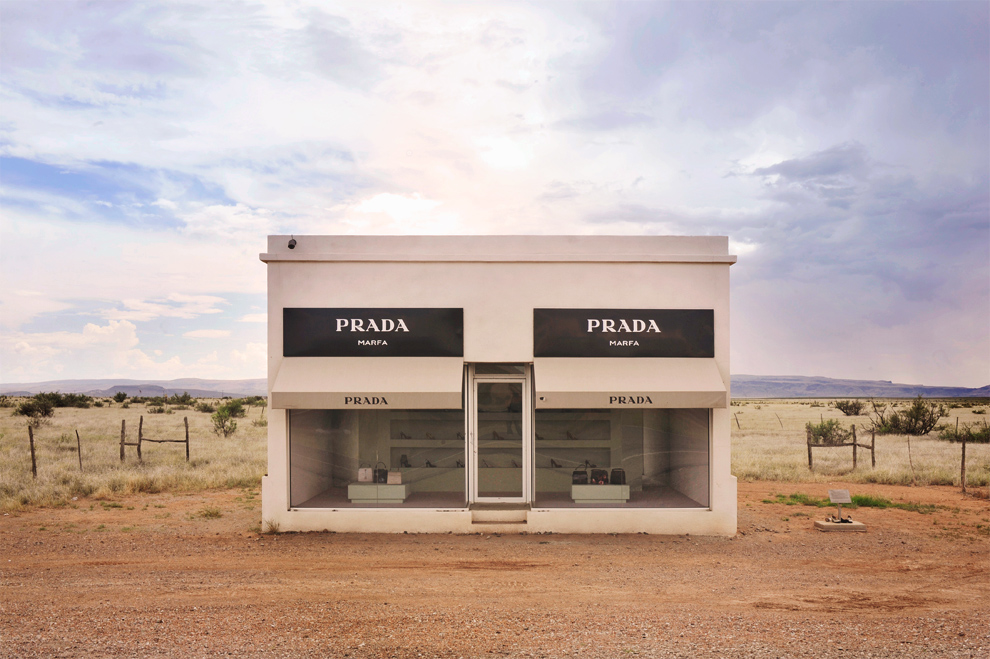
marfaprada


“Take the whole family to Marfa, Texas, ‘the Jonestown of Minimalism.’ See Donald Judd’s bed! Eat food all the same color! Scare the locals! Win a date with John Chamberlain!”
Text from John Waters’ Visit Marfa poster from 2003.


Marfa was my last stop on the Kinne trip. A small town in the Big Bend region of West Texas, three hours south of the major east-west Texas Interstate, the region could be best described as isolated. You know you’re getting close to this 1.6-square-mile town when, if you’re driving from El Paso along US-90 (which you probably are since El Paso International is the region’s nearest airport), you see amongst the desert scrub, derelict oil derricks, lonesome cows, and sagging half-dead towns a squat, free-standing Prada store along the highway—an entirely unwelcome site along one of the greatest drives in the country, through a hauntingly empty lunar landscape sporadically interrupted by violently vertical low mountain steppes. While the window display of this Prada outpost is stocked with bejeweled leather handbags and four-inch peep toes, this isn’t any Italian couture outlet. Rather it is a 2005 art installation, a wink-wink one-line joke that is trying to say something about the current state of Marfa as a nexus of art and commerce. You see, art came to Marfa, and the Pradas weren’t far behind.


Ok, here’s the best story ever told about Marfa as written by the incredible Molly Ivins. It’s certainly apocryphal, but like all rumors and Texas tall tales, hints at a deeper truth. The booming oil-soaked West Texas towns were drying up in the severe recession of the early 1980s, a time in which poverty and unemployment were threatening the existence of a region that was built on the outdated, newly-modernized, and moved-away twin pillars of ranching and oiling. That is, except for Marfa. Thanks to a transplanted New Yorker, the minimalist sculptor Donald Judd*, Marfa had a back-up revenue stream— minimalist art, and lots of it—that was starting to lure a steady flow of nascent tourist dollars into the town. Word spread through the region that people from miles around, all over the country even, were starting to show up in Marfa with open wallets. And some of these new visitors were sticking around, fixing up old buildings, maybe even adding a coffee shop here and there. Before you knew it, Marfa wasn’t an old dying town, but a thriving one. As Ivins tells it, West Texans all over were intrigued by these new foreign visitors and wanted more of them, and a familiar sight started occurring at economic development town meetings in the region: “some old rancher is apt to stand up – big old rough hands curlin’ up the brim of his cowboy hat with embarrassment over having to speak in public, of course – and inquire earnestly, ‘How do we get them gay people to come?’”


*Among the many things the taciturn Judd disliked in his life, being referred to as a “minimalist” was a big one. He preferred to call himself an “empiricist.” He also rejected the term sculpture because of the implied sense of carving.


Now, some 25 years later, here is Marfa resident Christina Dreyfus quoted in the May 6th, 2007 Fort Worth Star Telegram: “With all of the new people coming, it seems to me that the place is going more and more for the tourists and retirees….The regular Joes on the street can’t afford it anymore.” For practical purposes, everyone knows what gentrification is. As usual, though, there’s more to it than the simple story of what is occurring in places like the Lower East Side and downtowns all over the country. Look at the case of adobe homes in Marfa. An original adobe structure is typically seen as difficult to maintain due to the poor state of wiring, lighting, and eroded material efficiency. Most residents are much happier in a balloon framed, wood-siding house, if not a simple pre-fab trailer, and see the decaying adobe as a blighted nuisance. But, of course, to an outsider, adobe is authenticity personified, a rarity, something to be prized. No one wants to tell their friends in San Francisco that they own a clapboard house in Marfa. In the West of the imagination, adobe is king, and homes that were appraised at $40,000 are selling for upwards of $300,000. Priced out are the 36 percent of county residents who live below the poverty line, which has led to low-wage workers commuting long distances to Marfa, a town whose population hovers around 2,000.


It’s inevitable that this juxtaposition of Marfa over time will lead to unavoidable and overly sentimental questions of the proper means by which to achieve civic renewal. The trope that what came before is certifiably better, that finding superiority in someone else’s traditions is morally more correct than embracing the new is certainly annoying in its own self-regard. But, before we go any further, let’s acknowledge that those questions regarding the value of art, gentrification, the economic and political implications of tourism, and race are bound up in an extremely complex and difficult mass, and get into a whole subjective field of issues that try to resolve what’s best for other people and what produces a vibrant and healthy environment. However, it’s impossible to fight the sentiment that the new Judd congregations are fundamentally out of synch with the idea of West Texas as a bastion of authenticity against the trendiness and fleeting fashionability of the art world. This can only be further reinforced by the steady stream of Hollywood celebrities that have been flocking to Marfa, chasing down the next Santa Fe, Taos, or Sundance, in a perverse distortion of Frederick Jackson Turner’s “frontier theory,” constantly finding and despoiling the last towns untouched by Wal-Marts and Applebee’s, while happily paying the astronomical prices that have driven the cost of everything from real estate to Blue Bell ice cream to staggering levels. This leads to one of the strongest reasons to denounce urban renewal, which is the range of civic activities destroyed by the removal of communal physical spaces caused by the homogenization of the town when all but the rich are pushed out. The neighborhood cafés, feed stores, and groceries that have been supplanted by coffee shops, art galleries, wine bars, and organic markets are a manifestation of the notion that locality begins with social life. Longtime cafés popular with locals have been forced to move off of the main street, segregated from the artist class. It had been eight years since I was last in Marfa, and the changes that have taken place in that time can only be called extensive, best personified by the Thunderbird Motel—what had once been a comfortably run-down (and eminently affordable) place to stay had morphed into a $150-a-night boutique hotel—which could most accurately be described as renovated in the South Austin style, which is off-putting in a generic Dwell kind of way.


A temporary, nomadic population of vacationing, summer residents, lifestyle tourists, and MFA interns, a group whose closest attempt at civic engagement came when they banded together to stop a planned big box development that was within eyesight of the Chinati Artist Foundation. An attractive, affordable residential and commercial development that one can’t help but assume the 36 percent of Marfa residents that live below the poverty would have preferred to a contemporary art mecca. Gentrification produces a shallow architecture that produces as poor neighborhoods as blight – suffering from a lack of citizenship and homogeneity between rich and poor, but in this case leads to an anti-development stance that keeps the town in a perpetual state of acceptable rusticity. It’s a tough equilibrium that has to be maintained to prevent the town from slipping into the anywhereness that causes the influx of monied residents to occupy an inherently anti-democratic stance as they exert undue influence on development in spite of the majority’s best interests. So many monied elites, in fact, that one local cattle rancher succinctly described the current state of Marfa as: “Filling up with triple A’s — artists, assholes and attorneys.”  This finally leads to the ostensible focus of this entry, the one man who altered Marfa to such a widespread extent, and was neither urban planner, architect, nor developer, but rather artist: Donald Judd.
 

judd01
judd02


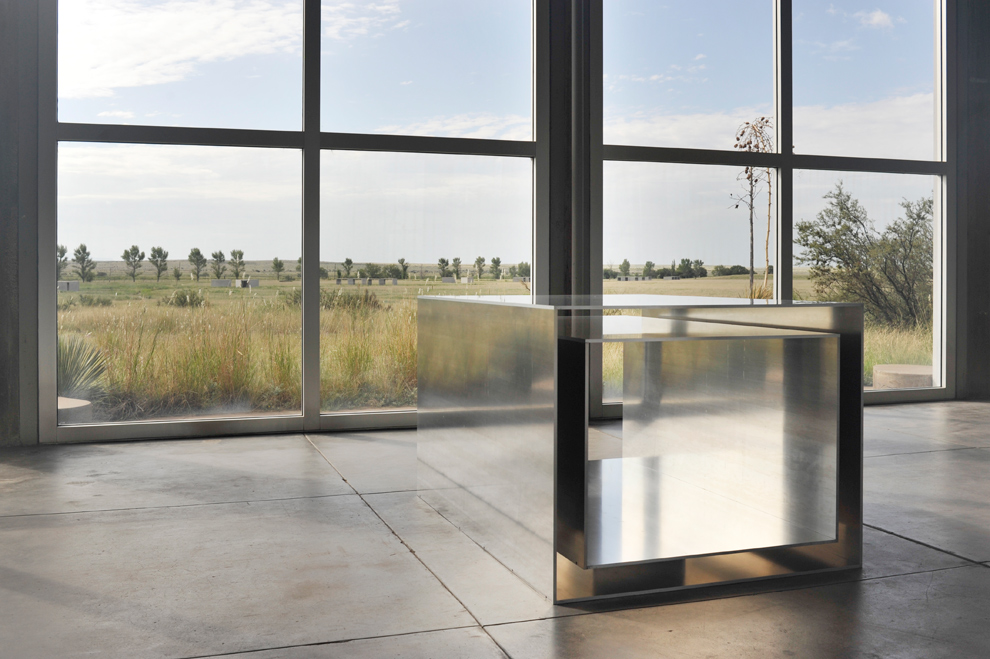
John Waters’ satiric take on Marfa is funny for many reasons, most specifically the bubble lettered exhortation to “See Donald Judd’s Bed,” which you can in fact see. (I personally chose to forgo this portion of the tour, but by all accounts, Judd’s bed appears a comfortable nest among a scattering of decidedly non-minimal western kitsch furnishings.) It’s a perfect example of the subversion of minimalism’s aesthetic objectiveness and impartiality into a dedicated cult of personality and a triumph of the pseudo-spirituality found in zealots of minimalist objects. One can’t help but make the comparison that this is Elvis’s Graceland for the Whole Foods set. Not only is Waters referring to the man, but the designed object of the bed. In his later years, Judd turned to designing furniture with a simplicity that shared much with his art. The object of the bed becomes a shrine to minimalism’s end-point as merely good design, and the reason the quiz “Ikea or Donald Judd?” is now so difficult.


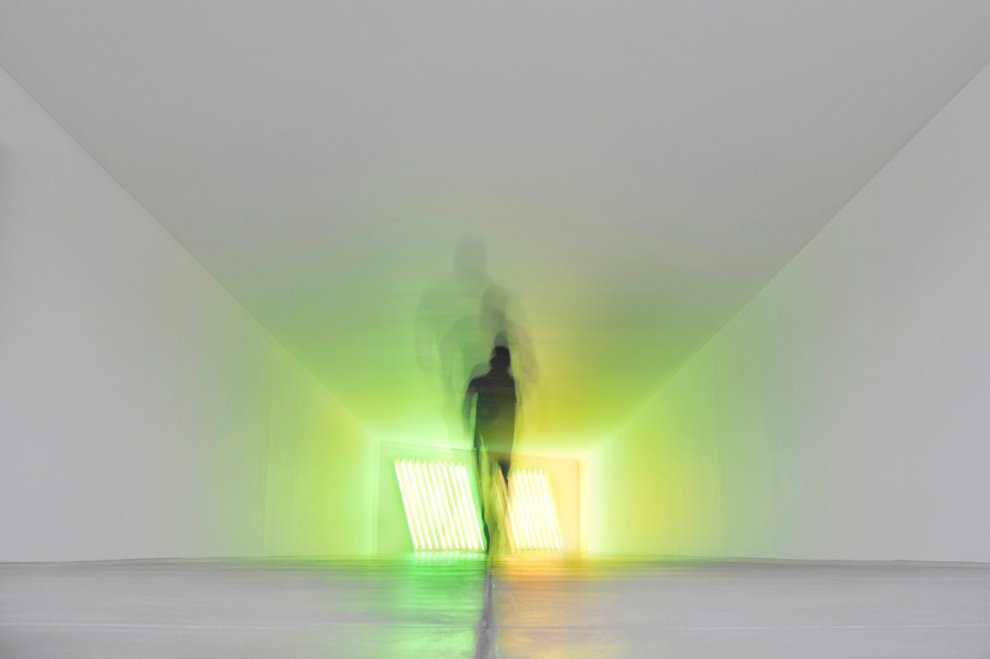
By all accounts Judd was an asshole, but he made an honest effort to assimilate into the secluded ranching community he found in Marfa when he moved from Manhattan in 1971. He always hired local workers and paid a good wage. But the gulf between outsider and local was too vast, and even Judd himself, the harbinger of the aesthetes, was unsatisfied with what he had wrought. In a continuing, and ultimately futile quest for the frontier, he left Marfa for a ranch further south near Terlingua where he spent the majority of his last years. He could never own enough land or buy enough property to attain whatever plateau of assimilation he strived for, and the Chinati Foundation was left to manage his vast holdings and artwork in Marfa. The Chinati Foundation is where I found myself on the morning of my 10 o’clock scheduled meeting time to rendezvous with a group of strangers and view Judd’s installations, as well as a number of other artists with whom he was friends and whose work he championed, including Dan Flavin and John Chamberlain.


Here’s the thing: it’s all about how you experience the art. I think this holds especially true with land art. Amidst reports of 20th century museum goers who have wept in front of paintings, art historian James Etkins set out to objectively classify a number of factors that would induce an optimal setting to produce “strong encounters with works of art.” Among them are seemingly obvious admonitions: go alone, don’t try to see everything, take your time, and minimize distractions; as well as more vague concepts: be faithful, pay full attention, and do your own thinking. The reason these bear mentioning is that the Chinati Foundation disregards all of them. Firstly, being part of a large group is a prerequisite for touring the grounds. There are probably some instances where moving through a museum as part of a group of strangers is a good thing, but here it is questionable—especially when the tour begins with a mother of three bored-looking kids asking the volunteer guides how many exhibits we have to see. The fact that this exchange takes place literally in the shadow of a Donald Judd pretty much sets the tone for the entire day: a harried herding through a number of repurposed buildings, and disapproving looks from the rest of the group for slowing them down in the Dan Flavin rooms.


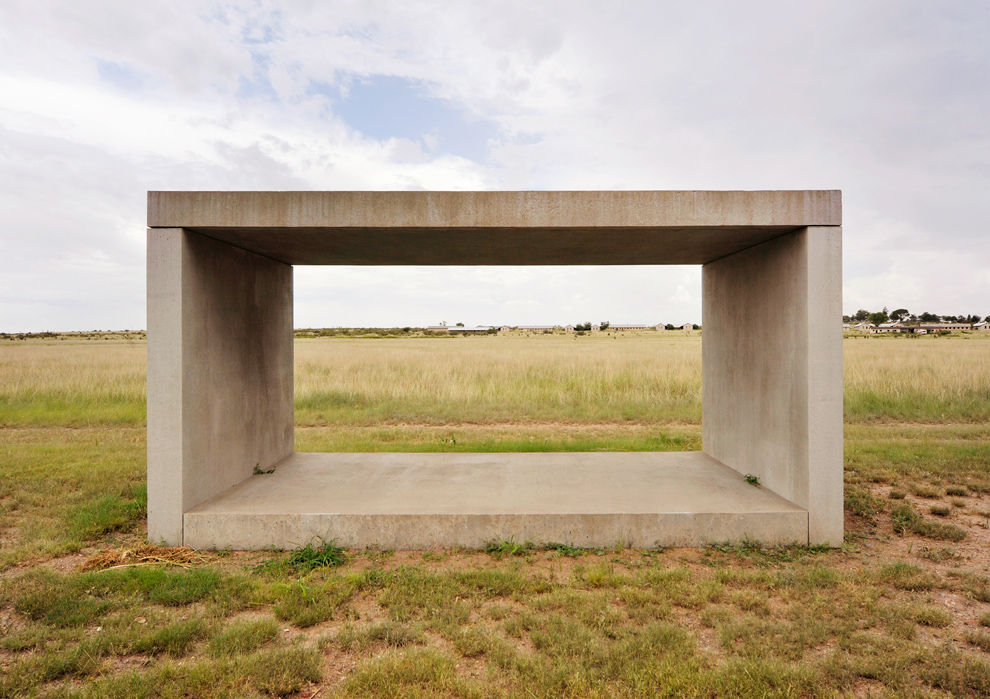
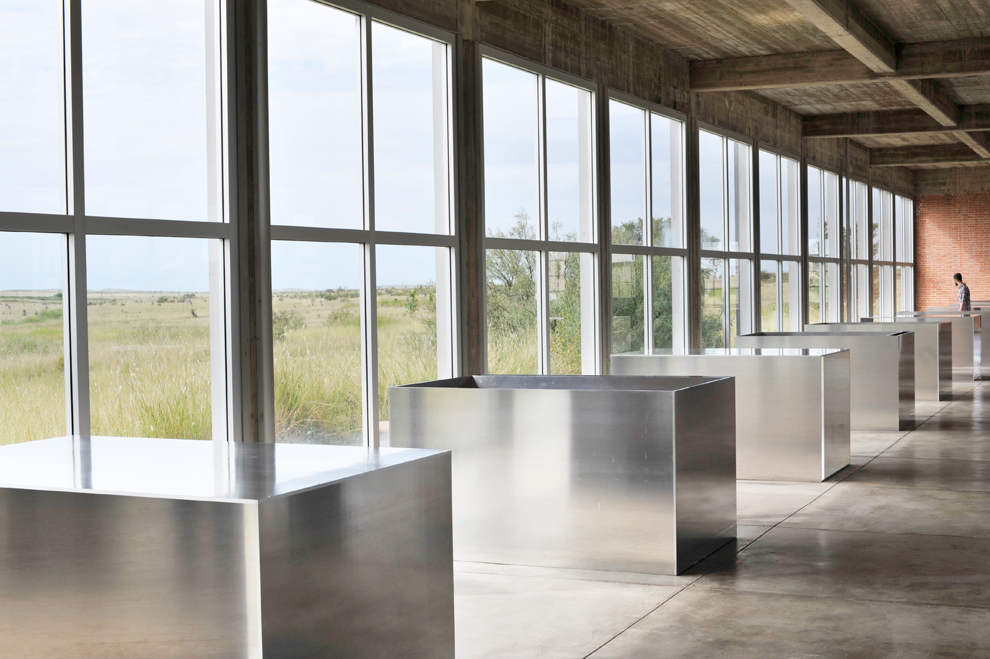
Chinati is smart enough to start the tour with their best—Judd’s 100 untitled works in mill aluminum (1982-1986). The boxes have a certain refinement and elegance about them that is impossible to deny. Judd was a master of minimalism, a movement that is too easily and lazily derided for being ‘boring’ or ‘bland’ (think Carl Andre). No one could repudiate the careful time and skill that went into crafting the field of aluminum boxes into a successful example of less-is-more. But it is the boxes’ mere beauty that, to me, denied them true power. Notions of the sublime and picturesque were first codified in Edmund Burke’s 1756 essay in which he set out to differentiate that which is simply beautiful as opposed to that which is truly great or sublime. Beautiful objects are those that are “comparatively small,” “smooth and polished,” while the sublime object should be “vast in their dimensions…rugged and negligent,” “the great ought to be dark and gloomy…solid and even massive.” To put it another way, the Lightning Field is sublime, Judd’s boxes are just precious. DeMaria’s field of poles is physically and mentally disorienting, you can get lost within its vast scale, and the humming of St. Elmo’s glow at the tips hints at the latent electrical energy contained within the poles. In New Mexico, the polished steel of the lightning field is left exposed to the elements in the desert hardpan, giving the whole field a muscular vulnerability, while Judd’s boxes seem weak, entombed within the sterile, repurposed shell of a former army barrack.


The shell also works against the implied perception of the infinite field. However the qualities of a limitless industrial material like milled aluminum only enhances the notion that these boxes are a swarm of a whole that is beyond comprehension, like “sections cut from something infinitely larger,” as Judd stated in his Specific Objects in Complete Writings. It is standard to discuss the critic Michael Fried and his critique of minimalism’s perceived theatricality when talking about Judd—specifically his aluminum boxes. In Fried’s view, Judd’s use of such coldly industrial materials in a banal array denies the viewer the safety of a recognizable ‘art’ object and therefore requires the physical participation of the viewer to activate the work. Chinati would seem to be denying this interpretation by regulating that groups tour the boxes at approximately 10:45 every morning. The summer sun in west Texas is still relatively low at that hour, and, in rejecting the opportunity to experience the metal as it changes with the day’s light, Chinati ignores the theatricality of the objects, instead reinforcing the notion that the Judd boxes need neither viewer nor gallery. They need only the space of the military barrack—the golden light of dawn and the harsh high noon sun are inconsequential to the reading of the work. Again, a comparison to Lighting Field is in order. Where de Maria required the visitor to spend 24 hours with the work, Chinati asserts that 15 minutes in harsh, unchanging light is sufficient, and one is left to only wonder at the brilliance that could be seen in the golden glow of a Texas sunrise. Walking amongst the mute stainless boxes, I was reminded of the sunrise in New Mexico, and Marfa can only pale in comparison to that powerful experience.


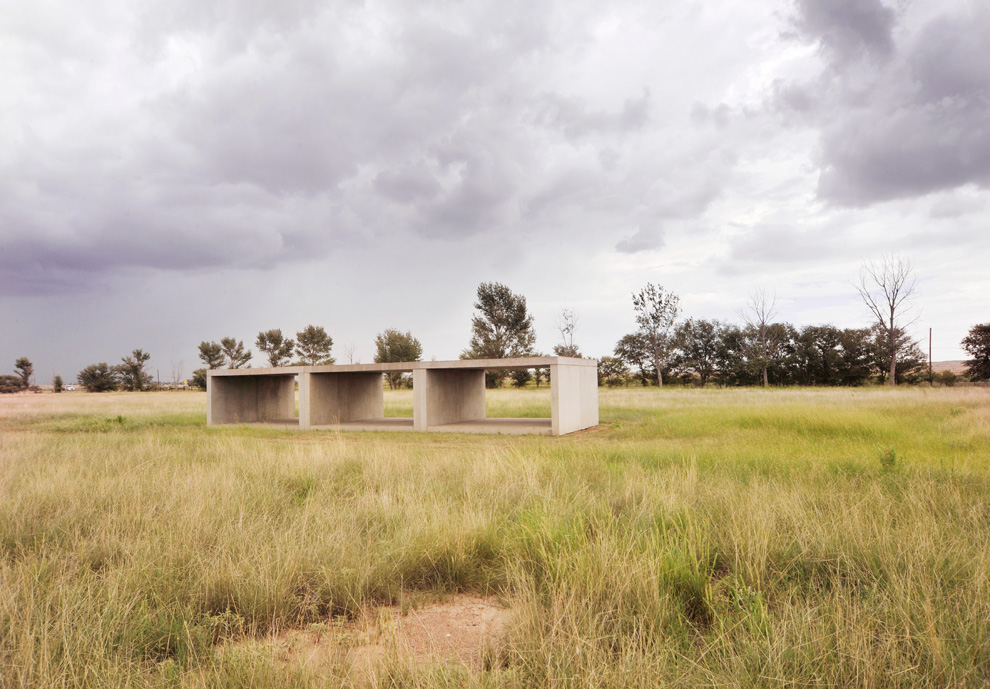
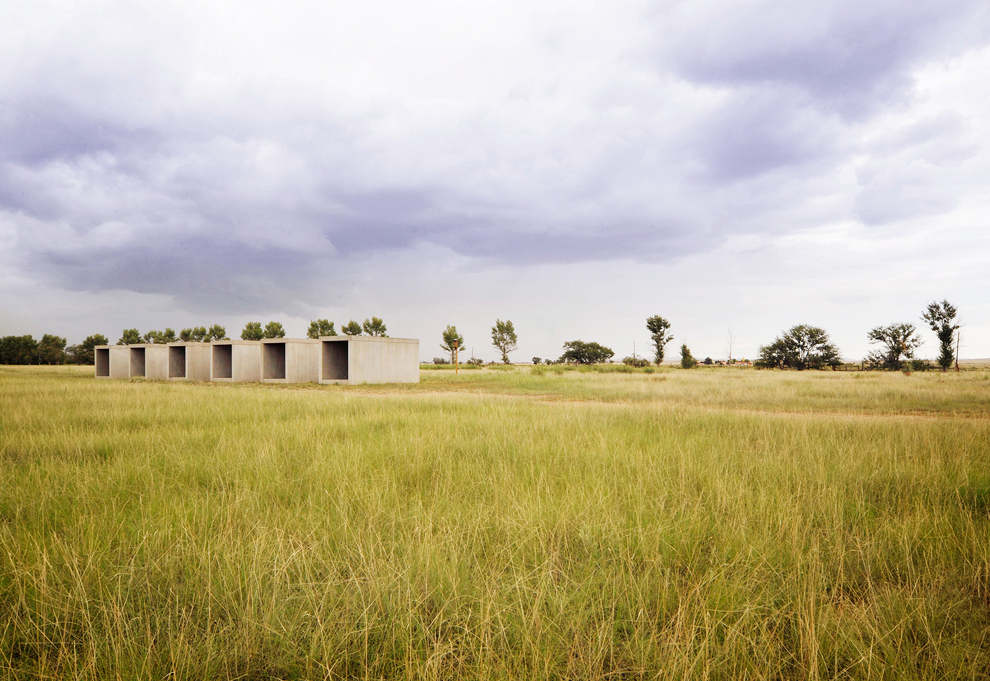
Judd’s latent power comes to the fore in the 15 large-scale concrete works scattered across a field of tall prairie grass at the edge of the Chinati grounds. Here the viewer is free to move about at their leisure (the cubes are not part of the official Chinati tour), alone in the landscape. The cubes are varied, massive, and fighting a battle with the environment. The struggling chutes of weeds peeking from between the joints of the slabs produce the feeling of vulnerability and a more symbiotic relationship with the landscape. Alone on the isolated West Texas plains, with only the architectural scale cubes for companionship, you briefly forget that you’re in the middle of a small town full of people struggling to live their lives. And you suddenly have faith that art can be great. Judd said “Art has a purpose of its own,” and you can’t imagine it existing anywhere but here. And if a Wal-Mart threatened to appear across the highway in this last untouched paradise, it would be an abomination worth fighting against. But Judd also said that “society is basically not interested in art,” and he was wrong. The last 25 years in Marfa prove him wrong. Regardless of society’s interest, art is there driving the market. In the end, one is again reminded of another box, the box of the Marfa Prada along the highway. Because the Judd boxes aren’t really empty, they are selling another product for consumption. The product that is for sale within the concrete bunkers or the cool, steel boxes aligned in a row like a showroom, is no less real than that which is imprisoned within the ersatz Prada store up the road. Only what Judd is selling is less tangible, more elusive, but still real: a lifestyle imbued with authenticity, good taste, and affluence. I could feel the pull, the easy choice, but ultimately it was something I couldn’t afford.


And with that, I drove back east.
 

judd00
judd

flavin

20100120 Tags: photography | No Comments »

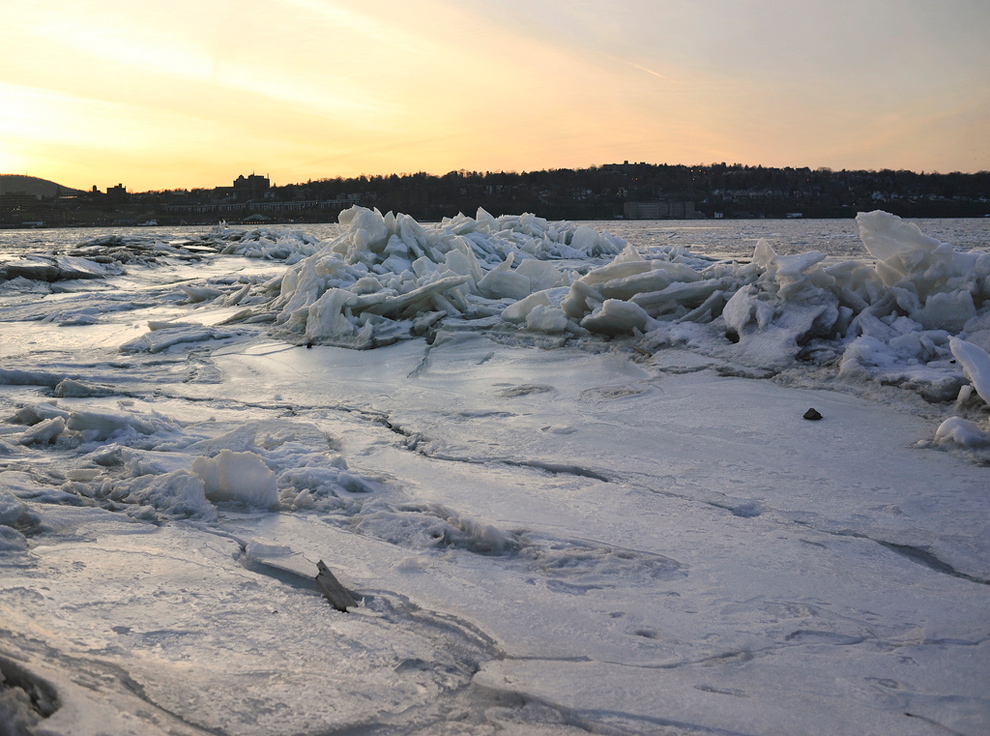
sea of ice, for Friedrich

ice

20091127 Tags: kinne, photography | No Comments »

I [] Judd

marfa

20091024 Tags: photography | No Comments »

faux analog obsolete technology

img_1600

img_1601

img_1602

img_1604

img_1605

img_1618

img_1588

img_1607

img_1608

img_1610

img_1614

img_1619

img_1622

img_1629

img_1635

img_1636

img_1637

img_1640

img_1630

img_1642

img_1644

img_1645

img_1649

img_1659

img_1663

img_1665

img_1666

img_1668

img_1669

img_1675

img_1676

img_1677

img_1678

img_1682

img_1690

img_1694

img_1696

img_1700

img_1704

img_1708

img_1712

img_1716

img_1728

img_1734

img_1738

img_1742

img_1744

img_1740


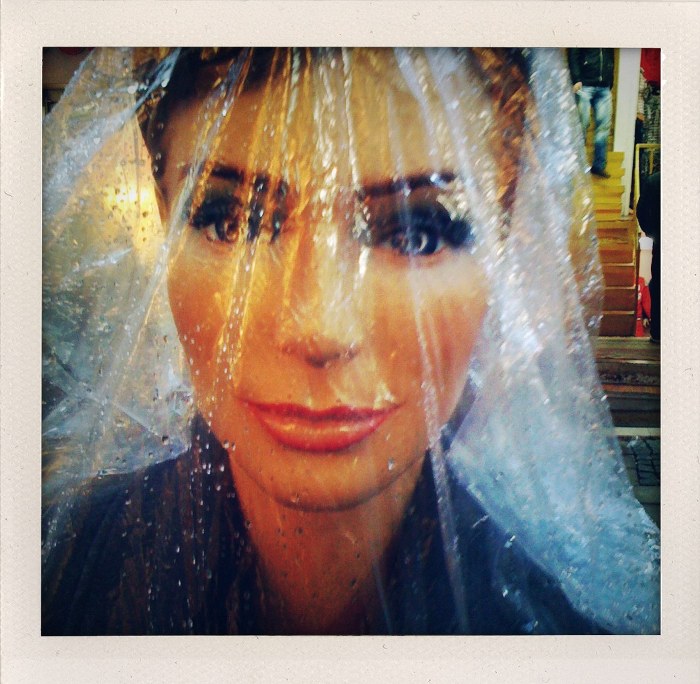
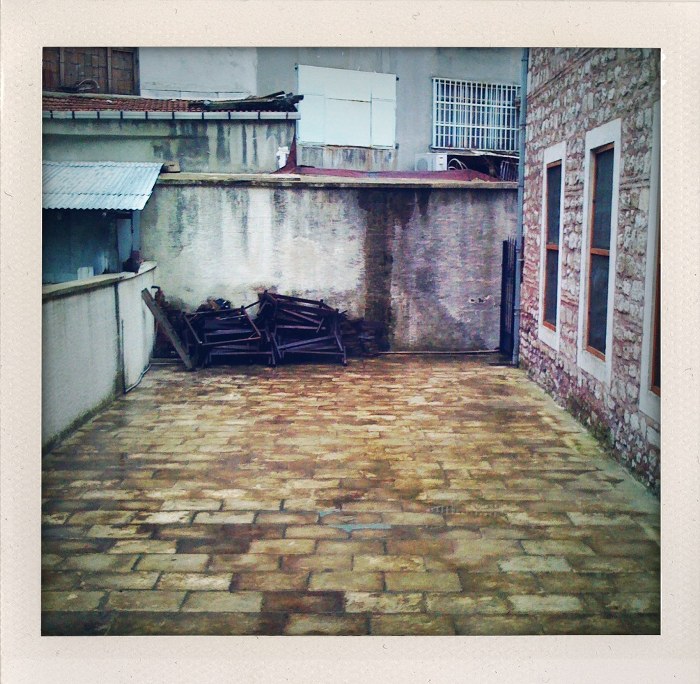
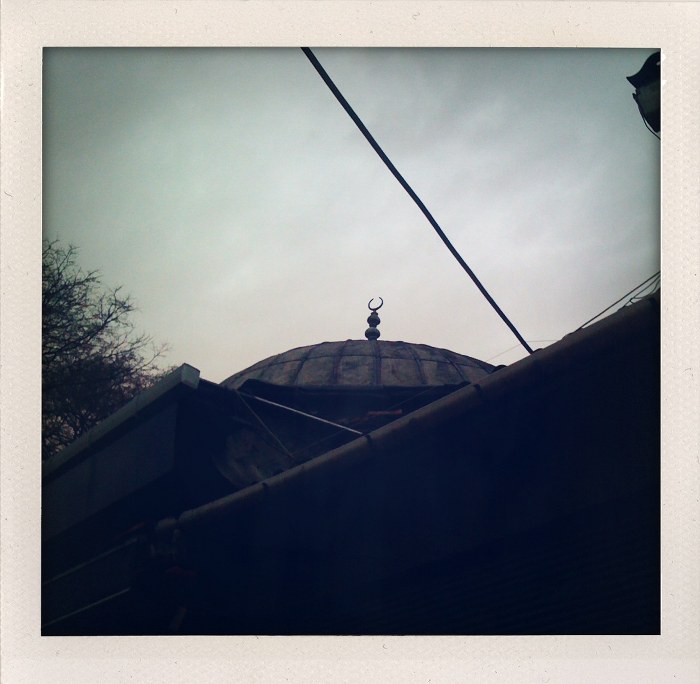
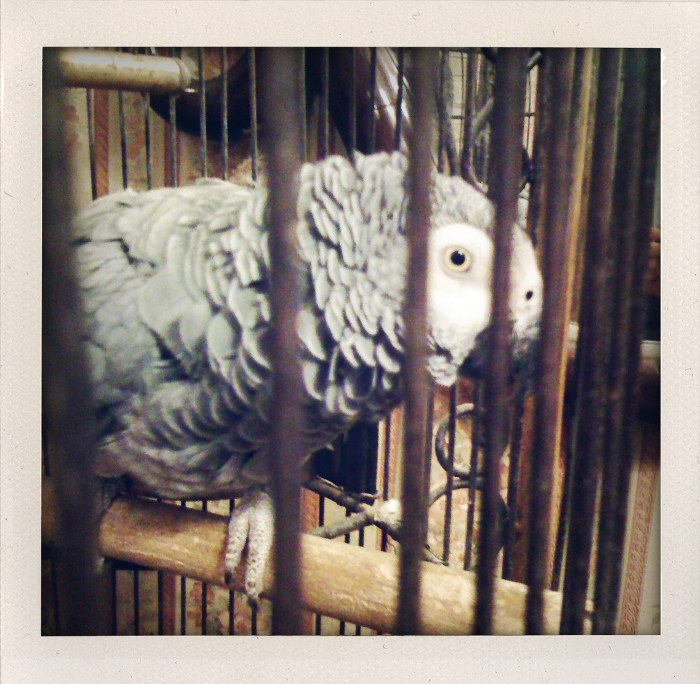
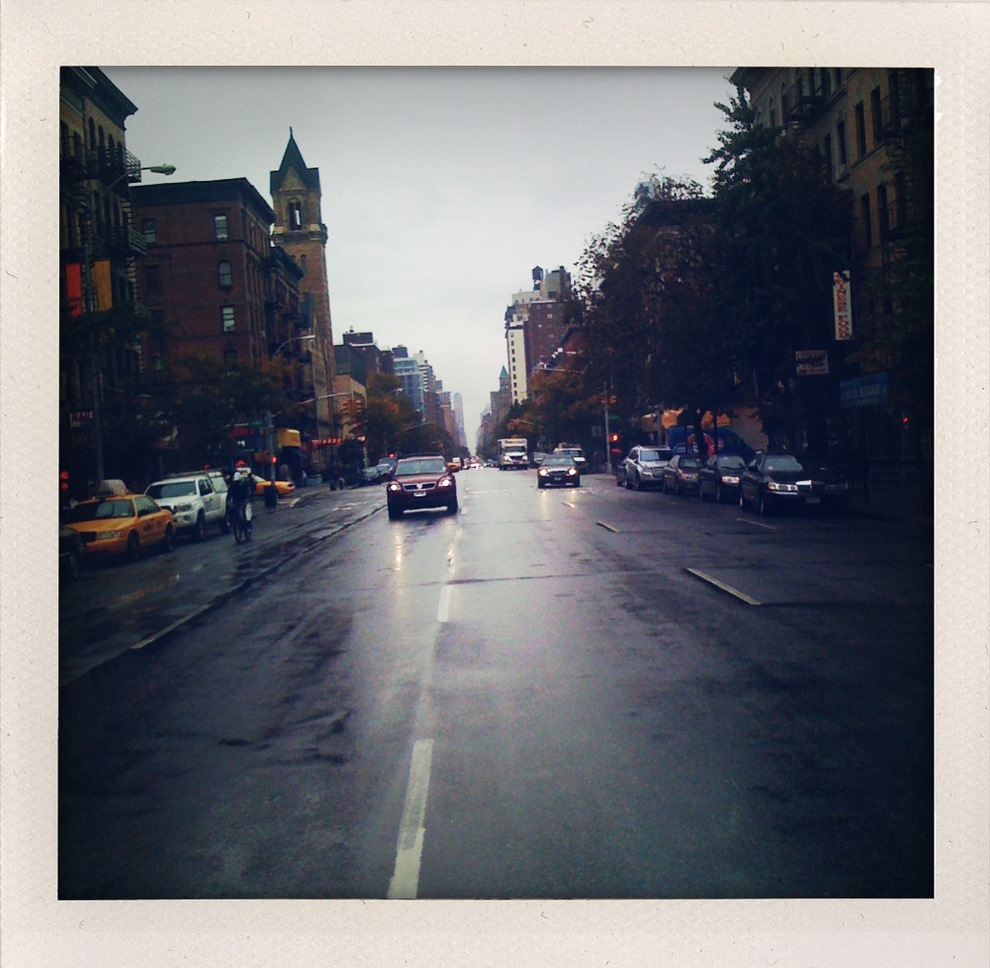
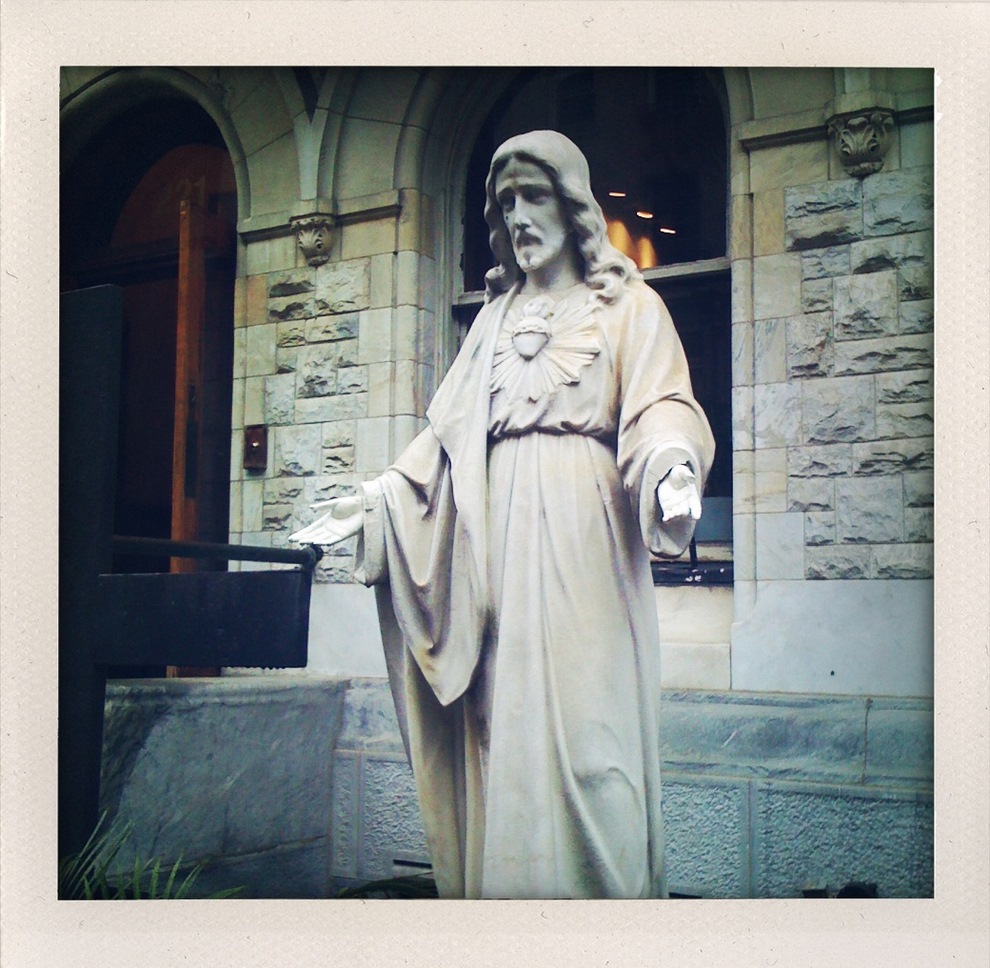
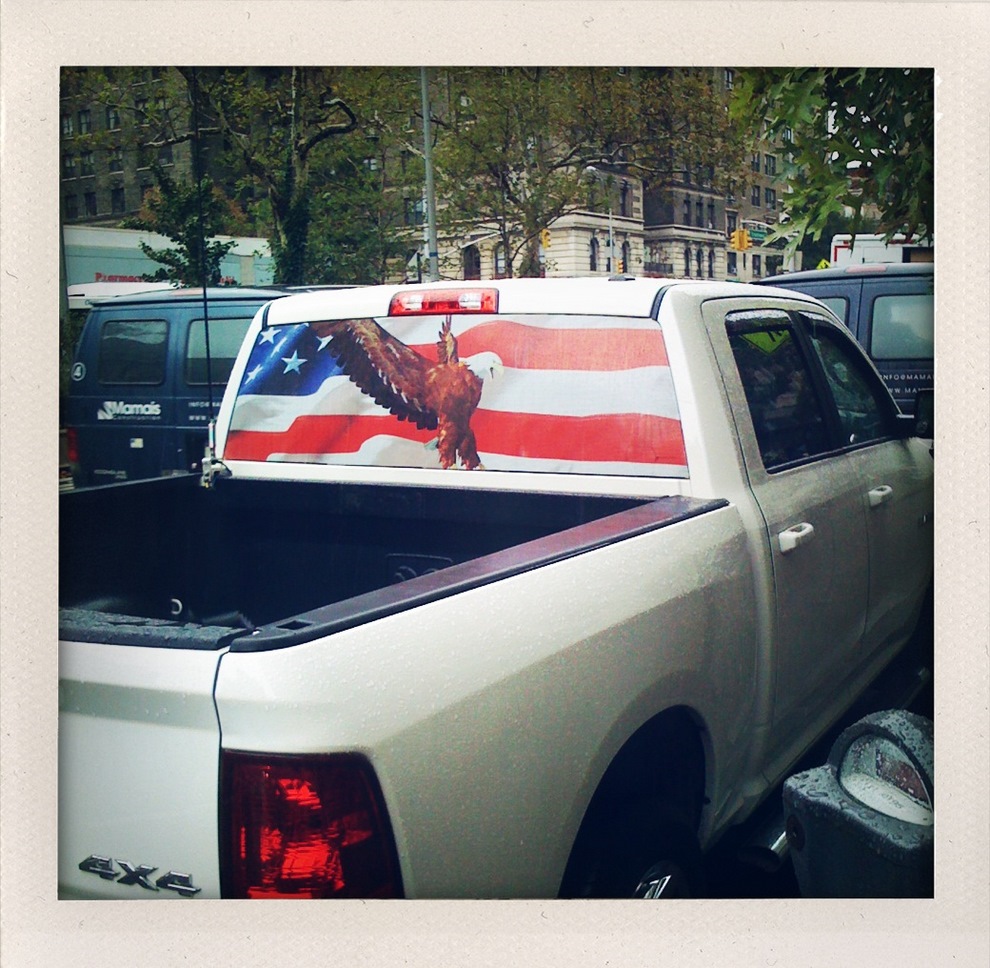
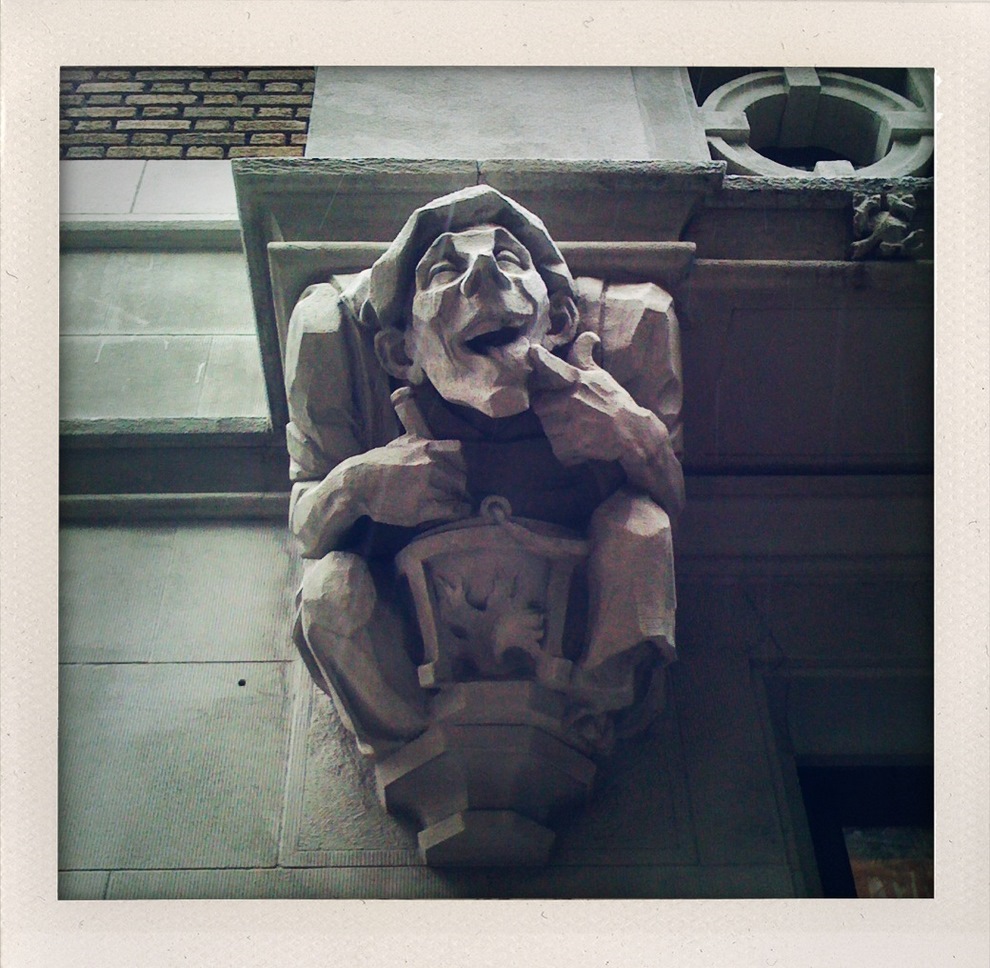
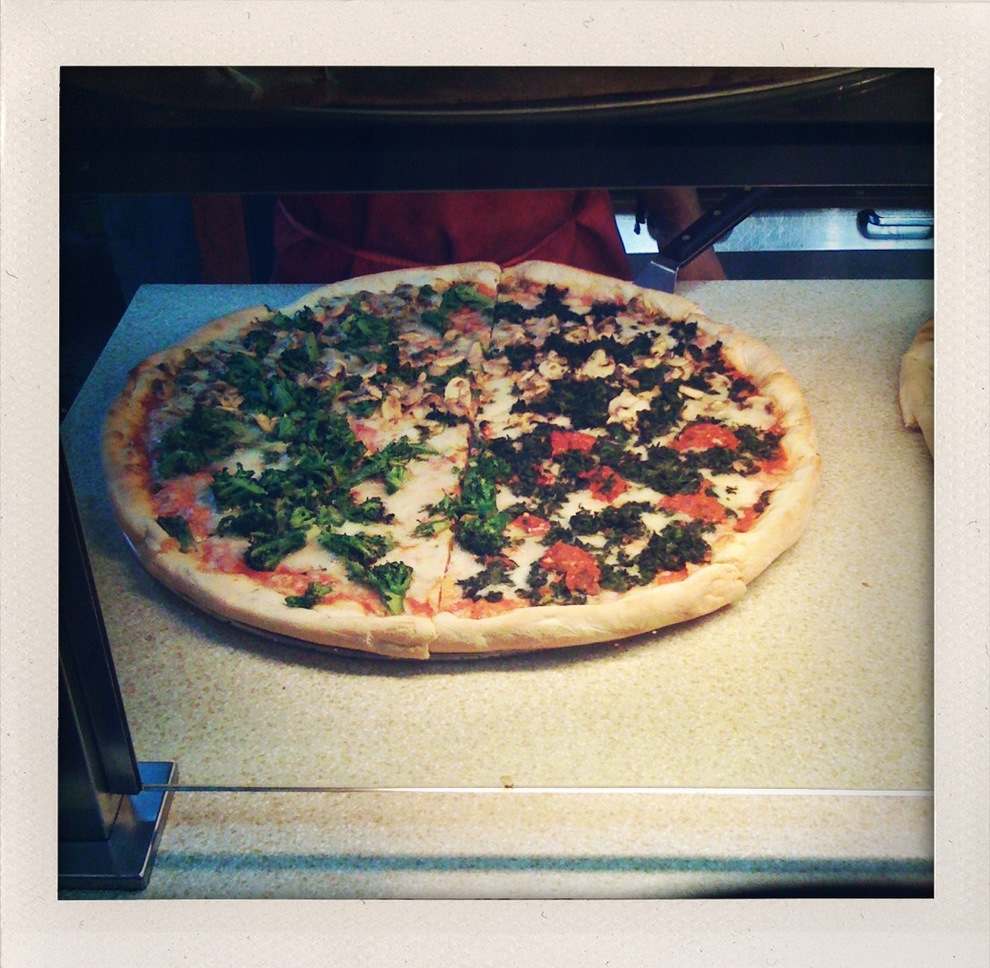
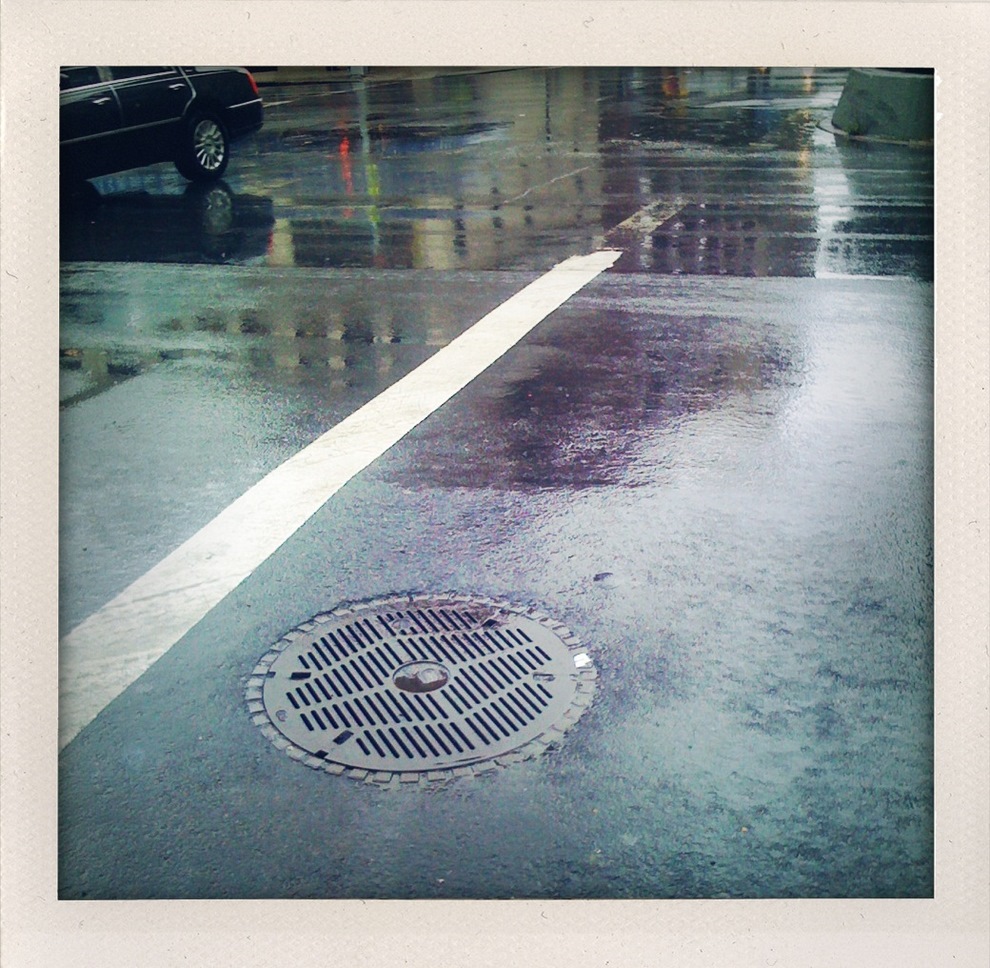
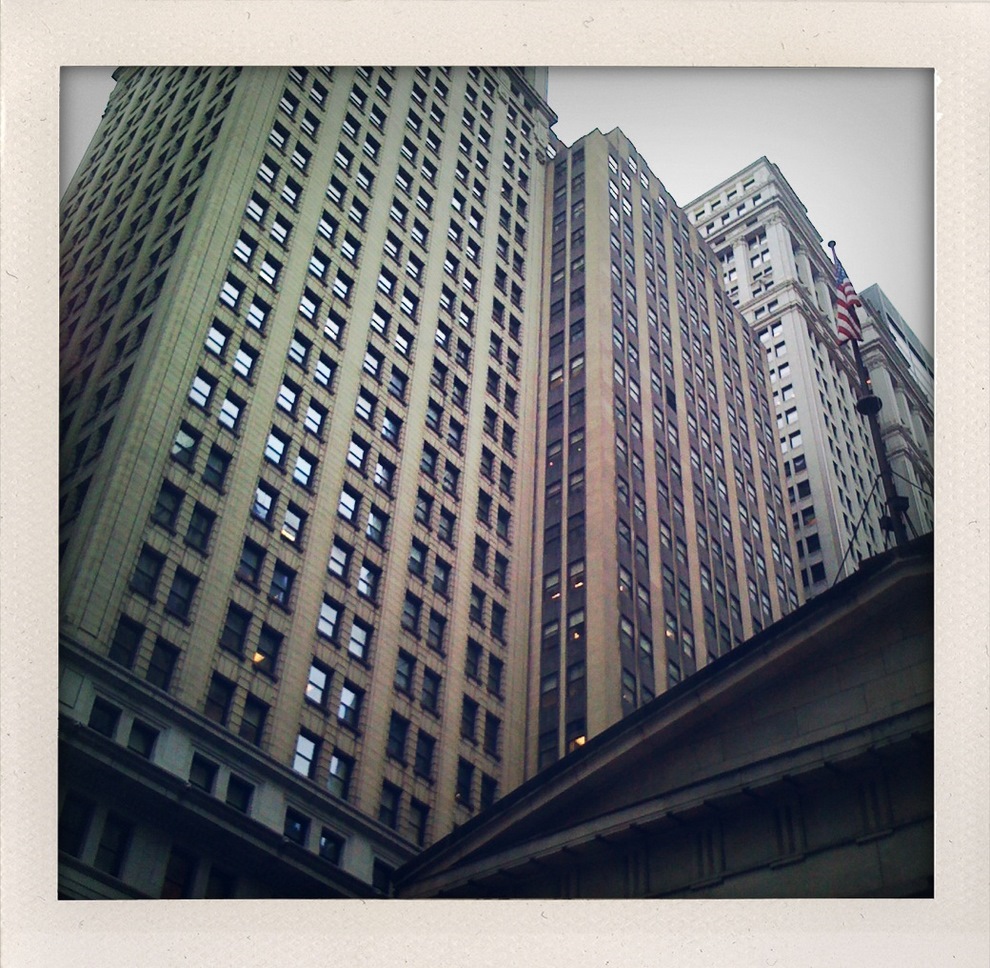
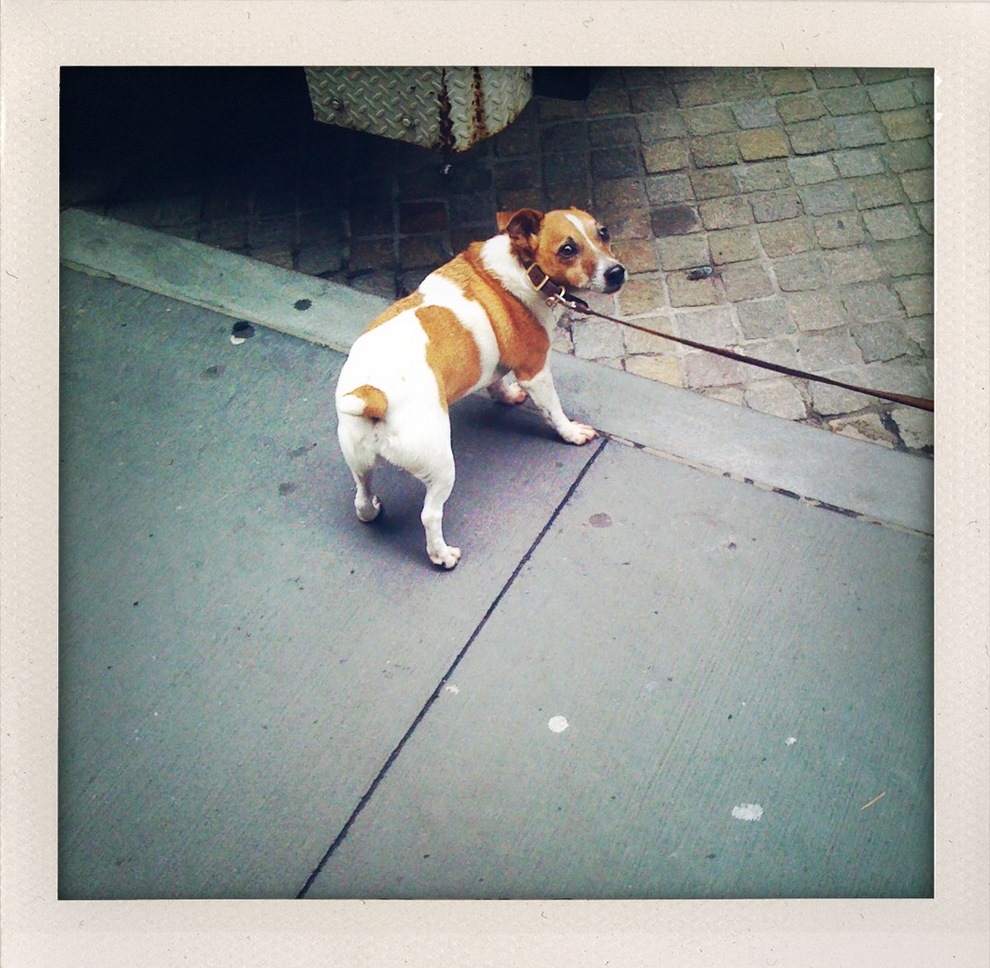
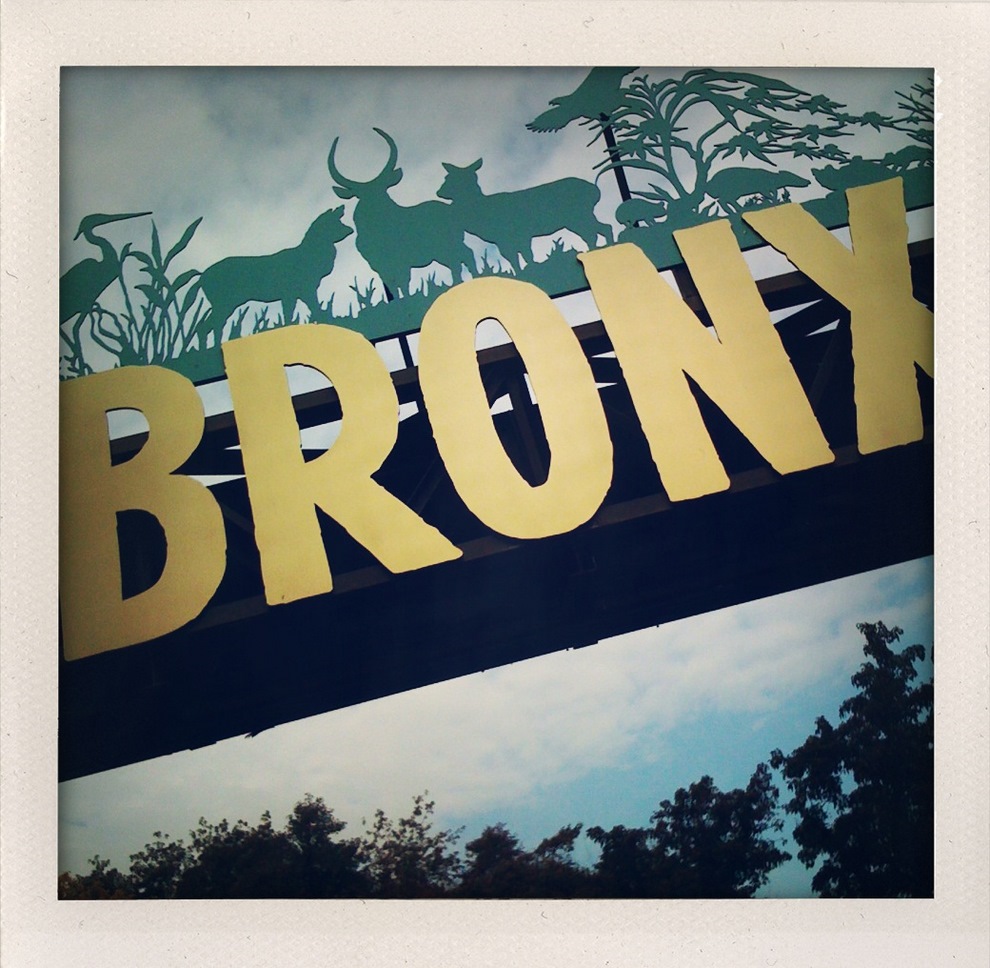
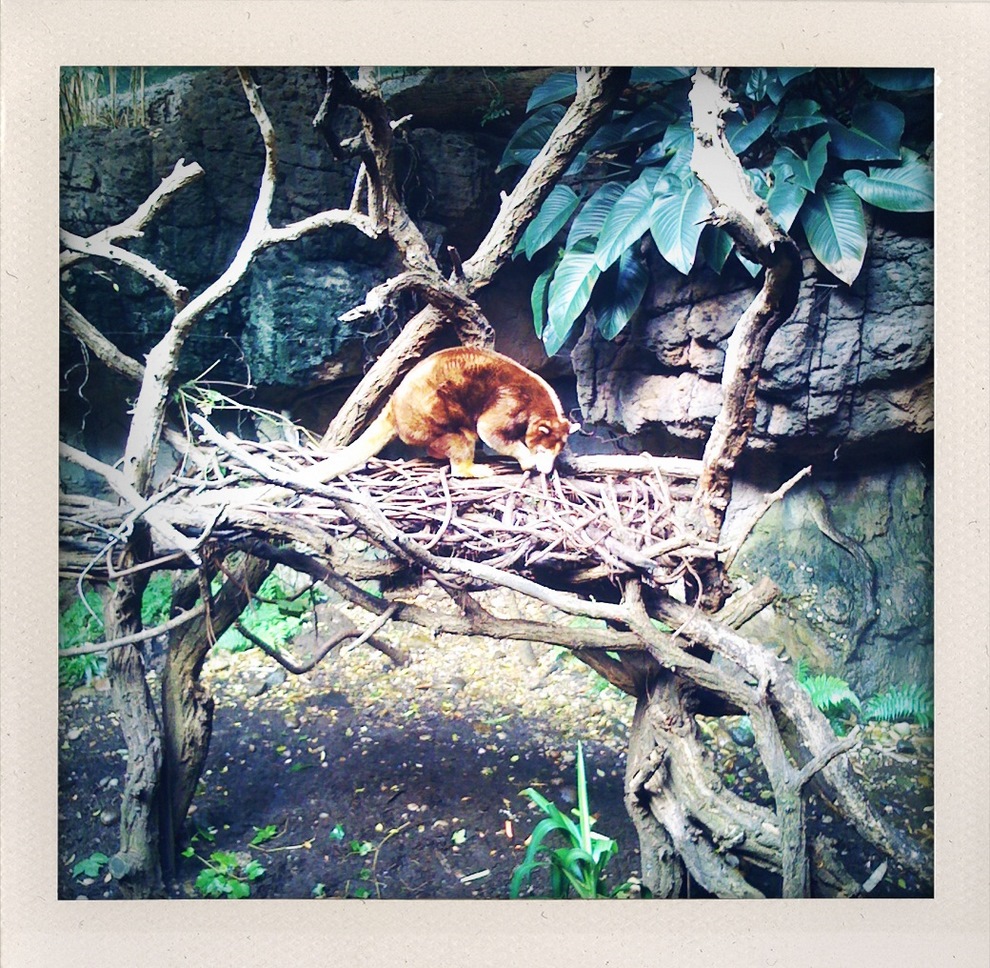
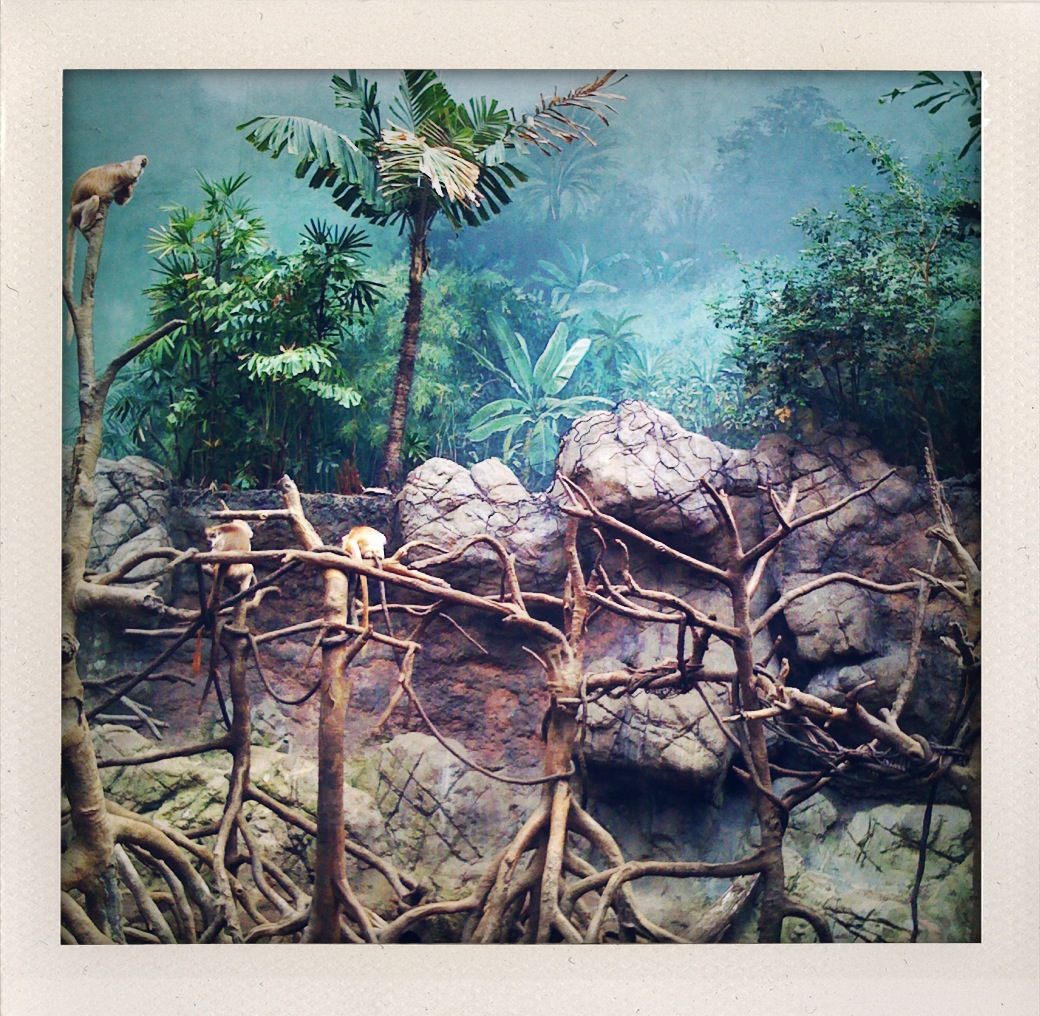
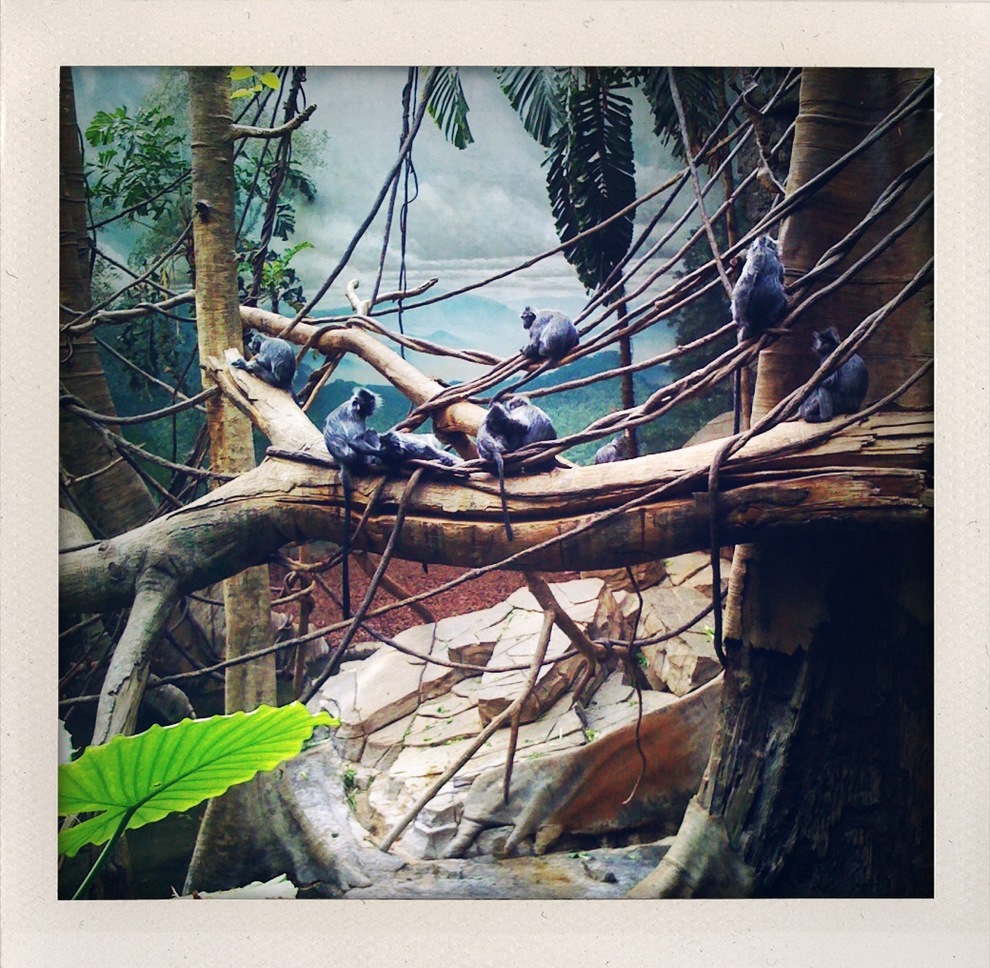
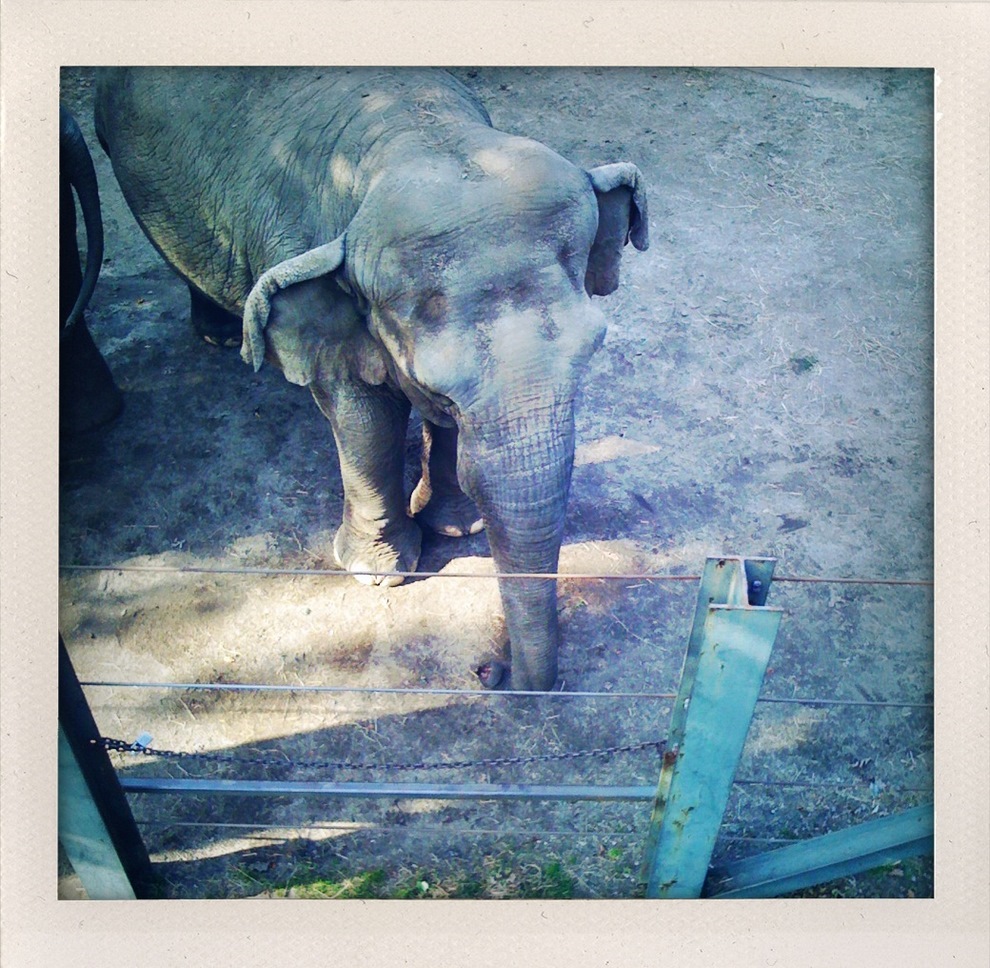
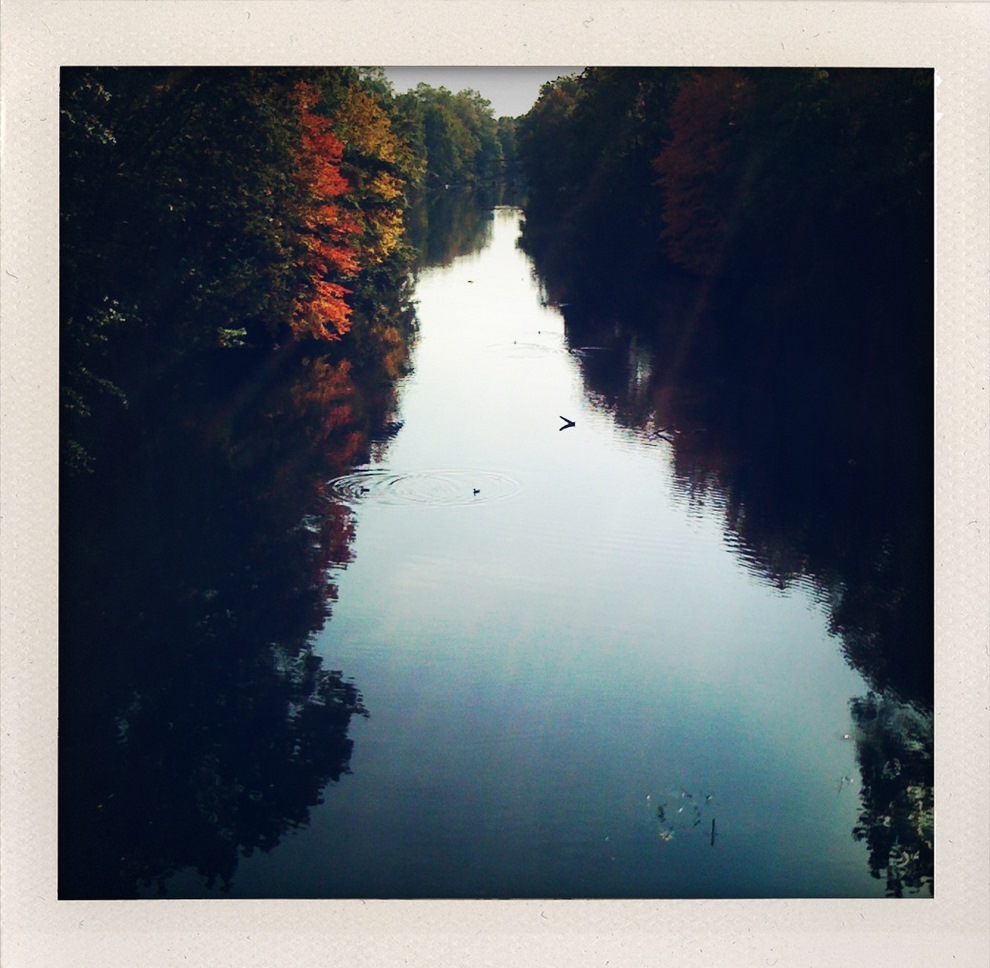
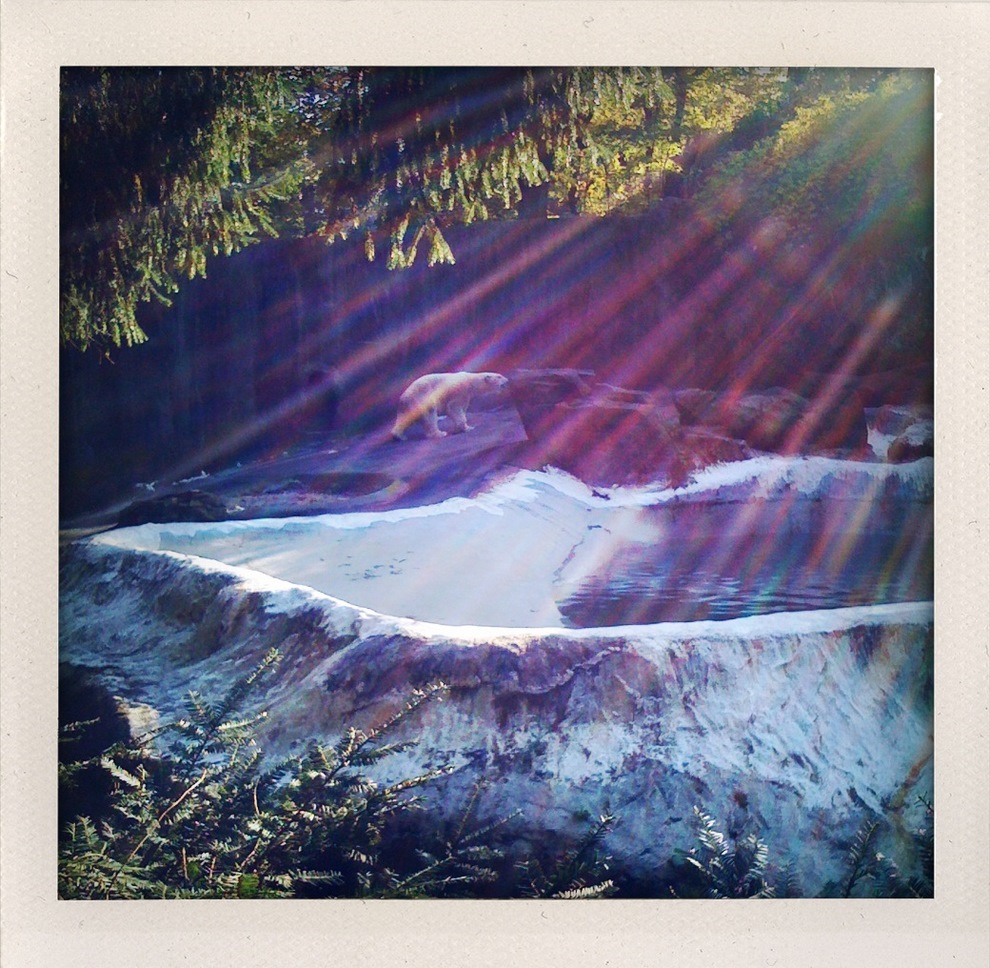
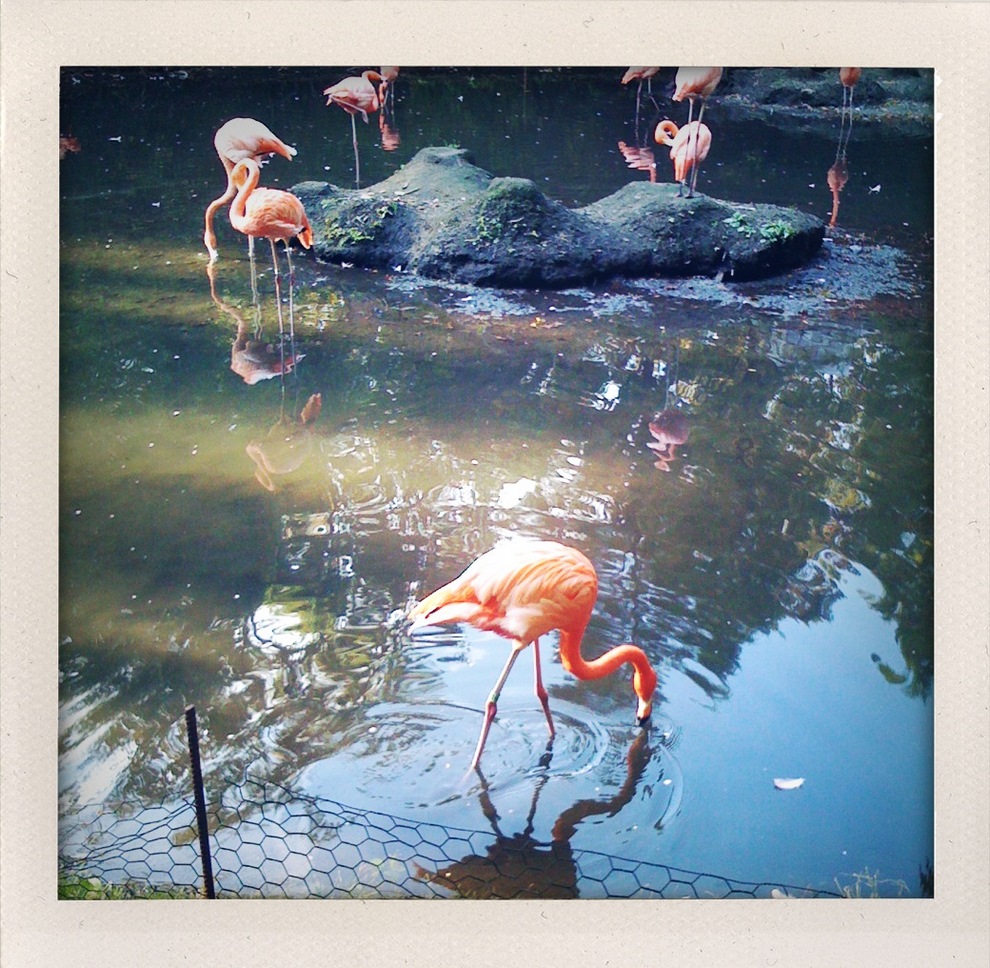
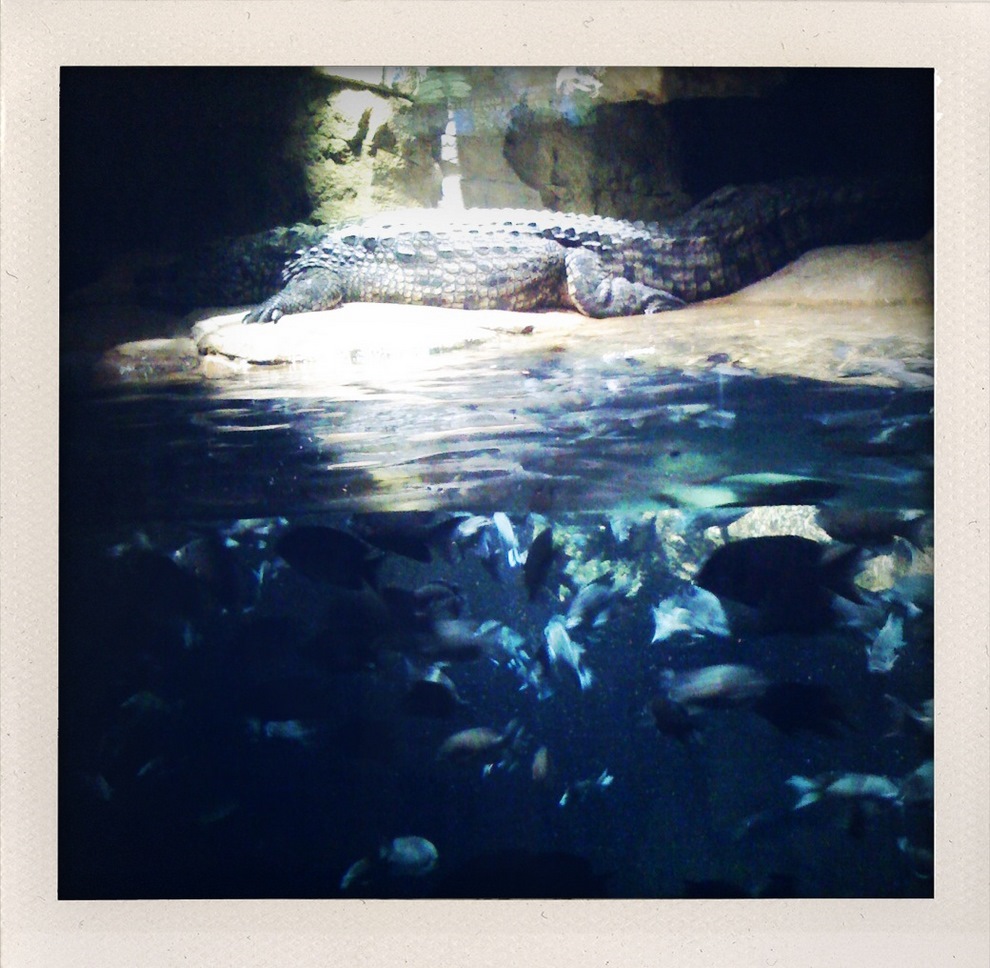
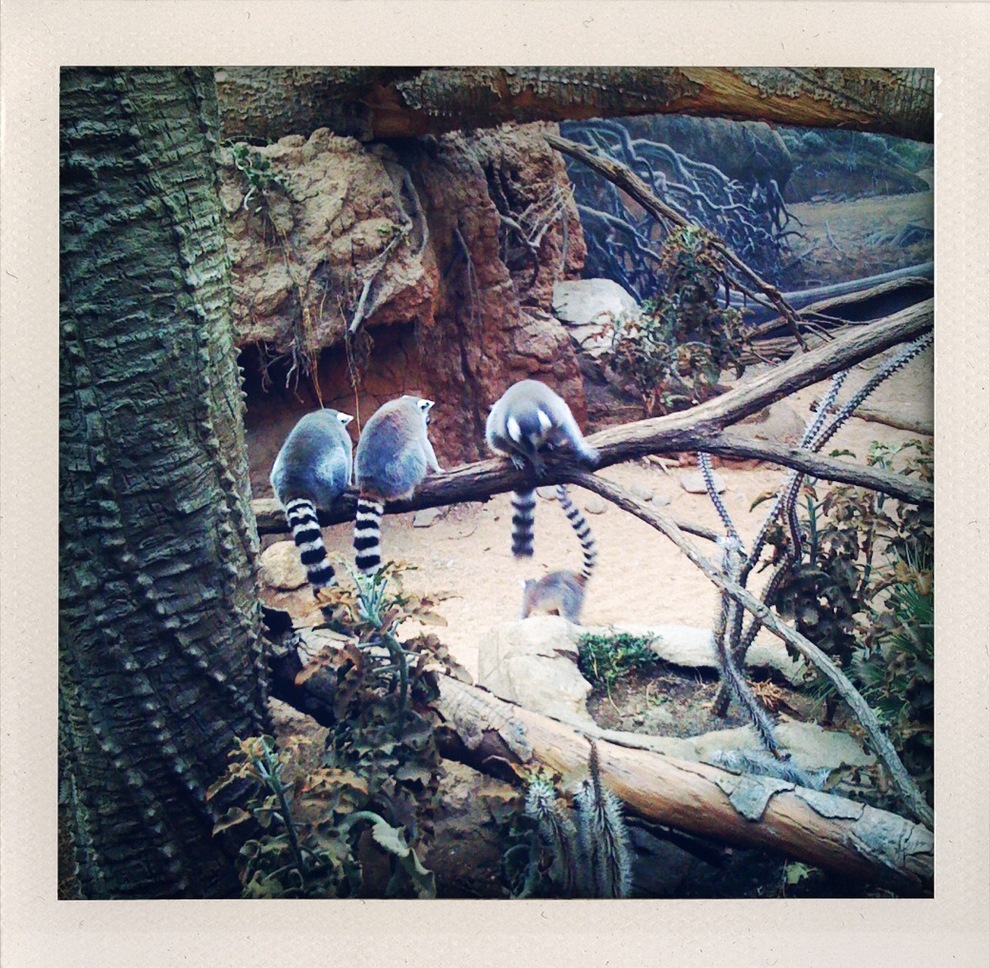
Rain, Jesus, pizza, subways and the Bronx Zoo; or, the last three days as seen through iphone’s shakeit app. Which admittedly turns the iphone’s terrible camera into something that occasionally produces great images by emulating the high contrast, over saturated look of the ill-fated polaroid.

20091018 Tags: kinne, photography, texas | 1 Comment »

marfa, day one

marfa01
marfa02
marfa03


You can see that Donald Judd literally has his name all over the town of Marfa.

20091015 Tags: kinne, new mexico, photography | No Comments »

white gypsum dunes

whitesands01
whitesands02
whitesands03


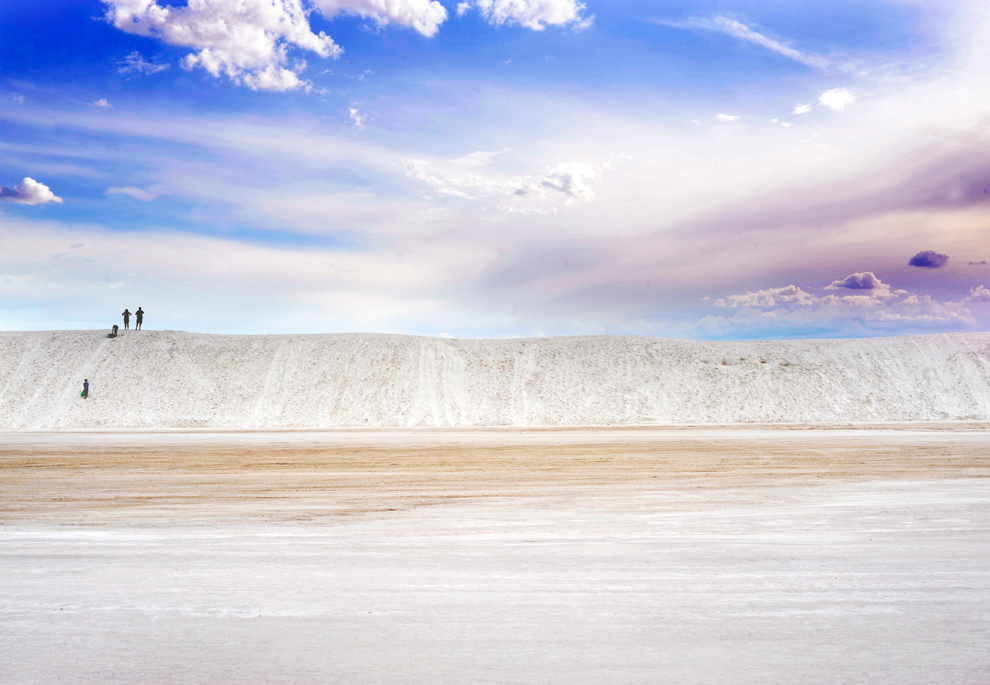
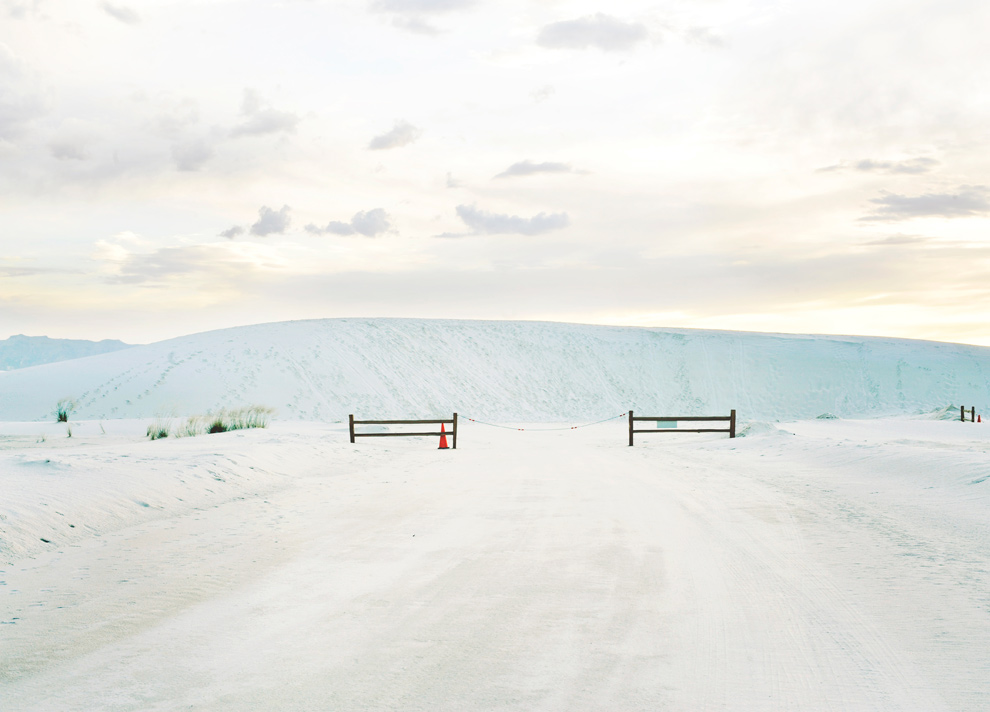
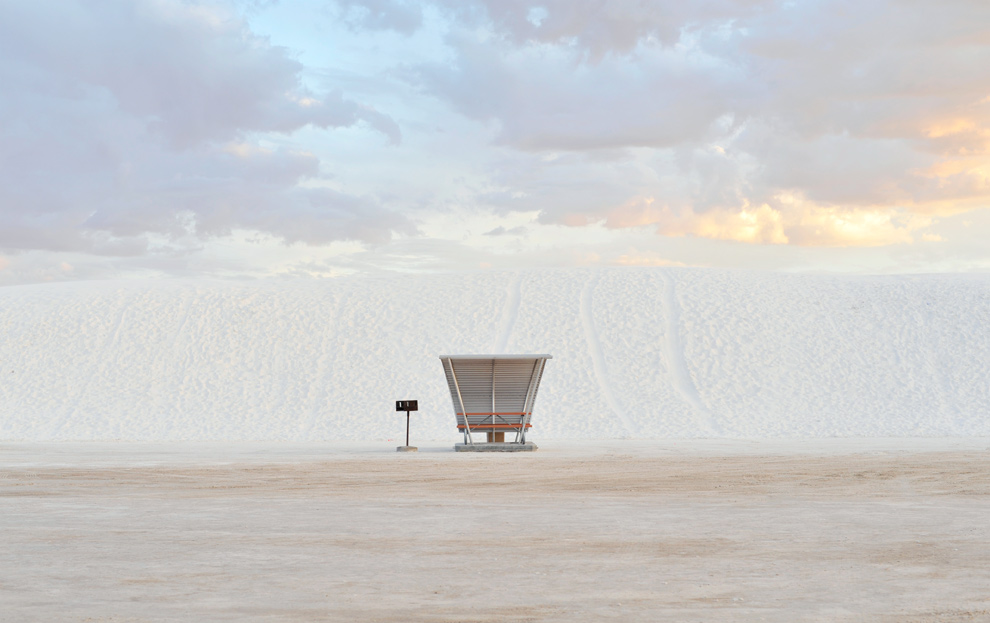
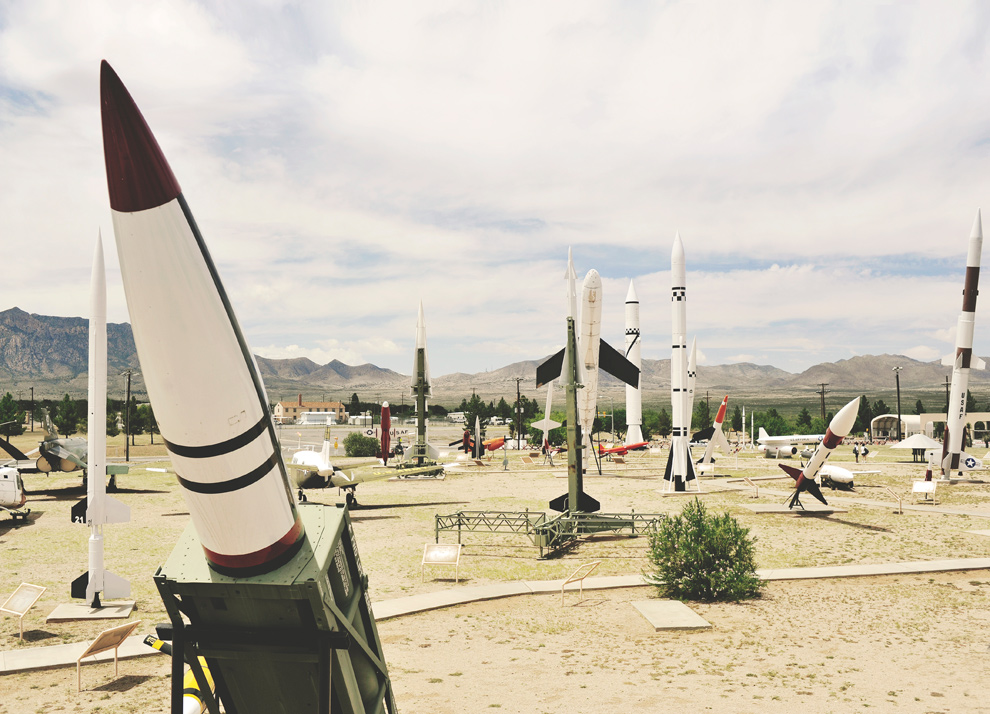
White Sands National Park is located within the White Sands Missile Range. Meaning that during test launches the park is closed down to prevent any errant missiles from taking out a family sledding down the dunes. Luckily for Jackie and myself, the park was open all day and we had free range to explore the gypsum sand dunes. At the day’s finale we were rewarded with the clearest, most saturated sunset I had ever seen. Calling it a computer-enhanced, ray-traced image would be an understatement.


more »

20091014 Tags: kinne, missile, new mexico, photography | No Comments »

missile parks and crater urbanisms

missile01
missile02
missile03


I meant to post without comment, but I’ll say two things, briefly:


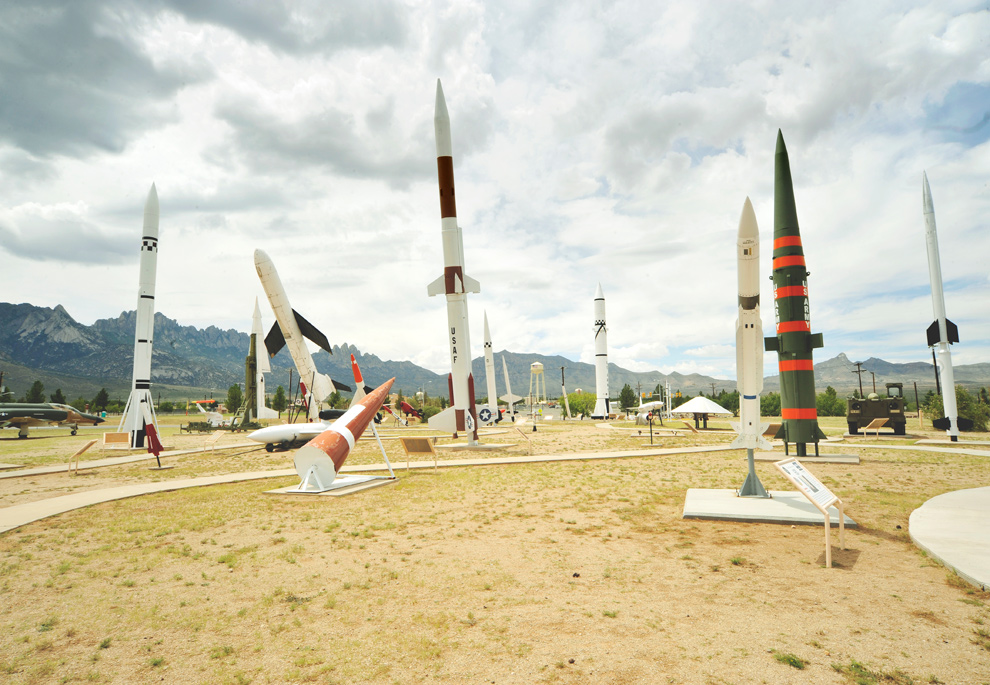
1) New Mexico, Land of Enchantment, is where the nuclear era really began. Specifically here at the White Sands Missile Range (WSMR), the country’s largest military installation. In the words of architect Nick Sowers, WSMR is the “massive tract of google-map-grey-space measuring one hundred miles north to south and forty miles wide. This is the ultimate war games playground.” And while the trinity shot heralded the birth of the nuclear world, New Mexico has also become the nuclear grave. With the Obama administration’s closure of Yucca Mountain in Nevada for storing hot nuclear waste, sites in New Mexico are being prepped for long-term storage (seriously long term, the U.S. Federal Court set the threshold that DOE needs to prove a site storing nuclear site will remain safe at one million years) of nuclear waste. As Scientific American points out in last months article “Is There a Place for Nuclear Waste?“, the politics of geography has changed. With a Texan in the White House, nuclear dumps in the Lone Star State were out of the question, and now that Obama narrowly carried Nevada on the promise to close Yucca, New Mexico is looking pretty tempting. Much like Turrell endlessly hollowing out the Roden Crater to transform the earth into a cosmological art experience, the Department of Energy is concurrently busily hollowing out mines around the Chihuahuan Desert near Carlsbad to bury spent nuclear waste more than 2,000 feet below the hard pan desert surface.


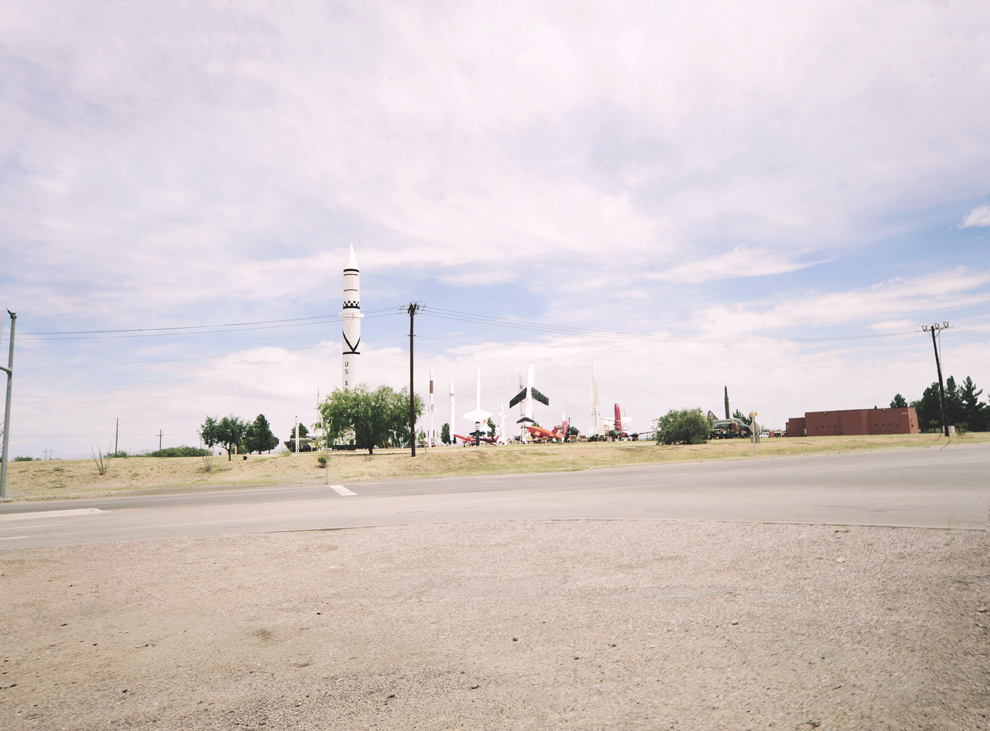
2) Again, as at the Titan II Missile Museum or the National Atomic Museum, what was once classified top-secret becomes a proudly public presentation, that is not so much a museum, but rather stands as a monument to American scientists and engineers ingenuity and abilities to construct the best missiles, sending the greatest payloads over the longest ranges. Walking between the towering missiles here, the best word I can think to describe the sensation is “creepy.” The security checkpoint to get onto the base only serves to heighten the otherworldly feel of the place, which doesn’t seem to deter a steady stream of families from arriving at the “park” and laughing and taking pictures in front of some of the more dramatic missiles. The Lance missile mounted onto a half-track was a popular destination. The landscape is charged here not only the cordite of 45,000 explosions, but with something intangible, that is no less real. Something that artist Patrick Nagatani has picked up on and used to great effect in a series of photomontages titled “Nuclear Enchantment.”


Nagatani’s wry sense of humor keeps his exquisite photomontages from coming across as too heavy-handed or shrilly political. His works, including Nike-Hercules Missile Monument, shows crowds of Japanese tourists holding miniature, souvenir-sized replicas of the Nike missile looming in the background in a scene that would be heartbreaking if it weren’t also hilarious. His painted blood-red or radiated yellow skies also best convey the eeriness and utter insanity that lurks in the background of all these real-life sites. Each piece is like an ironic ode to the facade of normality that we all go through, living our lives in shadow of not only these missiles but a world that accepts the existence of nuclear weapons.


The missile park is a museum in the sense that the military is showing their past work, but hinting at the greatness still to come. If you see a video of an invisible, airborne Advanced Tactical Laser burning through the hood of a car and disabling the engine block, this is where it was filmed. Few can dispute that tactical laser weapons are pretty cool, but I only mourn that new killing instruments appear outside the perception of the human eye, leaving future generations to walk through the WSMR and miss the tangible quality of standing in the shadow of an Athena missile, touching the metal and steel rivets, admiring the proportions of the radially arrayed fins. Then again, maybe future progeny will be just as happy without the instruments of war proudly glistening in the desert sun.

20091010 Tags: kinne, photography, texas | No Comments »

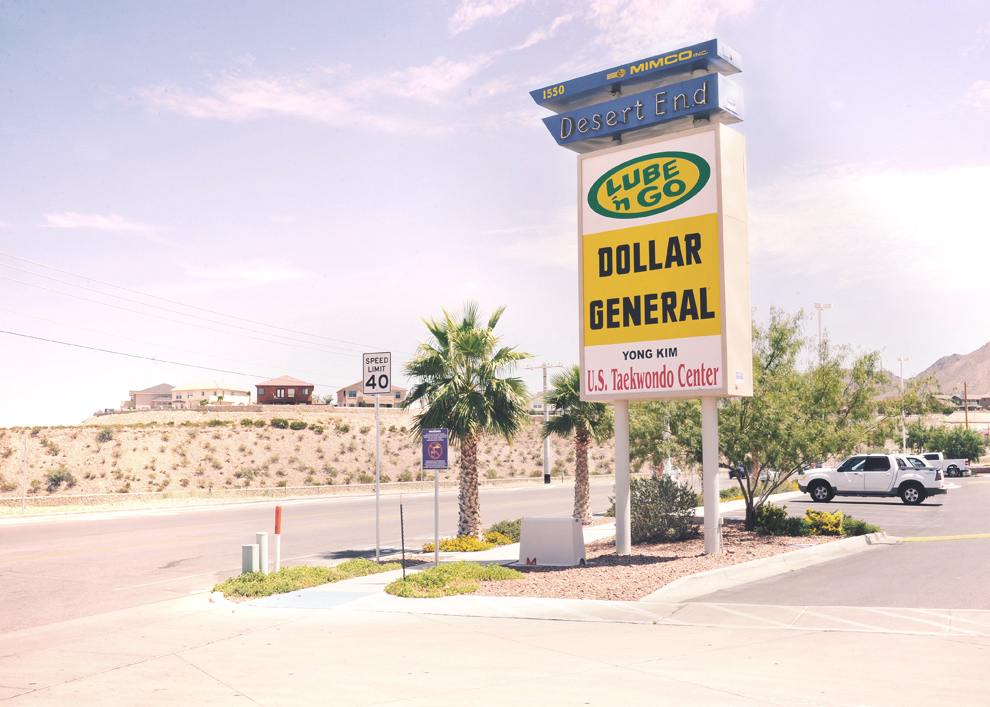
where the desert ends

desertend31


We were back in El Paso – again – for a few days, getting an oil change at the desert end. The warning sign states that “as part of the city’s water conservation efforts, this site is irrigated with reclaimed water. Do not drink water from irrigation system.”

2009106 Tags: kinne, missile, new mexico, nuclear, photography, writing | No Comments »

if they push that button, your ass got to go

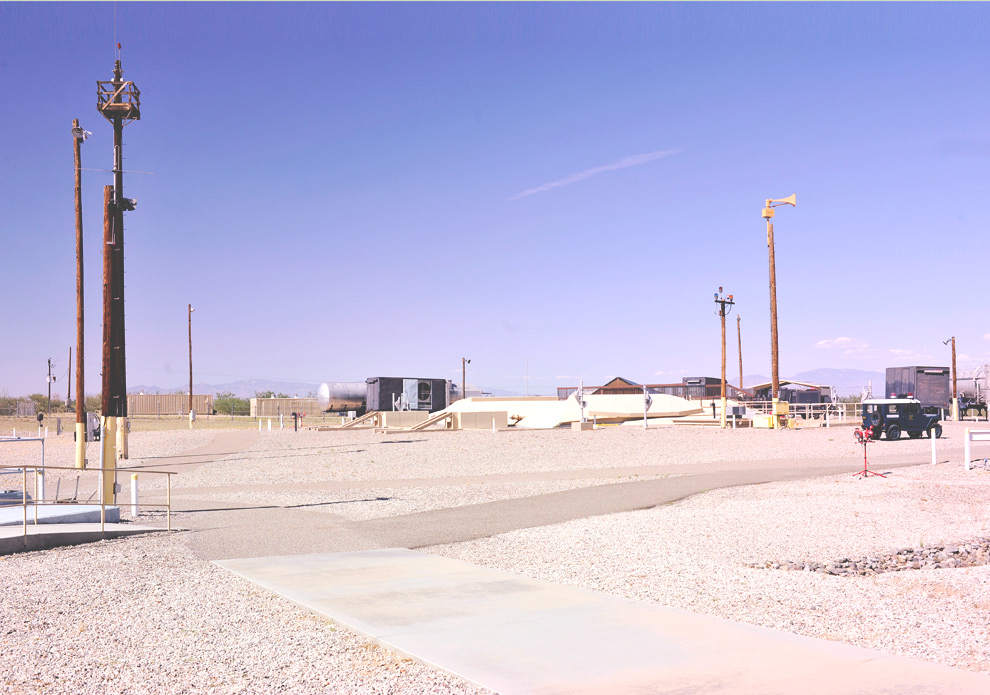
titan01
titan02
titan03


“We shape our tools and afterwards our tools shape us.” Marshall McLuhan


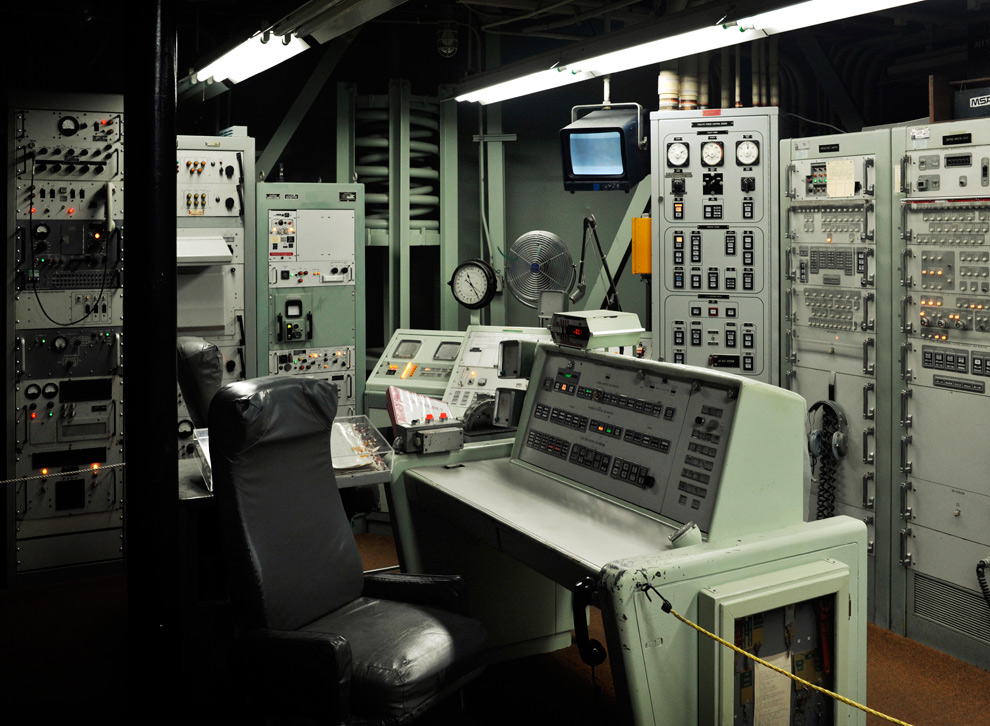
Twenty miles south of Tucson, buried beneath the desert hardpan, lies the most impressive of museums. The Titan II Missile Museum, the only ICBM missile silo open to the public, where groups of guided tours led by former U.S. Air Force crew members descend down into the underground structures and explore the facility comprising of the launch control center, the missile silo and the blast lock portal where you’re greeted with the 3-ton, 12-inch-thick blast doors. Inside is the Titan II Missile, 110-feet of riveted steel and technological precision. The absolute limit of technology, a nuclear-tipped missile created with the means to end not just war, but all existence, the world itself, at the push of a button. The most impressive thing about it is that the missile remains peacefully chambered in the silo, the launch orders were never received, and the missile never needed to fly. Peace through deterrence.


The oft-spoken mantra – “peace through deterrence” – occurs with such frequency throughout the retro-introductory video and the subsequent guided-tour, that one gets the distinct impression that the intonation references not just the geopolitical stalemate condition that was mistakenly labeled as “peace,” but also some kind of internal meditative state – an inner-peace – in the crew. No doubt a certain imperturbable composure is required for the type of person that volunteers for a job that requires a no-questions-asked-yessir approach to the command to destroy not just a far-off city but most likely civilization itself. After all, regardless of the technological brilliance in advanced airspace detection warnings and missile guidance technology, it all comes down to two guys, standing across from each other in an underground room agreeing to simultaneously turn their “fail-safe” keys, press a button, and launch an H-bomb-tipped ICBM. I asked our tour guide, who, by all accounts, seemed like an utterly reasonable, friendly human-being with a wry sense of humor, if he had undergone any especially rigorous psychological exams or maybe if he even had to undergo any false-positive drills by the military to test his mettle and ensure an unflinchingly appropriate response if the launch codes ever arrived. He responded that they were soldiers, drilled to take orders, but no extenuating psychological tests were necessary, because the overall “peace through deterrence”-ness of the mission guaranteed a clear conscious.


Granted, I didn’t grow up with the duck and cover films, the under the desk school drills, or the stockpiling of supplies in my backyard bomb shelter, so I feel so far removed from the general insanity of mutual assured destruction that the chasm of time renders the whole situation even more unreal and makes me feel even more skeptical than some of the older patrons on our Titan Missile Tour. And as futile as it probably is to try to find logic in strategic defense planning when nuclear weapons come into play, the whole “peace through deterrence” thing he’s clinging to screams of inconsistencies if you really think about it. Simply put, if the Soviets (or Chinese) launched a first strike, our deterrent capabilities were unsuccessful, so any second strike is simply retaliatory, launched in spite. The whole strategic defense mechanism was built around game theory – that a rational opponent wouldn’t call an ever-escalating series of bluffs. It gets interesting because deterrence doesn’t really require that anything actually functionally work – the missiles could just be a feint – but it’s the perception, the illusion that becomes reality, the truly frightening notion that the other side believes we’re crazy enough that we’ve got it in our collective disposition to throw down with World War III if the shit came down to it. That’s what makes “peace through deterrence” so reassuring. Not because of its paradoxical ridiculousness as a viable Cold War nuclear strategy (well, I guess it worked), but that it acknowledges that there is an inherent consciousness in our nation’s psyche. We needed it and this guy who worked the three-day shifts down in the silo needed it because, otherwise, you have to confront the reality that the whole thing is a deranged facade. Instead of looking into the terrifying abyss of nuclear weapons and seeing the end of the world, we managed to avert that by convincing ourselves that it was all for “peace,” a technological deterrent that let us off the hook, free to believe that a preemptive strike was antithetical to our very beings. Self-deception is generally assumed to be a bad quality. Here at the frontline of the Cold War it doesn’t seem like such a bad thing at all. In fact, I wonder if here it leads to a deeper understanding or revelation. That we’re the only nation to use atomic weapons against a civilian population makes it all the more heart-breakingly ambiguous.


Or, as the nuclear engineer states at the beginning of the Titan introductory film, “This is what it took to wage a nuclear war. And this is what it took to wage nuclear peace.”


It turns out that when Dr. Strangelove said that the whole point of a Doomsday Machine is lost if you keep it a secret, he could also have also been referring to obsolete, decommissioned doomsday machines. In accord with the Strategic Arms Limitation Treaty, the Titan’s blast doors have to always remain open, visible to Russian satellites. And in a testament to the resolution of orbiting Russian satellite imagery, the small yellow cutout in the missile head is large enough to reveal that the enclosure is devoid of any nuclear warhead. Of course, when the Titan II was equipped with a 9-megaton (the exact explosive tonnage is still classified) warhead from 1963 to 1984, it wasn’t really much of a secret then either. It was one of 18 other missile silos based around Davis Monthan Air Force Base that were visible to satellites. The more impressive-looking they were, the greater their deterrent value, and the more tempting a target they became. This also had the effect of turning the adjacent, sleepy town of Tucson into a strategic nuclear target, and the people that lived there knew it. The majority of visitors to the Titan Museum are locals. Having lived a good portion of their lives in the shadow of an ICBM, they now take advantage of being able to walk around the formerly classified, off-limits site and take as many photos as they can of Missile Site 571-7. This site has been reappropriated as an educational museum, where visitors can see and touch the surface and underground features of the complex. The rest of the decommissioned silos are another story, many of which are now hot real-estate investment opportunities.


There were a total of 54 Titan II missile silos, and, in addition to those around Tucson, there were others near Little Rock Air Force Base in Arkansas and McConnell Air Force Base in Kansas. The last of the Titan II missiles were decommissioned in 1987, the aging technological relics were updated with the more advanced Minuteman and MX Peacekeeper ICBMs. The new missiles required new silos, and the end of the Cold War was no impetus to the creation of even more complex underground ICBM silos that are now scattered across the Great Plains. But that left the outdated Titan II silos to slowly rot away while the military had to incur outrageous maintenance costs for obsolete installations. The thing about ICBM silos is that they were designed to survive a direct nuclear attack. So the walls are thick, like six-feet-of-solid-concrete thick. And all the floors are on a dampening suspension system, detached from the walls, so that in the event of any seismic activity, everything can flex and adjust itself independently. They’re an ageless, elemental example of security through entombment and they’re going to last forever. Built to survive an Armageddon that never came, the question now arises: what do we do with them?


They’ll outlive us by thousands of years as a monument to our own ingenuity, paranoia, and military superiority. These sinister void spaces in the desert landscape that comprise a vast network of underground ruins on par with the catacombs of Paris or the aqueducts of Rome – examples of other amazing feats of life-sustaining infrastructure. As told in Richard Rhodes thoroughly engrossing The Making of the Atomic Bomb, in 1939 when Danish Nobel-winning physicist Niels Bohr was asked whether he believed the United States could split the atom and create a nuclear explosion, he immediately expressed skepticism that the country had the will and determination to ever successfully undertake such a monumental task. He believed it could never be done “without turning the United States into one huge factory.” By 1944 Bohr was proven right. While touring the massive Site X at Oak Ridge, Tennessee, and seeing the thousands upon thousands of workers toiling away in an instant city on projects that they didn’t have security clearance to understand, Bohr remarked to Edward Teller, “I told you it couldn’t be done without turning the whole country into a factory. You have done just that.” Even now, what was built then has not been surpassed. Skidmore, Owings & Merrill provided the layout for the town and the designs for the individual, prefabricated, modular homes, a town for 75,000 people that went up in less than two years. The K-25 Building, which was built to enrich uranium during the Manhattan Project, was the largest building under one roof in the world – still the largest in the United States – over a mile in length and sheltering 1.6 million square feet. It’s currently in the midst of demolition, in a time consuming process that is both more expensive and longer lasting than the cost and time it took to build it up. Which brings us back to decommissioned missile silos.


There’s probably a certain type of person that would want to live inside a former nuclear missile complex, and those types of people had their chance when the military, in an attempt to squeeze some profit out of the dormant underground bunkers and the adjacent land, put the silos up at public auction. In an ironically twisted rehabilitation program, end-of-times survivalists can now make their homes and wait out Armageddon in the former weaponized tools that were designed to bring about said end in the first place. The archetypal genesis of their paranoid fears turned out to be the only acceptably safe refuge. Other silos ended up as “swanky bachelor pads,” (“secret nerd lair” doesn’t have the same ring to it), which inevitably leads to questions regarding the success rate of taking women home, when home is a desolate, windowless, underground former missile silo. Walking through the underground chambers of the Titan Museum, a space so charged where the layers of history were so strong a presence and the air had a stillness that was broken up by unexpected drafts while the lighting system induced a claustrophobic sense of broken-time disorientation, I’m skeptical that any number of lava lamps and fruit bowls could dispel that haunted house vibe. Luckily, the housing market crash hasn’t seemed to affect the silo market, the awesomely named 20th Century Castles, will still sell you a Titan I missile silo for $2.8 million, and their website proudly shows images of happy middle-aged, normal-looking couples posing in front of their cableway, decked out with family portraits, house plants, and garishly patterned rocking chairs in place of decontamination suits, launch control consoles, and blast locks.


But none of that can match the excitement of the climax to the Titan II Missile Museum tour, what we’ve all been waiting for: the mock launch. Chuck, our guide, asks for a volunteer. A young kid, born after 1989, jumps up and hops into the commander’s chair. A siren goes off as Chuck, standing to the side, reads and validates the launch code orders. Target 2 is selected. Chuck holds his key and the kid does the same. On his mark, turn. Now the kid, sitting at the launch console, his hand on the key, waits for Chuck to give him the signal to synchronously turn his key. Suddenly he seems to feel it. There’s a hesitation in his movements, no longer the eager volunteer, uncertain if this is really what he wants to do. Chuck gives the signal, the kid limply turns his key. The button is pushed. The lights in the kiva-like command center change to red. A piercing air-raid siren starts up. “Ready to launch” becomes “launch enabled.” The missile batteries engage, liquid oxygen floods the missile chamber and activates the launching mechanisms, “lift-off” goes green, and 58 seconds after order received the missile is in the air. Thirty-five minutes after that, target strike. We’ll meet again someday. No one breathes, a certain calmness washes over the group. Peace through deterrence, peace through deterrence….


titan04

20090929 Tags: kinne, photography, utah | No Comments »

canyonlands

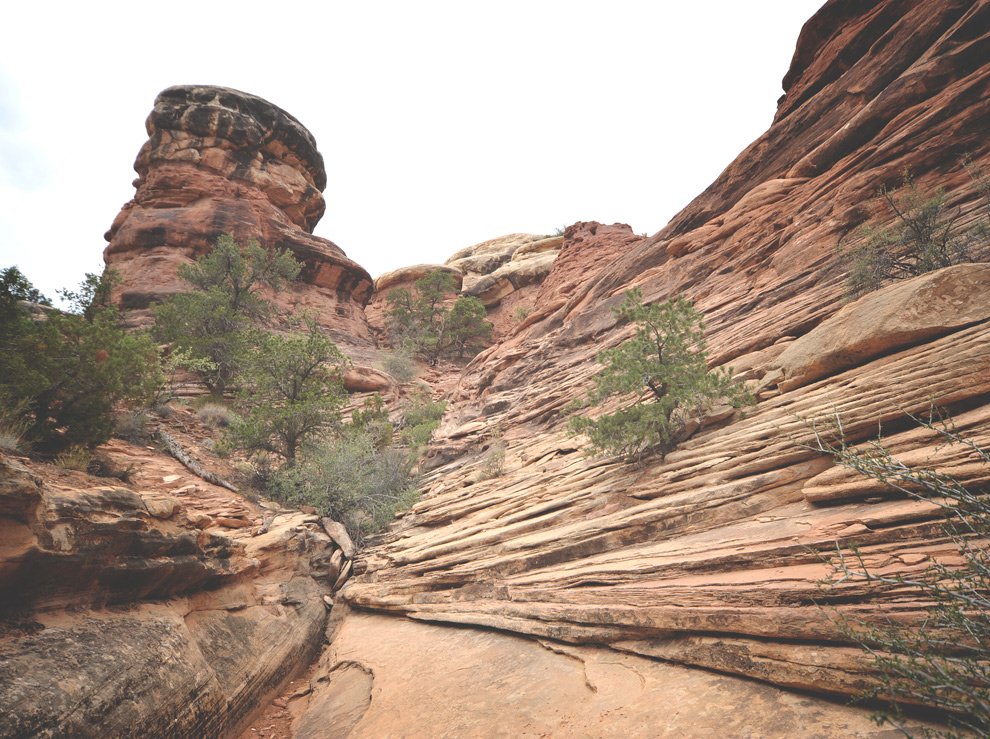
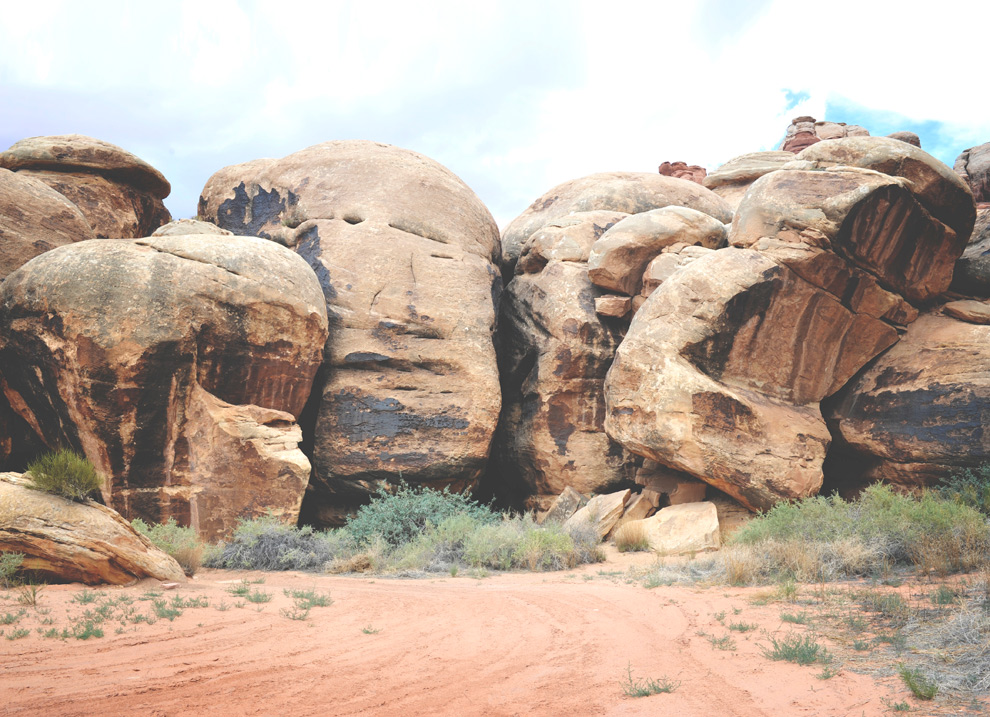
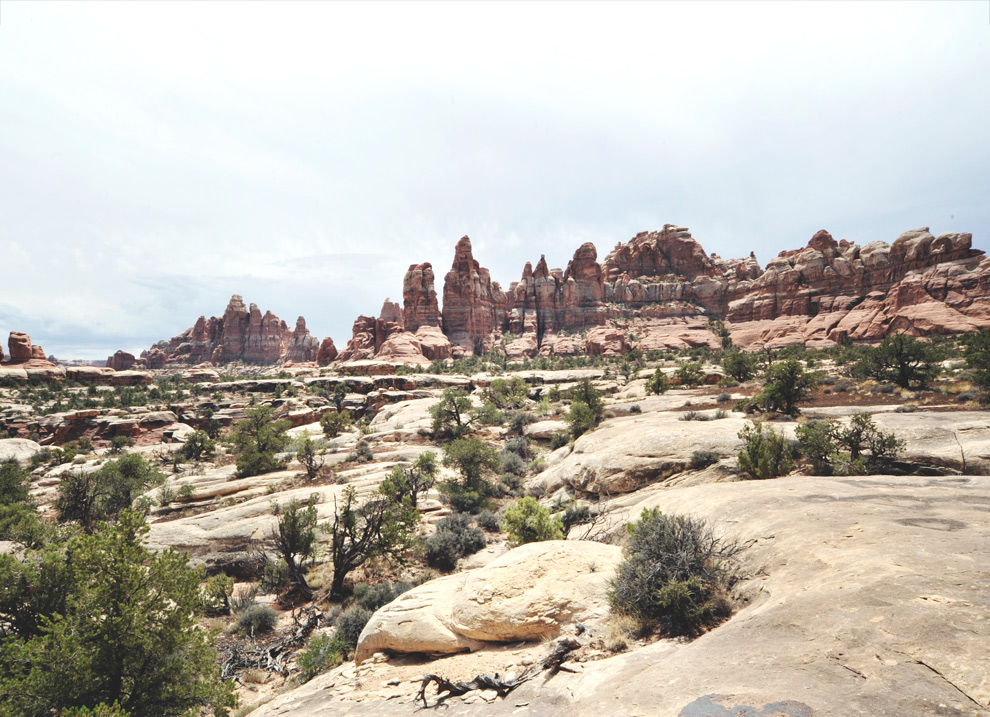
canyonlands02
canyonlands03
canyonlands011
After watching the first installment of Ken Burns’ excellent National Parks documentary, I felt enjoined to post images of my favorite Park, Canyonlands in Utah. I visited seven National Parks over the summer, and Burns is better able to articulate in a more clear, concise manner than I ever could the rage of conflicting emotions one feels when visiting National Parks during the height of summer tourist season. I could never shake the feeling that there was something profoundly wrong about paying $20 to get into the Grand Canyon and waiting an hour in a Los-Angeles-level traffic jam just to walk along a paved path at the edge of the South Rim amongst a crowd of pedestrians that feels more like 34th Street than the wide open, untamed West. Again, the same principle from The Lightning Field applies—by our very presence, we as tourists spoil the previously unspoiled place we came to see. Lightning Field attempts to subvert this by imposing a six-person daily quota, which would be antithetical to the National Parks democratic mandate. Somewhere in between these two extremes lies Canyonlands, which is why I liked it so much. There was none of the technicolor brilliance that makes other parks such postcard opportunities. Here it was more subtle, but no less sublime. And it brought back a healthy respect for the dangers of landscape, where simple things like water, food and sun become such important, precious commodities when you’re alone, no one for miles, at mile marker seven on a fourteen-mile hike.
« Older Entries
Newer Entries »

COPYRIGHT © 2011 \ JOHN LOCKE \ ALL RIGHTS RESERVED (RSS)

TOP OF PAGE

last update: 201102:1627